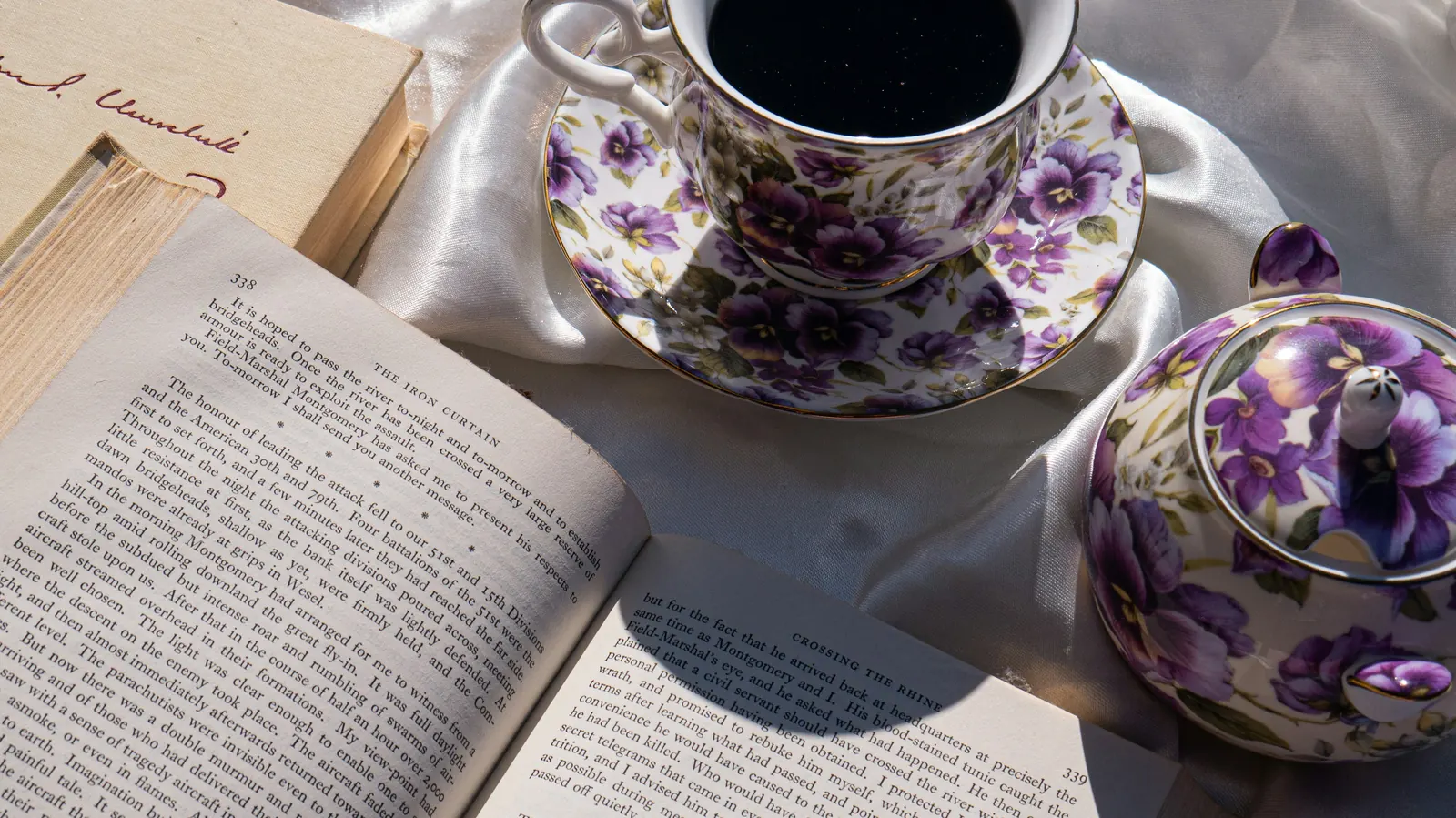
Most of us make tea the way we were first shown, and many never think about it again. Yet the same plant gives you a smoky black tea, a grassy Japanese sencha and a delicate white tea, and the difference comes down to where it grew and how it was made. A good book opens that up.
The hard part is choosing one, because the shelf holds at least four kinds of book: practical guides, big references, histories and short classics. Amazon also lists many thin, anonymous titles that are best ignored. This guide picks ten real books from named authors and established publishers, and for each sets out what the listing, publisher and named reviewers say, and which reader it suits.
Julia’s earns a commission on purchases made through links on this page, at no cost to you. Recommendations are based on the Amazon listing, publisher and author information and published reviews, which we name where we use them.
Quick verdict: the best book about tea to start with
For most readers, start with The Story of Tea by Mary Lou and Robert J. Heiss: history, more than thirty tea profiles and a tasting and brewing guide, and a finalist for both IACP and James Beard awards, per its publisher. If you are new to tea and want something easy to browse, choose Linda Gaylard’s The Tea Book. If you want a true story rather than a guide, choose Sarah Rose’s For All the Tea in China.
The other seven cover a short primer, a pocket handbook, tea by region, a taster’s reference, a straight history, Japanese tea and a 1906 classic.
Five tea books side by side
Five of the ten, one for each kind of reader, with the details from the listing and publisher. All ten are described in full below.
| Book | Best for | Format and range | Length | Buy on Amazon |
|---|---|---|---|---|

The Story of Tea, Mary Lou and Robert J. HeissBest overall
|
One book for the whole subject | Hardcover, 30+ teas profiled | 432 pages | View on Amazon |

The Tea Book, Linda GaylardBest for beginners
|
A first, visual guide | Hardcover, 75 recipes | 224 pages | View on Amazon |

The Tea Enthusiast’s Handbook, Mary Lou and Robert J. HeissBest pocket guide
|
Buying and brewing at a glance | Paperback, 35+ teas with notes | 208 pages | View on Amazon |

The World Atlas of Tea, Krisi SmithBest for regions
|
Seeing where tea comes from | Paperback, maps and regions | 240 pages | View on Amazon |

For All the Tea in China, Sarah RoseBest story
|
A narrative read | Paperback, narrative history | 272 pages | View on Amazon |
Cover images from Amazon. Page counts and formats are for the editions linked; other editions differ.
Our picks for the best book about tea, title by title
These ten cover the full story, beginners, short reads, pocket reference, regions, serious tasting, narrative history, Japanese tea and a classic. For each we give what the listing, publisher and any published review say. We have not read these books ourselves; where we describe a strength, we say whose view it is.
1. The Story of Tea, Mary Lou and Robert J. Heiss – History and Drinking Guide in One
If you buy one serious book about tea, make it this one. Mary Lou and Robert J. Heiss are described by their publisher as veteran tea traders, and the book covers the whole subject: the history, how territory and production shape flavor, more than thirty essential teas, and a guide to tasting and brewing.
It also has the strongest record of any title here. Penguin Random House lists it as a finalist for both the 2008 IACP Cookbook Award and the 2008 James Beard Award. Publishers Weekly called it “an engaging historical and cultural study” that suits “both novice and consummate consumers,” and the publisher quotes the New York Times calling it “a comprehensive, lavishly illustrated guide to tea history, lore, cultivation and appreciation.”
The catch is age. It came out in 2007, so treat its sections on where to buy tea as a starting point. The history and the tea profiles should date far more slowly, and the book includes ten recipes for those who want to cook with tea.
Why we like it
- Finalist for IACP and James Beard awards, per its publisher
- Reviewed warmly by Publishers Weekly
- Profiles more than thirty essential teas
- Written by tea traders, per its publisher
Key specifications
| Author | Mary Lou Heiss and Robert J. Heiss |
|---|---|
| Publisher | Ten Speed Press |
| Year | 2007 |
| Pages | 432 |
| Format | Hardcover |
| Covers | History, 30+ tea profiles, tasting and brewing, 10 recipes |
| Focus | The full story of tea |
| Best for | Readers who want one reference |
Why we recommend it
If you want a book to read through and then keep near the kettle, this does both jobs better than anything else we found in stock. It works as history and as a practical guide.
Skip it if you want a quick answer on how to brew a green tea tonight. At 432 pages this is a book to settle into, and the pocket handbook below is quicker.
Pros and cons
Pros
- Covers history, tasting and brewing
- Strongest critical record here
- Suits beginners and experienced drinkers, per Publishers Weekly
Cons
- Published in 2007
- Long for a casual reader
2. The Tea Book, Linda Gaylard – A Tea Sommelier’s Illustrated Guide
This is the book to give someone who likes tea but has never thought much about it. Linda Gaylard is a certified tea sommelier who, per the publisher, trained at George Brown College and holds certification from the Tea Association of Canada.
Penguin Random House says the book covers where tea is grown, how to brew each variety, a Japanese tea ceremony, tasting exercises, chai, and herbal and fruit infusions. It also gives 75 recipes, traditional and modern. That mix of reference and things to try is what suits a beginner, because you can dip in rather than read straight through.
Publishers Weekly’s page shows no review, and we did not find a named critic’s review in the searches we ran, so this pick rests on the publisher’s and author’s details.
Why we like it
- Written by a certified tea sommelier, per the publisher
- 75 recipes, from traditional to modern
- Tasting exercises to try at home
- Covers herbal and fruit infusions too
Key specifications
| Author | Linda Gaylard |
|---|---|
| Publisher | DK |
| Year | 2015 |
| Pages | 224 |
| Format | Hardcover |
| Covers | Growing regions, brewing, ceremony, tasting, 75 recipes |
| Focus | Practical tea at home |
| Best for | New tea drinkers and gifts |
Why we recommend it
If you are starting out, or buying for someone who is, this is the friendliest full-size book we found. It gives you things to do with tea as well as things to know.
Skip it if you want deep history. This is a guide to enjoying tea, and our history picks go much further.
Pros and cons
Pros
- Easy to browse
- Credentialed author
- Plenty to try at home
Cons
- No named review in our sources
- Less depth than the big references

3. A Little Tea Book, Sebastian Beckwith with Caroline Paul – A Tea Merchant’s Short Primer

Sebastian Beckwith founded the tea company In Pursuit of Tea, and this small hardcover from Bloomsbury is his primer, written with Caroline Paul, with charts and graphs by the illustrator Wendy MacNaughton.
In Pursuit of Tea’s page says the book runs from orange pekoe to pu-erh, with tips, fun facts, recipes and tea’s cultural and political history, and calls it a primer for beginners and connoisseurs alike. It comes in at 144 pages by the listing.
Bear in mind that this description comes from the author’s own company. Publishers Weekly’s page shows no review, and we could not reach the Bloomsbury page, so this pick rests on the listing and the author’s details.
Why we like it
- Written by a tea company founder
- Charts and graphs by Wendy MacNaughton
- Short enough for a sitting or two
- Covers tea types, history and recipes
Key specifications
| Author | Sebastian Beckwith with Caroline Paul; illustrated by Wendy MacNaughton |
|---|---|
| Publisher | Bloomsbury |
| Year | 2018 |
| Pages | 144 |
| Format | Hardcover |
| Covers | Tea types, brewing, history, recipes |
| Focus | A compact introduction |
| Best for | Gift buyers and short readers |
Why we recommend it
If a 400-page history sounds like homework, start here. It is the shortest general book on this page.
Skip it if you want a reference to consult for years. A small book cannot match the range of The Story of Tea.
Pros and cons
Pros
- Short and illustrated
- Author works in the tea trade
- Hardcover makes it a good gift
Cons
- No named review in our sources
- Not a deep reference
4. The Tea Enthusiast’s Handbook, Mary Lou and Robert J. Heiss – Pocket Guide to the Six Classes
This is the practical companion to The Story of Tea, from the same authors, and it is the one to reach for when you are standing in front of a shelf of tins. Ten Speed Press lists it at about 4.5 by 8.5 inches, small enough to carry.
It covers tea’s origins, how to buy it, and the six classes: green, yellow, white, oolong, black and pu-erh. There is advice on brewing and storing, plus a gallery of more than thirty-five teas with tasting notes.
The publisher collects good notices: Library Journal called it “a valuable guide,” and Booklist said “all pertinent tea-making questions are answered in knowledgeable, buoyant prose.” Kevin Gascoyne, a co-author of another book on this page, wrote in The Art of Eating that it gives “excellent, concise advice about tea.”
Why we like it
- Pocket-sized, per the publisher
- Tasting notes on more than thirty-five teas
- Reviewed by Booklist and Library Journal
- Explains all six classes of tea
Key specifications
| Author | Mary Lou Heiss and Robert J. Heiss |
|---|---|
| Publisher | Ten Speed Press |
| Year | 2010 |
| Pages | 208 |
| Format | Paperback |
| Covers | Six classes of tea, buying, brewing, storing |
| Focus | Practical tea knowledge |
| Best for | Shoppers and new loose-leaf drinkers |
Why we recommend it
If you are moving from tea bags to loose leaf and want to know what to buy and how to brew it, this is the most useful book per page on our list.
Skip it if you already own The Story of Tea and want something new. The two share authors and subject.
Pros and cons
Pros
- Portable
- Clear on buying and storing
- Well reviewed
Cons
- Published in 2010
- Same authors as our top pick
5. The World Atlas of Tea, Krisi Smith – Maps, Regions and Blending
Tea tastes of where it grows, and this is the book that shows you the map. Its publisher describes Krisi Smith as a tea mixologist, and the book’s range runs from harvesting and processing through blending and brewing equipment to regional profiles, including China, Taiwan, Japan, India, Sri Lanka, Nepal, Vietnam and East Africa.
The tea blog Notes on Tea reviewed the first edition and recommended it: “I think it would make a good addition to your tea library.” Its writer liked the processing explanation and regional maps best. It also found faults: no map of Taiwan’s tea regions, an incomplete list of Chinese teas and a weak index, which matters if you use the book for reference.
This is the Firefly paperback, dated 2025 on the listing. Those comments date from 2016, and we cannot say what has changed. Blending is a nice extra, since few of the other books here mention it.
Why we like it
- Regional maps and profiles
- Covers blending as well as brewing
- A tea blog recommends it, with caveats
- Recent paperback edition
Key specifications
| Author | Krisi Smith |
|---|---|
| Publisher | Firefly Books |
| Year | 2025 |
| Pages | 240 |
| Format | Paperback |
| Covers | Processing, blending, brewing, regions |
| Focus | Tea by geography |
| Best for | Visual readers and travelers |
Why we recommend it
If you want to know why a Darjeeling and a Japanese sencha taste nothing alike, and you learn best from maps and pictures, this is the one to get.
Skip it if you plan to use it as a lookup reference. A reviewer found the first edition’s index weak.
Pros and cons
Pros
- Strong on geography
- Good for visual learners
- Covers blending
Cons
- Index criticized in the first edition
- Gaps in regional coverage, per the same review
6. Tea: History, Terroirs, Varieties, Kevin Gascoyne and others – The Tea Taster’s Reference

This is the book for the reader who has moved past “how do I brew it” and wants terroir, cultivars and grades. Its four authors, Kevin Gascoyne, François Marchand, Jasmin Desharnais and Hugo Américi, are described in the book’s details as professional tea tasters and the owners of the Camellia Sinensis Tea House in Montreal.
The tea writer James Norwood Pratt reviewed it in TeaTime magazine, calling it “comprehensive, but not-too-weighty, one-volume coverage of the world’s teas” and praising its section on terroir. He also said the index could be better, and that Sri Lanka gets “unjustly short shrift.” Publishers Weekly reviewed it too.
The linked copy is the third edition, per the Amazon listing, at 288 pages. The Publishers Weekly review covers an earlier 272-page edition, and we cannot confirm which edition Pratt read, so his comments may not all apply.
Why we like it
- Written by professional tea tasters
- Praised by James Norwood Pratt in TeaTime
- Third edition, per the listing
- Goes further on terroir than a general guide
Key specifications
| Author | Kevin Gascoyne, François Marchand, Jasmin Desharnais, Hugo Américi |
|---|---|
| Publisher | Firefly Books |
| Year | 2018 |
| Pages | 288 |
| Format | Paperback |
| Covers | History, terroir, cultivars, grades, tasting notes |
| Focus | Tea from the taster’s side |
| Best for | Serious drinkers and tea buyers |
Why we recommend it
If you already own a teapot you care about and have started to notice what separates one harvest from another, this is your next book.
Skip it if you are just starting out. Begin with The Tea Book or A Little Tea Book and come back to this one.
Pros and cons
Pros
- Taster’s point of view
- Reviewed by a respected tea writer
- Updated edition
Cons
- More than a beginner needs
- Index criticized by its reviewer
7. For All the Tea in China, Sarah Rose – The True Story Behind Your Cup
This one is not a guide at all. It is narrative history: when the East India Company lost its monopoly on the China tea trade, it sent the Scottish botanist Robert Fortune to take tea plants from inside China to British plantations in India. Penguin presents it as an adventure story behind an everyday drink.
It earned good notices. Penguin Random House quotes a starred Booklist review calling it “a delicious brew of information on the history of tea cultivation and consumption in the Western world,” and NPR’s Guy Raz calling it “a wonderful combination of scholarship and storytelling.”
Sarah Rose has written for the Wall Street Journal and Outside, and received a Lowell Thomas Prize in Travel Writing in 2014, per the publisher.
Why we like it
- Starred Booklist review, per the publisher
- A true story told as an adventure
- Written by a journalist
- Paperback at a comfortable length
Key specifications
| Author | Sarah Rose |
|---|---|
| Publisher | Penguin Books |
| Year | 2011 |
| Pages | 272 |
| Format | Paperback |
| Covers | Robert Fortune and the tea trade |
| Focus | Narrative history |
| Best for | Readers who like a true story |
Why we recommend it
If you prefer a good story to a reference book, or you are buying for a history reader who happens to drink tea, this is the pick.
Skip it if you want to learn to brew better tea. It is a history, not a guide.
Pros and cons
Pros
- Reads as an adventure, per its publisher
- Named reviews from Booklist and NPR
- Paperback
Cons
- No practical guidance
- Covers one episode of tea’s history
8. A History of Tea, Laura C. Martin – From China to the World

Where Sarah Rose tells one story, Laura C. Martin tells the whole one. Publishers Weekly reviewed this Tuttle paperback, calling it a “stimulating history” and “an informative plunge into tea’s history,” following the leaf from China outward around the world.
The review also mentions useful extras: a tasting vocabulary, a list of quality blends and a brewing guide. Publishers Weekly describes Martin as a gardening and crafts writer, so expect a generalist’s overview rather than a specialist’s account. We could not reach Tuttle’s own page for it.
If you want more history than a general guide gives you, in a single paperback, this is a sensible next step.
Why we like it
- Reviewed by Publishers Weekly
- Follows tea from China around the world
- Tasting vocabulary and brewing guide included
- Paperback at a manageable length
Key specifications
| Author | Laura C. Martin |
|---|---|
| Publisher | Tuttle Publishing |
| Year | 2018 |
| Pages | 232 |
| Format | Paperback |
| Covers | World history of tea |
| Focus | General tea history |
| Best for | History readers |
Why we recommend it
If you want the full sweep of tea’s history in a single readable paperback, start with this one.
Skip it if you want a specialist’s account. The author is a generalist.
Pros and cons
Pros
- Clear single history
- Extras for tea drinkers
- Named review
Cons
- Generalist author
- Mainly history, little practical detail
9. A Beginner’s Guide to Japanese Tea, Per Oscar Brekell – Sencha, Matcha and How to Brew Them

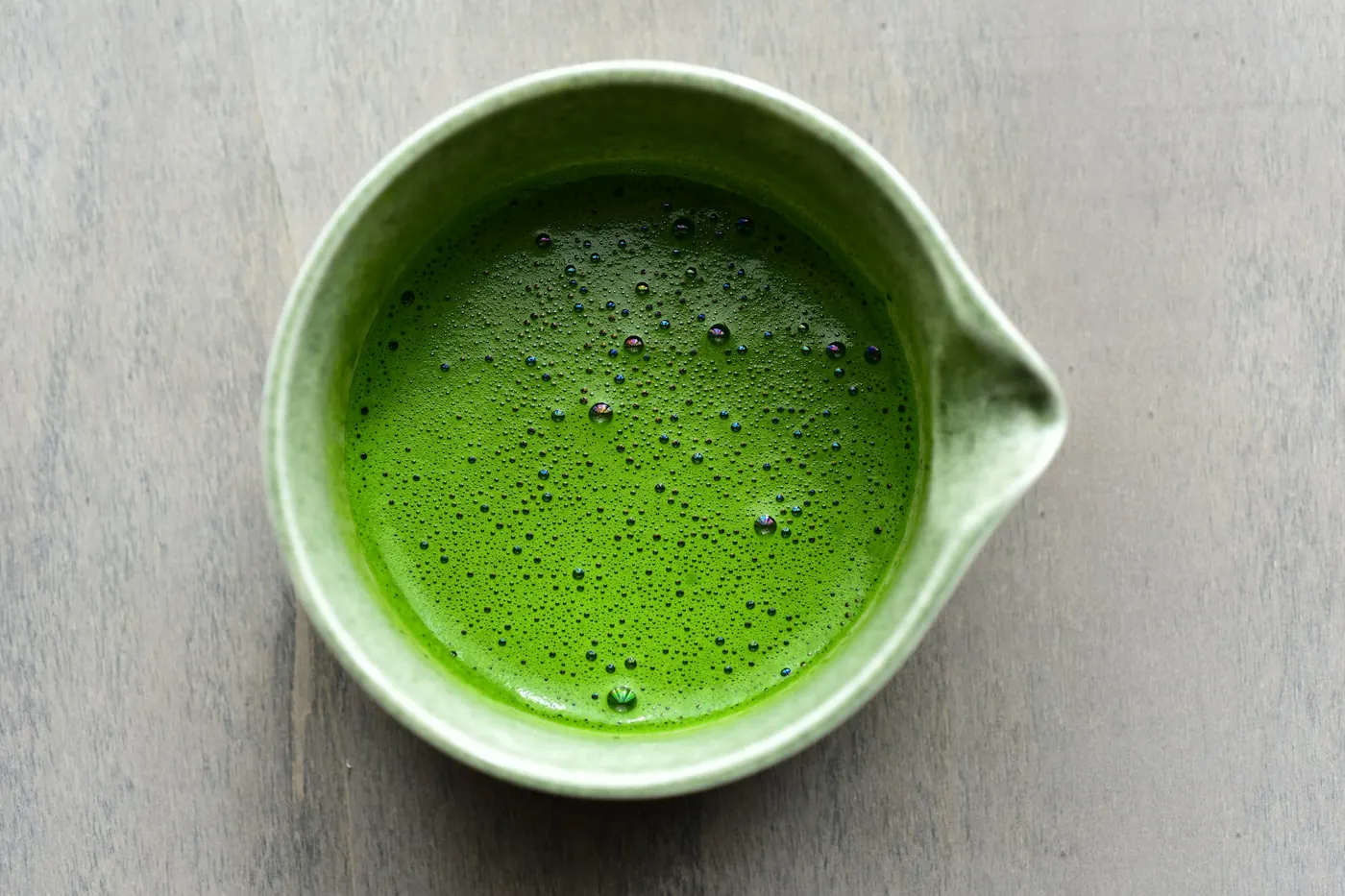
Japanese tea has its own vocabulary and its own teapots, and a general book can give it only limited room. Per Oscar Brekell is a Swede who moved to Japan, studied at Gifu University and became a certified Japanese tea instructor, according to Tuttle, which says he is the first non-Japanese person certified to prepare handmade sencha.
Tuttle lists 96 pages and over 200 color photos, covering how tea is picked and processed, the main growing regions, premium varieties, how to brew them, and traditional teapots and cups.
Kavita Favelle reviewed it on her blog Kavey Eats, saying it conveys “both sides of the tea equation” more comprehensively and concisely than most tea books she has read. She received a review copy from Tuttle and her post has affiliate links, as this page does. For a steady pour over delicate leaf, see the best gooseneck kettle.
Why we like it
- Certified Japanese tea instructor, per Tuttle
- Over 200 color photos
- Covers tea types, regions and teaware
- Reviewed by Kavey Eats
Key specifications
| Author | Per Oscar Brekell |
|---|---|
| Publisher | Tuttle Publishing |
| Year | 2022 |
| Pages | 96 |
| Format | Paperback |
| Covers | Japanese tea types, regions, brewing, teaware |
| Focus | Japanese tea |
| Best for | Sencha and matcha drinkers |
Why we recommend it
If you have started drinking matcha or sencha and want to know what you are buying, this short guide is the most focused book we found.
Skip it if you drink mainly black tea. It is about Japanese tea only.
Pros and cons
Pros
- Focused and short
- Qualified author
- Well illustrated
Cons
- One country only
- Short at 96 pages
10. The Book of Tea, Okakura Kakuzo – The 1906 Classic on Tea and Art

Okakura Kakuzo wrote this essay in English, published in 1906, to explain Japanese art and daily life to Western readers through tea, so it is a different kind of book from the rest of this list. It will not help you pick a tea. It is about what a quiet cup can mean.
Many editions exist, and plenty of the reprints on Amazon name no publisher we could identify. We chose this Tuttle paperback, which the listing shows as a 2018 reprint of 128 pages, with an introduction by Liza Dalby and forewords by Andrew Juniper and Elise Grilli.
We could not reach Tuttle’s page for this edition, so our details come from the listing, and the background from Wikipedia’s entry on the book. It stands in for the older classic many readers ask about, Lu Yu’s The Classic of Tea, which we could not find new and plainly in stock in print.
Why we like it
- A classic of tea writing
- From an established publisher
- Introduction by Liza Dalby, per the listing
- Very short
Key specifications
| Author | Okakura Kakuzo; introduction by Liza Dalby |
|---|---|
| Publisher | Tuttle Publishing |
| Year | 2018 (reprint; first published 1906) |
| Pages | 128 |
| Format | Paperback |
| Covers | Tea and Japanese culture |
| Focus | Philosophy and aesthetics |
| Best for | Readers who enjoy the ideas behind tea |
Why we recommend it
If tea is part of how you slow down, this short classic is worth owning, and it makes an easy gift for a reader.
Skip it if you want buying or brewing advice. That is not its purpose.
Pros and cons
Pros
- A true classic
- Short
- Reputable edition
Cons
- Not a practical guide
- Rests on listing details here
How to choose a book about tea
Tea books split into a few types, and the wrong type is the usual reason one goes unread. Three questions sort them out.
1. Do you want to drink better, or know more?
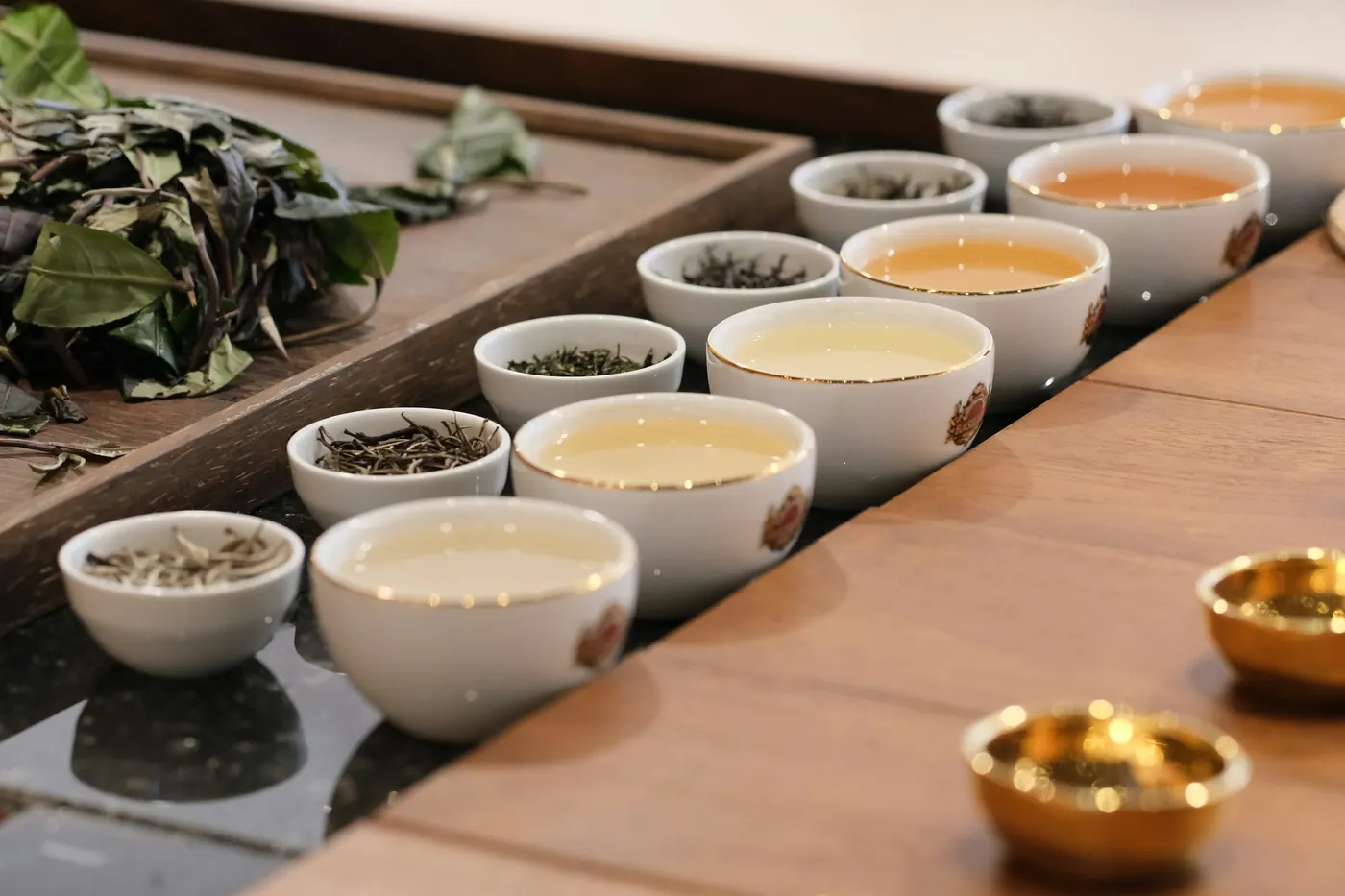
If you want better tea in the cup tonight, buy a practical guide: The Tea Book or The Tea Enthusiast’s Handbook. If you want to understand the subject, choose The Story of Tea, and for pure history take A History of Tea or For All the Tea in China. The two kinds of book do different jobs, so a keen tea drinker may want one of each.
2. How much will you read?
Be honest about this one. A 432-page book is a pleasure if you have the appetite, but a 144-page book you finish teaches more than a big one you leave on the shelf. A Little Tea Book and The Book of Tea are the short choices here.
3. Which teas do you drink?
Matcha and sencha drinkers should add the Brekell guide, since a general book can only give Japan so much room. If you mostly drink herbal blends, check the contents first, because most of these books concentrate on tea from the Camellia sinensis plant. The Tea Book is the one here whose publisher says it covers herbal and fruit infusions.
Older is not always worse, but check the edition
Several of the best tea books are more than a decade old, and that is fine for history and tea profiles. It matters more for buying advice, shop lists and websites. Page counts and reviews also vary by edition, so we say where a review was written about an earlier one.
Get the gear to match
A book will only take you so far with the wrong equipment. Our guides to the best teapot and the best tea infuser cover the basics, and if you want to brew loose leaf in a mug, see the best tea infuser mug.
How we chose these ten tea books
We searched Amazon’s book listings and kept only print editions by named authors at established publishers, in stock and sold new by Amazon when we checked. Author, year, format and page count come from the Amazon listing. We then read the publisher pages we could reach, and Publishers Weekly’s page for the main titles, and ran a small number of web searches for independent reviews.
Here is where each pick stands. The Story of Tea, A History of Tea and an earlier edition of Tea: History, Terroirs, Varieties have Publishers Weekly reviews. The Story of Tea, The Tea Enthusiast’s Handbook and For All the Tea in China have named reviews quoted by their publisher. Tea: History, Terroirs, Varieties also has James Norwood Pratt’s TeaTime review, and The World Atlas of Tea and the Brekell guide have blog reviews we name. The Tea Book, A Little Tea Book and The Book of Tea rest on the publisher’s, author’s and listing details. Our searches were few, so other reviews may well exist.
Some famous titles are missing because of stock. The Harney & Sons Guide to Tea was not in stock. The print copies of Lu Yu’s The Classic of Tea that we checked were used or low in stock. Jane Pettigrew’s World of Tea and Erika Rappaport’s A Thirst for Empire were low in stock too, so we left them out. We have not read these books ourselves; where we describe a strength, we say whose view it is.
Tea book questions, answered
What is the best book about tea for beginners?
The Tea Book by Linda Gaylard is the best full-size start, with brewing guidance, tasting exercises and 75 recipes. For something shorter, try A Little Tea Book by Sebastian Beckwith with Caroline Paul.
What is the most complete book about tea?
Of the books here, The Story of Tea covers the most ground, at 432 pages. Tea: History, Terroirs, Varieties goes further on terroir and tasting from a professional’s point of view.
Is there a good book about the history of tea?
Yes. A History of Tea by Laura C. Martin gives the whole sweep, and For All the Tea in China by Sarah Rose tells one remarkable episode as a story.
Is The Book of Tea a good place to start?
Only if you are interested in culture and philosophy. It is a short essay from 1906 about Japanese art and life, and it will not teach you to brew.
Do these books include recipes?
Some do. The Tea Book has 75 and The Story of Tea has ten, per their publishers. The histories are not recipe books.
Our final pick for the teapot shelf
Buy The Story of Tea if you want one book for the long run. Choose The Tea Book for an easy start, The Tea Enthusiast’s Handbook for practical buying advice, and For All the Tea in China for a good story. Still need a pot? Start with the best teapot, or for iced tea in a Houston summer, the best cold brew tea maker.
And if you would rather someone else did the cooking to go with that cup, see the menu or call to order.