China is too large and too varied for one cookbook to cover it all, and the good authors say so. A Mexican kitchen understands the problem. Nobody would treat Oaxaca and Sonora as one cuisine, and a book that tries to teach both in a single chapter does neither any favors.
So the first question is what you want to cook: home-style dinners, one regional tradition, holiday meals or stir-fries. This guide gives eight books from named authors and established publishers, and says which of them rest on a named review and which on the publisher’s details.
Julia’s earns a commission on purchases made through links on this page, at no cost to you. Recommendations are based on what a restaurant kitchen looks for in a cookbook, the Amazon listing, publisher and author information and published reviews, which we name where we use them.
Quick verdict: the best Chinese cookbook to start with
For most home cooks, start with Hsiao-Ching Chou’s Chinese Soul Food, built around 80 approachable homestyle recipes. For one region in depth, choose Fuchsia Dunlop’s The Food of Sichuan. For a tour of the whole country with its stories intact, choose Carolyn Phillips’s All Under Heaven.
The other five cover a huge one-volume reference, flavor-led cooking, an illustrated guide, holiday menus and stir-fry technique.
Five Chinese cookbooks side by side
Five of the eight, one for each kind of cook. All eight are described in full below.
| Cookbook | Best for | Recipes | Length | Buy on Amazon |
|---|---|---|---|---|

Chinese Soul Food, Hsiao-Ching ChouBest for beginners
|
Homestyle dinners, first book | 80 | 256 pages, paperback | View on Amazon |

The Food of Sichuan, Fuchsia DunlopBest single region
|
Learning one region in depth | 200 | 480 pages, hardcover | View on Amazon |

All Under Heaven, Carolyn PhillipsBest survey
|
A tour of the whole country | Not stated | 528 pages, hardcover | View on Amazon |

China: The Cookbook, Kei Lum Chan and Diora Fong ChanBest for volume
|
A big reference shelf book | More than 650 | 720 pages, hardcover | View on Amazon |
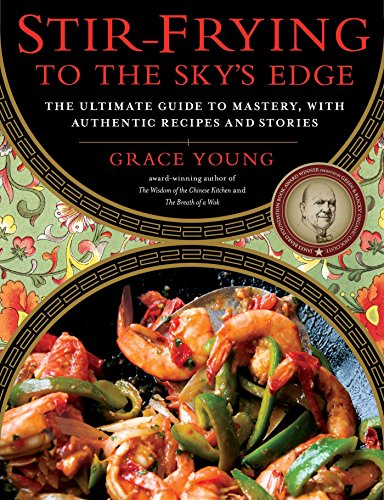
Stir-Frying to the Sky’s Edge, Grace YoungBest for stir-fry technique
|
Mastering stir-frying | More than 100 | 336 pages, hardcover | View on Amazon |
Cover images from Amazon. Page counts and formats are from the Amazon listings for the editions linked. Recipe counts are from the publisher’s copy.
Our picks for the best Chinese cookbook, book by book
All eight were in stock, in print and new, and sold by Amazon when we checked. We have not cooked from these books; where we describe a strength, we say whose view it is.
1. Chinese Soul Food, Hsiao-Ching Chou – A Friendly First Book
Many North American cooks assume Chinese food is hard to make at home, and this book was written to answer that fear. The publisher describes 80 approachable homestyle recipes, with guidance on caring for a wok, cooking rice and stocking a basic pantry, including substitutions for busy cooks.
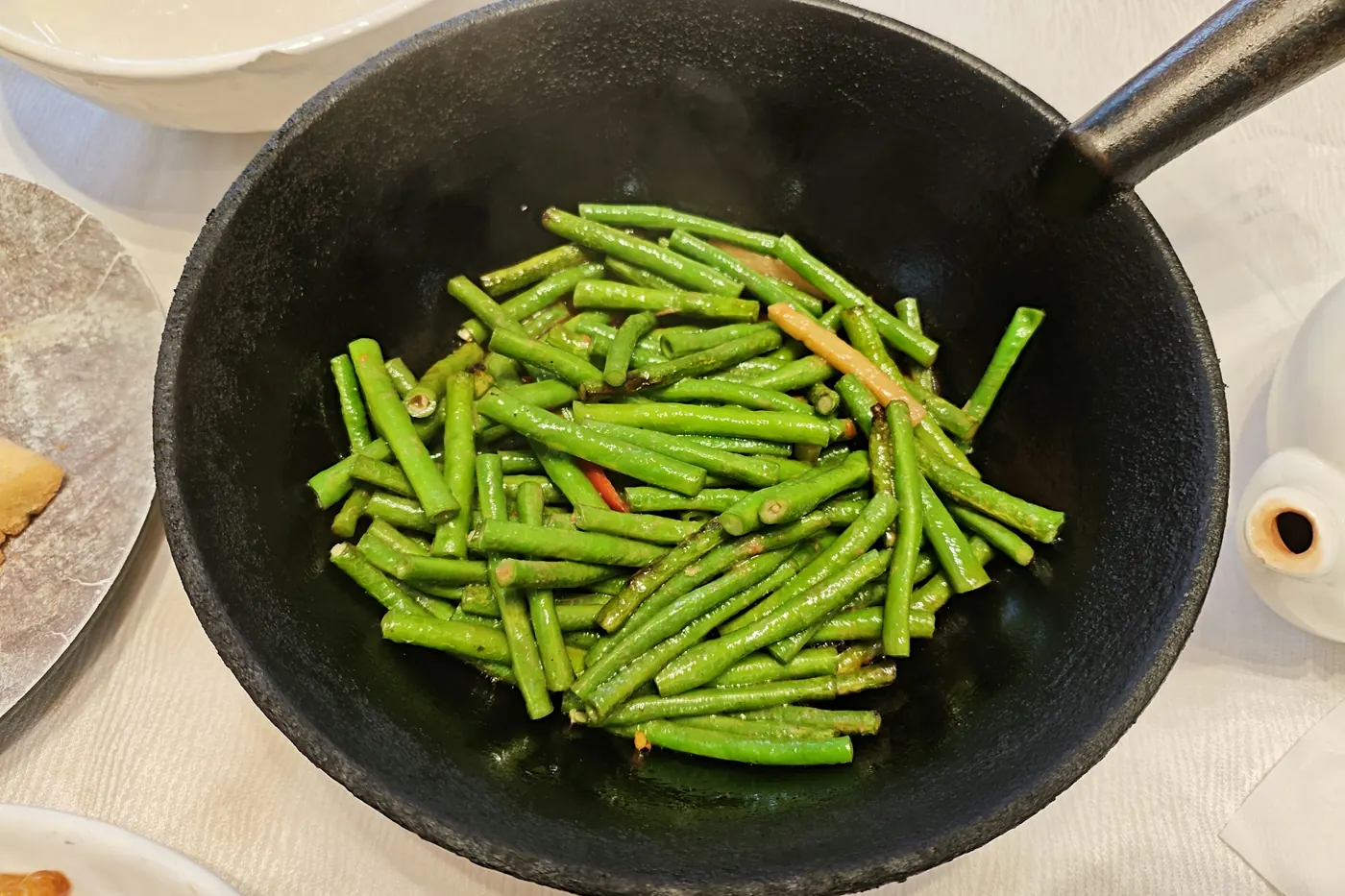
Dishes named in the copy include red-braised pork belly, dry-fried green beans, braised-beef noodle soup, green onion pancakes and the author’s potstickers. Chou is a food journalist and cooking teacher based in Seattle, according to her publisher.
Publishers Weekly reviewed the book and called it “a fun guide to creating favorite restaurant recipes at home,” pointing to short lessons such as understanding soy sauce and to the dumpling and New Year chapters. The review sits with an earlier ISBN of the book, so we read it as a review of the same text in an earlier printing.
Why we like it
- 80 recipes, per the publisher
- Wok care and rice basics are included
- Pantry substitutions for busy cooks
- Reviewed by Publishers Weekly
Key specifications
| Author | Hsiao-Ching Chou |
|---|---|
| Publisher | Sasquatch Books |
| Year | 2022 |
| Pages | 256 |
| Format | Paperback |
| Recipes | 80 |
| Focus | Chinese home cooking |
| Best for | New cooks |
Why we recommend it
If you own a wok, or are thinking of buying one, and want to cook dinner from this book next week, this is the most direct route on the page.
Skip it if you already cook Chinese food often. It is a primer, and the books below go further.
Pros and cons
Pros
- Written for beginners
- Practical pantry advice
- Paperback format
Cons
- Not a regional study
- Fewer recipes than the big references
2. The Food of Sichuan, Fuchsia Dunlop – One Region, Done Thoroughly
Fuchsia Dunlop trained as a chef in China and speaks Chinese fluently, according to her publisher, and this book revisits the region where her food writing began. Norton calls it an update of her earlier Land of Plenty, with 200 recipes, more than 70 of them new.
The copy names mapo tofu, twice-cooked pork and gong bao chicken, plus a traditional spread of cold dishes. It was a James Beard Foundation Cookbook Award finalist, per the publisher, which also carries a Library Journal line calling it “one of the best sources on Sichuan cooking.” We read that line through the publisher.
We found no Publishers Weekly review at this ISBN. Her book Every Grain of Rice is on our wok cookbook page, so we have not repeated it here.
Why we like it
- 200 recipes, per Norton
- More than 70 recipes new to this version
- James Beard finalist, per the publisher
- Covers cold dishes as well as hot ones
Key specifications
| Author | Fuchsia Dunlop |
|---|---|
| Publisher | W. W. Norton |
| Year | 2019 |
| Pages | 480 |
| Format | Hardcover |
| Recipes | 200 |
| Focus | Sichuan cooking |
| Best for | Serious home cooks |
Why we recommend it
If you love Sichuan food and want to understand how it is put together, this is the book to buy. It rewards a cook who will read it and not just skim for dinner.
Skip it if you want a weeknight book with a short shopping list. A regional book like this is likely to send you to a specialty market, so check that you have one nearby.
Pros and cons
Pros
- Deep on one region
- Author trained in China
- Large recipe count
Cons
- Long book for a beginner
- No PW review at this ISBN
3. All Under Heaven, Carolyn Phillips – 35 Cuisines, One Family’s Story
This is the country tour, done with care. Publishers Weekly explains that Phillips divides China into five regions and 35 cuisines, each with a short history, and threads in stories about her late mother-in-law from Tianjin.
PW describes it as a guide with recipes for both beginners and advanced cooks, names dishes including pot stickers, Dong Po pork, oyster spring rolls and mapo doufu, and notes a chapter on basic techniques. Its verdict is warm: “a broad and discerning approach to regional Chinese cooking.”
The title gives the 35 cuisines. We did not find a total recipe count in what we could read, so we list that as not stated. The Amazon listing gives 528 pages and PW gives 524, a small difference that is worth knowing only if you care about the exact count. We could not open the publisher’s page, so this pick rests on the PW review and the listing.
Why we like it
- 35 cuisines across five regions, per PW
- Recipes for beginners and advanced cooks, per PW
- A chapter on basic techniques
- Family stories alongside the food
Key specifications
| Author | Carolyn Phillips |
|---|---|
| Publisher | Ten Speed Press |
| Year | 2016 |
| Pages | 528 |
| Format | Hardcover |
| Recipes | Not stated |
| Focus | 35 regional cuisines |
| Best for | Curious cooks at any level |
Why we recommend it
If you want to read about China as much as cook from it, and want a book that treats the regions separately, this is the one to choose.
Skip it if you only want quick dinners. It is a long book meant for browsing and planning.
Pros and cons
Pros
- Regional range
- Warm PW review
- Suits a range of skill levels
Cons
- Long and heavy
- Recipe total not confirmed by us
4. China: The Cookbook, Kei Lum Chan and Diora Fong Chan – More Than 650 Recipes
If what you want is a single reference, this is the largest here. Phaidon describes more than 650 recipes from the eight major and twelve minor regions, in a new edition with a red cover and gilt edging, by two authors it presents as authorities on the regional cuisines.
Publishers Weekly’s review is useful because it is honest about who should buy it. PW says the recipes are mostly easy to shop for and that those comfortable with Chinese cuisine will find it indispensable, but that less experienced cooks may find it intimidating, because it does not describe finished dishes or suggest accompaniments. That review is listed against an earlier ISBN of the book, so read it as a review of the text and not of this binding.
Publisher copy also quotes chef Ken Hom calling it “a magnificent insight into the history of Chinese cuisine.” We read that through the publisher.
Why we like it
- More than 650 recipes, per Phaidon
- Regional breadth in one volume
- Most recipes are easy to shop for, per PW
- Praise from Ken Hom, via the publisher
Key specifications
| Author | Kei Lum Chan and Diora Fong Chan |
|---|---|
| Publisher | Phaidon |
| Year | 2025 |
| Pages | 720 |
| Format | Hardcover |
| Recipes | More than 650 |
| Focus | Eight major and twelve minor regions |
| Best for | Confident cooks |
Why we recommend it
If you already cook Chinese food and want a deep reference to look things up in, few books give you this much in one place.
Skip it if you are new to this food. PW warns that it may intimidate less experienced cooks.
Pros and cons
Pros
- Huge recipe range
- Regional coverage
- Mostly shoppable ingredients, says PW
Cons
- Little hand-holding, says PW
- Big, heavy book
5. Five Tastes, Fuchsia Dunlop – Cooking by Flavor
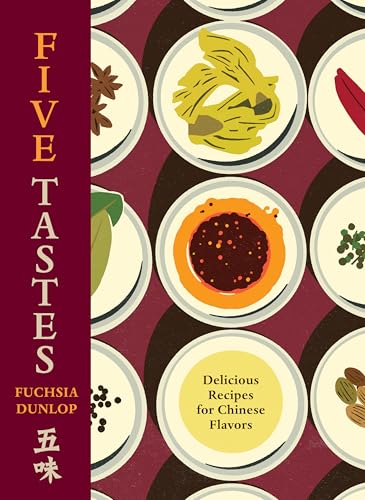
This is the newest book on the page, dated October 2026 on the listing, and we want to be plain that there is less to go on. Norton’s description opens with “The magic flavors of China, in your kitchen” and builds on the old Chinese idea of the five tastes, which the title also promises.
The bio is the same strong one as her Sichuan book: a James Beard Award winning author who trained as a chef in China. Beyond that, we found no recipe count in the copy we could read, no quoted praise and no Publishers Weekly review at this ISBN, so this pick rests on the author’s record and the publisher’s details.
It earns a place because of who wrote it. A flavor-led book by Dunlop is a different thing from her regional study, and it may suit a cook who wants ideas more than a map. Read a sample before you buy if you can.
Why we like it
- New from a James Beard Award winning author
- Built around the idea of the five tastes
- Sold new by Amazon
- A different angle from her regional book
Key specifications
| Author | Fuchsia Dunlop |
|---|---|
| Publisher | W. W. Norton |
| Year | 2026 |
| Pages | 368 |
| Format | Hardcover |
| Recipes | Not stated |
| Focus | Chinese flavors |
| Best for | Dunlop readers |
Why we recommend it
If you have liked Dunlop’s other books, this is the natural next one. We rank it for her record, not for reviews we could read.
Skip it if you want a book with a track record of reviews. It is too new for us to point to any.
Pros and cons
Pros
- Trusted author
- Fresh flavor angle
- New release
Cons
- No recipe count found
- No named review in our sources
6. The Guide to Chinese Cooking, Handa Cheng – Illustrated, Chapter by Chapter

Handa Cheng grew up in China’s Jiangnan region until age 11, then moved to Paris, where he left a career in UX design for Chinese food, according to his publisher. This DK book is his debut, and it has the visual approach you would expect from that publisher.
The copy describes 14 chapters and 35 illustrated tips on ingredients and methods, with feature pages on tofu, eggs, street food and tea ceremony. It names dishes from mapo tofu to yu xiang eggplant, and it says the focus is seasonal, everyday family cooking.
Publisher copy quotes Library Journal: “Cheng’s marvelous debut cookbook is an excellent starting point for any cook.” We read that through the publisher, and we found no Publishers Weekly review at this ISBN. We did not find a total recipe count.
Why we like it
- 35 illustrated tips, per the publisher
- 14 chapters across regions and history
- Praised by Library Journal, via the publisher
- Focus on everyday family cooking
Key specifications
| Author | Handa Cheng |
|---|---|
| Publisher | DK |
| Year | 2025 |
| Pages | 384 |
| Format | Hardcover |
| Recipes | Not stated |
| Focus | Everyday Chinese cooking and food history |
| Best for | Visual learners |
Why we recommend it
If you learn better from pictures than paragraphs, this is the friendliest big book here.
Skip it if you want an author with a long record. This is his first cookbook.
Pros and cons
Pros
- Illustrated technique
- Everyday focus
- Good range
Cons
- Recipe total not confirmed by us
- Debut author
7. Feasts of Good Fortune, Hsiao-Ching Chou and Meilee Chou Riddle – A Year of Celebrations

Celebration food is where many cooks most want a recipe and least want to guess. This book, from the author of Chinese Soul Food and her teenage daughter, gives 75 recipes arranged by the calendar, from Lunar New Year to Thanksgiving.
The publisher lists the Lantern Festival, Dragon Boat Festival and Mid-Autumn Festival, along with birthdays, hot pot parties and side dishes for East-meets-West meals. The two authors write about growing up in what the publisher calls a forever hyphenated culture, so this is a family book as much as a recipe book.
Publisher copy quotes the Leung family, authors of The Woks of Life, saying it “will inspire anyone to make these holidays their own.” We read that through the publisher and found no Publishers Weekly review at this ISBN, so this pick rests on the publisher’s and authors’ details.
Why we like it
- 75 recipes, per the title
- Arranged by holiday menus
- Written by a mother and daughter
- Pairs well with Chinese Soul Food
Key specifications
| Author | Hsiao-Ching Chou and Meilee Chou Riddle |
|---|---|
| Publisher | Sasquatch Books |
| Year | 2024 |
| Pages | 256 |
| Format | Paperback |
| Recipes | 75 |
| Focus | Chinese American holiday menus |
| Best for | Families who host |
Why we recommend it
If you want to host Lunar New Year or Mid-Autumn dinner and need a plan and not just a list of dishes, this does that job.
Skip it if you want everyday dinners. Start with Chinese Soul Food instead.
Pros and cons
Pros
- Menus, not just recipes
- Personal voice
- Paperback format
Cons
- Narrow occasion focus
- No named review in our sources
8. Stir-Frying to the Sky’s Edge, Grace Young – The Technique Book
Grace Young wrote the wok books that readers of our wok cookbook guide will know, and this one is not on that page. It takes a single method seriously. The publisher describes more than 100 stir-fry recipes, drawn from Cantonese masters and from regional traditions across China and Southeast Asia, with dry, moist, clear and velvet styles explained.
It won the 2011 James Beard Foundation Award for International Cooking, according to the publisher. Publishers Weekly, in a 2010 review we read, said it restores stir-frying “to its rightful place among the most elegant cookery techniques,” and also traces how stir-frying spread through the Chinese diaspora.
PW gives 313 pages and the listing gives 336. It is worth saying that high heat is the whole subject here, so your stove and wok matter. Our best wok guide covers that side.
Why we like it
- More than 100 recipes, per the publisher
- James Beard Award winner, per the publisher
- Four stir-fry styles explained
- Reviewed by Publishers Weekly
Key specifications
| Author | Grace Young |
|---|---|
| Publisher | Simon & Schuster |
| Year | 2010 |
| Pages | 336 |
| Format | Hardcover |
| Recipes | More than 100 |
| Focus | Stir-frying, in China and beyond |
| Best for | Wok owners |
Why we recommend it
If you already own a wok and want to get properly good with it, this goes deeper on the method than anything else here.
Skip it if you want a broad Chinese cookbook. It is about one technique, however widely it travels.
Pros and cons
Pros
- Deep on technique
- Strong review
- Award winner
Cons
- Single technique focus
- Older book, from 2010
How to choose a Chinese cookbook for your kitchen
Four questions will narrow this list quickly.
- Do you want a region or the whole country? Dunlop goes deep on Sichuan. Phillips and the Chans try to cover everything.
- What is your stove like? A wok on a weak burner has limits, and a strong burner needs ventilation. See our range hood for Chinese cooking guide if you plan to cook this way often.
- What can you shop for? PW says the Chans’ recipes are mostly easy to shop for, and Chou’s book offers substitutions. Regional books are likely to ask more of your local stores.
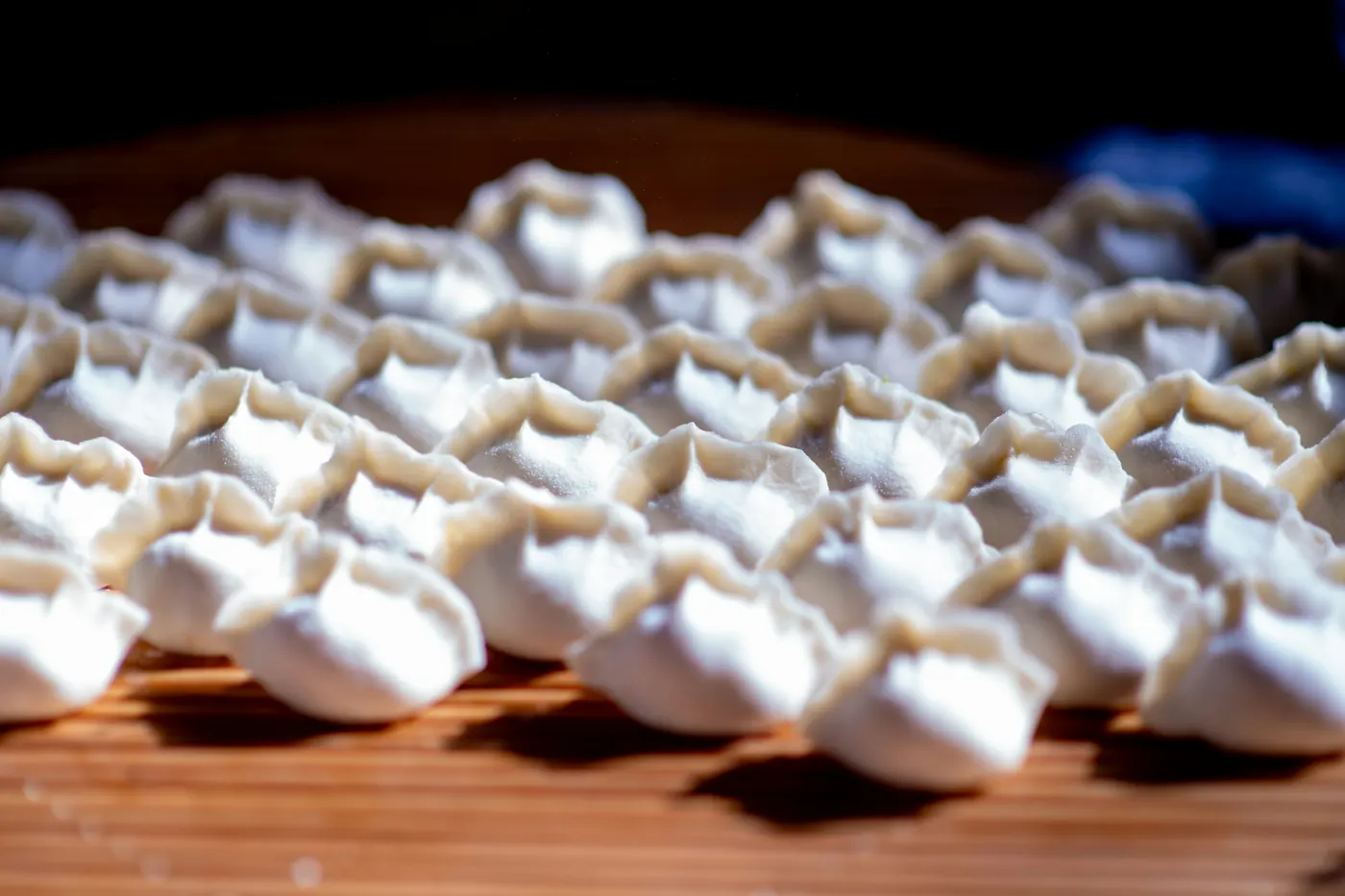
- Do you want dumplings? Chou’s chapter earned a mention from PW. A bamboo steamer is a useful partner to it.
How we chose these Chinese cookbooks
We searched Amazon’s book listings first and kept print editions from named authors at established publishers, plain in stock with a new lead offer. We left out every title already on our other book pages, so J. Kenji López-Alt’s The Wok, Young’s The Breath of a Wok and Dunlop’s Every Grain of Rice are not here. Author, year, format and page count come from the Amazon listing. Recipe counts and descriptions come from the publisher’s copy, in some cases as carried by booksellers, unless we credit someone else.
Here is what stands behind each pick. Chinese Soul Food, All Under Heaven, China: The Cookbook and Stir-Frying to the Sky’s Edge have Publishers Weekly reviews that we read ourselves, though two of those are attached to earlier ISBNs of the same book. The Food of Sichuan and The Guide to Chinese Cooking have Library Journal praise that we read only as quoted by the publisher. Feasts of Good Fortune has a quote from fellow authors, read the same way, and Five Tastes rests on the author’s record and the publisher’s details.
Stock ruled out two familiar titles. The Chinese Takeout Cookbook and Ching’s Everyday Easy Chinese were low in stock when we checked, so neither is here.
Chinese cookbook questions, answered
What is the best Chinese cookbook for beginners?
Chinese Soul Food, which was written to take the fear out of Chinese home cooking. If you prefer pictures, The Guide to Chinese Cooking is the visual alternative.
Which Chinese home cooking book covers the most recipes?
China: The Cookbook, with more than 650 by the publisher’s count. PW warns that it gives less experienced cooks little guidance.
Do I need a wok to use these books?
A wok helps, especially for Young’s book. Chou’s book includes wok care, so it assumes you will use one. For the pan itself, see our best wok guide.
Is Sichuan food too hot for a first book?
That depends on your taste, and we cannot say how much heat each recipe carries. The Food of Sichuan is a long book for a beginner, so most people would be better off starting with Chou.
Are these Chinese American or Chinese recipes?
Both, depending on the book. PW mentions American-Chinese restaurant staples in Chinese Soul Food, and Feasts of Good Fortune is Chinese American by design. Dunlop and Phillips focus on regional China.
Which Chinese cookbook should you buy first?
Buy Chinese Soul Food if you are starting out. Choose The Food of Sichuan for one region, All Under Heaven for the whole map and China: The Cookbook for reference. Young, Cheng, Dunlop’s new book and the holiday book each suit a narrower need, and each entry says who that is. If you want more books built around the pan, go to our best wok cookbook guide.
And if you would rather let someone else cook tonight, see the menu or call to order.