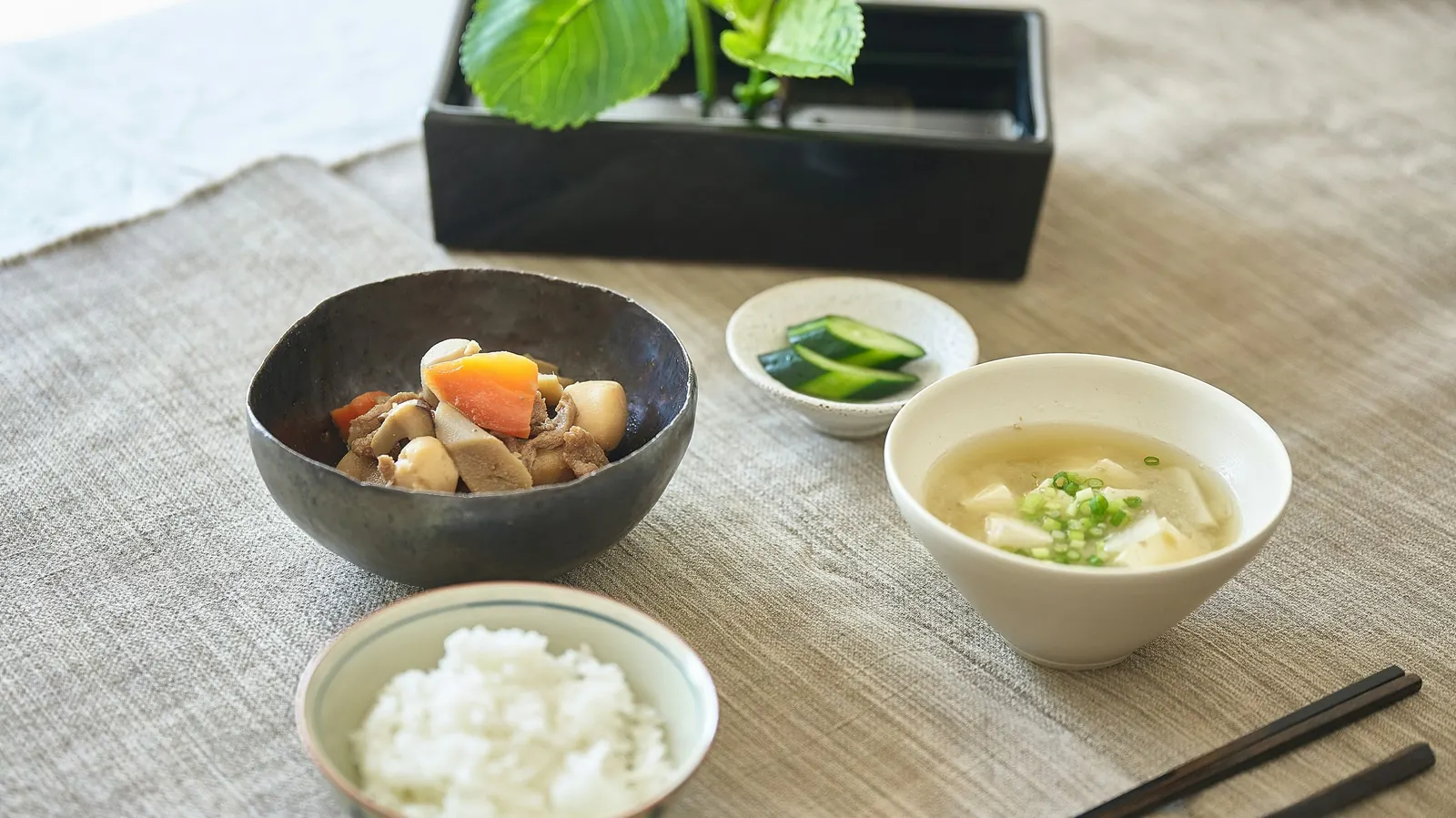
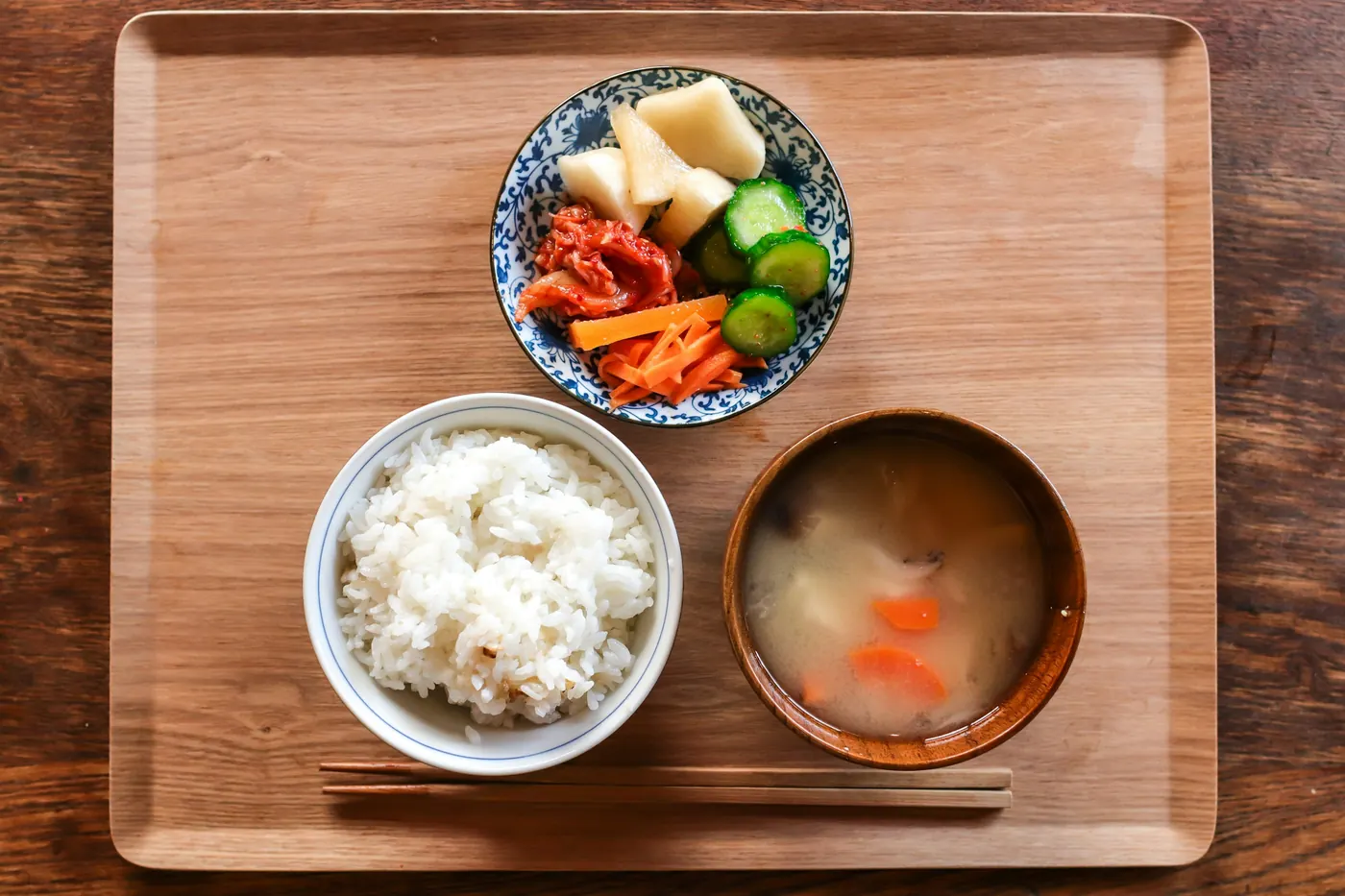
Japanese home cooking is quieter than people expect. Most of it comes down to a good pot of rice, a clean dashi, a soup and a few small dishes, and the skill lies in restraint. We know the same idea from a good bowl of beans and rice: plain food only tastes plain when the basics are off. A good Japanese cookbook teaches those basics before it teaches anything else.
The shelf runs from friendly weeknight books to a 508-page classic, and a lot of anonymous filler besides. This guide picks eight from named authors at established publishers, and sets out what the publishers and named reviewers say about each. Every pick was in stock as a new print copy sold by Amazon when we checked.
Julia’s earns a commission on purchases made through links on this page, at no cost to you. Recommendations are based on what a restaurant kitchen looks for in a cookbook, publisher information and published reviews, which we name.
Quick verdict: the best Japanese cookbook to start with
For most home cooks, start with Japanese Home Cooking by Sonoko Sakai, which Publishers Weekly called a delightful and encouraging guide, careful with staples like miso, soba and tofu. If you are a true beginner, choose Make It Japanese by Rie McClenny, with 85 recipes and a short pantry list. If you want the classic reference, choose Shizuo Tsuji’s Japanese Cooking: A Simple Art.
The other five cover the principles of traditional food, the widest recipe range, ramen and comfort dishes, a restaurant chef’s take on home cooking and an American chef’s view from Tokyo.
Five Japanese home cooking books side by side
Five of the eight, one for each kind of cook, with the details each publisher, listing or review gives. All eight are described in full below.
| Cookbook | Best for | Recipes | Length | Buy on Amazon |
|---|---|---|---|---|

Japanese Home Cooking, Sonoko SakaiBest overall
|
Learning the staples at home | Not stated | 304 pages, hardcover | View on Amazon |

Make It Japanese, Rie McClennyBest for beginners
|
Beginners and weeknights | 85 | 256 pages, hardcover | View on Amazon |

Japanese Cooking: A Simple Art, Shizuo TsujiBest reference
|
The classic reference | Not stated | 508 pages, hardcover | View on Amazon |

Japan: The Cookbook, Nancy Singleton HachisuBest for range
|
The widest recipe range | Over 400, per PW | 464 pages, hardcover | View on Amazon |

Japanese Soul Cooking, Tadashi Ono and Harris SalatBest comfort food
|
Ramen, curry and fried food | More than 100 | 256 pages, hardcover | View on Amazon |
Cover images from Amazon. Page counts and formats are for the editions linked; other editions differ.
Our picks for the best Japanese cookbook, book by book
Seven of these eight have a named review: six from Publishers Weekly and one from The Atlanta Journal-Constitution. Washoku rests on the publisher’s and author’s details, and its entry says so. We have not cooked from these books; where we describe a strength, we say whose view it is.
1. Japanese Home Cooking, Sonoko Sakai – The Staples, Made Friendly
Sonoko Sakai’s book is the one we would hand to most home cooks first. Published in 2019 under Shambhala’s Roost imprint, it is built around the things Japanese kitchens rely on, and Publishers Weekly picked out her careful approach to staples such as miso, soba and tofu.
That July 2019 review called her a delightful and encouraging guide for home cooks. Encouraging matters here. Japanese cooking can look like a matter of years of training, and a book that treats the staples as things an ordinary cook can handle is more use at home than one that shows off.
The listing gives 304 pages in hardcover, and neither it nor the review states a recipe count. The title’s promise, simple meals and authentic flavors, sums up the pitch: everyday food, with the basics taken seriously.
Why we like it
- Positive Publishers Weekly review
- Careful with staples like miso, soba and tofu, per PW
- Focused on home cooking
- Encouraging tone, per PW
Key specifications
| Author | Sonoko Sakai |
|---|---|
| Publisher | Roost, an imprint of Shambhala |
| Published | 2019 |
| Format | Hardcover |
| Length | 304 pages |
| Recipes | Not stated |
| Focus | Japanese staples and everyday meals |
| Basis for this pick | Named review: Publishers Weekly |
Why we recommend it
This suits a cook who wants to learn Japanese home food properly without a big reference book, and who is willing to take the staples seriously.
Skip it if you want a fast, supermarket-only weeknight book. Make It Japanese is closer to that.
Pros and cons
Pros
- Strong on basics
- Friendly guide, per PW
- Home-kitchen focus
Cons
- Recipe count not stated
- Less breadth than the reference books
2. Make It Japanese, Rie McClenny – An Easy Way In
Rie McClenny was born in Japan, moved to the United States and learned to cook from scratch, and many readers know her from BuzzFeed Tasty’s Make It Fancy videos. Her debut, written with Sanaë Lemoine, is what Clarkson Potter calls a beginner-friendly guide to home-style Japanese cooking, with 85 recipes.
The publisher says it teaches a small set of techniques and pantry staples such as soy sauce, mirin and sake, and it runs from updated traditional dishes through classics to dishes for gatherings and desserts.
Susan Puckett reviewed it favorably for The Atlanta Journal-Constitution in February 2024. She cooked from it, found the food simple and humble, and noted a workaround that lets readers skip a trip to the Asian market for noodles. The publisher lists it as a best cookbook of the year from the Los Angeles Times, NPR and Good Housekeeping.
Why we like it
- 85 recipes, per Clarkson Potter
- Written for beginners
- Named AJC review by a cook who tried it
- Short pantry list, per the publisher
Key specifications
| Author | Rie McClenny with Sanaë Lemoine |
|---|---|
| Publisher | Clarkson Potter |
| Published | 2023 |
| Format | Hardcover |
| Length | 256 pages |
| Recipes | 85 |
| Focus | Beginner home-style Japanese |
| Basis for this pick | Named review: Atlanta Journal-Constitution |
Why we recommend it
This is the easy first step for a cook with a regular supermarket and a busy week, and for anyone who thinks Japanese food means sushi.
Skip it if you want depth on tradition or technique. Washoku and Japanese Cooking: A Simple Art go much further.
Pros and cons
Pros
- Very approachable
- Small pantry
- Good for weeknights, per the AJC
Cons
- Less depth than the classics
- Mostly a home-style range
3. Japanese Cooking: A Simple Art, Shizuo Tsuji – The Classic Reference
Shizuo Tsuji’s book is the long-standing classic of this list, from Kodansha, and the copy linked here is the 25th Anniversary Edition, with an introduction by M.F.K. Fisher, a foreword by Ruth Reichl and a preface by Yoshiki Tsuji, according to the listing.
Publishers Weekly reviewed the 25th Anniversary Edition in March 2007 and called it easily the most comprehensive and exhaustive look at Japanese cuisine available, useful to home cooks and experts alike. That review was of an earlier printing, under a different ISBN, than the 2012 date shown on this listing, so treat it as a review of the edition and not of this exact printing.
At 508 pages by the listing, expect to use it as a reference. It is the book to reach for when you want to know how something is done and why, not when you need dinner in half an hour.
Why we like it
- Publishers Weekly’s top billing for range
- Introduction by M.F.K. Fisher
- Foreword by Ruth Reichl
- Useful to home cooks and experts, per PW
Key specifications
| Author | Shizuo Tsuji |
|---|---|
| Publisher | Kodansha |
| Published | 25th Anniversary Edition; listing date 2012 |
| Format | Hardcover |
| Length | 508 pages |
| Recipes | Not stated |
| Focus | Comprehensive Japanese reference |
| Basis for this pick | Named review: Publishers Weekly, of this edition |
Why we recommend it
Buy this if Japanese cooking is becoming a serious interest and you want one book to keep for decades. It also suits cooks in restaurants who want the groundwork.
Skip it if you want color-photo inspiration and short recipes. A classic of this length asks for patience.
Pros and cons
Pros
- Long-standing classic
- Very wide coverage, per PW
- Strong introductions
Cons
- Long
- Reads as a reference more than a weeknight book
4. Washoku, Elizabeth Andoh – How a Japanese Meal Works

Elizabeth Andoh was born in New York, has lived in Japan since 1967 and graduated from the Yanagihara School of Classical Japanese Cuisine. Ten Speed Press says she was Gourmet’s Japan correspondent for over three decades and directs A Taste of Culture, a culinary program in Tokyo and Osaka.
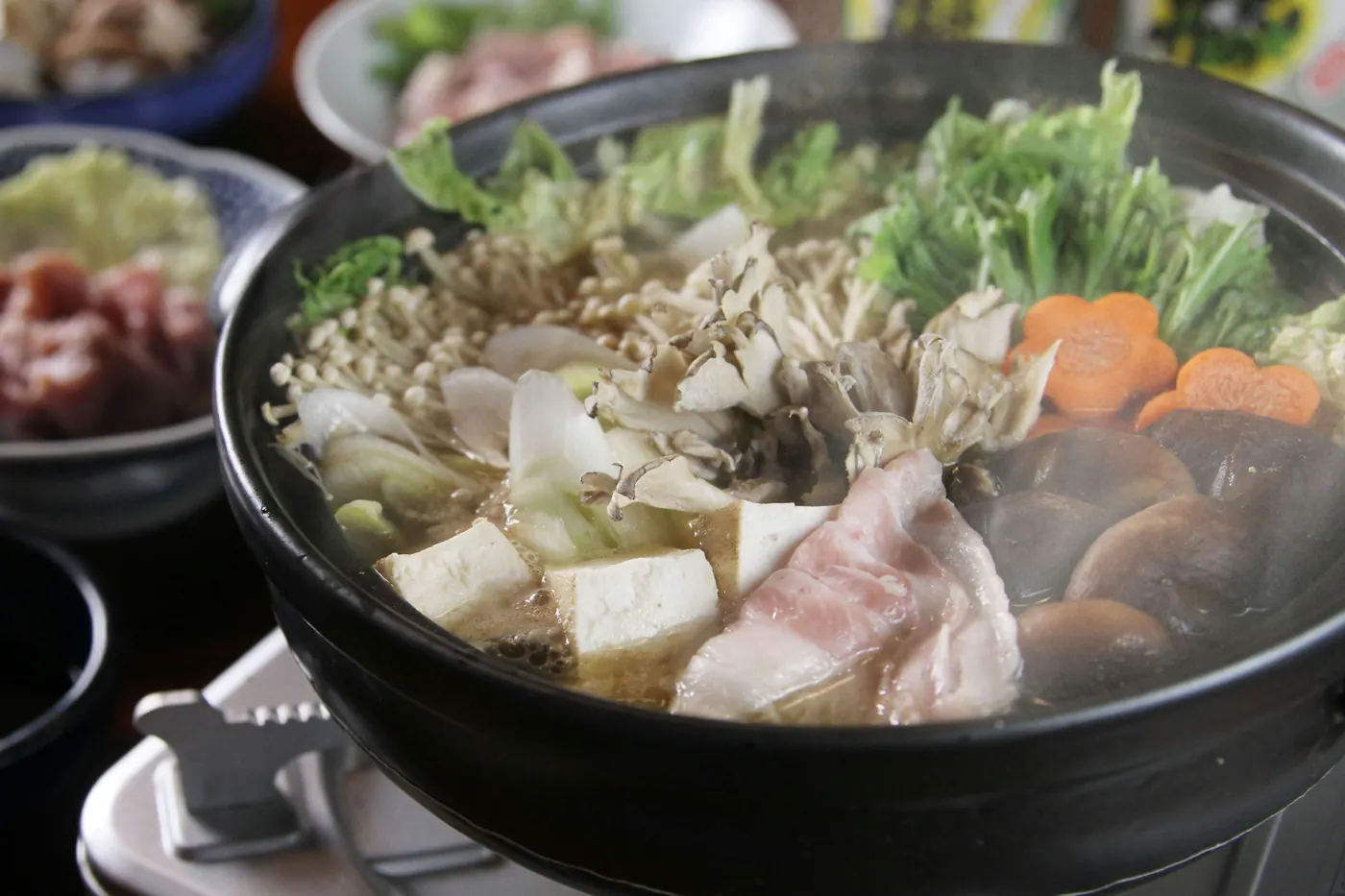
Washoku means traditional Japanese food, and the publisher says the book explains its principles: how it balances flavor, applies technique and weighs aesthetics alongside nutrition. There is a long chapter on the Japanese pantry with full-color photos of ingredients, and recipes for soups, rice and noodle dishes, meat and poultry, seafood and desserts, each with cultural context and practical notes.
The publisher says it won the 2006 IACP Cookbook Award and was a finalist for the 2006 James Beard Award. The Publishers Weekly page shows no review of this edition, so this pick rests on the publisher’s and author’s details.
Why we like it
- 2006 IACP award, per the publisher
- Long pantry chapter with photos
- Author has lived in Japan since 1967
- Recipes come with cultural context
Key specifications
| Author | Elizabeth Andoh |
|---|---|
| Publisher | Ten Speed Press |
| Published | 2005 |
| Format | Hardcover |
| Length | 328 pages |
| Recipes | Not stated |
| Focus | Principles of traditional Japanese food |
| Basis for this pick | Publisher and author details |
Why we recommend it
This is for a cook who wants to understand how a Japanese meal is built, and who enjoys learning ingredients one by one.
Skip it if you only want recipes. The value here is in the explanation, and the pantry chapter asks for some reading.
Pros and cons
Pros
- Deep on the pantry
- Author’s long experience in Japan
- Award record, per the publisher
Cons
- Older book, from 2005
- More study than quick cooking
5. Japan: The Cookbook, Nancy Singleton Hachisu – All of Japan in One Volume
Nancy Singleton Hachisu’s collection for Phaidon is the range pick. Publishers Weekly’s April 2018 review counts over 400 Japanese recipes and says she does a superb job of showing the range of Japanese cuisine, in a book that cooks and readers will come back to for inspiration.
That makes it a different kind of book from Andoh’s or Sakai’s. It is a broad collection you dip into, not a guided course, so it works best once you know your way around the basics.
The listing gives 464 pages in hardcover. Hachisu is also the author of Japanese Farm Food, which showed limited stock when we checked, so this is the book of hers we picked.
Why we like it
- Over 400 recipes, per PW
- Publishers Weekly said superb
- Broad view of the cuisine
- A book to return to, per PW
Key specifications
| Author | Nancy Singleton Hachisu |
|---|---|
| Publisher | Phaidon |
| Published | 2018 |
| Format | Hardcover |
| Length | 464 pages |
| Recipes | Over 400, per PW |
| Focus | Broad collection of Japanese recipes |
| Basis for this pick | Named review: Publishers Weekly |
Why we recommend it
This suits a confident cook who wants a very large collection in one book, or someone looking for a substantial gift.
Skip it if you want step-by-step teaching. A collection this wide can give each dish less hand-holding than a beginner’s book.
Pros and cons
Pros
- Largest recipe count here
- Strong review
- Good for browsing
Cons
- A collection, not a course
- Large book
6. Japanese Soul Cooking, Tadashi Ono and Harris Salat – Ramen, Curry and Comfort
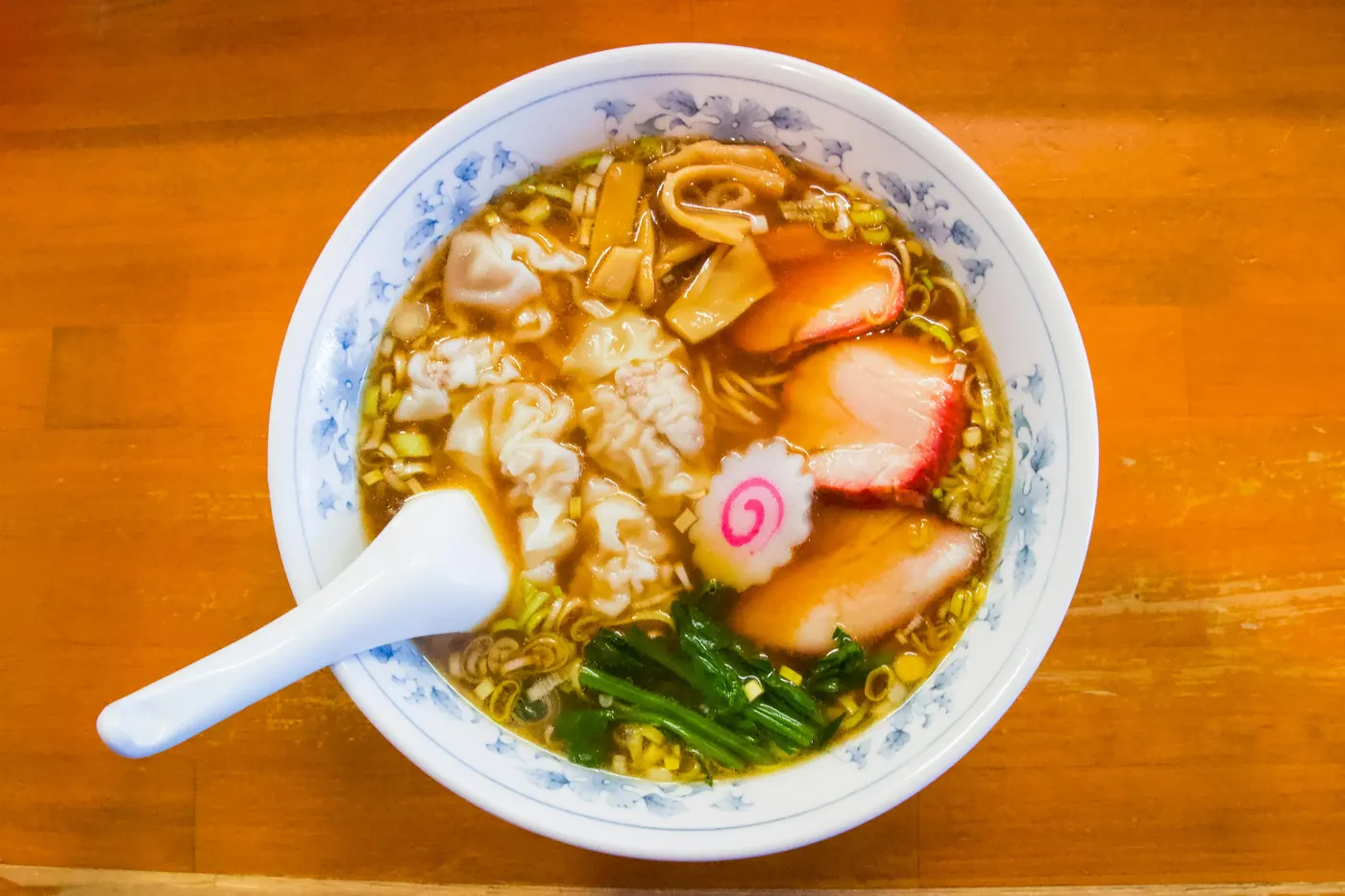
Most people first meet Japanese food through ramen, gyoza, curry and tonkatsu, and that is what this book covers. Ten Speed Press describes a collection of more than 100 recipes that introduces Japanese comfort food to American home cooks, and explores where dishes such as gyoza and tempura came from.
Tadashi Ono is a New York chef, and Harris Salat writes about food and has written for The New York Times and Saveur. The two also wrote Japanese Hot Pots together.
Publishers Weekly’s March 2014 review called it a smart book that demystifies Japanese noodle bowls and comfort food, and an invaluable resource, and it praised the cultural history and the fusion dishes. It mentions a master recipe with variations for each dish, a useful format once you want to cook without the page open.
Why we like it
- More than 100 recipes, per Ten Speed Press
- PW called it an invaluable resource
- Master recipes with variations, per PW
- History of the dishes included
Key specifications
| Author | Tadashi Ono and Harris Salat |
|---|---|
| Publisher | Ten Speed Press |
| Published | 2013 |
| Format | Hardcover |
| Length | 256 pages |
| Recipes | More than 100 |
| Focus | Japanese comfort food |
| Basis for this pick | Named review: Publishers Weekly |
Why we recommend it
Choose this if your favorite Japanese meals come from a ramen shop or a curry counter and you want to make them at home.
Skip it if you are after refined, traditional cooking. This is everyday comfort food, and Washoku is the better match for tradition.
Pros and cons
Pros
- Food most people already love
- Master recipes and variations
- Food history included
Cons
- Narrower than the general books
- Fried dishes need oil and care
7. Mastering the Art of Japanese Home Cooking, Masaharu Morimoto – An Iron Chef Keeps It Simple

Masaharu Morimoto is best known in the US as an Iron Chef, and this book from Ecco is his turn toward home food. The listing title calls it his cookbook with 150 color photos.
Publishers Weekly’s October 2016 review said Morimoto demystifies Japanese cuisine and praised dishes that are flavorful despite simple ingredients. It also noted that he sometimes lectures his Western friends about soup and Japanese culinary superiority. That tells you something about the voice: firm opinions, plainly stated.
The listing gives 288 pages, while Publishers Weekly gives 304, so we use the listing for the copy linked here. We have left out a recipe total because the listing does not give one.
Why we like it
- PW said he demystifies the cuisine
- Simple ingredients, per PW
- 150 color photos, per the listing title
- A well-known chef writing for home cooks
Key specifications
| Author | Masaharu Morimoto |
|---|---|
| Publisher | Ecco |
| Published | 2016 |
| Format | Hardcover |
| Length | 288 pages |
| Recipes | Not stated |
| Focus | Home cooking from a restaurant chef |
| Basis for this pick | Named review: Publishers Weekly |
Why we recommend it
This is a good match for a cook who likes a strong voice and wants a chef’s view of simple Japanese food.
Skip it if opinionated authors put you off. Publishers Weekly noted the occasional lecture.
Pros and cons
Pros
- Clear point of view
- Plenty of photos
- Simple ingredients, per PW
Cons
- Author can lecture, per PW
- Page count differs by source
8. The Gaijin Cookbook, Ivan Orkin – Japan Through an Outsider

Ivan Orkin made his name as an American running a ramen shop in Tokyo, and his first book told that story. This follow-up, written with Chris Ying and published in 2019, turns to home cooking. The title sets the angle: Japanese recipes from a chef, father, eater and lifelong outsider.
Publishers Weekly’s June 2019 review found it a thoroughly enjoyable follow-up to Ivan Ramen and called it a passionate, welcoming volume and an excellent guide to Japanese home cooking.
An outsider’s view can be a good teacher, because the author remembers what was strange at first. That is our reading of the book’s angle, not a claim from the publisher. The review does not give a recipe count, and neither does the listing.
Why we like it
- PW called it an excellent guide
- Personal, welcoming voice, per PW
- Focused on home cooking
- Written with Chris Ying
Key specifications
| Author | Ivan Orkin with Chris Ying |
|---|---|
| Publisher | Harvest |
| Published | 2019 |
| Format | Hardcover |
| Length | 256 pages |
| Recipes | Not stated |
| Focus | Japanese home cooking from an American chef |
| Basis for this pick | Named review: Publishers Weekly |
Why we recommend it
This suits a reader who likes a story with their recipes and wants Japanese home food from someone who learned it as a newcomer.
Skip it if you want a Japanese author’s view of the tradition. Sakai, Tsuji and Morimoto write from that side.
Pros and cons
Pros
- Welcoming voice, per PW
- Good reading
- Home-cooking focus
Cons
- Personal, not comprehensive
- Recipe count not stated
How to choose a Japanese cookbook
Four questions narrow this list quickly.
1. Learning or cooking tonight
Some of these books teach a way of cooking; others give you dinner. Washoku and Japanese Cooking: A Simple Art are for learning. Make It Japanese is for tonight. Japanese Home Cooking sits between them.
2. The food you actually crave
If your idea of Japanese food is ramen, gyoza and curry, buy Japanese Soul Cooking. If it is rice, soup and small dishes, buy Sakai or Andoh. Nothing here is a dedicated sushi book, so a cook set on that should look for a specialist title.
3. Your pantry
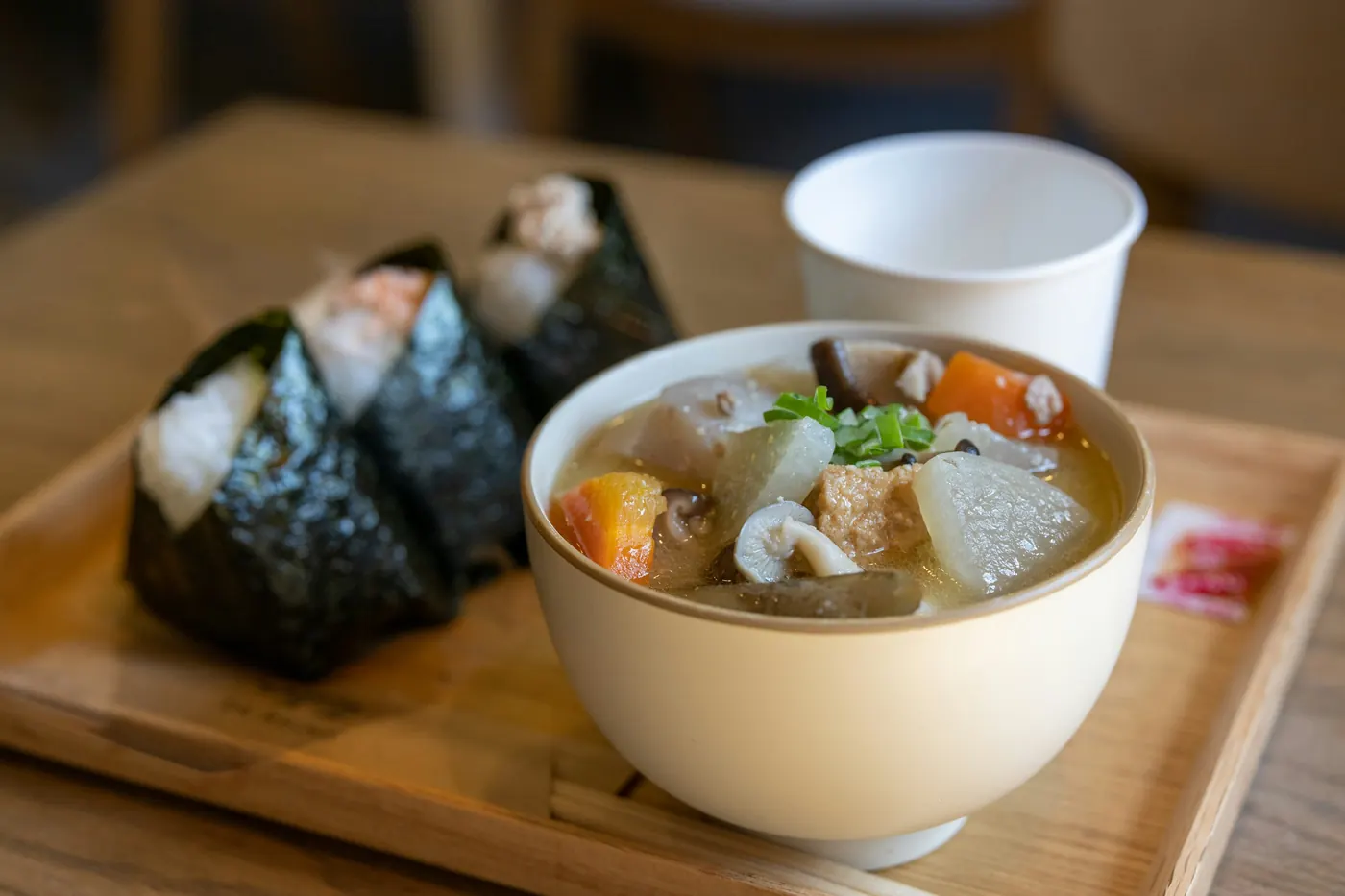
A basic Japanese pantry is short: soy sauce, mirin, sake, miso, kombu and bonito flakes. Clarkson Potter says Make It Japanese keeps to a small set of staples, while the AJC review notes a workaround for noodles. Washoku gives the pantry a long chapter of its own, which is worth having if you want to understand each ingredient.
4. The tools you own
Rice comes first. Our guide to the best Japanese rice cooker covers machines made for it. A sharp, thin knife helps with vegetables and fish, and our guide to the best Japanese knife sets out the shapes. If ramen is the goal, our best soup cookbook guide includes a dedicated ramen book.
How we chose these eight Japanese cookbooks
We looked for named authors with real standing in Japanese food at established trade publishers, and left out anonymous and self-published-looking titles. We kept only print editions that showed in stock, in new condition and sold by Amazon when we checked. That ruled out several well-known books: Sonoko Sakai’s Wafu Cooking and Nancy Singleton Hachisu’s Japanese Farm Food showed limited stock, and we found no standard print edition of Namiko Chen’s Just One Cookbook from an established publisher. We took our facts from publishers’ pages, the Amazon listing, Publishers Weekly and The Atlanta Journal-Constitution. Seven picks have a named review and one rests on publisher and author details. We have not cooked from these books ourselves.
Japanese home cooking book questions, answered
What is the best Japanese cookbook for beginners?
Make It Japanese by Rie McClenny, which its publisher describes as beginner-friendly and which the AJC’s reviewer cooked from and liked. Japanese Home Cooking by Sonoko Sakai is the next step.
What is the most authoritative Japanese cookbook?
Shizuo Tsuji’s Japanese Cooking: A Simple Art, which Publishers Weekly called easily the most comprehensive look at Japanese cuisine available. Elizabeth Andoh’s Washoku is the strongest companion on the principles behind the food.
Which book is best for ramen?
Of these eight, Japanese Soul Cooking, which Publishers Weekly said demystifies noodle bowls. For a book that is only about ramen, see the ramen title in our best soup cookbook guide.
Do I need Japanese equipment to start?
No. A pot with a lid, a sharp knife and a skillet will take you a long way, and a rice cooker makes the rice easier. A bamboo steamer is a cheap and useful later addition.
Which Japanese cookbook makes the best gift?
Japan: The Cookbook is the big, handsome choice for a confident cook, and The Gaijin Cookbook is the one to read for pleasure.
Our final pick for Japanese cooking at home
Buy Japanese Home Cooking if you want a guide to the staples, Make It Japanese if you want to cook tonight, and Japanese Cooking: A Simple Art if you want the book that lasts. Add Japanese Soul Cooking when you get a craving for ramen and curry.
Related guide: Best hawaiian cookbook.
If rice is on your mind, our Japanese rice cooker guide is the place to go next. And if you would rather someone else cooked tonight, see the menu or call to order.