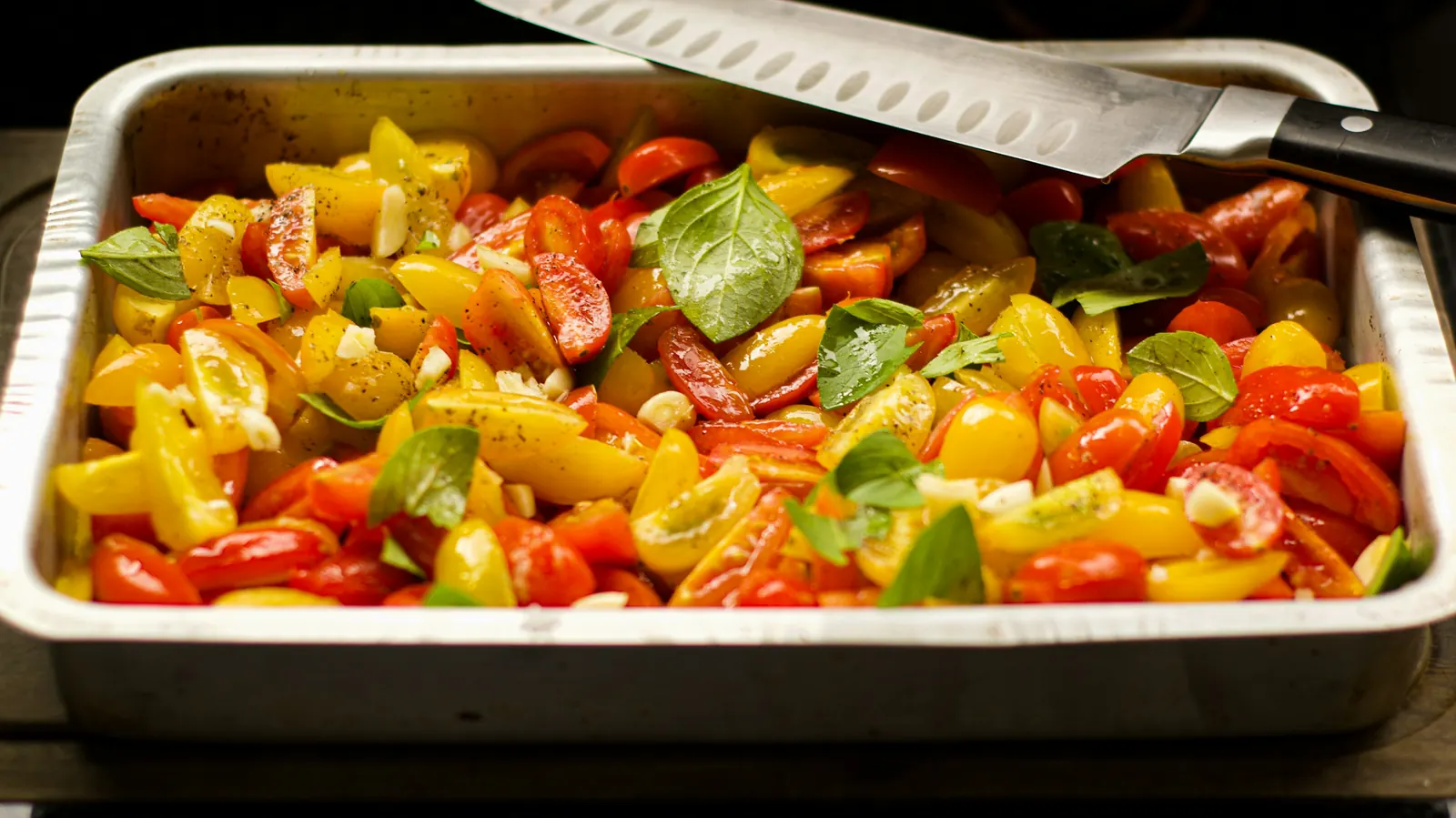
Most of us buy vegetables with good intentions and then cook them the same three ways. A Mexican kitchen knows better. Charred chiles, roasted tomatillos and calabacitas show how much flavor a vegetable holds once you decide it deserves real attention.
A vegetable cookbook is not the same thing as a vegetarian cookbook. The books here put produce at the center, and several of them happily use meat, fish or eggs alongside it. If you want meat-free recipes throughout, our guide to the best vegetarian cookbook is the better place to start. This page picks eight books from named authors and publishers and says who each one suits.
Julia’s earns a commission on purchases made through links on this page, at no cost to you. Recommendations are based on what a restaurant kitchen looks for in a cookbook, the Amazon listing, publisher and author information and published reviews, which we name where we use them.
Quick verdict: the best vegetable cookbook to buy first
For most cooks, start with Joshua McFadden’s Six Seasons, which is arranged around how vegetables change through the year. If you want a method you can apply to whatever is in the fridge, choose Abra Berens’s Ruffage. If you want a thick reference to look things up in, choose America’s Test Kitchen’s Vegetables Illustrated.
The other five cover a chef’s simple recipes, plant science, restaurant-level ideas, global flavors and a brand-new seasonal book.
Five vegetable books side by side
Five of the eight, one for each kind of cook, with what each listing or publisher gives. All eight are described in full below.
| Cookbook | Best for | Recipes | Length | Buy on Amazon |
|---|---|---|---|---|
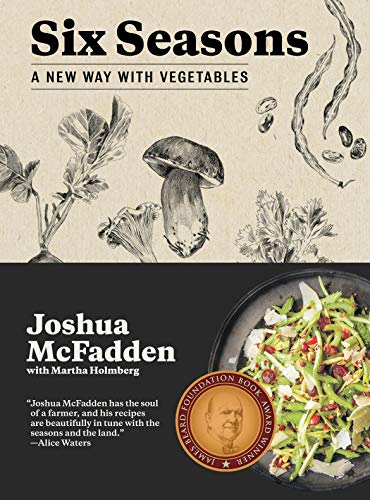
Six Seasons, Joshua McFaddenBest overall
|
Cooks who shop by season | 225 | 384 pages, hardcover | View on Amazon |

Ruffage, Abra BerensBest for using what you have
|
Cooks with a full crisper drawer | About 100, each with variations | 464 pages, hardcover | View on Amazon |

Vegetables Illustrated, America’s Test KitchenBest reference
|
Looking things up | 700+ | 544 pages, hardcover | View on Amazon |

Vegetable Simple, Eric RipertBest for simple recipes
|
Short ingredient lists | 110 | 256 pages, hardcover | View on Amazon |

Veg-table, Nik SharmaBest for curious cooks
|
Learning why things work | Not stated | 352 pages, hardcover | View on Amazon |
Cover images from Amazon. Page counts and formats are from the Amazon listings for the editions linked. Recipe counts are from the title or the publisher’s copy.
Our picks for the best vegetable cookbook, book by book
All eight were in stock in print, new and sold by Amazon when we checked. We have not cooked from these books; where we describe a strength, we say whose view it is.
1. Six Seasons, Joshua McFadden – Cooking Through the Year
The idea behind this book is its title. McFadden splits the year into six seasons, not four. The publisher’s copy says the recipes begin with raw preparations early in a vegetable’s season and move toward grilling, sauteing, braising and stewing as the weeks pass. That is a useful way to think, and it travels to any recipe you already know.
McFadden cooked at Lupa, Momofuku and Blue Hill and managed Four Season Farm in Maine, according to the publisher. The copy also says the book won a James Beard Award for vegetable-focused cooking.
Publishers Weekly’s review is warm, praising dishes such as cauliflower ragu and a kale and mushroom lasagna, and ending: “This cookbook deserves to become a well-thumbed, vital addition to any kitchen cookbook shelf.” PW also mentions eggplant with lamb and fennel with sausage, so this is not a vegetarian book.
Why we like it
- 225 recipes, per the publisher
- Arranged around six seasons of produce
- Strong Publishers Weekly review
- Author has worked on a farm and in restaurants
Key specifications
| Author | Joshua McFadden, with Martha Holmberg |
|---|---|
| Publisher | Artisan |
| Year | 2017 |
| Pages | 384 |
| Format | Hardcover |
| Recipes | 225 |
| Focus | Seasonal vegetable cooking, with some meat |
| Best for | Cooks who shop by season |
Why we recommend it
If you buy from a market or a farm box, or you just want to stop cooking vegetables on autopilot, this is the book we would hand you first.
Skip it if you want strictly meat-free recipes. PW notes that meat appears in some dishes.
Pros and cons
Pros
- Clear idea that changes how you shop
- Praised by PW
- James Beard Award, per the publisher
Cons
- Some recipes use meat
- Seasonal order takes getting used to
2. Ruffage, Abra Berens – A Method for Every Vegetable
Ruffage answers the question most people actually have, which is what to do with the cabbage they already bought. The publisher arranges it alphabetically by 29 vegetables and covers how to store and cook each one, by roasting, braising, blistering, confit or leaving it raw. There are about 100 recipes, each with at least three variations.
Berens is a chef and writer who co-founded Bare Knuckle Farm. The publisher says each recipe can be made more substantial with protein such as chicken, fish or egg, so it works as dinner and not only as a side.
Publisher copy quotes Kim Severson in The New York Times calling it an “organized, easygoing guide” and Bon Appetit’s Christina Chaey calling it “a total classic in the making.” We read those through the bookseller’s copy of the publisher’s text. Publishers Weekly’s page at this ISBN shows no review.
Why we like it
- 29 vegetables with several methods each
- About 100 recipes with at least three variations
- Storage advice as well as cooking
- Add chicken, fish or egg to make a meal
Key specifications
| Author | Abra Berens |
|---|---|
| Publisher | Chronicle Books |
| Year | 2019 |
| Pages | 464 |
| Format | Hardcover |
| Recipes | About 100, each with variations |
| Focus | 29 vegetables, A to Z |
| Best for | Cooks who want a method |
Why we recommend it
If you want to learn a way of cooking and not just follow recipes, this is the most useful book on the page.
Skip it if you want a book organized by meal or by season. This one is organized by vegetable, and only 29 of them.
Pros and cons
Pros
- Organized by the vegetable in your hand
- Variations teach flexibility
- Works as a reference
Cons
- Covers 29 vegetables, not every one
- Long at 464 pages
3. Vegetables Illustrated, America’s Test Kitchen – A Thick A-to-Z Reference
This is the book to keep on the shelf for the moment you are holding a vegetable you have never cooked. The title promises more than 700 recipes, and both Publishers Weekly and the publisher describe an A-to-Z layout. The publisher’s copy adds shopping, storage, seasonality and prep advice along with step-by-step photos and watercolor illustrations.
PW’s review, which we read, calls it a sturdy and highly informative reference. It points to potato recipes, sidebars that explain things such as why cilantro can taste soapy, and meat dishes such as okra gumbo with chicken, shrimp and sausage.
One note on the numbers: PW counts 70 vegetables and the publisher’s copy says more than 40, so we would not lean on either figure.
Why we like it
- More than 700 recipes, per the title
- Reviewed by Publishers Weekly
- Food-science sidebars, says PW
- Step-by-step photos and illustrations
Key specifications
| Author | America’s Test Kitchen (editors) |
|---|---|
| Publisher | America’s Test Kitchen |
| Year | 2019 |
| Pages | 544 |
| Format | Hardcover |
| Recipes | 700+ |
| Focus | Vegetables A to Z, sides and mains |
| Best for | Cooks who want detail |
Why we recommend it
If you like to understand why a recipe works and want one book to answer most vegetable questions, buy this.
Skip it if you want a strong personal voice. It is a test-kitchen reference, and it reads like one.
Pros and cons
Pros
- Very wide coverage
- Clear prep instructions
- Sides and mains
Cons
- Long at 544 pages
- Less personality than the chef books
4. Vegetable Simple, Eric Ripert – Few Ingredients, Chef’s Care
You would expect a book from the chef of Le Bernardin to be difficult. This one aims for the opposite. The publisher describes 110 recipes with few ingredients and few steps, so that a vegetable’s own color and taste come through, in dishes such as sweet pea soup and roasted carrots with harissa.
Publishers Weekly’s review praises the care Ripert brings to plant-based recipes and calls the book a “stunning, thoughtful guide to cooking with vegetables” that will delight home cooks. It describes small techniques worth knowing, such as a two-minute salting for cucumbers, and his advice to touch and smell produce before buying.
Nigel Parry’s close-up photographs get a mention from PW too. The publisher’s copy adds that the book was a New York Times bestseller, though that is the publisher’s claim and not ours.
Why we like it
- 110 recipes, per the publisher
- Few ingredients and few steps
- Strong Publishers Weekly review
- Le Bernardin’s chef, turning to vegetables
Key specifications
| Author | Eric Ripert |
|---|---|
| Publisher | Random House |
| Year | 2021 |
| Pages | 256 |
| Format | Hardcover |
| Recipes | 110 |
| Focus | Simple vegetable dishes |
| Best for | Cooks who want restraint |
Why we recommend it
If you own good produce and want short recipes that do not get in its way, this is the cleanest choice here.
Skip it if you want big, spiced, layered flavors. Restraint is the point of this book.
Pros and cons
Pros
- Short ingredient lists
- Chef’s technique in small doses
- Handsome photography, says PW
Cons
- Quiet flavors may not suit everyone
- Fewer recipes than the references here
5. Veg-table, Nik Sharma – The Science of Vegetables
Nik Sharma is a former molecular biologist, and it shows in how this book is built. The publisher describes a guide to more than fifty vegetables, grouped by plant family, with their origins and biology alongside storage and buying tips.
The recipes are pitched as technique-focused weeknight mains, and the publisher says vegetables share the plate with animal protein in dishes such as chicken katsu and crispy salmon. There are also soups, salads, sides, sauces, and rice, egg and bean dishes, along with Sharma’s own photographs and instructive illustrations.
Publisher copy quotes Nigella Lawson calling it “Groundbreaking, inspiring, delicious” and Bon Appetit singling out his explanation of vegetable biology. We read those through the bookseller’s copy. Publishers Weekly’s page at this ISBN shows no review, so this pick rests on the publisher’s and author’s details.
Why we like it
- More than fifty vegetables, per the publisher
- Grouped by plant family
- Written by a former molecular biologist
- Weeknight mains are the stated focus
Key specifications
| Author | Nik Sharma |
|---|---|
| Publisher | Chronicle Books |
| Year | 2023 |
| Pages | 352 |
| Format | Hardcover |
| Recipes | Not stated |
| Focus | Plant science and technique |
| Best for | Cooks who like the why |
Why we recommend it
If you enjoy knowing why a vegetable behaves as it does, and you want that knowledge to end up on a weeknight plate, this is your book.
Skip it if you only want a quick recipe. There is a lot of reading here, which is the appeal for some and a chore for others.
Pros and cons
Pros
- Science explained by a trained scientist
- Vegetables with meat and fish
- Author’s own photography
Cons
- No recipe count in our sources
- More reading than most
6. On Vegetables, Jeremy Fox – Restaurant Ideas at Home

Jeremy Fox made his name cooking vegetables at Ubuntu in Napa Valley and went on to Rustic Canyon, according to the publisher. This book offers 160 recipes from that style of cooking, with creative techniques and pairings and a set of pantry basics for home cooks.
The praise in the publisher’s copy is loud. The San Francisco Chronicle said root-to-stalk cooking “gets the fine-dining treatment,” and Epicurious called it “A treasure trove of exciting approachable recipes.” David Chang, who contributes to the book, offers the strongest line of all, so we would weigh that one with care.
Publishers Weekly’s page at this ISBN shows no review, and we read the other lines only as quoted by the publisher. “Fine dining” is a fair warning: we would expect some recipes to ask for more than a weeknight allows, though we have not cooked from it.
Why we like it
- 160 recipes, per the publisher
- Chef with a Michelin star at Ubuntu, per the publisher
- Pantry basics included
- Seasonal produce is the focus
Key specifications
| Author | Jeremy Fox, with Noah Galuten |
|---|---|
| Publisher | Phaidon |
| Year | 2017 |
| Pages | 320 |
| Format | Hardcover |
| Recipes | 160 |
| Focus | Chef-led vegetable cooking |
| Best for | Experienced home cooks |
Why we recommend it
If you already cook well and want vegetable ideas you have not seen before, this looks like the one to stretch you.
Skip it if you want quick dinners. The other books here are better for that.
Pros and cons
Pros
- Fresh ideas from a working chef
- Pantry basics you can reuse
- Praise from food press, via the publisher
Cons
- Sounds more involved than most here
- No PW review at this ISBN
7. Milk Street Vegetables, Christopher Kimball – Global Flavors, Mixed Review

The publisher pitches this as a way to move vegetables from the side of the plate to the center, drawing on cooking from Athens, Cairo and Puglia, with dishes such as Sichuan dry-fried cauliflower and butter-roasted cabbage. A line from Smithsonian Associates in the bookseller’s copy makes the same point we made above: “It’s not a vegetarian cookbook.”
Publishers Weekly’s review is worth reading before you buy, because it is mixed. It likes the clever recipe tweaks and clear instructions and says a helpful index by vegetable sits up front. But it says “The downfall is organization,” pointing to grilled corn filed as a stovetop dish and to repeated recipes, and it places the book in the “good-not-great category.”
That is a real drawback if you browse by chapter. If you use the vegetable index and look things up, we would expect it to matter less.
Why we like it
- More than 250 recipes, per the publisher
- Wide range of cuisines
- Index by vegetable, says PW
- Clear instructions, says PW
Key specifications
| Author | Christopher Kimball |
|---|---|
| Publisher | Voracious |
| Year | 2021 |
| Pages | 416 |
| Format | Hardcover |
| Recipes | More than 250 |
| Focus | Global vegetable-centered cooking |
| Best for | Cooks who like bold flavors |
Why we recommend it
If you want bold, global vegetable dishes in quantity and do not mind hunting a little, this gives you plenty to cook.
Skip it if you like a tidy book. PW found the chapters confusing and some recipes repetitive.
Pros and cons
Pros
- Large recipe count
- Global range
- Clear instructions, says PW
Cons
- PW calls the organization its downfall
- Some repetition, says PW
8. Every Leaf, Every Stem, Pierce Abernathy – A New Seasonal Book

This is the newest book here, published in August 2026 with a foreword by Alice Waters. The publisher describes approachable vegetarian recipes built around seasonal produce, including an evergreen chapter that uses pantry staples and a good many dips, such as a vegan Swiss chard and artichoke dip.
Publishers Weekly calls it an “inventive collection of satisfying recipes” and notes useful advice at the start, such as keeping leafy greens whole and unwashed in the fridge and saving onion, garlic and ginger peels for broth. It mentions dishes such as zucchini and green garlic fritters and a whole roasted cauliflower puttanesca.
It also warns of dense, textbook-style blocks of text, though it finds the flavors and advice strong enough to make up for that, and calls the book “perfect for home cooks looking to add some pizazz to their produce.” PW calls this a debut, so there is less track record than with the others.
Why we like it
- Recent book with a foreword by Alice Waters
- Arranged by season, says PW
- Reviewed by Publishers Weekly
- Practical storage advice
Key specifications
| Author | Pierce Abernathy |
|---|---|
| Publisher | Clarkson Potter |
| Year | 2026 |
| Pages | 272 |
| Format | Hardcover |
| Recipes | Not stated |
| Focus | Seasonal vegetarian recipes |
| Best for | Cooks who want something new |
Why we recommend it
If your vegetable cooking has gone flat and you would like something current, with plenty of dips and fritters, this is a lively choice.
Skip it if you dislike dense pages, which PW flagged. It is also a vegetarian book by its publisher’s description, so our vegetarian guide may interest you too.
Pros and cons
Pros
- Fresh, seasonal ideas
- Useful shopping and storage advice, says PW
- Plenty of dips, per the publisher
Cons
- Dense text blocks, says PW
- Debut author, shorter track record
How to choose a vegetable cooking book
Vegetable books differ more than their covers suggest. Before you buy, decide which of these matters most to you.
- How it is organized. Six Seasons goes by time of year, Ruffage and Vegetables Illustrated by vegetable, and Veg-table by plant family. Pick the one that matches how you decide what to cook.
- Whether meat is welcome. Several books here use meat or fish alongside vegetables. If you want none, see the best vegetarian cookbook.
- Effort. Ripert aims for few steps, and Fox’s publisher talks about creative technique. Be honest about the nights you really have.
- Your tools. A sharp peeler and a good roasting pan do a lot of the work. Our guides to the best vegetable peeler and the best roasting pan for vegetables can help.
- Chop speed. If prep is what stops you, a vegetable chopper can save time on the big weekly pile.
How we picked these eight books
We searched Amazon’s book listings and kept print editions from named authors or test kitchens at established publishers, in stock, new and sold by Amazon when we checked. We left out every title already on our other book pages, including the best vegetarian cookbook. Author, year, format and page count come from the Amazon listing. Recipe counts and descriptions come from the title or the publisher’s copy, as carried by booksellers, unless we credit someone else.
Here is which evidence stands behind which pick. Six Seasons, Vegetables Illustrated, Vegetable Simple, Milk Street Vegetables and Every Leaf, Every Stem have Publishers Weekly reviews that we read ourselves. Ruffage, Veg-table and On Vegetables rest on the publisher’s and author’s details, with praise we read only as quoted in that copy, so we name the outlet but cannot vouch for the full piece.
Stock ruled out some obvious names. Yotam Ottolenghi’s Plenty and Plenty More were not available for immediate shipping, and Deborah Madison’s Vegetable Literacy and Jose Andres’s Vegetables Unleashed showed limited stock from third-party sellers.
Vegetable cookbook questions, answered
What is the difference between a vegetable cookbook and a vegetarian cookbook?
A vegetable cookbook centers produce but may use meat or fish, as Six Seasons and Veg-table do. A vegetarian cookbook leaves meat out throughout. Every Leaf, Every Stem is the one book here that its publisher calls vegetarian.
What is the best vegetable cooking book for beginners?
Vegetables Illustrated if you like step-by-step photos and detail, and Vegetable Simple if you would rather have short recipes with few ingredients.
Which book helps me use up what is in the fridge?
Ruffage, because it is organized by vegetable with several methods and variations for each. Look up what you have and go from there.
Which book has the most recipes?
Vegetables Illustrated, with more than 700 by its title, followed by Milk Street Vegetables, with more than 250 by its publisher’s count.
Do these books help with Mexican vegetable dishes?
Not directly. None is a Mexican cookbook. For that, see the best Mexican cookbooks.
Which vegetable book should you buy first?
Buy Six Seasons if you want a new way to think about produce through the year. Choose Ruffage for a method, Vegetables Illustrated for a reference and Vegetable Simple for short recipes. Veg-table, On Vegetables, Milk Street Vegetables and Every Leaf, Every Stem each suit a narrower kitchen, and each entry says who that is.
And if nobody feels like chopping tonight, see the menu or call to order.