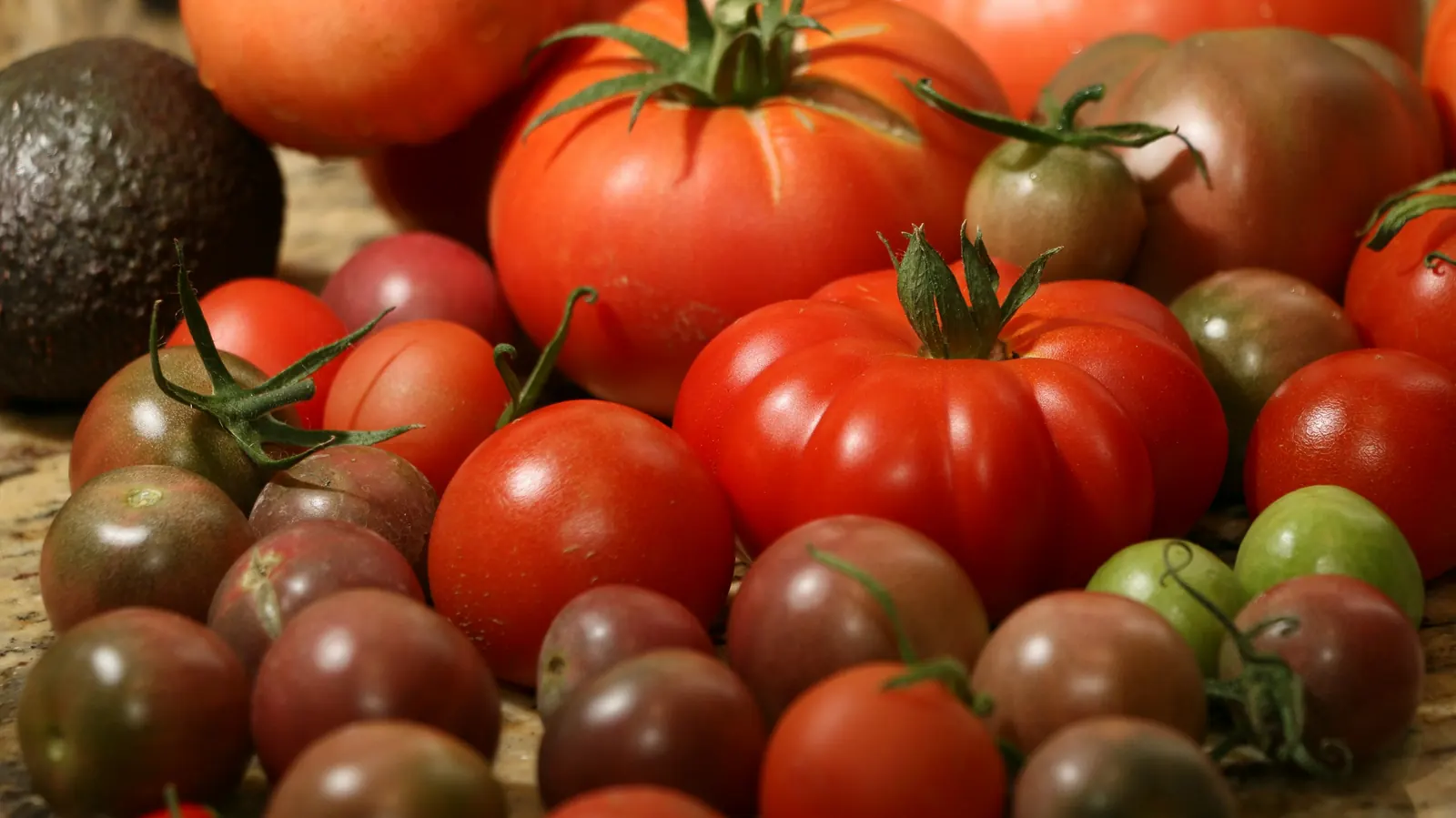
A Mexican kitchen knows something about cooking without meat, even when it doesn’t call it vegetarian cooking. Beans, corn, squash, chiles and a good salsa have fed people for a very long time, and a plate built on them never feels like it is missing something. The best vegetarian cookbooks work the same way. They don’t treat vegetables as a stand-in. They cook them as the main event.
The hard part is that “vegetarian cookbook” covers very different books: thousand-recipe references, photo-led books for people who want inspiration, weeknight manuals and books built on one region’s cooking. This guide picks seven, sets out what the publisher and named reviewers say about each one, and tells you which rest on a review and which rest on the publisher’s and author’s record.
Julia’s earns a commission on purchases made through links on this page, at no cost to you. Recommendations are based on what a restaurant kitchen looks for in a cookbook, publisher information and published reviews, which we cite.
Quick verdict: the best vegetarian cookbook for your kitchen
For one book that answers almost every question, choose Deborah Madison’s The New Vegetarian Cooking for Everyone, with more than 1,600 recipes. If you want bold flavor and inspiration, choose Yotam Ottolenghi and Ixta Belfrage’s Ottolenghi Flavor. If you are new to it, choose Mark Bittman’s How to Cook Everything Vegetarian, which Publishers Weekly called “an indispensable resource.”
The other five cover tested weeknight mains, the classic that started it all, Asian vegan and vegetarian cooking, a book organized by vegetable, and bright everyday meals.
Five vegetarian cookbooks side by side
Five of the seven, one for each kind of cook, with what the publisher or listing gives. All seven are described in full below.
| Cookbook | Best for | Recipes | Size and format | Buy on Amazon |
|---|---|---|---|---|
| One book for everything | More than 1,600 | 672 pages, hardcover | View on Amazon | |

Ottolenghi Flavor, Yotam Ottolenghi and Ixta BelfrageBest for bold flavor
|
Cooks chasing big flavor | 100+ | 320 pages, hardcover | View on Amazon |

How to Cook Everything Vegetarian, Mark BittmanBest for beginners
|
New vegetarian cooks | Not stated | 832 pages, hardcover | View on Amazon |
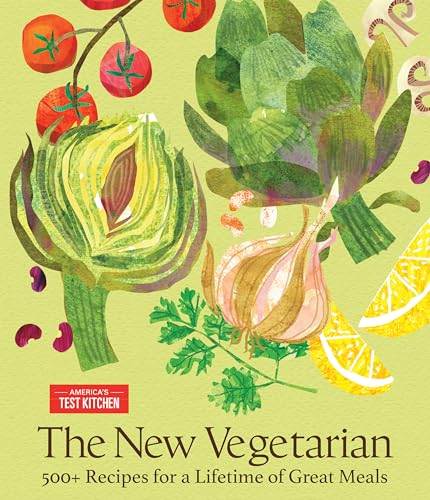
The New Vegetarian, America’s Test KitchenBest for weeknights
|
Reliable weeknight mains | More than 500 | 640 pages, hardcover | View on Amazon |

Tenderheart, Hetty Lui McKinnonBest for gardeners
|
Using up what is in season | More than 180 | 528 pages, hardcover | View on Amazon |
Cover images from Amazon. Page counts and formats are for the print editions linked; other editions differ.
Our picks for the best vegetarian cookbook, book by book
Named reviews back four of the seven: Publishers Weekly reviewed Bittman and Love and Lemons Every Day, the publisher of Tenderheart quotes Library Journal, and the publisher of Ottolenghi Flavor quotes The New York Times. The Madison, America’s Test Kitchen and Moosewood picks rest on the publisher’s and author’s record, which in two of those cases is a very long one. We have not cooked from these books; where we describe a strength, we say whose view it is.
1. The New Vegetarian Cooking for Everyone, Deborah Madison – The Reference for the Shelf
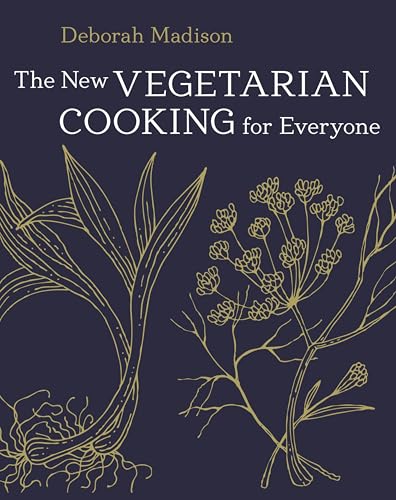
If you only own one vegetarian cookbook, it should probably be the one that answers every question. Deborah Madison’s book is a reference in the old sense. Ten Speed Press describes this revised and expanded edition as having more than 1,600 recipes, over 200 of them new, along with a new introduction and updated information on vegetarian and vegan ingredients.
The record behind it is strong. According to Penguin Random House, the original 1997 edition won a James Beard Foundation award and the IACP Julia Child Cookbook of the Year Award, and Madison’s books together have received four James Beard Foundation Book Awards and five IACP awards. The publisher calls it “the most comprehensive vegetarian cookbook ever published.” That is its claim, not ours, but at 672 pages it is hard to argue with the scale.
The publisher also says it is useful for anyone who wants to cook vegetables creatively, not only vegetarians and vegans, which is how a working kitchen would read it. This pick rests on the publisher’s and author’s record; PW’s page for this edition carries no review.
Why we like it
- More than 1,600 recipes, per the publisher
- Original edition won James Beard and IACP honors
- Updated vegan and vegetarian ingredient notes
- Written for any cook, not only vegetarians
Key specifications
| Author | Deborah Madison |
|---|---|
| Publisher | Ten Speed Press |
| Year | 2014 (revised edition) |
| Pages | 672 |
| Format | Hardcover |
| Recipes | More than 1,600 |
| Focus | Comprehensive vegetarian reference |
| Best for | Any cook who wants one book |
Why we recommend it
If you want the book you reach for when you have a vegetable and no idea what to do with it, this is it. Its range means it can stay useful for decades.
Skip it if you want inspiration above all. It is a big reference, and a cook who wants to browse will be happier with Ottolenghi Flavor.
Pros and cons
Pros
- Enormous range
- Strong award record
- Useful beyond vegetarian cooks
Cons
- Large, heavy book
- A reference more than a browse
- No PW review of this edition
2. Ottolenghi Flavor, Yotam Ottolenghi and Ixta Belfrage – Vegetables With the Volume Up
Ottolenghi Flavor comes from the author of Plenty, working with Ixta Belfrage of the Ottolenghi Test Kitchen, and it is about how flavor is created and amplified. The publisher calls it a revolutionary approach to vegetable cooking, with more than 100 plant-based recipes, and sums it up as “Level up your vegetables.”
The publisher quotes The New York Times on its “bold, innovative recipes,” and lists it as an IACP Award finalist and a best cookbook of the year at NPR, The Washington Post and The Guardian, among others. We did not find a Publishers Weekly review.
The appeal for a Mexican kitchen is easy to see. These are big, assertive flavors, and a cook used to chiles and lime will feel at home with the idea if not every ingredient. The publisher says plant-based rather than vegetarian, so check any recipe if that distinction matters to you.
Why we like it
- More than 100 plant-based recipes, per the publisher
- Built around how flavor works
- IACP Award finalist
- From the author of Plenty
Key specifications
| Author | Yotam Ottolenghi and Ixta Belfrage, with Tara Wigley |
|---|---|
| Publisher | Ten Speed Press |
| Year | 2020 |
| Pages | 320 |
| Format | Hardcover |
| Recipes | 100+ |
| Focus | Plant-based dishes with big flavor |
| Best for | Cooks who want a new way with vegetables |
Why we recommend it
If vegetarian food has ever seemed bland to you, this is the book most likely to change your mind. It is built around making vegetables taste big.
Skip it if you want a weeknight plan; the ATK book or Love and Lemons serve that better.
Pros and cons
Pros
- Named praise, quoted by the publisher
- Over 100 recipes
- Bold, layered flavor
Cons
- No Publishers Weekly review found
- Not a beginner’s reference

3. How to Cook Everything Vegetarian, Mark Bittman – Plain Answers for Every Vegetable
Mark Bittman’s How to Cook Everything books are known for plain instructions and lots of variations, and this is the vegetarian volume in a revised tenth anniversary edition. Publishers Weekly reviewed it and called it “an indispensable resource,” praising its chatty but authoritative style.
PW says the audience runs from vegans to meat eaters trying to eat more plants, and that the revision adds “recipes for nut butters, milks, smoothies, and other drinks, and color photography.” The reviewer points to useful sections on salads, add-ins for veggie burgers, homemade tofu and tempeh, and to the “enlightening instructions and informal lists of suggestions” that run through the book.
That second phrase is the important one. Bittman’s lists of variations teach you to improvise, which is exactly how a cook stops needing a cookbook. The Amazon listing gives 832 pages, and PW listed 784, so expect a thick book in either case. It is our beginners’ pick because PW describes instructions that explain as they go.
Why we like it
- PW: “an indispensable resource”
- Audience from vegans to meat eaters
- Covers homemade tofu and tempeh
- Lists of variations teach improvising
Key specifications
| Author | Mark Bittman |
|---|---|
| Publisher | Houghton Mifflin Harcourt (Harvest) |
| Year | 2017 (revised tenth anniversary edition) |
| Pages | 832 (Amazon listing; PW lists 784) |
| Format | Hardcover |
| Recipes | Not stated |
| Focus | Everyday vegetarian cooking with variations |
| Best for | New vegetarians and meat-reducers |
Why we recommend it
If you are cutting back on meat and want someone to explain the basics without fuss, this is the friendliest big book here. It teaches a way of cooking, not just a set of dishes.
Skip it if you want a beautiful book to read for pleasure. It is a working manual, and its length makes it a counter book more than a bedside one.
Pros and cons
Pros
- Named trade review
- Teaches you to improvise
- Good for any diet stage
Cons
- Very long
- Recipe count not stated
4. The New Vegetarian, America’s Test Kitchen – Tested Weeknight Mains
This is the newest book on the list, published in 2026, and it has the clearest focus on dinner. Penguin Random House describes more than 500 recipes, including 350 weeknight recipes that take an hour or less, built around vegetable-forward main dishes such as burgers, noodles, savory tarts, soups and salads.
It also has chapters on eggs, beans and legumes, and tofu and tempeh, with an emphasis on fiber-rich vegetables and non-meat proteins. Front sections cover how to build a balanced meal, how to prep vegetables and how to stock a vegetarian pantry. For a cook who is new to meatless cooking, the question of what makes a plate feel like a full dinner is usually the real problem, and this book addresses it directly.
This pick rests on the publisher’s details; PW’s page shows no review yet, and being new, it has less of a record than the older books here.
Why we like it
- More than 500 recipes, per the publisher
- 350 recipes take an hour or less
- Chapters on eggs, beans, tofu and tempeh
- Meal-building and pantry sections
Key specifications
| Author | America’s Test Kitchen |
|---|---|
| Publisher | America’s Test Kitchen |
| Year | 2026 |
| Pages | 640 (publisher; some retailers list 608) |
| Format | Hardcover |
| Recipes | More than 500 |
| Focus | Vegetable-forward main dishes |
| Best for | Weeknight cooks who like exact recipes |
Why we recommend it
If your main problem is what to put on the table at six o’clock, this is the most direct answer. The time-limited recipes make it practical for a working household.
Skip it if you want the voice of a single cook or a sense of place. It is an institutional book, and a very new one, without the track record of Madison or Katzen.
Pros and cons
Pros
- Focused on main dishes
- Many recipes under an hour
- Good pantry and meal guidance
Cons
- Rests on publisher details
- Large format
- New, so little track record

5. The Moosewood Cookbook, Mollie Katzen – The Book That Started It

Few cookbooks have a better origin story. According to Ten Speed Press, The Moosewood Cookbook began as a hand-written, self-published spiral notebook of recipes from a small restaurant co-op in Ithaca, New York, in 1974. That origin in a working restaurant is still part of its appeal.
Penguin Random House says this 40th anniversary edition includes a new introduction by Katzen. It lists the book’s honors: it has been inducted into the James Beard Award Cookbook Hall of Fame, named a Cookbook Classic by the International Association of Culinary Professionals, and listed by the New York Times among the top ten best-selling cookbooks of all time.
For a restaurant, that background counts: these recipes began with real customers at a real table. It is a 256-page paperback, and it reflects the era it came from, so treat it as a classic with a point of view. This pick rests on the publisher’s record; PW’s page shows no review.
Why we like it
- James Beard Cookbook Hall of Fame, per the publisher
- IACP Cookbook Classic
- New introduction by Katzen
- Began in a working restaurant co-op
Key specifications
| Author | Mollie Katzen |
|---|---|
| Publisher | Ten Speed Press |
| Year | 2014 (40th anniversary edition) |
| Pages | 256 |
| Format | Paperback |
| Recipes | Not stated |
| Focus | Classic vegetarian home cooking |
| Best for | Cooks who want the classic |
Why we recommend it
If you want the vegetarian cookbook with the longest history, or a gift with a story behind it, this is the one. At 256 pages it is also the shortest book here.
Skip it if you want modern, globally minded recipes. Tastes have moved since the 1970s, and newer books here will feel more current.
Pros and cons
Pros
- A true classic
- Shortest book here
- Strong honors
Cons
- Older style of cooking
- Paperback
- Rests on publisher details
6. Tenderheart, Hetty Lui McKinnon – Organized by the Vegetable
Tenderheart is a big book with a personal core. Knopf describes it as a tribute to McKinnon’s father, a Chinese immigrant in Australia, told through vegetarian recipes built around 22 essential fruits and vegetables. There are more than 180 recipes, and each star ingredient gets its own chapter, so you can look up what you have.
That layout is the practical strength of the book. Library Journal, as quoted by the publisher, notes that it is organized by star vegetable, so recipes can be found by vegetable, season or garden glut. It also calls the book “uniquely vegetarian” and says: “Calling all vegetarians and veggie lovers; this is the inspiration you have been looking for.”
The awards support it. The listing’s own title and the publisher name it a James Beard Award winner, the publisher says it also won an IACP Book Award, and Bon Appétit named it one of its best books of the year. Shelf Awareness, quoted by the publisher, mentions brief essays on family, grieving and rituals among the recipes, so it reads as a memoir as well as a cookbook.
Why we like it
- James Beard Award winner, per the publisher
- More than 180 recipes on 22 ingredients
- Chapters organized by vegetable
- Library Journal praise, quoted by the publisher
Key specifications
| Author | Hetty Lui McKinnon |
|---|---|
| Publisher | Knopf |
| Year | 2023 |
| Pages | 528 |
| Format | Hardcover |
| Recipes | More than 180 |
| Focus | Vegetarian recipes by vegetable |
| Best for | Gardeners and market shoppers |
Why we recommend it
If you shop at a farmers’ market or grow your own and often ask what to do with a pile of one vegetable, this is the most usable layout here.
Skip it if you plan meals by dish or by time. A book organized by vegetable works best when the vegetable comes first, and it is a long hardcover at 528 pages.
Pros and cons
Pros
- Award-winning
- Easy to search by vegetable
- Personal, readable essays
Cons
- Very large book
- Less useful for quick planning
7. Love and Lemons Every Day, Jeanine Donofrio – Bright Food for Any Meal

Jeanine Donofrio’s book is the lightest in tone on this list. Avery describes a guide to building vegetable-centered meals for every part of the day, from breakfast to dessert, with more than 100 new vegetarian recipes, charts, seasonal produce guides, dietary alternatives and tips for using vegetable scraps.
Publishers Weekly called it a “solid collection of ‘plant forward’ recipes” and closed by saying that “Donofrio’s inspirational vegetarian recipes will help home cooks expand their repertoires.” The review was not all praise. It says “the focus is a touch fuzzy,” because Donofrio writes that the book is not about giving up meat, while the dishes include canned artichokes breaded and baked to stand in for fish in tacos and cauliflower slices served as steaks.
We think that is a fair warning, and it is also a hint about who will like this book. A cook curious about meatless versions of familiar plates will find ideas here, and taco nights are part of it. Avery’s page also notes a starred review from Library Journal.
Why we like it
- Reviewed by Publishers Weekly
- More than 100 vegetarian recipes, per the publisher
- Seasonal guides and dietary alternatives
- Library Journal starred review, per the publisher
Key specifications
| Author | Jeanine Donofrio |
|---|---|
| Publisher | Avery |
| Year | 2019 |
| Pages | 320 |
| Format | Hardcover |
| Recipes | More than 100 |
| Focus | Bright, vegetable-centered everyday meals |
| Best for | Casual cooks who want easy ideas |
Why we recommend it
If you want a friendly book you can open on a Tuesday, with ideas from breakfast through dessert, this is the easiest one to live with.
Skip it if stand-ins for meat don’t appeal, or you want a serious reference. PW found the focus “a touch fuzzy,” and a cook who wants depth should start with Madison.
Pros and cons
Pros
- Named trade review
- Dietary alternatives included
- Easy, everyday tone
Cons
- PW found the focus fuzzy
- Fewer recipes than the big references
How to choose a vegetarian cookbook
Five questions narrow this down fast. Start with how you actually cook on a normal night.
1. Reference or inspiration?
A reference book answers questions: how long do I cook this grain, what goes with this squash. Madison and Bittman do that job. An inspiration book gives you a reason to cook something new, and Ottolenghi Flavor does that job. Most serious cooks end up owning one of each, and it is worth deciding which you need first.
2. Do you eat dairy and eggs?
Vegetarian is not vegan, and cookbooks treat the line differently. PW says Bittman’s audience runs from vegans to meat eaters. If nobody at your table eats dairy or eggs, check how a book handles them before you buy, since a vegetarian book can rely on both.
3. How much time do you have on a weeknight?
America’s Test Kitchen’s The New Vegetarian is the most direct answer, since the publisher counts 350 recipes at an hour or less. A long ingredient list often means more flavor, but also more shopping. Be honest about how often you will cook something that takes all afternoon.
4. Where does the protein come from?
Most new vegetarian cooks run into this first. The books that take it seriously give beans, eggs, tofu and tempeh their own room, as the ATK book does. In a Mexican kitchen beans do much of that work, which is one reason a pot of them is always worth having on the stove.
5. Does the way it is organized suit how you shop?
If you plan meals, a book organized by course works well. If you buy what looks good and decide later, a book organized by ingredient such as Tenderheart is easier. A roasting pan does much of the work here too: see our guide to the best roasting pan for vegetables. And a good vegetable peeler and salad spinner get used far more in a vegetable-heavy kitchen.
How we chose these seven vegetarian books
We looked for books with something to teach a working cook: clear methods, real flavor, and an author or test kitchen with a record. We searched Amazon’s book listings and kept print editions in stock when we checked, then took the facts from the publisher’s pages, the Amazon listing and named reviews. We read Publishers Weekly’s page for each book by ISBN and quote those we found. Where a page showed no review, we don’t claim one, though reviews elsewhere may exist. Madison, America’s Test Kitchen and Moosewood rest on the publisher’s and author’s record. Quotes from Library Journal are as the publisher shows them.
Several famous books are missing for stated reasons. Madhur Jaffrey’s World Vegetarian showed future availability, not stock on hand, and Madison’s Vegetable Literacy and Anna Jones’s A Modern Way to Cook showed only limited stock. Joshua McFadden’s Six Seasons is a well-regarded vegetable book, but Publishers Weekly’s review describes dishes with lamb and sausage, so it isn’t a vegetarian one. Anna Jones’s One was in stock, but PW called it “a complex muddle,” and we had stronger options. We have not cooked from these books ourselves.
Vegetarian cookbook questions, answered
What is the best vegetarian cookbook for beginners?
Mark Bittman’s How to Cook Everything Vegetarian for most people, since it explains as it goes and PW says it serves everyone from vegans to meat eaters trying to eat more plants. If you want strict weeknight structure, try The New Vegetarian from America’s Test Kitchen.
Is a vegetarian cookbook useful if I still eat meat?
Yes. Ten Speed Press says Madison’s book is useful for anyone who wants to cook vegetables creatively, and vegetable techniques carry over to every plate. Meat eaters are a stated part of Bittman’s audience too, according to PW.
Which vegetarian cookbook has the most recipes?
Of these seven, The New Vegetarian Cooking for Everyone, at more than 1,600 recipes according to its publisher. America’s Test Kitchen’s book follows at more than 500. Neither PW nor the listing gives a count for Bittman’s book.
Is The Moosewood Cookbook still worth buying?
For its history and its friendly home-style cooking, yes, and the publisher lists James Beard Hall of Fame and IACP honors. It reflects the era it came from, so cooks who want a current, global style may prefer Ottolenghi Flavor.
Is there a vegetarian Mexican cookbook on this list?
No. These are general vegetarian books. For Mexican cooking, start with our guide to the best Mexican cookbooks, and if you are eating out, our guide to vegetarian options at a Mexican restaurant explains what to ask.
Our final pick for a vegetable-first kitchen
Buy The New Vegetarian Cooking for Everyone if you want the one reference to keep for life. Add Ottolenghi Flavor for big flavor, or start with Bittman if you are new to this kind of cooking. Choose the America’s Test Kitchen book for weeknights, Tenderheart if you cook from the garden or market, Love and Lemons Every Day for easy meals, and The Moosewood Cookbook for the classic.
Related guide: Best vegan cookbook.
Related guide: Best salad cookbook.
Related guide: Best vegetable cookbook.
Related guide: Best mushroom cookbook.
And if tonight is not a cooking night, see the menu or call to order.