
A wine decanter does two separate jobs. For a young red, it gives the wine air so it opens up. For an older bottle, it lets you pour the wine off the sediment that has settled in the bottle. Most people who search for a wine decanter alternative want one of those two things without buying, storing and hand-washing a big glass vessel.
This guide sorts the alternatives by which of the two jobs they do. Some are tools sold for wine, like pour-through aerators and a sediment funnel; one is a plain glass pitcher you may already own; and two cost nothing extra: a big glass and, for the curious, a blender. For each we say how well it does the job and what it cannot do.
Julia’s earns a commission on purchases made through links on this page, at no cost to you. Recommendations are based on what a restaurant kitchen looks for, product specifications and verified buyer reports.
Why people look for a wine decanter alternative
Wine Spectator’s Dr. Vinny sums up the two reasons to decant in one answer: “If you’re decanting an aged wine in order to remove sediment from it … you should handle the wine very gently, and pour slowly,” but “if you’re decanting a young wine in order to aerate it, go ahead and splash it about.” Those are opposite ways of pouring, and they point to different alternatives.
- Air for a young red: an aerator that mixes air in as you pour, a pitcher you can splash the wine into, or simply a large glass and some patience.
- Sediment from an older bottle: a funnel with a fine screen, or a slow, careful pour into any clean vessel.
- Space and care: a decanter is fragile, awkward to dry and takes up a shelf. Most alternatives here fit in a drawer.
If you do want the real thing, our best wine decanter guide covers the ones worth buying, including lead-free options.
Quick verdict: the best wine decanter alternative
For most people, the best wine decanter alternative is a plain glass pitcher such as the Libbey 60-ounce pitcher: splash a young red into it for air, or pour an older bottle in slowly to leave the sediment behind, then serve from it. If you want air with no extra vessel, a pour-through aerator like the Viski Aerating Pour Spout fits in the bottle. For older wines with sediment, a True Fountain shower funnel with a mesh strainer catches the grit. And none of these is needed if a large wine glass and a few minutes of swirling will do.
Five decanter stand-ins side by side
Our five picks, sorted by the decanter job each one does, with the capacity and materials each maker or listing states.
| Tool | Decanter job | Best for | Stated size or material | Buy on Amazon |
|---|---|---|---|---|

Libbey 60-Ounce Glass PitcherBest overall
|
Air and sediment | A whole bottle at the table | 60 oz, glass | View on Amazon |

Viski Gunmetal Aerating Pour SpoutBest in-bottle aerator
|
Air | Pouring straight from the bottle | Stainless, acrylic, rubber | View on Amazon |

True Fountain Aerating Funnel with StrainerBest for sediment
|
Sediment and air | Older reds, unfiltered wines | Stainless, fine mesh | View on Amazon |

Vinturi Classic Essential Wine AeratorBest by the glass
|
Air | One glass at a time | Handheld, with stand | View on Amazon |

Corkcicle Air Wine Chiller and AeratorBest for warm reds
|
Air, plus chilling | Reds stored in a warm house | Freezable stick, in-bottle | View on Amazon |
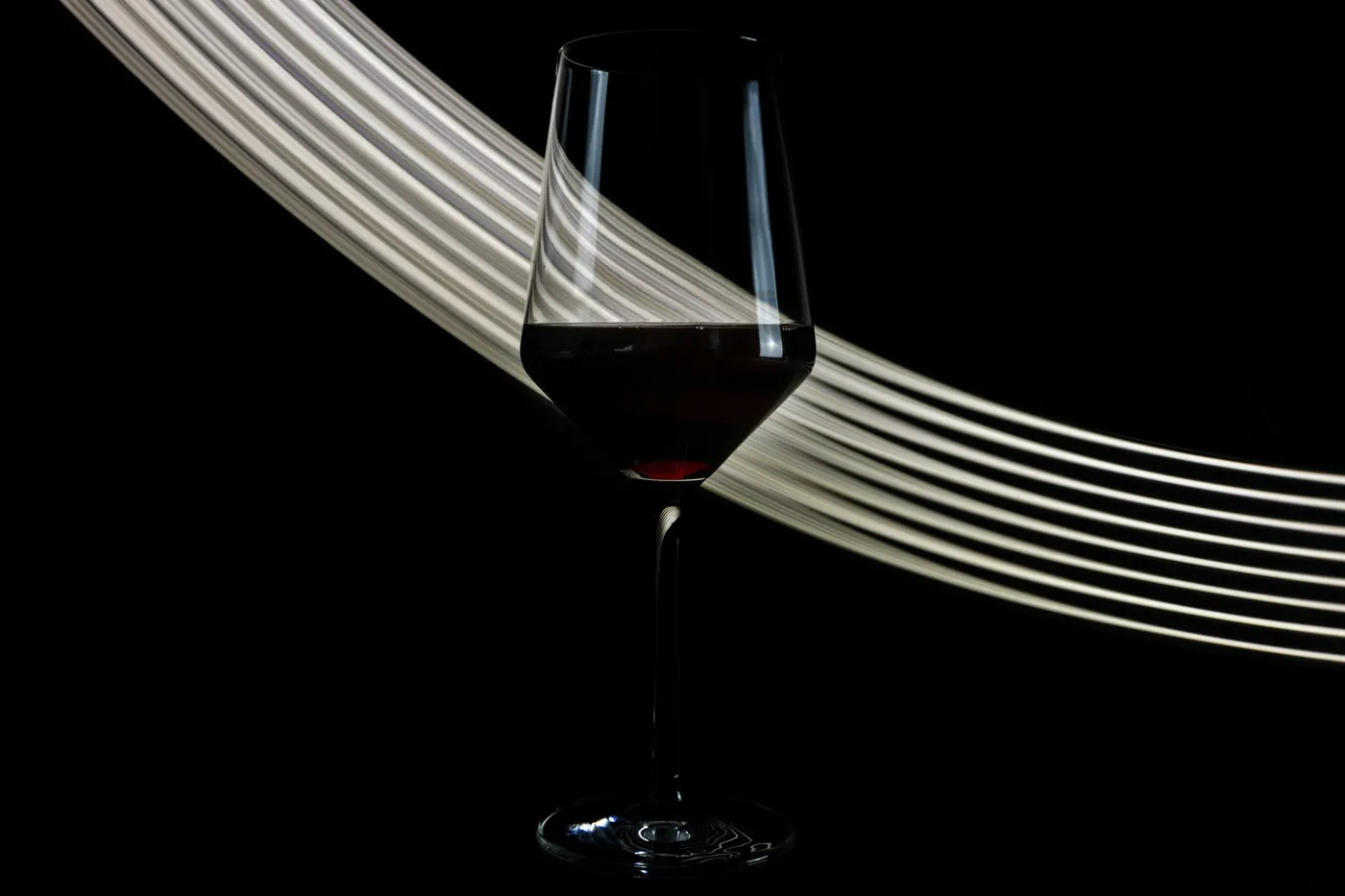
Two free options before you buy anything
A big glass and a few minutes
For a young wine that just needs some air, the simplest alternative is the glass. Dr. Vinny’s advice, from a 2011 Wine Spectator answer, is that if a wine “seems like it needs some more air, you can decant it, or just enjoy watching it evolve in your glass.” A glass with a wide bowl, filled only partway, gives the wine a large surface and room to swirl. Our best red wine glasses guide covers shapes that suit this.
The blender, if you are curious
Nathan Myhrvold of Modernist Cuisine popularized “hyperdecanting”: giving red wine “a quick pass through a blender” to aerate it in seconds, an idea he says “may strike traditionalists as a little nuts.” It does add air fast. Dr. Vinny’s verdict is measured: “Will putting a wine in a blender aerate it? Absolutely. Faster? Sure. Better? I’m not so certain,” and “it won’t make a bad wine magically good.” Treat it as an experiment for a young, inexpensive red, never for an old bottle with sediment, and expect foam. That last point is general kitchen sense.
Five tools to use instead of a wine decanter
1. Libbey 60-Ounce Glass Pitcher – Room for a Whole Bottle
The closest thing to a decanter that most kitchens already own is a clear glass pitcher. This Libbey pitcher (model 5260) holds 60 ounces, per the listing, which leaves plenty of room above a 750-milliliter bottle for the wine to splash and take in air. It has a tapered shape with a sturdy base and a pouring spout, according to Libbey’s listing.
It handles both decanter jobs, as long as you pour the right way for each. For a young red, follow Dr. Vinny’s advice and “splash it about”: tip the bottle high and let the wine tumble into the pitcher. For an older bottle with sediment, stand it upright for a while first, then pour slowly into the pitcher and stop when you see sediment reach the neck. Clear glass lets you see what is happening either way.
It is plain glass, not crystal, so the lead question that matters for crystal decanters does not apply. Libbey says it is not for hot liquids and recommends hand washing. It is also a pitcher for water, lemonade or agua fresca the rest of the week, which is the real advantage over a decanter.
Why we like it
- 60-ounce capacity with room to splash a full bottle
- Clear glass shows the sediment as you pour
- Spout and sturdy base, per the listing
- Useful for other drinks the rest of the week
Key specifications
| Model | 5260 |
|---|---|
| Type | Glass pitcher |
| Decanter job | Aeration and pouring off sediment |
| Capacity | 60 ounces |
| Material | Glass (not crystal) |
| How you use it | Pour in, serve from it |
| Care | Hand wash; not for hot liquids |
| Warranty | None stated |
Why we recommend it
It suits anyone who wants to decant now and then without buying a single-purpose vessel.
Skip it if presentation matters for a dinner party; a pitcher looks like a pitcher.
Pros and cons
Pros
- Does both decanter jobs
- Many other uses
- Clear, plain glass
Cons
- Not as elegant as a decanter
- Hand wash only
2. Viski Gunmetal Aerating Pour Spout – Air as You Pour
A pour-through aerator does the air half of a decanter’s job without a second vessel. The Viski aerating pour spout (model 8167) fits in the bottle neck, and Viski says an internal air-blending helix aerates the wine as you pour into the glass. It is made of stainless steel, acrylic and rubber, with a gunmetal finish, and is designed for a drip-free pour, per the listing.
It is small, easy to clean and stays in the bottle through dinner. What it does not do is deal with sediment: anything in the bottle goes through the spout and into the glass. Viski’s claim that it “eliminates bitter tannins” is marketing language; an aerator adds air, and how much that changes a given wine is a matter of taste. Wine Spectator’s answer on blending applies here too: more air, faster, is not always better, especially for older wines.
Why we like it
- Aerates as you pour, no extra vessel
- Stainless steel, acrylic and rubber, per the listing
- Drip-free pour design
- Sold by Amazon
Key specifications
| Model | 8167 |
|---|---|
| Type | Aerating pour spout |
| Decanter job | Aeration only |
| Capacity | Fits in the bottle; no vessel |
| Material | Stainless steel, acrylic, rubber |
| How you use it | Insert in bottle, pour into glass |
| Care | Described as easy to clean |
| Warranty | None stated |
Why we recommend it
It suits a household that opens a young red with dinner and wants it a little softer without fuss.
Skip it if your wine has sediment; the spout pours it straight through.
Pros and cons
Pros
- Tiny to store
- Works bottle to glass
- Drip-free pour
Cons
- No help with sediment
- Listing makes taste claims

3. True Fountain Aerating Funnel with Strainer – Catches the Sediment
This is the pick for the decanter’s other job. The True Fountain is a two-piece stainless steel funnel: the funnel itself has aerating holes that spread the wine into thin streams, and a removable fine mesh strainer catches sediment as the wine passes through, per the listing. You set it in the mouth of a pitcher or carafe and pour.
Two cautions. First, the funnel aerates as it strains, which suits a young unfiltered wine but may be more air than a fragile old bottle wants; for those, Dr. Vinny’s advice is to handle the wine gently and pour slowly. Second, a mesh screen catches visible grit, but the classic method of standing the bottle upright and stopping the pour before the sediment reaches the neck still matters. The funnel then catches what slips past.
True says it is dishwasher safe and comes apart for cleaning. You need a vessel to pour into; the Libbey pitcher above works.
Why we like it
- Removable fine mesh strainer for sediment
- Aerating holes spread the wine as it pours
- Stainless steel, two pieces, dishwasher safe
- Wide mouth for a splash-free pour, per the listing
Key specifications
| Model | 0816 |
|---|---|
| Type | Aerating funnel with mesh strainer |
| Decanter job | Sediment, with some aeration |
| Capacity | Not stated; sits on a vessel |
| Material | Stainless steel |
| How you use it | Set on a pitcher, pour through |
| Care | Dishwasher safe; strainer removes |
| Warranty | None stated |
Why we recommend it
It suits a cook who sometimes opens an older or unfiltered red and wants a clean glass without a decanter.
Skip it if you only drink young, filtered wines; there is little sediment to catch.
Pros and cons
Pros
- Catches grit
- All stainless
- Dishwasher safe
Cons
- Needs a second vessel
- Adds air a fragile wine may not want
4. Vinturi Classic Essential Wine Aerator – One Glass at a Time
The Vinturi (model V1020) is a handheld aerator: you hold it over a glass and pour wine through the top, and it draws in air as the wine passes through, per the listing. It comes with a no-drip stand, has a silicone body that is easy to grip, and Vinturi says it is dishwasher safe.
Because it works glass by glass, it suits a household where one person drinks red and another does not, or where a bottle lasts several nights. You aerate only what you pour, and the rest of the bottle stays as it was. It does nothing about sediment.
The lead offer we saw came from a third-party seller rather than Vinturi or Amazon, so check the seller before buying.
Why we like it
- Aerates only the glass you pour
- No-drip stand included
- Easy-grip silicone body
- Dishwasher safe, per the listing
Key specifications
| Model | V1020 |
|---|---|
| Type | Handheld wine aerator with stand |
| Decanter job | Aeration only |
| Capacity | One glass at a time |
| Material | Silicone body; other materials not stated |
| How you use it | Hold over glass, pour through |
| Care | Dishwasher safe |
| Warranty | Satisfaction guaranteed, per the listing |
Why we recommend it
It suits someone who drinks a glass of red at a time and wants to aerate only that glass.
Skip it if you serve a whole bottle at once; a pitcher or pour spout is simpler.
Pros and cons
Pros
- Glass-by-glass control
- Stand included
- Dishwasher safe
Cons
- Two hands needed to pour
- Third-party seller on the lead offer
5. Corkcicle Air Wine Chiller and Aerator – Cools a Warm Red as It Pours
In a Houston kitchen, “room temperature” red wine is often warmer than anyone intends. The Corkcicle Air is a freezable stick that goes into the bottle and has a pour-through aerator built into the top. Corkcicle says to freeze it for 90 minutes, insert it, and it brings a room-temperature red to cellar temperature in 15 minutes and keeps whites chilled for up to an hour, with no ice or dilution.
So it does one decanter job, aeration as you pour, plus a job a decanter cannot do at all. It does nothing about sediment, and the stick takes up room in the bottle. Corkcicle recommends hand washing. It is sold by Corkcicle on Amazon.
Why we like it
- Chills and aerates in one tool
- Reds to cellar temperature in 15 minutes, per Corkcicle
- No ice, so no dilution
- Sold by the maker
Key specifications
| Model | 5064 |
|---|---|
| Type | Freezable chiller with pour-through aerator |
| Decanter job | Aeration, plus chilling |
| Capacity | Fits in a standard bottle |
| Material | Not stated in the listing |
| How you use it | Freeze 90 minutes, insert, pour |
| Care | Hand wash only |
| Warranty | None stated |
Why we recommend it
It suits anyone in a warm climate who keeps red wine on the counter and finds it tastes flat and warm.
Skip it if your wine is already at cellar temperature, or if it has sediment.
Pros and cons
Pros
- Fixes warm red wine
- No dilution
- Aerates as you pour
Cons
- Needs 90 minutes in the freezer
- Hand wash only
- No sediment help
How we chose these five tools
We split the decanter into its two jobs, aeration and sediment, and looked for tools from identifiable makers that do one or both. Every pick was listed in stock, sold new, when we checked. We used the makers’ details from the Amazon listings, Wine Spectator’s Dr. Vinny answers on decanting and on blending wine, and the Modernist Cuisine post on hyperdecanting. We left out lead crystal entirely, and the only vessel on the page is plain glass. We did not use these products in our own kitchen, and we make no claim about how any of them changes the taste of a particular wine.
We also checked the U.S. Consumer Product Safety Commission’s recall database for each brand and found no recall listed for any of these five models.

Wine decanter alternative questions, answered
What can I use instead of a decanter?
For air, a pour-through aerator, a handheld aerator, a clear pitcher you can splash the wine into, or simply a large glass. For sediment, a funnel with a fine strainer, or any clean vessel and a slow, careful pour that stops before the sediment reaches the neck.
How do I aerate wine without a decanter?
Pour it with a splash into a pitcher, use an aerator, or let it sit and swirl in a wide glass. Wine Spectator’s Dr. Vinny says you can “just enjoy watching it evolve in your glass.”
Is a wine aerator as good as a decanter?
For quick aeration of a young red, it is close and much easier. For sediment, no: an aerator pours the grit straight into the glass. Our best wine aerator guide compares more models.
Can you decant wine in a blender?
You can. Modernist Cuisine’s Nathan Myhrvold calls it hyperdecanting. Wine Spectator’s Dr. Vinny agrees it aerates faster but is “not so certain” it is better. Keep it for young, inexpensive reds.
How do I remove sediment without a decanter?
Stand the bottle upright for a while so the sediment settles, then pour slowly into a pitcher or carafe and stop when sediment reaches the neck. A funnel with a fine mesh screen catches what slips past.
Our final word on decanting without a decanter
Most people can skip the decanter. A clear glass pitcher does both of its jobs for a fraction of the fuss, an aerating spout handles everyday reds, and a strainer funnel takes care of older bottles. If you entertain often and want the look of a decanter on the table, our best wine decanter and best value wine decanter guides are the places to start. Please drink responsibly.
And if you would rather leave dinner to someone else tonight, see the menu or call to order.