Caribbean cooking and Mexican cooking share plenty: chiles, corn, beans, lime, slow-cooked pork and a long history of mixing what arrived with what was already there. Our kitchen at Julia’s is Mexican, but anyone who cooks this food will find a lot to like in the islands.
This guide picks ten books. Two cover the whole region, three take a personal or historical view, and five go island by island, with Cuban, Puerto Rican, Jamaican and Trinidadian titles. For each we set out what the publisher and named reviewers say, and we say plainly where a pick has no named review behind it.
Julia’s earns a commission on purchases made through links on this page, at no cost to you. Recommendations are based on what a restaurant kitchen looks for in a cookbook, the Amazon listing, publisher and author information and published reviews, which we name where we use them.
Quick verdict: the best caribbean cookbook to start with
For most cooks, start with The Caribbean Cookbook by Rawlston Williams: more than 350 recipes from 28 countries, called “ambitious, authoritative, and accessible” by Publishers Weekly. If you would rather learn the ingredients, choose Belly Full by Lesley Enston. For Cuban food, choose The Cuban Table by Ana Sofia Pelaez.
All ten picks were in stock in print, new and sold by Amazon when we checked. Nine are hardcovers and one, Sweet Hands, is a paperback.
Five Caribbean books side by side
The five we would start with, each for a different cook. Page counts come from the Amazon listing; recipe counts come from the publisher or Publishers Weekly.
| Cookbook | Best for | Recipes | Length | Buy on Amazon |
|---|---|---|---|---|

The Caribbean Cookbook, Rawlston WilliamsBest overall
|
The whole region in one book | 350+ | 432 pages, hardcover | View on Amazon |

Belly Full, Lesley EnstonBest for understanding the food
|
Learning the Caribbean pantry | 105 | 256 pages, hardcover | View on Amazon |

The Cuban Table, Ana Sofia PelaezBest Cuban cookbook
|
Ropa vieja to the Cuban sandwich | Not stated | 336 pages, hardcover | View on Amazon |

Diasporican, Illyanna MaisonetBest for Puerto Rican food
|
Modern Puerto Rican home cooking | 90+ | 256 pages, hardcover | View on Amazon |

My Jamaican Table, Andre FowlesBest for Jamaican food
|
Jerk, curries and patties | 100 | 328 pages, hardcover | View on Amazon |
Check the listing for the current format and price before you buy.
Our picks for the best caribbean cookbook, book by book
Ten books, with the broad titles first and the island books after them.
1. The Caribbean Cookbook, Rawlston Williams – 350 Recipes From 28 Countries
This is the book we would buy first. Rawlston Williams is the chef behind The Food Sermon in Brooklyn, and his Phaidon debut gathers more than 350 recipes from 28 Caribbean countries, according to Publishers Weekly, which called it “ambitious, authoritative, and accessible.”
The recipes are grouped by method, starting with marinades, condiments, sauces and preserves. That is a sensible start, because so much of the region’s flavor is built before the cooking begins. The review mentions Jamaican jerk seasoning, Cuban ropa vieja, Haitian black rice and Bahamian conch broth, along with breadfruit, seafood, desserts and rum cocktails.
It is new, published in 2026, so it has less of a track record than older titles here. We found no other in-stock book that covers the whole Caribbean at this scale, though. We could not reach Phaidon’s own page for this title, so these details come from the review and the listing.
Why we like it
- More than 350 recipes from 28 countries, per Publishers Weekly
- Dishes from Jamaica, Cuba, Haiti and the Bahamas, per the review
- Starts with marinades, sauces and condiments
- Covers drinks and desserts
Key specifications
| Author | Rawlston Williams |
|---|---|
| Publisher | Phaidon |
| Year | 2026 |
| Pages | 432 |
| Format | Hardcover |
| Recipes | 350+ |
| Focus | The whole Caribbean, grouped by method |
| Best for | One-book buyers |
Why we recommend it
If you want one book that travels from Cuba to Trinidad, this is the broadest and best-reviewed choice we found.
Skip it if you want depth on a single island. Twenty-eight countries in one book means each gets a share.
Pros and cons
Pros
- Widest coverage on this page
- Strong Publishers Weekly review
- Practical base recipes first
Cons
- Short track record
- Limited depth per island
2. Belly Full, Lesley Enston – The Region Through 11 Ingredients
Lesley Enston builds her book around 11 staples: beans, calabaza, cassava, chayote, coconut, cornmeal, okra, plantains, rice, salted cod and scotch bonnet peppers. For each, Penguin Random House says she explains how to choose, store and prepare it, then follows it across islands including Haiti, Jamaica, Puerto Rico, Trinidad & Tobago and Cuba.
That structure is the appeal. Instead of a list of national dishes, you see how one ingredient shifts from island to island, and the book takes on the history that spread these foods, including the Atlantic slave trade and colonialism. Publishers Weekly called it a “colorful and heartfelt debut” that “celebrates and illuminates Caribbean cuisine.”
Enston is a food writer of Trinidadian descent whose recipes have appeared in Bon Appétit, Food52 and The New York Times, per the publisher. It also says the 105 recipes are mostly gluten-free and plant-based, which makes this the natural pick if you cook that way. If you have an allergy or follow a strict diet, check each recipe yourself.
Why we like it
- Built around 11 staple ingredients
- Explains how to choose, store and prepare each one, per the publisher
- Mostly gluten-free and plant-based, per the publisher
- Warm Publishers Weekly review
Key specifications
| Author | Lesley Enston |
|---|---|
| Publisher | Ten Speed Press |
| Year | 2024 |
| Pages | 256 |
| Format | Hardcover |
| Recipes | 105 |
| Focus | Caribbean food through 11 ingredients |
| Best for | Curious cooks, plant-forward kitchens |
Why we recommend it
If you want to understand why this food tastes the way it does, and to feel confident buying cassava or a scotch bonnet, this is the most useful teacher here.
Skip it if you want a straightforward island-by-island tour or a meat-heavy book.
Pros and cons
Pros
- Unique, teaching-led structure
- Practical ingredient advice
- History included
Cons
- Fewer recipes than the big surveys
- Not meat-focused
3. Kin, Marie Mitchell – Caribbean Recipes for Today’s Kitchen

Marie Mitchell is a chef and the daughter of Jamaican immigrants to London. Her debut, published in the US by Norton, is the most contemporary of the general books on this page. Publishers Weekly’s review describes Jamaican dishes such as honey jerk wings, oxtail stew and coconut loaf, her own creations, and dishes from other islands, including Cuban mojo roast pork and Guyanese pepperpot.
The review notes how she traces the origins of recipes to show global influences, such as the roots of chicken colombo in Sri Lanka, and it closes with “Home cooks from any background will enjoy this celebration of Caribbean food.”
Bookseller listings give 80 recipes and say the book won the Fortnum & Mason Debut Cookery Book Award. We could not reach Norton’s description to confirm those two details, so treat them as the booksellers’ words. Mitchell’s background is London-Caribbean, which is a large part of the book’s point of view.
Why we like it
- Publishers Weekly recommends it for cooks of any background
- Mixes classic dishes and her own recipes
- Traces where dishes came from
- Reported winner of a Fortnum & Mason debut award
Key specifications
| Author | Marie Mitchell |
|---|---|
| Publisher | W. W. Norton |
| Year | 2025 |
| Pages | 256 |
| Format | Hardcover |
| Recipes | 80, per booksellers |
| Focus | Modern Caribbean home cooking |
| Best for | Cooks who like a fresh take |
Why we recommend it
If you want recipes that feel current, and you are happy with one cook’s personal view of the region, this is a very good place to start.
Skip it if you want the traditional versions of everything. Mitchell mixes in her own ideas.
Pros and cons
Pros
- Current and personal
- Covers several islands
- Warm Publishers Weekly review
Cons
- Smaller recipe count
- Award and count come from booksellers
4. Caribe, Keshia Sakarah – Recipes With the History Attached

Caribe describes itself as a cookbook with history, and Hardie Grant presents it as a culinary and social history of the region as well as a recipe book, with dishes for breakfast, lunch and dinner. The publisher says it addresses “difficult truths” alongside the food.
Keshia Sakarah is a food writer and chef, and her publisher says the book rests on years of research, including work with historians and extensive travel across the islands.
Hardie Grant quotes historian Dr Jessica B. Harris, the author of High on the Hog, who calls it “a book to cook from, to learn from, and to savour.” Chef and author Ixta Belfrage says “An instant classic.” Those are endorsements chosen by the publisher, not independent reviews, and Publishers Weekly’s page shows no review, so this pick rests on the publisher’s and author’s details. The recipe count isn’t stated on the pages we read.
Why we like it
- Cultural history alongside the recipes
- Research with historians and travel, per the publisher
- Praised by food historian Jessica B. Harris
- Recipes across the whole day
Key specifications
| Author | Keshia Sakarah |
|---|---|
| Publisher | Hardie Grant |
| Year | 2025 |
| Pages | 320 |
| Format | Hardcover |
| Recipes | Not stated |
| Focus | Caribbean food culture and history |
| Best for | Readers as well as cooks |
Why we recommend it
If you read cookbooks in bed as well as use them in the kitchen, this will give you the most to think about.
Skip it if you only want recipes, or you need a named independent review before buying.
Pros and cons
Pros
- Strong historical angle
- Region-wide scope
- Respected endorsers
Cons
- No independent named review in our sources
- Recipe count not stated
5. Kwéyòl / Creole, Nina Compton and Osayi Endolyn – St. Lucia to New Orleans

Nina Compton is a James Beard Award-winning chef from St. Lucia, and this book follows her path through four places: St. Lucia, Jamaica, Miami and New Orleans. Clarkson Potter describes 100 recipes, each with a story about its history and influences, written with Osayi Endolyn.
Publishers Weekly said the recipes “celebrate a diverse African heritage” and called it “a welcome addition to any Caribbean food lover’s library.” The publisher’s page also carries praise from chefs including Emeril Lagasse and Marcus Samuelsson, though those are peers of the author, not reviewers.
This is the book for a cook who likes to see where a chef’s ideas came from, and it reaches beyond the islands into Gulf Coast cooking. If you want a straight guide to the Caribbean, this is better as a second book.
Why we like it
- James Beard Award-winning chef author
- 100 recipes with their stories, per the publisher
- Bridges the Caribbean and New Orleans
- Reviewed by Publishers Weekly
Key specifications
| Author | Nina Compton and Osayi Endolyn |
|---|---|
| Publisher | Clarkson Potter |
| Year | 2025 |
| Pages | 288 |
| Format | Hardcover |
| Recipes | 100 |
| Focus | A St. Lucian chef’s Caribbean and Creole cooking |
| Best for | Fans of chef-led books |
Why we recommend it
If you enjoy cooking from a strong personal voice, and you like the idea of following one chef’s life from the islands to New Orleans, this is the one to buy.
Skip it if you want a complete tour of the region. This is one person’s route through it.
Pros and cons
Pros
- Distinguished chef author
- Rich storytelling
- Rare St. Lucian perspective
Cons
- Personal rather than comprehensive
- Reaches beyond the Caribbean
6. The Cuban Table, Ana Sofia Pelaez – A Patient Guide to Cuban Cooking
If Cuba is your reason for being here, start with this one. Ana Sofia Pelaez, the writer behind the blog Hungry Sofia, wrote what Publishers Weekly called a “heartfelt tribute to Cuban cuisine,” with photographs by Ellen Silverman, published by St. Martin’s Press.
The review mentions the dishes you would hope for: ropa vieja, the Cuban sandwich, potaje de garbanzos and escabeche, along with sour orange chicken, rum-laced ice creams, daiquiris and mojitos. It also praises Pelaez as a patient guide to bigger projects such as making sausages and pork rinds, and it calls this an “immersive and inspirational book.”
It dates from 2014, and we did not find a recipe count in our sources, so we leave that as not stated. We tried the publisher’s page and could not reach it, so the details here come from the review and the listing.
Why we like it
- Heartfelt, per Publishers Weekly
- Covers Cuban classics and cocktails
- Patient on longer projects
- Illustrated by food photographer Ellen Silverman
Key specifications
| Author | Ana Sofia Pelaez |
|---|---|
| Publisher | St. Martin’s Press |
| Year | 2014 |
| Pages | 336 |
| Format | Hardcover |
| Recipes | Not stated |
| Focus | Cuban cooking and food history |
| Best for | Lovers of Cuban food |
Why we recommend it
If you have fallen for a Cuban sandwich or a plate of ropa vieja and want to make them properly at home, this is the Cuban book we would start with.
Skip it if you want quick meals. Some of the projects the review enjoys take real time.
Pros and cons
Pros
- Well reviewed
- 336-page hardcover
- Includes drinks
Cons
- Older title, from 2014
- Recipe count not stated
7. Diasporican, Illyanna Maisonet – Puerto Rican Food, Unvarnished
Illyanna Maisonet’s book has one of the deepest review files on this page. Ten Speed Press calls her a James Beard Award winner and the United States’ first Puerto Rican food columnist, and says the book has more than 90 recipes, including tostones, pernil, arroz con gandules and flan de queso.
Publishers Weekly said Maisonet “discards the rose-colored perspective many cookbooks offer,” and praised head notes it called “as bracing as the spicy-enticing food.” The publisher also quotes a starred Booklist review and The New York Times, which said “Each recipe is easy to follow.”
This is a book about Puerto Rico’s stateside diaspora as much as the island, and Maisonet writes about poverty and family trauma as openly as she writes about food. Michael W. Twitty wrote the foreword. If you want a sunny holiday souvenir, this isn’t it. If you want honest food writing with recipes attached, the reviews point here.
Why we like it
- James Beard Award-winning author, per the publisher
- More than 90 recipes, per the publisher
- Named reviews from Publishers Weekly and, via the publisher, The New York Times and Booklist
- Foreword by Michael W. Twitty
Key specifications
| Author | Illyanna Maisonet |
|---|---|
| Publisher | Ten Speed Press |
| Year | 2022 |
| Pages | 256 |
| Format | Hardcover |
| Recipes | 90+ |
| Focus | Puerto Rican food of the diaspora |
| Best for | Readers who want the full story |
Why we recommend it
It gives you the classics and the history behind them, with a voice unlike any other cookbook on this list.
Skip it if you want a light read. Publishers Weekly’s point about the rose-colored perspective is a fair warning.
Pros and cons
Pros
- Strong named reviews
- Classic dishes included
- Memorable voice
Cons
- Serious subject matter
- Diaspora focus, not a complete island survey
8. My Jamaican Table, Andre Fowles – Jerk, Curry Goat and Patties
Andre Fowles is a Jamaican-born chef and three-time Chopped champion, trained at the HEART Trust Academy in Kingston and the Culinary Institute of America, according to his publisher, Artisan. Bruce Springsteen, for whose family he has cooked, wrote the foreword.
The publisher lists 100 recipes, naming jerk chicken, pepper shrimp, ackee and saltfish, and rum cake tiramisu. Publishers Weekly’s review says many come from his grandmother’s kitchen, with goat and chicken curries and beef patties next to newer ideas such as oxtail ragu over ricotta gnocchi and jerk salmon. It calls the book “a joyful introduction to the tastes of Jamaica,” suited to novice and experienced cooks.
The review also highlights the staples, allspice, scotch bonnet and green seasoning, which the book describes as a backbone of many traditional dishes. It came out in 2026, so it is new. Jerk is grilled food, so our grill cookbook guide and smoking book guide are good companions.
Why we like it
- 100 recipes, per Artisan
- Grandmother’s recipes alongside new ideas, per Publishers Weekly
- Suited to novices and experienced cooks, per the review
- Chef trained in Kingston and at the CIA
Key specifications
| Author | Andre Fowles |
|---|---|
| Publisher | Artisan (Workman) |
| Year | 2026 |
| Pages | 328 |
| Format | Hardcover |
| Recipes | 100 |
| Focus | Jamaican classics and new ideas |
| Best for | Anyone chasing real jerk |
Why we recommend it
If Jamaican food is your favorite part of the Caribbean, this is the most complete current book on it that we found in stock.
Skip it if you want strict tradition throughout. Fowles likes to play with the classics.
Pros and cons
Pros
- Strong recent review
- Classics and new ideas
- Useful for beginners
Cons
- Very new title
- Scotch bonnets can be hard to find
9. Sweet Hands, Ramin Ganeshram – Trinidad and Tobago in Depth

Trinidad and Tobago’s cooking draws on African, Indian and other traditions, and it deserves its own book. Ramin Ganeshram, born in New York City to a Trinidadian father and an Iranian mother, wrote this one, and Hippocrene Books publishes the third edition in paperback, with a foreword by the late food writer Molly O’Neill.
A library catalog record says this edition was completely revised, with over a dozen new recipes and a fresher design. Amazon’s listing gives 288 pages.
This pick rests on the listing and catalog details. The Publishers Weekly page for this edition did not load when we tried, so we cannot say whether it has a review there, and we did not find a publisher’s description to quote, which is why this entry is short. Amazon also lists a 20th Anniversary edition on preorder, so check which you are buying if you can wait.
Why we like it
- Whole book on Trinidad and Tobago
- Revised third edition, per library catalog
- Foreword by Molly O’Neill
- The only paperback on this page
Key specifications
| Author | Ramin Ganeshram |
|---|---|
| Publisher | Hippocrene Books |
| Year | 2018 |
| Pages | 288 |
| Format | Paperback |
| Recipes | Not stated |
| Focus | Trinidad and Tobago |
| Best for | Trini food lovers |
Why we recommend it
If the food of Trinidad and Tobago is what you are after, this is the single-country book we could find in stock.
Skip it if you want a named review behind your purchase, or a newer edition. One is on the way.
Pros and cons
Pros
- Focused on one country
- Revised edition
- Long-running book publisher
Cons
- No named review in our sources
- New anniversary edition coming
10. Puerto Rican Cookery, Carmen Aboy Valldejuli – The Traditional Reference

If Diasporican is the modern voice of Puerto Rican food, this is the older reference. Pelican Publishing’s listing says Carmen Aboy Valldejuli traces the development of traditional native cookery, and booksellers describe it as a standard reference on cocina criolla. Amazon lists a hardcover of 408 pages dated 1983.
Library catalogs show printings going back to the 1970s. Publishers Weekly’s page shows no review, and this pick rests on the publisher’s and listing details. Pelican is an established regional press that also publishes the Spanish edition, Cocina Criolla, which was in stock on Amazon too.
Given its age, we would expect a plainer book than the modern titles here. Its value is in the traditional recipes.
Why we like it
- Long-standing traditional reference
- Rum drinks, desserts and native dishes, per booksellers’ chapter lists
- Spanish edition also in print
- Hardcover, 408 pages
Key specifications
| Author | Carmen Aboy Valldejuli |
|---|---|
| Publisher | Pelican Publishing |
| Year | 1983 |
| Pages | 408 |
| Format | Hardcover |
| Recipes | Not stated |
| Focus | Traditional Puerto Rican cookery |
| Best for | Keeping family recipes alive |
Why we recommend it
If you want the traditional recipes the way a Puerto Rican home cook might have learned them, this is the book to add next to Diasporican.
Skip it if you want a modern layout or a named review behind your purchase.
Pros and cons
Pros
- Traditional focus
- Spanish edition available
- Long publishing history
Cons
- An older book
- No named review in our sources
How to choose a Caribbean cookbook
The Caribbean is a sea of islands with different languages and histories, so a “Caribbean” book can mean many things. These four questions will help.
1. The whole region, or one island?
If your interest is general, begin with The Caribbean Cookbook or Belly Full. If you have a family link or a favorite cuisine, go straight to the island: The Cuban Table, Diasporican, My Jamaican Table or Sweet Hands. You will get far more depth, and fewer dishes you will never make.
2. Recipes alone, or the story too?
Caribbean food can’t really be separated from colonialism, slavery and migration, and several of the best recent books say so. Caribe, Belly Full and Diasporican take that on directly. The Caribbean Cookbook and Puerto Rican Cookery look more like recipe books first.
3. Can you find the ingredients?
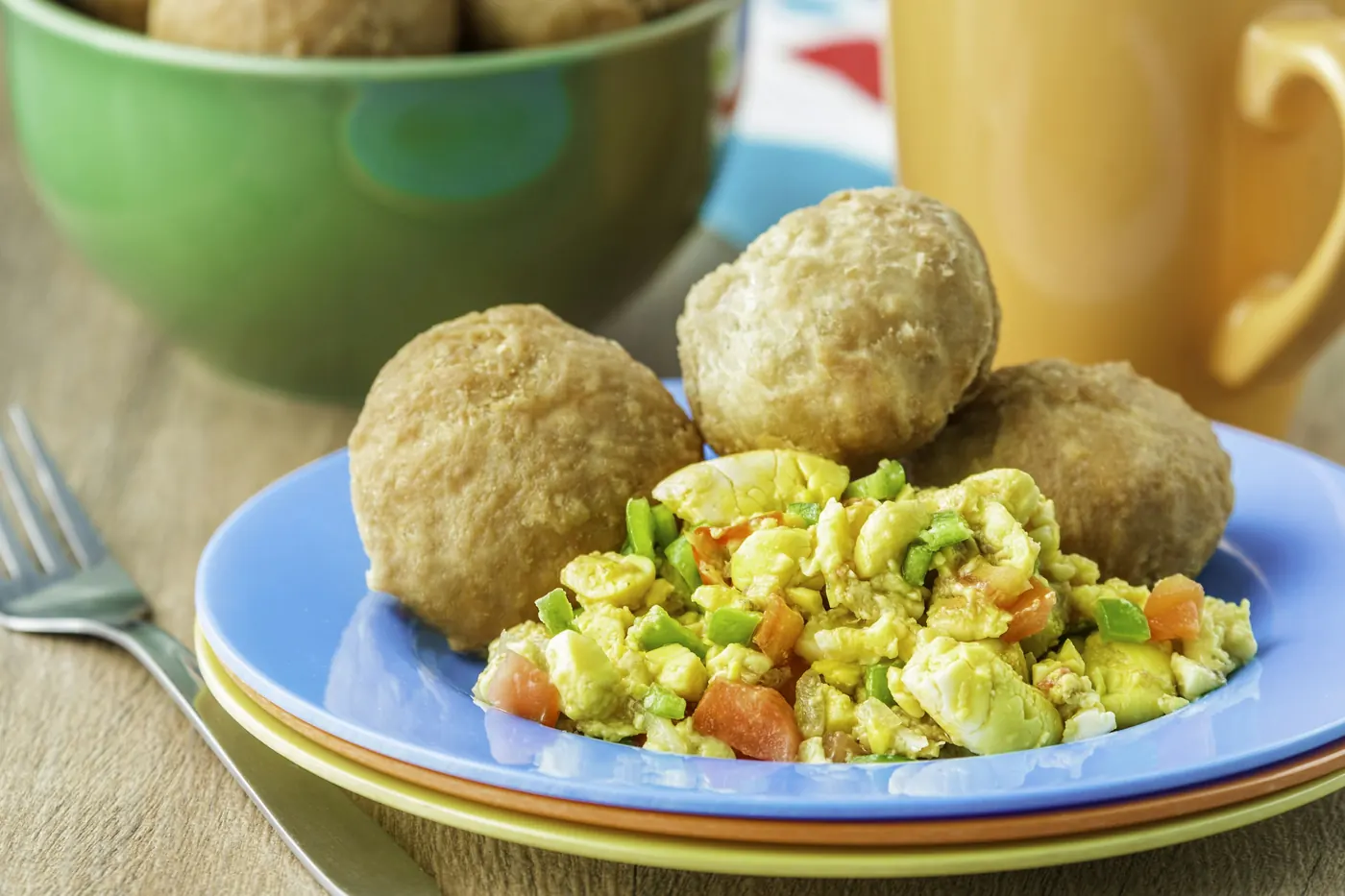
Scotch bonnets, salted cod, plantains and cassava turn up again and again. Latin and Caribbean groceries carry most of them, and Belly Full is the book that tells you what to do once you get them home. If you can’t find scotch bonnets, a habanero is the usual stand-in; our salsa cookbook guide covers books built around chiles.
4. Who wrote it?
Amazon search results for a Jamaican or Cuban cookbook fill quickly with self-published titles from unnamed authors, many of them promising hundreds of “authentic” recipes. We left those out. Look for a person you can identify with a real link to the food and a publisher you can find.
How we chose these ten Caribbean books
We searched Amazon’s book listings and kept only print editions from named authors at established publishers, in stock and sold new by Amazon when we checked. Author, year, format and page count come from the listing, and we read publisher pages and Publishers Weekly where we could reach them. Titles already on our other cookbook pages were left out, and we kept this list clear of our Latin American picks.
Here is what stands behind each pick. The Caribbean Cookbook, Belly Full, Kin, Kwéyòl / Creole, The Cuban Table, Diasporican and My Jamaican Table each have a named review from Publishers Weekly, and Diasporican has others quoted by its publisher. Caribe has endorsements quoted by its publisher, which we don’t count as an independent review. Sweet Hands and Puerto Rican Cookery rest on the listing, publisher and library details. Other reviews may exist that we did not see. We have not cooked from these books ourselves; where we describe a strength, we say whose view it is.
Some good books missed the list on availability. Von Diaz’s Coconuts and Collards and Helen Willinsky’s Jerk from Jamaica were in short supply, and Provisions by Michelle and Suzanne Rousseau was not in stock. Brigid Washington’s Caribbean Flavors for Every Season was sold by a third-party seller, not Amazon, so we left it off a list that was already long enough.
Caribbean cookbook questions, answered
What is the best Cuban cookbook?
The Cuban Table by Ana Sofia Pelaez, which Publishers Weekly called a “heartfelt tribute to Cuban cuisine.” It has the classics, from ropa vieja to the Cuban sandwich. The Caribbean Cookbook also includes Cuban dishes if you want a broader book.
What is the best Puerto Rican cookbook?
Choose Diasporican for a modern, personal book with strong reviews, and Puerto Rican Cookery for the older traditional reference.
What is the best Jamaican cookbook?
My Jamaican Table by Andre Fowles, which Publishers Weekly describes as a joyful introduction suited to novice and experienced cooks. Kin is a good second choice, with Jamaican roots and a modern London view.
Is Caribbean food the same as Latin American food?
They overlap. Cuba, Puerto Rico and the Dominican Republic share a lot with the Spanish-speaking mainland, while Jamaica, Trinidad and St. Lucia have English, French, African and Indian threads of their own. For the mainland, see the best Mexican cookbooks.
Which of these suits a vegetarian?
Belly Full, whose publisher says its recipes are mostly plant-based and gluten-free. Check each recipe yourself if you have an allergy.
Our final pick for your kitchen
Buy The Caribbean Cookbook if you want one book for the whole region, and Belly Full if you would rather learn the ingredients. For one island, go to The Cuban Table, Diasporican or My Jamaican Table. For a wider shelf of food from this side of the world, the best Mexican cookbooks is our main guide.
And if you would rather someone else did the cooking tonight, see the menu or call to order.