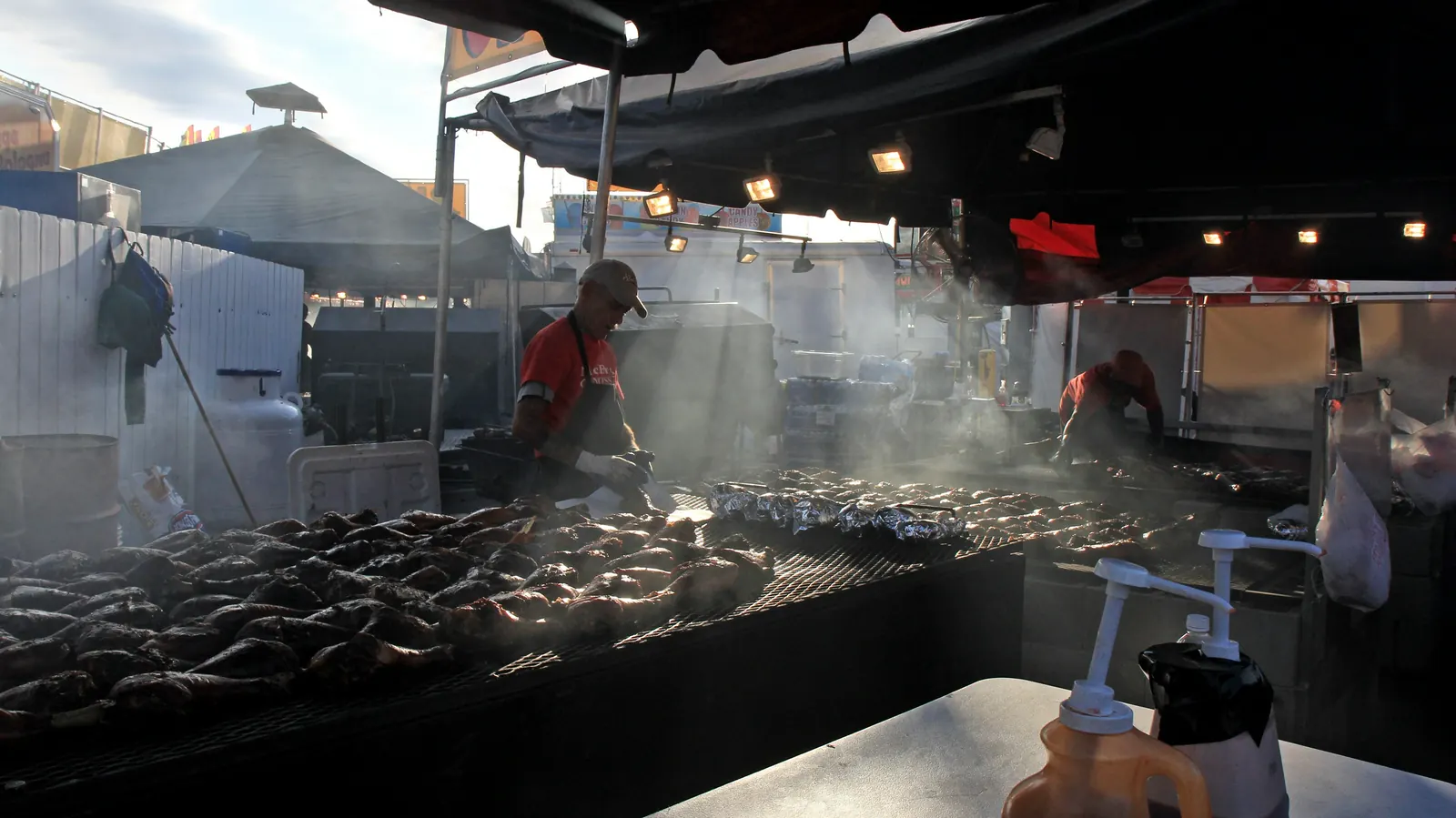
Smoking meat is mostly patience, but patience alone will not save a brisket. Bitter bark, dry flats and ribs that never turn tender nearly always trace back to the fire: too hot, too cold, too much dirty smoke or not enough time. A good smoking book teaches you to manage that fire before it hands you a recipe, and it can save you more meat than any new accessory.
The shelf is crowded, and many of the titles at the top of a search are anonymous recipe lists. This guide leaves those out. It picks seven books by named pitmasters and writers from established publishers, and sets out what the publisher and named reviewers say about each. None of them repeats our list of the best grill cookbook picks, so the two guides work together.
Julia’s earns a commission on purchases made through links on this page, at no cost to you. Recommendations are based on what a restaurant kitchen looks for in a cookbook, publisher information and published reviews, which we name.
Quick verdict: the best smoking meat cookbook to start with
For most home cooks, start with Project Smoke by Steven Raichlen: a full course in smokers, woods and techniques, with 100 recipes. If you want the biggest collection, choose the Jamisons’ Smoke & Spice. If Texas brisket is the goal, choose Goldee’s Bar-B-Q, from the joint Texas Monthly ranked first in the state.
The other four cover a pitmaster’s primer from California, Carolina whole hog, brisket around the world and newer techniques from Austin.
Five smoking books side by side
Five of the seven, one for each kind of cook, with the details each publisher gives. All seven are described in full below.
| Cookbook | Best for | Recipes | Length | Buy on Amazon |
|---|---|---|---|---|
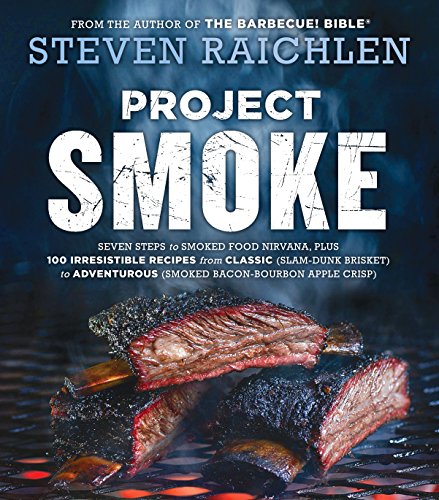
Project Smoke, Steven RaichlenBest overall
|
Learning every kind of smoking | 100 (subtitle) | 336 pages, paperback | View on Amazon |

Smoke & Spice, Cheryl and Bill JamisonBest for sheer range
|
The biggest recipe collection | About 450 | 560 pages, paperback | View on Amazon |

Horn Barbecue, Matt HornBest for learning the pit
|
A primer plus a pitmaster’s voice | 70 | 224 pages | View on Amazon |

Goldee’s Bar-B-Q, Jalen Heard and othersBest for Texas barbecue
|
Texas brisket, ribs and sausage | Not stated | 256 pages, hardcover | View on Amazon |

New School Barbecue, Evan LeRoy and Paula ForbesBest for newer techniques
|
Offset, pellet, kamado or kettle | Nearly 100, with techniques | 272 pages, hardcover | View on Amazon |
Cover images from Amazon. Page counts and formats are the publisher’s, for the editions linked; other sources may differ.
Our picks for the best smoking meat cookbook, book by book
These seven cover the technique of smoking, the big reference shelf and three distinct regional traditions. For each we give what the publisher and published reviews say. We have not cooked our way through these books; where we describe a strength, we say whose view it is.
1. Project Smoke, Steven Raichlen – Seven Steps to Better Smoke
Steven Raichlen has won five James Beard Awards and three IACP Awards and was inducted into the Barbecue Hall of Fame, according to his publisher, Workman. Project Smoke, the companion to his TV series, is his book about smoke and nothing else. It is built around what he calls his seven steps, and Workman says it covers how to choose a smoker, fuels and woods before it reaches the techniques.
The range is why it leads this list. Workman describes cold-smoking, hot-smoking and smoke-roasting, plus rotisserie-smoking and smoking with tea and hay. Publishers Weekly notes the recipes put smoke on everything, including coleslaw, cocktails and ice cream, next to classics such as pork shoulder and beef ribs. It also reports his view on wrapping brisket in foil, the Texas crutch, and quotes the book’s opening thought: “Smoking is easy, but it isn’t always simple.”
Booklist called it “an excellent how-to for those fired up about smoke,” and The Washington Post called it “a tour de force,” both as quoted by the publisher. It teaches the method first, so the lessons carry over to whatever you cook on. If you are still choosing, see our guide to the best smoker.
Why we like it
- Hot-smoking, cold-smoking and smoke-roasting in one book
- Covers smokers, fuels and woods
- 100 recipes, per the subtitle
- Reviewed by Booklist, PW and The Washington Post
Key specifications
| Author | Steven Raichlen |
|---|---|
| Publisher | Workman |
| Year | 2016 |
| Pages | 336 (publisher); PW lists 304 |
| Format | Paperback (publisher) |
| Recipes | 100 (subtitle) |
| Focus | Smoking techniques for any smoker, meat and beyond |
| Best for | Cooks who want one complete smoking book |
Why we recommend it
If you own a smoker and want one book that explains how smoke works and what to do with it, this is it. It suits a new owner as well as a cook who has mastered ribs and wants to try cold-smoking.
Skip it if you want the voice of one barbecue joint. Goldee’s and Horn tell a more personal story.
Pros and cons
Pros
- Broadest view of smoking here
- Teaches method before recipes
- Goes well beyond brisket and ribs
Cons
- Page count differs by source
- Some projects need extra gear, such as cold-smoking setups
2. Smoke & Spice, Cheryl and Bill Jamison – The Long-Running Barbecue Reference
This is the veteran of the list. Harvard Common Press calls Smoke & Spice a James Beard Cookbook Award winner with more than a million copies sold, and this updated third edition adds 100 new recipes for a total of about 450, including 28 barbecue sauces. Cheryl and Bill Jamison have written fifteen cookbooks and travel guides, and Bon Appétit called them “the king and queen of grilling and smoking,” the publisher notes.
The publisher describes a book that opens with the basics of real smoke cooking, fuels and tools, and barbecue history, then moves through meats, seafood, vegetables, salads, pizzas, sauces, sides, desserts and cocktails. That spread makes it useful after the main event is sorted, when you need something to serve with the brisket.
At 560 pages in paperback, it is a reference to keep in the kitchen, not a book to balance on a smoker. The publisher pitches it at new smoker owners and experienced cooks alike.
Why we like it
- About 450 recipes, per the publisher
- James Beard Cookbook Award winner, per the publisher
- 28 barbecue sauces
- Sides, desserts and cocktails as well as meat
Key specifications
| Author | Cheryl Jamison and Bill Jamison |
|---|---|
| Publisher | Harvard Common Press |
| Year | 2014 |
| Pages | 560 |
| Format | Trade paperback |
| Recipes | About 450 |
| Focus | Real smoke cooking, recipes for the whole meal |
| Best for | Cooks who want one big reference |
Why we recommend it
If you want a recipe for almost anything that can go near smoke, this is the deepest well here. It is also the one that answers what to serve alongside.
Skip it if you want a modern pitmaster’s method. It is a broad collection; for a current approach to brisket, read Goldee’s or New School Barbecue.
Pros and cons
Pros
- Largest recipe count here
- Covers the whole meal
- Long record with home cooks
Cons
- Bulky at 560 pages
- Oldest edition on this list
3. Horn Barbecue, Matt Horn – A Primer From a California Pitmaster
Matt Horn was named a Food & Wine Best New Chef, and his restaurant earned a Michelin Bib Gourmand, according to his publisher, Harvard Common Press. The book opens with a smoking primer for beginners and experienced cooks, then teaches through 70 recipes.
Those recipes cover Texas and Carolina classics such as brisket and pulled pork, and also what Horn calls West Coast Barbecue, his California style, which brings in poultry, seafood and vegetables. Southern dishes, sides and desserts round it out. Horn also writes about how he came to barbecue and about the history of Black barbecue in the United States, which gives the book more weight than a recipe collection.
It was a finalist in the IACP Cookbook Awards, and Sunset called it “a master class in how to make mouthwatering barbecue,” as quoted by the publisher.
Why we like it
- IACP Cookbook Awards finalist, per the publisher
- Opens with a smoking primer
- 70 recipes from Texas, Carolina and California traditions
- Covers the history of Black barbecue
Key specifications
| Author | Matt Horn |
|---|---|
| Publisher | Harvard Common Press |
| Year | 2022 |
| Pages | 224 |
| Format | Paper over board |
| Recipes | 70 |
| Focus | Smoked barbecue, classic and West Coast style |
| Best for | New smoker owners who want a pitmaster’s guide |
Why we recommend it
If you are new to smoking and want one person’s clear voice, not an encyclopedia, this is a good place to begin. The primer comes first, so you can read it before you light the fire.
Skip it if you want hundreds of recipes. It has 70, chosen to teach; Smoke & Spice is the book for volume.
Pros and cons
Pros
- Clear starting point for beginners
- Goes beyond Texas and the Carolinas
- History as well as recipes
Cons
- Smaller collection than the big references
- Publisher gives no cooker-by-cooker detail
4. Goldee’s Bar-B-Q, Jalen Heard and others – Texas Barbecue From the Source
Texas Monthly named Goldee’s the best barbecue in Texas, as University of Texas Press notes, and this book is the restaurant’s own account of how it got there. Jalen Heard, Lane Milne and Jonny White of Goldee’s wrote it with Lisa Fain, a James Beard Award-winning author whose Homesick Texan appears in our guide to the best Tex-Mex cookbook.
The press calls it a way into the secrets of award-winning barbecue, with classics such as brisket, ribs and sausages next to beans, coleslaw, potato salad and banana pudding. Importantly for a home cook, it says the book also teaches fire management and temperature monitoring, the two skills that decide whether a brisket works. It comes with 86 color photos and tells the founders’ story alongside the recipes.
Brian Reinhart of D Magazine said it “is a marvel of a book,” and Crave DFW called it “thorough, generous, and honest,” both as quoted by the press. Food writer Adrian Miller praises the story of friends building a community through barbecue.
Why we like it
- From a joint Texas Monthly ranked first in the state
- Teaches fire management and temperature monitoring
- Praised by D Magazine
- Sides and desserts included
Key specifications
| Author | Jalen Heard, Lane Milne, Jonny White and Lisa Fain |
|---|---|
| Publisher | University of Texas Press |
| Year | 2025 |
| Pages | 256 |
| Format | Hardcover |
| Recipes | Not stated |
| Focus | Texas barbecue, fire management, restaurant story |
| Best for | Cooks chasing Texas-style brisket |
Why we recommend it
In Houston, barbecue means Texas barbecue first. If that is the brisket you want, this book comes straight from the source, and it pairs well with a good meat thermometer.
Skip it if you cook on a small electric smoker and want quick results. It comes from a working pit and is about learning a craft.
Pros and cons
Pros
- Direct from a top Texas joint
- Fire and temperature control covered
- Full plate of sides and desserts
Cons
- Recipe count not stated by the press
- Texas focus; little on other regional styles
5. Whole Hog BBQ, Sam Jones and Daniel Vaughn – The Gospel of Carolina Pork

Sam Jones is the pitmaster at Skylight Inn, the North Carolina family barbecue business that opened in 1947, and Daniel Vaughn is the barbecue editor at Texas Monthly. Together they cover the family’s Carolina-style chopped pork and its history. For Jones, as Publishers Weekly quotes him, “barbecue is whole hog cooked over wood.”
Ten Speed says the book walks you through cooking a whole hog at home, from building a concrete-block pit to making a burn barrel. PW adds advice on choosing a hog and wood. Recipes are fewer than in the big collections: the publisher says more than 20 family recipes, and PW describes a couple dozen for pork plus chicken, seafood and sides. Cornbread, coleslaw, spare ribs, smoked turkey and biscuit pudding all appear.
PW’s conclusion was blunt: “This is the perfect volume for those on their way to becoming hardcore pitmasters.” Epicurious also covered it, the publisher notes. This is a book for someone ready to go well past a backyard smoker.
Why we like it
- PW: the perfect volume for aspiring hardcore pitmasters
- Shows how to build a block pit and burn barrel
- Coauthored by Texas Monthly‘s barbecue editor
- Family history back to 1947
Key specifications
| Author | Sam Jones and Daniel Vaughn |
|---|---|
| Publisher | Ten Speed Press |
| Year | 2019 |
| Pages | 208 |
| Format | Hardcover |
| Recipes | More than 20 family recipes (publisher) |
| Focus | Carolina whole hog and pit building |
| Best for | Ambitious cooks with space for a pit |
Why we recommend it
If the idea of building a pit and cooking a whole hog excites you, no other book here goes as far. Even without a pit, it is a fine read on how one family built a tradition around wood and pork.
Skip it if you own a small smoker and no backyard to spare. Its main project takes real space, time and a lot of pork.
Pros and cons
Pros
- Unmatched on whole hog here
- Practical pit-building instruction
- Rich family history
Cons
- Fewest recipes on this list
- Main project is impractical for many homes
6. The Brisket Chronicles, Steven Raichlen – One Cut, Many Traditions
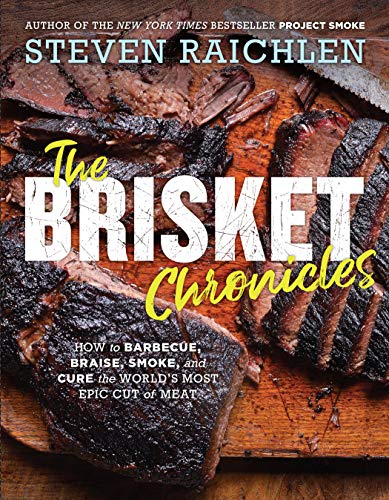
Brisket is the cut that humbles most new smokers, so it earns its own book. Raichlen covers it here with more than 60 recipes, according to Workman, across grilling, smoking, braising, curing and boiling, with tips on handling, prepping and storing the meat.
Publishers Weekly lists corned beef, pastrami, pho and ropa vieja, quicker options such as Korean grilled brisket, and sandwiches and snacks like brisket tots. It also notes short profiles of pit masters. For a kitchen that thinks in terms of barbacoa and braised beef, the breadth is the appeal: this treats brisket as a world ingredient, not just a Texas one. Our page on what barbacoa is covers the Mexican side of slow-cooked beef.
Workman reports starred reviews from Publishers Weekly, Booklist and Library Journal. PW called it a “lovingly crafted and comprehensive guide,” and the Houston Chronicle called it “an authoritative book.”
Why we like it
- Starred reviews from PW, Booklist and Library Journal, per Workman
- More than 60 recipes for one cut
- Smoking, braising, curing and more
- Covers trimming, handling and storing
Key specifications
| Author | Steven Raichlen |
|---|---|
| Publisher | Workman |
| Year | 2019 |
| Pages | 256 |
| Format | Trade paperback |
| Recipes | More than 60 |
| Focus | Brisket smoked, braised and cured |
| Best for | Cooks determined to master brisket |
Why we recommend it
If your last brisket came out dry and you want to fix that, this is the specialist to add. Workman also promises leftover-friendly dishes, which helps, because a whole brisket always leaves some.
Skip it if brisket is not your goal. It is about one cut; Project Smoke is the wider book from the same author.
Pros and cons
Pros
- Deep on a single difficult cut
- International recipes
- Starred trade reviews
Cons
- Only one cut of meat
- Some non-smoked recipes, if smoke is all you want
7. New School Barbecue, Evan LeRoy and Paula Forbes – Modern Austin Pitmaster Methods
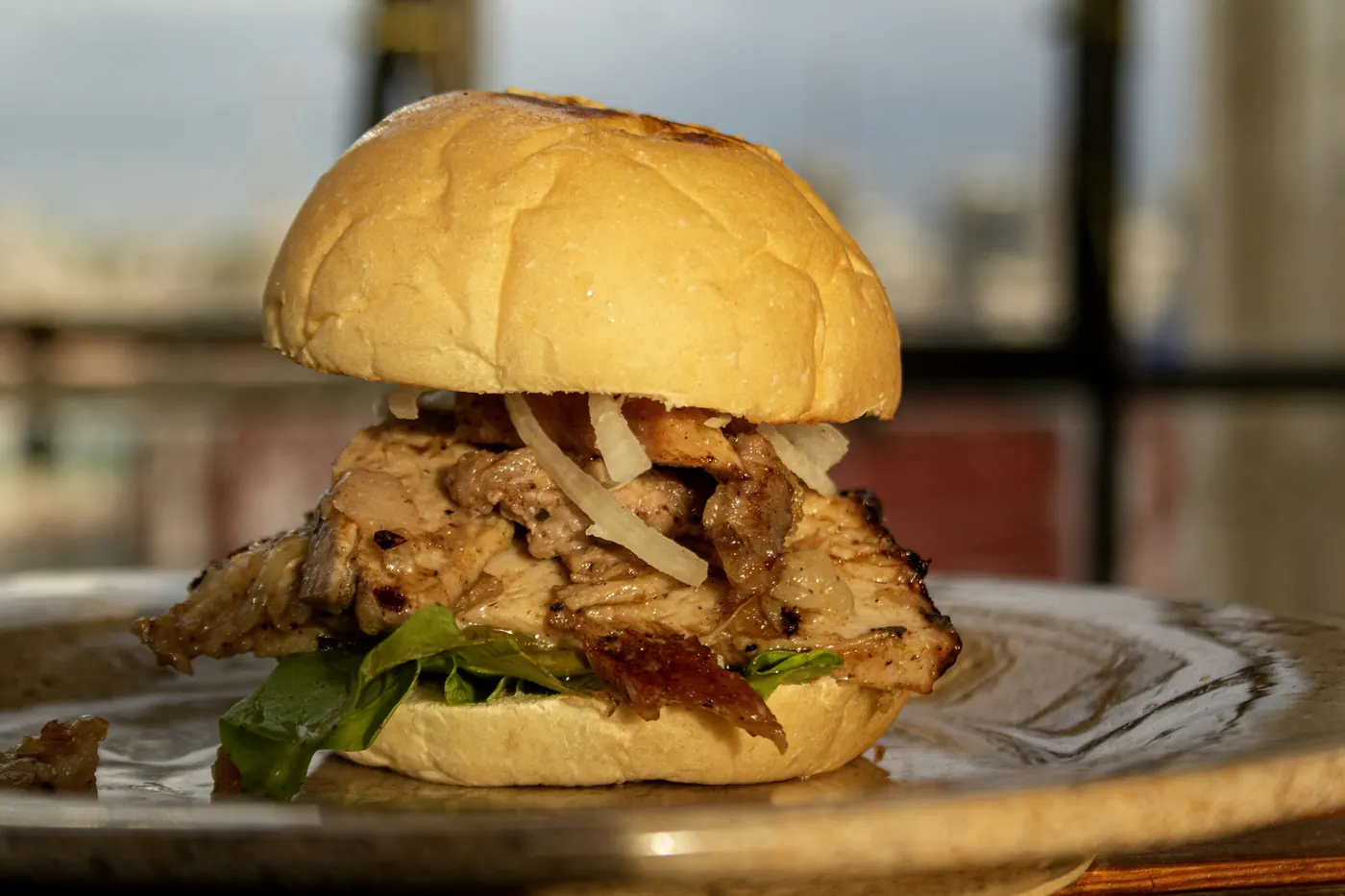
The newest book on this list comes from Evan LeRoy, co-owner and pitmaster of LeRoy and Lewis in Austin, written with Paula Forbes, with a foreword by Daniel Vaughn. Abrams describes nearly 100 techniques and recipes for smoking and grilling, and says the methods apply to many meats and vegetables.
Equipment coverage is a real strength. The publisher names offset, pellet, kamado and kettle grills, so owners of a kamado grill or pellet rig are not left guessing. Recipes run through mains, sides and desserts, from bacon ribs to smoked banana pudding, and 200 color photographs and illustrations support the text.
Eater included it in a list of spring cookbooks it was excited about, highlighting a brisket process that runs to 14 pages, according to the publisher. Aaron Franklin, quoted by Abrams, says it “marks a new era in barbecue.” As a recent book it has a shorter record than the others here, so weigh that accordingly.
Why we like it
- Nearly 100 techniques and recipes, per Abrams
- Covers offset, pellet, kamado and kettle
- A 14-page brisket process, per Eater
- Vegetables, sides and desserts as well as meat
Key specifications
| Author | Evan LeRoy and Paula Forbes (foreword by Daniel Vaughn) |
|---|---|
| Publisher | Abrams |
| Year | 2026 |
| Pages | 272 |
| Format | Hardcover |
| Recipes | Nearly 100 techniques and recipes |
| Focus | Modern Texas-style smoking and grilling |
| Best for | Experienced cooks ready for new ideas |
Why we recommend it
If you already make decent brisket and want new ideas, this is the most current book here. It suits owners of pellet and kamado cookers especially well, since it does not assume an offset.
Skip it if you are still learning to hold a steady temperature. Start with Project Smoke or Horn Barbecue, then come back.
Pros and cons
Pros
- Works across several cooker types
- Heavily illustrated
- Current restaurant techniques
Cons
- Too new to have a long record
- Long projects, such as its brisket process
How to choose a BBQ smoking book
Four questions sort these books out quickly. Start with what you cook on, then be honest about how far you want to go.
1. What you smoke on
Advice for an offset does not always translate to a pellet cooker. New School Barbecue names offset, pellet, kamado and kettle grills, and Project Smoke covers how to choose among smoker types. Whole Hog BBQ assumes you are willing to build a pit. If you have not bought yet, start with our guide to the best smoker for beginners.
2. Technique or recipes
New smokers usually need technique more than recipes. Project Smoke, Horn Barbecue and Goldee’s Bar-B-Q all teach the fire. Smoke & Spice is the place to go for volume once you can hold a steady temperature.
3. Which regional style you want
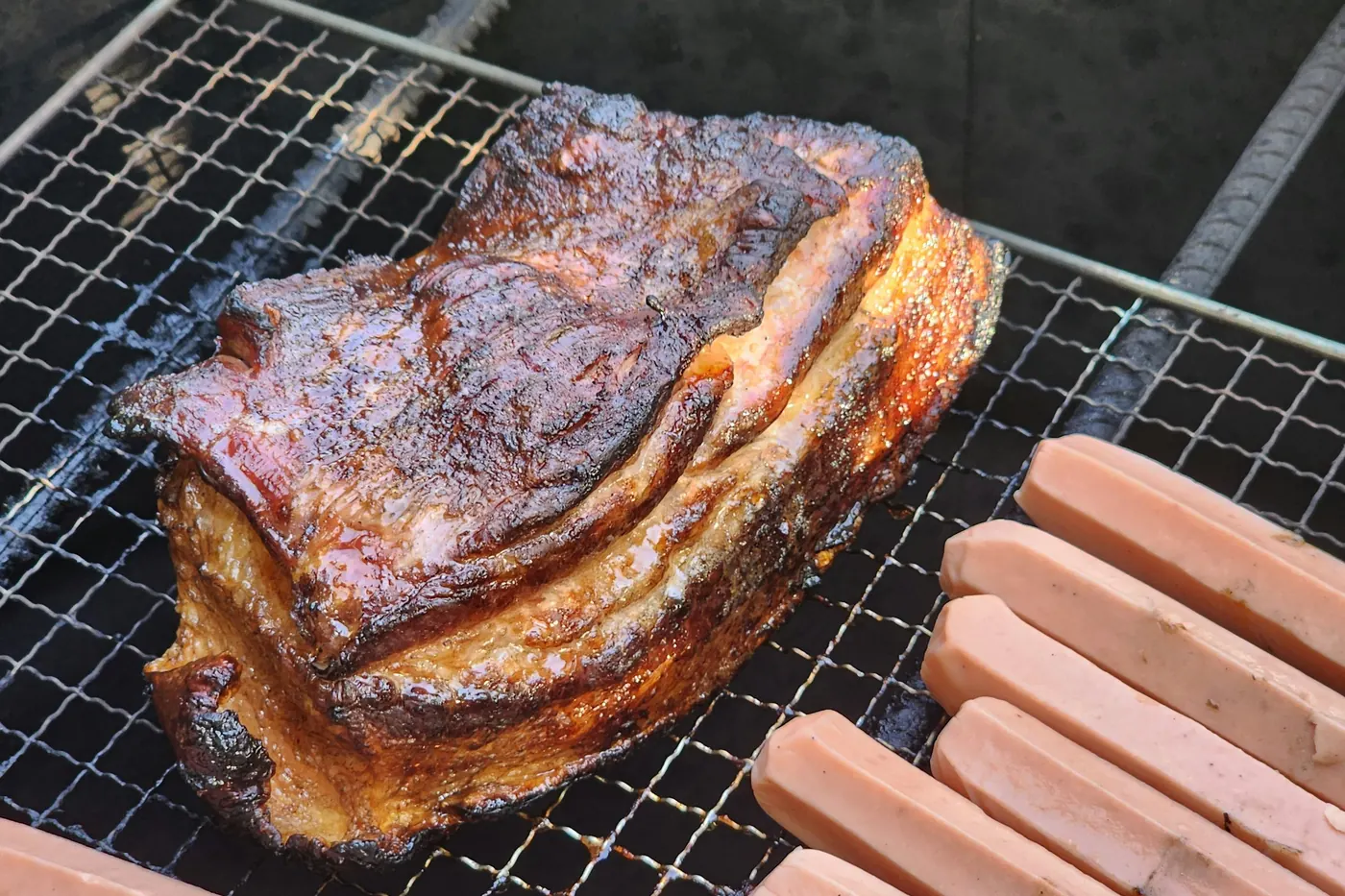
American barbecue is several traditions. Texas means beef, so read Goldee’s and New School Barbecue. The Carolinas mean pork, so read Sam Jones. Horn draws on both and adds California. Raichlen and the Jamisons range across all of them.
4. What you plan to smoke
If you only want brisket, buy the specialist. If you want fish, vegetables and even dessert, look to Project Smoke and Smoke & Spice, which go furthest beyond the big cuts. Whatever you cook, the wood matters, and our guide to the best smoker wood chips covers the common choices.
How we chose these seven smoking books
We looked for books a working kitchen would respect: written by pitmasters or established barbecue writers, clear on fire and temperature, and honest about how much work good barbecue takes. We searched Amazon’s book listings and kept only titles in stock when we checked, then took the facts for each from the publisher’s own pages and named reviews. Publishers Weekly is our main direct source; Booklist, Library Journal, The Washington Post, the Houston Chronicle, D Magazine, Sunset and Eater appear as the publishers quote them, and award claims come from the publishers too. Where sources disagree, we say so. Several famous books, including Franklin Barbecue and Legends of Texas Barbecue Cookbook, were in short supply when we checked, so they are not on this list. Franklin Smoke and The Meathead Method are in our grill guide, so we did not repeat them. We have not cooked from these books ourselves; the strengths we describe are the publishers’ and reviewers’, and we name them.
Smoking cookbook questions, answered
What is the best smoking cookbook for beginners?
Project Smoke if you want the full picture, or Horn Barbecue if you want a short primer and a smaller set of recipes. Both begin with how smoking works.
Which book is best for learning brisket?
The Brisket Chronicles covers the cut most widely, and Goldee’s Bar-B-Q gives you the Texas restaurant view. New School Barbecue has a brisket process that Eater noted runs to 14 pages.
Do these books work with a pellet smoker?
New School Barbecue names pellet cookers directly, according to its publisher. The fire lessons in the others apply less directly, but time, temperature and doneness targets carry over. A reliable meat thermometer matters on any cooker.
Do I need a smoking book if I already own a grilling book?
Not at first. If you grill and smoke occasionally, the books in our best grill cookbook guide cover both. Once you have a dedicated smoker and want to go deep on long cooks, a specialist book earns its shelf space.
Is there a Mexican take on smoked meat?
None of these is a Mexican book, though The Brisket Chronicles includes ropa vieja among its world recipes, per Publishers Weekly. For Mexican slow-cooked beef, read our page on what barbacoa is, and for Texas Mexican barbecue books, see the best Tex-Mex cookbook.
Our final pick for the smoker
Buy Project Smoke if you want one book that explains smoking from start to finish. Choose Smoke & Spice for volume, Horn Barbecue for a friendly first primer and Goldee’s Bar-B-Q for Texas brisket. Whole Hog BBQ, The Brisket Chronicles and New School Barbecue are the specialist reads for later. If you are still shopping for the cooker itself, start with the best smoker.
And if you would rather someone else minded the fire tonight, see the menu or call to order.