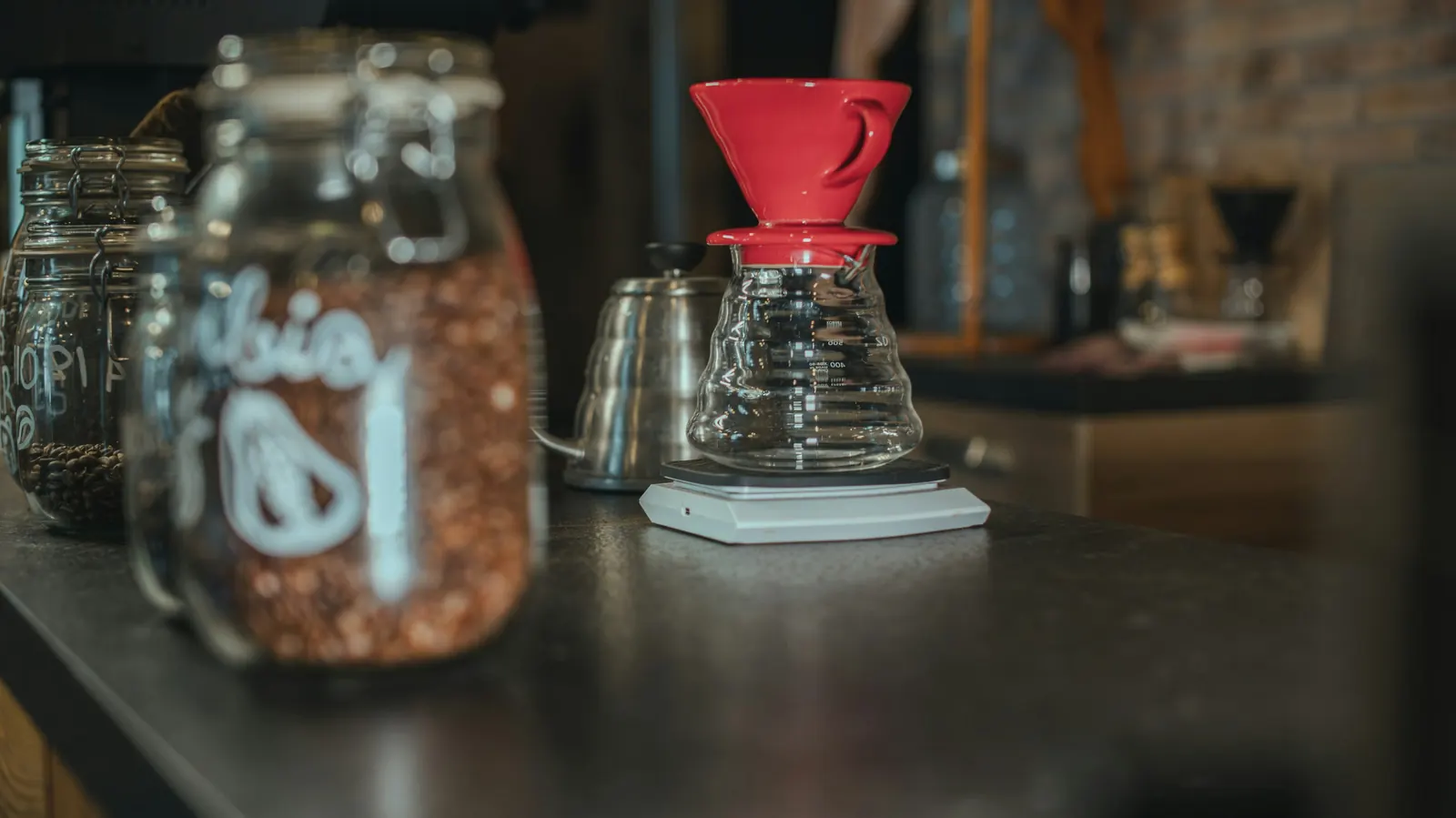
Good coffee is a little like good tortillas. There are only a few ingredients, and everything depends on the small steps in between: the grind, the water, the timing. A kitchen learns those steps by repeating them, and a good book shortens the time that takes by explaining why each one matters.
Coffee books vary a lot, though. Some teach you to brew, some are atlases of farming countries, and some are pure history. This guide picks seven by named authors at established publishers, and says plainly which ones have a review we read and which rest on what the publisher and author say. If you are after a home coffee book, the first three are where to look.
Julia’s earns a commission on purchases made through links on this page, at no cost to you. Recommendations are based on what a restaurant kitchen looks for in a book, Amazon listing details, publisher information and published reviews, which we name.
Quick verdict: which coffee book to buy first
For most home brewers the best coffee book is James Hoffmann’s How to Make the Best Coffee at Home: equipment, grinding, brewing and espresso in one book. If you want to understand origins, choose his World Atlas of Coffee. If you only make filter coffee, choose Jessica Easto’s Craft Coffee: A Manual.
The other four cover drink recipes, the science of brewing, an A to Z of coffee terms and the history behind it all.
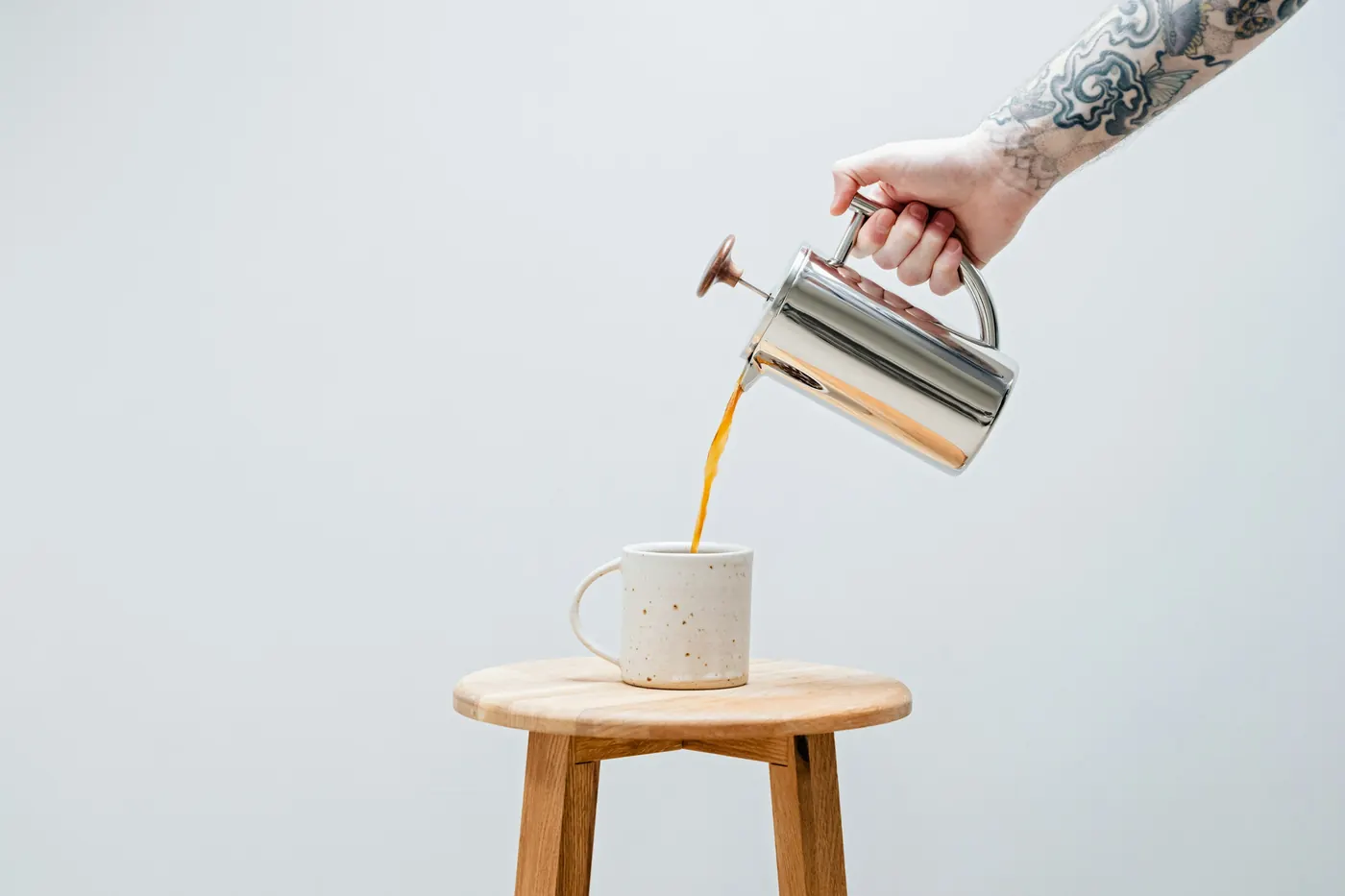
Five coffee books side by side
Five of the seven, one for each kind of reader, with details from the listing and publisher. All seven are described in full below.
| Book | Best for | Level | Format | Buy on Amazon |
|---|---|---|---|---|
| Better coffee from any home setup | Beginner to enthusiast | Hardcover, 224 pages | View on Amazon | |

The World Atlas of Coffee, 3rd Edition, James HoffmannBest reference
|
Understanding origins and roast | Enthusiast | Hardcover, 288 pages | View on Amazon |
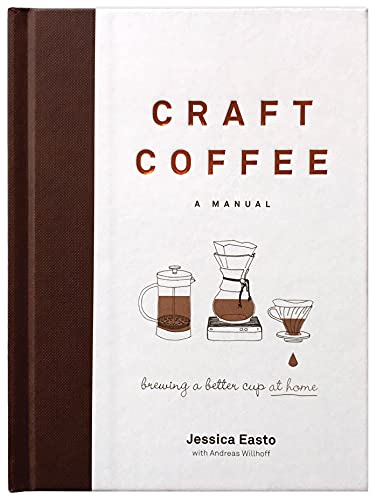
Craft Coffee: A Manual, Jessica Easto with Andreas WillhoffBest for filter brewers
|
Pour-over, immersion and cold brew | Beginner to enthusiast | Hardcover, 272 pages | View on Amazon |

The Coffee Book, Anette MoldvaerBest for drink recipes
|
Drinks at home, plus bean basics | Beginner | Hardcover, 224 pages | View on Amazon |

Uncommon Grounds, Mark PendergrastBest for history
|
Reading about coffee’s past | General reader | Paperback, 480 pages | View on Amazon |
Our picks for the best coffee book, one by one
1. How to Make the Best Coffee at Home, James Hoffmann – The Whole Home Setup, Explained

If you buy one book about making coffee, start here. Octopus describes a guide to getting consistently excellent coffee at home, and the scope matches what most home brewers actually ask: which equipment is worth buying and which is not, how to grind, how to brew with a cafetière (French press), AeroPress or stovetop pot, and how to pull an espresso.
It also covers coffee drinks from the cortado to the latte, so it serves both the person with a drip setup and the person with an espresso machine on the counter. That breadth is the main reason it ranks first here; several other books on this page do one of those jobs and leave out the other.
James Hoffmann co-founded Square Mile Coffee and is known for his equipment and coffee reviews on YouTube, according to the publisher. This pick rests on the publisher’s description and the author’s record rather than on an outside review we read. Note the British side of the book: the publisher’s description uses the word cafetière, and the book comes from a UK imprint, so expect some British terms.
Why we like it
- Covers buying equipment, grinding and brewing in one book
- Includes both filter methods and espresso, per the publisher
- Author is a coffee roasting co-founder and equipment reviewer
- Covers milk drinks from cortado to latte
Key specifications
| Author | James Hoffmann |
|---|---|
| Publisher | Mitchell Beazley |
| Format | Hardcover |
| Pages | 224 (per the listing) |
| Released | 2022 (per the listing) |
| Level | Beginner to enthusiast |
| Focus | Home equipment, grinding and brewing |
| Evidence | Publisher and author details |
Why we recommend it
Choose this if you have, or are about to buy, a home setup and want advice that covers the whole thing. It pairs well with our guide to the best coffee maker.
Skip it if you want origin stories and farm detail; Hoffmann’s atlas below is the book for that.
Pros and cons
Pros
- Broad home-brewing scope
- Equipment advice from a known reviewer
- Espresso and filter both covered
Cons
- UK-published, so some terms may be British
- Equipment advice can date as models change
2. The World Atlas of Coffee, 3rd Edition, James Hoffmann – Where Your Beans Come From
This is Hoffmann’s other book, and it does a different job. Octopus presents it as a guide to coffee production: how variety, terroir, harvest, processing, roasting, water and brewing shape what ends up in the cup, followed by country profiles from Bolivia to Zambia. The publisher says it covers over 35 countries.
The third edition is expanded and fully updated, the publisher says, with new chapters on decaffeination and steep-and-release brewers, and added origins in Australia, Japan and Puerto Rico. The first two editions sold 400,000 copies combined, by the publisher’s count.
Outside opinion is good. Tom Saxon of Batch Coffee calls it the most comprehensive guide to coffee-producing countries, regions and processing that you will find, and praises the design and photography. Saxon also writes coffee books of his own, which is worth keeping in mind. Jahla Seppanen, in a 2024 list for The Manual that predates this edition, says it “celebrates the nuances that make each coffee unique.”
Why we like it
- Country profiles for over 35 origins, per the publisher
- Updated edition with new chapters
- Named praise from Batch Coffee and The Manual
- Explains processing and roasting as well as place
Key specifications
| Author | James Hoffmann |
|---|---|
| Publisher | Mitchell Beazley |
| Format | Hardcover (third edition) |
| Pages | 288 (per the listing) |
| Released | 2025 (per the listing) |
| Level | Enthusiast |
| Focus | Coffee origins and production |
| Evidence | Batch Coffee and The Manual |
Why we recommend it
This suits the person who reads the back of the bag and wants to know what a washed Ethiopian coffee actually is. It is a book to dip into when you open new beans.
Skip it if your only goal is a better morning cup; the home guide above is more direct.
Pros and cons
Pros
- Deep origin coverage
- Recently updated
- Praised by named coffee writers
Cons
- More reference than how-to
- Not needed for simple home brewing
3. Craft Coffee: A Manual, Jessica Easto with Andreas Willhoff – Filter Brewing, Step by Step
If you never plan to own an espresso machine, this book is written for you. The description in its catalog record calls it a home-brewing guide that focuses only on coffee, not espresso, and covers pour-over, immersion and cold brew methods across ten devices. It explains the science of extraction, how to choose equipment and how to read a coffee bag.
Jahla Seppanen of The Manual, in her 2024 list of coffee books, describes it the same way: a coffee-only home guide that skips espresso and stays with the making of coffee. She writes that “there’s no reason to get distracted by how beans grow,” which sums up the book’s focus.
The description calls it written by a coffee enthusiast for coffee enthusiasts, and attention to cost, time, taste and accessibility runs through it. Agate, its publisher, is an independent US press. That makes it a good match for anyone working through pour-over at home.
Why we like it
- Covers ten brewing devices, per the catalog description
- Stays on filter methods, per The Manual
- Explains extraction in plain terms
- Teaches you to read a coffee bag
Key specifications
| Author | Jessica Easto with Andreas Willhoff |
|---|---|
| Publisher | Agate Surrey |
| Format | Hardcover |
| Pages | 272 (per the listing) |
| Released | 2017 (per the listing) |
| Level | Beginner to enthusiast |
| Focus | Filter and cold brew at home |
| Evidence | The Manual |
Why we recommend it
This suits anyone with a dripper or French press who wants a method to follow. Read it alongside our guide to the best pour-over coffee maker.
Skip it if espresso is what you make; it leaves espresso out on purpose.
Pros and cons
Pros
- Narrow, practical focus
- Covers many brewers
- Friendly to home readers
Cons
- No espresso
- Older than the Hoffmann books
4. The Coffee Book, Anette Moldvaer – Beans, Barista Basics and Drinks
This DK book mixes a coffee guide with a recipe collection. The publisher lists brewing equipment, origins from cherry to bean, a region-by-region tour of producing countries, profiles of beans from over 40 countries, a tasters wheel, and step-by-step visuals for espresso, steamed milk and barista-style drinks.
DK counts over 100 recipes with dairy-free milk alternatives, from the americano and flat white to less common drinks. One of those is caffè de olla, the spiced clay-pot coffee of Mexico, and that is a nice surprise for a book like this. We have not seen how the book handles it, so treat it as one drink among many, not a guide to Mexican coffee.
Anette Moldvaer is co-founder and green coffee buyer at Square Mile Coffee Roasters, and DK says she has judged international competitions including the World Barista Championships and is a World Cup Tasting Champion. This pick rests on those publisher details rather than on an outside review we read.
Why we like it
- Over 100 drink recipes, per DK
- Bean profiles from over 40 countries
- Step-by-step visuals for espresso and milk
- Author is a working green coffee buyer
Key specifications
| Author | Anette Moldvaer |
|---|---|
| Publisher | DK |
| Format | Hardcover |
| Pages | 224 (per the listing) |
| Released | 2021 (per the listing) |
| Level | Beginner |
| Focus | Beans, brewing and drink recipes |
| Evidence | Publisher and author details |
Why we recommend it
This suits a home cook who enjoys making drinks and likes a picture for every step. It would also work well as a gift.
Skip it if you want depth on one brewing method; it spreads across the whole subject.
Pros and cons
Pros
- Broad and visual
- Many drink ideas
- Dairy-free options included
Cons
- Less depth on any one method
- Recipes need some home equipment
5. How to Make Coffee, Lani Kingston – The Science Behind the Cup
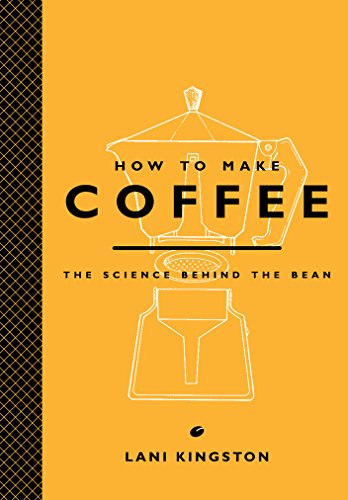
Plenty of coffee advice is habit passed along without a reason. This small book tries to give the reason. Abrams bills it as a guide for coffee lovers who want to understand the science behind brewing, running from choosing beans to technique for French press, pour-over, espresso and cold brew.
It also includes gadget recommendations and tips on frothing milk and on extraction. At 5 by 7 1/4 inches and 160 pages, it is one of the smallest books here, which makes it an easy read for someone who is not ready for a thick manual.
Lani Kingston is an Australian food writer and culinary researcher; Abrams says she holds a master’s degree in Food Studies and is a trained pastry chef. The page carries no outside review, so this pick rests on the publisher’s description and the author’s background. It dates from 2015, so its gadget advice is the first thing to double-check.
Why we like it
- Short and focused on why things work
- Covers four common brewing styles
- Small format, per Abrams
- Author has a food studies background
Key specifications
| Author | Lani Kingston |
|---|---|
| Publisher | Abrams Image |
| Format | Hardcover |
| Pages | 160 (per the listing) |
| Released | 2015 (per the listing) |
| Level | Beginner |
| Focus | Coffee science and technique |
| Evidence | Publisher and author details |
Why we recommend it
This suits the curious reader who wants to know why grind size matters before spending money on a coffee grinder.
Skip it if you want current equipment advice; a 2015 book will miss newer gear.
Pros and cons
Pros
- Easy length
- Explains the reasons behind technique
- Covers espresso and filter
Cons
- Oldest how-to pick on this page
- Not a complete reference
6. The Coffee Dictionary, Maxwell Colonna-Dashwood – Every Coffee Term, A to Z

Coffee has picked up a large vocabulary, and bags and café menus use it freely. This is a straight A to Z of that vocabulary. Octopus describes hundreds of entries on sourcing, growing and harvesting, roasting, grinding and brewing, plus countries of origin, bean varieties, tasting notes, brewing equipment and coffee drinks, illustrated throughout.
Maxwell Colonna-Dashwood is a three-time UK Barista Champion and three-time world finalist, by the publisher’s count, so the entries come from someone who has worked at the top of the trade.
We did not read an independent review of it, and the publisher’s page carries no outside quotes, so this pick rests on those details. The dictionary format is the point: it will not teach you to brew in order, but it will tell you what a term means the moment you run into it, which suits a kitchen shelf better than a long read.
Why we like it
- Hundreds of entries, per the publisher
- Covers farm to cup
- Written by a three-time UK Barista Champion
- Illustrated throughout
Key specifications
| Author | Maxwell Colonna-Dashwood |
|---|---|
| Publisher | Mitchell Beazley |
| Format | Hardcover |
| Pages | 256 (per the listing) |
| Released | 2025 (per the listing) |
| Level | All levels |
| Focus | An A to Z of coffee terms |
| Evidence | Publisher and author details |
Why we recommend it
This suits someone already reading about coffee who keeps hitting words they do not know, and it fits next to any of the books above.
Skip it as your only coffee book; it defines things rather than teaching a method.
Pros and cons
Pros
- Quick to consult
- Wide coverage
- Respected competition background
Cons
- Not a step-by-step guide
- Best as a companion book
7. Uncommon Grounds, Mark Pendergrast – The History in Your Cup
This is the one book here with no brewing lesson in it. Mark Pendergrast’s history runs, in the publisher’s words, from coffee’s origins in ancient Abyssinia to the rise of Starbucks, and takes in the 1990s coffee crisis, the growth of Fair Trade and the third-wave focus on quality.
It has the strongest review record on the page. Publishers Weekly, reviewing the first edition in 1999, praised Pendergrast’s “broad vision” and “meticulous research.” Basic Books also quotes the New York Times, the Wall Street Journal, Scientific American, Kirkus and Booklist. Tom Saxon of Batch Coffee calls it the definitive book on coffee’s role in the modern world, while warning that it is long and works better as a reference than a light read.
We chose the 2019 paperback, a new edition from Basic Books. It is a book about markets, farmers and companies as much as about drinks, and it gives a home brewer a good sense of how much history sits behind one cup.
Why we like it
- Reviewed by Publishers Weekly (first edition)
- Covers Fair Trade and the third wave, per the publisher
- Praised as definitive by Batch Coffee
- Paperback edition in stock
Key specifications
| Author | Mark Pendergrast |
|---|---|
| Publisher | Basic Books |
| Format | Paperback (new edition) |
| Pages | 480 (per the listing) |
| Released | 2019 (per the listing) |
| Level | General reader |
| Focus | The history of coffee |
| Evidence | Publishers Weekly and Batch Coffee |
Why we recommend it
This suits a reader who likes history with a personal stake, and it makes a good gift for a coffee drinker who already owns the gear.
Skip it if you want to improve your brewing; it teaches none of that.
Pros and cons
Pros
- Strong review record
- Wide historical sweep
- Readable, per the reviewers
Cons
- Long, per Batch Coffee
- No brewing instruction
How to choose a home coffee book
Start from the brewer you own. A filter-only book is a poor buy if you make espresso, and an espresso chapter does nothing for a French press owner. Hoffmann’s home guide covers both. Craft Coffee covers filter alone, and says so. If you are still shopping, our guide to the best espresso machine for beginners may settle that first.
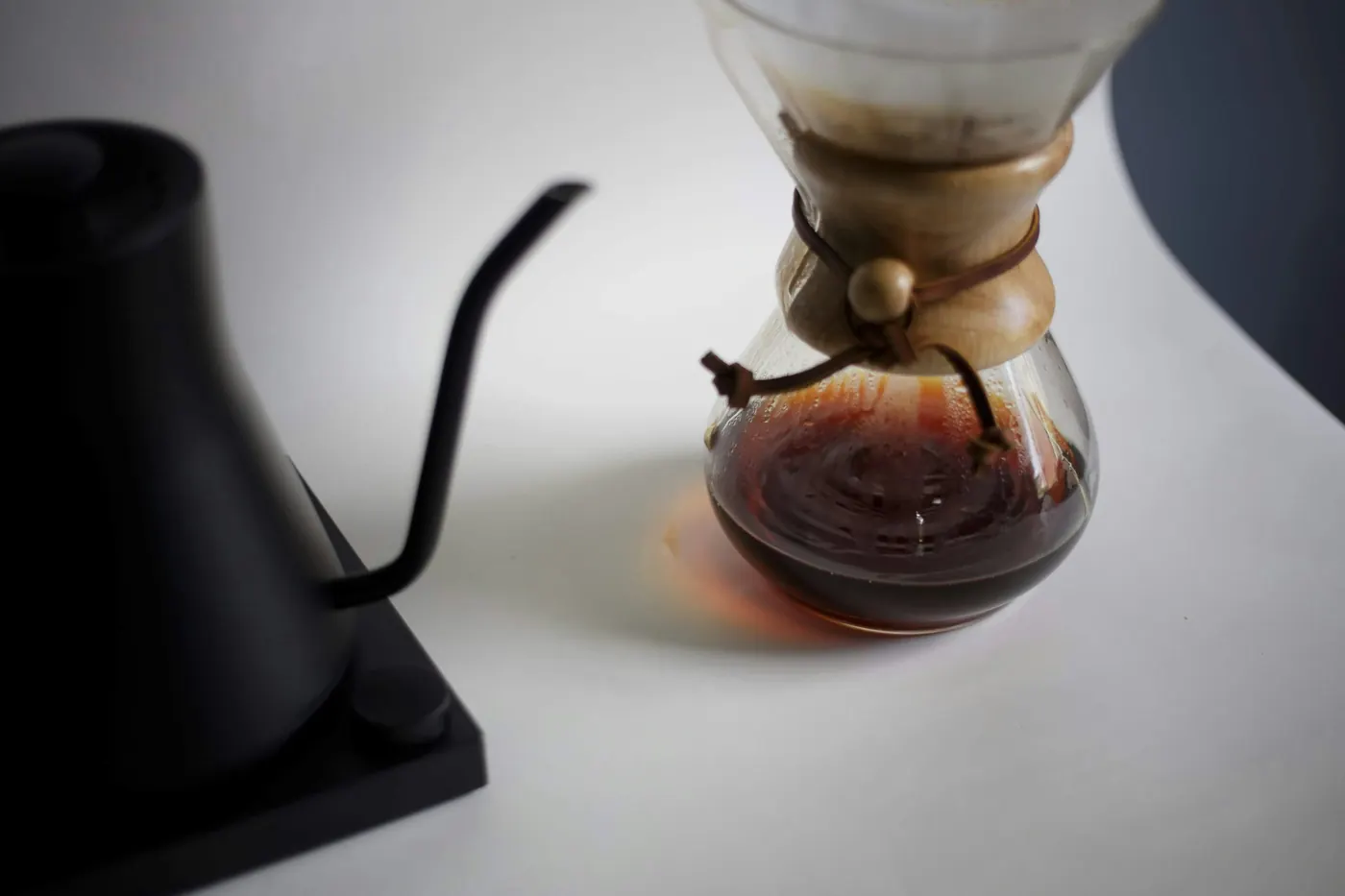
Decide what you want to get better at. Technique, knowledge and enjoyment are separate goals. The how-to books improve the cup. The atlas and the dictionary improve what you know about the cup. The history is simply a good read.
Check the date on equipment advice. Brewing principles last, but gear changes. Our picks run from 2015 to 2025 by the listings, so treat older gadget suggestions as a starting point and check them against a current guide.
Look for numbers you can follow. Good coffee teaching relies on measuring, so a book pays off faster with a coffee scale on the counter. In a kitchen we would say the same about any recipe that has to come out the same way twice.
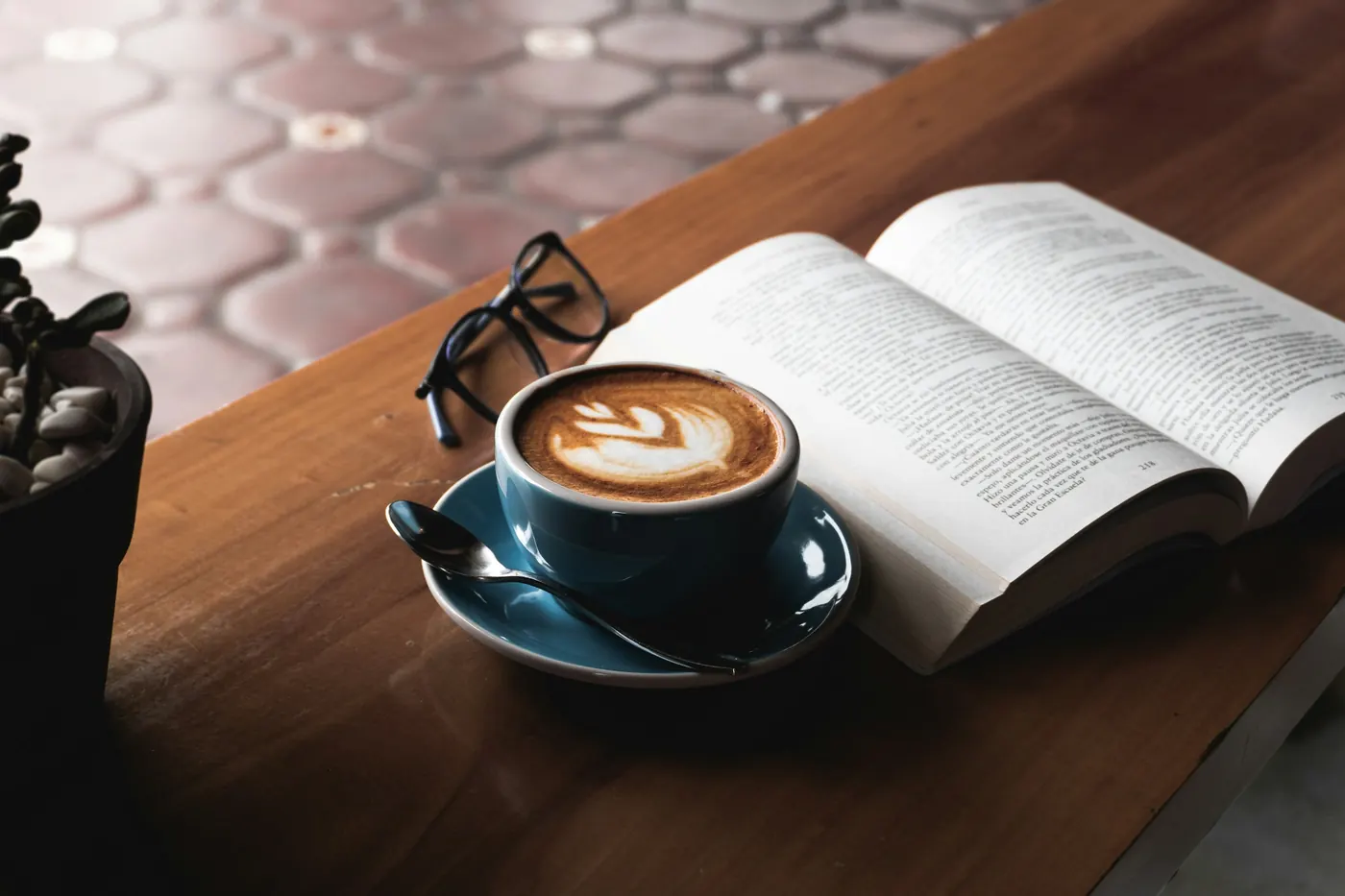
How we chose these seven coffee books
We searched Amazon’s book listings and kept only print editions shown as plainly in stock when we checked. We required a named author and an established publisher, then read the publisher’s page for each title wherever we could reach it. Page counts and dates come from the listing. We have not used these books in our kitchen, and we give no prices or ratings.
The Evidence row in each pick tells you what stands behind it. Uncommon Grounds has a Publishers Weekly review of its first edition and a recommendation from Batch Coffee. The World Atlas of Coffee has named praise from Batch Coffee and The Manual, and Craft Coffee from The Manual. How to Make the Best Coffee at Home, The Coffee Book, How to Make Coffee and The Coffee Dictionary rest on publisher and author details. That does not mean no review of them exists, only that we did not read one.
Some familiar titles did not make it. The Blue Bottle Craft of Coffee showed limited stock. The Amazon data we saw for Scott Rao’s The Professional Barista’s Handbook shows no publisher, and The Manual says it is not for beginners, so it falls outside this page’s test. Coffee, for Here by Morgan Eckroth came out days before we wrote this, too recently for us to weigh it.
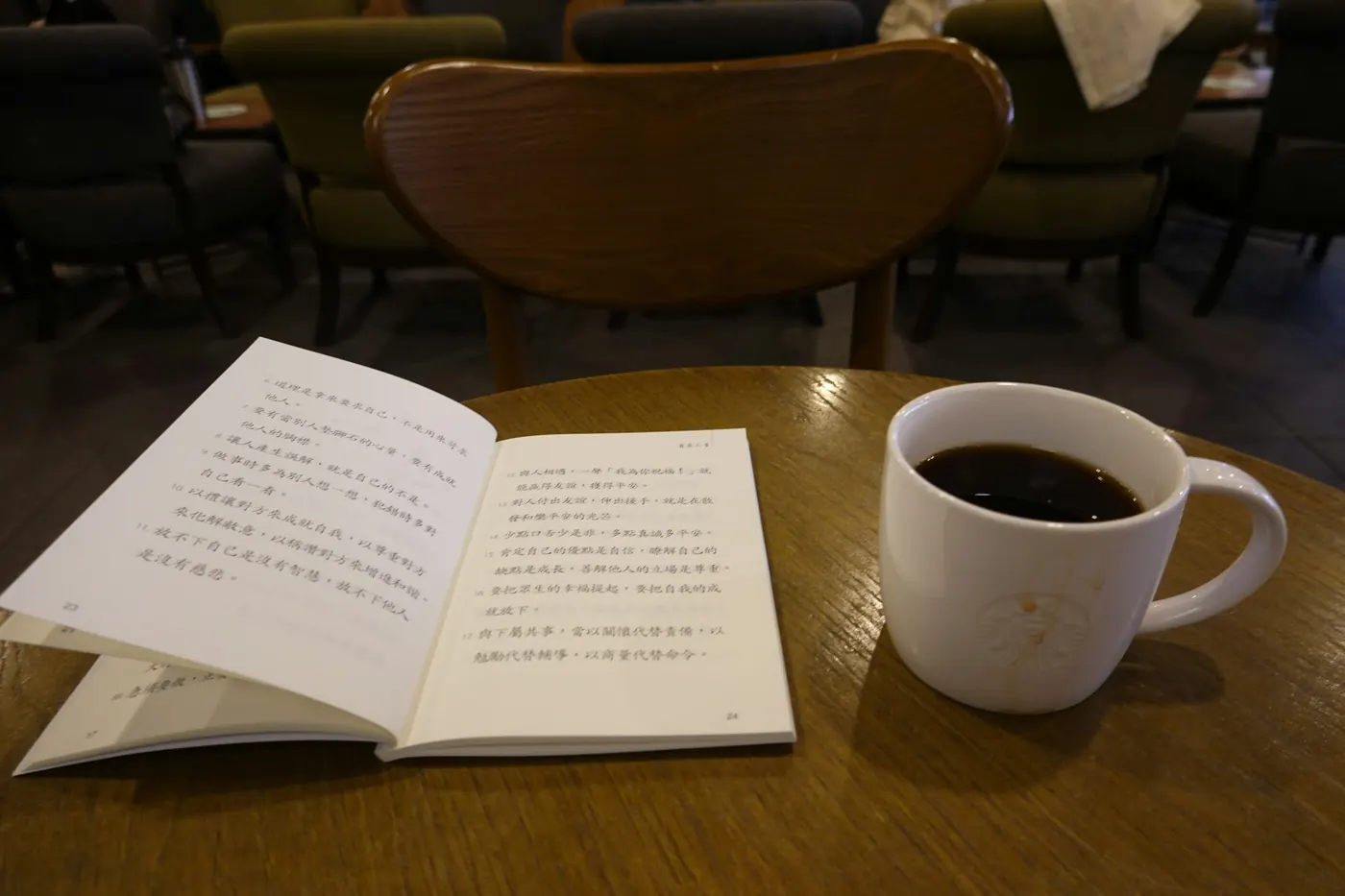
Coffee book questions, answered
What is the best home coffee book for a beginner?
How to Make the Best Coffee at Home if you want the whole picture, and How to Make Coffee if you want something short.
Which James Hoffmann book should I buy first?
The home guide, if your goal is a better cup. Octopus describes it as being about equipment, grinding and brewing. The World Atlas of Coffee is about where coffee comes from and how it is produced, which is a better second book.
Is there a coffee book that covers espresso?
Yes. Hoffmann’s home guide, The Coffee Book and How to Make Coffee all cover espresso according to their publishers. Craft Coffee does not.
What is a good coffee book for cold brew?
Craft Coffee: A Manual includes cold brew among its methods, and How to Make Coffee covers it too. Once you are ready to buy gear, see our guide to the best cold brew coffee maker.
What coffee book makes a good gift?
The Coffee Book for someone who likes making drinks, and Uncommon Grounds for someone who likes a long read.
Our final pick for the coffee shelf
Buy Hoffmann’s home guide if you want one book to improve your morning cup, his atlas if you want to understand the beans, and Craft Coffee if a dripper is all you use. When you are ready for the machine itself, our guide to the best coffee maker is the next stop.
And if you would rather someone else cooked tonight, see the food menu, or call to order.