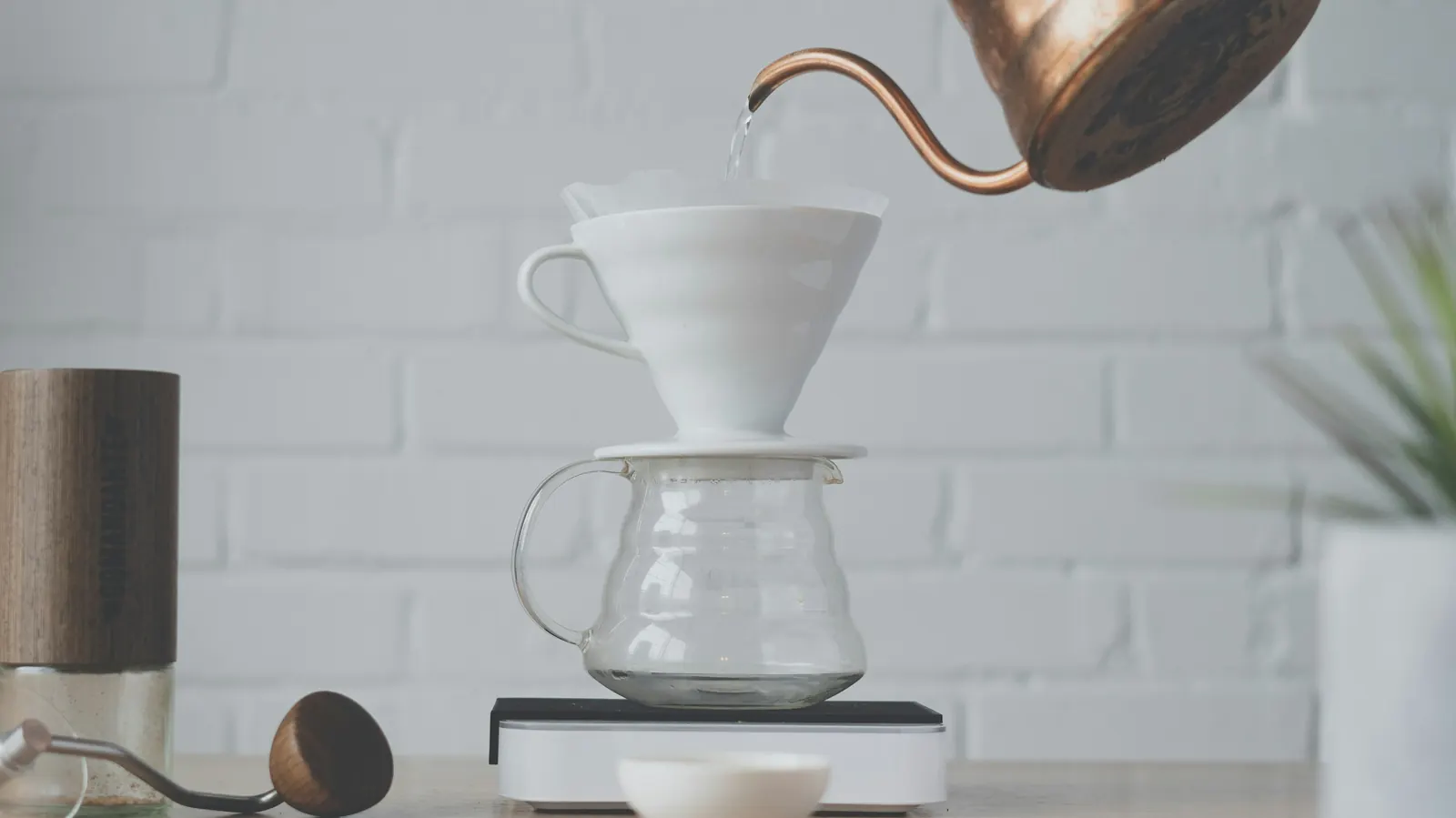
Pour-over is the slowest way to make coffee at home and, for many people, the most satisfying. You wet the grounds, wait for them to bloom, then pour hot water in a slow circle while the coffee drips through paper into the cup. A good dripper makes that simple, and the cup that comes out is clean and clear, which lets a good bag of beans from Chiapas, Veracruz or Oaxaca taste like itself.
The choice between drippers comes down to shape, material and, more than people expect, which filters you can buy. This guide explains those differences and names seven pour-over coffee makers worth owning, from America’s Test Kitchen’s favorite flat-bottomed dripper to a 36-ounce brewer for a whole family.
Julia’s earns a commission on purchases made through links on this page, at no cost to you. Recommendations are based on what a restaurant kitchen looks for, product specifications and verified buyer reports.
Quick verdict: which pour-over coffee maker to buy
For most people the best pour over coffee maker is the Kalita Wave 185 in stainless steel: its flat bottom makes even, full-bodied coffee without perfect technique, and America’s Test Kitchen names it its favorite flat-bottomed dripper. If you like bright, light roasts and enjoy fine-tuning, choose the Hario V60. To brew for the table, get the Chemex 6-cup, and for a full pot on a budget, the Melitta 36-ounce brewer.
The details below explain why the shape of the dripper and the filter it takes matter more than how it looks on the counter.
Five pour-over brewers side by side
Our five standout picks side by side, one for each kind of coffee drinker, with the material and filter each maker or listing states. All seven pour-over coffee makers are reviewed in full below.
| Pour-over brewer | Best for | Material | Filter | Buy on Amazon |
|---|---|---|---|---|

Kalita Wave 185 Stainless Steel DripperBest overall
|
Beginners, medium and dark roasts | Stainless steel | Kalita Wave 185 papers | View on Amazon |
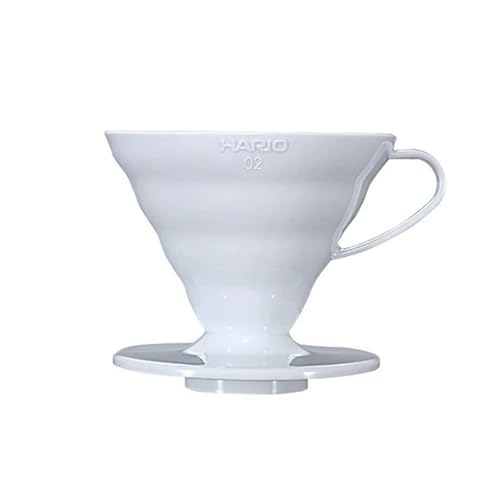
Hario V60 Plastic Dripper, Size 02Best cone dripper
|
Light roasts, people who like to tinker | Heat-resistant plastic | Hario V60 02 cone papers | View on Amazon |

Chemex Classic 6-Cup Glass CoffeemakerBest for sharing
|
Brewing for two to four at the table | Borosilicate glass, wood collar | Chemex bonded papers | View on Amazon |

Fino Pour-Over Cone, Number 2 SizeEasiest filters to find
|
Using filters from any grocery store | BPA-free plastic | Standard #2 cone papers | View on Amazon |

Melitta 36 oz Pour-Over Brewer with Glass CarafeBest for a big pot
|
Big pots, large families, a low budget | Brewing cone with glass carafe | Melitta #4 cone papers | View on Amazon |
Product images from Amazon. Materials and filters are as stated by each maker or listing; check that filters are available before you buy.
Our picks for the best pour over coffee maker
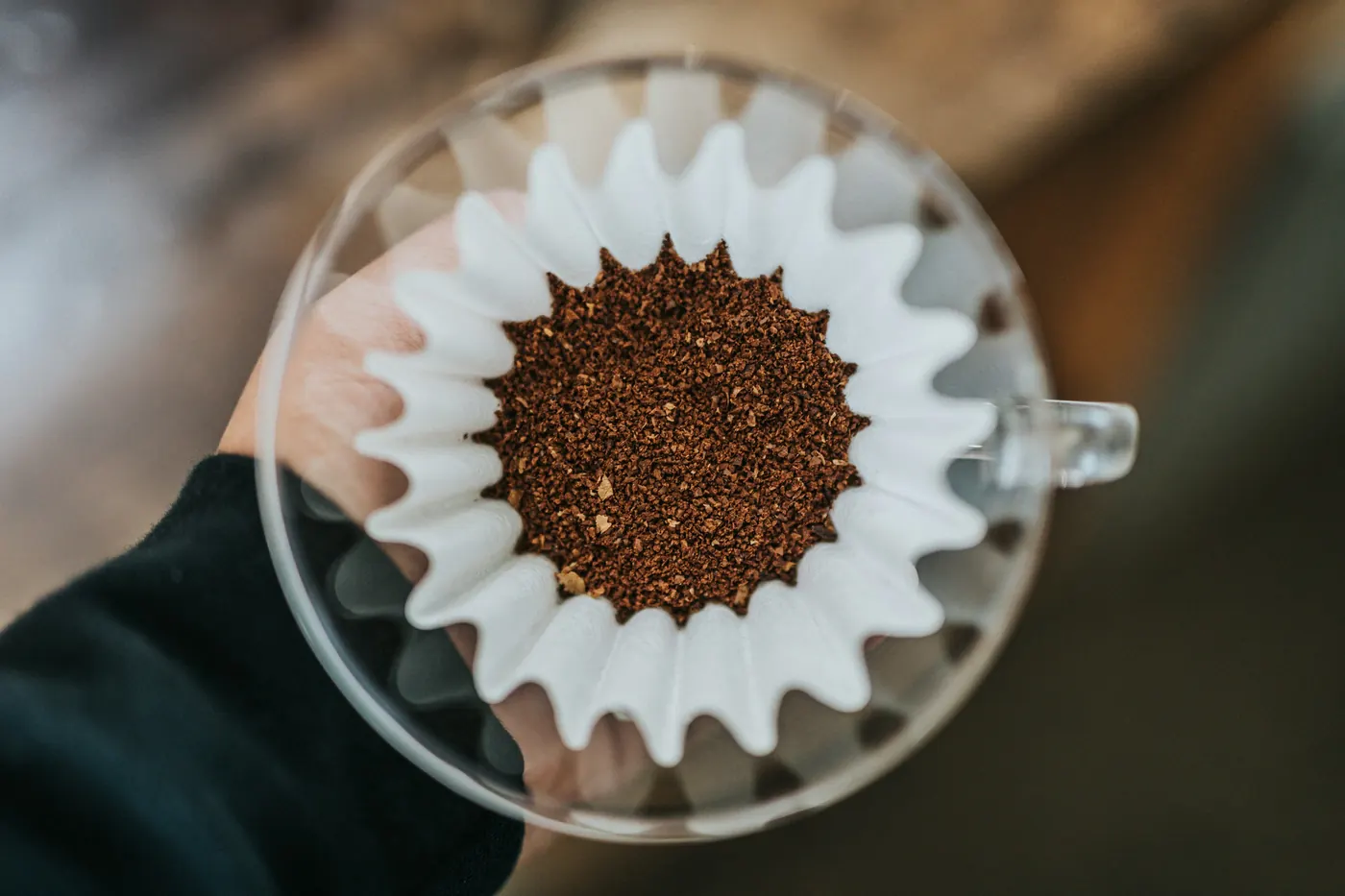
These seven brewers cover the real choices: flat-bottomed or cone-shaped, steel, plastic or glass, a single mug or a full pot, and paper filters or none. Each pick says who it suits and one honest reason to skip it.
1. Kalita Wave 185 Stainless Steel Dripper – Forgiving Flat-Bottom Brewing
The Kalita Wave is the dripper to start with because it forgives small mistakes. Its flat bottom and three small holes hold an even bed of coffee, so an uneven pour matters less than it does in a cone. America’s Test Kitchen rates the stainless steel Wave 185 highly recommended and its favorite flat-bottomed dripper, saying it made delicious, full-bodied coffee. This listing is Kalita’s Tsubame version of the stainless 185, model WDS-185; we could not confirm it is the exact listing ATK bought.
ATK also notes that flat-bottomed drippers suit darker roasts, bringing out woodsy, cocoa-like flavors. The listing says the dripper is stainless steel, made in Japan. It does not say whether the dripper is dishwasher safe, so wash it by hand.
The one catch is the filter. The Wave works best with Kalita’s own fluted 185 papers, which ATK recommends, and you will not find those at the supermarket. Order a few packs with the dripper. The 185 size makes enough for two to four people, according to Kalita, and its base is wide enough to sit on most mugs and carafes.
Why we like it
- ATK’s favorite flat-bottomed design
- Even coffee bed forgives uneven pouring
- Stainless steel body, made in Japan
- Sits on most mugs and carafes
Key specifications
| Dripper | Kalita Wave 185 Tsubame, model WDS-185 (#05097) |
|---|---|
| Material | Stainless steel; made in Japan (listing) |
| Filter type | Kalita Wave 185 flat-bottom fluted paper |
| Cups per brew | 2 to 4 (Kalita) |
| Filter availability | Online and at coffee shops; not usually in supermarkets |
| Best for | Beginners; medium and dark roasts |
| Dishwasher-safe | Not stated |
Why we recommend it
It suits a beginner who wants a good cup without perfecting a pouring technique, and anyone who drinks medium or dark roasts.
Skip it if you want filters from the supermarket; a dripper that takes #2 cones is simpler to keep stocked.
Pros and cons
Pros
- Forgiving for beginners
- Full-bodied cup, per ATK
- Steel body will not shatter
Cons
- Needs Kalita 185 papers
- Imported listing
- Dishwasher use not stated
2. Hario V60 Plastic Dripper, Size 02 – Bright Cups, Light Weight
The V60 is the cone dripper most coffee shops use, with a single large hole and spiral ribs inside. America’s Test Kitchen names the ceramic V60 02 its favorite conical dripper; its tasters said it amplified bright notes and produced well-balanced flavors, and the ribs help prevent uneven extraction and clogging. ATK notes the plastic version shares the same design.
We list the plastic V60 because the ceramic one was not in stock when we checked. Plastic has an advantage of its own: ATK says it is lighter and less likely to pull heat out of the coffee than ceramic or glass. Hario’s listing says it is heat resistant to boiling water and made in Japan, with a practical capacity of one to four cups.
Because the water runs through quickly, the V60 rewards a steady hand and a gooseneck kettle, and the size of the grind changes the cup more than it does in the Wave. It shines with lighter, washed coffees, where ATK says cones bring out citrusy, floral notes, and can taste harsh with very dark roasts.
Why we like it
- Same design as ATK’s favorite conical dripper
- Light, heat-resistant plastic (Hario)
- Spiral ribs help prevent clogging (ATK)
- Made in Japan
Key specifications
| Dripper | Hario V60 02, VDR-02-W |
|---|---|
| Material | Plastic, heat resistant to boiling (Hario) |
| Filter type | Hario V60 02 cone paper |
| Cups per brew | 1 to 4 (Hario) |
| Filter availability | Widely sold online |
| Best for | Light roasts; practiced pourers |
| Dishwasher-safe | Not stated |
Why we recommend it
Buy it if you enjoy adjusting grind and pour to get a bright, clean cup, especially with lighter coffees.
Skip it if you want the same result every time with little effort. The Kalita Wave is far more forgiving.
Pros and cons
Pros
- Bright, clear coffee (ATK on the ceramic V60)
- Light and hard to break
- Filters easy to find online
Cons
- Pour technique matters
- Can taste harsh with dark roasts (ATK on cones)
- Plastic look
3. Chemex Classic 6-Cup Glass Coffeemaker – Brewer and Carafe in One
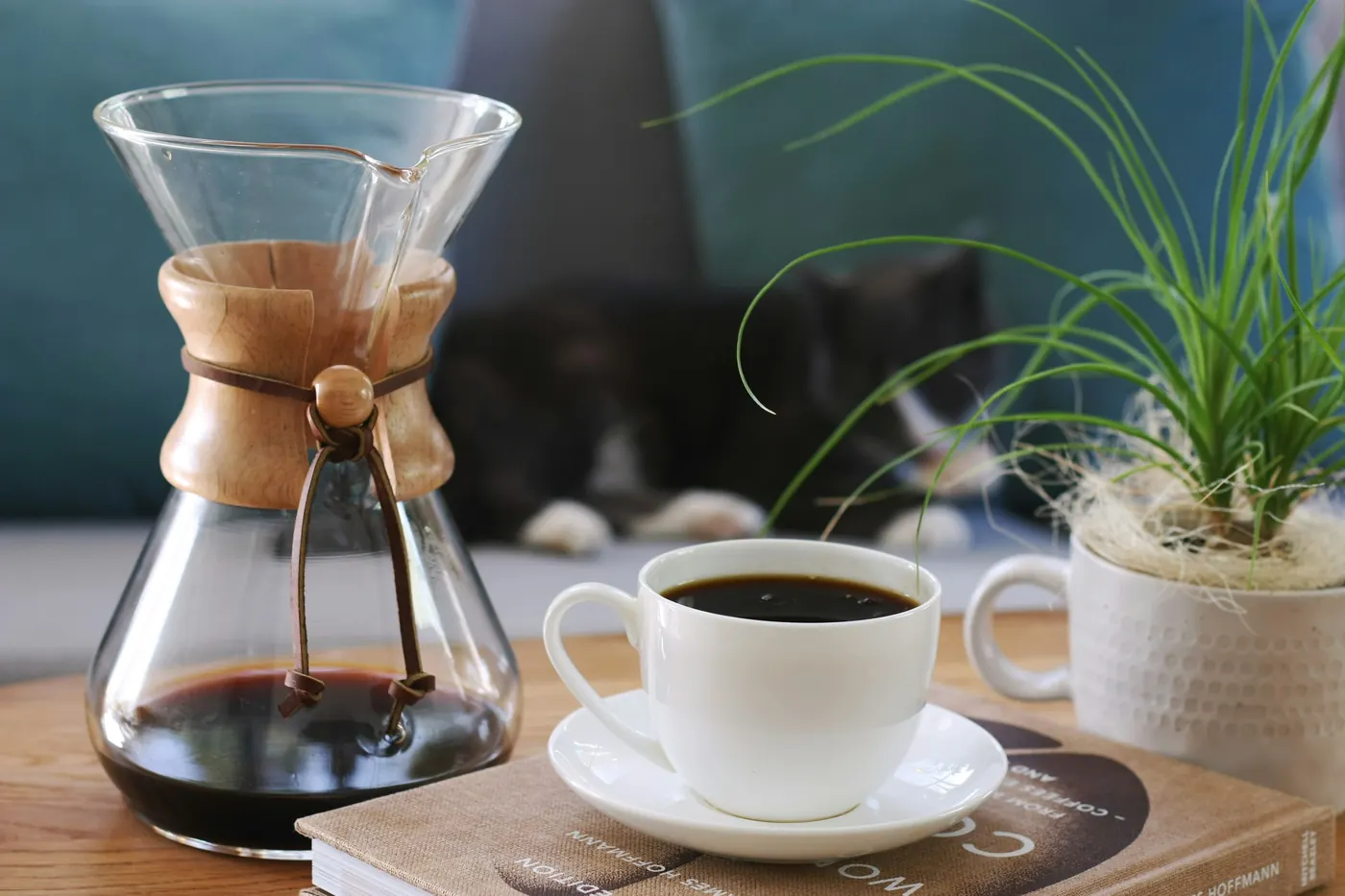
The Chemex is a dripper and carafe in one glass piece, which makes it the easiest way to brew pour-over for the table. Chemex measures a cup as five ounces, so the 6-cup Classic makes about 30 ounces, enough for three or four mugs. The listing says the glass is non-porous borosilicate that will not absorb odors.
America’s Test Kitchen recommends it; its tasters noted citrus and orange-peel flavors with a light roast. ATK also found that it must be used with Chemex’s own bonded filters, after an ordinary paper tore partway through brewing, that the wooden collar could get hot, and that the narrow neck makes the carafe harder to clean.
Chemex says the carafe can be covered and refrigerated, which is handy for iced coffee on a hot afternoon. For a weekend breakfast of huevos rancheros and pan dulce, it is the pour-over that serves everyone at once.
Why we like it
- Brews straight into its own carafe
- Recommended by America’s Test Kitchen
- Non-porous borosilicate glass (Chemex)
- Carafe can be covered and refrigerated (Chemex)
Key specifications
| Dripper | Chemex Classic CM-6A |
|---|---|
| Material | Borosilicate glass with wood collar and tie |
| Filter type | Chemex bonded filters (FP-1, FC-100, FS-100, FSU-100) |
| Cups per brew | Up to 6 five-ounce cups (about 30 oz) |
| Filter availability | Online and many kitchen stores |
| Best for | Brewing for a few people |
| Dishwasher-safe | Not stated |
Why we recommend it
It suits households that brew a pot for two to four people and like a carafe that looks good on the table.
Skip it if cleanup is the problem; the narrow neck is harder to scrub, and the filters are a specific Chemex purchase.
Pros and cons
Pros
- One piece for brewing and serving
- Clean, bright coffee (ATK)
- Glass will not hold odors
- Classic design
Cons
- Needs Chemex filters
- Collar gets hot (ATK)
- Hard to clean inside
- Glass can break
4. Fino Pour-Over Cone, Number 2 Size – Uses Supermarket #2 Filters
Fino’s cone is the plainest dripper here, and that is the point: it is sized for standard #2 cone filters, the kind sold in most supermarkets, so you are never one trip away from running out. The listing says it is made of BPA-free polypropylene, is dishwasher safe and measures 4.75 by 4 inches.
We did not find an independent review of this cone; the details come from Fino’s listing, which says it brews two to six servings and takes disposable or reusable filters. Plastic has one quiet advantage that ATK points out: it is light and less likely than ceramic or glass to pull heat out of the coffee.
If you buy filters wherever you shop for groceries and want a light, unbreakable dripper for the office or a camping trip, it is a practical choice. Fino suggests a medium grind; go a touch coarser if the coffee tastes strong.
Why we like it
- Takes standard #2 cone filters (listing)
- BPA-free polypropylene (listing)
- Dishwasher safe (listing)
- Light and non-breakable (listing)
Key specifications
| Dripper | Fino Number 2-Size cone, model 2662RD (red) |
|---|---|
| Material | BPA-free polypropylene (listing) |
| Filter type | Standard #2 cone paper |
| Cups per brew | 2 to 6 servings (listing) |
| Filter availability | Supermarkets and online |
| Best for | Everyday mug brewing |
| Dishwasher-safe | Yes (listing) |
Why we recommend it
Buy it if easy-to-find filters and a dripper you cannot break matter more to you than squeezing out the best possible flavor.
Skip it if you want a dripper with an independent taste review behind it; the Kalita Wave or V60 is the safer bet.
Pros and cons
Pros
- Common #2 filters
- Light and hard to break
- Dishwasher safe
Cons
- No independent review we could read
- Plain plastic look
- Fewer brewing refinements than a Wave or V60
5. Melitta 36 oz Pour-Over Brewer with Glass Carafe – A Full Pot Without a Machine
Most pour-over drippers make one or two mugs. Melitta’s set makes a 36-ounce pot, six 6-ounce cups: a brewing cone, a glass carafe and a lid, plus a starter supply of #4 cone filters, according to the listing. It is pour-over at the scale of a drip machine, with nothing to plug in.
Melitta’s cones are the plain, widely sold option, and the listing says the design lets you watch your pour and avoid overfilling. We did not find an independent review of this set; the details come from Melitta’s listing. Note that ATK was critical of two of Melitta’s one-cup cones, finding the filters collapsed and the coffee bitter in one case, so this pick is about size and simplicity rather than flavor refinement.
For a family breakfast or a pot of coffee to go with a tray of tamales on a Sunday, it does the job of an electric coffee maker with only a kettle.
Why we like it
- Makes a 36 oz pot (listing)
- Carafe, cone and lid included
- Starter filters included
- No electricity needed
Key specifications
| Dripper | Melitta 640446 |
|---|---|
| Material | Brewing cone with glass carafe (cone material not stated) |
| Filter type | Melitta #4 cone paper |
| Cups per brew | Up to 36 oz (6 cups of 6 oz) |
| Filter availability | Melitta filters sold in many supermarkets |
| Best for | Big pots for a family |
| Dishwasher-safe | Not stated |
Why we recommend it
It suits big households and anyone who wants a full pot of pour-over coffee from one brew, without buying an expensive brewer.
Skip it if you brew one cup at a time, or want the most refined flavor; a smaller dripper is easier to control.
Pros and cons
Pros
- Large capacity
- Low cost and simple
- Supermarket filters
Cons
- No independent review we could read
- Glass carafe can break
- Takes #4 filters, not #2
6. Hario Switch Immersion Dripper, Size 02 – Steep, Then Drain

The Switch is a V60 cone on a base with a valve. Close it and the coffee steeps like a French press; open it and it drains through paper like a pour-over. That makes it the most forgiving way to get a clean, paper-filtered cup without a gooseneck kettle.
America’s Test Kitchen recommends the Switch, reporting a well-balanced cup with bright tartness, and notes that the valve made it a bit harder to clean. This is the glass-and-plastic version ATK reviewed: Hario’s listing describes a V60 cone of its heatproof glass on a base where a plastic switch works a stainless steel ball valve. It takes standard V60 02 paper filters, and the listing says a 40-pack comes in the box.
The listing does not give a brewing capacity or care instructions, so plan on hand washing the valve and check the box for Hario’s guidance. It is a good bridge for anyone who likes French press coffee but wants it without the sediment.
Why we like it
- Steep-and-release valve (ATK)
- Recommended by America’s Test Kitchen
- Takes V60 02 filters (listing)
- Heatproof glass cone, no glaze (listing)
Key specifications
| Dripper | Hario Switch SSD-200-B |
|---|---|
| Material | Heatproof glass cone; plastic switch, stainless steel ball valve |
| Filter type | Hario V60 02 cone paper |
| Cups per brew | Size 02; capacity not stated on the listing |
| Filter availability | Widely sold online |
| Best for | Easy, consistent single cups |
| Dishwasher-safe | Not stated |
Why we recommend it
Buy it if you want a consistent, clean cup with little pouring technique, one mug at a time.
Skip it if you brew for a group; a Chemex or the Melitta pot is the better tool for that.
Pros and cons
Pros
- Very forgiving
- Clean, bright coffee (ATK)
- Common V60 filters
Cons
- Sized for a mug, not a pot
- Valve is harder to clean (ATK)
- Glass cone can break if dropped
7. Bodum 34 oz Pour Over Coffee Maker with Steel Filter – No Paper Filters to Buy

Bodum’s pour-over is a glass carafe with a permanent stainless steel mesh filter that sits in the neck, so there are no papers to buy at all. Bodum says the mesh lets the coffee’s aromatic oils through instead of trapping them in paper, which gives a fuller, slightly heavier cup than paper pour-over.
The listing says it makes eight four-ounce cups, the carafe is single-wall borosilicate glass with a cork band, and it is dishwasher safe. Bodum’s instructions call for coarse-ground coffee, a small first pour to soak the grounds, then the rest of the water.
We did not find an independent review of this brewer. It is a sensible choice if running out of filters is the reason pour-over never sticks in your house, or if you want to cut paper waste.
Why we like it
- Permanent stainless steel filter (listing)
- Carafe and brewer in one
- Dishwasher safe (listing)
- Makes up to 34 oz
Key specifications
| Dripper | Bodum 11571-109US |
|---|---|
| Material | Borosilicate glass, cork band, steel mesh |
| Filter type | Reusable stainless steel mesh |
| Cups per brew | 8 four-ounce cups (listing) |
| Filter availability | No filters needed |
| Best for | No-paper brewing for a few people |
| Dishwasher-safe | Yes (listing) |
Why we recommend it
It suits anyone who wants pour-over for the table without ever buying filters, and who likes a fuller-bodied cup.
Skip it if you like the very clean cup paper gives; a metal mesh lets more oils and fine particles through.
Pros and cons
Pros
- No paper filters
- Brews and serves
- Dishwasher safe
Cons
- No independent review we could read
- Less clean cup than paper
- Glass can break
How to choose a pour-over dripper
Five things decide whether a pour-over brewer will become a habit or end up in a cupboard.
1. Flat bottom or cone
America’s Test Kitchen found flat-bottomed drippers easier for beginners and better with dark roasts, where they bring out woodsy, cocoa-like flavors. Cones such as the V60 suit light roasts with citrusy, floral notes, but can make dark roasts taste intensely bitter. If you mostly buy dark-roasted Mexican coffee, start flat.
2. The filter you can actually buy
This is the most practical question. Chemex and Kalita drippers work best with their own papers, which ATK recommends, and you will mostly buy them online. The Fino cone takes standard #2 cones and the Melitta set takes #4 cones, both common in supermarkets. Bodum’s brewer needs no papers at all.
3. Material
ATK says ceramic, glass and stainless steel should be rinsed with hot water first, because a cold dripper pulls heat out of the brew, while plastic is lighter and less likely to do that. All of them can make good coffee, so choose for durability and looks: steel and plastic survive drops, ceramic and glass do not.
4. How much you brew
Single-cup drippers like the Wave, V60 and Fino cone sit on a mug. For two to four people, a Chemex brews straight into its carafe, or set a dripper on a glass server. For a whole pot, Melitta’s 36-ounce set is the simplest route.
5. The kettle and the scale
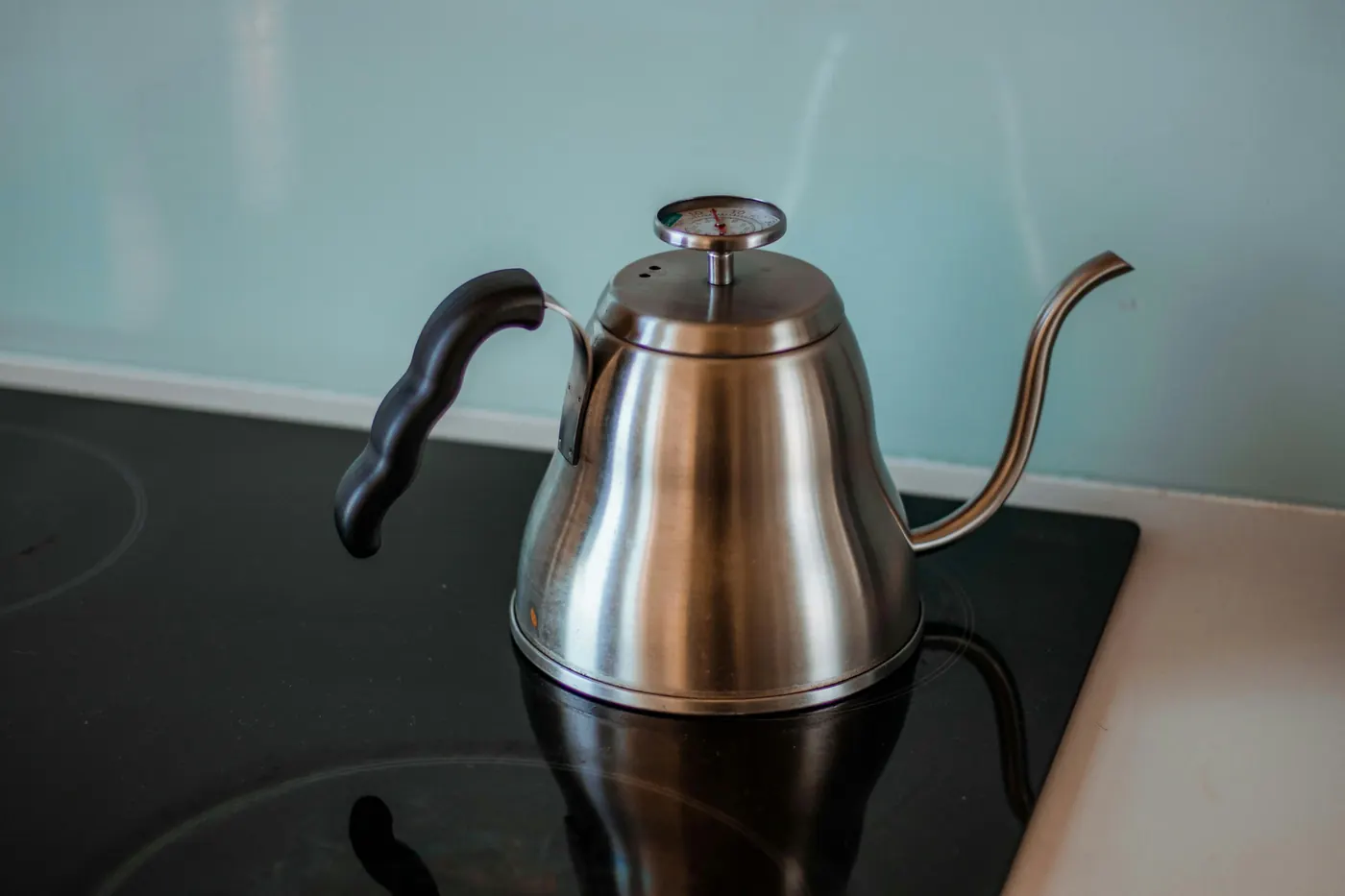
A gooseneck kettle gives a slow, steady pour, which matters most with cone drippers. A scale that reads in grams lets you repeat a good cup; our guide to the best kitchen scale includes Hario’s drip scale with a built-in timer.
How we picked these seven brewers
We started from what a Mexican kitchen wants from a coffee brewer: a clean, full cup from medium and dark roasts, filters that are easy to keep in the house, and a brewer that lasts. We narrowed the field to drippers and brewers sold on Amazon in the United States and in stock when we checked, from makers who publish their materials and filter type. We used America’s Test Kitchen’s pour-over review for how each design brews; where we describe flavor, those are ATK’s tasters’ findings. We have not brewed with every dripper here. Two popular brewers are missing on purpose: ATK did not recommend the Fellow Stagg XF, finding its many drain holes let water through too fast, or the OXO single-serve pour-over with water tank, which it found made underwhelming coffee. ATK’s pro-style favorite, the Origami dripper, was only available from the maker in very limited stock, and the in-stock alternatives were look-alikes from unknown sellers, so we left it out. The ceramic V60 was out of stock, so we list the plastic version of the same design. For the Switch we chose the glass version ATK reviewed. We also left out glazed ceramic drippers whose makers give no lead-free statement.
How to brew pour-over at home
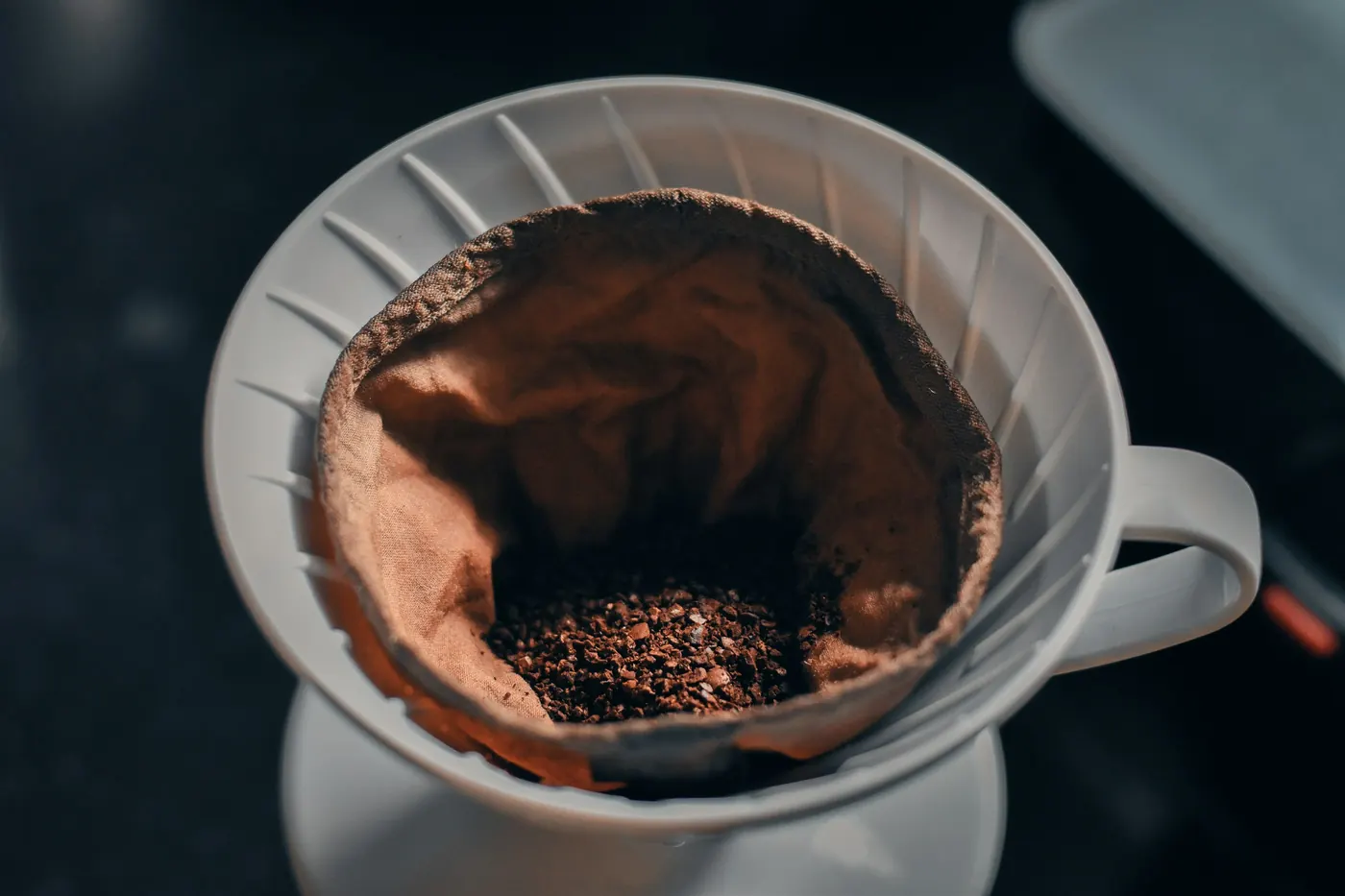
- Heat the water and rinse the filter. Bring water to just off the boil. Pour some through the empty filter to rinse it and warm the dripper, then discard that water.
- Add the grounds. Start with a medium grind and adjust: if the water runs through in a rush, grind finer next time; if it stalls, grind coarser.
- Bloom. Pour just enough water to wet all the grounds, as Bodum’s instructions describe, and wait a short while as they bubble and settle.
- Pour slowly. Add the rest of the water in slow circles, keeping the level steady rather than filling to the top.
- Taste and adjust. Change one thing at a time, grind or amount of coffee, until you like the cup.
On a hot Houston afternoon, brew a little stronger and pour over ice; a covered tray of coffee cubes, like the trays in our guide to the best ice cube trays, keeps the drink from watering down. In winter, a cinnamon stick in the mug and a little piloncillo syrup give a pour-over some of the warmth of café de olla, the spiced coffee traditionally brewed in a clay pot.
Pour-over questions, answered
What is the best type of pour-over coffee maker for beginners?
A flat-bottomed dripper such as the Kalita Wave. America’s Test Kitchen found flat-bottomed models easier for novices, because the even coffee bed is less sensitive to how you pour. The Hario Switch is another forgiving choice, since it steeps before it drains.
Is a pour-over coffee maker better than a drip machine?
It gives you more control over water, timing and grind, and it has nothing to break down. A machine is faster and hands-off. If you brew a full pot every morning, the Melitta 36-ounce set or a Chemex keeps the pour-over method practical.
What do Wirecutter, Serious Eats and America’s Test Kitchen recommend?
We read America’s Test Kitchen’s review, which highly recommends the Kalita Wave 185, the ceramic Hario V60 and the Origami dripper, and recommends the Chemex and the Hario Switch. We were not able to read the current Wirecutter and Serious Eats guides, so we do not quote them.
Do I need special filters?
For the Chemex and Kalita Wave, yes: ATK found they work best with their own papers. The V60 uses Hario’s cone filters, sold widely online. The Fino cone takes standard #2 cones and Melitta’s set takes #4 cones, and Bodum’s brewer uses a permanent steel filter.
What is the simplest pour-over coffee maker?
A single dripper that sits on your mug, such as the Fino cone with supermarket filters, or Bodum’s brewer if you never want to buy filters at all.
Our last word on pour-over
Buy the Kalita Wave if you want a dripper that makes a full-bodied cup without practice, the Hario V60 if you enjoy tuning a bright, clean cup, and the Chemex if you brew for the table. For a family pot with nothing to plug in, Melitta’s 36-ounce set does the job, and Bodum’s steel-filter brewer means you never run out of papers. Whichever you choose, keep the grind consistent and pour slowly.
Coffee is only one of the warm drinks in a Mexican kitchen; for the other, see our guide to the best Mexican hot chocolate, and for pairing drinks with dinner, what to drink with Mexican food.
More coffee gear we’ve covered: coffee makers, coffee grinders, espresso machines, single-serve coffee makers, French presses, cold brew makers, milk frothers, coffee mugs, espresso grinders, travel mugs.
On a budget? See our guide to the best cheap pour-over coffee makers.
Want pour-over quality without the kettle work? See our guide to the best automatic pour-over coffee makers.
Related guide: Best coffee scale.
Related guide: Best chemex.
Related guide: Pour over vs drip coffee.
Related guide: Chemex vs v60.
And if you would rather someone else cooked tonight, see the menu or call to order.