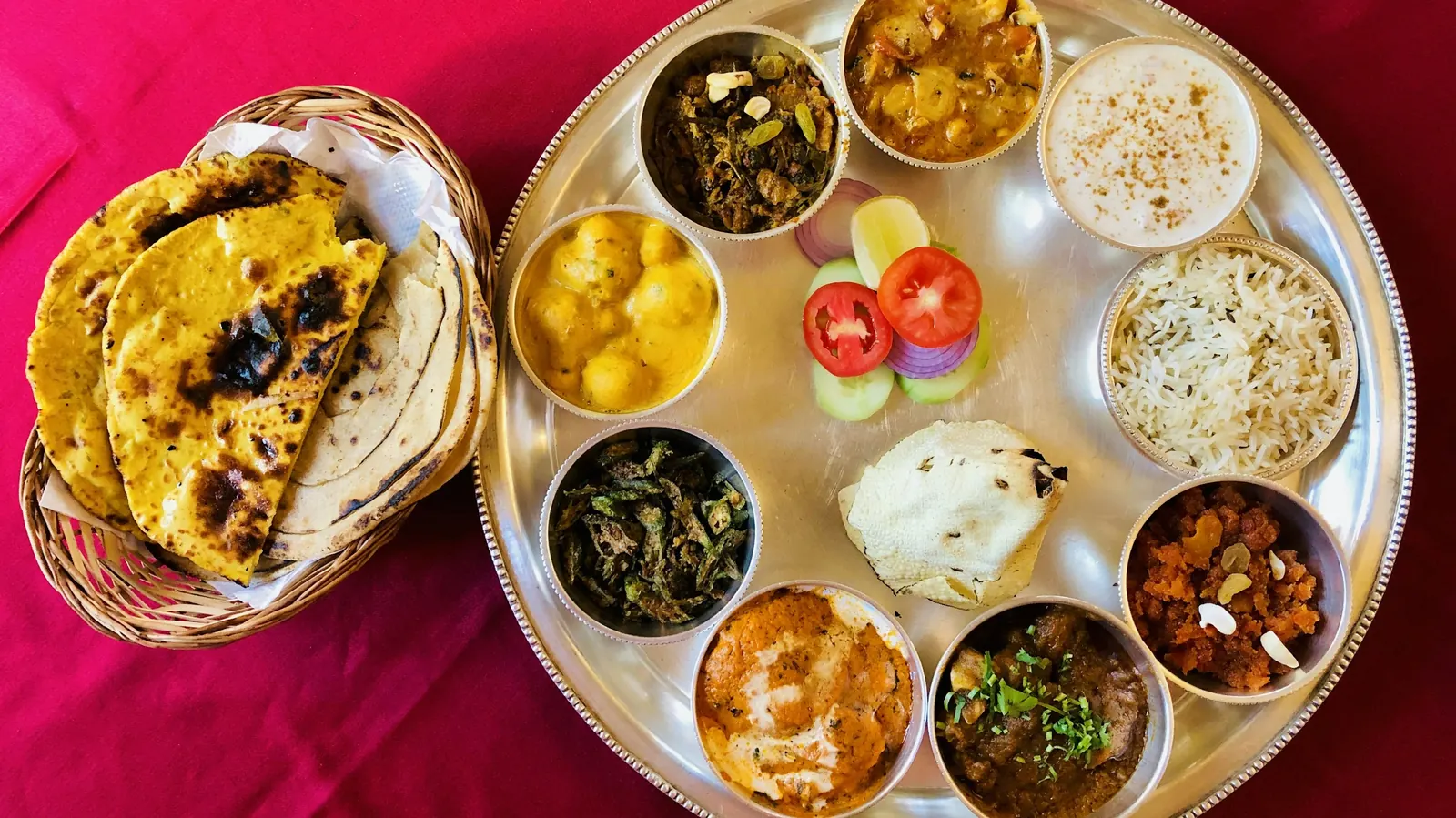
A Mexican kitchen and an Indian kitchen would get along well. Both toast whole spices before grinding them, both build sauces from a paste, both love a flatbread straight off a hot griddle and both respect a good pot of beans or lentils. If you can make a mole, you already understand more about Indian cooking than you may think.
What stops most people is knowing where to begin, because the Amazon shelf is full of look-alike filler. This guide picks eight real books from named authors and established publishers, and for each sets out what the listing, publisher and named reviewers say, and which cook it suits.
Julia’s earns a commission on purchases made through links on this page, at no cost to you. Recommendations are based on what a restaurant kitchen looks for in a cookbook, the Amazon listing, publisher and author information and published reviews, which we name where we use them.
Quick verdict: the best Indian cookbook to start with
For most cooks, start with An Invitation to Indian Cooking by Madhur Jaffrey: more than 160 recipes in a Cookbook Hall of Fame classic. If you want the food of a family home, choose Meera Sodha’s Made in India. If you want to work through the skills in order, choose Monisha Bharadwaj’s The Indian Cooking Course.
The other five cover a 1,000-recipe reference, relaxed weeknight cooking, street food, a famous Bombay-inspired restaurant and the cooking of Kerala.
Five Indian cookbooks side by side
Five of the eight, one for each kind of cook, with the details from the listing and publisher. All eight are described in full below.
| Cookbook | Best for | Recipes | Length | Buy on Amazon |
|---|---|---|---|---|

An Invitation to Indian Cooking, Madhur JaffreyBest overall
|
A first serious Indian cookbook | More than 160 | 352 pages, hardcover | View on Amazon |
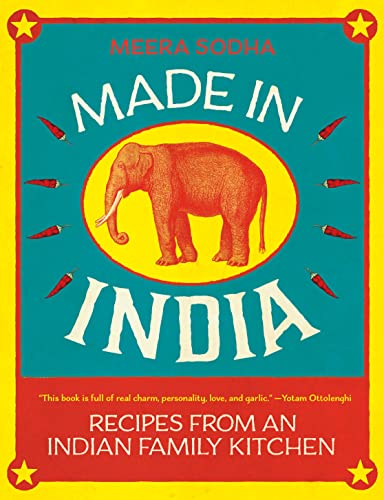
Made in India, Meera SodhaBest for everyday home cooking
|
Real family meals | Not stated | 320 pages, hardcover | View on Amazon |

The Indian Cooking Course, Monisha BharadwajBest for learning technique
|
Working through the basics | 300 | 496 pages, hardcover | View on Amazon |

India: The Cookbook, Pushpesh PantBest reference
|
Regional range | 1,000 | 960 pages, hardcover | View on Amazon |
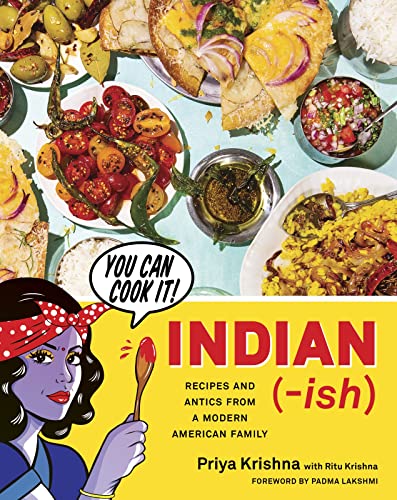
Indian-Ish, Priya KrishnaBest for weeknights
|
Easy, flexible dinners | 85 | 256 pages, hardcover | View on Amazon |
Cover images from Amazon. Page counts and formats are for the editions linked; other editions differ.
Our picks for the best Indian cookbook, book by book
These eight cover a classic introduction, family cooking, a structured course, a full reference, weeknight meals, street food, a restaurant book and one region. For each we give what the listing, publisher and any published review say. We have not cooked our way through these books; where we describe a strength, we say whose view it is.
1. An Invitation to Indian Cooking, Madhur Jaffrey – The Classic Way In
Few cookbooks have lasted like this one. Madhur Jaffrey wrote it after growing homesick in London for the dishes of her Delhi childhood, and Knopf says it is enshrined in the James Beard Foundation’s Cookbook Hall of Fame. This hardcover is the 50th anniversary edition, with Jaffrey’s own illustrations and a redesign, and the publisher lists Yotam Ottolenghi as a contributor.
Knopf describes more than 160 recipes covering appetizers, soups, vegetables, meats, fish, chutneys, breads and desserts, with dishes such as mulligatawny soup, whole wheat samosas and chicken biryani. The publisher’s page quotes the New York Times calling it “perhaps the best Indian cookbook available in English” and Padma Lakshmi saying that nobody in the last fifty years has influenced the West’s understanding of Indian food as much.
Those are publisher-chosen quotes, and Publishers Weekly’s page for this edition shows no review. There is an independent endorsement, though. Asked by PureWow for her favorites, Priya Krishna, whose own book is further down this page, picked it “not just for the recipes, but for the romantic way that Madhur writes.” One reader on Goodreads made a fair point that it is an introduction and not a complete guide to regional cooking, and we agree that is how to think of it.
Why we like it
- More than 160 recipes, per Knopf
- In the James Beard Cookbook Hall of Fame, per Knopf
- Recommended by Priya Krishna in PureWow
- Covers a full meal, from soups to chutneys and breads
Key specifications
| Author | Madhur Jaffrey |
|---|---|
| Publisher | Knopf |
| Year | 2023 |
| Pages | 352 |
| Format | Hardcover |
| Recipes | More than 160 |
| Focus | Classic Indian home cooking |
| Best for | Cooks starting properly |
Why we recommend it
If you want one book that explains Indian home cooking and has held its reputation for fifty years, start here. It is manageable in size, and its author is the writer Padma Lakshmi credits with shaping how the West understands Indian food.
Skip it if you want a regional survey. For that, India: The Cookbook covers far more ground.
Pros and cons
Pros
- Long, proven record
- Manageable size
- Covers the whole meal
Cons
- Publisher-quoted praise for this edition
- Not a full regional guide
2. Made in India, Meera Sodha – Fresh, Simple Family Food
Restaurant Indian food can be rich and heavy with cream. Made in India sets out to show another side. Publishers Weekly quotes Meera Sodha’s view that “the majority of Indian home cooking is fresh, simple, and quick,” and this first book of hers is built around that family kitchen.
The review called it “marvelous” and said “the power of this book lies in its simplicity,” in both ingredients and technique. It names pan-fried chicken livers in a cumin butter masala, dal makhani and pistachio and saffron kulfi, and it praises full-page color photos, notes on how each Indian ingredient tastes and how to use it, and tips for fixing a dish that has turned out too spicy or too salty.
That last detail is rarer than it should be, and it is the kind of help that matters when you are learning a new way of seasoning. We could not reach the publisher’s page, so what we say here comes from the review and the listing. Her later book East is on our vegetarian cookbook page, and Fresh India was also in stock if you want more of her cooking without meat.
Why we like it
- Named review from Publishers Weekly
- Tips for rescuing a dish too spicy or too salty
- Notes on tasting and using each ingredient
- Full-page color photos, per that review
Key specifications
| Author | Meera Sodha |
|---|---|
| Publisher | Flatiron Books |
| Year | 2015 |
| Pages | 320 |
| Format | Hardcover |
| Recipes | Not stated |
| Focus | Indian family home cooking |
| Best for | Weeknight cooks |
Why we recommend it
If you want the food an Indian family actually eats at home, and not a restaurant menu, this is the one we would suggest for regular cooking.
Skip it if you want a takeaway-style curry. Sodha’s focus is the home kitchen.
Pros and cons
Pros
- Strong named review
- Simple ingredients and technique
- Helps fix mistakes
Cons
- No recipe count in our sources
- Publisher’s page not reachable
3. The Indian Cooking Course, Monisha Bharadwaj – A Cooking School in a Book
Many Indian cookbooks collect recipes. This one sets out to teach, as its full title says: techniques, masterclasses, ingredients and 300 recipes. Kyle Books publishes it, and the listing shows 496 pages in hardcover.
The best review we found is from Brian at Cooking by the Book, who said the recipes “are directed towards non-Indian cooks” and called it “high quality food that can be prepared with ease by the typical home cook.” He noted a cooking-school format, many color photographs, sidebars on bread, onion fritters, butter and ghee, and recipes with a dozen ingredients or fewer. He names crab stuffed with mustard and coconut, lamb with lentils and creamy chicken curry.
Opinion is not unanimous, and you should know that. One experienced cook on Goodreads felt many recipes needed adjusting and that the salt was low. Taste as you go. The UK edition is called The Indian Cookery Course, so don’t buy both by accident.
Why we like it
- Named review from Cooking by the Book
- 300 recipes, per the title
- Technique sections as well as recipes
- Written for cooks new to Indian food, per that review
Key specifications
| Author | Monisha Bharadwaj |
|---|---|
| Publisher | Kyle Books |
| Year | 2016 |
| Pages | 496 |
| Format | Hardcover |
| Recipes | 300 |
| Focus | Indian technique and recipes |
| Best for | Methodical learners |
Why we recommend it
If you learn best by working through a course, and you want the reasons as well as the recipes, this is the most structured book here.
Skip it if you prefer a shorter book with a strong personal voice. Sodha or Krishna will suit you better.
Pros and cons
Pros
- Structured teaching
- Many color photos, per its reviewer
- Large recipe count
Cons
- Mixed reader opinion on seasoning
- Long and heavy
4. India: The Cookbook, Pushpesh Pant – The Whole Country, 1,000 Recipes
India is too large for one cuisine, and this is the book that tries to hold all of it. Publishers Weekly called it “a mammoth work that encompasses every region of the country and provides 1,000 recipes,” and it praised an introduction covering India’s major culinary regions, plus a glossary, resources and a guest-chef chapter.
The same review is blunt about the rest: “Comprehensive to a fault, but with no commentary and all the welcoming charm of an auto parts catalogue.” We quote that because it is useful. This is a book for looking things up, and it will not hold your hand.
It has a strong supporter in Priya Krishna, who told PureWow it is “an invaluable reference book for learning about the many regional cuisines of India.” Page counts differ: the Amazon listing shows 960 pages for this hardcover, and Publishers Weekly’s entry gave 816. Phaidon’s own page would not load when we checked, so we have gone with the listing.
Why we like it
- Named review from Publishers Weekly
- 1,000 recipes, per that review and the listing
- Every region covered
- Recommended by Priya Krishna in PureWow
Key specifications
| Author | Pushpesh Pant |
|---|---|
| Publisher | Phaidon Press |
| Year | 2010 |
| Pages | 960 |
| Format | Hardcover |
| Recipes | 1,000 |
| Focus | Recipes from every region of India |
| Best for | Cooks who already know the basics |
Why we recommend it
If you have outgrown your first Indian cookbook and want to know how a dish changes across the country, this is the one to own.
Skip it if you want warmth or guidance. Publishers Weekly’s auto parts catalogue line is harsh, but it tells you what to expect.
Pros and cons
Pros
- Biggest recipe count here
- Regional breadth
- Glossary and resources
Cons
- Dry, dense layout, per Publishers Weekly
- Page counts differ by source
5. Indian-Ish, Priya Krishna – Roti Pizza and Other Family Hits
Priya Krishna’s book, written with her mother Ritu, is about what happens when Indian home cooking meets an American family’s weeknight. Publishers Weekly counts 85 family favorites, from dal, saag and lassi to hybrids such as crispy roti pizza and white bean stuffed poblanos.
The review says “Krishna’s recipes are forgiving, flexible, and perfect for weeknight meals,” and adds: “The authors’ playful approach is infectious and makes accessible a cuisine that could otherwise be intimidating for home cooks.” It opens with charts on spices and lentils and tips on rice, ghee and chhonk, the technique of blooming spices in hot fat.
The reviewer also noted that Ritu’s swaps, such as feta in place of paneer, may bother purists. PureWow likewise describes the book as less concerned with hyper-authenticity. For a Mexican kitchen, those stuffed poblanos are a nice reminder that good home cooks have always borrowed. If you want strict tradition, buy Jaffrey or Sodha.
Why we like it
- Named review from Publishers Weekly
- 85 recipes, per that review
- Reference charts on spices and lentils
- Hybrids that suit an American pantry
Key specifications
| Author | Priya Krishna with Ritu Krishna |
|---|---|
| Publisher | HarperCollins |
| Year | 2019 |
| Pages | 256 |
| Format | Hardcover |
| Recipes | 85 |
| Focus | Indian American home cooking |
| Best for | Busy cooks who like to improvise |
Why we recommend it
If Indian cooking has always seemed like too much work, this is the book most likely to change your mind by Tuesday.
Skip it if you are after traditional recipes. The swaps are part of the fun, and purists may not agree.
Pros and cons
Pros
- Forgiving recipes
- Good on technique
- Fun to read
Cons
- Not traditional throughout
- Fewer recipes than the big books
6. Chaat, Maneet Chauhan and Jody Eddy – India’s Street Food by Rail

Chaat is the name for India’s savory street snacks, and this book rides the railways to find them. Maneet Chauhan, whom the publisher describes as a Chopped judge and James Beard Award-winning chef, wrote it with Jody Eddy after a cross-country train trip through local markets, street stalls and family homes.
Publishers Weekly called it “a transporting collection” and said “an entire country’s quick eats come to the home kitchen.” It sets out four regional sections, with dishes including puchkas from Chauhan’s hometown of Ranchi, the Bombay sandwich and nadir monji, spicy fried lotus root. The publisher adds Goan fried shrimp turnovers and chicken momo dumplings, and counts over 80 recipes.
The publisher also lists an IACP Award and an Art of Eating Prize longlisting. Street food makes sense to anyone who loves a taquería or a tamale cart: small, loud, sharply seasoned food you eat standing up. Expect more of a project than the weeknight books here.
Why we like it
- Named review from Publishers Weekly
- Over 80 recipes, per its publisher
- Organized by region of India
- IACP Award winner, per its publisher
Key specifications
| Author | Maneet Chauhan and Jody Eddy |
|---|---|
| Publisher | Clarkson Potter |
| Year | 2020 |
| Pages | 272 |
| Format | Hardcover |
| Recipes | Over 80 |
| Focus | Indian street food and regional dishes |
| Best for | Adventurous snack lovers |
Why we recommend it
If your favorite part of an Indian restaurant menu is the appetizers, this is the book for you. It is also a good read if you like food writing with a sense of travel.
Skip it if you want simple weeknight dinners. Krishna or Sodha will get you to the table sooner.
Pros and cons
Pros
- Regional street dishes
- Strong photography, per Publishers Weekly
- Travel stories
Cons
- Specialist subject
- More of a project than a weeknight book
7. Dishoom, Shamil Thakrar, Kavi Thakrar and Naved Nasir – A Day in Bombay on a Plate

Dishoom calls itself a much-loved Indian restaurant in this book’s own title, and its menu is built on Bombay comfort food. This is its first cookbook, written by founders Shamil and Kavi Thakrar with executive chef Naved Nasir. The book is built as a walk through south Bombay from morning to night, starting with breakfast and ending with dinner and a nightcap.
Diogo Lopes reviewed it for The Cooking World in a restaurant cookbook series and praised the recipes, while warning that the number of ingredients “can be intimidating” and that some are hard to find. Books About Food gathers praise from the likes of The Spectator, which it quotes on “great recipes that really work,” and lists dishes such as the bacon naan roll, black daal, chicken ruby and masala chai.
Publishers Weekly’s page shows no review for this edition, and we could not reach Bloomsbury’s. It comes from a British publisher, and we could not confirm how it measures ingredients, so check that if you cook only in cups. Over 100 recipes in 400 pages leaves room for the essays and photography that readers and reviewers have singled out.
Why we like it
- Named review from The Cooking World
- Over 100 recipes, per Books About Food
- Built as a day’s tour of south Bombay
- Includes coolers and cocktails
Key specifications
| Author | Shamil Thakrar, Kavi Thakrar and Naved Nasir |
|---|---|
| Publisher | Bloomsbury |
| Year | 2019 |
| Pages | 400 |
| Format | Hardcover |
| Recipes | Over 100 |
| Focus | Bombay cafe cooking |
| Best for | Readers who love a restaurant’s story |
Why we recommend it
If you have eaten at Dishoom, or you love cookbooks you can read in an armchair, this is the most story-driven book on the page.
Skip it if you want few ingredients. Its own reviewer warns the lists can be long and some items hard to find.
Pros and cons
Pros
- Rich storytelling
- Famous restaurant dishes
- Drinks included
Cons
- Long ingredient lists, per its reviewer
- Some ingredients hard to source
8. The Kerala Kitchen, Lathika George – South Indian Coast and Coconut

Many Indian restaurants in America lean north, and that leaves a lot of the country out. This book goes to Kerala, on the southwest coast, and specifically to the cooking of its Syrian Christian community. Lathika George was born in Bombay to a Syrian Christian family and moved to Kerala as a teenager, according to the publisher’s description.
Hippocrene Books’ expanded edition adds recipes and photographs, with a guide to spices, herbs and equipment and a glossary. Dishes listed include meen vevichathu, a fish curry cooked in a clay pot, parippu, lentils with coconut milk, and paalappam, lace-rimmed pancakes. Novelist Abraham Verghese is quoted saying his copy “has notes scribbled in it and has turmeric stains on certain pages,” which is the best thing anyone can say about a cookbook.
This pick rests on publisher and author details. Publishers Weekly’s page shows no review, and a search for a critic’s review of this edition found only publisher copy, bookseller pages and reader comments. Recipe counts differ between sellers, so we have not given one. The Amazon listing shows 262 pages in paperback, from Hippocrene Books, an established small press. It is the only paperback on this page.
Why we like it
- A region most general books barely touch
- Spice and equipment guide, per the publisher
- Praised by Abraham Verghese, quoted by the publisher
- Paperback from Hippocrene Books
Key specifications
| Author | Lathika George |
|---|---|
| Publisher | Hippocrene Books |
| Year | 2023 |
| Pages | 262 |
| Format | Paperback |
| Recipes | Sources differ |
| Focus | Syrian Christian cooking of Kerala |
| Best for | Cooks ready to go regional |
Why we recommend it
If you have the classics and want to explore South Indian coconut, fish and rice dishes, this is a fine next step and a book with a real sense of place.
Skip it if you want a named critic’s review behind your purchase. This one rests on the publisher’s and author’s details.
Pros and cons
Pros
- Rare regional focus
- Stories alongside the recipes
- Glossary and spice guide
Cons
- No named critic’s review found
- Recipe count unclear
How to choose the right Indian cookbook
Indian food covers a whole subcontinent, so the first job is deciding which part of it you want to cook. Four questions help.
1. Which spices do you already have?
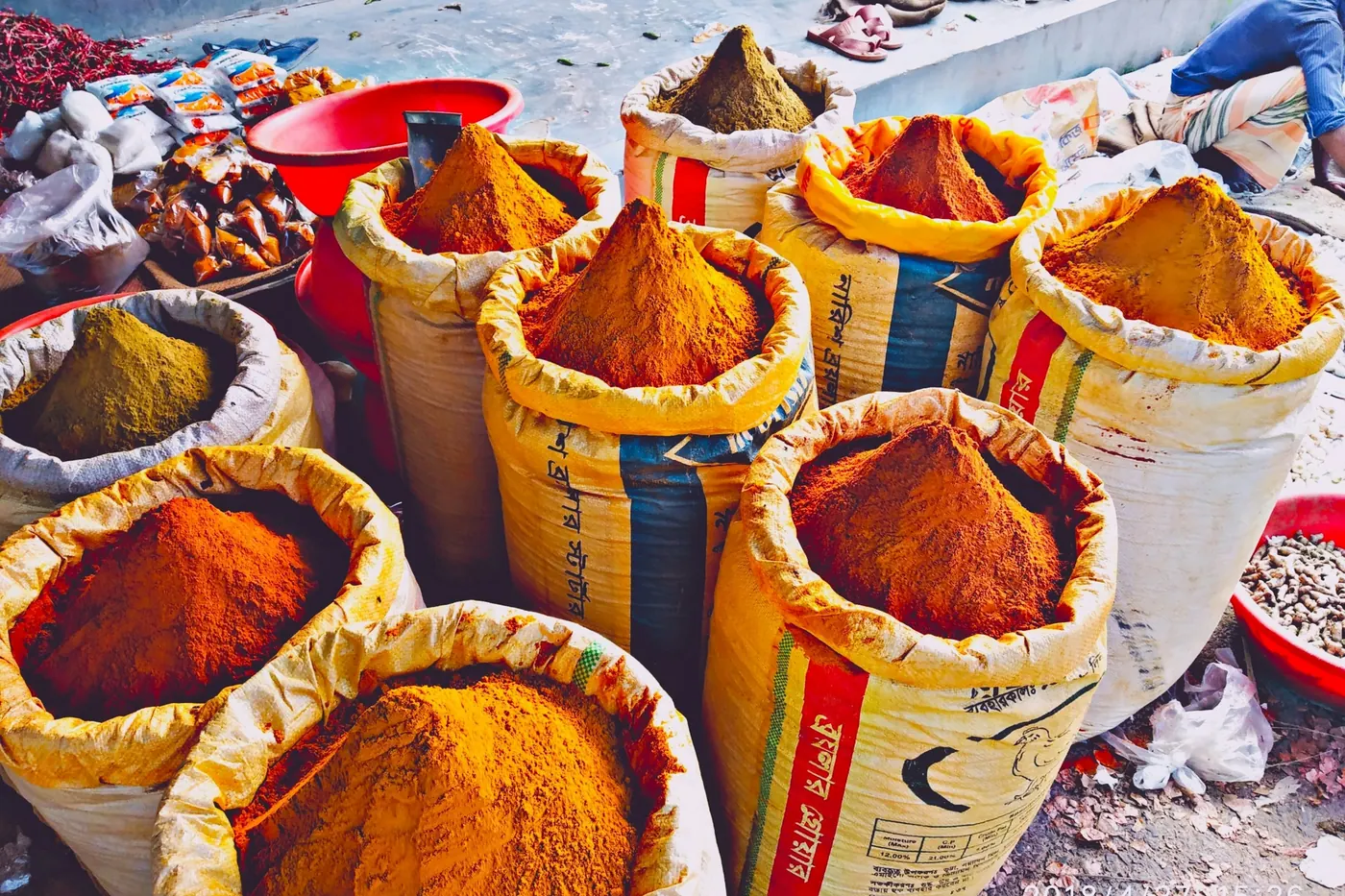
Most Indian cooking relies on a short list of whole and ground spices, and buying them is the real first step. Whole spices toasted and ground at home are a familiar idea in a Mexican kitchen too. For the grinder, see the best spice grinder machine, and for wet pastes and batters, the best masala grinder machine, which explains why voltage matters for American buyers. Krishna’s charts and Sodha’s ingredient notes are good places to learn what each spice does.
2. Do you want tradition or flexibility?
Jaffrey, Sodha and India: The Cookbook stay with tradition. Indian-Ish openly plays with it. Neither is wrong, but a cook who wants the real thing will be annoyed by feta for paneer, and a busy parent will be glad of it.
3. Learning, cooking or reading?
Bharadwaj is for learning. Sodha and Krishna are for cooking on a Tuesday. Dishoom and Chaat are also books you can simply sit down and read, for the stories and travel around the recipes.
4. Which part of India?
Restaurant menus can make Indian food seem like one thing. The Kerala Kitchen is one way past that, and India: The Cookbook is the wider map. If you own a pressure cooker or a slow cooker, our best Instant Pot cookbook page includes Jaffrey’s Instantly Indian, and the best slow cooker cookbook page includes an Indian book too. For meat-free cooking, see the best vegetarian cookbook.
How we chose these eight Indian cookbooks
We searched Amazon’s book listings and kept only print editions from named authors at established publishers, in stock and sold new by Amazon when we checked. Anonymous, self-published and AI-looking titles, of which there are many in this category, were left out. Author, year, format and page count come from the Amazon listing. We then read the publisher pages we could reach and Publishers Weekly’s page for each title, and ran a small number of web searches for other reviews.
Named reviews: Made in India, India: The Cookbook, Indian-Ish and Chaat have Publishers Weekly reviews. The Indian Cooking Course has a review from Cooking by the Book, and Dishoom from The Cooking World. Publisher details: An Invitation to Indian Cooking rests on Knopf’s details and the praise it quotes, plus Priya Krishna’s recommendation in PureWow. The Kerala Kitchen rests on the publisher’s and author’s details.
Some famous books are missing because of stock. Raghavan Iyer’s 660 Curries, Madhur Jaffrey’s Vegetarian India, Julie Sahni’s Classic Indian Cooking and Vikas Khanna’s Flavors First were running low when we checked, and Asma Khan’s Ammu was out of stock. Jaffrey’s Indian Cookery and Asma Khan’s Monsoon were in stock if you want more from those authors. We have not cooked from the books on this page ourselves; where we describe a strength, we say whose view it is.
Indian cookbook questions, answered
What is the best Indian cookbook for beginners?
An Invitation to Indian Cooking by Madhur Jaffrey is the classic first book. If you want something more relaxed, Publishers Weekly described Priya Krishna’s recipes in Indian-Ish as forgiving and flexible.
Which Indian cookbook has the most recipes?
Of these, India: The Cookbook, with 1,000 recipes. Publishers Weekly warned that it is dense and has no commentary, so it suits cooks who already know the basics.
Is there a good book for restaurant-style Indian food?
Dishoom gives you a famous restaurant’s menu at home, though its reviewer warns about long ingredient lists. Chaat is the one for street snacks.
Do I need special equipment?
Not to start. A heavy pot and a way to grind spices will take you a long way. If you cook Indian food often, a mixer grinder helps with wet pastes, and our best masala grinder machine guide lists models with a stated 110- or 120-volt rating.
Are these books vegetarian?
None of the eight is fully vegetarian, as far as the details we read show. Made in India, Indian-Ish and The Kerala Kitchen all list vegetable or lentil dishes. Sodha’s Fresh India is the meat-free option, and we cover more on our vegetarian cookbook page.
Our final pick for the Indian shelf
Buy An Invitation to Indian Cooking if you want the book that started it for so many American cooks. Choose Made in India for home cooking, The Indian Cooking Course if you want to study, Indian-Ish for weeknights, India: The Cookbook for reference, and Chaat, Dishoom or The Kerala Kitchen when you want to go further. If chiles are what drew you in, our guide to Mexican chiles covers our side of the same story.
Related guide: Best indian vegetarian cookbook.
And if you would rather someone else did the cooking tonight, see the menu or call to order.