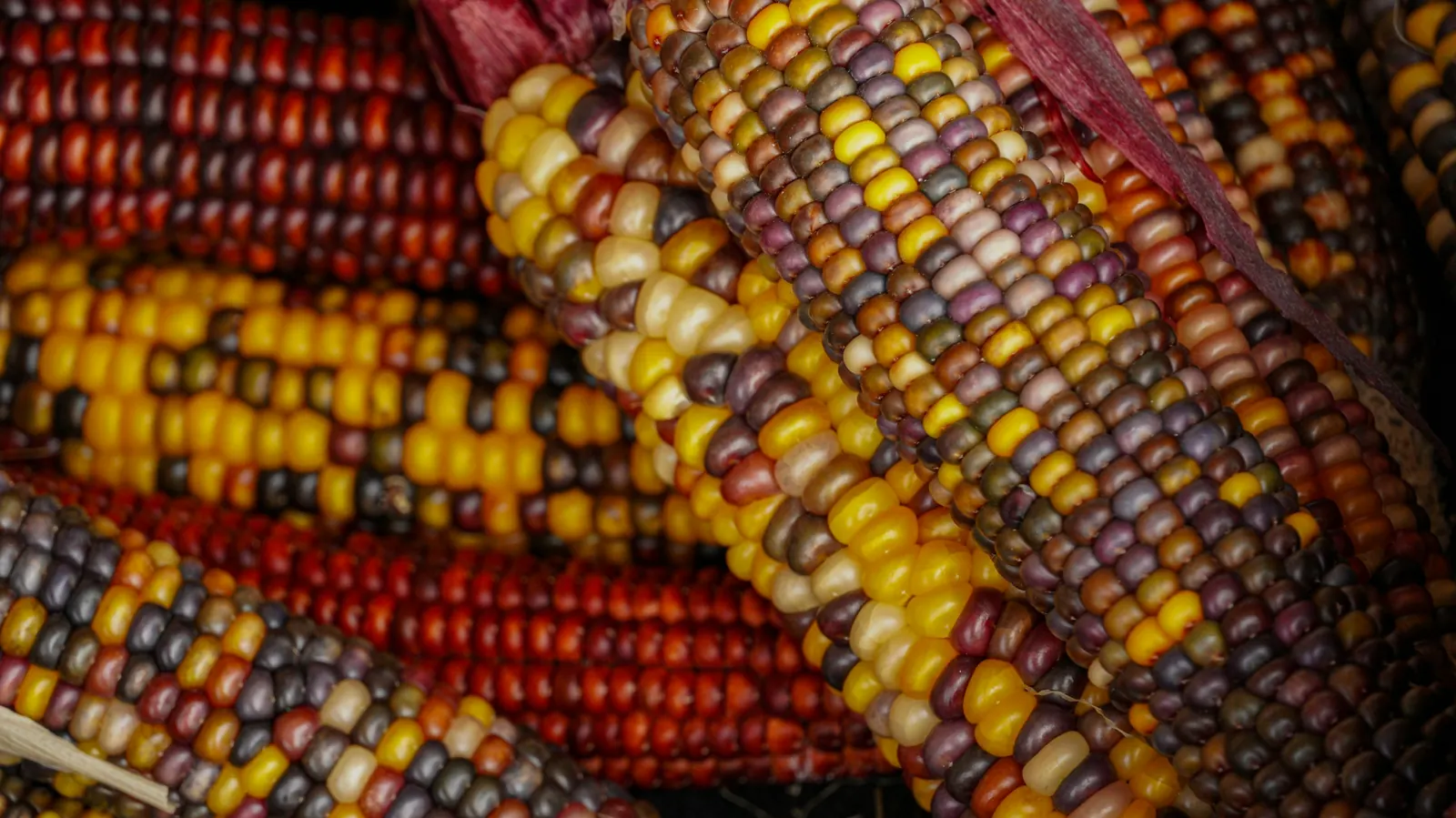
Corn, beans, squash and chiles sit at the center of a Mexican kitchen, and they were being grown in the Americas long before any of our recipes were written down. So a restaurant like ours has a real interest in these books. They come at familiar ingredients from the people who first grew and cooked them.
No single book can cover every Native nation, and these books take different routes through the problem. Some write from one nation, one region or one set of plants, and others try a survey. This guide gives eight books from named authors at established publishers, and it says which rest on a named review and which on the publisher’s details.
Julia’s earns a commission on purchases made through links on this page, at no cost to you. Recommendations are based on what a restaurant kitchen looks for in a cookbook, the Amazon listing, publisher and author information and published reviews, which we name where we use them.
Quick verdict: the best Native American cookbook to start with
For the widest view, start with Sean Sherman’s Turtle Island, organized by region, with more than 100 recipes per the publisher. For a chef’s modern dishes and a strong Publishers Weekly review, choose Freddie Bitsoie’s New Native Kitchen. For a link to Mexican cooking, choose Pyet DeSpain’s Rooted in Fire.
The other five cover intertribal recipes from an Oakland restaurant, Navajo home cooking, eight key plants, the Upper Midwest and wild foods.
Five Indigenous cookbooks side by side
Five of the eight, one for each kind of cook. All eight are described in full below.
| Cookbook | Best for | Recipes | Length | Buy on Amazon |
|---|---|---|---|---|
| The widest view | More than 100 | 416 pages, hardcover | View on Amazon | |

New Native Kitchen, Freddie Bitsoie and James O. FraioliBest for chef-led cooking
|
Chef-driven modern dishes | Not stated | 288 pages, hardcover | View on Amazon |

Rooted in Fire, Pyet DeSpainBest for Mexican cooks
|
Mexican and Native cooking together | 60 | 288 pages, hardcover | View on Amazon |
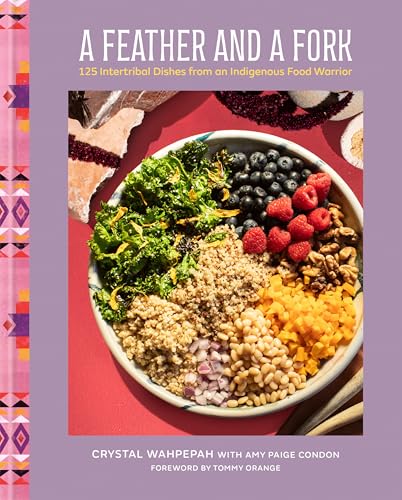
A Feather and a Fork, Crystal Wahpepah with Amy Paige CondonBest intertribal
|
A big intertribal collection | 125 | 304 pages, hardcover | View on Amazon |

The Modern Navajo Kitchen, Alana YazzieBest for home cooks
|
Navajo homestyle meals | 60 | 192 pages, hardcover | View on Amazon |
Cover images from Amazon. Page counts and formats are from the Amazon listings for the editions linked. Recipe counts are from the publisher’s copy or the listing title.
Our picks for the best Native American cookbook, book by book
All eight were in stock and new, and sold by Amazon, when we checked. We have not cooked from these books; where we describe a strength, we say whose view it is.
1. Turtle Island, Sean Sherman with Kate Nelson and Kristin Donnelly – A Survey Across North America

Sherman is Oglala Lakota, born in Pine Ridge, South Dakota, and has been cooking for thirty years, according to his publisher. In 2014 he started The Sioux Chef as a caterer and food educator in Minneapolis and Saint Paul, and his restaurant Owamni won the James Beard Award for Best New Restaurant in 2022.
This book is organized by region and offers more than 100 ancestral and modern recipes from across North America, per the publisher. It encourages eating with the seasons, using meat and fish nose to tail, and cooking plant-forward dishes.
The publisher carries lines from Mark Bittman, José Andrés, René Redzepi and Deb Haaland, which we read only as quoted there. We found no Publishers Weekly review at this ISBN, so this pick rests on the author’s record and the publisher’s details.
Why we like it
- More than 100 recipes, per the publisher
- Organized by region
- James Beard-winning restaurant behind it, per the publisher
Key specifications
| Author | Sean Sherman, Kate Nelson and Kristin Donnelly |
|---|---|
| Publisher | Clarkson Potter |
| Year | 2025 |
| Pages | 416 |
| Format | Hardcover |
| Recipes | More than 100 |
| Focus | Indigenous foods by region |
| Best for | The widest view |
Why we recommend it
If you want one book that tries to show the full range of North American Indigenous food, this is it.
Skip it if you want to master one tradition. A book organized by region spreads its attention by design.
Pros and cons
Pros
- Broad regional coverage
- Strong author record
- Stories as well as recipes
Cons
- No review at this ISBN that we could read
- A large book
2. New Native Kitchen, Freddie Bitsoie and James O. Fraioli – Modern Recipes From a Navajo Chef
Bitsoie is Navajo and the former executive chef of the Mitsitam Native Foods Cafe at the Smithsonian’s National Museum of the American Indian, according to his publisher and Publishers Weekly. Abrams describes modern takes on ancestral recipes from Indigenous communities across North America.
PW calls it an “exceptional debut” and a “riveting celebration of the country’s past and present.” It highlights ingredients such as hominy, chokecherry and cactus paddles, a soup chapter built on the three sisters of corn, squash and beans, and short regional histories from the Cherokee in the Appalachians to the Chumash in California.
It also notes many desserts sweetened with agave nectar. Cactus paddles and hominy will feel familiar in a Mexican pantry, so this book may be an easy bridge for readers of this site.
Why we like it
- Reviewed by Publishers Weekly
- Short regional histories, per PW
- Three sisters in the soup chapter, per PW
- Former Smithsonian museum cafe chef
Key specifications
| Author | Freddie Bitsoie and James O. Fraioli |
|---|---|
| Publisher | Abrams |
| Year | 2021 |
| Pages | 288 |
| Format | Hardcover |
| Recipes | Not stated |
| Focus | Modern Indigenous recipes |
| Best for | Cooks who want new ideas |
Why we recommend it
Choose it if you enjoy cooking and want modern, restaurant-trained ideas drawn from many nations.
Skip it if you want old recipes kept unchanged. The publisher itself describes modern interpretations.
Pros and cons
Pros
- Strong review from PW
- Familiar ingredients for Mexican cooks
- Historical context
Cons
- Recipe count not stated in the copy we read
- Some ingredients need hunting down
3. Rooted in Fire, Pyet DeSpain – Potawatomi and Mexican Together
This is the book closest to our own kitchen. DeSpain is a Next Level Chef winner who celebrates her Potawatomi and Mexican heritage, according to Publishers Weekly, and her publisher describes her work as Indigenous fusion cuisine. The listing title promises sixty recipes.
PW calls it a “vivid debut” and says it gives real historical context, including maple sugar production and the intercropping of corn, beans and squash. Dishes named include three sisters salad, bison and sweet corn soup, white fish steamed in corn husks, jalapeño bison jerky and a mezcal and Mexican chocolate cake.
PW concludes that it will be a valuable resource for home cooks who want to learn about Indigenous foodways. The publisher also carries lines from Sean Sherman and Booklist, which we read only as quoted there.
Why we like it
- Sixty recipes, per the listing title
- Reviewed by Publishers Weekly
- History alongside the food, per PW
- Mexican and Potawatomi heritage
Key specifications
| Author | Pyet DeSpain |
|---|---|
| Publisher | HarperOne |
| Year | 2025 |
| Pages | 288 |
| Format | Hardcover |
| Recipes | 60 |
| Focus | Native American and Mexican |
| Best for | Mexican food lovers |
Why we recommend it
Buy it if you already cook Mexican food and want to see where its ingredients connect with Indigenous cooking.
Skip it if you want traditional food without fusion. The publisher describes a blend, and that is the point of the book.
Pros and cons
Pros
- Close to Mexican home cooking
- Strong review from PW
- Recent book
Cons
- Fusion by design
- Fewer recipes than the broad surveys
4. A Feather and a Fork, Crystal Wahpepah with Amy Paige Condon – Intertribal Dishes From Oakland
Wahpepah is a registered member of the Kickapoo Nation of Oklahoma and runs Wahpepah’s Kitchen in Oakland, California, according to her publisher. The book has 125 recipes developed with the ethnobotanist Linda Black Elk and a foreword by the novelist Tommy Orange.
This is the largest stated recipe count among the newer books here, and the word intertribal in the title says how she approaches it. Her cooking has also been seen on Chopped and Beating Bobby Flay, the publisher notes.
The publisher’s copy makes strong claims about food and health. We do not repeat them, because we have no authority to back them, and we recommend the book for its recipes and its point of view. We found no Publishers Weekly review at this ISBN.
Why we like it
- 125 recipes, per the publisher
- Author runs an Indigenous restaurant
- Developed with an ethnobotanist, per the publisher
Key specifications
| Author | Crystal Wahpepah and Amy Paige Condon |
|---|---|
| Publisher | Rodale |
| Year | 2026 |
| Pages | 304 |
| Format | Hardcover |
| Recipes | 125 |
| Focus | Intertribal recipes |
| Best for | A restaurant’s range |
Why we recommend it
Choose it if you want a big, recent collection from a working restaurant owner.
Skip it if you want a neutral reference. The publisher frames this as an argument for changing how people eat, so read it in that spirit.
Pros and cons
Pros
- Large recipe count
- Recent book
- Strong voice
Cons
- No review at this ISBN that we could read
- Publisher’s health framing goes beyond what we can back
5. The Modern Navajo Kitchen, Alana Yazzie – Diné Home Cooking, Made Friendly
Yazzie created the food and lifestyle blog The Fancy Navajo in 2014, per her publisher, and develops approachable recipes using Indigenous and Southwestern ingredients. The book offers 60 recipes celebrating Navajo culinary traditions.
The listing’s subtitle calls them homestyle recipes that celebrate the flavors and traditions of the Diné. Of the books here, this is the one most plainly described as home cooking, and it stays with one nation.
We found no Publishers Weekly review at this ISBN, so this pick rests on the publisher’s and the author’s details. It is her first book and a much shorter one than Sherman’s survey, and it does not try to do the same job.
Why we like it
- 60 recipes, per the publisher
- One nation in focus
- Approachable recipes, per the publisher
Key specifications
| Author | Alana Yazzie |
|---|---|
| Publisher | Wellfleet Press |
| Year | 2024 |
| Pages | 192 |
| Format | Hardcover |
| Recipes | 60 |
| Focus | Navajo home cooking |
| Best for | A single nation |
Why we recommend it
Buy it if you want homestyle food from one tradition, written for a home kitchen.
Skip it if you want a regional survey. This book stays with Navajo cooking.
Pros and cons
Pros
- Home cook’s viewpoint
- Focused subject
- Shorter than the surveys
Cons
- No review at this ISBN that we could read
- One tradition only
6. Seed to Plate, Soil to Sky, Lois Ellen Frank with Walter Whitewater – Eight Plants, One Book

Each chapter covers one of the “magic eight” plants that Native peoples gave to the world, including beans, corn and chiles, according to Publishers Weekly. It calls the chapter introductions thorough and informative, and calls the book “a strong addition to a long underpublished category.”
PW is honest about the mix. It finds a few vegan dishes, such as a tomato salad, to be filler, but most exciting and clever, such as black beans simmered with chipotles and chocolate.
Frank is a Santa Fe-based, James Beard Award-winning author, chef and Native foods historian, per her publisher, with over 30 years spent documenting the food of the Southwest. Walter Whitewater is a chef with Red Mesa Cuisine. We recommend the book for the cooking and make no claims about diet.
Why we like it
- Organized by plant, per PW
- Reviewed by Publishers Weekly
- James Beard Award-winning author, per the publisher
Key specifications
| Author | Lois Ellen Frank |
|---|---|
| Publisher | Balance (Hachette) |
| Year | 2023 |
| Pages | 320 |
| Format | Hardcover |
| Recipes | Not stated |
| Focus | Eight Native American plants |
| Best for | Vegan and vegetarian cooks |
Why we recommend it
Choose it if you cook without meat, or just want to understand beans, corn and chiles from a new direction.
Skip it if you want bison and fish. The recipes are plant-based by design.
Pros and cons
Pros
- Thorough chapter introductions, per PW
- Long documentary record
- Familiar ingredients
Cons
- PW finds some recipes to be filler
- Recipe count not stated in the copy we read
7. Original Local, Heid E. Erdrich – Upper Midwest Foods and Stories

Erdrich is a poet and editor, the author of five books of poetry per her publisher, so this one may read differently from a chef’s book. The Minnesota Historical Society Press says the concept of local food is hardly new, and it celebrates what it calls the original local in sixty home-tested recipes.
The listing’s subtitle gives the range as Indigenous foods, stories and recipes from the Upper Midwest. It comes from a historical society press and dates from 2013, so it offers a different kind of authority than a 2026 restaurant book.
We found no Publishers Weekly review at this ISBN, so this pick rests on the publisher’s and the author’s details. The Amazon listing gives 272 pages and the bookseller page we read gives 224, so we show the listing’s figure and flag the difference.
Why we like it
- Sixty recipes, per the publisher
- Recipes alongside stories
- A regional focus the others lack
- Paperback
Key specifications
| Author | Heid E. Erdrich |
|---|---|
| Publisher | Minnesota Historical Society Press |
| Year | 2013 |
| Pages | 272 |
| Format | Paperback |
| Recipes | Sixty |
| Focus | Upper Midwest Indigenous foods |
| Best for | Regional readers |
Why we recommend it
Buy it if you live in the Upper Midwest or love regional food writing.
Skip it if you want restaurant-style dishes. The publisher describes home-tested recipes and stories.
Pros and cons
Pros
- Clear regional focus
- Established historical press
- Paperback
Cons
- No review at this ISBN that we could read
- Page count differs between sources
8. Native Harvests, E. Barrie Kavasch – Wild Foods, With Illustrations

Dover calls this not just a recipe collection but a passport to foraging and to surviving close to nature. The book is illustrated by the author, who is herself of American Indian descent, according to the publisher. By that description it sits closer to a field guide than a modern cookbook.
Dover quotes Craig Claiborne of the New York Times calling it the most intelligent and brilliantly researched book on the food of the American Indian. We read that only as Dover quotes it.
We found no Publishers Weekly review at this ISBN, and we have not checked its plant identifications. Do not eat a wild plant on the strength of a book alone, and take a local expert with you first.
Why we like it
- Foraging and recipes in one book
- Illustrated by the author, per Dover
- Praise from Craig Claiborne, per Dover
- Paperback
Key specifications
| Author | E. Barrie Kavasch |
|---|---|
| Publisher | Dover Publications |
| Year | 2005 |
| Pages | 272 |
| Format | Paperback |
| Recipes | Not stated |
| Focus | American Indian wild foods |
| Best for | Readers and foragers |
Why we recommend it
Choose it if you are interested in wild foods or want a reference next to the modern cookbooks.
Skip it if you want weeknight dinners. It does not sound written for that.
Pros and cons
Pros
- Unusual subject
- Author’s own illustrations
- Paperback
Cons
- Not a modern recipe book
- Foraging calls for real caution and local help
How to choose a Native American cookbook for your kitchen
Four questions will narrow this list quickly.
- One nation or many? Yazzie stays with Navajo cooking. Sherman and Bitsoie cover many communities, and Wahpepah writes intertribal food.
- Which ingredients are available to you? Corn, beans and chiles are easy. Chokecherry and bison may not be. If you want to work with whole corn, our guide to nixtamalization explains a process hominy depends on.
- Meat or plants? Frank’s book is plant-based. DeSpain and Bitsoie include meat and fish, per PW.
- How do you like your beans? Beans come up again and again in these reviews, so a clay pot for cooking beans is a natural partner.
How we chose these Indigenous cookbooks
We searched Amazon’s book listings first and kept print editions from named authors at established publishers, plain in stock with a new lead offer sold by Amazon. We report each author’s background only as the publisher or a named review gives it. Author, year, format and page count come from the Amazon listing. Recipe counts and descriptions come from the publisher’s copy unless we credit someone else.
Here is what stands behind each pick. New Native Kitchen, Rooted in Fire and Seed to Plate, Soil to Sky have Publishers Weekly reviews that we read ourselves. Turtle Island, A Feather and a Fork, The Modern Navajo Kitchen, Original Local and Native Harvests rest on the publisher’s and the author’s details. We found no PW review at those five ISBNs, which does not mean that no other review exists.
Stock ruled out some important books. The Sioux Chef’s Indigenous Kitchen and Cooking the Native Way were not plainly in stock when we checked, and Lois Ellen Frank’s Foods of the Southwest Indian Nations was low in stock. We also left out a long run of anonymous or self-published titles using the same keywords.
Indigenous cooking book questions, answered
What is the best Indigenous cooking book for a beginner?
The Modern Navajo Kitchen if you want approachable home cooking, and Turtle Island if you want the wider picture first.
Is The Sioux Chef’s Indigenous Kitchen on this list?
No, only because it was not plainly in stock when we checked. Sherman’s newer Turtle Island is here.
Are these recipes healthy?
We make no health claims for any book here. Some publishers do, and those claims are theirs.
Why is a Mexican restaurant writing about these books?
Corn, beans, squash and chiles are at the heart of our food too, and Rooted in Fire ties Native and Mexican cooking together directly.
Are these books written for people who are not Native?
PW describes Rooted in Fire as a resource for home cooks who want to learn about Indigenous foodways, and the others are sold to general readers. Read each author’s introduction too, since it should tell you how they hope the food will be used.
Which Native American cookbook should you buy first?
Buy Turtle Island for the widest view. Choose New Native Kitchen for modern dishes and Rooted in Fire for its Mexican link. The others cover one nation, one region or one set of plants, and each entry says who it suits. To see how these ingredients carry on in Mexican cooking, go to our best Mexican cookbooks guide. For another American regional shelf, see our Southern cookbook page.
And if you would rather let someone else cook tonight, see the menu or call to order.