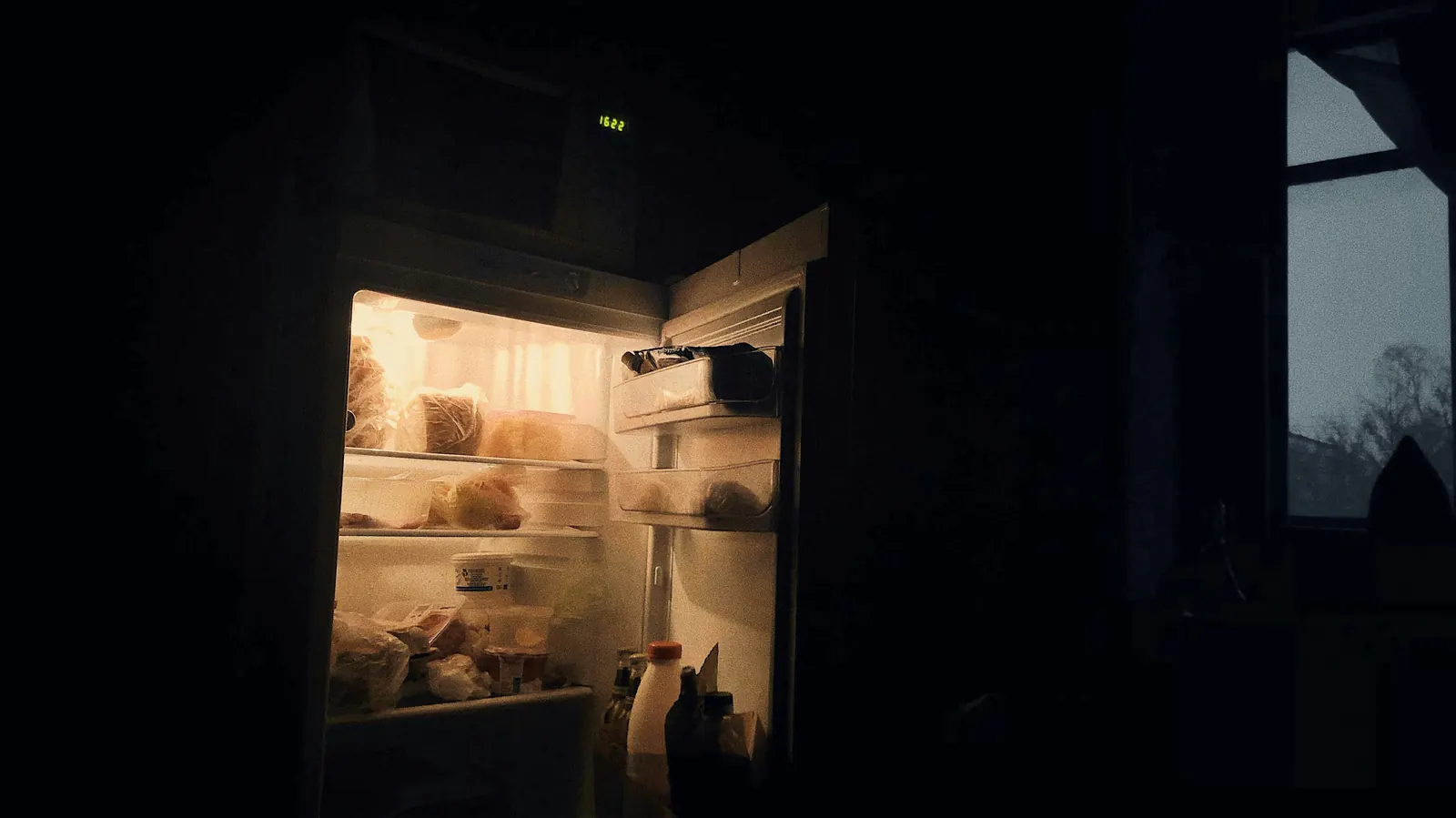
A second freezer is how a home kitchen gets through tamale season, a half side of beef, or a summer of frozen fruit for paletas. The first choice you face is the shape of it. A chest freezer opens at the top and keeps food in a deep box. An upright freezer opens at the front like a refrigerator and keeps food on shelves. Both keep food at 0°F; they differ in how much power they use, how much floor they take, how easily you find things and how often you have to defrost them.
This guide compares chest and upright freezers on each of those points, using ENERGY STAR’s figures for energy and the makers’ listings for features, then says which type suits which kitchen and names a pick on each side.
Julia’s earns a commission on purchases made through links on this page, at no cost to you. Recommendations are based on what a restaurant kitchen looks for, product specifications and verified buyer reports.
Quick verdict: chest or upright?
For most households buying a freezer for bulk food, a chest freezer is the better buy. ENERGY STAR says chest models are usually more energy efficient because cold air doesn’t spill out when the lid opens, and its figures show a typical certified chest using a little more than half the electricity of a typical certified upright. Choose an upright instead if floor space is tight, if bending into a deep box is hard for you, or if you open the freezer many times a day and want to see everything on shelves.
The table sums up the differences; the sections after it explain each one.
Chest freezer vs upright freezer, side by side
| Chest freezer | Upright freezer | |
|---|---|---|
| Door | Lid on top | Front door, like a refrigerator |
| Typical energy use (ENERGY STAR certified) | About 215 kWh a year | About 395 kWh a year |
| Why | Cold air stays in when the lid opens (ENERGY STAR) | Cold air falls out of a front door |
| Floor space | More for the same capacity (ENERGY STAR) | Less; it goes up instead of out |
| Organization | Baskets on top, deep layers below | Shelves and door bins (ENERGY STAR) |
| Defrost | Almost always manual | Small models manual; full-size models usually automatic |
| Best for | Bulk storage you visit a few times a week | Everyday use and small floor plans |
Energy use: the chest’s clearest advantage
This is the biggest measured difference between the two. On its freezer page, ENERGY STAR gives about 215 kWh a year for a certified chest freezer and about 395 kWh for a certified upright. It says the chest is usually more efficient because the door opens from the top and lets less cold air escape. Cold air is heavy. Open a front door and it pours out across the floor; lift a lid and most of it stays in the box.
Those are typical figures across many sizes, so we checked like against like in ENERGY STAR’s own list of certified models. Danby’s 7.0 cubic foot compact chest (DCF070A5WDB) is rated at 225 kWh a year. Danby’s 6.8 cubic foot compact upright (DUFM068A1SCDB), with manual defrost like the chest, is rated at 296 kWh. Same maker, nearly the same size, same defrost type, and the upright still uses about 30 percent more. Go bigger and the gap widens: GE’s 10.6 cubic foot chest (FCM11PH) is listed at 218 kWh, while Frigidaire’s 13.0 cubic foot frost-free upright (FFUE1326AW) is listed at 380 kWh.
ENERGY STAR adds that certified freezers are at least 10 percent more efficient than the federal minimum, and that the larger the freezer, the more energy it uses. So buy the size you will fill, not the biggest one that fits. If running cost matters, look for the ENERGY STAR label on the exact model; neither type is efficient by default.

Defrosting: the hidden part of the energy story
Much of the upright’s extra energy comes from automatic defrost. ENERGY STAR says manual-defrost freezers use half the energy of automatic-defrost models, but they have to be defrosted from time to time to keep those savings. A frost-free upright runs a heater on a cycle to melt frost off its coils, which is convenient and costs electricity.
Nearly every chest freezer is manual defrost. When the ice on the walls gets thick, you unplug it, empty it into coolers, let the frost melt and drain it. Most chests make this easier with a drain plug near the bottom; the Frigidaire below has an exterior defrost drain, according to its listing. Small uprights are often manual too, and their frost builds up around the shelves, which can be fiddlier to clear. Full-size uprights are usually frost-free, as in ENERGY STAR’s list, where every full-size upright we checked from Frigidaire, Hisense and GE has automatic defrost.
From a restaurant kitchen’s view, frost-free is a real convenience if you use the freezer daily. For a bulk freezer opened a few times a week, a chest’s once- or twice-a-year defrost is a fair trade for lower running costs.
Floor space and where it goes
ENERGY STAR notes that a chest freezer typically needs more floor space. A chest spreads out across the floor, and you also need room above it to lift the lid fully. An upright takes the footprint of a narrow refrigerator and stands against a wall, which is why uprights fit kitchens, pantries and apartments that a chest won’t.
Placement matters for both. ENERGY STAR says to leave a few inches between the freezer and the wall or cabinets, and unless you live in a mild climate, to keep the freezer indoors, such as in a basement, because extreme temperatures are hard on the compressor. In Houston, that means a hot garage in August is a real strain. If a garage is the only place it fits, buy a model the maker rates for it. Both the Danby chest and the KoolMore upright below are listed as working in rooms from 0 to 110°F; the Frigidaire’s listing doesn’t state a range.

Organization: shelves versus layers
This is the upright’s best argument. ENERGY STAR describes its front door and shelves as allowing easy organization, and in practice you can see every bag of tamales, every quart of pozole and every package of carne at eye level. Put new things at the back and move older ones forward, and food gets used before it suffers freezer burn.
A chest stores food in layers. The basket at the top holds small items, and everything else stacks below, so the oldest packages tend to sink to the bottom and get forgotten. A chest also holds awkward shapes better, such as a whole turkey, a big roast or a stockpot of frozen broth, because there are no shelves in the way. The fix for a chest is discipline: use stackable bins or bags you can lift out by the handle, label everything with a date, and keep a list on the lid.
Think about who will be reaching in, too. Digging to the bottom of a deep chest means bending over a high edge and lifting heavy packages. If that’s hard on your back, the upright is the kinder choice even though it costs more to run.
Opening the door and keeping it cold
Whichever you buy, how you use it affects both energy and food quality. ENERGY STAR’s tips are simple: keep the freezer at 0°F, keep the door open as briefly as possible, and make sure the door seals are airtight, replacing them if they aren’t. A freezer thermometer on a shelf or basket tells you whether the setting on the dial is actually holding 0°F; the dial numbers on most manual thermostats are settings, not temperatures.
Chest freezers have one more practical edge here. Because the cold stays in the box when the lid opens, a quick look for the masa costs less cold air than holding a front door open while you read labels. Danby’s listing goes further and claims 48 hours of power outage protection for its chest under standard conditions with the freezer three-quarters full of frozen food; that is the maker’s claim, not a figure from a food safety agency. In an outage, keep any freezer closed and follow your local food safety guidance before deciding what to keep.
Cost and capacity
We don’t quote prices because they change, so compare the exact models you’re considering. What we can say from ENERGY STAR’s figures is that a chest usually costs less to run, and that a frost-free upright adds the running cost of its defrost system. Over the many years a freezer lasts, running cost can matter as much as the price on the tag.
Capacity is listed in cubic feet, but a chest’s number is easier to use fully, since there are no shelves or door bins taking space. As a rough guide from kitchen sense rather than any maker, a 5 cubic foot freezer suits a couple stocking up, 7 cubic feet suits a family that batch cooks, and anything above 10 suits a household buying meat in bulk.

Choose a chest freezer if… / Choose an upright freezer if…
Choose a chest freezer if…
- Running cost matters and you want the lower energy use ENERGY STAR describes.
- You store bulk meat, whole birds, big pots of broth or dozens of tamales.
- You open it a few times a week, not many times a day.
- You have floor space in a utility room, basement or rated garage, and don’t mind a yearly defrost.
Choose an upright freezer if…
- Floor space is tight and the freezer has to stand against a wall.
- Bending into a deep box is difficult for you.
- You want shelves so you can see and rotate everything.
- You’d pay more to run a frost-free model and never defrost by hand.
Our picks on each side of the chest freezer vs upright freezer question
Two chests and one upright, all in stock when we checked. The Frigidaire and the KoolMore are both 7 cubic feet, a fair head-to-head; the Danby is a smaller chest for buyers who want the ENERGY STAR label. None of these exact listings or models appears on our other freezer guides. For more choices, see our best chest freezer guide and our best freestanding freezer guide for uprights.
1. Frigidaire 7.0 cu. ft. Chest Freezer – Family Size With a Basket

This is the plain chest most families need: 7.0 cubic feet, a lid on top and a removable vinyl-coated wire basket for the small things you reach for most. The listing describes it as roomy enough for large families and meal prep, which fits a household that makes tamales by the dozen or buys meat in bulk.
A knob gives seven thermostat settings, and a power-on light shows at a glance that it’s running. The interior liner is aluminum, according to the listing. When frost builds up, an exterior defrost drain lets you empty the meltwater without bailing it out by hand, which is the feature that makes a manual-defrost chest easy to live with.
The listing doesn’t state a garage temperature range, and this model wasn’t in ENERGY STAR’s list of certified freezers when we checked, so for a hot garage or the lowest running cost the Danby below is the better fit. The warranty is one year parts and labor, according to the listing. It is sold and shipped by Amazon.com.
Why we like it
- 7.0 cubic feet, a useful family size (listing)
- Removable wire basket for small items (listing)
- Exterior defrost drain (listing)
- Sold and shipped by Amazon.com
Key specifications
| Model | EFRF7003-BLACK |
|---|---|
| Capacity | 7.0 cu. ft. |
| Type | Chest |
| Defrost | Manual, exterior drain |
| Temperature control | Knob, 7 settings |
| Garage use | Not stated |
| ENERGY STAR | Not in the certified list when checked |
| Warranty | 1 year parts and labor |
Why we recommend it
It suits a family that wants a mid-size bulk freezer indoors, in a laundry room or pantry, from a name with wide service reach.
Skip it if it will live in a hot garage; the listing gives no rated range, so choose a garage-rated model.
Pros and cons
Pros
- Family-size capacity
- Easy defrost drain
- Basket keeps small items on top
Cons
- No stated garage rating
- Not ENERGY STAR certified when checked
- One-year warranty
2. Danby 3.5 cu. ft. Chest Freezer – ENERGY STAR and Garage Ready

This is the chest for a smaller household, or for anyone who wants the lowest running cost in writing. ENERGY STAR’s list shows this exact model, DCF035A5WDB, as a certified compact chest with manual defrost, 3.5 cubic feet and a rated 173 kWh a year.
The listing says it works in rooms from 0 to 110°F, which makes it one of the few small chests rated for a Texas garage. It also lists counter-balanced hinges, so the lid stays up while you dig, and indicator lights that show both power and compressor operation. Danby claims 48 hours of protection in a power outage under standard conditions with the freezer three-quarters full; treat that as the maker’s figure.
The warranty is the standout: five years parts and labor in your home, according to the listing, which excludes installation and routine cleaning. At 3.5 cubic feet it holds a few weeks of family meals or a season’s frozen fruit, not a side of beef. It is sold by a third-party seller rather than Amazon, so check the seller before you buy.
Why we like it
- ENERGY STAR certified, 173 kWh a year (ENERGY STAR)
- Rated for rooms from 0 to 110°F (listing)
- Five-year in-home parts and labor warranty (listing)
- Counter-balanced lid hinges (listing)
Key specifications
| Model | DCF035A5WDB |
|---|---|
| Capacity | 3.5 cu. ft. |
| Type | Compact chest |
| Defrost | Manual (ENERGY STAR) |
| Temperature control | Not stated |
| Garage use | 0 to 110°F room temperature |
| ENERGY STAR | Certified, 173 kWh a year |
| Warranty | 5 years parts and labor, in home |
Why we recommend it
It suits a couple or small family who want a garage-rated, low-energy overflow freezer and value a long warranty.
Skip it if you need room for bulk meat or a big tamalada; 3.5 cubic feet fills quickly.
Pros and cons
Pros
- Lowest energy use of our picks
- Garage rated
- Long warranty
Cons
- Small capacity
- Third-party seller
- Manual defrost
3. KoolMore 7 cu. ft. Convertible Upright Freezer – Shelves, Garage Ready, Fridge Mode

This upright matches the Frigidaire chest at 7 cubic feet, so it shows the trade-off clearly: the same space on a narrower footprint, with shelves instead of layers. KoolMore’s site turned us away when we tried to read it, so these details come from its Amazon listing, which is sold by Amazon.com.
It is convertible. The listing gives a freezer range of -11 to 10°F and a refrigerator range of 34 to 50°F, with about 180 minutes to switch between them, which is handy for holiday overflow when you need extra fridge space for a week. The listing also rates it for rooms from 0 to 110°F, gives each adjustable shelf a 66-pound capacity, and says the door can be reversed to open from either side.
The listing doesn’t say whether it defrosts automatically or by hand, and the model wasn’t in ENERGY STAR’s certified list when we checked. Based on ENERGY STAR’s typical figures, expect an upright like this to use more power than a chest of the same size. The warranty is one year parts and labor.
Why we like it
- Shelves you can see and rotate (listing)
- Rated for rooms from 0 to 110°F (listing)
- Switches to refrigerator mode, 34 to 50°F (listing)
- Reversible door (listing)
Key specifications
| Model | KM-RUF-7S |
|---|---|
| Capacity | 7 cu. ft. |
| Type | Upright, convertible freezer or fridge |
| Defrost | Not stated |
| Temperature control | Mechanical; freezer -11 to 10°F |
| Garage use | 0 to 110°F room temperature |
| ENERGY STAR | Not in the certified list when checked |
| Warranty | 1 year parts and labor |
Why we recommend it
It suits a household short on floor space that wants to see everything on shelves, and that may need extra refrigerator space at holiday time.
Skip it if running cost is your priority; a chest of the same size will use less power.
Pros and cons
Pros
- Small footprint for 7 cubic feet
- Garage rated
- Freezer or fridge
Cons
- Defrost type not stated
- Not ENERGY STAR certified when checked
- Maker site unavailable; listing is the source
Chest and upright freezer questions, answered
Which is more energy efficient, a chest or an upright freezer?
Usually the chest. ENERGY STAR puts a typical certified chest at about 215 kWh a year and a typical certified upright at about 395 kWh, because cold air stays in a chest when the lid opens.
Which deep freezer type holds more food?
For the same rated capacity, a chest usually holds more in practice, because it has no shelves or door bins and fits bulky items. An upright fits more capacity into a small footprint.
Do upright freezers need defrosting?
Full-size uprights are usually frost-free, as ENERGY STAR’s list shows. Many small uprights are manual defrost. Check the listing for the exact model, and remember that ENERGY STAR says manual-defrost models use half the energy of automatic ones.
Can a chest or upright freezer go in the garage?
Only if the maker rates it for the room temperatures your garage reaches. ENERGY STAR recommends keeping a freezer indoors unless you live in a mild climate, because extreme temperatures are hard on the compressor.
What temperature should a freezer be set to?
Zero degrees Fahrenheit, according to ENERGY STAR. Use a freezer thermometer to check it, since thermostat numbers are settings rather than temperatures.
Which freezer earns its place
If you have the floor space, buy the chest. It costs less to run, holds big and awkward things, and keeps its cold when you open it. Buy the upright when space, your back or daily convenience matter more than the electricity bill. Either way, buy the size you will fill and keep it at 0°F. When the freezer is full of homemade tamales and nobody wants to cook, see our menu or call to order.