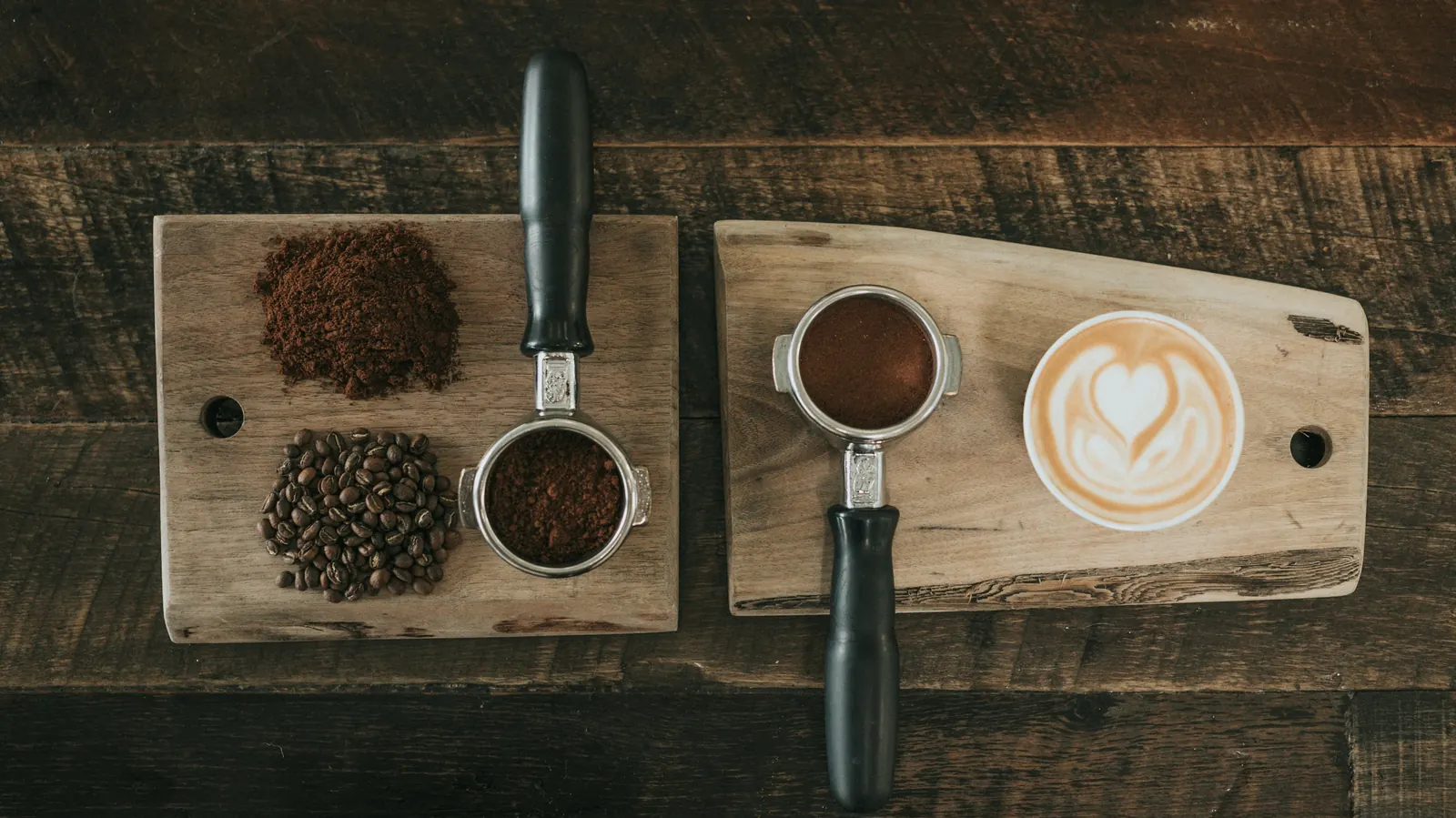
Once you have decided on a burr grinder over a blade grinder, the next question on every coffee forum is the shape of the burrs. A conical grinder has a cone that turns inside a toothed ring. A flat grinder has two toothed discs facing each other, with the beans thrown outward between them. Both crush beans between two steel or ceramic surfaces, and both can make an excellent cup.
The arguments about which is better tend to lean on particle charts and enthusiast taste notes. This guide sticks to what grinder makers and named reviewers say about grind consistency, fines, flavor, noise, mess, speed and cost class, then says plainly which shape most home kitchens should buy and names one example of each.
Julia’s earns a commission on purchases made through links on this page, at no cost to you. Recommendations are based on what a restaurant kitchen looks for, product specifications and verified buyer reports.
Quick verdict: which burr shape to buy
For most people brewing drip, pour-over or French press at home, a conical burr grinder is the better buy. Breville describes conical grinders as quieter, cleaner and more affordable than flat ones, and Baratza, which sells both, says its conical burrs make balanced, sweet coffee. Choose a flat burr grinder if you chase the clearest possible flavor in light-roast filter coffee, or you are building an espresso setup, and you are ready to pay for a well-built machine. At the same price, build quality matters more than burr shape.
The table sums up the differences. The sections after it explain where each point comes from.
Conical vs flat burr grinder, side by side
| Conical burrs | Flat burrs | |
|---|---|---|
| How it grinds | A cone turns inside an outer ring; the gap sets the grind size | Two flat discs; centrifugal force drives beans between them |
| Particle spread | Bimodal: some fine, some larger particles (Breville) | More uniform grind size (Baratza, Breville) |
| Fines | Can produce more fines (Baratza) | Fewer fines than conical, per Baratza’s comparison with steel flat burrs |
| Flavor maker’s description | Balanced and sweet (Baratza) | Sweetness and high clarity (Baratza, steel flat burrs) |
| Noise and mess | Quieter and cleaner (Breville) | Usually louder and slightly messier (Breville) |
| Speed | Usually slower RPM (Breville) | Varies by model |
| Cost class | Lower; most entry burr grinders are conical | Higher; Baratza’s flat models sit at the top of its range |
| Often favored for | Everyday drip, pour-over, French press | Espresso and clarity-focused filter coffee |
How the two shapes grind
In a conical grinder, beans drop into the gap between a cone-shaped inner burr and a ring-shaped outer burr. The cone turns, the teeth crack the beans as they fall, and the narrowest point of the gap sets the largest particle that can get out. Baratza describes it exactly that way: the distance between the cone and the outer ring defines a maximum grind size.
A flat grinder lays the two burrs face to face. Beans enter at the center and are driven outward between the discs by centrifugal force, as Baratza puts it, leaving at the rim. Baratza says the large surface area of flat burrs results in a uniform grind size.
Gravity helps a conical grinder feed itself, which is one reason the design works well at slow motor speeds and fits small, low-cost home machines. Flat burrs need the beans pushed outward, so they tend to sit in bigger, heavier machines with stronger motors.
Consistency and fines: the real difference
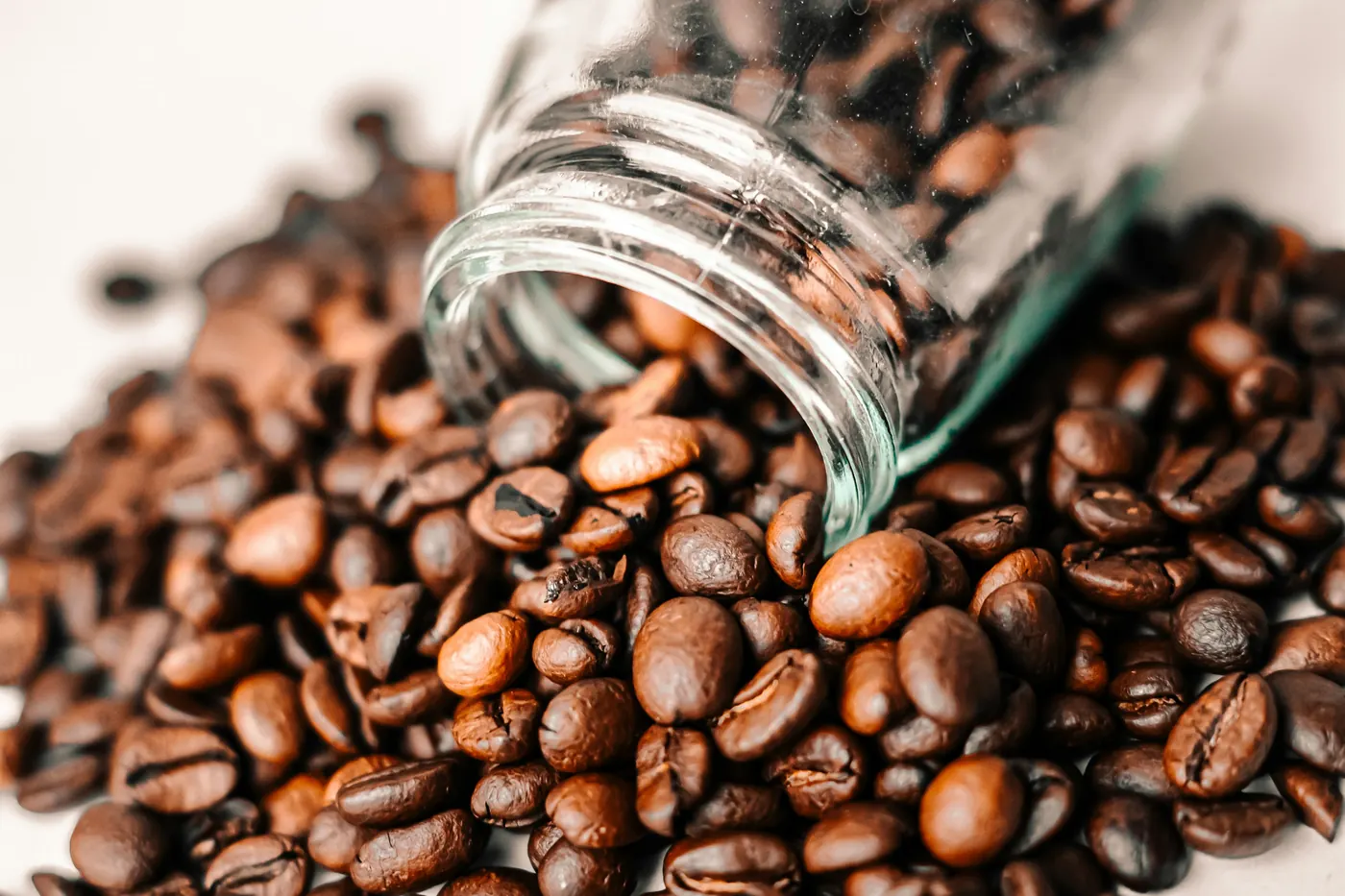
No burr grinder produces particles of a single size. What differs is the spread. Breville says conical grinders produce a bimodal distribution, meaning some particles are small and some are large, while flat grinders produce the consistent grind size that espresso fans love. Baratza’s own V60 brewing guide says conical burrs can produce more fine particles than steel flat burrs, and adds right away that this does not make them unsuitable for pour-over.
That caveat matters. Fines are the dust-like particles that extract fastest and can slow a paper filter. A few are part of every brew and add body. A grinder that makes a great many of them can make a cup taste muddy or bitter. But a well-built conical grinder with sharp, aligned burrs will beat a poorly made flat grinder, and the parent guides on this site make the same point: the grinder’s build matters as much as the burr shape.
Flavor: clarity versus body
Here the makers’ descriptions are the clearest guide, because the science is thin. Whole Latte Love’s Nick Brown, in its guide to coffee grinders, notes there is little in the way of scientific literature that can make a definitive case for one burr type producing better flavor.
Baratza, which makes both shapes, describes its 40 mm conical burrs as producing balanced and sweet cups, its steel flat burrs as known for sweetness and high clarity, and its ceramic flat burrs as giving rounded, syrupy textures. Read that as two styles, not a ranking. If you drink medium or dark roasts, often with milk, the conical style suits you well. If you buy light, fruity single-origin coffee and want each note to stand apart, flat burrs are the shape most often chosen for it.
Noise, mess and speed
Breville says conical grinders are quieter and cleaner than flat ones and usually grind at a slower RPM, and that flat grinders are usually louder and slightly messier. For a kitchen where someone is still asleep when the coffee is made, that is a practical point in conical’s favor.
Speed depends far more on the model than on the shape. Low-speed conical grinders such as Capresso’s are built to turn slowly, while some flat machines have powerful motors. Whole Latte Love’s guide notes that Baratza’s flat-burr Vario is slower and a bit more consistent for drip grinding than its conical Sette, which grinds at high speed directly into a portafilter. So don’t choose by shape if speed is your priority; check the model.
Espresso or filter
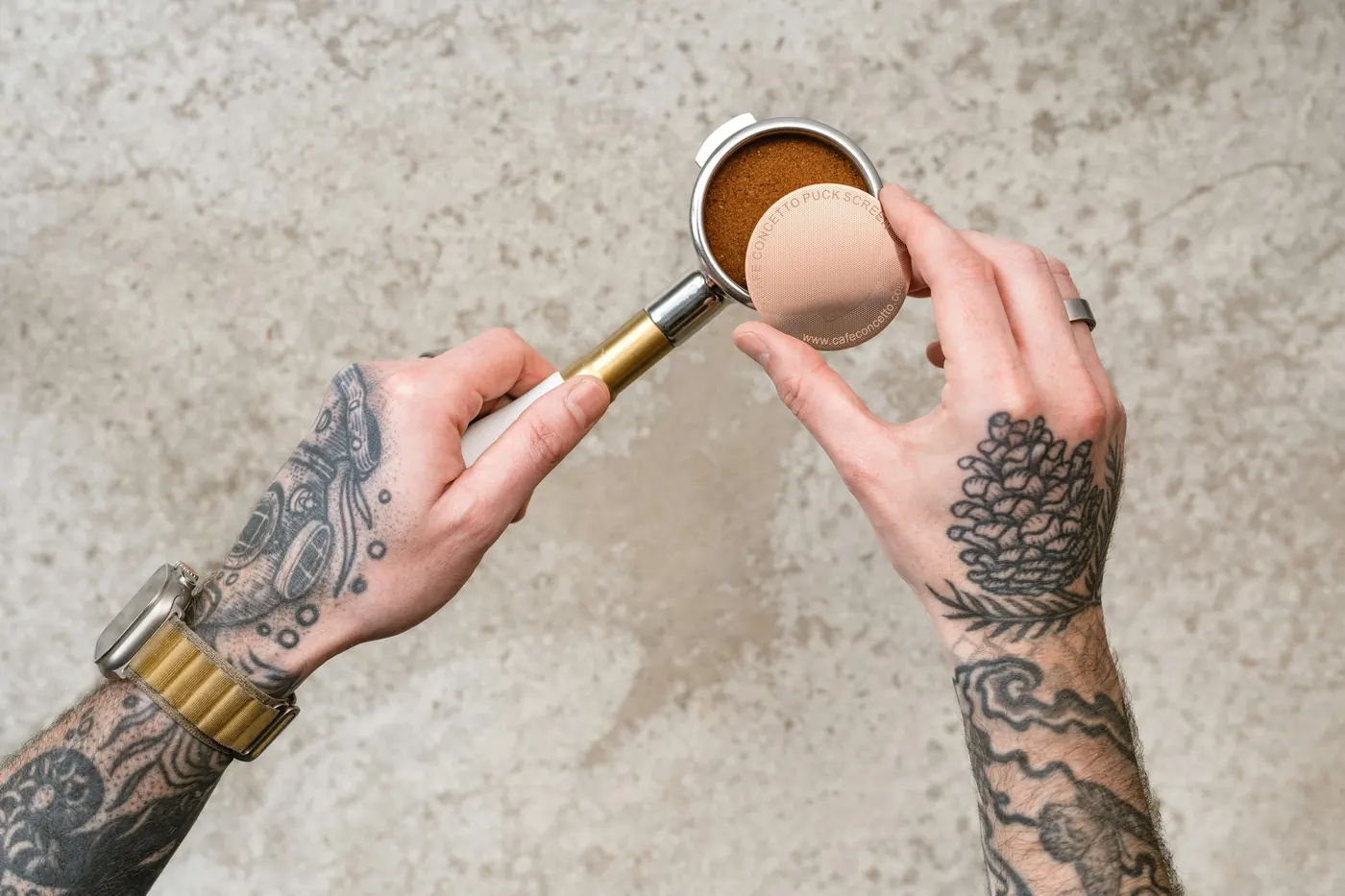
Flat burrs have the stronger reputation for espresso. Breville says many consider the flat burr grinder the best coffee grinder for espresso. But the line is not clean: Whole Latte Love reports that Baratza itself put its conical Sette slightly ahead of its flat Vario for espresso, and slightly behind for filter coffee.
For filter coffee, either shape works. Drip, French press and pour-over all use medium to coarse grinds, where the difference in fines matters less than it does at espresso fineness. Our guides to the best burr grinder for drip coffee and the best burr espresso grinder go deeper on each.
Cost class
Conical burrs are the norm in entry-level home burr grinders, and Breville describes them as more affordable than flat ones. Baratza’s own lineup shows the pattern: its conical Encore models sit at the start of its range, and its flat-burr Vario and Forté models at the top. Low-cost flat grinders exist, but at the bottom of the market you are paying for the burr shape, not for the build that makes flat burrs worth having. Check prices on Amazon, since they move often.
Choose a conical burr grinder if… / Choose a flat burr grinder if…
Choose a conical burr grinder if…
- You brew drip, pour-over or French press most mornings.
- You want a quieter grinder that leaves less mess on the counter.
- You drink medium or dark roasts, or add milk, and like a fuller-bodied cup.
- You want a good burr grinder without paying for a premium machine.
Choose a flat burr grinder if…
- You buy light-roast single-origin coffee and want the clearest flavors.
- You make espresso and want a grinder that is often favored for it.
- You don’t mind a louder grinder and a larger machine.
- You are ready to pay for build quality, since cheap flat grinders give up the benefit.
Our picks on each side of the conical vs flat burr grinder question
One pick per side, both from established grinder makers and both in stock when we checked. Each is a different color or finish of a model we cover elsewhere: the Capresso is the stainless version of the Infinity Plus in our best coffee grinder guide, chosen because a slow, steel conical grinder is the clearest example of the conical case; the Baratza is the white version of the Vario W+ in our espresso grinder guide, chosen because it is the flat-burr grinder from a maker that makes both shapes. For more conical options at lower cost, see our best value conical burr coffee grinder guide; for more flat-burr machines, see the best home flat burr grinder.
1. Capresso Infinity Plus Conical Burr Grinder, Stainless – Slow Steel Burrs for Everyday Brewing

The Infinity Plus is a straightforward conical grinder for a home counter. According to Capresso’s listing, it has solid steel conical burrs and 16 marked settings across four ranges, from extra fine through fine and regular to coarse, covering Turkish, espresso, drip, French press, pour-over and percolator.
Its selling point is speed, or the lack of it. Capresso says a gear reduction motor gives it the slowest grinding speed in its class, to cut friction and heat. That fits the conical case well: a slow, quiet grinder that suits a daily pot of drip or a pour-over without much noise.
Sixteen stepped settings are enough for filter coffee but coarse for dialing in espresso; Capresso lists espresso in its range, but espresso drinkers usually want finer steps. Brush the burrs out now and then to keep old grounds from building up.
Why we like it
- Solid steel conical burrs, according to Capresso.
- 16 marked settings, from extra fine to coarse.
- Gear reduction motor for slow grinding, according to the listing.
- One-year limited warranty for household use, per the listing.
Key specifications
| Model | 575.05 |
|---|---|
| Burr type | Conical |
| Burr material | Solid steel |
| Settings | 16 marked |
| Dosing | Not stated |
| Hopper | 11 oz (listing size field) |
| Motor | Gear reduction, low speed |
| Warranty | 1-year limited, household use |
Why we recommend it
It suits drip, pour-over and French press drinkers who want a quiet steel conical grinder at a lower cost class than a premium flat-burr machine.
Skip it if espresso is your main drink; 16 steps are too few to fine-tune a shot.
Pros and cons
Pros
- Steel conical burrs from a long-standing grinder maker.
- Low-speed motor, according to Capresso.
- Covers coarse to extra fine.
- Sold by Amazon.com when we checked.
Cons
- Stepped settings limit espresso tuning.
- No timer or weight dosing stated.
- Capresso’s own site was blocking our requests, so specs come from the brand’s Amazon listing.
2. Baratza Vario W+ Flat Steel Burr Grinder, White – Weight Dosing and Fine Steps

The Vario W+ is the flat-burr grinder from Baratza, a maker that sells both burr shapes, which makes it a fair example of the flat case. It uses steel flat burrs, the type Baratza describes as known for sweetness and high clarity. Its listing gives a grind range of about 230 to 1150 microns, covering espresso through manual brew methods.
The W in the name is for weight. Three programmable buttons let you store a dose by weight, and the grinder stops when it gets there. Grind is set with a macro lever that has 10 steps, each divided into 22 more by a micro lever, so you can make very small changes.
Baratza’s listing says the slow, high-torque DC motor runs cool and quiet, that the hopper holds about 300 grams, and that very little ground coffee stays in the grinder. It also says to keep beans in the hopper when grinding for espresso rather than single-dosing, though single-dosing is fine for coarser grinds.
Why we like it
- Steel flat burrs from a maker that also sells conical grinders.
- Grinds by weight, with three programmable doses, according to Baratza.
- 10 macro steps, each split into 22 micro steps.
- Covers espresso through manual brewing, per the listing.
Key specifications
| Model | 988-WHT |
|---|---|
| Burr type | Flat |
| Burr material | Steel |
| Settings | 10 macro x 22 micro steps |
| Dosing | By weight, 3 programmable buttons |
| Hopper | About 300 g |
| Motor | High-torque DC, slow-turning |
| Warranty | Not stated in the listing |
Why we recommend it
It suits coffee drinkers who want flat burrs for espresso and light-roast filter coffee, and who value weighing each dose automatically.
Skip it if you mostly brew a pot of drip coffee each morning; it costs far more than a good conical grinder that does that job well.
Pros and cons
Pros
- Weight-based dosing built in.
- Fine adjustment steps for espresso.
- Burr removal and calibration tools included, per the listing.
Cons
- A premium cost class.
- Not recommended for single-dosing espresso, by Baratza’s own listing.
- Sold by a third-party appliance retailer, not Amazon, when we checked.
Burr shape questions, answered
Is a flat burr grinder better than a conical?
Not for most home brewers. Flat burrs give a more uniform grind with fewer fines, which espresso and light-roast drinkers value, but conical grinders are quieter, cleaner and cheaper, and they make excellent filter coffee.
Do conical burrs make more fines?
Baratza says conical burrs can produce more fine particles than steel flat burrs, and that this does not make them unsuitable for pour-over brewing.
Which burr shape is better for espresso?
Flat burrs have the stronger reputation, and Breville says many consider them best for espresso. But good conical espresso grinders exist; Baratza rated its conical Sette slightly ahead of its flat Vario for espresso, according to Whole Latte Love.
Which burr shape is quieter?
Conical, generally. Breville describes conical grinders as quieter and cleaner, and flat grinders as usually louder and slightly messier.
Does burr shape matter for French press?
Very little. French press uses a coarse grind, where the fines difference matters least. Our burr vs blade coffee grinder comparison covers the bigger choice for a coarse grind.
The shape that belongs on your counter
If you are buying your first burr grinder for drip, pour-over or French press, buy a well-made conical one and spend the difference on fresh beans. Move to flat burrs when you start making espresso or chasing the clarity of light roasts, and buy a well-built one when you do. Whichever you choose, it will brew a better cup for a slow Sunday breakfast; and when you would rather someone else made the coffee, see the menu at Julia’s or call (346) 546-8283 to order.