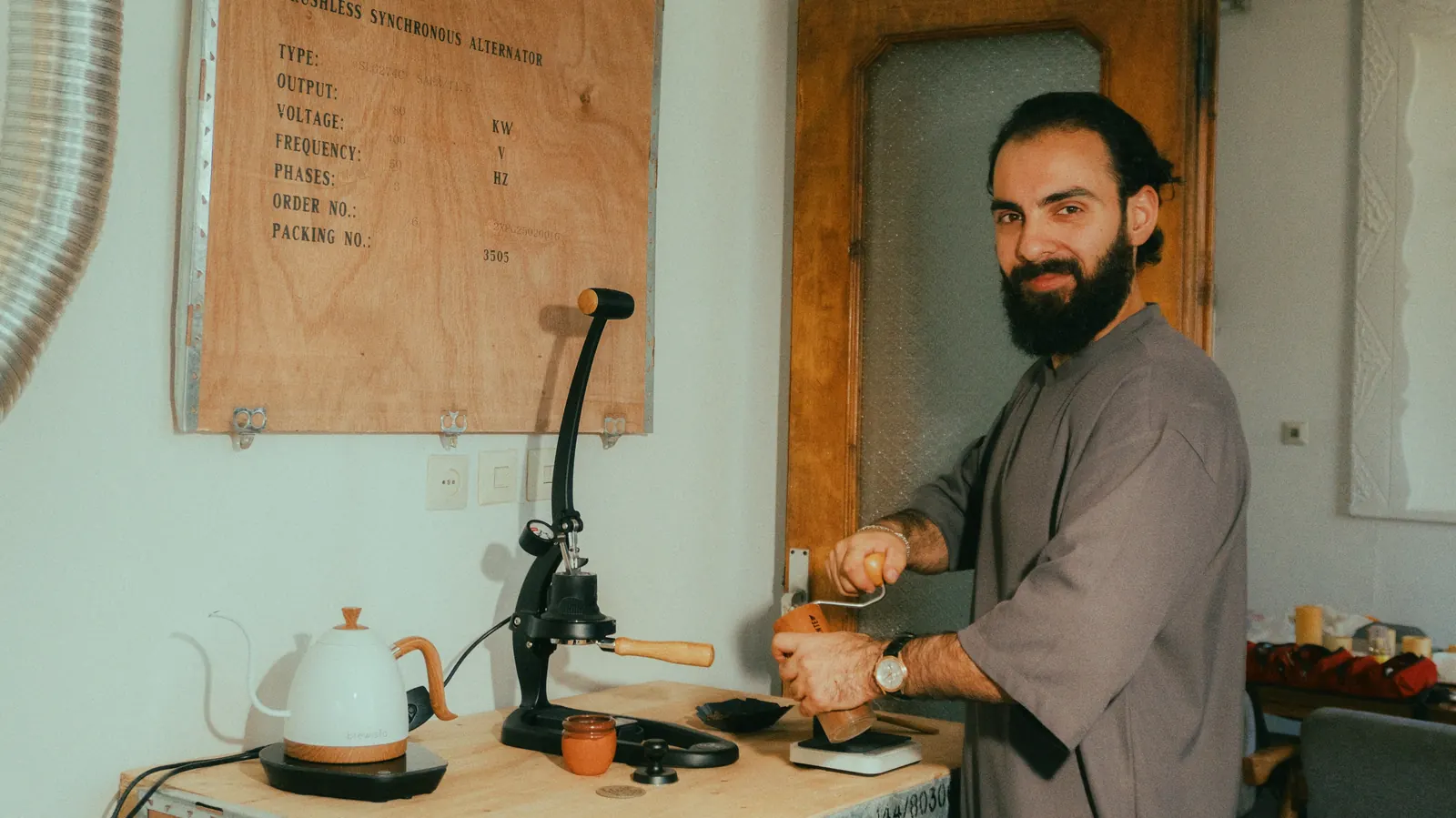
Every kitchen needs hot water on demand: for tea, for pour-over or café de olla, for soaking dried chiles, for a quick start on a pot of pasta. A kettle is the simplest way to get it, and the first choice is whether it plugs into the wall or sits on a burner. The two look alike and do the same job, but they differ in speed, energy use, safety features, what stove they need and how long they tend to last.
This guide compares the two on those points, says where each figure comes from, covers gas and induction cooktops, and names two picks on each side. Speed and efficiency claims come only from named sources; where we rely on general kitchen sense, we say so.
Julia’s earns a commission on purchases made through links on this page, at no cost to you. Recommendations are based on what a restaurant kitchen looks for, product specifications and verified buyer reports.
Quick verdict: plug-in or stovetop kettle?
For most people, an electric kettle is the better buy. It is usually faster, it switches itself off at the boil, and many models let you pick a lower temperature for green tea or coffee. Choose a stovetop kettle if you are short on counter space, want hot water during a power outage or at a campsite, or simply want a tough, simple pot that will last for years. If you cook on induction, a magnetic stainless stovetop kettle closes much of the speed gap.
The table sums up the differences. The sections after it explain each one and name the source behind it.
Electric vs stovetop kettle, side by side
| Electric kettle | Stovetop kettle | |
|---|---|---|
| Speed | About 4½ to 5½ minutes per quart in America’s Test Kitchen’s review | Roughly 8 to 11 minutes for a full kettle in ATK’s stovetop review; depends on the burner |
| Energy | About 80 percent efficient, according to Breville | About 70 percent, according to Breville; gas loses more heat to the air |
| Shut-off | Automatic shut-off at the boil (Breville) | A whistle tells you; the burner stays on until you turn it off |
| Temperature control | Common on mid-range models | None; boil only |
| Stove needed | None; needs an outlet | Gas or electric; induction only with a magnetic base |
| Power outage | Does not work | Works on gas or a camp stove |
| Counter space | Takes a spot and an outlet | Lives on the stove |
| Durability | Electrical parts can fail with water damage | Simple design and tough materials, per Breville |
Speed: how fast each one boils
The best published numbers we found come from America’s Test Kitchen, which reviewed both types separately. In its electric kettle review, ATK reports that the models it timed took 4½ to 5½ minutes to boil a quart of room-temperature water, and that electric kettles took nearly half the time a saucepan on the stovetop needed for the same volume.
ATK’s stovetop kettle review timed each kettle boiling a full load of water and found most took roughly 8 to 11 minutes, with a few slow outliers that were held at low to medium heat. One caution: the stovetop kettles held different amounts of water, and most held more than a quart, so these two sets of figures are not a strict head-to-head test. They do point the same way as Breville’s own guide to the question, which says most electric kettles boil water faster than a stovetop kettle and that stovetop kettles are slow to boil. Breville sells electric kettles, so read that as a maker’s view, but it matches the timings.
Your stove changes the answer. A strong gas burner or a large induction zone can be quick; a small coil element is slow. The Department of Energy cites Consumer Reports findings that induction cooktops can boil water 20 to 40 percent faster than tested gas and traditional electric cooktops, and ENERGY STAR says boiling water on induction takes less than half the time it takes on a gas or conventional electric cooktop. So a stovetop kettle on induction is a much closer race than one on an old coil.
Energy use and efficiency
An electric kettle puts its heating element in or right under the water, so little heat escapes. Breville puts electric kettles at around 80 percent efficiency and stovetop kettles at about 70 percent, and says an electric kettle often uses about 10 percent less energy. Again, that is a maker’s figure, and Breville does not give its method on the page.
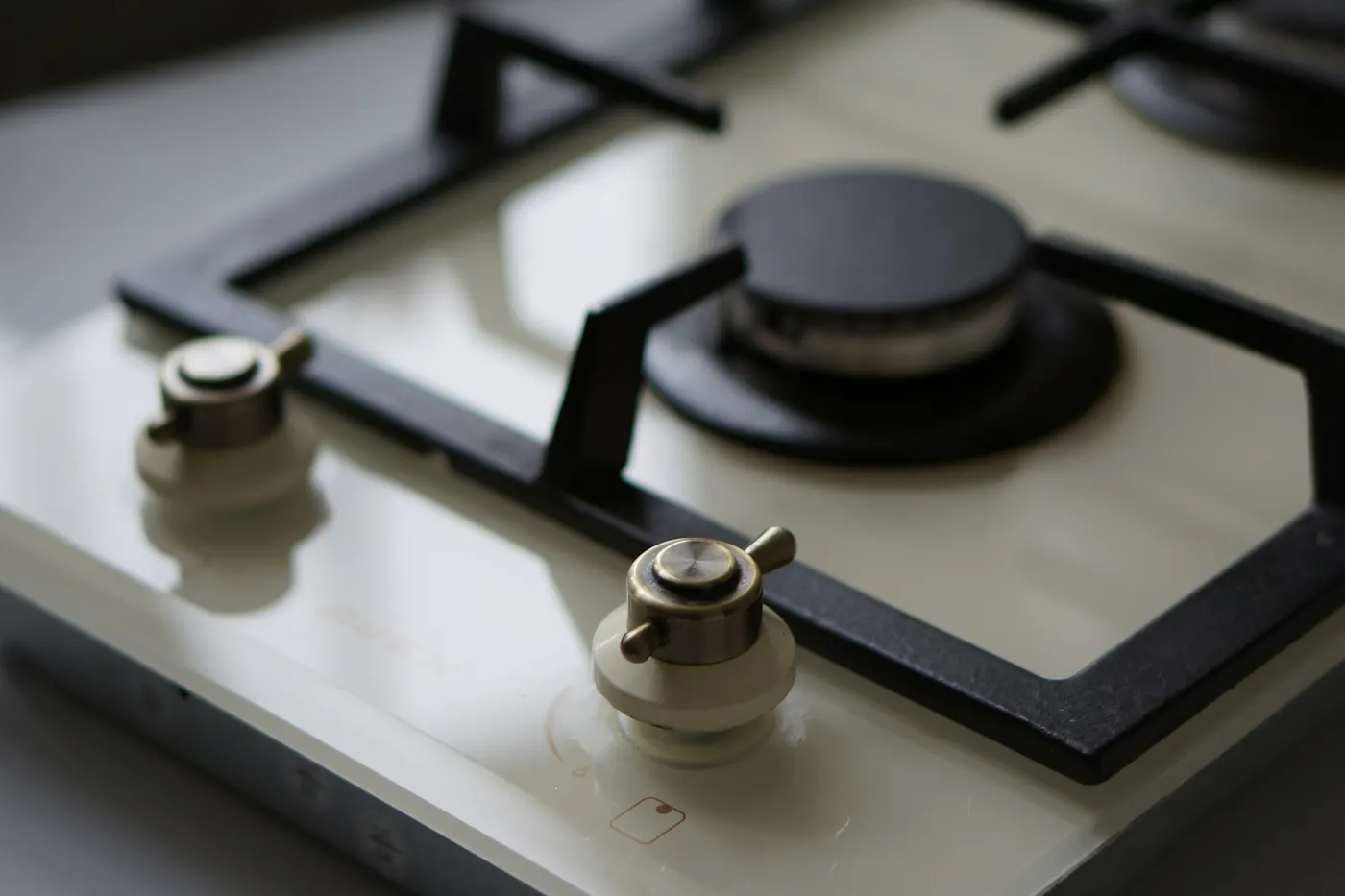
Gas is where most heat gets lost. ENERGY STAR says that with gas cooking only around 33 percent of the heat generated reaches the food, while its certified electric cooking products transfer between 74 and 85 percent, depending on the technology. ENERGY STAR and the Department of Energy both describe induction as up to about three times more efficient than gas and around 5 to 10 percent more efficient than conventional electric stoves.
In practice, the bigger saving is in the habit, not the hardware. General kitchen sense: boil only as much water as you need, since heating a full kettle for one mug wastes energy on either type. Most electric kettles have a window or gauge that makes this easy.
Safety and temperature control
This is the electric kettle’s clearest advantage. Breville notes that an automatic shut-off prevents water from boiling dry and can help prevent household accidents. Check the listing for it: the Chefman pick below says it shuts off when the water is heated or the kettle is not filled enough, while the All-Clad listing does not mention shut-off but describes a double-layer body that is safe to touch.
A stovetop kettle has no switch. A whistle tells you when the water boils, but the burner keeps going until you turn it off. ATK found whistles useful only when they could be heard from the next room. General kitchen sense: a kettle left on a burner can boil dry, so stay in earshot.
Temperature control matters if you brew green tea, white tea or pour-over coffee, which taste better below a full boil. Breville notes that many electric kettles have temperature settings and that stovetop kettles lack them. Both electric picks below offer it. With a stovetop kettle you boil and then wait, or use a thermometer.
Gas, electric and induction stoves
On gas, any stovetop kettle works. General kitchen sense: keep the flame under the base rather than licking up the sides, which heats the handle and wastes gas. ATK found that poorly designed kettles can have handles that get too hot, so a handle that sits high and open over the body is worth having.
On a smooth-top or coil electric range, most stovetop kettles work, though ATK notes that some, such as glass kettles, need a wire trivet on exposed coils. Check the listing; the Mr. Coffee pick below names electric coil, smooth top and gas.
Induction needs a magnetic base. ATK says only kettles made from ferromagnetic metals can be used on induction, and the Department of Energy offers the simple test: any flat-bottomed pot a magnet sticks to will work. Many stainless kettles qualify, but not all, so confirm the listing says induction. The Viking pick below does. If you have an induction cooktop or plan to buy one, our best induction cooktop guide covers that side.
Space, power and durability
Breville points out that an electric kettle takes up counter space in a compact kitchen, while a stovetop kettle keeps its place on the stove. It also notes the obvious: an electric kettle will not work during a power outage. A stovetop kettle on a gas range, or on a camp stove, keeps going. For a household that loses power in storms, that alone is a reason to own one.
On lifespan, Breville says a well-cared-for electric kettle can last for years, but its electrical parts can be vulnerable to water damage, while a stovetop kettle tends to be more durable thanks to its simple design and tough materials. Either type needs descaling in hard-water areas; Breville notes that frequent cleaning may be needed to prevent mineral build-up in a stovetop kettle.
Cost class
We don’t quote prices because they change. As general kitchen sense, both types run from low-cost to premium, and a basic boil-only electric kettle and a simple stainless stovetop kettle cost about the same. Electric kettles climb in price with temperature presets, keep-warm and touchscreens; stovetop kettles climb with heavier multi-ply bases, induction compatibility and designer finishes. Our best electric kettle guide and our best tea kettle guide each cover a range of budgets.
Choose an electric kettle if… / Choose a stovetop kettle if…
Choose an electric kettle if…
- You want the fastest hot water on most stoves.
- You want it to switch off on its own.
- You brew green tea or pour-over and want set temperatures.
- You have a spare outlet and some counter space.
Choose a stovetop kettle if…
- Your counter is full and the stove is free.
- You want hot water during power outages or at camp.
- You cook on induction or a strong gas burner, which narrows the speed gap.
- You want a simple, durable kettle with no electronics, and you like a whistle.
Our picks on each side of the electric vs stovetop kettle question
Two electric kettles, one with a steel body and one with glass, and two stovetop kettles, one premium and induction-ready, one simple and low-cost. All four were in stock as new on Amazon when we checked. Three are models we have not picked on other pages. The Viking is the same 3-ply kettle our tea kettle guide picks in slate blue; we chose this satin-silver listing because it is the induction-ready stovetop pick this comparison needs and a different finish for buyers who want plain steel.
1. All-Clad Electric Kettle, 1.5 Liter – Nine Temperatures, Cool Body

All-Clad is best known for its stainless cookware, and this is its stainless electric kettle. The listing gives a 1.5-liter capacity and 1500 watts, and describes a touchscreen that shows the water temperature and the keep-warm time remaining.
The listing says you can choose from nine temperatures by drink type, which covers green and white tea, pour-over coffee and a full boil for black tea or café de olla. A keep-warm function holds the last temperature you chose for 30 minutes, handy when the second cup comes later. The body is double-layered, and the listing says it is safe to the touch to help prevent burns, a real plus in a kitchen with children around.
The listing does not state boil-dry protection, a warranty or care steps, so we have marked those as not stated. Descale as you would any kettle if your water is hard.
Why we like it
- Nine temperature settings (listing)
- 30-minute keep warm at the chosen temperature (listing)
- Double-layer body that is safe to touch (listing)
- Touchscreen shows temperature and keep-warm time (listing)
Key specifications
| Model | BW883D51 |
|---|---|
| Type | Electric kettle |
| Capacity | 1.5 liters |
| Power or heat source | 1500 watts |
| Induction | Not applicable |
| Temperature control | 9 settings, 30-minute keep warm |
| Shut-off or alert | Not stated; touchscreen display |
| Warranty | Not stated |
Why we recommend it
It suits a tea or coffee drinker who wants exact temperatures and a body that stays cool, from a well-known cookware maker.
Skip it if you only ever boil water; a plain boil-only kettle does that for less.
Pros and cons
Pros
- Fine temperature control
- Cool-touch double wall
- Keep warm at your set temperature
Cons
- Smaller capacity than many kettles
- Boil-dry protection not stated
- Warranty not in the listing
2. Chefman Lightning Electric Kettle, 1.8 Liter – High Power With a Tea Infuser

If speed is why you want an electric kettle, this Chefman runs at 1750 watts, more than the common 1500. The listing says it boils 25 percent faster than Chefman’s lower-wattage kettles and can boil 2 cups of water in as little as 2 minutes. Those are the maker’s figures for its own kettles, not an independent test.
The body is borosilicate glass with a stainless steel infuser that lifts out of the lid, so you can steep a whole pot of loose tea and pour straight from the kettle. The listing describes digital temperature control with a one-touch boil option, a keep-hot mode that holds the temperature for up to an hour, and LED lights that change color for standby, boiling and ready.
The listing says the kettle shuts off when heated or when not filled enough, that it is cETL approved, and that Chefman provides a one-year assurance. The lid lifts off completely, which makes the glass easy to clean.
Why we like it
- 1750-watt element (listing)
- Digital temperature control and one-hour keep hot (listing)
- Removable stainless tea infuser (listing)
- Auto shut-off when heated or under-filled; cETL approved (listing)
Key specifications
| Model | RJ11-18-SCTI-HP |
|---|---|
| Type | Electric kettle, glass |
| Capacity | 1.8 liters |
| Power or heat source | 1750 watts, 120 volts |
| Induction | Not applicable |
| Temperature control | Digital, with one-hour keep hot |
| Shut-off or alert | Auto shut-off; color LED indicators |
| Warranty | 1 year (listing) |
Why we recommend it
It suits a busy household that wants hot water fast, brews loose-leaf tea by the pot and likes to see the water heating.
Skip it if you would rather not have glass on the counter; the All-Clad above has a steel body.
Pros and cons
Pros
- Higher wattage than most kettles
- Built-in infuser for loose tea
- Large 1.8-liter capacity
Cons
- Speed figures are the maker’s own
- Glass body shows scale and needs care
- Short one-year coverage
3. Viking 3-Ply Stainless Tea Kettle, 2.6 Quart – Induction-Ready With a Glass Lid

Viking’s 3-ply kettle is the stovetop choice for a kitchen with induction, or anyone who wants a heavy, even-heating pot. The listing describes a 3-ply stainless base with a thick aluminum core that heats quickly and evenly, and names gas, electric and induction stovetops. The interior is non-reactive stainless steel.
The capacity is 2.6 quarts, or 2.5 liters, enough for a big pot of tea or a batch of café de olla. Its most unusual feature is a tempered glass lid, so you can watch the water come to the boil. The listing describes a whistle that signals the boil, a one-touch spout with a heat-protected silicone cover, and a cast stainless handle with a heat break that is meant to stay cooler and keep your hand away from steam.
The listing gives a limited lifetime warranty. As with any stovetop kettle, take it off the heat once it whistles; it has no shut-off.
Why we like it
- 3-ply base with an aluminum core (listing)
- Works on gas, electric and induction (listing)
- Glass lid lets you see the water (listing)
- Limited lifetime warranty (listing)
Key specifications
| Model | 40018-9339C |
|---|---|
| Type | Stovetop whistling kettle |
| Capacity | 2.6 quarts (2.5 liters) |
| Power or heat source | Gas, electric, induction |
| Induction | Yes (listing) |
| Temperature control | None; boil only |
| Shut-off or alert | Whistle |
| Warranty | Limited lifetime (listing) |
Why we recommend it
It suits an induction or gas kitchen that wants a large, well-built kettle that will last, with no outlet needed.
Skip it if you want a light kettle; a 3-ply base adds weight, and the Mr. Coffee below is simpler and lighter.
Pros and cons
Pros
- Induction-ready
- Even heating from a 3-ply base
- Large capacity and long warranty
Cons
- Premium cost class
- No temperature control
- Weight not stated in the listing
4. Mr. Coffee Carterton Whistling Kettle, 1.5 Quart – Simple Gas and Electric Kettle

The Carterton is a plain, low-cost stainless whistling kettle for a gas or electric range. The listing describes solid stainless steel construction, a 1.5-quart capacity and a mirror-polish finish, and names electric coil, electric smooth-top and gas cooktops. Induction is not listed, so treat it as a gas and electric kettle.
The listing describes a whistle that sounds at the boil, a flip-up spout cover and a stay-cool trigger for pouring, with Bakelite handles and stoppers. Mr. Coffee recommends hand washing. At 1.5 quarts it is sized for one to three people; it is also small and light enough to take camping on a gas camp stove.
The listing does not state a warranty or weight. It is a model we have not picked on our other kettle pages; its sibling, the Mr. Coffee Flintshire, is in our tea kettle guide.
Why we like it
- Solid stainless steel body (listing)
- Gas, coil and smooth-top cooktops (listing)
- Whistle with flip-up spout and stay-cool trigger (listing)
Key specifications
| Model | 91408.02 |
|---|---|
| Type | Stovetop whistling kettle |
| Capacity | 1.5 quarts |
| Power or heat source | Gas, electric coil, smooth top |
| Induction | Not listed |
| Temperature control | None; boil only |
| Shut-off or alert | Whistle |
| Warranty | Not stated |
Why we recommend it
It suits a gas or electric kitchen that wants an inexpensive, no-fuss kettle that frees up counter space and works in a power cut on gas.
Skip it if you cook on induction; the Viking above is the induction-ready choice.
Pros and cons
Pros
- Low cost class
- Compact and light
- Stay-cool pouring trigger
Cons
- Not listed for induction
- Hand wash only
- Small for big households
Kettle questions, answered
Is an electric kettle faster than a stovetop kettle?
Usually. America’s Test Kitchen timed electric kettles at 4½ to 5½ minutes per quart, while most stovetop kettles in its separate review took roughly 8 to 11 minutes for a full kettle. A strong induction burner narrows the gap.
Which uses less energy?
An electric kettle, in most homes. Breville puts electric kettles at about 80 percent efficiency and stovetop kettles at about 70 percent, and ENERGY STAR says only about a third of the heat from gas reaches the food. Induction is the exception, at up to three times the efficiency of gas.
Can I use a stovetop kettle on induction?
Only if its base is magnetic. The Department of Energy’s test is simple: if a magnet sticks to the flat bottom, it will work. Check the listing too.
Is an electric kettle safer?
It has one clear safety edge. Breville notes that an automatic shut-off prevents water from boiling dry; check that the model you buy lists it. A stovetop kettle keeps heating until you turn off the burner.
Which lasts longer?
Breville says stovetop kettles tend to be more durable because of their simple design, while an electric kettle’s parts can be damaged by water. A well-made electric kettle can still last for years with care.
Which kettle belongs in your kitchen
For most kitchens, the electric kettle wins: it is faster on most stoves, switches itself off and offers set temperatures for tea and coffee. Keep a stovetop kettle in mind if counter space is tight, if you lose power in storms, or if you cook on induction, where a magnetic kettle is quick and efficient. Plenty of homes keep both, an electric kettle for daily use and a stovetop one for the camp box and the next outage.
For more choices, see our best electric kettle and best whistling kettle guides, our gooseneck vs regular kettle comparison, and our best Mexican hot chocolate for something to make with all that hot water. When you’d rather someone else did the cooking, see the menu or call to order.