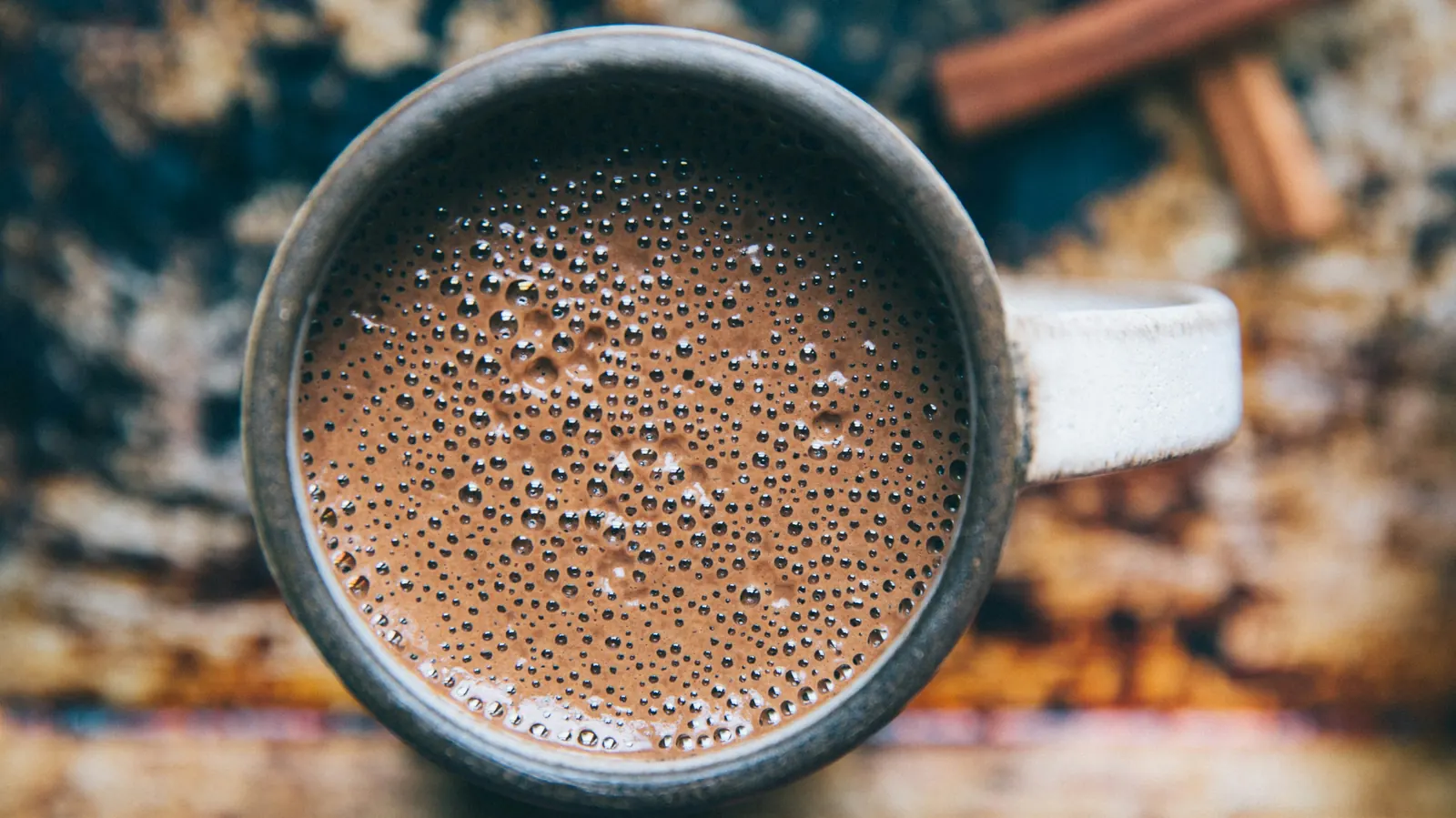
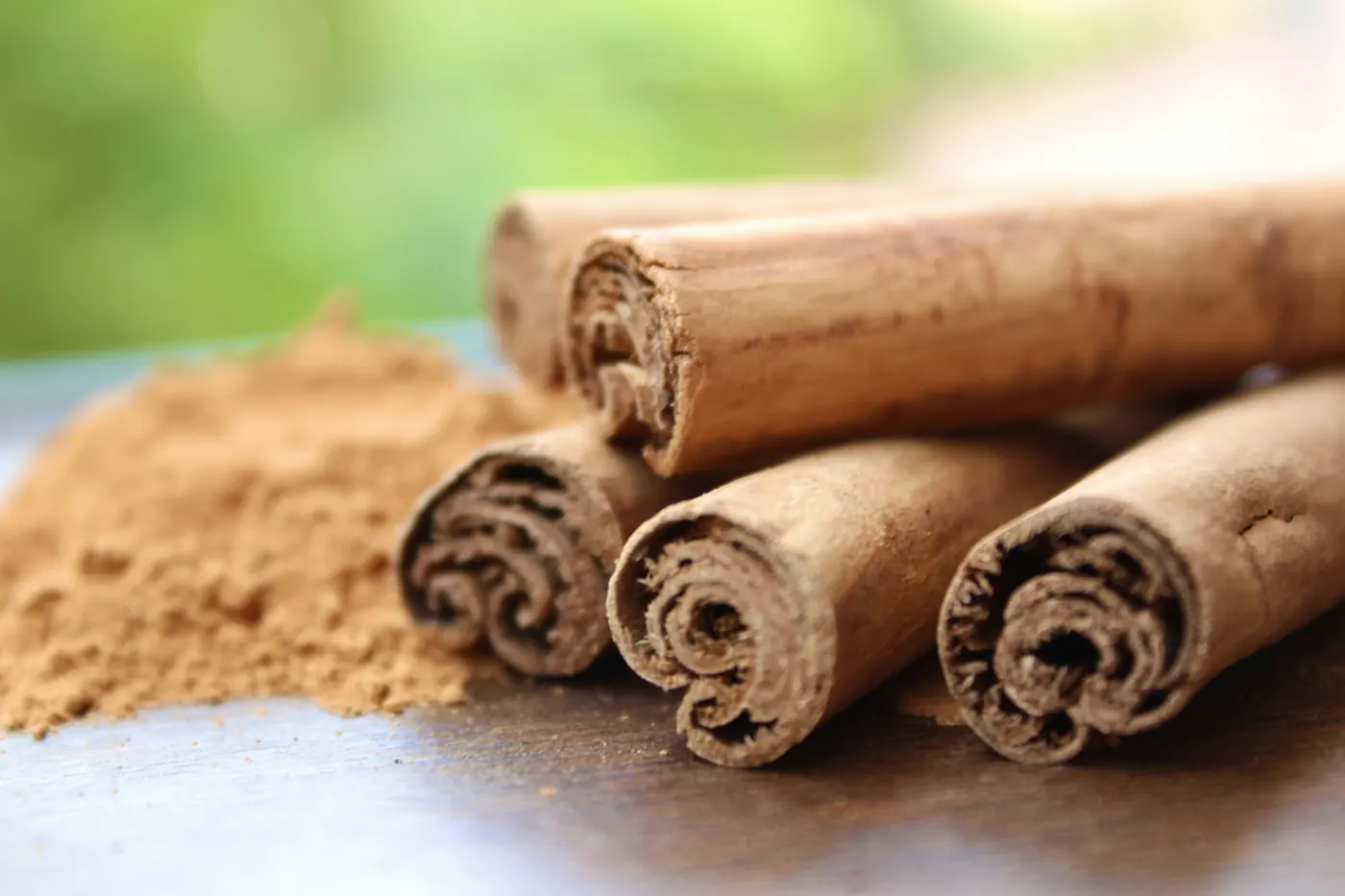
Mexican hot chocolate is not cocoa powder stirred into milk. It starts as chocolate de mesa, table chocolate: cacao ground with sugar and usually cinnamon, sometimes almonds, then pressed into tablets or discs. You melt a piece into hot milk or water and beat it until a layer of foam rises to the top. The sugar is ground in rather than melted, so the texture is slightly grainy, and that is how it is meant to be.
The choice on the shelf is wider than most people expect: the red-and-yellow supermarket boxes, stone-ground discs from small makers, Oaxacan chocolate sold by the kilo, instant powders that dissolve without grating, and mixes for champurrado, the thick chocolate atole served with tamales. This guide explains the difference, names the chocolates worth buying and shows how to make a proper cup.
Julia’s earns a commission on purchases made through links on this page, at no cost to you. Recommendations are based on what a working Mexican kitchen looks for in drinking chocolate, the makers’ own descriptions and ingredient lists, and published sources, which we name.
Quick verdict: which Mexican hot chocolate to buy
For most kitchens, the best Mexican hot chocolate is Ibarra: round tablets of cocoa paste, sugar and cinnamon from Guadalajara, scored into wedges so you can make one cup or a whole pot. If you want the deepest chocolate flavor and a dairy-free, organic option, choose Taza’s stone-ground Mexicano discs. If you want Oaxacan chocolate de mesa, the kind made with almonds, buy Mayordomo. For no grating at all, La Monarca’s powder mix stirs straight into hot milk.
The rest of this page explains why, and which one suits the way you drink it.
Five Mexican hot chocolates at a glance
Our five standout picks side by side, one for each kind of cook, with the form and ingredients each maker or listing states. All eight chocolates are reviewed in full below.
| Chocolate | Best for | Form & size | Main ingredients (per maker) | Buy on Amazon |
|---|---|---|---|---|

Ibarra Mexican Chocolate Tablets, 3 x 19 ozBest overall
|
Everyday cups and big pots | Round tablets, three 19-oz boxes | Cocoa paste, sugar, cinnamon, soy lecithin | View on Amazon |

Taza Mexicano Disc Classic Collection, 6 DiscsBest stone-ground
|
Dark, less sweet, dairy-free | Six 2.7-oz discs, six flavors | Organic stone-ground cacao, flavor varies | View on Amazon |

Mayordomo Semi-Bitter Oaxacan Chocolate, 1 kgBest Oaxacan
|
Oaxacan-style chocolate for a crowd | Rectangular tablets, 1-kg box | Cacao, sugar, almonds, cinnamon (classic recipe) | View on Amazon |

La Monarca Bakery Mexican Hot Chocolate Mix, 2 lbBest powder mix
|
No grating, quick single cups | Powder, 32-oz resealable bag | Organic cacao, sugar, cinnamon | View on Amazon |

La Monarca Bakery Champurrado Mix, 2 x 10 ozBest for champurrado
|
Thick chocolate atole with tamales | Powder, two 10-oz bags | Cacao nibs, sugar, cinnamon and spices | View on Amazon |
Product images from Amazon. Ingredients are as stated by each maker or listing; recipes change, so check the package if you need to avoid an allergen.
Tablets, discs or powder: what you are actually buying
Every chocolate on this list falls into one of three groups, and the group tells you more than the brand.
- Supermarket tablets (Ibarra and Abuelita) are the familiar round tablets in hexagonal boxes. They are sweet, strongly flavored with cinnamon and scored into wedges, so you break off as much as you need. They are made for milk and a whisk.
- Stone-ground and Oaxacan chocolate de mesa (Taza, Mayordomo, Cuna de Piedra and Rey Amargo) is closer to the chocolate sold in the markets of Oaxaca: cacao ground with sugar and spice, often less sweet, sometimes with almonds. Mayordomo’s own description makes the point plainly: the sugar stays undissolved and the texture is gritty, so it is for drinking rather than eating as candy.
- Powders and champurrado mixes (La Monarca) are ground fine so they dissolve in a pot without chopping or melting, which makes them the quickest route to a single cup.
Champurrado is its own drink. It is a chocolate atole, thickened traditionally with masa or masa harina and drunk warm in the morning or late afternoon, especially around Día de Muertos and the Christmas posadas. A champurrado mix is the right buy if that is the drink you want; plain hot chocolate tablets will not thicken on their own.
Our picks for the best Mexican hot chocolate
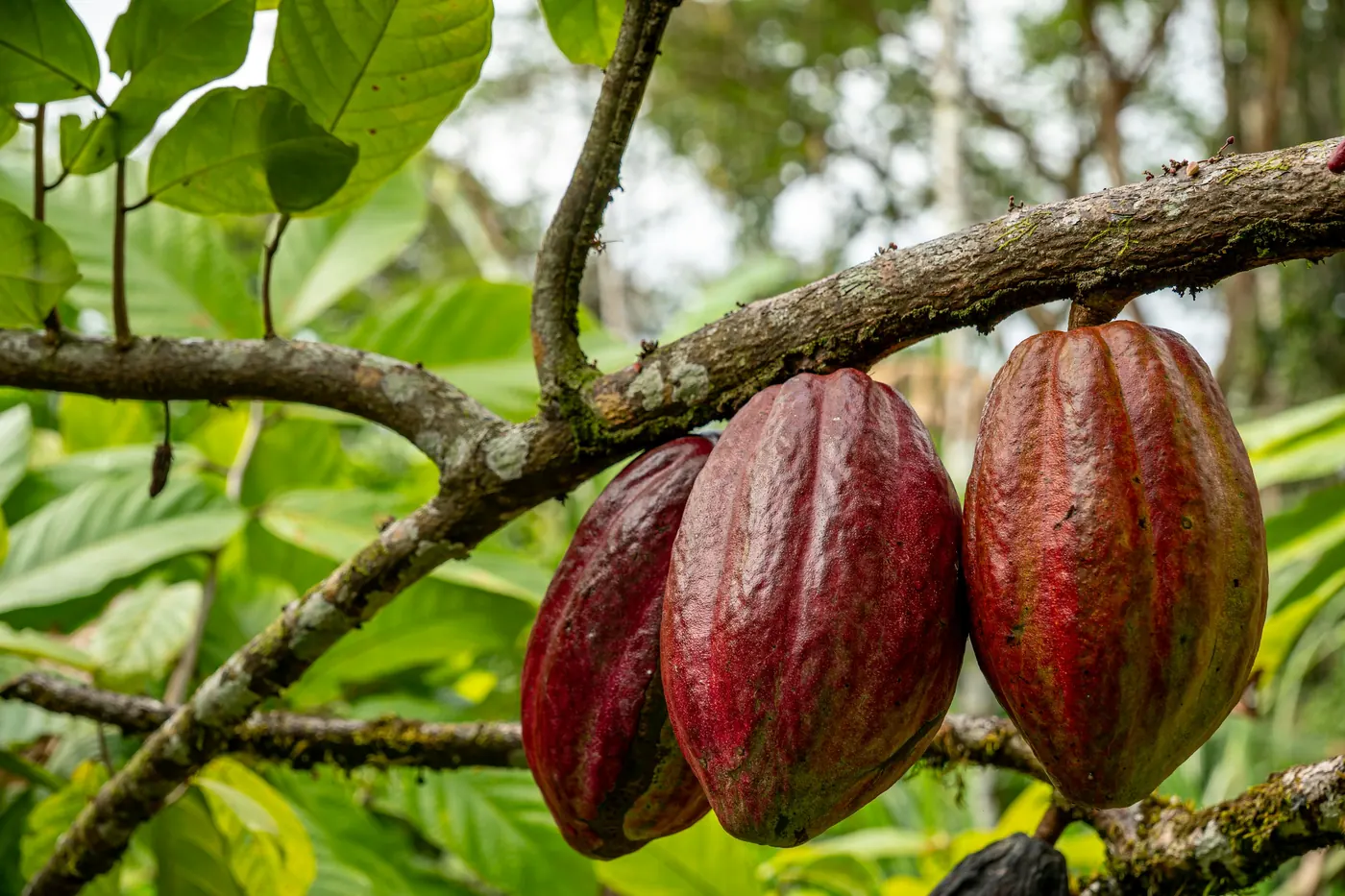
These eight chocolates cover the ways most home cooks make Mexican hot chocolate: classic cinnamon tablets, darker stone-ground discs, Oaxacan chocolate with almonds, and powders that skip the grating. Each pick below explains who it suits, what the maker says is in it, and one honest reason to skip it.
1. Ibarra Mexican Chocolate Tablets, 3 x 19 oz – Real Cocoa Paste, Easy Wedges
Ibarra is the tablet many Mexican families keep in the cupboard, made in Guadalajara, Jalisco, by Chocolatera de Jalisco. Each round tablet is molded into eight wedges with the brand name pressed into the surface, so making one cup or a pot for the whole table is a matter of snapping off the right number of pieces.
What sets it apart from other supermarket tablets is the ingredient list: cocoa paste, sugar, cinnamon and soy lecithin, with no added vegetable fat in the standard recipe. The suggested amount on the box is about two wedges per cup of milk or water. Heat the liquid until it is nearly boiling, add the wedges, and beat with a molinillo or whisk until the chocolate has dissolved and a foam forms, or use a blender if you have no molinillo.
This pack holds three 19-ounce boxes, enough for a season of Sunday breakfasts or a large pot for a posada. The flavor is sweet and cinnamon-forward, the style most people picture when they think of Mexican hot chocolate, and the same tablets work in baking and in a pot of mole.
Why we like it
- Made from cocoa paste, sugar and cinnamon, with no added vegetable fat
- Scored into eight wedges for easy portioning
- Three 19-ounce boxes in one pack
- Works with milk or water
- Made in Guadalajara, Mexico
Key specifications
| Size | 19 oz per box |
|---|---|
| Count | 3 boxes |
| Main ingredients | Cocoa paste, sugar, cinnamon, soy lecithin |
| Sweetener | Sugar |
| Allergens/diet | Contains soy (lecithin) |
| Prep | About 2 wedges per cup of hot milk or water; whisk or blend |
| Shelf storage | Not stated in the listing |
| Made in | Guadalajara, Mexico |
Why we recommend it
It is the most practical everyday Mexican chocolate: widely known, simple ingredients, and wedges that make the amount easy to judge whether you are serving one person or ten. If you want the classic sweet, cinnamon cup, start here.
Skip it if you prefer dark, less sweet chocolate, or you only drink it a few times a year. Three large boxes is a lot of chocolate for an occasional cup, and the listing itself gives little detail beyond the size.
Pros and cons
Pros
- Short ingredient list
- Easy to portion by the wedge
- Classic sweet, cinnamon flavor
- Good for baking and mole too
Cons
- Sweet for dark-chocolate fans
- Three-box pack is a big quantity
- Sparse Amazon listing
2. Abuelita Mexican Hot Chocolate Tablets, 6 Count – The Familiar Sweet Cup

Abuelita is the other famous hexagonal box. It was created in Mexico in 1939 by Fábrica de Chocolates La Azteca and has been owned by Nestlé since the 1990s. For many people who grew up with it, this is what Mexican hot chocolate tastes like: sweet, smooth and strongly spiced.
The recipe is different from Ibarra’s. The ingredients are sugar, chocolate processed with alkali, soy lecithin, vegetable oils (palm, shea nut and/or illipe nut), artificial cinnamon flavor and PGPR, an emulsifier. Those oils and emulsifiers help it melt quickly and evenly into milk, which is part of why it is so easy to make, but it means less cacao than the stone-ground picks below.
Preparation is the same as for any tablet: heat milk, add a tablet and whisk until it is dissolved and frothy. Retailers list the box directions as one tablet to four cups of milk, which makes a box of six go a long way. Nestlé’s listing says to store unused tablets in a tightly sealed container in a cool, dry place.
Why we like it
- Melts quickly and evenly into hot milk
- One tablet makes about four cups, per the box directions
- A familiar flavor for a crowd
- Easy to find and restock
Key specifications
| Size | Not stated in this listing |
|---|---|
| Count | 6 tablets |
| Main ingredients | Sugar, chocolate processed with alkali, vegetable oils, soy lecithin, artificial cinnamon flavor |
| Sweetener | Sugar |
| Allergens/diet | Contains soy |
| Prep | Heat with milk and whisk until boiling |
| Shelf storage | Tightly sealed container, cool and dry place |
| Made in | Not stated |
Why we recommend it
Choose Abuelita when the people you are serving know and love it, for a pot at a holiday party or a cup for children on a cold morning. It is forgiving, sweet and quick to melt.
Skip it if you want chocolate made from cacao, sugar and spice alone: the vegetable oils and artificial flavor put it closer to a chocolate drink than to chocolate de mesa.
Pros and cons
Pros
- Melts fast and smooth
- Goes a long way per tablet
- Crowd-pleasing sweetness
Cons
- Contains vegetable oils
- Artificial cinnamon flavor
- Box weight not given in this listing
3. Taza Mexicano Disc Classic Collection, 6 Discs – Stone-Ground and Dairy-Free
Taza makes its chocolate in Somerville, Massachusetts, but the method comes from Mexico: the cacao is ground on granite millstones that Taza hand-carves, in the style of traditional Mexican stone mills. The result is what the company calls “perfectly unrefined” chocolate: rustic, slightly grainy and, in Taza’s words, dark, a different style from the sweet supermarket tablets.
This sampler holds six 2.7-ounce discs in six flavors: Cinnamon, Vanilla, Guajillo Chili, Salted Almond, Cacao Puro and Coffee. That makes it a good way to find out whether you prefer the classic cinnamon cup or something with a little chile heat before you buy a full box of one flavor. Taza lists the discs as certified organic, Non-GMO Project Verified, kosher, gluten-free, dairy-free, soy-free and vegan.
Taza’s own recipe uses one disc for two cups of milk, plant milk or water. Shred the disc, heat the liquid to just below a simmer, take it off the heat, add a pinch of salt and stir in the chocolate until it dissolves, then rewarm it gently and froth it with a whisk or molinillo.
Why we like it
- Stone-ground on traditional-style granite mills
- Six flavors in one box, including Guajillo Chili
- Organic, dairy-free, soy-free and vegan, per Taza
- One disc makes two cups, per Taza’s recipe
- Direct Trade cacao sourcing, per Taza
Key specifications
| Size | 2.7 oz per disc |
|---|---|
| Count | 6 discs, 6 flavors |
| Main ingredients | Organic stone-ground cacao and sugar; flavorings vary by disc |
| Sweetener | Not stated in the listing |
| Allergens/diet | Organic, gluten-, dairy- and soy-free, vegan; Salted Almond disc contains almonds |
| Prep | 1 disc per 2 cups hot milk, plant milk or water; whisk or molinillo |
| Shelf storage | Not stated in the listing |
| Made in | Somerville, Massachusetts, USA |
Why we recommend it
Choose Taza if you like dark chocolate, cook for someone who avoids dairy or soy, or want to taste how different Mexican-style chocolate can be from one disc to the next. Taza sells these as dark chocolate discs, so expect a darker cup than either supermarket tablet.
Skip it if you want chocolate made in Mexico, or the smooth, sweet cup you grew up with: stone-ground discs keep their grain, and some people will want to add sugar.
Pros and cons
Pros
- Dark, stone-ground style
- Six flavors to compare
- Dairy-free and vegan
- Clear recipe from the maker
Cons
- Grainy texture by design
- Made in the USA, not Mexico
- A sampler, not a full box of one flavor
4. Mayordomo Semi-Bitter Oaxacan Chocolate, 1 kg – Chocolate de Mesa from Oaxaca
Oaxaca is famous for its drinking chocolate, and Mayordomo is the name most visitors bring home. Chocolate Mayordomo de Oaxaca was founded in 1956 by a family from Tlacolula and is based in the city of Oaxaca, where it also makes mole. Its classic chocolate has four ingredients: sugar, roasted cacao beans, almonds and cinnamon, ground together into a paste and pressed into bars.
This box holds a full kilogram of rectangular tablets of the semi-bitter (semi amargo) version, which is less sweet than the classic, and the listing describes the smell as characteristic of Oaxaca. Like all chocolate de mesa, it is not meant for snacking: the sugar stays undissolved, so the texture is gritty until it melts into liquid.
The listing says it can be made with milk or water, and both are traditional in Oaxaca, where chocolate made with water is beaten until it is topped with a thick layer of foam. Dissolve the pieces in hot liquid on the stove, then work it with a molinillo or whisk. A kilo is a lot of chocolate, which suits a family that drinks it often, a holiday party or anyone who also uses chocolate in mole.
Why we like it
- From an Oaxacan chocolate maker founded in 1956
- Classic recipe of cacao, sugar, almonds and cinnamon
- Semi-bitter, so less sweet than supermarket tablets
- A full kilogram for big pots and mole
- Works with milk or water
Key specifications
| Size | 1 kg (about 2.2 lb) |
|---|---|
| Count | 1 box of rectangular tablets |
| Main ingredients | Cacao, sugar, almonds, cinnamon (classic recipe; semi-bitter blend not itemized in the listing) |
| Sweetener | Sugar |
| Allergens/diet | Classic recipe contains almonds; check the box |
| Prep | Dissolve in hot milk or water; beat with a molinillo or whisk |
| Shelf storage | Not stated in the listing |
| Made in | Oaxaca, Mexico |
Why we recommend it
If you want to taste the style of chocolate that Oaxaca is known for, with almond and cinnamon ground into the cacao, this is the most widely known maker and a sensible size for a household that drinks it every week in winter.
Skip it if you only want a few cups: a kilogram is a big commitment, and the Amazon listing gives few details, so check the box for the full ingredient list if you avoid nuts.
Pros and cons
Pros
- Genuine Oaxacan maker
- Less sweet than the classic tablets
- Large size for families and parties
- Doubles as chocolate for mole
Cons
- Contains almonds (classic recipe)
- Gritty unless fully dissolved
- Thin Amazon listing
5. Cuna de Piedra Chinantla 60% Chocolate de Mesa – Single-Origin Oaxacan Cacao

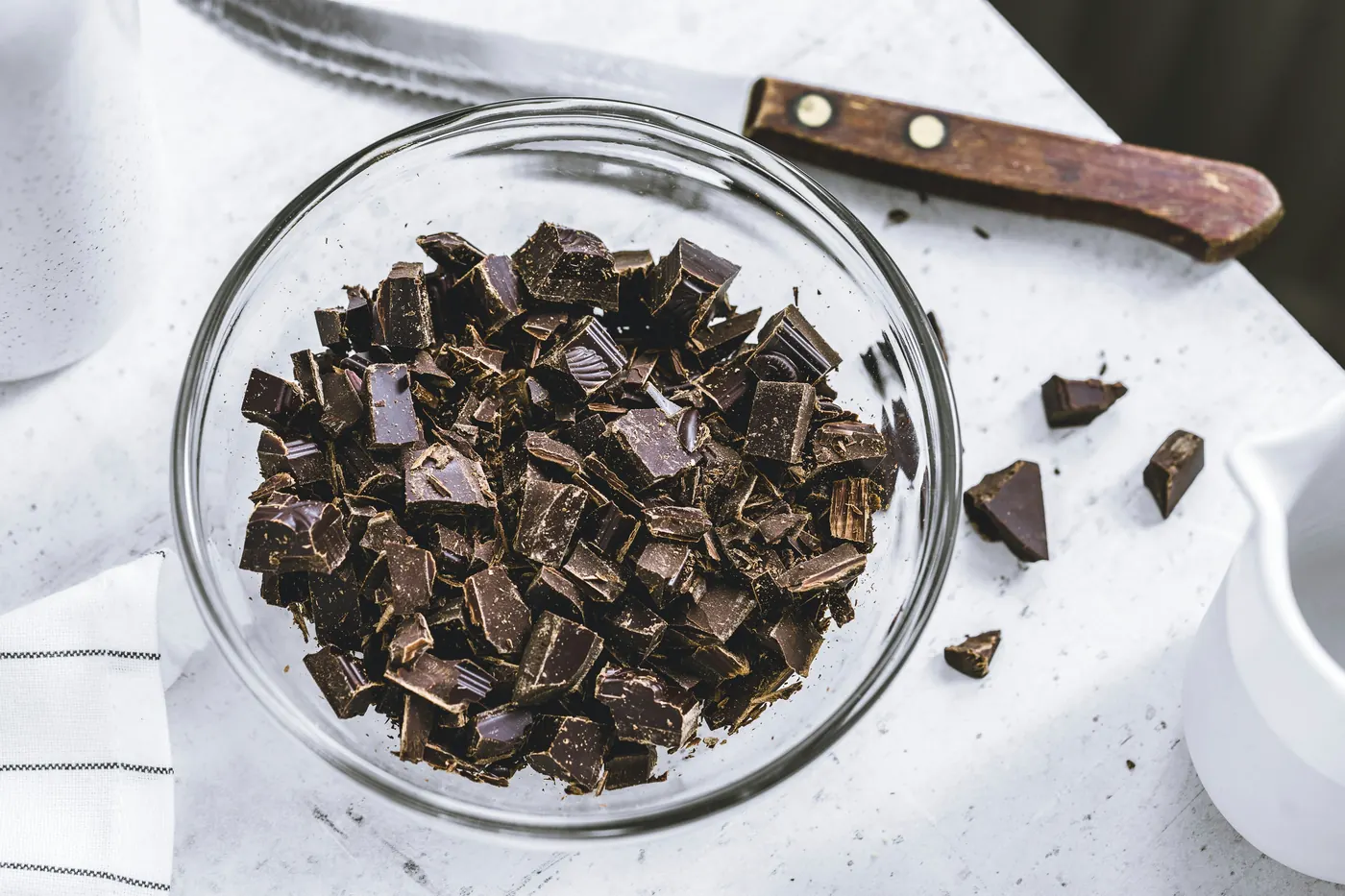
Cuna de Piedra is a craft chocolate maker in Mexico that specializes in single-origin chocolate, and this is its take on the traditional Oaxacan table chocolate. The cacao comes from La Chinantla in northeastern Oaxaca, and the maker describes it as washed, unfermented cacao, finished with a touch of Mexican cinnamon at 60 percent cacao.
The listing’s tasting notes are toasted almonds, nutmeg and cinnamon, and US specialty grocers that stock it describe a delicate body and light mouthfeel, inspired by Oaxacan table chocolate made from cocoa, cane sugar and cinnamon. It is a different experience from the sweet supermarket tablets: more like comparing coffee from one farm with a blend.
The pack is sold as three 60-gram units, each a pair of discs. Melt them into hot milk or water and froth as you would any chocolate de mesa. The listing does not give a serving size, so start small and add more chocolate to taste.
Why we like it
- Single-origin cacao from La Chinantla, Oaxaca
- 60 percent cacao with Mexican cinnamon
- Made in Mexico by a craft chocolate maker
- Tasting notes of toasted almond, nutmeg and cinnamon, per the listing
Key specifications
| Size | 60 g per pack |
|---|---|
| Count | 3 packs of 2 discs |
| Main ingredients | Cacao (60%), cane sugar, Mexican cinnamon |
| Sweetener | Cane sugar |
| Allergens/diet | Not stated in the listing |
| Prep | Not stated; melt into hot milk or water and froth |
| Shelf storage | Not stated in the listing |
| Made in | Mexico |
Why we recommend it
Choose it if you already enjoy craft chocolate or specialty coffee and want to taste what one Oaxacan region’s cacao brings to a cup. It is also a thoughtful gift for a cook who has tried the familiar brands.
Skip it if you want a big, sweet pot for a party: the packs are small, and the 60 percent cacao recipe is far less sweet than Ibarra or Abuelita.
Pros and cons
Pros
- Traceable single-origin cacao
- Made in Mexico
- Short, traditional recipe
Cons
- Small quantity
- No serving size or allergen details listed
- Less sweet than most expect
6. Rey Amargo Mexican Traditional Hot Chocolate, 11.64 oz – Just Cacao, Sugar and Cinnamon

Rey Amargo, “the bitter king”, is a family chocolate maker whose recipe dates to 1939, and its listing makes a simple promise: just cacao, sugar and cinnamon. The chocolate is stone-ground from whole Mexican cacao, 32 percent by the listing’s figure, with no extra oils added.
That short list is also its strongest selling point for anyone cooking around allergies. The listing states no gluten, soy, milk, nuts or almonds, no preservatives and no artificial flavors or colors, and it is certified vegan and kosher. Of the stone-ground picks here, it is the one without almonds, which matters because almonds are common in Oaxacan-style chocolate.
Rey Amargo suggests it hot or cold, and also for mole, where a little Mexican chocolate rounds out the chiles. For a hot cup, melt it into hot milk or a plant milk, then froth it. The listing does not give a ratio, so start with a few pieces per cup and adjust to taste.
Why we like it
- Three ingredients: cacao, sugar and cinnamon
- Stone-ground from whole Mexican cacao
- No gluten, soy, milk or nuts, per the listing
- Certified vegan and kosher
- Recipe unchanged since 1939, per Rey Amargo
Key specifications
| Size | 11.64 oz bag |
|---|---|
| Count | 1 bag |
| Main ingredients | Mexican cacao (32%), sugar, cinnamon |
| Sweetener | Sugar |
| Allergens/diet | No gluten, soy, milk or nuts; vegan, kosher (per listing) |
| Prep | Not stated; hot or cold; also for mole |
| Shelf storage | Not stated in the listing |
| Made in | Mexico |
Why we recommend it
Choose it when you need Mexican chocolate for someone who avoids nuts, dairy or soy, or you simply want nothing in the cup but cacao, sugar and spice. At 32 percent cacao it sits between the sweet tablets and the dark craft discs.
Skip it if you want precise directions on the package or the almond flavor of Oaxacan chocolate; the listing gives neither a serving size nor a per-cup ratio.
Pros and cons
Pros
- Shortest ingredient list here
- Free of the common allergens, per the listing
- Works hot, cold and in mole
Cons
- No serving ratio in the listing
- Single bag only
- No almond notes, if you want the Oaxacan style
7. La Monarca Bakery Mexican Hot Chocolate Mix, 2 lb – No Grating Needed
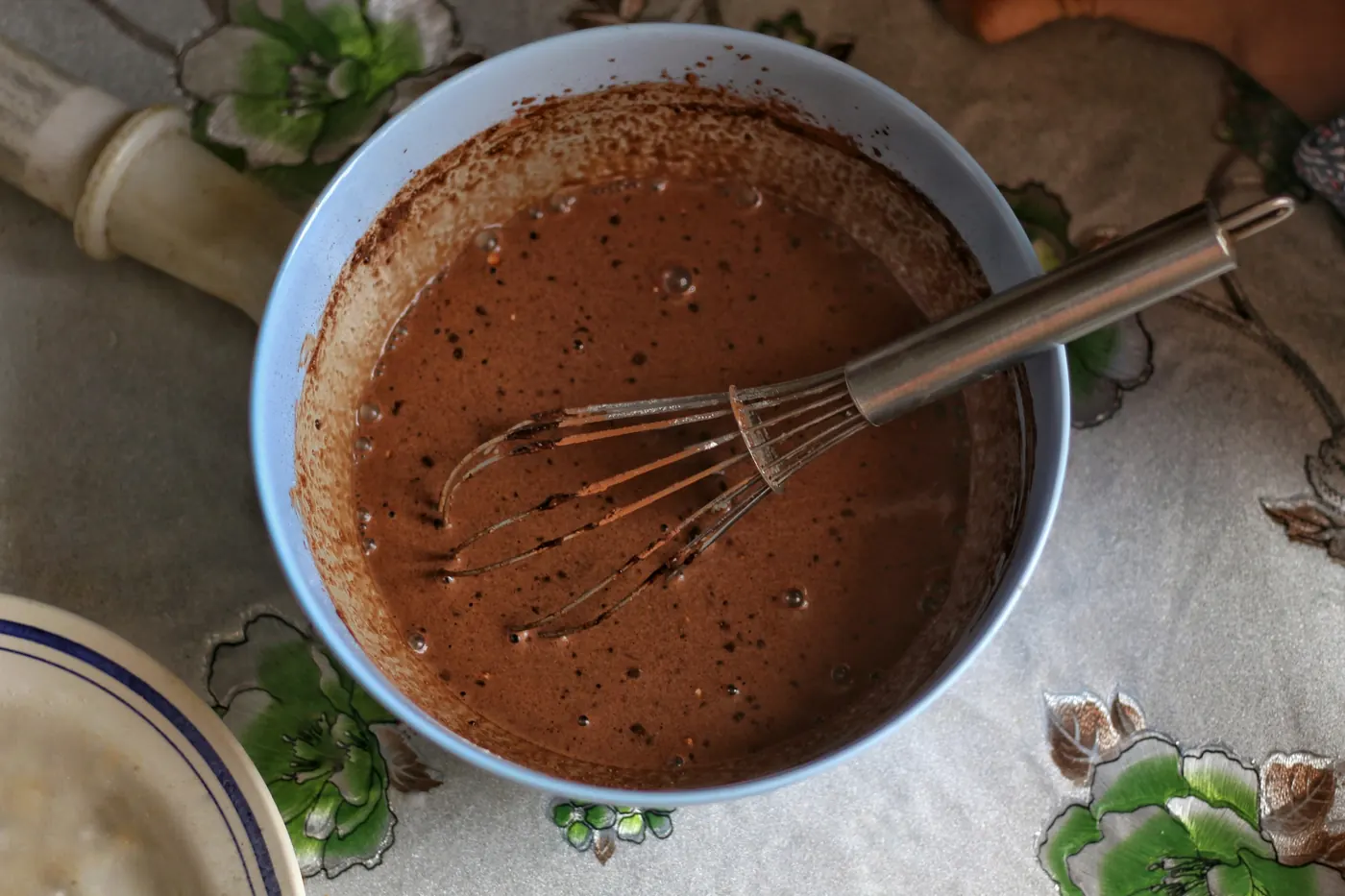
La Monarca is a Los Angeles panadería, and this mix is the hot chocolate it serves in its cafés, packed in a resealable two-pound bag. Because it is a powder, there is nothing to chop or melt: it dissolves into hot milk or water, which makes it the fastest way on this list to a single cup on a weekday morning.
La Monarca says the mix is made with organic, fair trade cacao beans and real cinnamon, and a retailer’s ingredient list adds cocoa processed with alkali, tapioca flour and salt alongside sugar and cacao nibs. The tapioca gives the drink some body, closer to the thick texture of traditional chocolate de mesa than an ordinary cocoa mix. The bag is sized for 32 servings, and retail directions call for about two tablespoons per six ounces of milk, whisked well.
It is also versatile. La Monarca suggests it for champurrado, café de olla, mochas, chocolate atole and baking, so one bag can cover holiday drinks and desserts.
Why we like it
- Dissolves without chopping or melting
- Organic, fair trade cacao and real cinnamon, per La Monarca
- About 32 servings in a resealable 2-lb bag
- Works with milk or water, hot or cold
- Also suggested for champurrado, mochas and baking
Key specifications
| Size | 32 oz (2 lb) |
|---|---|
| Count | 1 bag, about 32 servings |
| Main ingredients | Sugar, organic cacao nibs, cocoa processed with alkali, tapioca flour, cinnamon, salt |
| Sweetener | Sugar |
| Allergens/diet | Not stated in the listing |
| Prep | About 2 tablespoons per 6 oz milk; whisk until frothy |
| Shelf storage | Resealable bag |
| Made in | Not stated (La Monarca is a Los Angeles bakery) |
Why we recommend it
Choose it if you want Mexican-style hot chocolate without the ritual of breaking and melting tablets, or you make one cup at a time. It is also the easiest pick to keep at the office or hand to someone new to Mexican chocolate.
Skip it if you want the tradition of tablets and a molinillo, or a dark, less sweet cup: sugar is the first ingredient listed.
Pros and cons
Pros
- Quickest to prepare
- Large, resealable bag
- Organic, fair trade cacao
- Many uses beyond hot chocolate
Cons
- Sugar is the main ingredient
- Allergen statement not in the listing
- Not chocolate de mesa
8. La Monarca Bakery Champurrado Mix, 2 x 10 oz – Thick Chocolate Atole at Home
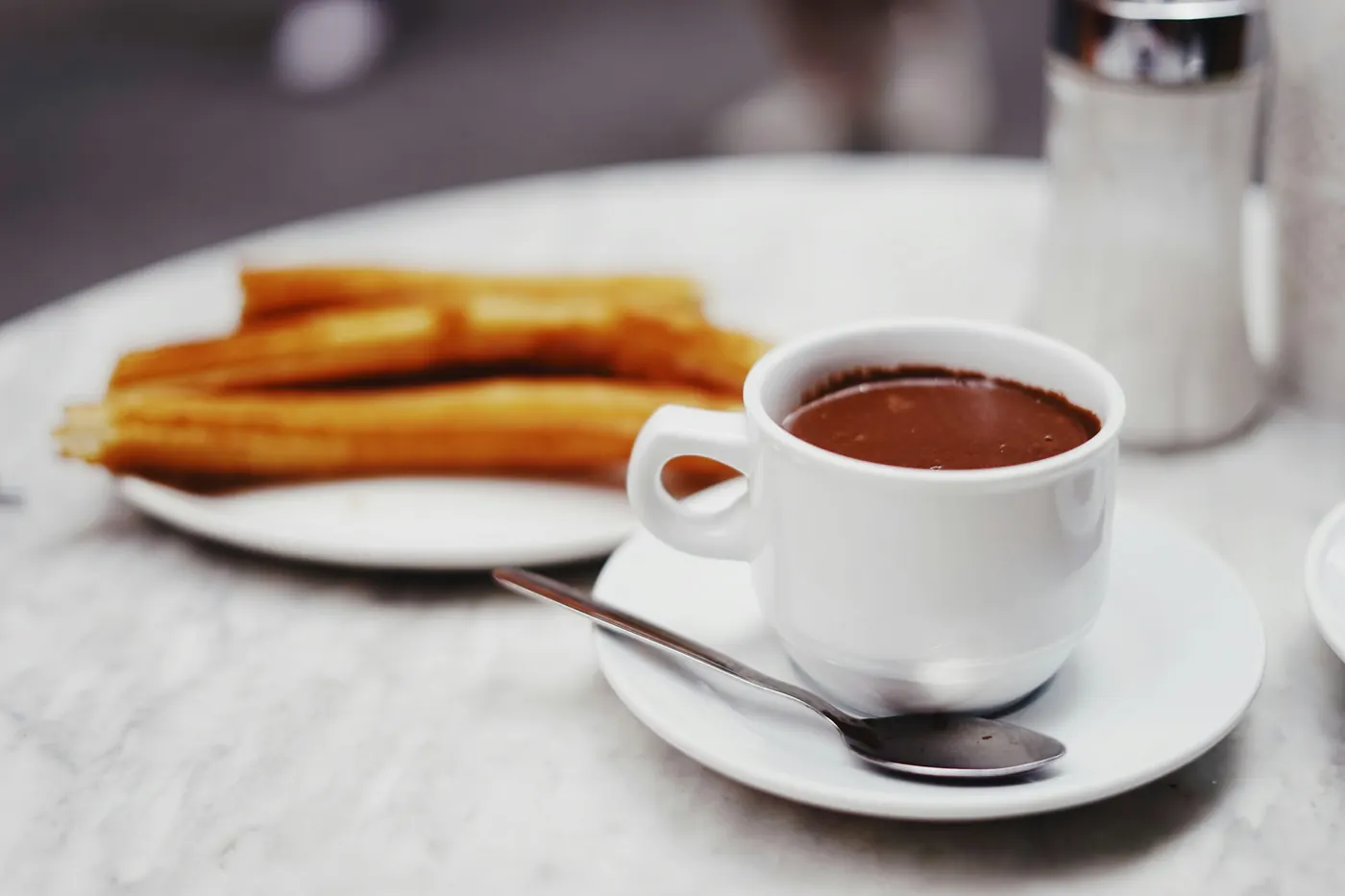
Champurrado is the drink to make when hot chocolate is not quite enough: a chocolate atole, thick enough to coat a spoon, served with tamales at the posadas or with churros on a cold morning. Making it from scratch means cooking masa or masa harina with chocolate, piloncillo and spice until it thickens. This mix shortcuts that.
La Monarca says it grinds organic cacao nibs in-house with its blend of spices and sugar, and the listing describes the result as a thick, creamy chocolate atole that you whisk into hot milk. The recipes follow traditional Mexican methods, according to the bakery, with no preservatives, artificial colors or flavors. There are two 10-ounce bags in the pack.
One honest gap: the Amazon listing does not name the thickener. Traditional champurrado is thickened with corn, so if you need to avoid corn, or you want to know exactly what is in it, read the ingredient panel on the bag before you cook. Keep whisking as it heats, as with any atole, so it thickens smoothly without lumps or sticking.
Why we like it
- Made for champurrado, not plain hot chocolate
- Cacao nibs ground in-house with cinnamon and spices
- No preservatives, artificial colors or flavors, per La Monarca
- Two 10-ounce bags
Key specifications
| Size | 10 oz per bag |
|---|---|
| Count | 2 bags |
| Main ingredients | Organic cacao nibs, sugar, cinnamon and spices (thickener not stated in the listing) |
| Sweetener | Sugar |
| Allergens/diet | Not stated in the listing |
| Prep | Whisk into hot milk until thick |
| Shelf storage | Not stated in the listing |
| Made in | Not stated (La Monarca is a Los Angeles bakery) |
Why we recommend it
Choose it for Christmas Eve tamales, Día de Muertos or any cold morning when you want the thick, filling drink rather than a thin cup of chocolate. It saves the step of cooking masa with chocolate from scratch.
Skip it if you already keep masa harina and a box of tablets at home: champurrado from scratch takes only a little longer and lets you control the sweetness and thickness.
Pros and cons
Pros
- Champurrado without cooking masa
- Simple, additive-free recipe, per La Monarca
- Two bags for the season
Cons
- Thickener not named in the listing
- No allergen statement in the listing
- One-purpose product
How to choose Mexican chocolate for drinking
Five things decide which of these suits you. The brand on the box matters less than these.
1. Sweetness and cacao content
Supermarket tablets such as Ibarra and Abuelita are sweet first and chocolatey second. Stone-ground and Oaxacan chocolates are usually less sweet: Cuna de Piedra is 60 percent cacao and Taza’s discs are made for people who like dark chocolate. If you are not sure, buy one of each style and add sugar to the darker one to taste; you cannot take sweetness out of a sweet tablet.
2. What is in it
Traditional chocolate de mesa is cacao, sugar and spice, sometimes with almonds. Read the label: some tablets add vegetable oils, flavorings and emulsifiers, which make them melt faster but dilute the chocolate. If you cook for someone with a nut allergy, note that Oaxacan chocolates such as Mayordomo often contain almonds, while Rey Amargo states that it contains none.
3. Tablet, disc or powder
Tablets and discs need breaking up and a few minutes over the heat, and they reward a molinillo. Powders dissolve straight away and suit single cups. For a large pot at a party, tablets are easier to measure; for a weekday mug, a powder is quicker.
4. Milk or water
Most people in the United States make Mexican hot chocolate with milk, but water is traditional in parts of Mexico, especially Oaxaca, where it lets the cacao taste come through and is beaten to a thick foam. Every chocolate here works with milk; Ibarra, Mayordomo and Taza say water works too. Plant milks work with the dairy-free picks.
5. Hot chocolate or champurrado
If you want the thick, spoon-coating drink served with tamales, buy a champurrado mix or plan to cook masa with your chocolate. Plain tablets, discs and powders make a pourable cup.
How we picked these eight chocolates
We started from what a Mexican kitchen wants from drinking chocolate: real cacao, the right balance of sugar and spice, and a form that melts well into milk or water. We then looked only at chocolates sold on Amazon in the United States and in stock when we checked, and took ingredients and directions from each maker’s own listing or published recipes. Where a listing was thin, we used the makers’ own descriptions as summarized in reference sources, such as Wikipedia’s entries for Ibarra and Mayordomo, and Taza’s published hot chocolate recipe; where we could not confirm a detail, the review says “Not stated”. We chose eight to cover every style, from supermarket tablets to single-origin craft chocolate, powder and champurrado, and left out listings from sellers with no identifiable maker, products marked as low in stock, and near-duplicates such as several flavors from the same maker. We have not tasted every chocolate listed here; where we describe flavor, we say whose description it is.
How to make Mexican hot chocolate with a molinillo
A molinillo is a carved wooden whisk with loose rings around its head. You hold the handle between your palms and rub them back and forth, so the head spins in the pot and beats air into the chocolate. Our guide to Mexican cooking tools covers it alongside the comal and the molcajete. A wire whisk or a blender does the same job if you do not have one.
- Break up the chocolate. Snap tablets into wedges, or chop discs into small pieces so they melt evenly. Use the maker’s amount: about two Ibarra wedges or half a Taza disc per cup.
- Heat the milk or water in a deep saucepan until it is steaming and just below a simmer. A tall pot gives the foam room to rise.
- Add the chocolate and stir until it has melted completely. Stone-ground chocolate takes a little longer; keep the heat gentle so the milk does not scorch.
- Beat it. Spin the molinillo between your palms, or whisk hard, until a thick layer of foam covers the top. Many cooks take the pot off the heat, beat, and return it to warm two or three times.
- Serve at once, spooning foam onto each cup. A pinch of salt, as Taza recommends, sharpens the chocolate; a cinnamon stick in the pot adds more spice.
The foam is the point. In Mexico it is the sign of a well-made cup, and it is the reason the molinillo has lasted for centuries.
Mexican hot chocolate questions, answered
What is the best authentic Mexican hot chocolate?
Authentic Mexican hot chocolate starts with chocolate de mesa made from cacao, sugar and spice. Ibarra, made in Guadalajara with cocoa paste, sugar and cinnamon, is the most practical everyday choice. For the Oaxacan style with almonds, choose Mayordomo, from Oaxaca.
What is the best brand of Mexican hot chocolate?
It depends on the cup you want. Ibarra for the classic sweet cinnamon flavor with a short ingredient list, Abuelita for the familiar supermarket taste, Taza for dark stone-ground discs, Mayordomo for Oaxacan chocolate, and La Monarca if you want a powder that dissolves without grating.
What is the difference between Abuelita and Ibarra?
Both are sweet cinnamon tablets in hexagonal boxes, but the ingredients differ. Ibarra lists cocoa paste, sugar, cinnamon and soy lecithin. Abuelita adds vegetable oils, an emulsifier and artificial cinnamon flavor, which help it melt quickly but mean less cacao.
Can you make Mexican hot chocolate with water?
Yes. Water is traditional in parts of Mexico, especially Oaxaca, and makes a lighter cup where the cacao comes through more clearly. Beat it well, because the foam is what gives a water-based cup its body.
Is champurrado the same as Mexican hot chocolate?
No. Champurrado is a chocolate atole, thickened with masa or corn flour so it is much thicker than hot chocolate. It is traditional around Día de Muertos and at Christmas posadas, often with tamales or churros.
Do I need a molinillo?
No, but it helps. A molinillo beats the chocolate into a thick foam; a wire whisk or a quick pulse in a blender gives a similar result. If you drink Mexican hot chocolate often, a molinillo is inexpensive and part of the ritual.
Our final pick for a cup of Mexican chocolate
Buy Ibarra if you want one box that makes the classic sweet, cinnamon cup with real cocoa and is easy to portion. Choose Taza for darker, stone-ground chocolate and a dairy-free option, Mayordomo for Oaxacan chocolate with almonds by the kilo, and La Monarca’s powder if you want a cup in two minutes with no grating. For tamales season, a bag of champurrado mix makes the thick chocolate atole that goes with them. Whichever you choose, heat it gently and beat it until the foam rises.
Mexican chocolate is one part of a well-stocked cupboard; our guide to Mexican pantry staples covers the chiles, masa, spices and sweeteners that go with it. Hot chocolate and champurrado are also part of the season’s table, as our guides to Mexican Christmas food and Día de Muertos food explain.
Related guide: Mexican hot chocolate vs hot cocoa.
And if you would rather someone else did the cooking tonight, see the menu or call to order.