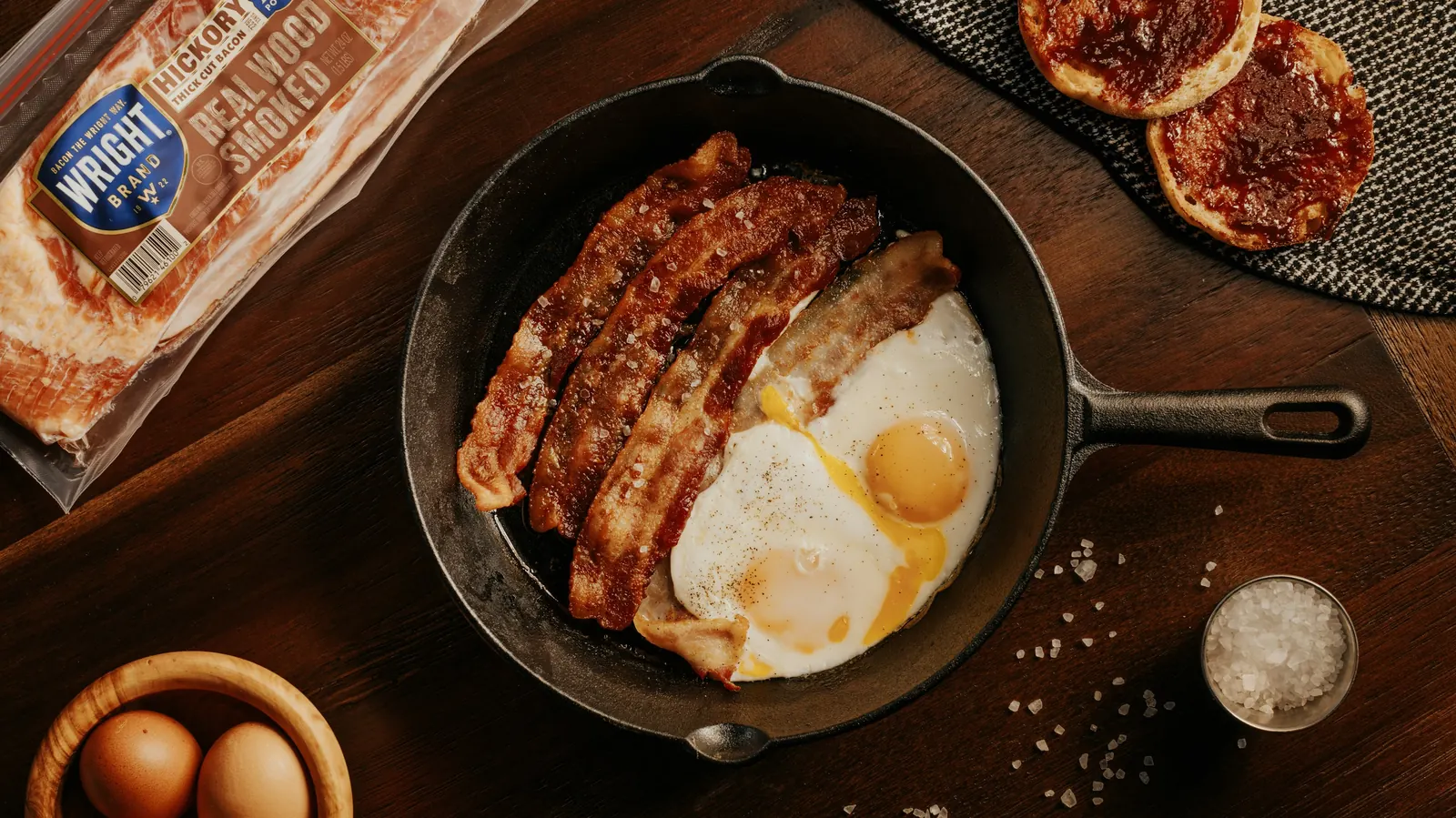
A coated nonstick pan is brilliant for about two jobs, eggs and delicate fish, and a compromise for most of the rest. It does not like high heat, it will not build the browned bits that make a pan sauce, and sooner or later the coating wears and the pan is done. That is why so many cooks keep other pans for everyday cooking.
This guide covers the nonstick pan alternatives worth buying: cast iron, carbon steel, enameled cast iron and stainless steel, plus ceramic-coated pans with hard-anodized aluminum bodies for cooks who still want an easy-release coating but not a PTFE one. For each, we explain what it does better than nonstick, what it asks of you in return, and which pan from a credible maker to buy.
Julia’s earns a commission on purchases made through links on this page, at no cost to you. Recommendations are based on what a restaurant kitchen looks for, product specifications and verified buyer reports.
Why people look for nonstick pan alternatives
The reasons fall into a few groups, and the right alternative depends on which one is yours.
- The coating wears out. Every coated pan has a working life, and makers’ care rules (moderate heat, no metal tools, often hand washing) exist to stretch it. Bare iron and steel have no coating to lose.
- Heat limits. Coated pans come with heat guidance: Prestige, for example, says low to medium heat only for its nonstick tawas, and the coated skillets we have looked at list oven limits from 350°F to 450°F. Cast iron and carbon steel take far more: Made In rates its carbon steel to 1200°F and Staub its enameled iron to 900°F.
- Browning and pan sauces. A seared steak or a pan of browned chorizo leaves fond, the brown film that becomes a sauce. Stainless and iron build it; a slick coating does not.
- PFAS questions. The U.S. Food and Drug Administration lists nonstick coatings on pots and pans among its authorized food-contact uses of PFAS, and says the coating is applied at very high temperatures and that studies show negligible amounts can migrate to food (FDA). Some cooks would still rather avoid the category altogether, and that is a reasonable choice to make.
- Oven, grill and campfire. Plastic and silicone handles keep many nonstick pans on the stovetop. Most alternatives here go anywhere.
If PFOA is the worry, it is worth knowing that the EPA’s PFOA Stewardship Program had the eight major manufacturers commit to eliminating PFOA from their emissions and products, and the EPA reports that all of them met the program’s goals (EPA). “PFOA-free” on a modern pan is therefore not the same thing as “PFAS-free”.
Quick verdict: the best nonstick pan alternative
For most kitchens, the best nonstick pan alternative is a Lodge 10.25-inch pre-seasoned cast iron skillet: it arrives ready to cook, has no synthetic coating, works on every stove including induction, and gets slicker the more you use it. If cast iron is too heavy, choose a Mauviel M’Steel carbon steel pan, which behaves much like cast iron, heats faster, and weighs less for its size. Want no seasoning at all? Buy All-Clad D3 stainless for searing and sauces, or a Staub enameled cast iron pan. If you still want an easy-release coating, but not PTFE, the GreenPan Valencia Pro is a ceramic-coated, hard-anodized aluminum pan.
Five nonstick alternatives side by side
Our five standout picks, one per material, with the specifications each maker or listing states. All seven pans are reviewed in full below.
| Pan | Material | Best for | Stated weight & heat | Buy on Amazon |
|---|---|---|---|---|

Lodge 10.25-inch Cast Iron SkilletBest overall
|
Pre-seasoned cast iron | Searing, cornbread, everyday | About 5.3 lb; stove, oven, grill, campfire | View on Amazon |

Mauviel M’Steel 11-inch Black Carbon Steel Frying PanBest carbon steel
|
Uncoated carbon steel | High heat, lighter than iron | About 4.4 lb (listing data); oven to 680°F | View on Amazon |

Staub 12-inch Enameled Cast Iron Fry PanBest enameled cast iron
|
Enameled cast iron | No seasoning, acidic dishes | 6.22 lb; oven to 900°F | View on Amazon |

All-Clad D3 10-inch Stainless Steel Fry Pan with LidBest stainless steel
|
Tri-ply stainless, aluminum core | Searing and pan sauces | Weight not stated; oven to 600°F | View on Amazon |

GreenPan Valencia Pro 10-inch Ceramic Nonstick Frying PanBest coated alternative
|
Ceramic on hard-anodized aluminum | Easy release without PTFE | Weight not stated; oven to 600°F | View on Amazon |
Product images from Amazon. Weights and heat ratings are as stated by each maker or listing; the Lodge weight is from retailer listings. Check the listing before you buy.
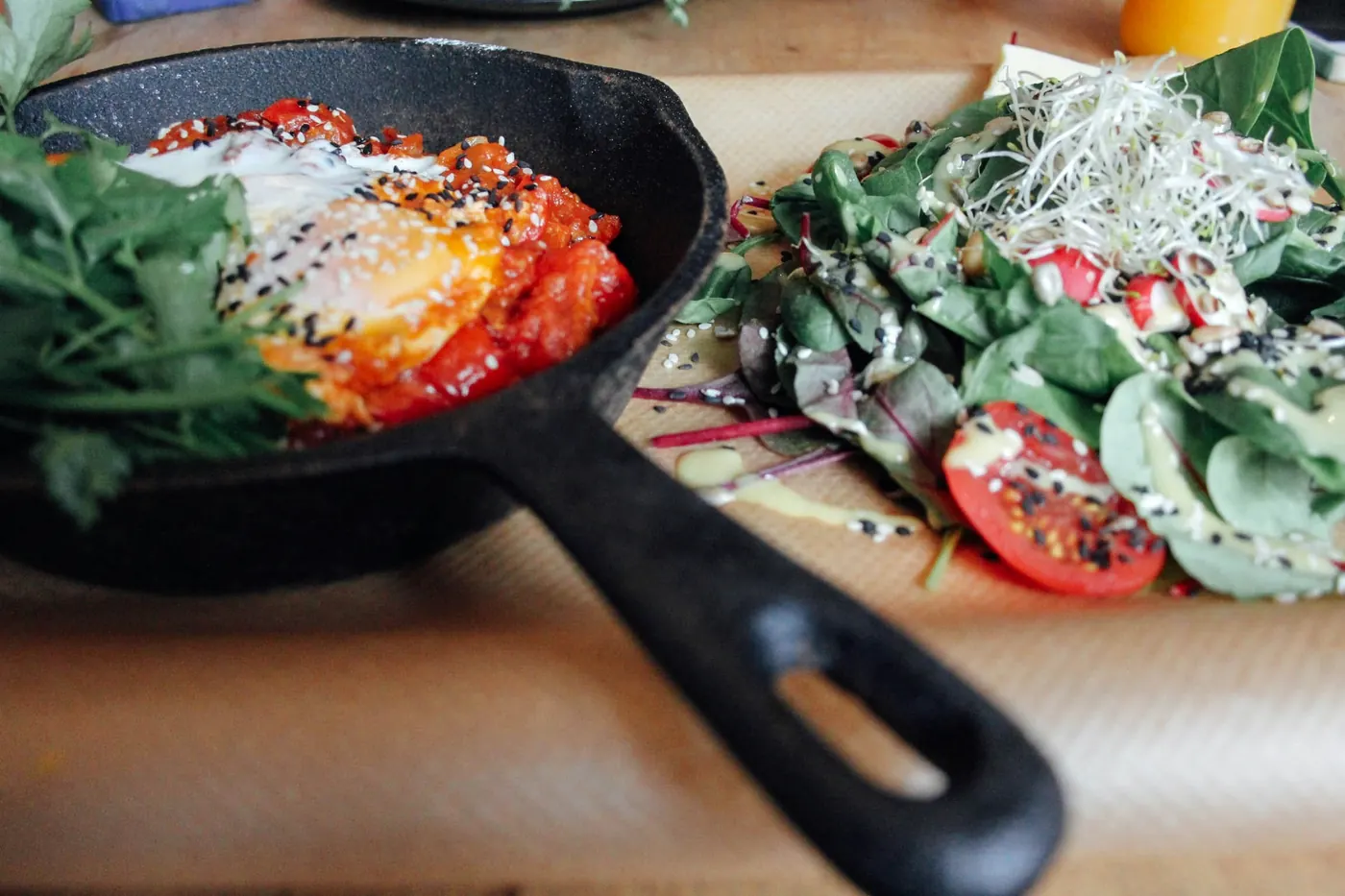
Seven pans to use instead of nonstick
We chose one or two pans per material from makers with a long record and published specifications: Lodge for cast iron, Mauviel and de Buyer for carbon steel, Staub for enameled iron, All-Clad and Tramontina for stainless, and GreenPan for ceramic-coated aluminum. Each was in stock on Amazon US when we checked. We left out Matfer Bourgeat’s black steel pans: America’s Test Kitchen reports that some lots were recalled in France after testing found metals leaching above EU-recommended levels in a heated acidic solution, that Matfer has appealed, that the pans have not been recalled in the United States, and that ATK no longer recommends them (America’s Test Kitchen). Specifications come from the makers’ listings and websites; we have not cooked on every pan here, and where we describe how a material behaves, we say whose guidance it is.
1. Lodge 10.25-inch Cast Iron Skillet – Ready to Cook, Nothing to Wear Off
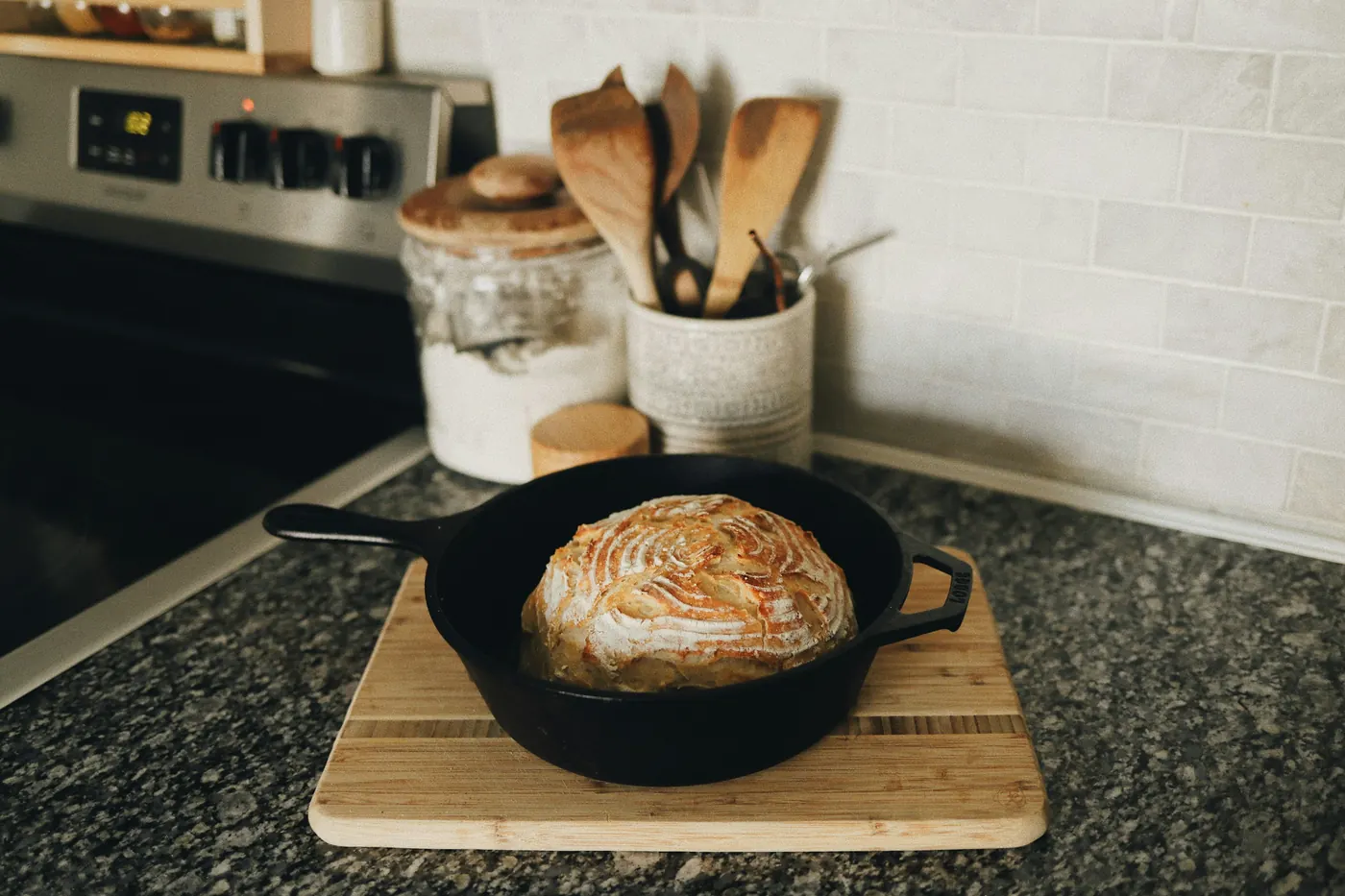
The Lodge 10.25-inch skillet is the default answer to “what should I use instead of nonstick?” for good reasons. It has no synthetic coating: its release comes from seasoning, oil baked onto the iron, and the listing says it arrives pre-seasoned and improves with every use. Lodge describes it as PFAS-free and makes it in the USA.
Cast iron holds heat better than any other pan here, which is what you want for searing, shallow frying and a skillet of cornbread, and it goes from stovetop to oven, grill or campfire. Lodge rates its cast iron for every stovetop, including induction and glass tops, where it advises lifting the pan rather than sliding it.
The trade-offs are weight and care. Retailer listings put this skillet at about 5.3 pounds, a real lift one-handed, and Lodge’s care rules are hand wash, dry straight away and wipe on a thin coat of oil. Eggs stick until the seasoning builds; give it a few weeks of regular use, with a little fat in the pan, before you judge it.
Why we like it
- No synthetic coating; pre-seasoned, per Lodge
- Any stovetop including induction, plus oven, grill and campfire
- Made in the USA
- Lifetime warranty, per the listing
Key specifications
| Model | L8SK3 |
|---|---|
| Coating | None; pre-seasoned with oil |
| Base material | Cast iron |
| Size | 10.25 inches |
| Weight | About 5.3 lb (retailer listing) |
| Oven-safe to | Oven safe; limit not stated |
| Induction | Yes |
| Dishwasher safe | No; hand wash, dry and oil |
Why we recommend it
It is the most versatile replacement for a nonstick skillet, it will outlast any coated pan, and it needs no seasoning work before the first use.
Skip it if lifting five pounds is a problem for you, or you want eggs to slide from the first morning; carbon steel is lighter, and a ceramic-coated pan releases from day one.
Pros and cons
Pros
- Holds heat superbly
- Goes anywhere, any stove
- Gets better with use
Cons
- Heavy
- Must be dried and oiled
- Eggs stick at first
2. Mauviel M’Steel 11-inch Black Carbon Steel Frying Pan – French Steel, Ready to Season
Mauviel has made cookware in France for generations, and its M’Steel line is plain black carbon steel with an iron handle held on by 18/10 stainless steel rivets, per the listing. America’s Test Kitchen names the 12.6-inch M’Steel its top carbon steel skillet; we chose the 11-inch here as a closer match to a standard 10-inch nonstick pan, and the 12.6-inch is also in stock if you cook for a crowd.
Carbon steel behaves much like cast iron: it takes high heat, builds seasoning, and works on all cooking surfaces, including induction, per Mauviel. It is thinner than cast iron and heats quickly, which makes it easier to control. Listing data puts this 11-inch pan at about 2 kg, roughly 4.4 pounds; the 11-inch surface narrows to about 8.4 inches across the flat bottom.
It arrives with a beeswax coating against rust. Mauviel’s method is to wash that off with very hot water, then cover the bottom with flavorless oil, heat for five minutes, let it cool, drain and wipe. Mauviel also asks you to heat it slowly and keep the burner to about 60 percent of its power, because the steel conducts so well, and not to leave it empty on a hot burner. It is oven safe up to 680°F. Hand wash only, dry straight away and wipe with a little oil before storing.
Why we like it
- Uncoated black carbon steel; nonstick comes from seasoning
- All cooking surfaces including induction, per Mauviel
- Oven safe to 680°F, per the listing
- Made in France; the M’Steel line is America’s Test Kitchen’s top carbon steel pick
Key specifications
| Model | 3651.28 |
|---|---|
| Coating | None; beeswax finish, season before use |
| Base material | Black carbon steel, iron handle |
| Size | 11 inches; 8.4-inch bottom |
| Weight | About 4.4 lb (listing data) |
| Oven-safe to | 680°F |
| Induction | Yes |
| Dishwasher safe | No; hand wash only |
Why we recommend it
It is a classic French carbon steel pan for searing, browning and everyday frying, and once seasoned it releases much like nonstick without any coating at all.
Skip it if you do not want to season a pan, or want something very light: at around four pounds it is lighter than cast iron of the same size but far heavier than an aluminum nonstick pan.
Pros and cons
Pros
- High oven rating
- Works on induction
- No coating to wear out
Cons
- Must be seasoned first
- Rusts if left wet
- Maker advises moderate burner settings
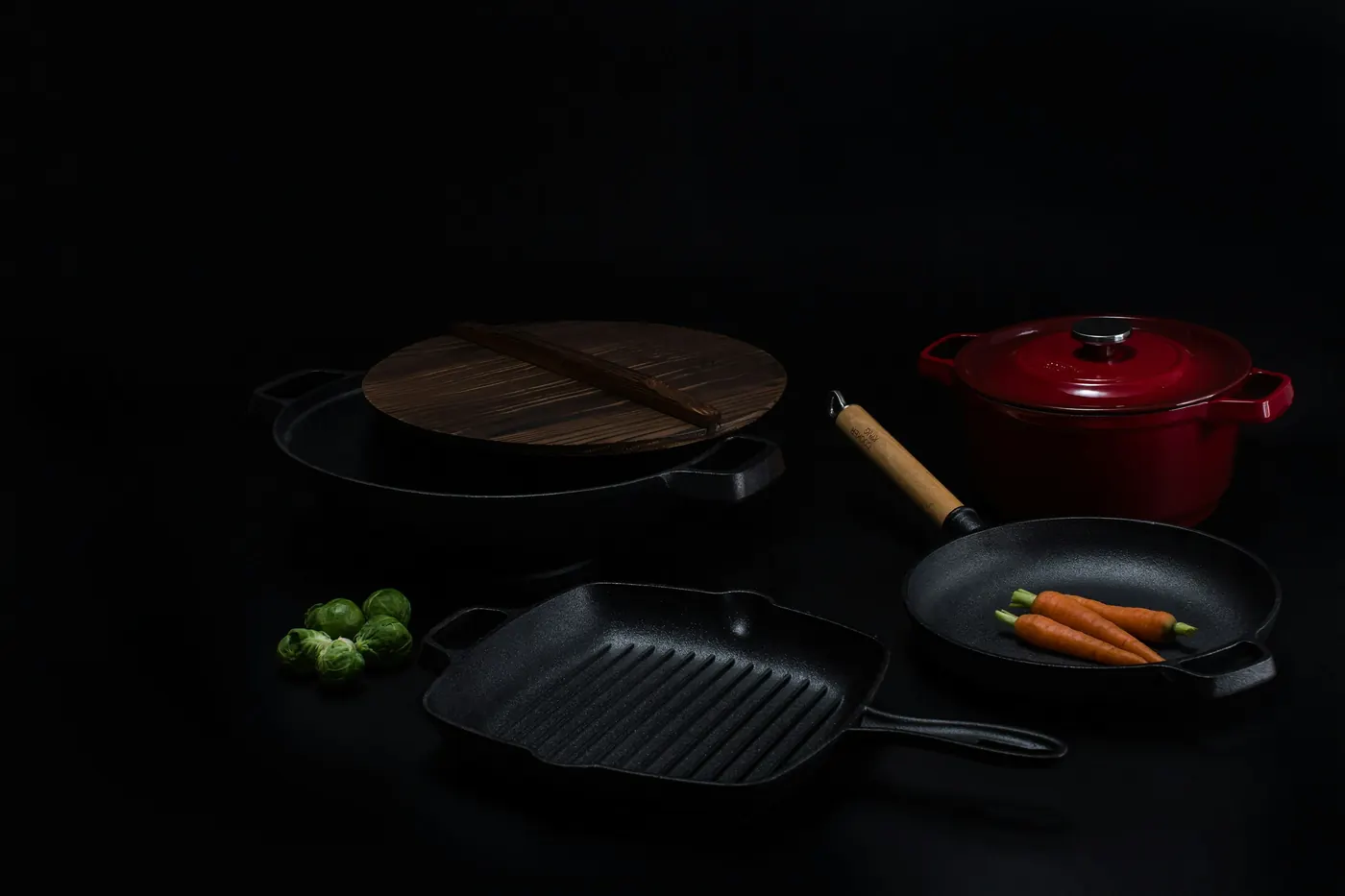
3. de Buyer Mineral B 9.5-inch Carbon Steel Fry Pan – Small Pan for Eggs

de Buyer has made cookware in France since 1830, per its listing, and the Mineral B is its best-known carbon steel line. The 9.5-inch size has a 6.9-inch flat cooking surface, a good size for two or three eggs or a single omelet, the job most people bought their nonstick pan for in the first place.
de Buyer lists the pan at 3 pounds and 2.5 mm thick. It arrives with a beeswax coating against rust, which you wash off before seasoning: de Buyer’s instructions are to wash with hot water, dry, heat the pan, wipe on a thin layer of a high-smoke-point oil, heat until it begins to smoke lightly, and let it cool. The listing describes the pan as lighter and more heat-responsive than cast iron and naturally nonstick once seasoned, without any artificial coating.
It works on all cooktops, including induction. The oven is for short use only: de Buyer says up to 400°F for less than ten minutes, because of the handle. Never put it in the dishwasher.
Why we like it
- No artificial coating, per de Buyer
- 3 lb, 2.5 mm thick, per de Buyer
- Works on all cooktops including induction
- Clear seasoning instructions from the maker
Key specifications
| Model | 5610.24 |
|---|---|
| Coating | None; beeswax finish, season before use |
| Base material | Carbon steel, 2.5 mm |
| Size | 9.5 inches; 6.9-inch cooking surface |
| Weight | 3 lb (de Buyer) |
| Oven-safe to | 400°F, under 10 minutes |
| Induction | Yes |
| Dishwasher safe | No |
Why we recommend it
If what you really want to replace is your nonstick egg pan, a small, well-seasoned carbon steel pan is the most satisfying swap, and de Buyer’s is a benchmark.
Skip it if you want to finish dishes in the oven; de Buyer limits oven use to brief flashes.
Pros and cons
Pros
- Good egg-pan size
- Lighter than cast iron
- Made in France
Cons
- Seasoning required
- Brief oven use only
- Small flat surface
4. Staub 12-inch Enameled Cast Iron Fry Pan – Iron Without the Seasoning
Enameled cast iron gives you iron’s heat retention with a glassy enamel surface that needs no seasoning, per Staub’s listing, and does not react with acidic food the way bare iron and carbon steel can. That makes it the right alternative for tomato sauces, braised greens and salsas cooked down in the pan.
Staub’s interior is a matte black enamel with a texture Staub says gives exceptional browning; it is not a slick surface, so cook with a little fat and let food release on its own before you turn it. The 12-inch pan has pouring spouts for draining fat, works on every stovetop including induction, and is oven safe up to 900°F per the listing. It is made in France.
It is the heaviest pan here: Zwilling, Staub’s parent company, lists it at 6.22 pounds. Staub says it is dishwasher safe but recommends hand washing, which protects the enamel.
Why we like it
- Requires no seasoning, per Staub
- Enamel does not need the care bare iron does
- Oven safe to 900°F, per the listing
- All stovetops including induction; made in France
Key specifications
| Model | 1223091 |
|---|---|
| Coating | Matte black interior enamel |
| Base material | Cast iron |
| Size | 12 inches |
| Weight | 6.22 lb (Zwilling) |
| Oven-safe to | 900°F |
| Induction | Yes |
| Dishwasher safe | Yes; hand wash recommended |
Why we recommend it
Choose it if you like cast iron’s steady heat but not the seasoning routine, or if you cook a lot of acidic dishes. It is a pan to keep for decades.
Skip it if weight matters: at over six pounds it is the heaviest pan in this guide.
Pros and cons
Pros
- No seasoning
- Handles acidic food
- Very high oven rating
Cons
- Heaviest pick
- Not a slick surface
- Enamel can chip if dropped
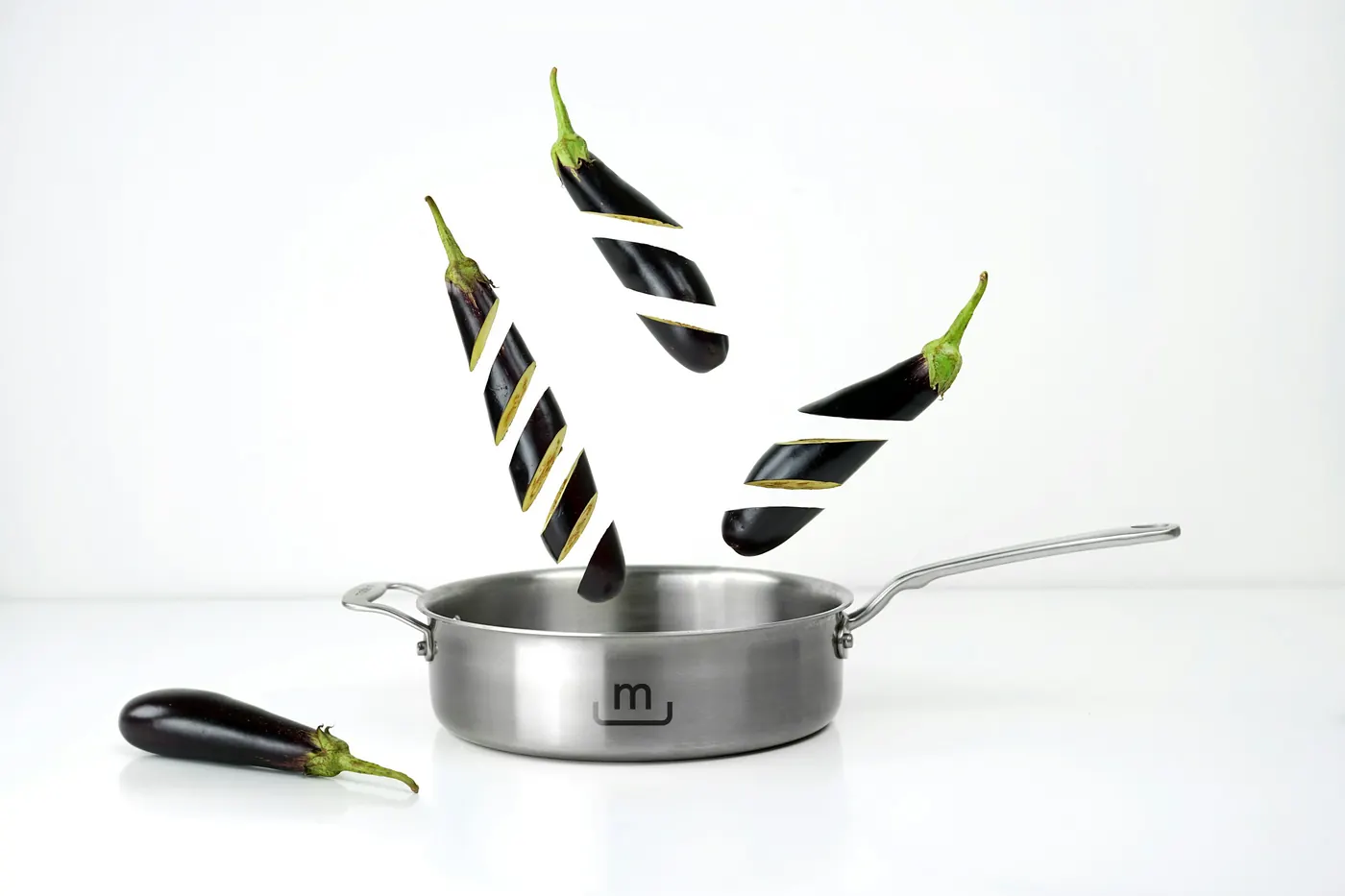
5. All-Clad D3 10-inch Stainless Steel Fry Pan with Lid – Best for Searing and Sauces
Stainless steel is the opposite of nonstick in one way and its best partner in another. Food does stick at first, and that sticking is what builds the browned fond for a pan sauce; once a piece of meat has seared, it releases on its own. All-Clad’s D3 is the original fully bonded tri-ply, per the listing: an aluminum core for fast, even heat, wrapped in stainless steel.
It goes on any stovetop including induction, into the oven and under the broiler up to 600°F, and it comes with a lid. All-Clad makes it in its Pennsylvania factory with global components, per the listing, and backs it with a limited lifetime warranty. The listing says hand wash only.
The technique matters more than with any other pan here: preheat the empty pan over medium, add oil, and wait until it shimmers before the food goes in. Eggs need more fat and patience in stainless than in nonstick or seasoned steel.
Why we like it
- Bonded tri-ply with an aluminum core, per All-Clad
- Oven and broiler safe to 600°F
- Any stovetop including induction
- Lid included; made in the USA with global components
Key specifications
| Model | 41106SC |
|---|---|
| Coating | None; stainless steel surface |
| Base material | Tri-ply stainless, aluminum core |
| Size | 10 inches, with lid |
| Weight | Not stated |
| Oven-safe to | 600°F |
| Induction | Yes |
| Dishwasher safe | No; hand wash only (listing) |
Why we recommend it
For cooks who sear meat, brown vegetables and make pan sauces, a good stainless pan does those jobs better than any nonstick, needs no seasoning and will last a lifetime.
Skip it if your main job is eggs; stainless is the least forgiving surface for them.
Pros and cons
Pros
- Builds fond for sauces
- No seasoning, no coating
- High oven rating, lid included
Cons
- Eggs stick without care
- Hand wash only, per listing
6. Tramontina Signature Tri-Ply Clad 10-inch Stainless Frying Pan – Dishwasher-Safe Stainless

Tramontina’s Signature pan is built on the same idea as the All-Clad, an aluminum core clad in stainless steel, and the listing calls it NSF-certified, non-reactive and rust-resistant. The interior is satin-finished and the exterior mirror-polished.
Two practical differences make it worth a look. Tramontina says it is dishwasher safe, where All-Clad’s listing says hand wash only, and it is oven safe up to 500°F. It works on all cooktops including induction, the handle is riveted stainless steel, and Tramontina backs it with a lifetime warranty.
As with any stainless pan, preheat before the oil and food go in, and deglaze the browned bits with a splash of stock or water while the pan is hot; it makes the sauce and the cleanup at once.
Why we like it
- Tri-ply clad with aluminum core, per Tramontina
- Dishwasher safe, per the listing
- Oven safe to 500°F; induction-ready
- NSF-certified; lifetime warranty
Key specifications
| Model | 80116/005DS |
|---|---|
| Coating | None; satin stainless interior |
| Base material | Tri-ply clad stainless, aluminum core |
| Size | 10 inches |
| Weight | Not stated |
| Oven-safe to | 500°F |
| Induction | Yes |
| Dishwasher safe | Yes |
Why we recommend it
It suits a household that wants clad stainless for searing but puts everything in the dishwasher, and wants an NSF-certified pan from a maker that also supplies restaurants.
Skip it if you need a lid with the pan; this one is sold without.
Pros and cons
Pros
- Dishwasher safe
- Induction-ready
- Lifetime warranty
Cons
- No lid
- Weight not stated
7. GreenPan Valencia Pro 10-inch Ceramic Nonstick Frying Pan – Easy Release Without PTFE
Not everyone wants to give up an easy-release surface; some just want a different coating. Ceramic nonstick is the usual answer, and GreenPan’s Valencia Pro is one of the best-known. GreenPan states its ceramic coating is free of PFAS, PFOA, lead and cadmium, and describes it as diamond-infused and safe for metal utensils.
The body is where anodized aluminum comes in. Hard-anodizing hardens the surface of aluminum, and GreenPan says these bodies are pre-treated and hard-anodized for scratch resistance and durability. We could not find an uncoated hard-anodized skillet in stock from a maker we trust; almost all hard-anodized pans, like this one, carry a coating on top. A magnetic base makes it work on all stovetops including induction, and GreenPan rates it oven and broiler safe to 600°F. It is dishwasher safe.
Be realistic about lifespan: a ceramic coating is still a coating, and like PTFE it wears with use and high heat. It is a good choice if easy release matters most and PTFE is what you want to avoid.
Why we like it
- Ceramic coating free of PFAS and PFOA, per GreenPan
- Hard-anodized aluminum body
- Induction base; oven safe to 600°F
- Dishwasher safe
Key specifications
| Model | CC002678-001 |
|---|---|
| Coating | Diamond-infused ceramic nonstick |
| Base material | Hard-anodized aluminum, magnetic base |
| Size | 10 inches |
| Weight | Not stated |
| Oven-safe to | 600°F |
| Induction | Yes |
| Dishwasher safe | Yes |
Why we recommend it
It is the easiest switch for someone who loves how nonstick cooks but wants to move away from PTFE, with an induction base and a high oven rating.
Skip it if your goal is a pan that never wears out; for that, choose iron, carbon steel or stainless.
Pros and cons
Pros
- Releases like nonstick
- PFAS-free, per maker
- Induction and high oven rating
Cons
- Coating still wears
- Weight not stated
Nonstick pan alternative questions, answered
What is the best frying pan alternative to non stick?
For most cooks, pre-seasoned cast iron such as the Lodge 10.25-inch skillet: it has no synthetic coating, works on every stove and only gets better. If weight is the issue, carbon steel does much the same job with less weight for its size. If you want no seasoning, choose stainless or enameled cast iron.
What can I use instead of a non stick skillet for eggs?
A small, well-seasoned carbon steel pan such as the de Buyer Mineral B 9.5-inch is the classic choice. Preheat it over medium, add a little butter or oil, and let the eggs set before you move them. If you want eggs to release from the first day without seasoning, a ceramic-coated pan is the easier route; our guide to the best non stick pan ceramic options goes further.
Is carbon steel better than cast iron?
Neither is better; they are different. Carbon steel is lighter and heats and cools faster, so it responds quickly when you change the heat. Cast iron holds heat longer, which helps for searing and baking. Both need seasoning, drying and oil, and both work on induction.
Is ceramic nonstick an alternative to Teflon?
Yes, if what you want is an easy-release pan made without PTFE. Makers such as GreenPan state their ceramic coatings are free of PFAS. It is still a coating, so it wears over time like any nonstick. For more options, see our guide to the best nonstick pan without Teflon.
Why does food stick to stainless steel?
Usually because the pan was not hot enough, or the food was moved too soon. Preheat the empty pan, add oil and wait for it to shimmer, then leave the food until it has browned; it releases on its own. Stuck-on browning is fond, and a splash of liquid turns it into a sauce.
Do any of these work on a comal-style griddle?
Yes. Cast iron and carbon steel are the classic comal materials for tortillas. If you want a flat griddle rather than a skillet, see our guides to the best comal for tortillas and the best nonstick comal.
Our final word on cooking without nonstick
Start with a Lodge cast iron skillet if you want one pan that replaces nonstick for most jobs, or a Mauviel or de Buyer carbon steel pan if you want the same with less weight. Add an All-Clad or Tramontina stainless pan for searing and sauces, a Staub enameled pan for acidic dishes, and a GreenPan ceramic pan if you still want a slick surface for eggs. Many kitchens end up with two of these rather than one, and that is usually the right answer.
If you are not ready to give up coated pans, our guide to the best non stick lightweight pan covers the lightest coated skillets, and the best non stick pan long lasting guide covers the most durable.
For the full picture across PTFE, ceramic and hybrid pans, start with our guide to the best nonstick pans.
And if you would rather someone else did the cooking tonight, see the menu or call to order.