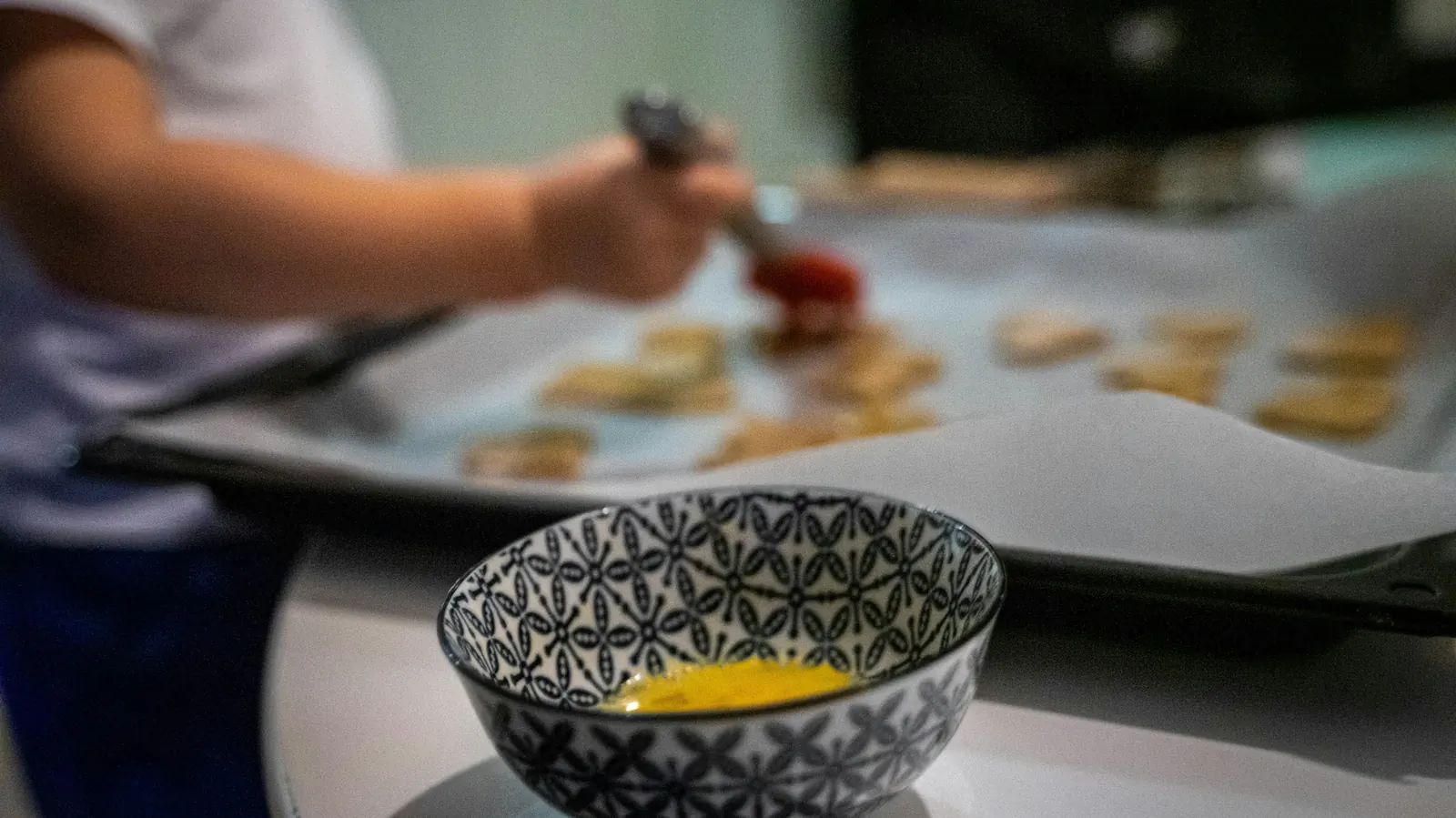
A pastry brush has a simple job: lay a thin, even coat of liquid on food without tearing or denting it. Egg wash on pan dulce, melted butter on a pie crust, oil on a sheet pan, a glaze on a ham. When the brush is missing, or shedding, or still smells of last week’s barbecue sauce, the right stand-in depends on which of those liquids you are spreading.
This guide covers what to use instead of a pastry brush: a paper towel or folded parchment for egg wash, an oil mister for pans and bread, a spoon or a bulb baster for meat, a squeeze bottle for drizzled glazes and a small offset spatula for thick ones. For each we say how close it gets to a brush and where it falls short.
Julia’s earns a commission on purchases made through links on this page, at no cost to you. Recommendations are based on what a restaurant kitchen looks for, product specifications and verified buyer reports.
Why cooks look for a pastry brush alternative
- There is no brush in the drawer and the dough is already proofed.
- Natural bristles shed. A stray bristle baked into a glaze is the most common complaint about cheap brushes.
- Brushes are hard to clean. Butter and egg cling to bristles, and a brush used on raw meat needs a thorough wash before it goes near dough.
- Some jobs suit another tool better. A mist of oil or a stream of pan juices is quicker without a brush at all.
Quick verdict: the best pastry brush alternative
It depends on the liquid. For egg wash, a crumpled paper towel or a strip of folded parchment does the job, as Chowhound explains; spoon the wash on and spread it gently. For oil on pans and bread, the best pastry brush alternative is a refillable oil mister such as the Misto Gourmet Olive Oil Sprayer, which Misto lists for coating baking pans and brushing breads before baking. For basting meat, use a solid basting spoon or a bulb baster; for a thin glaze, a squeeze bottle; for a thick glaze or jam, a small offset spatula. If you egg-wash bread every week, nothing here beats a real brush; buy one.
Five pastry brush stand-ins side by side
Our five picks, one for each job a brush does, with what each maker or listing states. All five are reviewed in full below.
| Alternative | Best for | Liquids | Even coat? | Buy on Amazon |
|---|---|---|---|---|

Misto Gourmet Olive Oil SprayerBest overall alternative
|
Greasing pans, oiling bread | Oil, vinegar, lemon juice | Yes, a fine mist | View on Amazon |

Winco 13-inch Solid Stainless Steel Basting SpoonBest for spoon-basting
|
Butter over steak, glaze over ham | Butter, pan juices, glazes | Pours rather than spreads | View on Amazon |

Tovolo Bulb Baster with Dripless ValveBest for roasts
|
Turkey, chicken, pork roasts | Pan juices, drippings | Targets one spot at a time | View on Amazon |

OXO Outdoor Leakproof Squeeze Bottle SetBest for thin glazes
|
Drizzling icing and syrups | Syrup, oil, marinades | Lines, not a film | View on Amazon |

Fox Run 4.25-inch Offset Icing SpatulaBest for thick glazes
|
Jam glaze, soft butter, icing | Thick, spreadable mixtures | Yes, on flat tops | View on Amazon |
Product images from Amazon. Sizes and materials are as stated by each maker or listing; check the listing before you buy.
Egg wash without a brush: the no-buy options
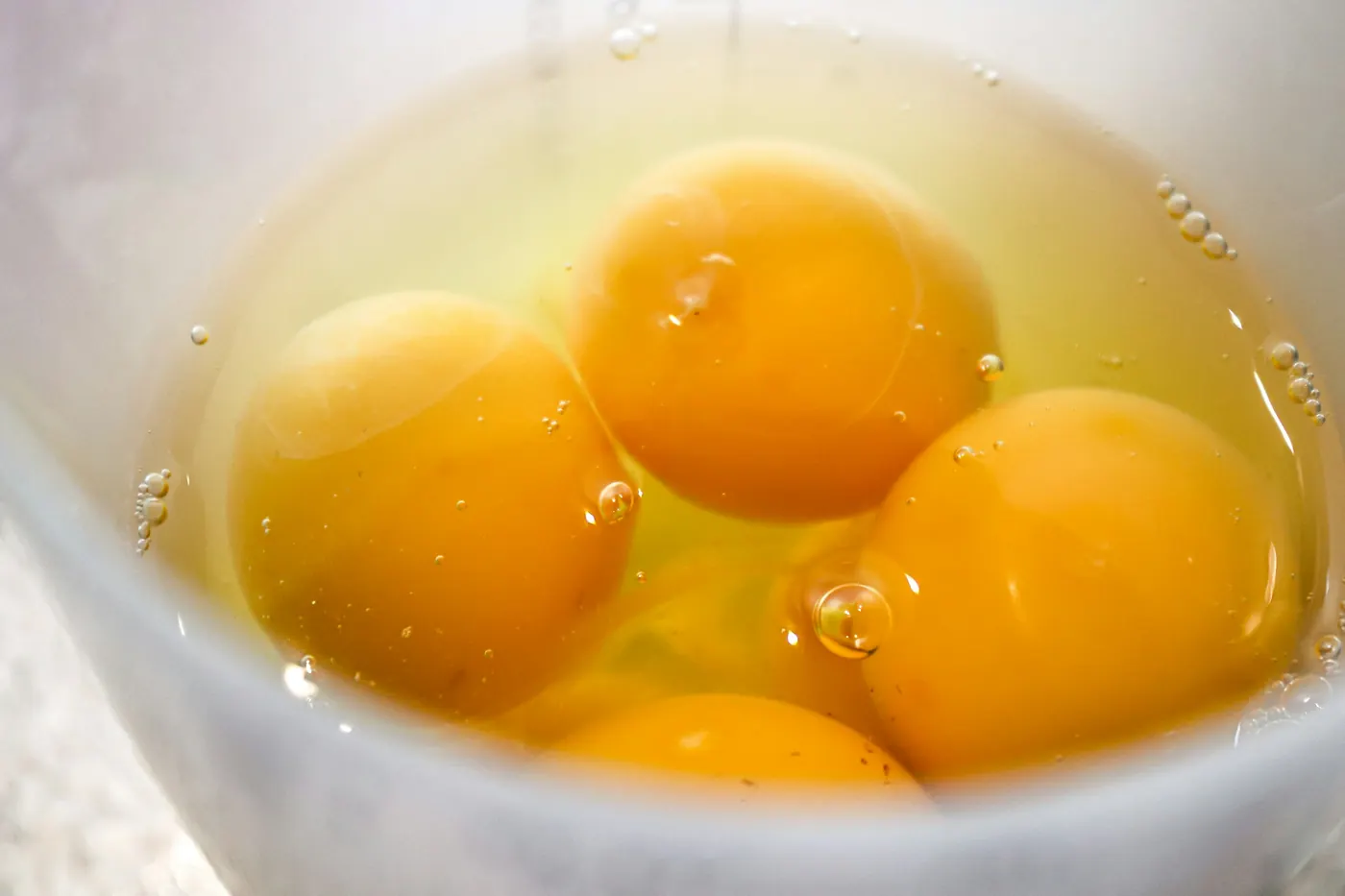
Egg wash is the hardest job to replace, because it is thick, it needs a thin and even layer, and proofed dough dents if you press on it. Chowhound’s guide to applying egg wash without a pastry brush (Julia Mullaney, 2025) gives four methods, and two of them need nothing you have to buy:
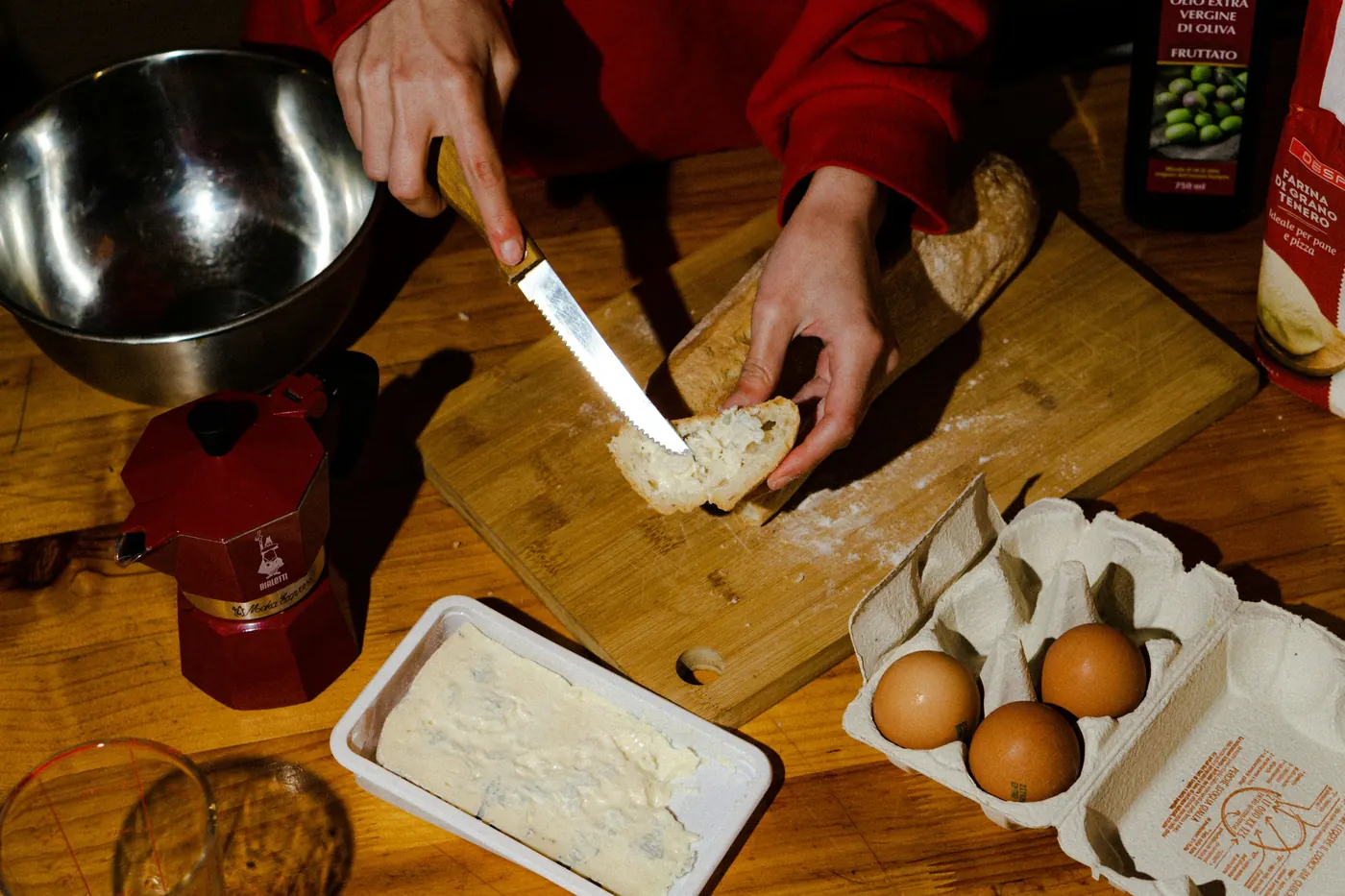
- Paper towel. Spoon a little egg wash over the pastry, then spread it with a crumpled paper towel. Chowhound says you may have to repeat it a couple of times to get the coat even. A coffee filter works too but is more delicate.
- Folded parchment. Fold a strip of parchment four times and cut small slits along the folded edge; Chowhound says the folds make it sturdy enough to hold the thicker liquid.
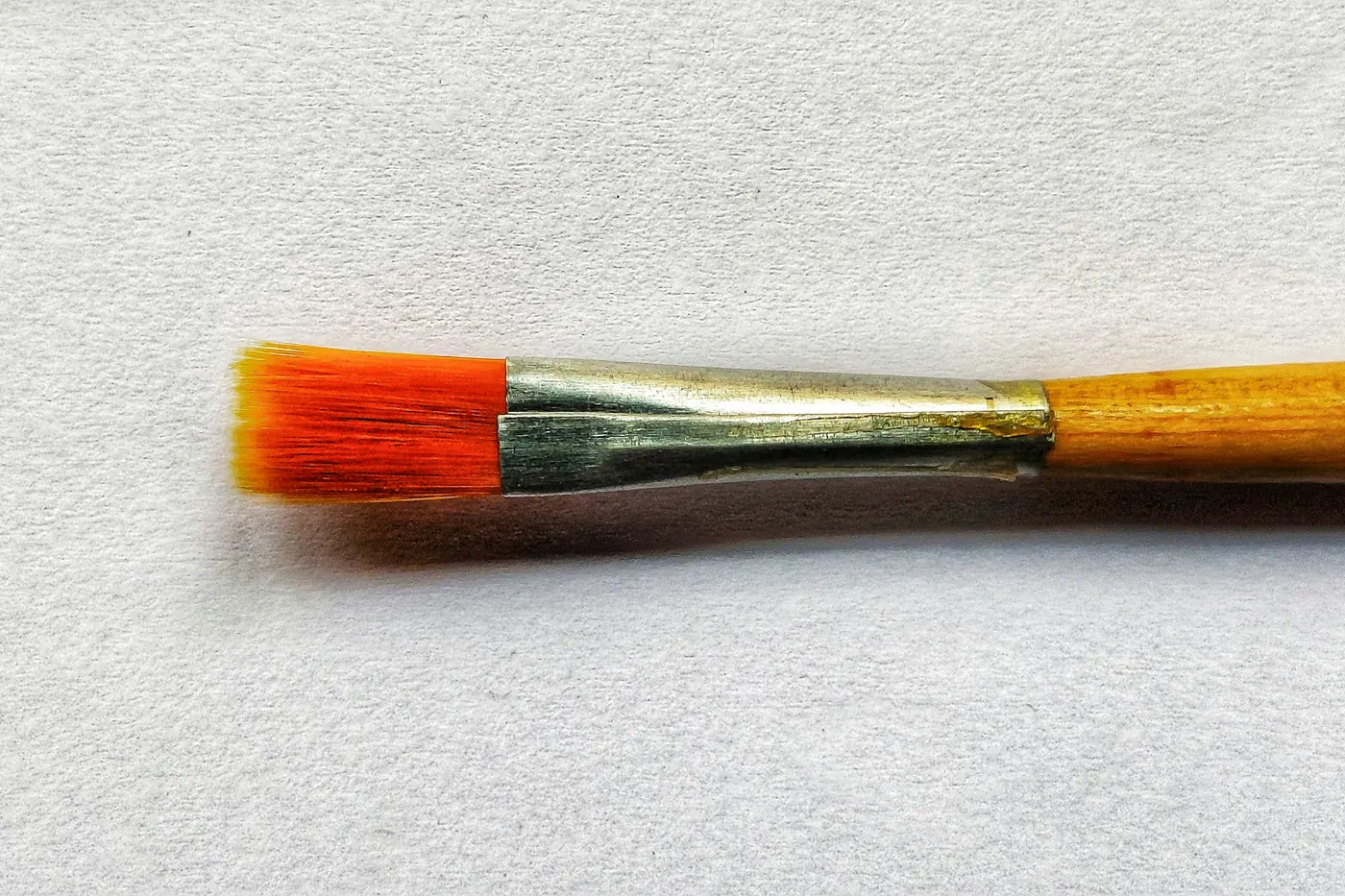
- A new paintbrush or toothbrush. Only one that is unopened or unused, with bristles stiff enough to direct the wash.
- A kitchen sponge. It works, but Chowhound warns to sanitize the sponge before using it on anything else, since raw egg can carry salmonella. We would use paper towel instead and throw it away.
Professional bakeries often skip the brush entirely. Bo Friberg’s The Advanced Professional Pastry Chef describes egg wash applied “with a spray bottle powered by compressed air, electricity, or elbow grease instead of a brush,” and says it is faster and gives a smooth, even application. That is a dedicated egg-wash sprayer; the oil mister below is made for oil, and Misto does not list egg wash among its liquids, so do not pour egg into it.
Five tools that can stand in for a pastry brush
All five are from established makers and were in stock on Amazon, sold new, on the day of writing. Each covers one part of a brush’s work; none covers all of it.
1. Misto Gourmet Olive Oil Sprayer – A Thin, Even Coat of Oil
The most common thing people brush is plain oil: on a sheet pan, a muffin tin, a loaf of bread before baking, or tortillas before they go in the oven for tostadas. For that, a refillable mister gives a thinner and more even coat than a brush, and it reaches into the corners of a pan without dragging bristles through the oil.
Misto’s Gourmet sprayer is a satin-finish aluminum canister, 7-5/8 inches tall. You pump the cap to pressurize it, then spray; Misto says each charge sprays for up to 10 seconds with no chemical propellant. Its listing names coating baking pans, brushing breads before baking, spreading olive oil on focaccia and spraying muffin pans among its uses, and says you can fill it with oil, vinegar, lemon juice or wine.
The limits matter. It holds a small amount, so refill it often. Misto says to hand wash only, to thread the cap on fully to build pressure, and to clean it by spraying hot water with a drop of mild detergent. It is for thin liquids: melted butter that cools inside will clog it, and egg wash is not on Misto’s list. Our guide to oil sprayers compares glass and trigger models.
Why we like it
- Misto lists greasing pans and oiling bread as uses
- No propellant; refill with your own oil
- 1-year warranty, per the listing
- Small enough to keep by the stove
Key specifications
| Model | 5061116 |
|---|---|
| Type | Pump oil mister |
| Material | Satin-finish aluminum |
| Size | 1/3 cup per the title; 7-5/8 in tall |
| Liquids | Oil, vinegar, lemon juice, wine |
| Heat limit | Not stated; keep away from the burner |
| Cleaning | Hand wash only |
| Warranty | 1 year |
Why we recommend it
Choose it if most of your brushing is oil on pans, bread dough or vegetables.
Skip it if you mainly brush egg wash or melted butter; it is not made for either.
Pros and cons
Pros
- Thinner coat than a brush
- Reaches pan corners
- Refillable, no aerosol
Cons
- Thin liquids only
- Small capacity
- Hand wash only
2. Winco 13-inch Solid Stainless Steel Basting Spoon – Pours Butter and Glaze
Before basting brushes, cooks basted with a spoon, and for meat it is often the better tool. Tipping the pan and spooning hot butter over a steak or a chicken breast coats it without a brush ever touching the hot pan, and a spoon carries a ham glaze or a mole over a roast in a thicker layer than bristles do. The back of the spoon also spreads a glaze or a jam over a tart in a pinch.
Winco’s BSOT-13 is a solid, one-piece stainless steel spoon, 13 inches long and about 0.05 inch thick, per the listing, which also calls it dishwasher safe. Thirteen inches keeps your hand back from a hot pan or the oven. Being all metal, there is nothing to melt and no bristles to lose.
A spoon pours rather than spreads, so it is the wrong tool for an even film of egg wash on dough. For that, see the paper towel and parchment methods above.
Why we like it
- One-piece stainless steel, nothing to melt or shed
- 13-inch length keeps hands clear of heat
- Dishwasher safe, per the listing
- Also stirs, serves and skims
Key specifications
| Model | BSOT-13 |
|---|---|
| Type | Solid basting spoon |
| Material | Stainless steel, about 0.05 in thick |
| Size | 13 inches |
| Liquids | Butter, pan juices, glazes |
| Heat limit | Not stated; all metal |
| Cleaning | Dishwasher safe |
| Warranty | Not stated |
Why we recommend it
Choose it if you baste steaks, chicken or roasts in the pan and want one tool that never sheds or melts.
Skip it if your brushing is mostly on bread and pastry; a spoon cannot lay down a thin film.
Pros and cons
Pros
- Heat is no concern
- Easy to clean
- Useful every day
Cons
- No thin, even coat
- Metal handle gets warm near heat
- Warranty not stated
3. Tovolo Bulb Baster with Dripless Valve – Pan Juices Without Opening Wide
For a whole turkey or a big pork shoulder, the liquid you want is already in the bottom of the roasting pan. A bulb baster draws it up and squirts it back over the top, which is faster than dipping a brush over and over with the oven door open, and it reaches the deep corners of a large roasting pan.
Tovolo’s baster is 12.6 inches long with a bulb 2.87 inches across, per the listing. It has an angled tip with a dripless valve meant to stop drips on the stove, and Tovolo says it is heat resistant to 400°F. The bulb and tip come apart for cleaning and the baster is dishwasher safe. Tovolo also notes it can pull drippings from under the fat for gravy.
A baster puts liquid in one spot at a time, so it does not give the even film a brush does, and it is no use for egg wash or butter on pastry. It is a meat tool. Our guide to the best turkey baster covers steel and injector models.
Why we like it
- Dripless valve and angled tip
- Heat resistant to 400°F, per Tovolo
- Comes apart and is dishwasher safe
- Separates drippings from fat for gravy
Key specifications
| Model | 81-18839 |
|---|---|
| Type | Bulb baster |
| Material | BPA-free silicone and plastic |
| Size | 12.6 in long; bulb 2.87 in across |
| Liquids | Pan juices, drippings, gravy |
| Heat limit | 400°F |
| Cleaning | Dishwasher safe; bulb and tip detach |
| Warranty | Not stated |
Why we recommend it
Choose it if you roast a turkey, chickens or big cuts and want to baste with the pan juices quickly.
Skip it if your brush is mainly for baking; a baster has nothing to offer dough.
Pros and cons
Pros
- Fast with deep pans
- Clear tube shows the level
- Doubles as a fat separator
Cons
- One spot at a time
- Meat only
- Plastic tube, not steel
4. OXO Outdoor Leakproof Squeeze Bottle Set – Drizzles Thin Glazes
Some “brushing” is really glazing a finished bake: a powdered-sugar icing over cinnamon rolls, a syrup over a citrus cake, a little cajeta over churros. A squeeze bottle puts that down in thin lines, and if you want full coverage you can drizzle and then tilt the cake or smooth it with a spatula.
OXO’s Outdoor set is two reusable 6-ounce bottles, one with a thin tip and one with a thick tip. OXO says the thin tip is for oil, syrup and marinades and the thick tip for condiments and dressing, that the bottles have cup, ounce and milliliter markings and a wide mouth for filling, and that the leakproof lid and attached cap are built for transport and storage. It is sold for camp kits, but the same bottle works on a kitchen counter.
It lays down lines, not a film. For a shiny, even coat of thin glaze across a whole surface a brush is still better, and a very thick icing will be hard to squeeze even through the thick tip. OXO’s listing does not say whether the bottles are dishwasher safe, so we would wash them by hand.
Why we like it
- Thin tip for oil and syrup, thick tip for thicker sauces
- Measurement markings on the bottles
- Wide mouth for filling
- Leakproof lid for storing leftover glaze
Key specifications
| Model | 9109200 |
|---|---|
| Type | Squeeze bottle |
| Material | Not stated |
| Size | Two 6 oz bottles |
| Liquids | Oil, syrup, marinades, dressing |
| Heat limit | Not stated |
| Cleaning | Not stated; we would hand wash |
| Warranty | Not stated on the listing |
Why we recommend it
Choose it if you glaze cakes, rolls and churros and want neat, controlled lines.
Skip it if you need a thin film over raw dough; use paper towel or a brush.
Pros and cons
Pros
- Precise, tidy drizzle
- Two tip sizes in the set
- Seals to store leftover glaze
Cons
- Lines, not an even coat
- Thick icing is hard to squeeze
- Care and heat limit not stated
5. Fox Run 4.25-inch Offset Icing Spatula – Spreads Thick Glazes Flat
When the coating is thick, a brush drags and leaves streaks anyway. Warmed apricot jam on a fruit tart, soft butter on the top of a loaf, a cream-cheese glaze on a sheet cake: a small offset spatula spreads all of these flatter and faster. The bend in the blade keeps your knuckles out of the glaze.
Fox Run’s spatula has a 4.25-inch stainless steel blade on a wooden handle, 8.25 inches long overall, per the listing. Fox Run says the offset blade gives flexibility and the right distance from the surface, and names spreading batter in a cake pan and frosting the top of a cake as uses. A short blade like this is easier to control on a small tart than a long cake spatula. Our guide to offset spatulas covers longer blades.
It needs a fairly flat surface and a spreadable mixture. It cannot coat the sides of a braided loaf, and it will deflate proofed dough if you press. Fox Run gives no care instructions; with a wooden handle, we would hand wash it.
Why we like it
- Offset blade keeps hands out of the glaze
- Short 4.25-inch blade for small tarts
- Stainless steel blade, per the listing
- Also spreads batter and frosting
Key specifications
| Model | 5329 |
|---|---|
| Type | Offset icing spatula |
| Material | Stainless steel blade, wood handle |
| Size | 4.25 in blade; 8.25 in overall |
| Liquids | Jam glaze, soft butter, icing |
| Heat limit | Not stated |
| Cleaning | Not stated; hand wash the wood handle |
| Warranty | Not stated |
Why we recommend it
Choose it if your “brushing” is mostly jam on tarts, butter on loaves or a thick glaze on cakes.
Skip it if you need to coat round or soft dough; it is for flat tops.
Pros and cons
Pros
- Smooth, flat finish
- Good control on small bakes
- Useful for frosting too
Cons
- Flat surfaces only
- Care not stated
- No good for thin liquids
Which stand-in for which job
This is our kitchen’s summary of the sources above, not a published test:
- Egg wash on bread or pastry: spoon it on, spread with a crumpled paper towel or folded parchment. Keep the coat thin.
- Melted butter on a crust or rolls: paper towel, or a spoon to drizzle and the back of the spoon to spread.
- Oil on pans, bread or vegetables: an oil mister.
- Basting meat in a skillet: a long basting spoon.
- Basting a big roast: a bulb baster.
- Glazing a finished cake or rolls: a squeeze bottle for thin glazes, an offset spatula for thick ones.
What we left out, and why
We did not include another brush, because that would not be an alternative; for those, see our guide to the best pastry brush. We left out kitchen sponges for egg wash because of the raw-egg cleanup issue Chowhound raises, and we did not include any household spray bottle not sold for food. A new, unused paintbrush works as Chowhound says, but we would not buy one for the purpose when a real pastry brush is sold beside it.
When a real pastry brush makes more sense
If you bake bread, pan dulce or pies every week, egg wash is the job you do most, and none of these tools does it as neatly as a soft brush. A brush is also the only tool here that coats the sides of a braided loaf evenly. Our comparison of basting brush vs pastry brush explains when a silicone brush can cover both baking and grilling.
Pastry brush alternative questions, answered
What can I use instead of a pastry brush for egg wash?
A crumpled paper towel or a strip of parchment folded four times and slit along the folded edge. Spoon the egg wash on and spread it gently; Chowhound says you may need a couple of passes to get it even.
Can I use my fingers?
For a small area, clean fingers can spread butter or egg, but they press on soft dough and leave an uneven coat. Paper towel is gentler. This is general kitchen sense rather than a sourced method.
Can I use an oil sprayer instead of a pastry brush?
For oil, yes. Misto lists coating baking pans and brushing breads before baking among its sprayer’s uses. Do not put egg wash or melted butter in an oil mister.
What can I baste meat with if I have no brush?
A long spoon for steaks and chicken in a skillet, or a bulb baster for a roast in a deep pan.
How do I glaze a cake without a brush?
Drizzle a thin glaze from a squeeze bottle and tilt the cake, or spread a thick glaze or warm jam with a small offset spatula.
Our last word on glazing without a brush
Match the tool to the liquid. Paper towel or parchment handles egg wash in a pinch, a mister does oil better than any brush, a spoon or baster bastes meat, and a squeeze bottle or offset spatula glazes a finished bake. If you egg-wash bread often, buy the brush. And if you would rather leave the glazing to someone else tonight, call to order from Julia’s.