If rice is on your table most days, sooner or later you ask whether you need a rice cooker at all when an electric pressure cooker has a rice button too. Both are countertop appliances with a removable pot, both switch to keep-warm when they finish, and both promise rice without watching a pan. They get there differently, and that difference shows up in the texture, the time and everything else each one can do.
In a Mexican kitchen rice is a daily job: arroz rojo next to the enchiladas, white rice under the mole, and a big batch that has to hold until the last plate goes out. This guide compares a rice cooker and a pressure cooker on rice quality, speed, keep-warm, capacity, versatility and cleanup, says which to buy if rice is the main reason, and names one example of each from the same maker.
Julia’s earns a commission on purchases made through links on this page, at no cost to you. Recommendations are based on what a restaurant kitchen looks for, product specifications and verified buyer reports.
Quick verdict: which to buy for rice
Buy a rice cooker if rice is the main reason you are shopping and you cook it several times a week. A good fuzzy-logic model gives steadier results with less fuss and holds rice well for hours. Buy a pressure cooker if you want one appliance for beans, braises, soups and stews, and rice is one job among many. America’s Test Kitchen calls a multicooker “a way more versatile rice cooker,” and for everyday white rice it does well. Many kitchens that cook rice daily and beans weekly end up owning both.
The table sums up the differences; the sections after it explain each one.
Rice cooker vs pressure cooker, side by side
| Rice cooker | Pressure cooker | |
|---|---|---|
| How it cooks rice | Senses the pot and adjusts heat through a full cycle (fuzzy logic models) | A pressure-cooking program; ATK calls rice settings “shortcuts for pressure-cooking” |
| Rice quality | ATK found the models that made excellent rice had fuzzy logic | ATK rated multicooker rice from “excellent” to “decent” by model |
| Time for white rice | About 30 to 65 minutes for a large batch (ATK) | Short cook time plus time to build and release pressure |
| Rice settings | Several: white, brown, mixed grain, porridge and more | Usually one or two rice programs |
| Keep-warm | ATK’s top models held rice at a food-safe temperature for 12 hours | Has keep-warm; not built around holding rice |
| Beans, stews, braises | Some have slow-cook or multi-cook modes; no pressure | Its main job |
| Water measurement | Lines marked on the bowl, by the maker’s rice cup | Measured ratio of rice to water |
| Cleanup | Inner pot, inner lid, steam vent | Inner pot, lid, gasket and valve |
Rice quality: where the rice cooker earns its place
A rice cooker is built around one food. America’s Test Kitchen’s 2025 rice cooker review, by Valerie Sizhe Li and Carolyn Grillo, found that the models that made excellent rice had fuzzy logic, which adjusts heat and timing as the rice cooks. The best rice was cooked through with “a nice chewy texture,” while the weakest results were mushy and clumpy with blown-out grains. They also liked clearly marked water lines on the bowl, which take the guesswork out of the ratio.
A pressure cooker’s rice button is different. ATK’s multicooker review says the rice and bean settings on most models are “simply shortcuts for pressure-cooking.” The results depend on the model: the same review rates rice from the Instant Pot Pro as excellent, the Instant Pot Rio’s as decent, and found one model’s rice underdone around the edges of the pot. ATK still calls multicookers “ideal for making rice,” so this is not a bad way to cook it, just a less specialized one.
Pressure doesn’t always help rice. ATK’s rice cooker review included a pressure rice cooker, a Cuckoo, and found that it consistently overcooked long-grain white rice and scorched the bottom of most batches, even though it was faster. For the long-grain rice most Mexican dishes call for, gentle and steady beats fast and hot.
Speed: closer than it looks
The pressure cooker looks much faster on paper, because the cook time on the program is short. That number leaves out the time for the pot to come up to pressure and the time for the pressure to drop at the end, which on a full pot can add more than the cooking itself. Add a few minutes of rest and the gap narrows.
A rice cooker is slower, and that is partly the point. ATK timed large batches of long-grain white rice at about 30 minutes in the fastest models and about 65 in the slowest, and noted that the longer cycles produced better rice, so speed wasn’t an advantage. If you start the rice cooker when you start the rest of dinner, the wait rarely matters. Many models, including our pick, have a quick-rice mode and a delay timer for when it does.
Keep-warm and holding rice
For a household that eats in shifts, holding matters as much as cooking. Every rice cooker in ATK’s test switched to keep-warm at the end, and its top Zojirushi and Toshiba models held rice at a food-safe temperature for 12 hours. That is what a rice cooker is designed to do.
A pressure cooker also switches to warm, but it’s designed around cooking, not holding, so treat its warm setting as a short-term convenience. Whichever you use, don’t let cooked rice sit out. N.C. Cooperative Extension’s Cheryle Syracuse explains that rice can carry Bacillus cereus, whose spores survive cooking, and cites USDA guidance that cooked food should not be left at room temperature for more than two hours. She also warns against leaving leftovers overnight in a switched-off rice cooker. Cool leftover rice quickly and refrigerate it.
Versatility: the pressure cooker’s real advantage
If rice is all you cook, the rice cooker wins. If you also make beans from dried, pozole, caldo, birria or carnitas, the pressure cooker earns its counter space many times over, and makes rice too. Our best pressure cooker guide is built around beans and braises for that reason.
Rice cookers have broadened too. Many fuzzy-logic models have settings for brown rice, mixed grains and porridge, and some add slow-cook or steam modes. Our pick lists slow cook and multi-cook among its menus. They still can’t pressure-cook, so they won’t speed up a pot of beans. If you would rather have a rice cooker that also slow cooks, our best rice cooker slow cooker combo guide covers that kind of machine.
Capacity and the rice cup
Rice cooker capacity is in the maker’s rice cup, which is smaller than a US cup. Hamilton Beach, for example, states its rice cup equals about 3/4 of a US cup; check the measure that comes with yours. Our pick is rated at 6 cups uncooked and 12 cooked. Use the cup that comes in the box and the water lines on the bowl, as ATK recommends.
A pressure cooker’s capacity is in quarts, but you can’t fill it to the top: rice and grains foam, and each maker sets a lower fill line for them. A 5- or 6-quart pressure cooker comfortably makes rice for a family, but read the manual for its limit before you double a batch.
Cleanup
Both have a removable nonstick inner pot that is easy to wash. The rest differs. ATK found ease of cleanup was one of the main things that separated good rice cookers from bad, and preferred models with simple, removable parts; our pick has a detachable inner lid and a drip tray for excess water. A pressure cooker’s lid has a silicone gasket, a steam valve and often a float valve to keep clean, which is a little more work after every pot. ATK also marked down the pressure rice cooker it tested for a lid that was hard to remove and clean.
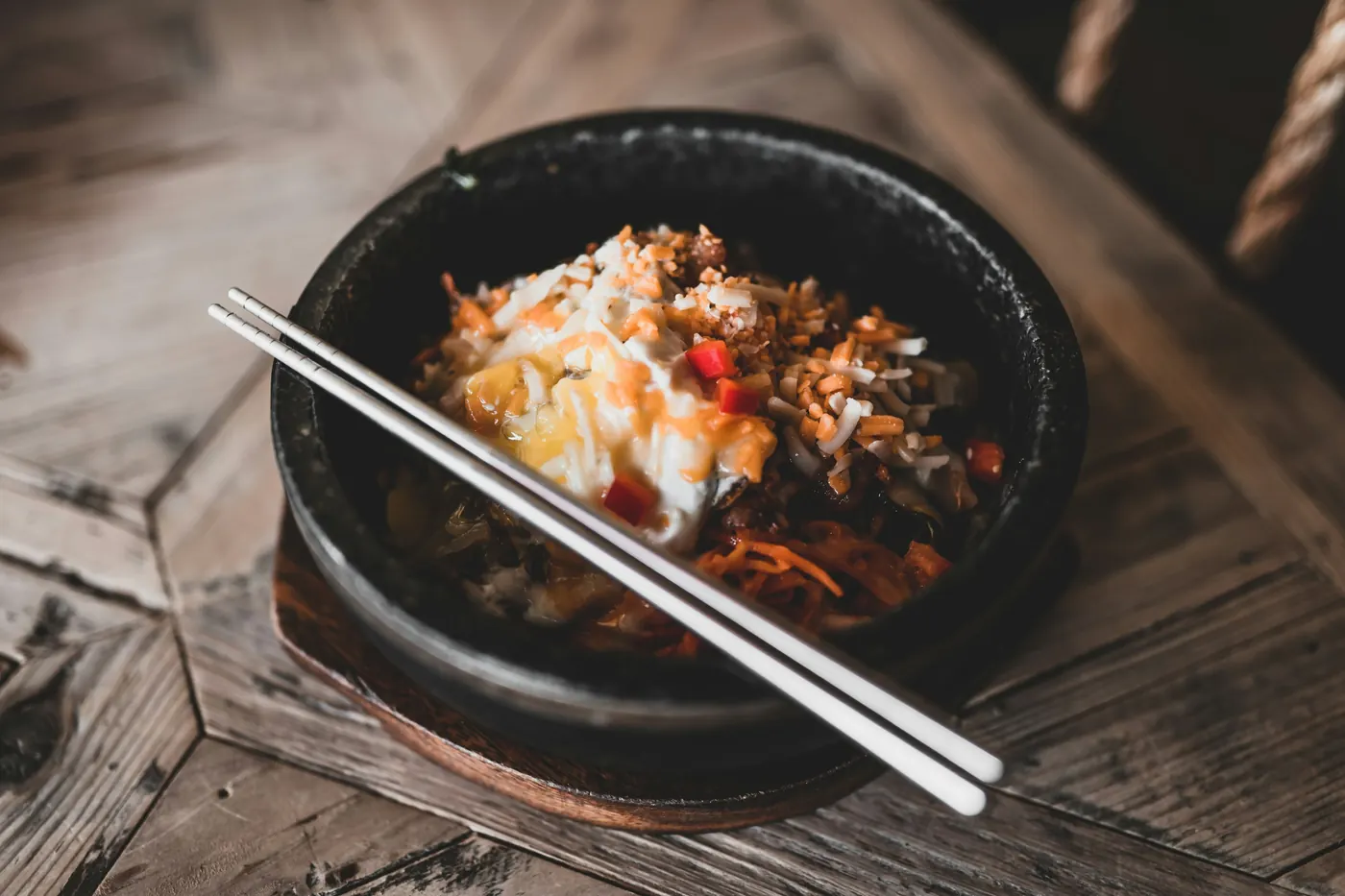
Choose a rice cooker if… / Choose a pressure cooker if…
Choose a rice cooker if…
- You cook rice several times a week and want the same result every time.
- You want rice to hold for hours while people eat at different times.
- You like simple controls and water lines on the bowl.
- You cook mostly long-grain rice and want a gentle cycle.
Choose a pressure cooker if…
- You cook dried beans, soups and braises as often as rice.
- You want one appliance rather than two.
- Good everyday rice is enough, and you don’t need the very best texture.
- You’re willing to learn valves and release methods.
Our pick on each side of the rice cooker vs pressure cooker question
One pick per side, both from Cuckoo, a Korean maker known for rice cookers, which keeps the comparison fair: a fuzzy-logic rice cooker against an electric pressure cooker with a rice setting. Both were in stock when we checked, and neither model appears on our other pages. For other makers, our best rice cooker guide compares Zojirushi, Toshiba, Tiger and others, and our best large rice cooker guide covers bigger batches.
1. CUCKOO 6-Cup Micom Fuzzy Logic Rice Cooker – Settings for Every Rice

This is a fuzzy-logic rice cooker, the type ATK found most reliable for excellent rice. Cuckoo rates it at 6 cups of uncooked rice and 12 cups cooked, enough for a family dinner with leftovers or a small party. The listing says it is made in Korea.
The menus cover white rice, GABA rice, multigrain and brown rice, and porridge, plus slow cook, reheat and multi-cook functions, according to the listing. There is a quick-rice mode, which the listing title puts at 33 to 41 minutes, and a 13-hour preset timer, so rice can be ready when you get home. The listing’s bullet points count nine menu options while its title says six cooking modes; we report both.
Cleanup is simple: a nonstick inner pot, a detachable inner lid and a tray that catches excess water. A rice measuring cup comes in the box. Use it with the water lines on the bowl, rather than a US measuring cup.
Why we like it
- Fuzzy logic, the feature ATK tied to excellent rice
- Brown, multigrain and GABA settings (listing)
- 13-hour preset timer and quick-rice mode
- Detachable inner lid for cleaning
Key specifications
| Model | CR-0632F |
|---|---|
| Capacity | 6 cups uncooked, 12 cooked |
| Pressure | None |
| Settings | White, GABA, multigrain/brown, porridge, slow cook, reheat, multi-cook |
| Inner pot | Nonstick |
| Timer | 13-hour preset |
| Made in | Korea (listing) |
| Warranty | 1 year |
Why we recommend it
It suits a household that eats rice most days and wants steady results, a timer and several grain settings without paying for induction, which ATK didn’t find consistently better.
Skip it if you only cook rice now and then; a pressure cooker that also does beans will get more use.
Pros and cons
Pros
- Built for rice, with fuzzy logic
- Family-size capacity
- Easy-to-clean parts
Cons
- No pressure cooking for beans
- Listing is inconsistent on the number of modes
2. CUCKOO 5-Quart Electric Pressure Cooker – Rice, Beans and Stews in One Pot

This is Cuckoo’s electric pressure cooker, a multicooker that the listing says replaces eight small appliances: pressure cooker, slow cooker, rice cooker, steamer, food warmer, yogurt maker, sous vide and sauté pan. For a rice household that also cooks beans and braises, that is the whole case for a pressure cooker in one machine.
The 5-quart inner pot is a two-ply nonstick pot of stainless steel and aluminum, according to Cuckoo, made for even heat. Controls are an LED touch screen with a preset timer and a voice guide in English and Chinese. The listing says steam is released automatically, softly and quietly, at the end of cooking, which takes one of the more nerve-racking steps out of pressure cooking.
Cuckoo claims its functions cook up to 70 percent faster than traditional stovetop cooking; that is the maker’s figure, and like all pressure cooking times it depends on how long the pot takes to build and release pressure. The listing gives a one-year manufacturer’s warranty.
Why we like it
- Pressure cook, slow cook, rice, steam and sauté (listing)
- Automatic steam release
- Two-ply stainless and aluminum pot
- Made by a rice-cooker specialist
Key specifications
| Model | CMC-QSB501S |
|---|---|
| Capacity | 5 quarts |
| Pressure | Yes; automatic steam release |
| Settings | 10 menu options incl. pressure, slow cook, rice, steam, sauté, yogurt, sous vide |
| Inner pot | Two-ply stainless and aluminum, nonstick |
| Timer | Preset timer |
| Made in | Not stated |
| Warranty | 1 year |
Why we recommend it
It suits a cook who wants one appliance for rice, beans and stews and is happy with good everyday rice rather than a specialist’s.
Skip it if long-grain rice texture matters most to you; a fuzzy-logic rice cooker is the steadier tool for that.
Pros and cons
Pros
- Many jobs in one pot
- Quiet automatic release
- Stated warranty
Cons
- 5 quarts is modest for big batches of beans
- Gasket and valve to clean
- Speed claim is the maker’s own
Rice cooker and pressure cooker questions, answered
Is rice better in a rice cooker or a pressure cooker?
For consistent long-grain rice, a fuzzy-logic rice cooker is usually the better tool; ATK found those models made the best rice. A good pressure cooker makes good everyday rice, and ATK rates some multicookers’ rice as excellent, but results vary more by model.
Is a pressure cooker faster for rice?
The cook time is shorter, but add the time to build and release pressure and the gap is smaller than the program suggests. ATK found that faster rice cookers did not make better rice.
Can a pressure cooker replace a rice cooker?
For most households that cook rice now and then, yes. If you cook rice daily, need to hold it warm for hours or cook a lot of long-grain rice, a dedicated rice cooker is still worth having.
What about a pressure rice cooker?
Some rice cookers use pressure too. ATK tested one and found it overcooked long-grain white rice and scorched the bottom, so for Mexican-style long-grain rice we’d choose a non-pressure fuzzy-logic model.
How long can rice stay in the cooker?
On keep-warm, ATK’s top rice cookers held rice at a food-safe temperature for 12 hours. Once it’s off the heat, N.C. Cooperative Extension cites USDA’s two-hour limit at room temperature, so cool and refrigerate leftovers promptly.
Which one makes your rice
If rice is the reason you’re shopping, buy the rice cooker. It makes steadier rice, holds it longer and is simpler to use. If rice is one of many jobs and you want beans and stews done in under an hour, buy the pressure cooker and accept rice that is good rather than perfect. If you can’t cook rice in either, our rice cooker alternative guide covers the saucepan and oven methods.
And when you’d rather have someone else make the arroz rojo, see the menu or call to order.