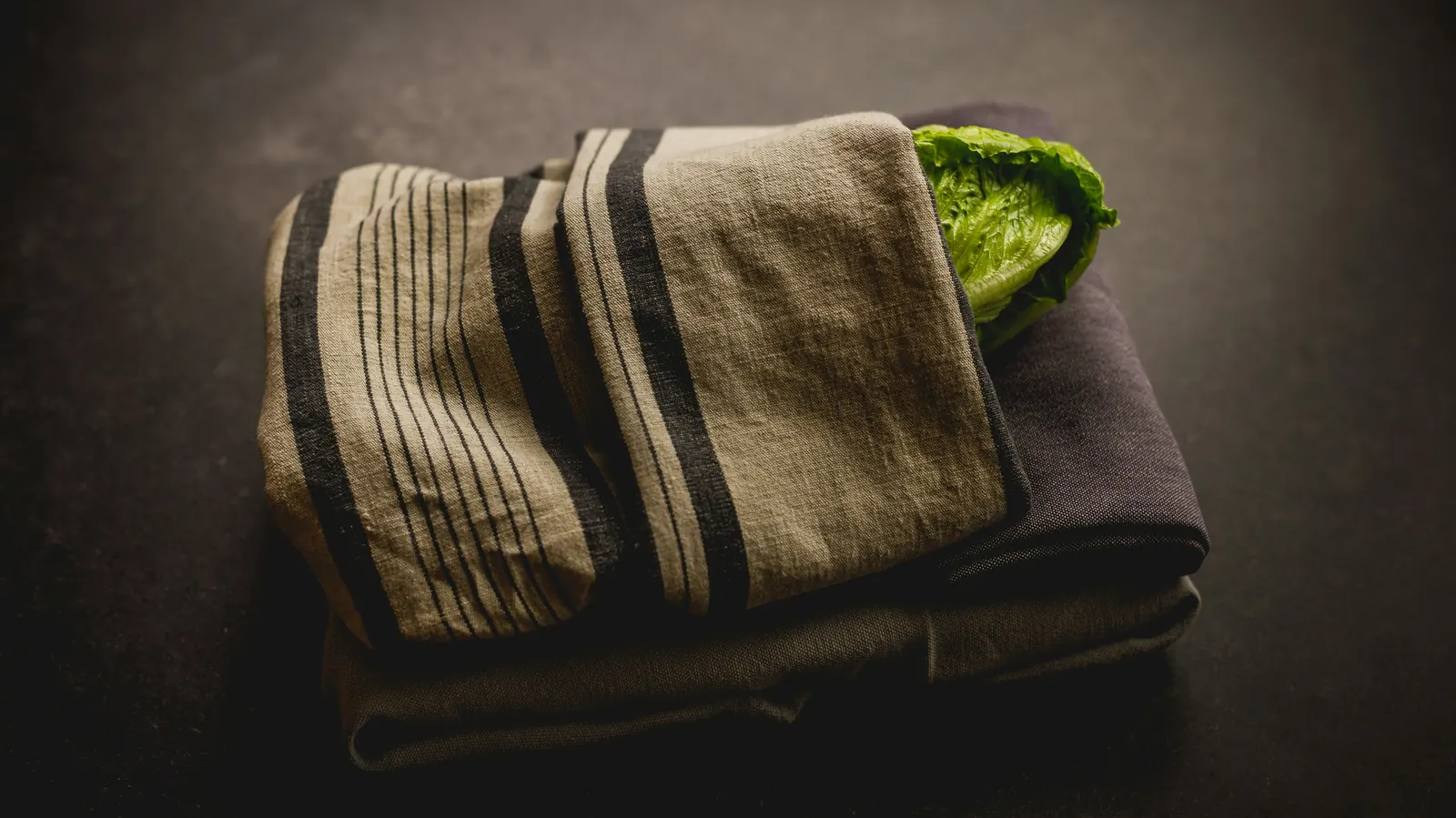
Wet lettuce makes a poor salad. Dressing slides off damp leaves and pools in the bottom of the bowl, and shredded lettuce for tacos turns limp and watery on the plate. A salad spinner is the quickest fix, but plenty of kitchens do not have one, or do not want another bulky bowl in the cabinet.
This guide covers the salad spinner alternative that works for each kind of cook: a big cotton towel, a purpose-made lettuce drying towel, a colander for the rinse and drain, a cotton salad bag and a produce keeper for storage. For each one we say how well it dries greens compared with a spinner, and where it falls short.
Julia’s earns a commission on purchases made through links on this page, at no cost to you. Recommendations are based on what a restaurant kitchen looks for, product specifications and verified buyer reports.
Why cooks dry greens without a spinner
Drying is not just about texture. University of Illinois Extension says washed head lettuce and leafy greens should be spun dry in a salad spinner or patted dry with a paper towel before refrigerating, because they stay crisper. Utah State University Extension adds that removing excess moisture from the leaves, and keeping lettuce cold, helps prevent browning. The U.S. Food and Drug Administration advises drying produce with a clean cloth or paper towel to further reduce bacteria that may be present (FDA).
Nebraska Extension puts the spinner first, calling it the easiest way to remove excess water from leaves, then says a clean cloth or paper towel also works (Nebraska Extension). So a spinner is the convenient tool, not the only one. People skip it for a few common reasons:
- Space. A full-size spinner is one of the bulkiest tools in a kitchen. A towel folds into a drawer.
- Small amounts. For a handful of cilantro or one head of romaine, rolling the leaves in a towel is often as quick as getting the spinner out and washing it afterward.
- Storage. Some cooks want greens that stay crisp for days, which is a storage job as much as a drying job.
- Fewer plastic parts. Cotton towels and bags have no lids, baskets or pumps to break.
Quick verdict: the best salad spinner alternative
For most kitchens, the best salad spinner alternative is a set of large cotton flour sack towels, such as KAF Home’s 32 by 38-inch flour sack towels. Rinse the greens in a colander, lay them on one towel, roll it up loosely and press. It gets leaves nearly as dry as a spinner, just more slowly. If you dry greens often, Eurow’s microfiber lettuce wrap towels are made for the job. Use a stainless colander like the EXCELSTEEL 5-quart for rinsing and draining, then store washed greens in a Regency Wraps Salad Saver bag or keep unwashed greens in a Rubbermaid FreshWorks produce keeper. If you make salad most nights for a family, a spinner is still the faster tool, and our best salad spinner guide covers the ones worth buying.
Five ways to dry and keep greens, side by side
Our five standout picks, one per job, with the details each maker or listing states. All six products are reviewed in full below.
| Product | Type | Best for | How close to a spinner | Buy on Amazon |
|---|---|---|---|---|

KAF Home Flour Sack Towels, Set of 4Best overall
|
Large cotton towel | Rolling or swinging greens dry | Close, but slower | View on Amazon |
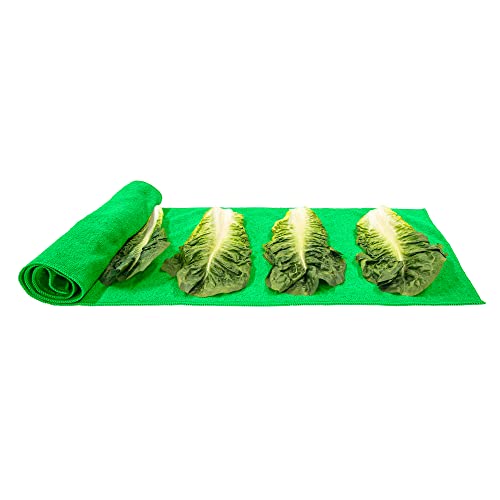
Eurow Microfiber Lettuce Wrap Towels, 2-PackBest purpose-made towel
|
Microfiber terry towel | Long leaves, herbs, frequent use | Close, but slower | View on Amazon |
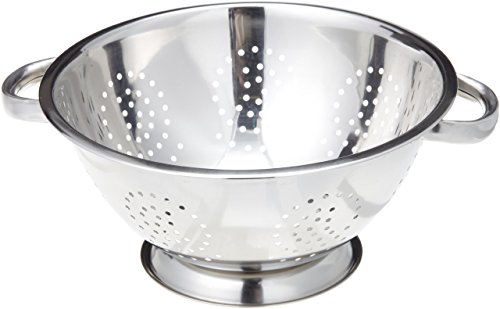
EXCELSTEEL 5-Quart Stainless Steel ColanderBest for rinsing
|
Stainless colander | Washing and draining first | Drains only; pair with a towel | View on Amazon |

Regency Wraps Salad Saver Cotton BagBest for storing
|
Damp cotton produce bag | Keeping greens crisp in the fridge | Stores, does not dry | View on Amazon |

Rubbermaid FreshWorks Produce Saver, 4-Piece SetBest produce keeper
|
Vented container, raised base | Unwashed greens, wash as needed | Stores, does not dry | View on Amazon |
Product images from Amazon. Details are as stated by each maker or listing; “how close to a spinner” is our plain summary, not a measured figure. Check the listing before you buy.
The towel method, step by step
Every drying alternative here is a version of the same idea: get the leaves into contact with something absorbent, and get rid of the water that clings between them. Here is the way we would do it, which is general kitchen sense rather than any one maker’s instruction.
- Rinse and drain. Pull off the outer leaves of a head of lettuce, as the FDA suggests, then rinse the leaves under running water in a colander. The FDA says there is no need for soap or a produce wash. Let the colander drain for a minute or two and give it a few hard shakes.
- Spread the leaves out. Lay a large towel flat and scatter the leaves over it in a single layer, more or less. Crowded, stacked leaves trap water.
- Roll and press. Roll the towel up loosely from one end, then press gently along the roll. Pressing hard bruises tender leaves.
- Or swing it. For sturdy greens like romaine, gather the corners of the towel into a bundle and swing it in a few wide arcs, ideally over the sink or outdoors. This is the old-fashioned spinner.
- Unroll and check. If the leaves still look wet, repeat with a dry part of the towel.
How well does it work? With a big, absorbent towel and a little patience, leaves end up close to spinner-dry. What you give up is speed and volume: a spinner handles a whole family-size batch in a few seconds, while a towel takes several minutes and works best on one or two heads of lettuce at a time. Paper towels work the same way, but you need a lot of them for a full salad.
Six ways to replace a spinner, reviewed
We chose products that do one of the two jobs a spinner does, drying or storing, from makers who state their sizes and materials. Each was in stock on Amazon US, sold new, when we checked. Specifications come from the makers’ listings; where we describe how a method works, we say whose guidance it is or flag it as general kitchen sense. We have not dried greens with every product here.
1. KAF Home Flour Sack Towels, Set of 4 – Big Enough to Roll a Whole Head
A flour sack towel is thin, tightly woven cotton, and it is the classic tool for drying greens without a spinner. The size is what matters. KAF Home’s towels measure 32 by 38 inches each, per the listing, which is large enough to spread out the leaves of a whole head of romaine in one layer, roll it up and press. A small hand towel cannot do that.
KAF Home describes the towels as lint-free, highly absorbent and oversized, and suggests them for drying glass stemware, which is a good sign for greens: nobody wants lint on lettuce any more than on a wine glass. They are 100% cotton, machine washable and tumble dry, and the maker says to wash them before first use. A new cotton towel is often less absorbent until it has been washed once or twice, which is general kitchen sense rather than a KAF Home claim.
A set of four means one for greens, one for herbs and two for everything else in the kitchen, from covering rising dough to drying dishes. Keep a clean one aside for produce; the FDA’s advice is a clean cloth.
Why we like it
- 32 by 38 inches each, per the listing
- Lint-free and highly absorbent, per KAF Home
- 100% cotton, machine wash and tumble dry
- Useful for many other kitchen jobs
Key specifications
| Model | FS 12720 |
|---|---|
| Type | Flour sack towel |
| Material | 100% cotton |
| Size | 32 x 38 in each |
| Count | 4 |
| Job | Drying |
| Care | Machine wash, tumble dry; wash before first use |
Why we recommend it
It suits most home cooks who wash a head or two of lettuce at a time and want a tool that folds into a drawer and does other jobs too.
Skip it if you wash big batches of greens every day; a spinner is much faster at volume.
Pros and cons
Pros
- Very large towels
- Lint-free, per the maker
- Takes almost no storage space
Cons
- Slower than a spinner
- Needs washing before first use
2. Eurow Microfiber Lettuce Wrap Towels, 2-Pack – Made for Drying Greens
This is the one product on the page sold specifically as a spinner replacement. Eurow’s listing calls these towels a space-saving alternative that eliminates the need for a bulky salad spinner, and describes them for lettuce, spinach and herbs. Each towel is 12 by 42 inches: long and narrow, so you lay leaves along the length and roll them up like a sleeping bag.
The fabric is microfiber with a terry weave, which Eurow says absorbs excess water quickly and keeps its absorbency wash after wash. The care is simple: machine wash warm with like colors. The green color is practical, too, since it will not show herb stains the way white cotton does.
The trade-off is that microfiber is a single-purpose choice here. It is a fine drying towel, but it is not the cloth you want for straining or covering dough. If you only dry greens now and then, a cotton flour sack towel does the same job and more.
Why we like it
- Sold specifically to replace a salad spinner
- 12 by 42 inches, for rolling long leaves
- Terry-weave microfiber, per Eurow
- Machine washable
Key specifications
| Model | EUSLWLGR2 |
|---|---|
| Type | Lettuce drying towel |
| Material | Microfiber, terry weave |
| Size | 12 x 42 in each |
| Count | 2 |
| Job | Drying |
| Care | Machine wash warm with like colors |
Why we recommend it
It suits the cook who dries greens and herbs several times a week and wants a towel kept just for that job.
Skip it if you want a towel that does many kitchen jobs; a cotton flour sack towel is more versatile.
Pros and cons
Pros
- Shaped for rolling greens
- Color hides herb stains
- Folds small
Cons
- Narrow for a big batch
- Less versatile than cotton
- Made in not stated
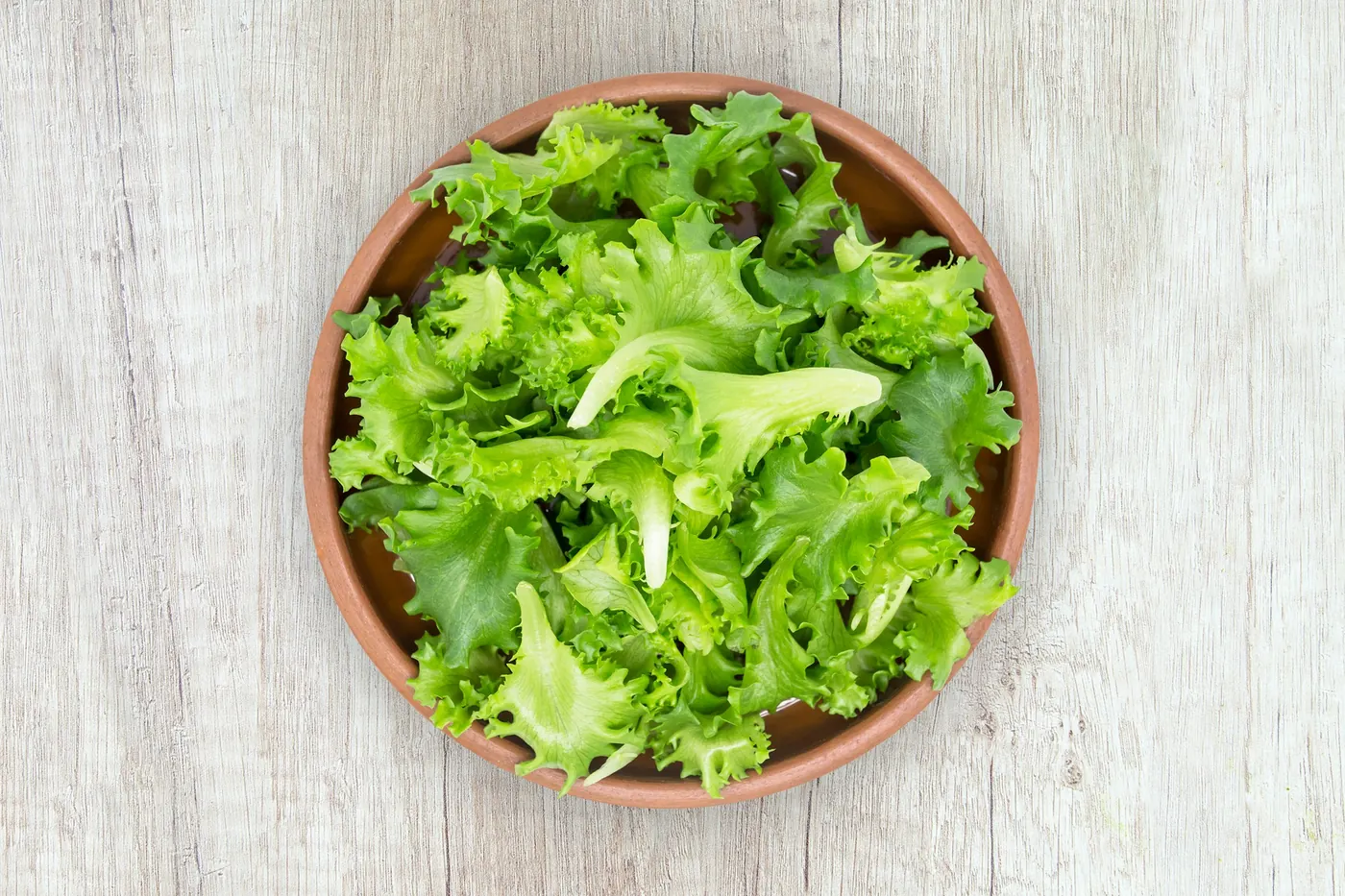
3. EXCELSTEEL 5-Quart Stainless Steel Colander – Rinse and Drain on a Stable Base
A colander is half of what a salad spinner does. The inner basket of a spinner is really a colander; the spinning is the extra step. So if you are going without a spinner, a good colander is where the job starts: rinse the leaves under running water, let them drain, shake hard, and then move them to a towel.
EXCELSTEEL’s colander is stainless steel with a 5-quart capacity, easy-grip handles and a self-draining base, per the listing, and it is dishwasher safe. Five quarts is roomy enough for a head of lettuce torn into leaves or a big bunch of cilantro. A footed base matters more than it sounds: the colander sits in the sink without its holes resting in the drained water.
Be honest about its limit. A colander alone leaves greens wet, because water clings to the leaves no matter how long they drain. Pair it with one of the towels above. The listing gives a one-year warranty against manufacturer defects.
Why we like it
- Stainless steel, 5-quart capacity
- Self-draining base and easy-grip handles
- Dishwasher safe
- One-year warranty, per the listing
Key specifications
| Model | 242 |
|---|---|
| Type | Colander |
| Material | Stainless steel |
| Size | 5 qt |
| Count | 1 |
| Job | Rinsing and draining |
| Care | Dishwasher safe |
Why we recommend it
It suits a kitchen without a good colander, or one that wants a sturdy steel bowl for rinsing greens, beans and pasta alike.
Skip it if you already own a colander; any colander does this half of the job, and the towel is the part you need.
Pros and cons
Pros
- Stands on its own base
- Dishwasher safe
- Useful far beyond salad
Cons
- Drains but does not dry
- Listing gives few other details
4. Regency Wraps Salad Saver Cotton Bag – Keeps Washed Greens Crisp
Many people who buy a spinner also use it as a storage box for washed greens. If that is the part you miss, a cotton salad bag does it without the bulk. Regency Wraps, a family-owned company that says it has operated in the USA since 1985 and makes or inspects its products in Dallas, sells this 10 by 17-inch, 100% cotton bag for keeping greens and produce fresh in the fridge.
The method is the opposite of drying. Regency says to soak the bag in cold water, wring out the excess, put the greens inside, pull the drawstring closed and store it in the crisper drawer, re-wetting the bag as needed. The idea is a humid space around the leaves rather than a dry one. Regency says the bag is large enough for a whole head of lettuce and keeps greens crisp for up to two weeks.
That means it does not replace the drying step. Towel-dry the leaves first, so they are not sitting in surface water, then store them in the damp bag.
Why we like it
- 100% cotton, reusable
- Holds a whole head of lettuce, per Regency
- Made or inspected in Dallas, per the maker
- Folds flat when not in use
Key specifications
| Model | RW086 |
|---|---|
| Type | Cotton produce bag, drawstring |
| Material | 100% cotton |
| Size | 10 x 17 in |
| Count | Not clearly stated |
| Job | Storing |
| Care | Not stated |
Why we recommend it
It suits a cook who washes greens once and wants them ready for salads and tacos through the week, without a bulky box in the fridge.
Skip it if you want something that dries greens; this bag stores them and needs re-wetting.
Pros and cons
Pros
- Takes little fridge space
- Reusable cotton
- Small US maker
Cons
- Does not dry greens
- Must be kept damp
- Care not stated
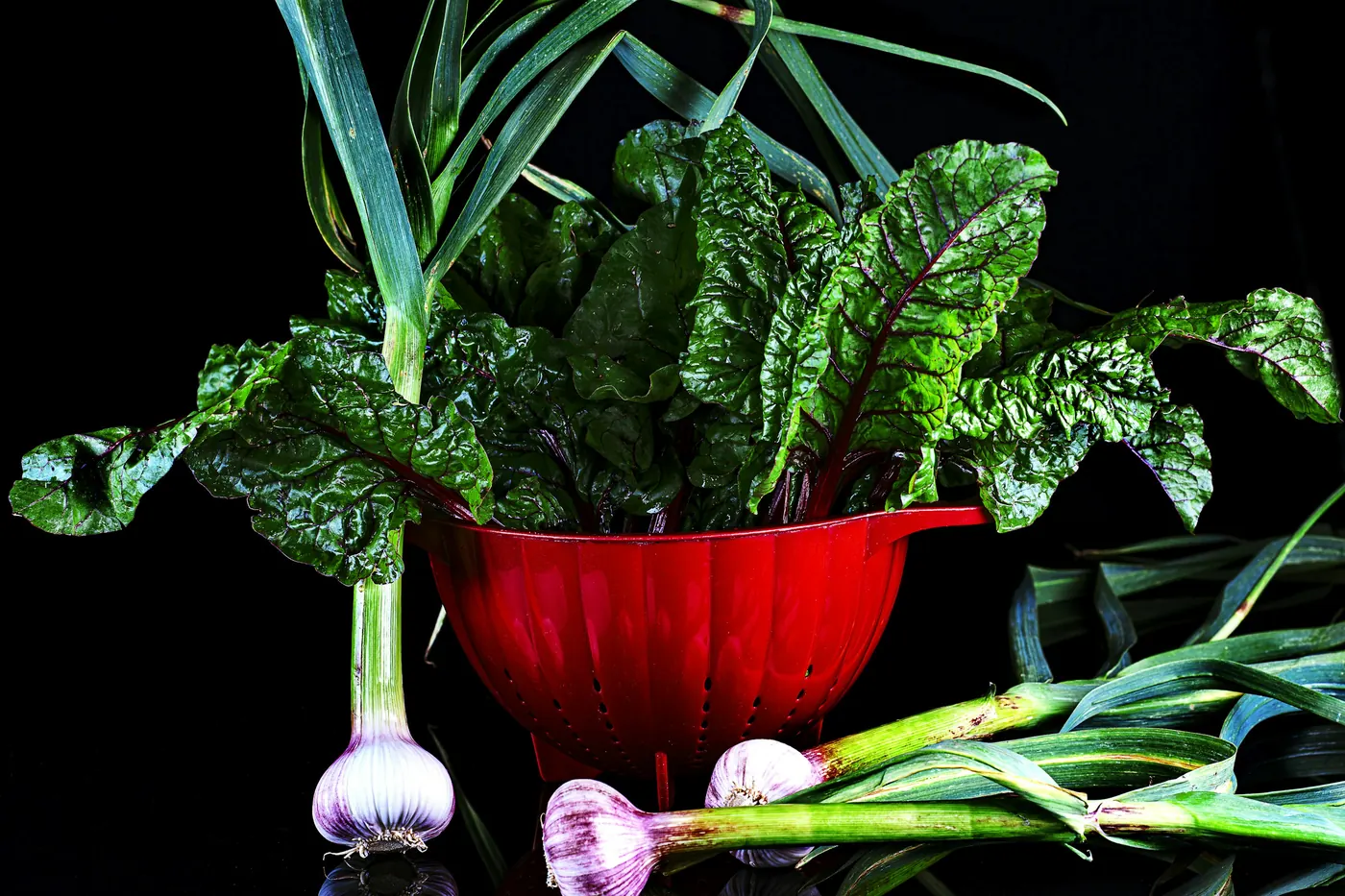
5. Rubbermaid FreshWorks Produce Saver, 4-Piece Set – A Raised Base Keeps Leaves Off Moisture
A produce keeper solves the storage half of the problem a different way. Rubbermaid’s FreshWorks containers have a built-in FreshVent filter that regulates the flow of oxygen and carbon dioxide, and an elevated base that lifts produce away from moisture. The filter lasts for the life of the container, per Rubbermaid, so there is nothing to refill. This set has one 11.3-cup short container and one 18.1-cup tall container with lids; Rubbermaid suggests the large one for iceberg lettuce and spinach.
Read the instructions before you fill it. Rubbermaid says to put unwashed, uncut produce in the container. That makes it the alternative for a cook who would rather not wash a whole head at once: store it dry and whole, then wash and towel-dry only what you need for tonight’s tacos or salad. Small amounts are exactly where the towel method is quickest.
The containers are BPA-free and dishwasher safe, per the listing, and the bases nest inside each other when empty.
Why we like it
- Vent filter lasts for life, no refills, per Rubbermaid
- Raised base lifts produce off moisture
- Two sizes in one set
- Dishwasher safe; bases nest
Key specifications
| Model | 2114815 |
|---|---|
| Type | Vented produce container |
| Material | BPA-free plastic |
| Size | 11.3 cups and 18.1 cups |
| Count | 2 containers, 2 lids |
| Job | Storing (unwashed produce) |
| Care | Dishwasher safe |
Why we recommend it
It suits a cook who buys whole heads of lettuce or bags of spinach and washes a little at a time.
Skip it if you want to wash everything on shopping day; Rubbermaid’s own instructions are for unwashed produce.
Pros and cons
Pros
- No filter refills
- Raised base
- Dishwasher safe
Cons
- Does not dry greens
- Bulky in a small fridge
6. Utopia Kitchen Flour Sack Towels, 12-Pack – A Big Stack for Little Money

If you want flour sack towels in bulk, this is the stack to buy. Utopia Kitchen’s set has twelve 28 by 28-inch towels of 100% ring-spun cotton, per the listing, and the maker names salad drying directly, listing “salad spinners” among the towels’ uses, along with straining cheese, drying hands and replacing paper towels.
They are smaller than KAF Home’s 32 by 38-inch towels, so a whole head of lettuce may need two. That is the trade for having a dozen: you can use a fresh, clean towel for produce every time and wash them all together. Utopia says they are lint-free and machine washable, and that washing them before first use improves absorbency and reduces lint.
Why we like it
- Twelve towels, 28 by 28 inches each
- Listed by the maker for drying salad
- 100% ring-spun cotton
- Machine washable
Key specifications
| Model | UK0062 |
|---|---|
| Type | Flour sack towel |
| Material | 100% ring-spun cotton |
| Size | 28 x 28 in each |
| Count | 12 |
| Job | Drying |
| Care | Machine wash; wash before first use |
Why we recommend it
It suits a busy kitchen that goes through towels quickly and wants a clean one for produce every time.
Skip it if you want the largest towel for a whole head of lettuce in one roll; KAF Home’s are bigger.
Pros and cons
Pros
- Many towels in one pack
- Salad drying named by the maker
- Machine washable
Cons
- Smaller than KAF Home’s
- Needs washing before first use
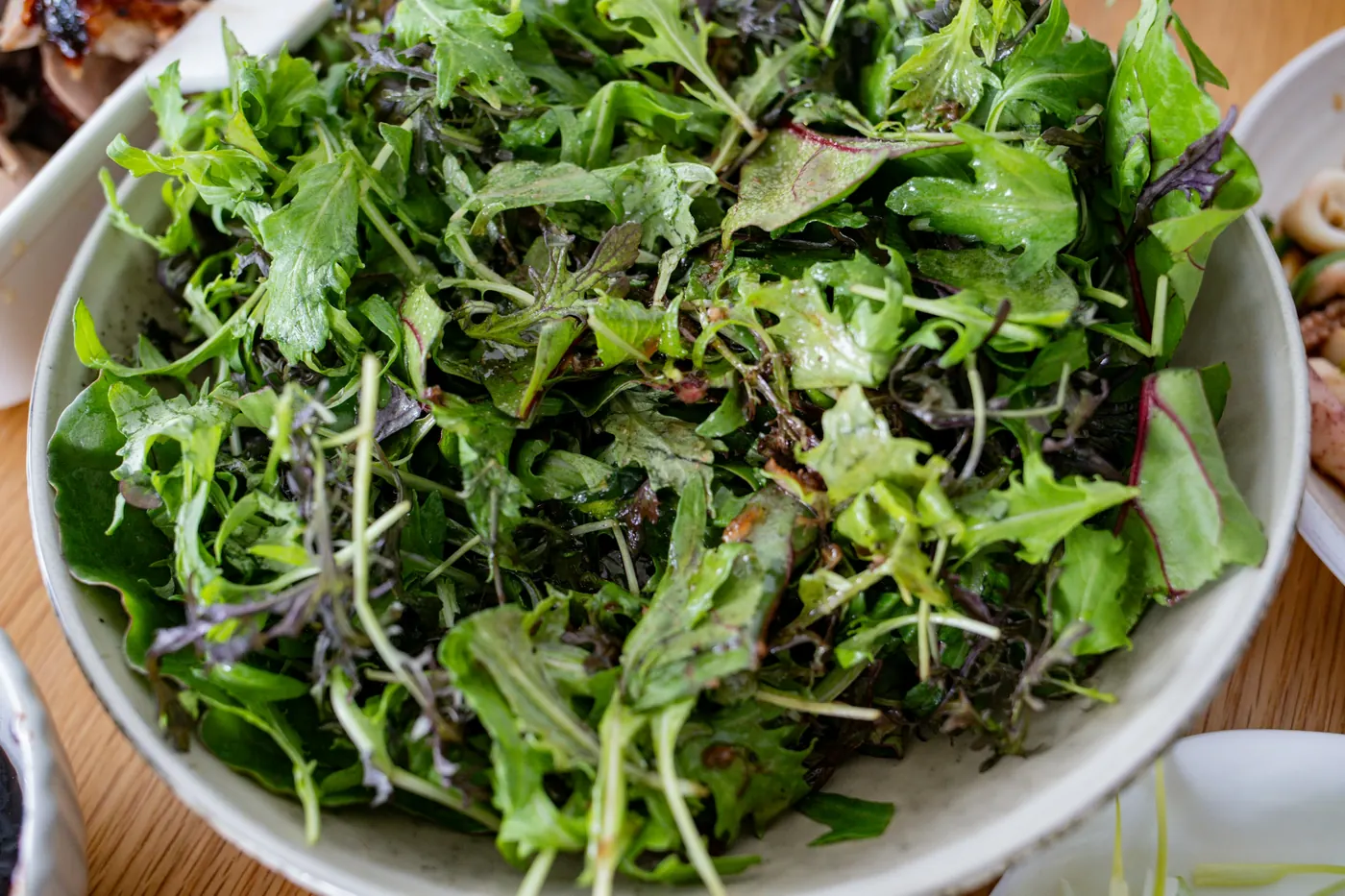
Drying greens for tacos, tostadas and salsa
In a Mexican kitchen, dry lettuce matters most in the places you least notice it. Shredded romaine or iceberg on tacos, tostadas and flautas should be crisp, and wet shreds turn soggy against warm tortillas. The same goes for cilantro: chopped wet, it turns to paste on the board and dilutes a pico de gallo. A quick roll in a towel before chopping fixes both, and for the small amounts a taco night needs, the towel is often faster than a spinner.
Shred or chop after drying, not before. Whole leaves are easy to dry; a pile of shredded lettuce holds water in every gap. That is general kitchen sense, and it is why the drying step comes right after the rinse.
Salad spinner alternative questions, answered
What can I use instead of a salad spinner?
A large, clean cotton towel. Rinse the greens in a colander, spread them on the towel, roll it up and press gently, or gather the corners and swing it. Nebraska Extension notes that a clean cloth or paper towel works for drying leaves, and the FDA recommends drying produce with a clean cloth or paper towel.
Is a towel as good as a salad spinner?
For a head or two of lettuce, nearly. The towel takes longer and handles smaller batches, which is why Nebraska Extension calls the spinner the easiest method. If you wash large amounts of greens most days, a spinner is worth its cabinet space.
Can I use paper towels to dry lettuce?
Yes. Illinois Extension says greens can be patted dry with a paper towel before refrigerating. You will use more paper than you expect for a full salad, which is why a reusable cotton towel is our first choice.
How do I keep washed lettuce crisp?
Dry it well, then keep it cold. Utah State University Extension recommends low temperatures and removing excess moisture to prevent browning, and warns that storing lettuce near ethylene-producing fruit such as apples or pears can cause leaf spotting. A damp cotton bag, such as the Regency Wraps Salad Saver, or a lidded container keeps the air around the leaves humid without leaving them sitting in water.
Should I wash bagged salad greens?
Follow the label on the bag, which says whether the greens are ready to eat. If you do rinse them, dry them the same way as a head of lettuce before they go into a salad.
Do I need soap to wash lettuce?
No. The FDA says there is no need to use soap or a produce wash; rinse under running water.
Our final pick for drying greens without a spinner
Start with a set of large cotton flour sack towels, such as KAF Home’s, and a colander you already own. That pair dries greens nearly as well as a spinner for everyday amounts, folds into a drawer and does a dozen other jobs. Add Eurow’s lettuce towels if you dry greens often, and a Regency Wraps bag or Rubbermaid FreshWorks container if keeping greens crisp through the week is the real goal.
If you decide a spinner is worth it after all, see our best salad spinner guide or the best value salad spinner picks. For the rest of the job, see our guides to the best colander, the best dish towels and the best produce bags.
And if you would rather someone else made the tacos tonight, see the menu or call to order.