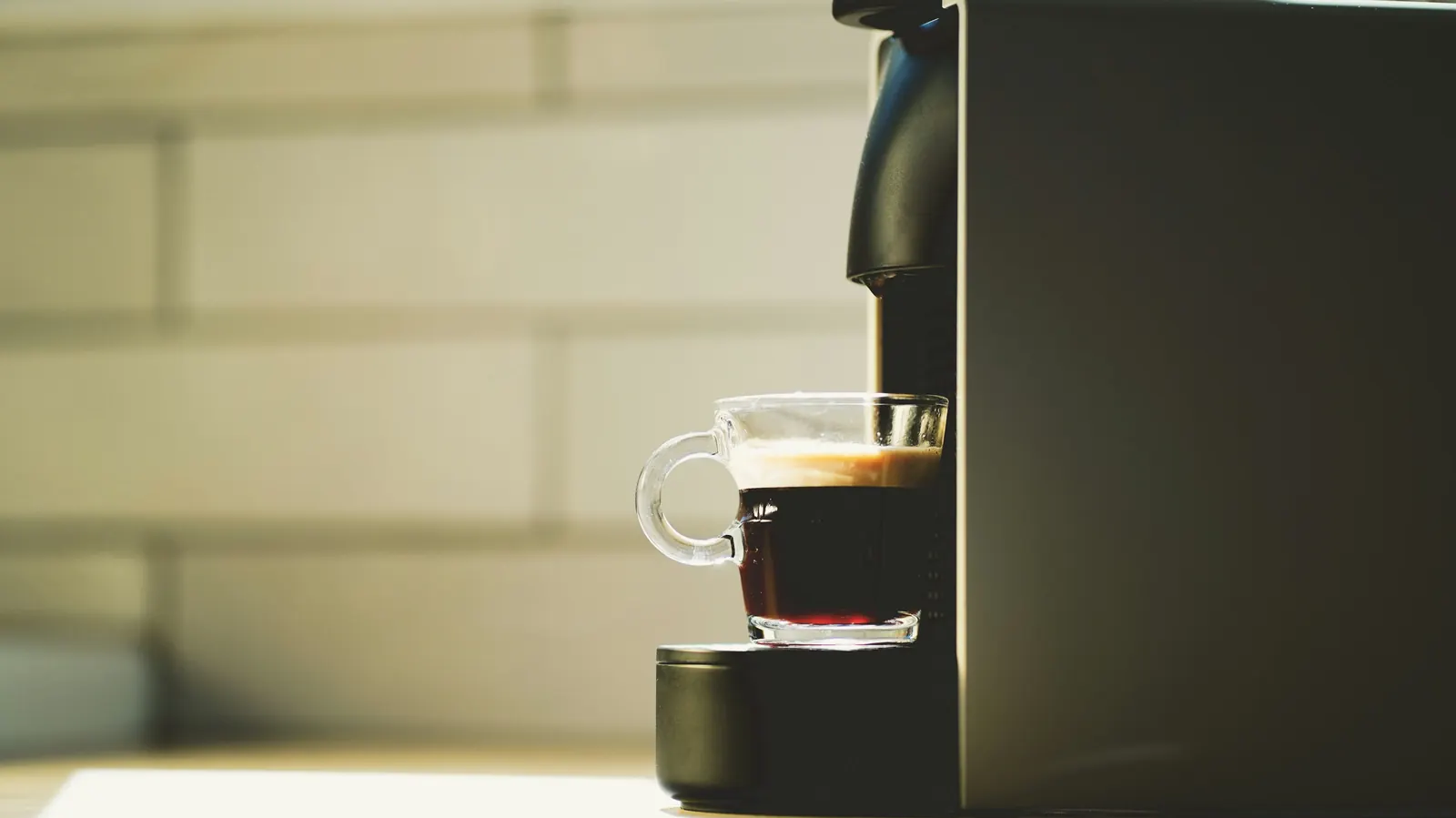
A single-serve coffee maker brews one cup at a time, usually from a sealed pod, sometimes from a scoop of your own grounds. A drip coffee maker brews a whole pot from a basket of grounds and keeps it warm or hot for the household. Both are push-button machines that need no barista skill, so the choice comes down to how many cups you drink, what you are willing to pay per cup, and how much packaging you are willing to throw away.
In a restaurant the answer is easy, because the pot never stops moving. At home it depends on who is drinking. This guide compares the two on cups per brew, freshness, cost class, waste, energy and cleanup, then names two picks on each side.
Julia’s earns a commission on purchases made through links on this page, at no cost to you. Recommendations are based on what a restaurant kitchen looks for, product specifications and verified buyer reports.
Quick verdict: pod brewer or a pot of drip?
If two or more people in your home drink coffee every morning, or one person drinks several cups, buy a drip coffee maker. It costs less per cup, makes more at once and creates far less packaging waste. Buy a single-serve machine if you live alone or drink one cup a day, if household members all want different coffees, or if speed and no leftover pot matter more to you than cost per cup. A single-serve that also takes your own grounds closes most of the cost and waste gap.
The table sums up the differences. The sections after it explain each one and where the figures come from.
Single serve vs drip coffee maker, side by side
| Single-serve | Drip coffee maker | |
|---|---|---|
| Cups per brew | One cup, about 6 to 14 oz on our picks | A pot; 10 to 12 cups on our picks |
| Coffee | Pods; some also take your own grounds | Any ground coffee |
| Cost per cup | Higher with pods; low with your own grounds | Low |
| Packaging waste | One pod per cup; K-Cups recyclable where accepted (Keurig) | A paper filter per pot |
| Leftover coffee | None | Whatever is left in the pot |
| Energy (older Energy Star figures) | About 45 to 65 kWh a year (Grist) | About 100 to 150 kWh a year for 10 to 12 cups (Grist) |
| Daily cleanup | Toss the pod, empty the drip tray | Rinse basket and filter, wash the carafe (NCA) |
| Descaling | Yes, regularly | At least every 3 to 6 months (NCA) |
How many cups you really drink
This is the question that decides it. A single-serve machine brews one cup per cycle. The Keurig pick below offers 6, 8, 10 and 12 ounce sizes, and the BELLA goes from 6 up to 14 ounces. For one drinker that is ideal: the right amount, made fresh, with nothing left over.
A drip machine brews a pot. The National Coffee Association’s golden ratio for drip is 1 to 2 tablespoons of ground coffee for every 6 ounces of water, and a single cycle fills the carafe; both drip picks below make up to 12 cups. For three people at breakfast, a single-serve means three separate brews and a wait at the counter. Kitchen sense says to count the cups your household drinks on a normal weekday morning and buy for that.
Many drip machines now handle small batches too. The Hamilton Beach pick has a 1 to 4 cup setting, which helps when only one person is home, though it still makes more than a single mug.
Freshness and flavor
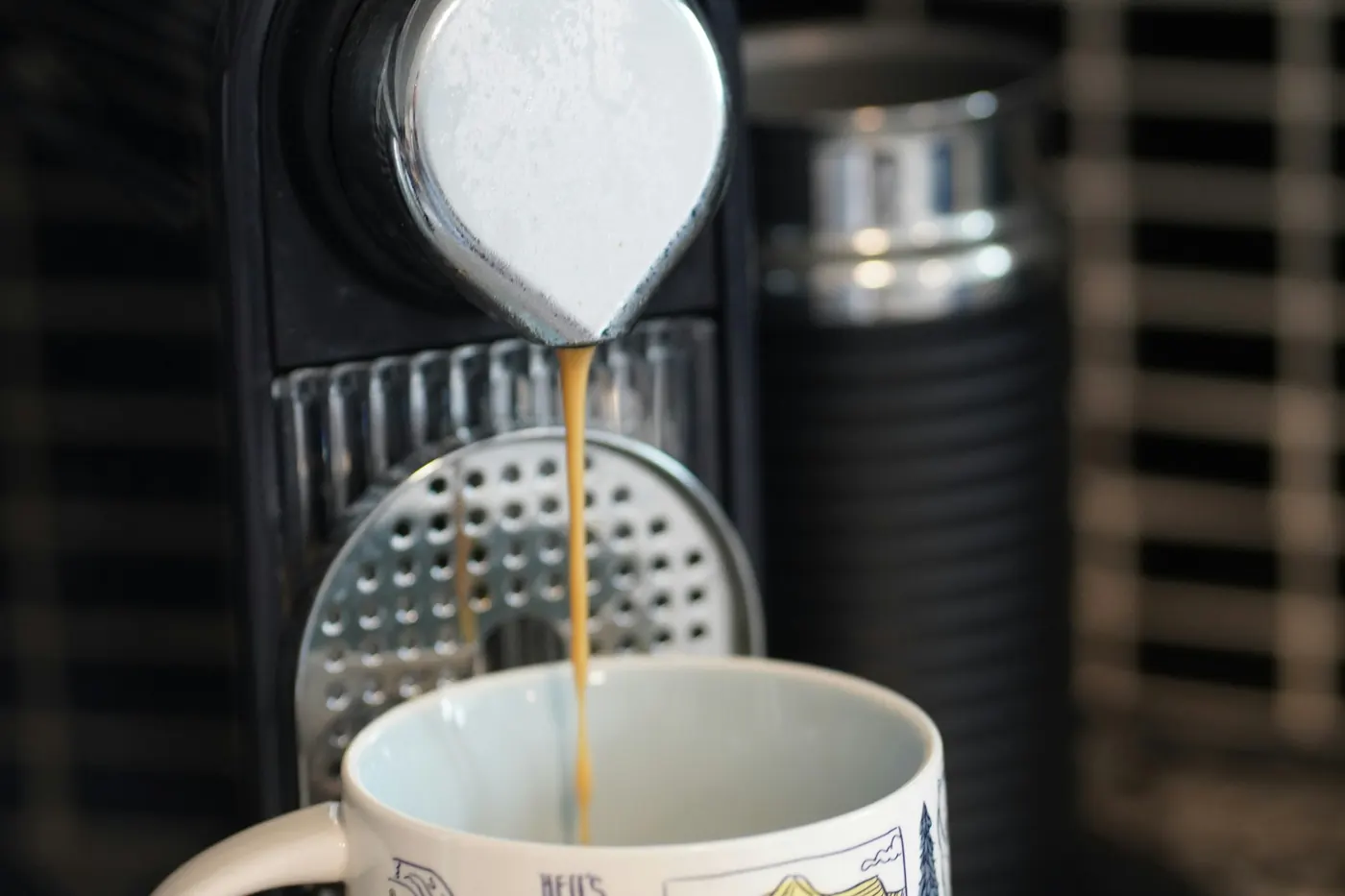
A single-serve cup is brewed at the moment you drink it. A drip pot is freshest in the first half hour; after that it depends on the carafe. The NCA notes that many drip makers have a hot plate to keep coffee warm, and kitchen sense says coffee left on a hot plate for long starts to taste cooked. A thermal carafe avoids that, and a machine with an automatic shut-off, like the Hamilton Beach below, limits how long the plate stays on.
Flavor depends more on the coffee than the machine. A pod limits you to what comes in pods. A drip maker, or a single-serve with a reusable filter, lets you use any coffee you like, ground the way the NCA suggests for drip: medium, about like kosher salt.
Cost class, cup by cup
We don’t quote prices because they change, but the pattern is clear and has been for years. The machines themselves sit in a similar low to moderate class. The difference is in what goes in them. Grist’s Ask Umbra column, using 2012 figures, estimated that pod coffee cost several times as much per pound as coffee bought in bulk. Prices have moved since, but pods still carry the cost of individual packaging.
The fix on the single-serve side is to use your own grounds. The BELLA pick below comes with a reusable filter, and Keurig’s K-Supreme Gen 2 listing says it works with Keurig’s reusable My K-Cup filter as well as pods. That brings the cost per cup down close to drip, at the price of a scoop and a rinse each time.
Waste and recycling
Single-serve pods add one piece of packaging per cup. Keurig says that since 2020 all its K-Cup pods have been recyclable, made from #5 polypropylene, and asks you to let the pod cool, peel off the lid, empty the grounds and recycle the cup. Keurig also says plainly that pods are not recycled in many communities, and to check locally. Our Keurig vs Nespresso page goes further into pod recycling.
Drip produces a paper filter and a bed of grounds per pot, both of which can go in the compost. A drip machine can waste coffee instead, though: whatever is left in the pot at the end of the morning. Grist’s column called the fix simple: don’t make more than you need.
Energy use
Energy runs the other way. Grist’s column cited an Energy Star comparison that put yearly household use at about 100 to 150 kilowatt-hours for a 10 to 12 cup drip coffeemaker and about 45 to 65 for a single-serve machine. Those are older figures and machines have changed, but the reason holds: a drip machine with a hot plate keeps heating while the pot sits. An automatic shut-off or a thermal carafe narrows the gap.
Cleanup and upkeep
Single-serve is the tidier daily routine: toss the pod and empty the drip tray now and then. If you brew with your own grounds, add a rinse of the reusable filter. Drip asks a bit more each day. The NCA says to rinse the brew basket and filter after each use with clear, hot water, wash them periodically in hot, soapy water, and wipe the hot plate once it has cooled.
Both need descaling, since both heat water through internal parts. The NCA notes that major manufacturers recommend descaling a coffee maker at least every 3 to 6 months, with several plain-water cycles afterward. Our best coffee maker cleaner guide covers descaling products.
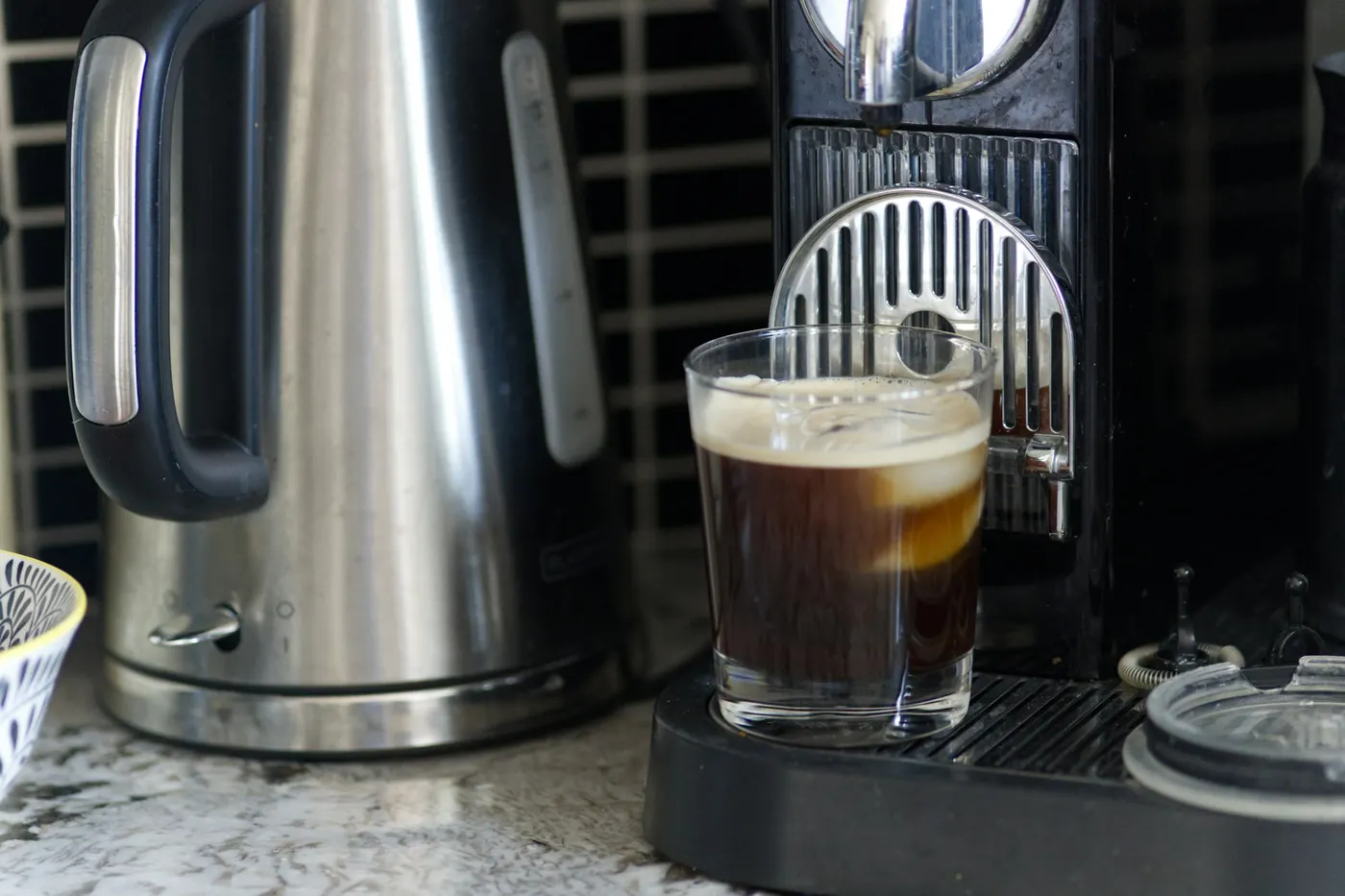
Choose single-serve if… / Choose drip if…
Choose a single-serve coffee maker if…
- You live alone or drink one cup a day.
- Each person in the house wants a different coffee, tea or strength.
- You hate pouring out a half-full pot.
- You have little counter space and want a cup in a few minutes.
Choose a drip coffee maker if…
- Two or more people drink coffee each morning.
- You want the lowest cost per cup and the least packaging.
- You want a timer so coffee is ready when you wake.
- You buy coffee by the bag and want to use any brand or roast.
Our picks for each side of the single serve vs drip coffee maker choice
Two single-serve machines, one pod brewer and one that takes pods or grounds, and two programmable 12-cup drip machines. All four were in stock when we checked. Three are models we have not picked elsewhere. The Keurig K-Supreme Gen 2 is the gray listing of a model already in our best Keurig coffee machine guide; we include it because it is Keurig’s current full-size hot-and-iced brewer and the clearest example of the pod side. Each is described from its Amazon listing, which we name as the source.
1. Keurig K-Supreme Gen 2 Single Serve Coffee Maker – Four Sizes, Hot or Iced

The K-Supreme Gen 2, model K94, is a full-size pod brewer for a household that has settled on single-serve. The listing gives four cup sizes, 6, 8, 10 and 12 ounces, and three strength and temperature settings, plus a setting to brew hot over ice for iced coffee. Keurig’s MultiStream design spreads water across the pod; the listing says it is meant to extract more flavor.
The reservoir is the practical feature for a busy home: the listing describes a 72-ounce removable tank with a handle, enough for several cups between refills. It is travel-mug friendly, and the listing says it works with K-Cup pods or the reusable My K-Cup filter, so you can switch to your own grounds to cut cost and waste.
The listing does not state a warranty or dimensions.
Why we like it
- 6, 8, 10 and 12 oz cup sizes (listing)
- Three strength and temperature settings; brew over ice (listing)
- 72 oz removable reservoir with handle (listing)
- Works with K-Cup pods or My K-Cup reusable filter (listing)
Key specifications
| Model | K94 |
|---|---|
| Type | Single-serve pod brewer |
| Brew size | 6, 8, 10, 12 oz |
| Water tank | 72 oz, removable |
| Coffee | K-Cup pods or My K-Cup filter |
| Programmable | Not stated |
| Keeping it hot | Brewed to the cup; no carafe |
| Warranty | Not stated |
Why we recommend it
It suits a home where each person wants their own cup, hot or iced, at their own strength, and nobody wants to clean a pot.
Skip it if cost per cup matters most and you will not bother with the reusable filter; a drip maker below is cheaper to run.
Pros and cons
Pros
- Large tank for several cups
- Strength, temperature and iced settings
- Reusable filter option
Cons
- Pods cost more per cup
- One cup per brew
- Warranty not stated in the listing
2. BELLA Single Serve Coffee Maker – Pods or Your Own Grounds

This BELLA, model 35220, is the single-serve for someone who wants the one-cup routine without being tied to pods. The listing says it brews with ground coffee or pods and comes with a reusable filter and a pod adapter. Cup sizes run from 6 to 14 ounces, so it fills a small mug or a travel mug.
It is built small. The listing describes a slim design with a 14-ounce water tank and one-touch brewing, which means you fill it for each cup rather than once a week. The drip tray adjusts for travel mugs up to 7 inches tall. For cleanup, the listing says the reusable filter, pod adapter and drip tray are dishwasher safe.
The listing does not state a warranty or wattage.
Why we like it
- Ground coffee or pods (listing)
- 6 to 14 oz cup sizes (listing)
- Adjustable drip tray for 7-inch travel mugs (listing)
- Dishwasher-safe filter, adapter and drip tray (listing)
Key specifications
| Model | 35220 |
|---|---|
| Type | Single-serve, pods or grounds |
| Brew size | 6 to 14 oz |
| Water tank | 14 oz |
| Coffee | Pods or ground coffee (reusable filter included) |
| Programmable | Not stated |
| Keeping it hot | Brewed to the cup; no carafe |
| Warranty | Not stated |
Why we recommend it
It suits a single coffee drinker in a small kitchen or dorm who wants one fresh cup of their own coffee and the option of a pod on rushed days.
Skip it if you want to fill the tank once for several cups; the Keurig above holds far more water.
Pros and cons
Pros
- Use any ground coffee
- Compact
- Dishwasher-safe parts
Cons
- Refill the tank for each cup
- No strength or temperature settings listed
- Listing is the only source
3. BLACK+DECKER CaféCraft 12-Cup Programmable Coffee Maker – Even Wetting, Brew Later

The CaféCraft, model CM0322-0SD, is a 12-cup programmable drip machine. Its headline feature, according to the listing, is a Vortex showerhead that swirls water to wet the grounds evenly. Uneven wetting is a common weakness of basic drip makers, so this is a sensible thing to fix.
The rest covers the drip basics well. Programmable one-touch controls let you brew now or later, and a strength selector offers regular or strong. Sneak-A-Cup pauses the flow so you can pour a cup before the pot finishes, and the title lists a keep-warm function. Note the listing’s own fine print: a “cup” here is about 5 ounces, so a full pot is closer to five or six mugs.
BLACK+DECKER says the Vortex models are designed to brew over 20,000 cups, a comparison with its own machines without Vortex. The listing does not state a warranty.
Why we like it
- Vortex showerhead for even wetting (listing)
- Programmable brew-later and strength selector (listing)
- Sneak-A-Cup pour mid-brew (listing)
- Stainless steel accents, matte finish (listing)
Key specifications
| Model | CM0322-0SD |
|---|---|
| Type | Programmable drip coffee maker |
| Brew size | Up to 12 cups (about 5 oz each) |
| Water tank | Not stated |
| Coffee | Ground coffee |
| Programmable | Yes, brew now or later |
| Keeping it hot | Keep-warm plate |
| Warranty | Not stated |
Why we recommend it
It suits a family that wants a full pot ready on waking, with a strong setting for those who like it bolder.
Skip it if you often brew just a cup or two; the Hamilton Beach below has a small-batch setting.
Pros and cons
Pros
- Even-wetting showerhead
- Timer and strength selector
- Pour before the pot finishes
Cons
- Small “cup” measure
- Glass carafe on a warmer plate
- Warranty not stated
4. Hamilton Beach 12 Cup Programmable Drip Coffee Maker – Full Pot or a Small Batch

This Hamilton Beach, model 46293J, is a straightforward 12-cup programmable drip machine that also suits days when fewer people are home. The listing gives three brew options: regular, bold, and a 1 to 4 cup setting for small pots. That last one is the drip side’s answer to single-serve, though it still brews more than one mug.
A programmable clock with a digital display sets the brew time for wake-up coffee. The listing says it shuts itself off after 2 hours, which caps how long the warmer plate runs, and an automatic pause lets you lift the carafe to pour before brewing finishes. The carafe is glass.
The listing does not state a warranty or the size of a “cup”.
Why we like it
- Regular, bold and 1 to 4 cup settings (listing)
- Programmable clock timer (listing)
- Automatic shut-off after 2 hours (listing)
- Pause and serve mid-brew (listing)
Key specifications
| Model | 46293J |
|---|---|
| Type | Programmable drip coffee maker |
| Brew size | Up to 12 cups; 1 to 4 cup setting |
| Water tank | Not stated |
| Coffee | Ground coffee |
| Programmable | Yes, clock timer |
| Keeping it hot | Warmer plate, auto shut-off after 2 hours |
| Warranty | Not stated |
Why we recommend it
It suits a household that brews a full pot most days and a small one on others, and wants the plate to switch itself off.
Skip it if you want coffee to stay hot for hours; a thermal-carafe machine suits that better.
Pros and cons
Pros
- Small-batch setting
- Bold option
- Auto shut-off
Cons
- Glass carafe on a hot plate
- Cup size not stated
- Listing is the only source
Pod and pot questions, answered
Is single-serve coffee more expensive than drip?
Per cup, yes, when you use pods. The machines are in a similar cost class; the difference is the coffee. Using a reusable filter with your own grounds brings a single-serve close to drip.
Can a single-serve coffee maker use regular ground coffee?
Many can. The BELLA above takes grounds out of the box, and the Keurig’s listing says it works with Keurig’s My K-Cup reusable filter. Check the listing before you buy, because some pod machines only take pods.
Are K-Cup pods recyclable?
Keurig says all its K-Cup pods have been recyclable since 2020 and are made from #5 polypropylene, once you peel the lid and empty the grounds. It also says they are not recycled in many communities, so check with your local program.
Which uses less electricity?
Older Energy Star figures cited by Grist put a single-serve machine at about half the yearly energy of a 10 to 12 cup drip maker, mostly because a drip machine keeps a hot plate on. A drip maker with auto shut-off or a thermal carafe narrows that gap.
Is there a machine that does both?
Yes. Some machines brew a single cup or a full carafe. Our best single and multi-serve coffee maker guide covers them.
Our final word on pod or pot
Count your cups. For a household of coffee drinkers, a drip coffee maker is cheaper, makes less waste and has everyone’s coffee ready at once. For one drinker, or a home where everyone wants something different, a single-serve earns its place, and one that takes your own grounds is the best of both.
For more choices, see our best single-serve coffee maker guide and our best coffee maker guide. And when you’d rather someone else made breakfast, see the menu or call to order.