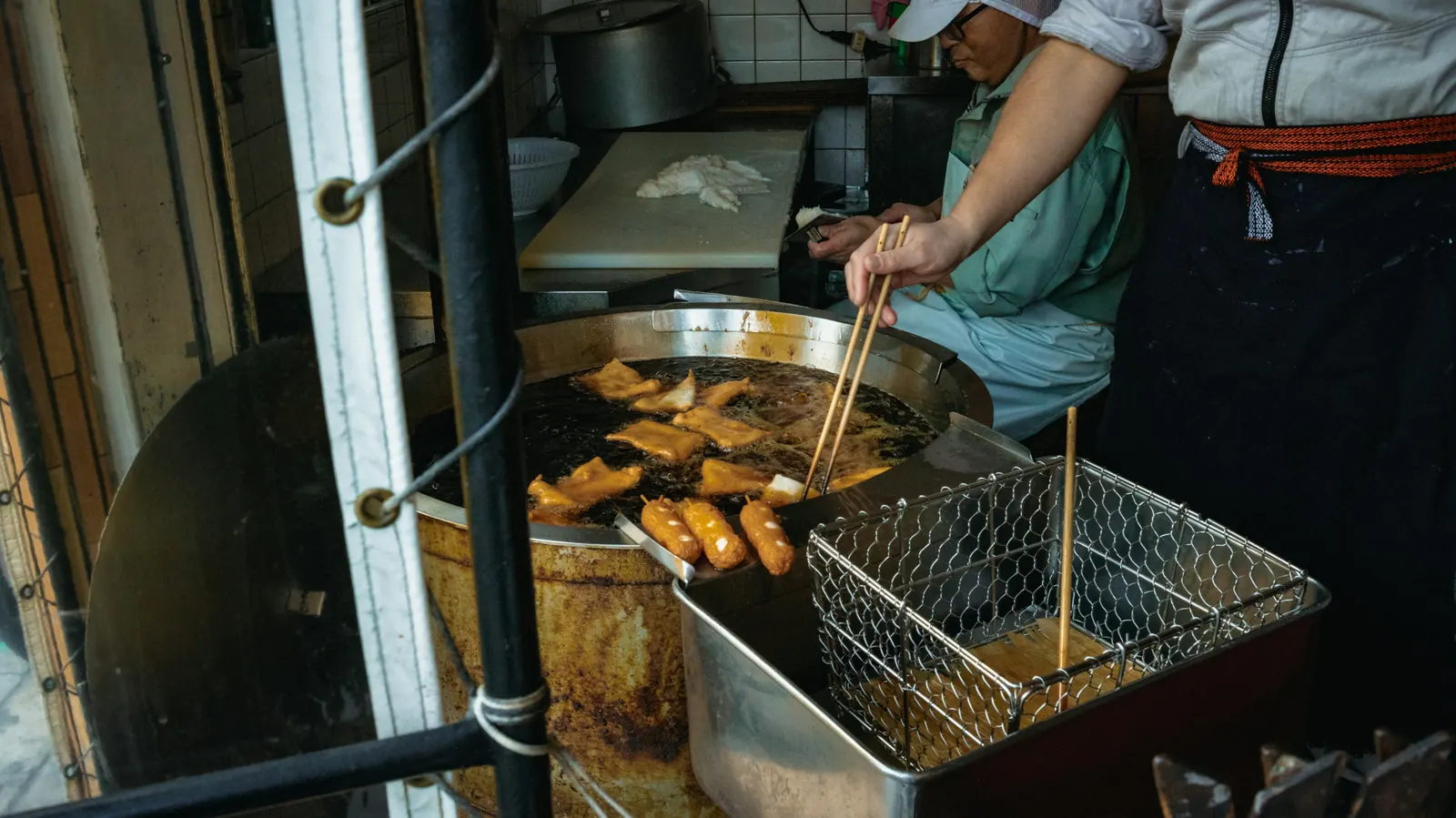
A spider strainer is the tool most cooks reach for when a batch of taquitos, churros or tortilla strips is ready to come out of the oil. But plenty of kitchens don’t have one, and the one you own may be too small for a pot of ravioli or too coarse for the crumbs left after frying. The good news is that several ordinary tools can do the job, some of them better for a particular food.
This guide covers what to use instead of a spider, how well each option works and where it falls short. In a restaurant kitchen we judge a lifting tool on three things: how many pieces it brings up at once, how quickly the oil or water runs off, and how far it keeps your hand from the heat. Six tools pass that test, and each one does the job in a different way.
Julia’s earns a commission on purchases made through links on this page, at no cost to you. Recommendations are based on what a restaurant kitchen looks for, product specifications and verified buyer reports.
What a spider does, and why the stand-ins differ
The Wikipedia entry on the spider describes it as “a wide shallow wire-mesh basket with a long handle”, named for its web-like wire pattern. It is “good for lifting and draining foods from hot oil, soups, stocks and boiling water.” The same entry says Western cooks “favour the open mesh over slotted spoons for faster and safer drainage”, and that, unlike a fine sieve, a spider is a strainer for larger pieces of food.
That gives you the three jobs any alternative has to cover:
- Lifting. Getting food up and out of the pot. A wide tool lifts more per trip; a narrow one means more trips over hot oil.
- Draining. Letting the oil or water fall back into the pot. Open wire drains fastest; small holes drain more slowly.
- Reach. Keeping your hand and wrist out of the steam and spatter. Handle length matters here.
No single stand-in matches a spider on all three. A perforated skimmer comes closest in shape. A fry basket lifts the most. A slotted spoon and tongs are the tools most kitchens already own. A pasta insert handles boiling water better than any spider, and a fine-mesh strainer catches what a spider lets through. If you would rather just buy a spider, our guide to the best spider strainer compares seven of them.
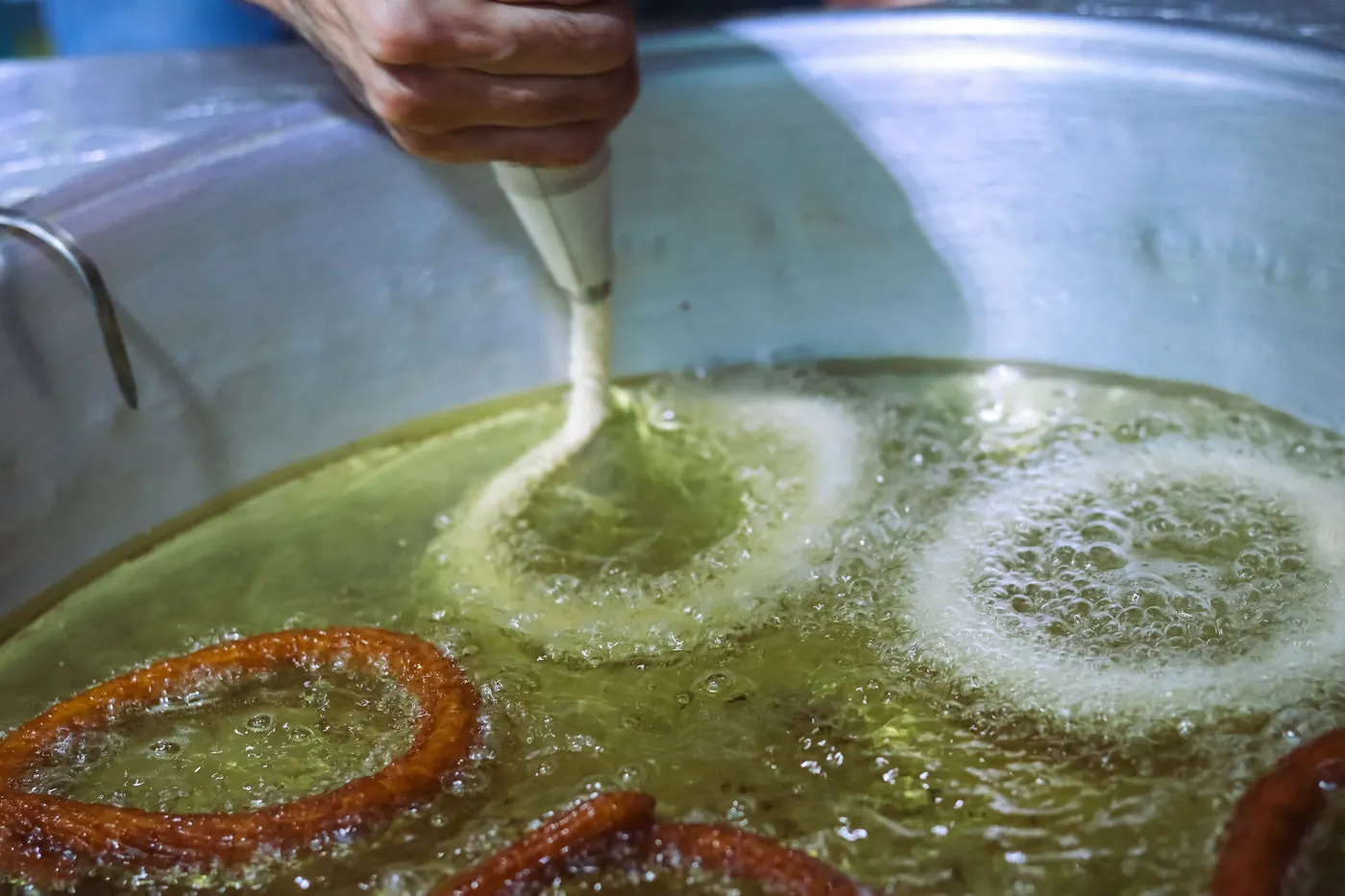
Quick verdict: the best spider strainer alternative
For most kitchens the best spider strainer alternative is a perforated skimmer such as the Cuisinart Stainless Steel Skimmer: it has the same flat, wide bowl on a long handle, and it works in oil and in boiling water. If you fry in batches, a fry basket like the HIC Kitchen Fry Basket lifts everything at once and hooks on the pot rim to drain. For a few pieces at a time, the OXO slotted spoon you may already own will do; for long or awkward pieces, use 16-inch tongs; and for a pot of pasta, a pasta insert beats every spider. If you fry or blanch most days, a real spider is still the better buy.
Five ways to replace a spider, side by side
Five standout options, one for each kind of cook, with what the maker or listing states. All six tools are reviewed in full below.
| Alternative | Best for | How it lifts | Size | Buy on Amazon |
|---|---|---|---|---|

Cuisinart Stainless Steel SkimmerBest overall
|
Oil and boiling water | Flat perforated bowl | Not stated | View on Amazon |

HIC Kitchen Fry Basket, 18/8 Stainless SteelBest for batch frying
|
Fries, shrimp, dumplings | Basket stays in the oil | 7 in wide, 3 in deep | View on Amazon |
OXO Good Grips Stainless Steel Slotted SpoonBest everyday spoon
|
A few pieces at a time | Slotted spoon bowl | Not stated | View on Amazon |

Winco UT-16 Heavyweight Utility Tongs, 16-InchBest for long pieces
|
Chiles, chicken, long noodles | Grips one piece | 16 in long | View on Amazon |

Hestan Provisions 8-Quart Pasta InsertBest for boiling pasta
|
A whole pot of pasta | Insert lifts out of the pot | 8 qt | View on Amazon |
Six picks for a spider strainer alternative
The six tools below run from the closest match to the most specialized. Each one covers part of a spider’s job well and part of it poorly, so read the “skip it if” line before you buy.
1. Cuisinart Stainless Steel Skimmer – The Closest Shape to a Spider
A skimmer is the spider’s nearest relative. Wikipedia’s entry on the skimmer describes it as “a flat, sieve-like scoop or spoon used for skimming cooking liquids”, and notes that in India the same kind of tool, the jhara, is used for frying foods, especially sweets, and by street vendors for fritters such as bondas. The spider itself is listed there as a related tool. In practice, a skimmer does almost everything a spider does: it slides under a batch of fried tortilla strips, lifts a few dumplings out of a pot of water, and skims foam off a simmering stock.
This Cuisinart model, as the product photo shows, has a round bowl punched with holes on a long handle. The listing says it is made from stainless steel, is dishwasher safe and carries a limited lifetime warranty. Cuisinart does not list its length or bowl size, so check the current listing if your pot is small. It is sold by Amazon.com.
The limit is drainage. In general kitchen terms, a perforated bowl has less open area than a spider’s wire web, so oil runs off a little more slowly and you may want to pause over the pot before moving the food to a rack. It also has a flat bowl rather than a basket, so round foods like hush puppies can roll off if you tilt it.
Why we like it
- Wide, flat bowl like a spider’s
- All stainless steel, per the listing
- Works in oil, water and stock
- Limited lifetime warranty; sold by Amazon.com
Key specifications
| Model | Cuisinart CTG-08-SSK |
|---|---|
| Type | Perforated skimmer |
| Material | Stainless steel |
| Size | Not stated on the listing |
| Best use | Lifting and skimming in oil or water |
| Cleaning | Dishwasher safe |
| Warranty | Limited lifetime |
Why we recommend it
Cooks who fry or blanch now and then and want one long-handled tool that covers most of what a spider does, plus skimming stock.
Skip it if you fry big batches of small round foods; a basket or a deep spider holds them better than a flat bowl.
Pros and cons
Pros
- Closest shape to a spider
- Also skims foam and fat
- Simple to wash
Cons
- Drains more slowly than open wire
- Flat bowl lets round food roll
- Length not stated
2. HIC Kitchen Fry Basket, 18/8 Stainless Steel – Lift the Whole Batch at Once
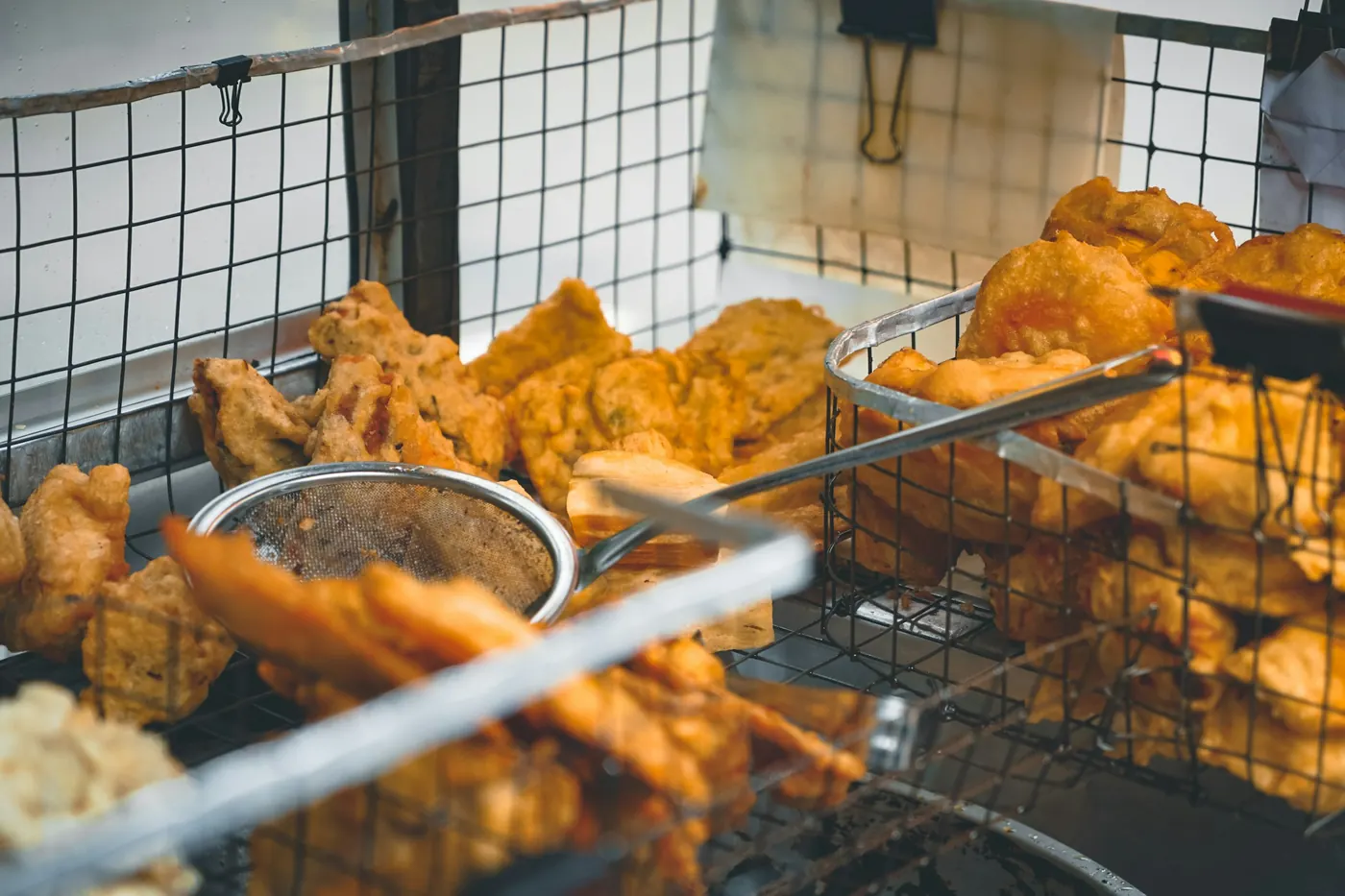
A fry basket changes the job instead of copying the spider. You load the food into the basket, lower it into the oil, and lift everything out together when it is done. Wikipedia’s deep frying entry describes fry baskets as “used to contain foods in a deep fryer and to strain foods when removed from the oil.” You no longer chase pieces around the pot, which is the slow part of spider work when you fry fries, shrimp or a pile of taquitos.
HIC’s listing gives the details that matter for a stovetop pot. The basket is 18/8 stainless steel with fine mesh, 7 inches across and 3 inches deep on a 12.5-inch handle. The offset handle lets the basket sit 5 inches below the pot rim, and extended double prongs hook onto the rim so the oil drains back into the pot. HIC names deep frying, blanching vegetables and cooking dumplings among its uses, and says it is dishwasher safe.
The limits are size and fit. A 7-inch basket suits a medium saucepan or Dutch oven, not a wide wok, and it holds one modest batch. Measure your pot before you buy: the hooks need a rim they can sit on. It is sold by a third-party store, Cooking on Mars, rather than by Amazon.
Why we like it
- Lifts an entire batch in one move
- Rim hooks let oil drain back into the pot
- Fine mesh holds small pieces, per HIC
- 18/8 stainless steel, dishwasher safe
Key specifications
| Model | HIC Kitchen 30019 |
|---|---|
| Type | Fry basket with offset handle |
| Material | 18/8 stainless steel, fine mesh |
| Size | 7 in wide, 3 in deep; 12.5 in handle |
| Best use | Deep frying, blanching, dumplings |
| Cleaning | Dishwasher safe |
| Warranty | Not stated |
Why we recommend it
Home cooks who fry in a saucepan or Dutch oven and want every piece out of the oil at the same moment, with less fishing around.
Skip it if you fry in a wide wok or a large pot; a 7-inch basket will look lost, and you cannot use it to stir or turn food.
Pros and cons
Pros
- Fastest way to empty a batch
- Drains hands-free on the rim
- Holds small foods well
Cons
- Fits medium pots only
- Must be loaded before frying
- Third-party seller
3. OXO Good Grips Stainless Steel Slotted Spoon – The Tool You Probably Own
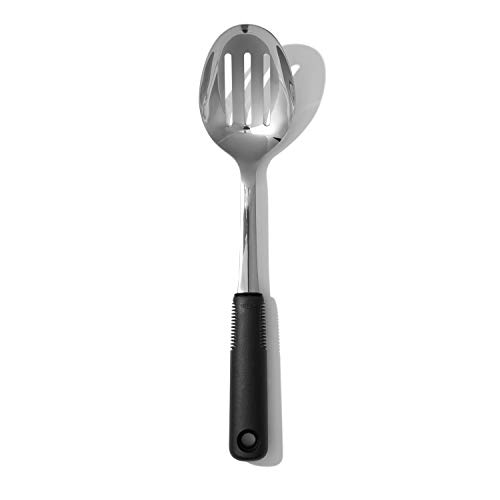
A slotted spoon is the most common stand-in, and it works. Wikipedia’s slotted spoon entry says the larger versions are used to “retrieve items from a cooking liquid while preserving the liquid in the pot”, which is exactly the spider’s job. Wikipedia’s deep frying entry also lists slotted spoons among the tools used to remove food from hot oil.
The trade-off is the one the spider entry names directly: cooks favour the open mesh “over slotted spoons for faster and safer drainage.” A spoon bowl is smaller and deeper, so it brings up fewer pieces and holds a little oil in the bottom. For four or five pieces of fried plantain or a handful of blanched green beans, that hardly matters. For a whole pot of churros, it means many more trips across the hot oil.
This OXO model has a stainless steel head and a soft, non-slip grip that OXO says stays secure even when wet. OXO says it stirs, strains and serves, and it is dishwasher safe. The listing does not give its length. It is sold by Amazon.com. If you want more choice, our best slotted spoon guide compares seven, including nylon heads for nonstick pans.
Why we like it
- Does the lifting job for small batches
- Stainless head, non-slip grip, per OXO
- Also stirs and serves
- Dishwasher safe; sold by Amazon.com
Key specifications
| Model | OXO 11283200 |
|---|---|
| Type | Slotted spoon |
| Material | Stainless steel head; soft grip handle |
| Size | Not stated on the listing |
| Best use | A few pieces from water or oil |
| Cleaning | Dishwasher safe |
| Warranty | Not stated on the listing |
Why we recommend it
Cooks who fry small batches only now and then and want one spoon that earns its drawer space every day.
Skip it if you fry big batches; Wikipedia’s spider entry is clear that open mesh drains faster and more safely than a slotted spoon.
Pros and cons
Pros
- Useful far beyond frying
- Comfortable wet grip
- Easy to find and replace
Cons
- Lifts only a few pieces
- Bowl holds some oil
- Length not stated
4. Winco UT-16 Heavyweight Utility Tongs, 16-Inch – For Long or Awkward Pieces
Tongs do a different job from a spider. Wikipedia’s tongs entry describes them as a tool “used to grip and lift objects, often too hot to hold,” and notes that kitchen tongs “provide a way to move, rotate and turn the food with delicate precision.” That makes them better than a spider for a few things: turning a chile relleno halfway through frying, lifting a single piece of chicken, or pulling long noodles out of the pot. The deep frying entry lists tongs among the tools used to take food out of hot oil.
What tongs cannot do is drain or carry a batch. You lift one piece at a time, and any oil on it drips where you carry it, so hold it over the pot for a moment first. That is why they are a partner for a skimmer or basket, not a full replacement.
The Winco UT-16 is a plain restaurant tong. The listing gives 16-inch length, 0.9 mm stainless steel, a heavy-duty coiled spring and scalloped edges, and says it is dishwasher safe. The length is the reason to choose it for frying: a 16-inch tong keeps your hand well back from the oil. It is sold by a third-party store, What America Buys. For shorter, locking tongs, see our best kitchen tongs guide.
Why we like it
- 16 inches of reach over hot oil
- 0.9 mm stainless steel, per Winco
- Scalloped edges grip food
- Dishwasher safe
Key specifications
| Model | Winco UT-16 |
|---|---|
| Type | Spring utility tongs |
| Material | 0.9 mm stainless steel |
| Size | 16 in long |
| Best use | Turning and lifting single pieces |
| Cleaning | Dishwasher safe |
| Warranty | Not stated on the listing |
Why we recommend it
Anyone who fries large pieces, like chicken, chiles or whole fish, and wants to turn them in the oil as well as lift them out.
Skip it if most of what you fry is small; picking up taquitos one by one is slow, and tongs don’t drain anything.
Pros and cons
Pros
- Long reach
- Turns food as well as lifts it
- Simple, sturdy build
Cons
- One piece at a time
- No draining
- Third-party seller
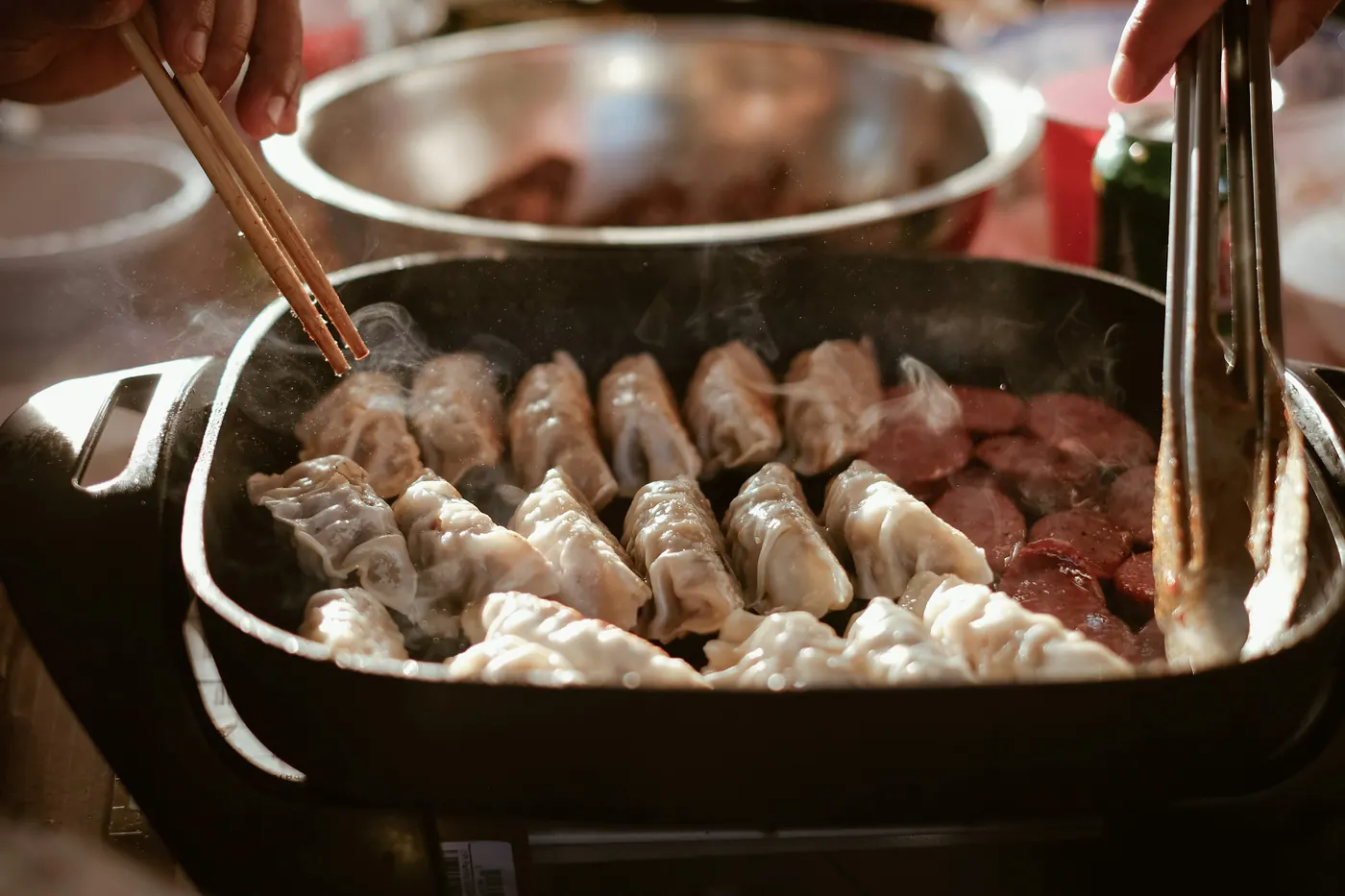
5. Hestan Provisions 8-Quart Pasta Insert – Better Than a Spider for a Pot of Pasta
Many people use a spider for boiling water as much as for oil: ravioli, gnocchi, potatoes and blanched vegetables. For that half of the job, a pasta insert is the stronger tool. The pasta cooks inside a perforated basket that sits in the stockpot, and when it is done you lift the whole insert. The water stays in the pot, ready for the next batch or a splash into the sauce, and nothing is left behind to fish out.
Hestan’s listing describes an 8-quart insert in 18/10 stainless steel with handles on both sides, flared rims for drip-free draining, heat safe to 500°F and dishwasher safe. Hestan says it fits any Hestan 8-quart stockpot, and that it can be used with saucepots and stockpots or on its own as a colander. It is sold by Amazon.com.
Two clear limits. First, fit: Hestan only promises a fit with its own 8-quart pots, so measure your pot’s inside diameter against the current listing before you buy. Second, this is a tool for boiling water, not frying; Hestan sells it for pasta and steaming, and we would not lower it into hot oil. For whole pots built around an insert, see our best pasta pot with strainer guide.
Why we like it
- Lifts a whole pot of pasta at once
- 18/10 stainless steel, heat safe to 500°F
- Doubles as a steamer basket and colander
- Dishwasher safe; sold by Amazon.com
Key specifications
| Model | Hestan Provisions 71048 |
|---|---|
| Type | Pasta insert and steamer basket |
| Material | 18/10 stainless steel |
| Size | 8 qt; fits Hestan 8-quart stockpots |
| Best use | Pasta, potatoes, blanching, steaming |
| Cleaning | Dishwasher safe |
| Warranty | Not stated on the listing |
Why we recommend it
Families who cook pasta often and mostly used a spider to get it out of the water.
Skip it if you mainly fry; an insert is not a frying tool, and it only suits a stockpot it fits.
Pros and cons
Pros
- One lift empties the pot
- Keeps the pasta water
- Also steams vegetables
Cons
- Fit promised only for Hestan pots
- Not for oil
- Takes cabinet space
6. Winco MS3A-8S Fine Mesh Strainer, 8-Inch – Catches What a Spider Lets Through
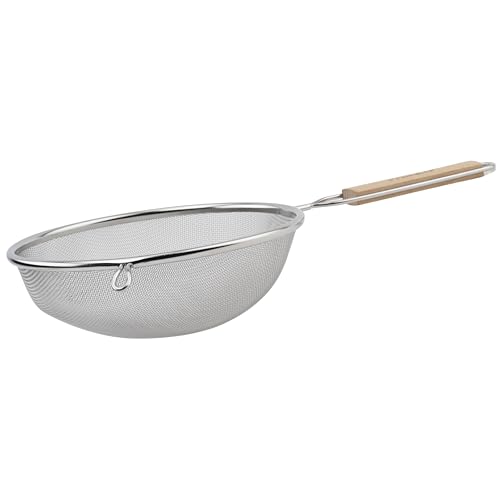
A spider’s open web is great for big pieces and poor for small ones. Wikipedia’s spider entry draws the line itself: sieves and strainers have fine mesh for straining liquids, while a spider is for larger pieces of food. That makes a fine-mesh strainer the right tool for the leftovers of frying, such as loose batter and crumbs that burn if they stay in the oil, and for small foods like peas, corn kernels or tiny dumplings. Wikipedia’s deep frying entry lists sieves among the tools used to remove food from hot oil.
The Winco MS3A-8S is an 8-inch, single fine-mesh strainer in stainless steel with a deep bowl, a wire handle and a hanging loop, per the listing; the product photo shows a wooden grip at the far end of the wire. The metal runs most of the handle’s length, so only the wood is in your hand. It is sold by Amazon.com.
Its limits are the reverse of a spider’s. Fine mesh drains slowly, especially with thick batter, and the bowl is deeper than it is wide, so it is awkward for large pieces. Think of it as a partner to a skimmer or tongs. For more mesh strainers, see our best fine-mesh strainer guide.
Why we like it
- Catches crumbs and small foods
- Long wire handle with a wooden grip
- Deep 8-inch bowl, per the listing
- Sold by Amazon.com
Key specifications
| Model | Winco MS3A-8S |
|---|---|
| Type | Single fine-mesh strainer |
| Material | Stainless steel mesh; wire handle, wooden grip |
| Size | 8 in diameter |
| Best use | Crumbs, small foods, straining liquid |
| Cleaning | Not stated on the listing |
| Warranty | Not stated on the listing |
Why we recommend it
Cooks who fry battered food and want to keep the oil clean between batches, or who blanch small vegetables a spider would lose.
Skip it if you want one tool for everything; it is slow with large pieces and drains more slowly than open wire.
Pros and cons
Pros
- Nothing small slips through
- Deep bowl holds a good scoop
- Also strains sauces and stock
Cons
- Slow to drain
- Awkward for big pieces
- Care not stated
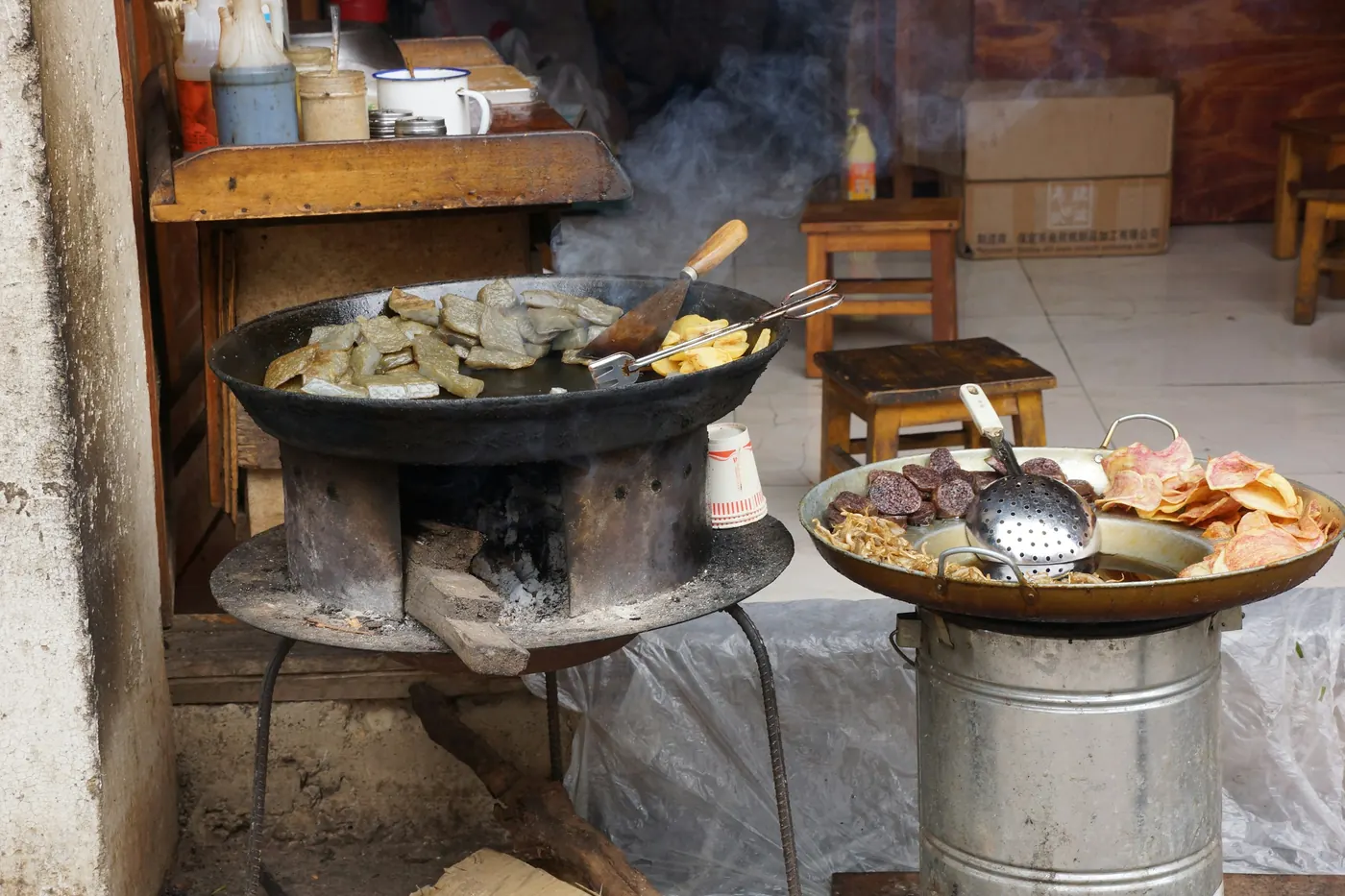
No-buy options from your drawer
You may not need to buy anything for an occasional batch. These are not picks, just ways cooks get by:
- A ladle with a lid. For boiled food, scoop with a ladle and tip the water back by holding a pot lid or plate against the rim. It is slow and only practical in water, never in oil.
- Pouring into a colander. For a whole pot of pasta or potatoes, draining into a colander in the sink still works. Our colander alternative guide covers the other direction, using a spider or tongs instead of a colander.
- A small metal sieve. A tea-size mesh strainer can pick crumbs out of the oil between batches, if its handle is metal and long enough to keep your hand back.
How to choose a spider alternative
Start with what you lift most often
If it is fried food in batches, a fry basket or a skimmer is the real answer. If it is pasta and dumplings in water, a pasta insert or a skimmer. If it is a few large pieces, tongs. A slotted spoon covers small amounts of everything, slowly.
Check the fit with your pot
A fry basket needs a rim its hooks can sit on and room inside the pot, and a pasta insert needs a stockpot it actually fits. A skimmer, spoon, tongs or strainer works in any pot.
Look at the handle
For frying, reach is safety. The Winco tongs give 16 inches, the HIC basket has a 12.5-inch handle, and the Winco strainer’s grip sits at the end of a long wire handle. Plastic or nylon parts near the heat are worth a second look: check what temperature the maker gives before you hold them over hot oil.
Think about drainage
As a rule of thumb, open wire drains fastest, perforated metal is slower, a slotted spoon holds a little oil, and fine mesh is slowest of all. Whatever you use, hold the food over the pot for a few seconds before moving it to a rack or paper towels.
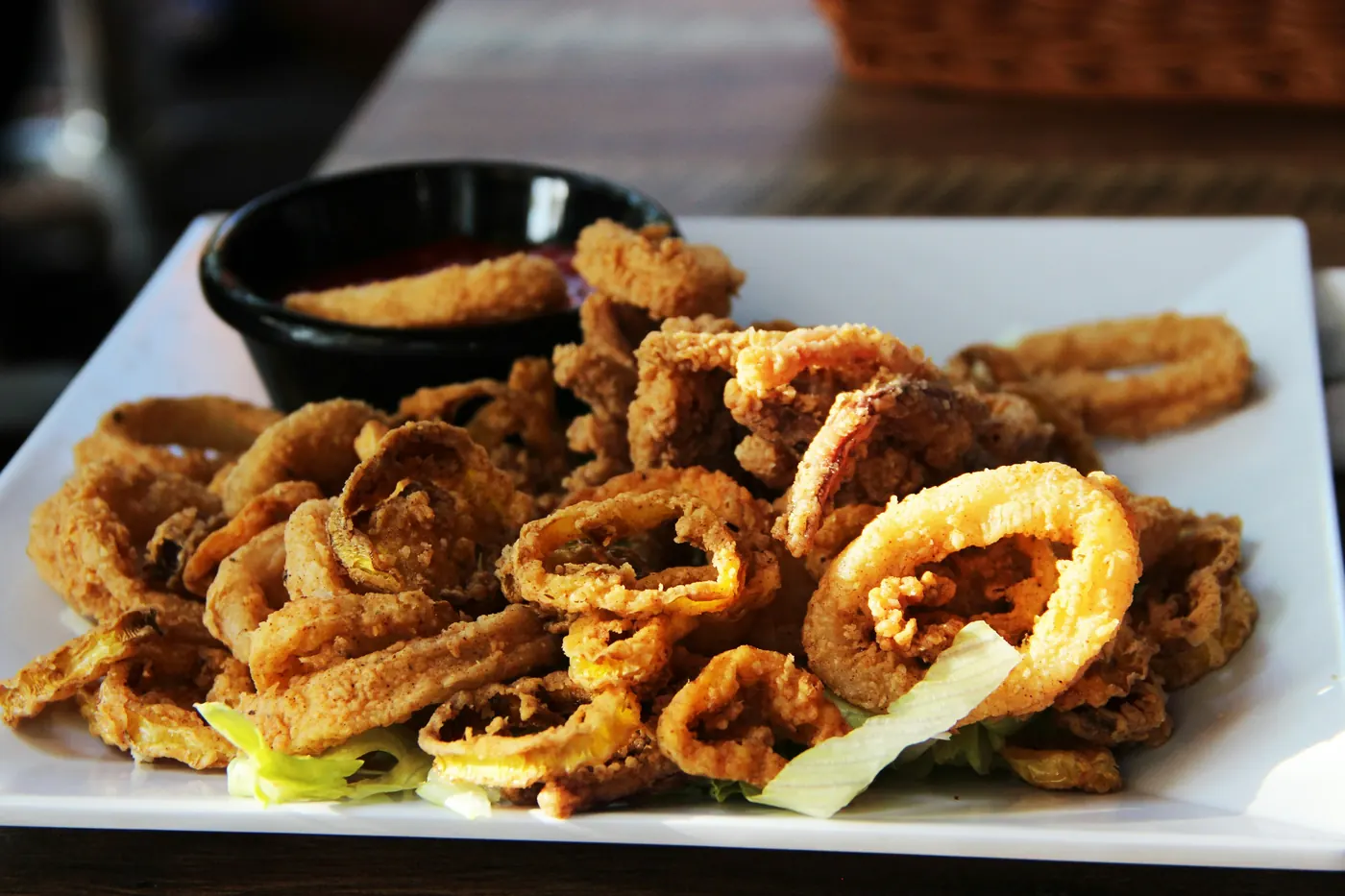
Frying safely without a spider
Changing the lifting tool doesn’t change the rules for hot oil. The U.S. Fire Administration’s cooking safety page puts it simply: “Stand by your pan. If you leave the kitchen, turn the burner off.” It warns that “fires start when the heat is too high,” that if you “see any smoke or the grease starts to boil, turn the burner off,” and that you should keep a pan lid or baking sheet nearby to cover the pan if it catches fire.
Wikipedia’s deep frying entry adds that food is usually fried between 350°F and 375°F, and warns that trying to put out an oil fire with water “can cause an extremely dangerous condition,” because the water turns to steam and spreads the burning oil. Cover the pot instead. For pots, thermometers and other ways to fry without a dedicated fryer, see our deep fryer alternative guide, or our best deep fryer guide if you would rather have a machine with its own basket.
How we chose these six tools
We started from the three things a spider does, lifting, draining and reach, and looked for tools that do some of that job in a genuinely different way. We kept one tool of each kind rather than several versions of the same idea, and we left out wok skimmers and wire skimmers because they are spiders under another name. We also left out fish spatulas, which suit shallow frying more than lifting food from a pot. Every pick comes from an identifiable maker, was in stock with a new offer when we checked, and does not appear on our spider strainer guide. Specifications come from the Amazon listings. How each tool works comes from the Wikipedia entries on the spider, skimmer, slotted spoon, tongs and deep frying, and the safety advice from the U.S. Fire Administration. We have not used these products ourselves, and nothing here says Julia’s uses them.
Spider strainer alternative questions, answered
What can I use instead of a spider strainer?
A perforated skimmer is the closest match. A fry basket is better for batches of fried food, a slotted spoon works for a few pieces, tongs handle long or large pieces, a pasta insert is better for a pot of pasta, and a fine-mesh strainer catches small bits a spider lets through.
Is a slotted spoon as good as a spider?
Not for frying in quantity. Wikipedia’s spider entry says cooks favour the open mesh over slotted spoons for faster and safer drainage. A slotted spoon still works well for a few pieces at a time.
What is the difference between a skimmer and a spider?
Wikipedia describes a skimmer as a flat, sieve-like scoop or spoon for skimming cooking liquids, and a spider as a type of skimmer with a wide, shallow basket of wire mesh. The Cuisinart skimmer here is a perforated metal bowl. In general kitchen terms, open wire drains a little faster, while a perforated bowl is handier for skimming foam from stock.
Can I use a colander or mesh strainer in hot oil?
A stainless steel mesh strainer with a metal handle can lift crumbs and small pieces out of oil; Wikipedia’s deep frying entry lists sieves among the tools used for it. Don’t hold any tool with a plastic part over hot oil unless the maker gives a heat rating that covers it.
How do I get pasta out of the pot without a spider?
Use a pasta insert and lift the whole batch, use tongs for long pasta, or drain the pot into a colander. A skimmer or slotted spoon works for ravioli and short shapes.
Our last word on life without a spider
For most kitchens, the Cuisinart skimmer is the easiest replacement: the same flat, wide bowl on a long handle, for oil and water alike. If you fry in batches, the HIC fry basket saves the most work, and a pair of long tongs covers whatever a basket or skimmer can’t. If you fry or blanch most days, though, a real spider is still the best tool, and our best spider strainer guide will help you choose one. When you would rather someone else did the frying, see the menu or call to order.