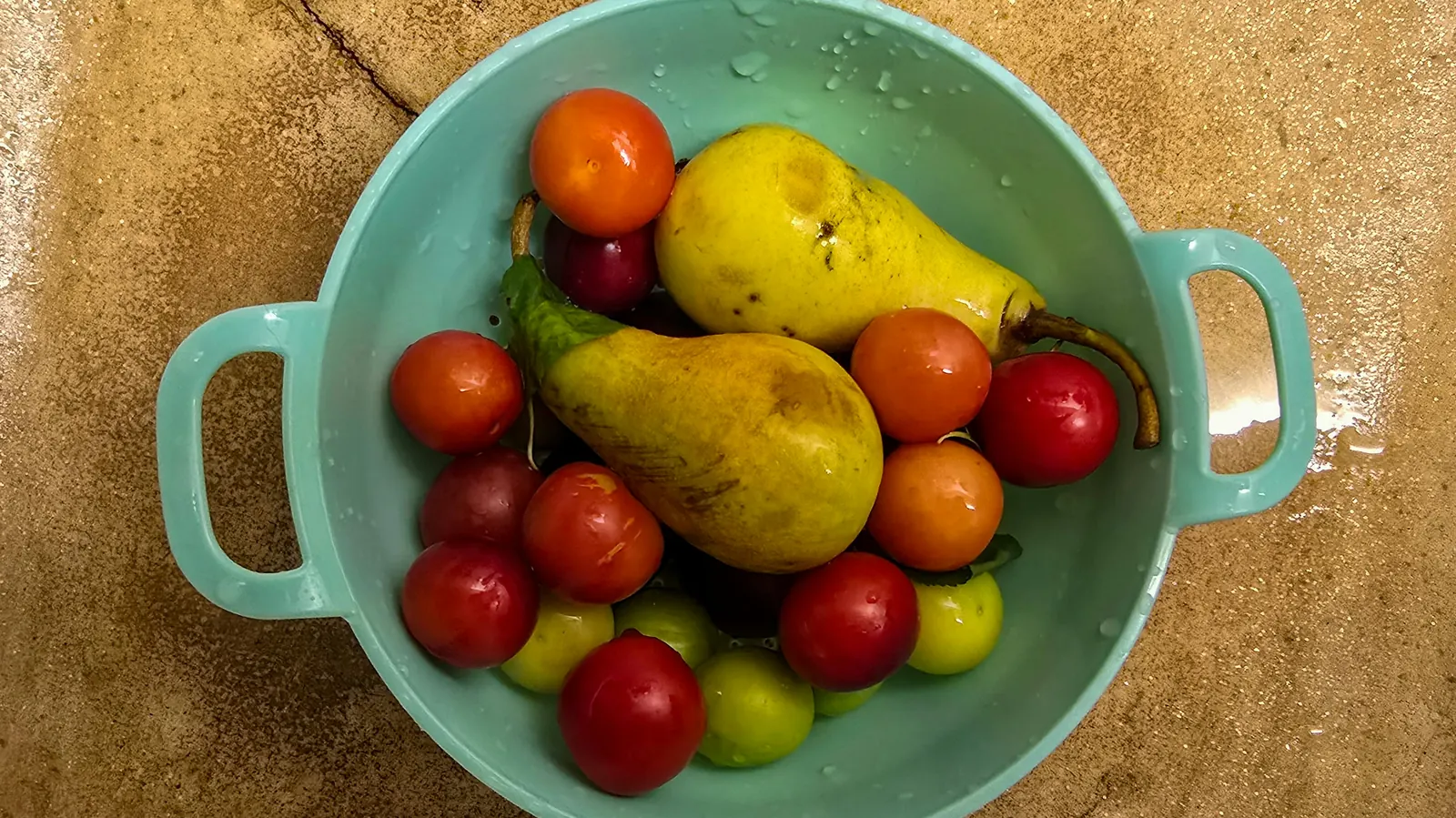
A colander is a bowl full of holes, and most of the time it does its job without anyone thinking about it. Then the pasta is ready, the colander is in the dishwasher or was never bought, and a pot of boiling water needs to go somewhere.
This guide covers what to use instead of a colander when draining pasta, rice and vegetables. Some of the answers are tools you already own, like tongs and a pot lid. Others are small, easy-to-store tools that some cooks prefer to a colander even when they have one. For each, we say which foods it suits, what it cannot do, and how to use it safely.
Julia’s earns a commission on purchases made through links on this page, at no cost to you. Recommendations are based on what a restaurant kitchen looks for, product specifications and verified buyer reports.
Why cooks look for a colander alternative
- No colander tonight. It is dirty, lost or was never bought, and dinner is ready now.
- Storage. A colander is a big, awkward shape for a small kitchen.
- Pasta water. Pouring a pot into a colander sends the starchy cooking water down the drain, and many sauces need a splash of it.
- Washing up. Alton Brown, as Tasting Table reports, lifts pasta out with tongs partly because he hates washing colanders.
Quick verdict: the best colander alternative
For short pasta, ravioli and dumplings, the best colander alternative is a spider strainer such as the Helen’s Asian Kitchen 6-inch Deep Spider: lift the pasta straight from the pot into the sauce and keep the water. Lidia Bastianich, as The Takeout reports, fishes pasta out with a spider and uses tongs for long noodles. For spaghetti and other long pasta, use tongs, as Alton Brown does. To pour the water off in one go, a clip-on silicone strainer such as Anyday’s fits on the rim of the pot. For big batches, a pasta insert lifts everything out at once, and for rice, quinoa and tiny shapes, a fine-mesh strainer holds back what the others let through. If you drain large amounts every day, a colander is still the simplest tool; see our guide to the best colander.
Five colander stand-ins side by side
Our five standout alternatives, one for each kind of cook, with what each maker or listing states. All five are reviewed in full below.
| Alternative | Best for | Keeps pasta water? | Limits | Buy on Amazon |
|---|---|---|---|---|

Helen’s Asian Kitchen 6-inch Deep Spider StrainerBest overall alternative
|
Short pasta, ravioli, dumplings | Yes, water stays in the pot | Slow for long pasta; several scoops | View on Amazon |
KitchenAid 12-inch Stainless Steel Utility TongsBest for long pasta
|
Spaghetti, fettuccine, greens | Yes, water stays in the pot | No good for short shapes or rice | View on Amazon |

Anyday Silicone Clip-On StrainerBest for pouring off
|
Draining a pot or pan in one pour | Only if you pour into a bowl | Heavy pots are awkward to tip; 400°F limit | View on Amazon |

Tramontina Signature 8-Quart Pasta InsertBest for big batches
|
A full pot of pasta or corn | Yes, lift the basket out | Fits 8-quart pots; check your pot | View on Amazon |

OXO Good Grips 8-inch Double Rod StrainerBest for rice and grains
|
Rice, quinoa, orzo, berries | Yes, if set over a bowl | Small; drain in batches | View on Amazon |
Product images from Amazon. Sizes and materials are as stated by each maker or listing; check the listing before you buy.
Lift it out or pour it off: the two ways to drain without a colander
Every colander alternative works in one of two ways. Either you lift the food out of the water, with a spider, tongs or a pasta insert, or you pour the water off the food, through a clip-on strainer, a fine-mesh strainer or the gap under a pot lid.
Lifting has two advantages. The pot never leaves the stove, so there is no heavy, sloshing pot of boiling water to carry to the sink. And the starchy cooking water stays in the pot, ready to loosen a sauce. Tasting Table’s piece on how Alton Brown drains pasta, by Javaria Akbar, describes him lifting spaghetti with tongs, letting it drip and moving it straight into the skillet with the sauce. The same piece suggests a large slotted spoon for short shapes like fusilli and bow ties.
Pouring is quicker for a whole pot of rice, potatoes or vegetables, and it is the only way to drain small things like rice that slip through a spider. Its drawback is safety: you are tipping boiling water toward your hands. Hold the pot with dry oven mitts, pour slowly and away from you, and stand clear of the steam.
No tools at all: the pot lid method
If you have nothing else, the pot’s own lid works. Tasting Table’s piece describes it: cover the pot, leave a small gap, clamp the lid in place with mitts or a cloth and pour the water gently into the sink so the lid does not slip. It is our kitchen’s view that this is the riskiest method on the page: the lid can shift and the steam comes straight up the gap. Use it for a small pot, and only when you can hold the lid firmly.
Five tools that can stand in for a colander
All five are from identifiable makers and were in stock on Amazon, sold new, on the day of writing. Most kitchens already own tongs; buy only what you are missing.
1. Helen’s Asian Kitchen 6-inch Deep Spider Strainer – Lifts Pasta Straight to the Sauce
A spider is a wide, shallow wire basket on a long handle, and it is the colander alternative that cooks who own a colander often reach for first. Lidia Bastianich, as The Takeout reports, uses one to fish pasta out of the water and calls it inexpensive but very effective; the article names ravioli as one of the things it scoops out.
This Helen’s Asian Kitchen version has a deeper basket than a flat spider, 6 inches across, which the listing says holds and drains generous portions. It has a stainless steel mesh basket on a reinforced wire frame and a bamboo handle, and a built-in hook that rests on the pot rim for hands-free draining. The listing names pasta, noodles, dumplings and blanched vegetables among its uses.
A spider works one scoop at a time, so a full pound of penne takes a few trips. It is also not the tool for spaghetti, which slides off the sides; use tongs for long pasta. Hand wash it, per the listing, to look after the bamboo.
Why we like it
- Leaves the starchy pasta water in the pot
- Deep 6-inch mesh basket, per the listing
- Hook rests on the pot rim
- Also fries, blanches and lifts dumplings
Key specifications
| Model | 97122 |
|---|---|
| Type | Deep spider strainer |
| Material | Stainless steel mesh, bamboo handle |
| Size | 6 x 6 x 7.5 inches (basket 6 inches) |
| Best for | Short pasta, ravioli, dumplings, vegetables |
| Heat limit | Not stated |
| Dishwasher safe | No; hand wash |
| Warranty | Not stated |
Why we recommend it
Choose it if you cook short pasta, gnocchi, ravioli or dumplings and want to move them straight into the sauce with some of the water.
Skip it if you mostly cook spaghetti or rice; tongs or a fine-mesh strainer suit those better.
Pros and cons
Pros
- No carrying boiling water
- Keeps pasta water for the sauce
- Small to store
Cons
- Several scoops for a full pot
- Poor for long pasta and rice
- Hand wash only
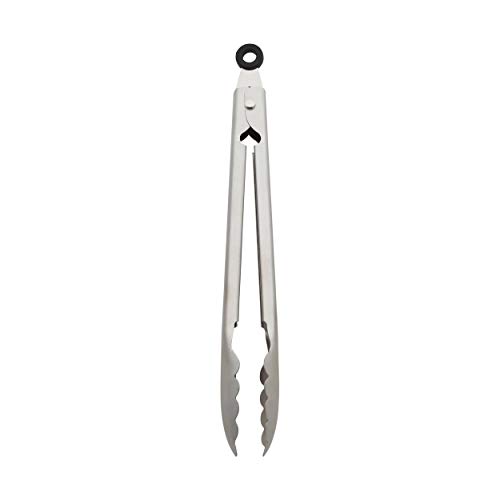
2. KitchenAid 12-inch Stainless Steel Utility Tongs – The Spaghetti Method
For long pasta, tongs are the colander alternative chefs use. Tasting Table describes Alton Brown grabbing spaghetti from the pot, holding it up to drip and dropping it into the skillet, and notes that tongs can also swirl the pasta to stop strands sticking. The Takeout says Lidia Bastianich prefers tongs for long noodles too.
KitchenAid’s 12-inch tongs are long enough to reach into a tall pasta pot while keeping your hand away from the steam. The listing gives a 430 stainless steel frame, a lock that keeps them closed in a drawer, and says the arms should spring open to about 30 degrees when unlocked. They are dishwasher safe.
Tongs do one thing well. They are no use for penne, rice or peas, and they will not drain a pot of potatoes. But most kitchens already own a pair, so for spaghetti night they are often the answer that needs no new purchase.
Why we like it
- Long reach for a tall pasta pot
- Stainless steel frame, per the listing
- Locks closed for storage
- Dishwasher safe
Key specifications
| Model | KO091OHSSA |
|---|---|
| Type | Locking utility tongs |
| Material | 430 stainless steel |
| Size | 11.57 inches long |
| Best for | Long pasta, greens, corn |
| Heat limit | Not stated |
| Dishwasher safe | Yes |
| Warranty | 1-year replacement and lifetime limited warranty |
Why we recommend it
Choose it if spaghetti, linguine and fettuccine are your usual pastas and you want them in the sauce without a trip to the sink.
Skip it if you already own a sturdy pair of long tongs; they will do the same job.
Pros and cons
Pros
- Fast for long pasta
- Useful for many other jobs
- Dishwasher safe
Cons
- Useless for small shapes and rice
- All-metal tongs get hot
- Drips on the stove between pot and pan
3. Anyday Silicone Clip-On Strainer – Pours Off Water From the Pot
A clip-on strainer turns the pot itself into the colander. It is a perforated silicone shield with stainless steel clips that snap onto the rim; you tip the pot and the water runs out through the holes while the food stays behind. Anyday’s listing says it fits its own dishes plus most frying pans, saucepans and stockpots, round or square.
The listing gives a heat limit of 400°F and says it is made from food-grade silicone and is dishwasher safe. It names draining pasta, straining steamed vegetables, rinsing rice and pouring fat off ground meat among its uses; the last one is handy for taco meat.
The weak point is the pot, not the strainer. Tipping a large, full pot with one hand is hard and puts boiling water close to your wrist, so this suits small and medium pots best. Use oven mitts and pour slowly.
Why we like it
- Clips onto most pots and pans, per the listing
- Heat resistant to 400°F
- Stores flat in a drawer
- Dishwasher safe
Key specifications
| Model | 50265-C (listing also lists 50774-C, 50775-C) |
|---|---|
| Type | Clip-on pot strainer |
| Material | Silicone with stainless steel clips |
| Size | Universal; dimensions not stated |
| Best for | Pasta, vegetables, rice rinsing, pouring off fat |
| Heat limit | 400°F |
| Dishwasher safe | Yes |
| Warranty | Not stated |
Why we recommend it
Choose it if you have a small kitchen, cook in small and medium pots, and want something that drains everything from pasta to ground beef.
Skip it if you cook a full pound or more of pasta in a large stockpot; lifting it out is safer than tipping it.
Pros and cons
Pros
- Takes almost no storage space
- Works on pots and pans
- Drains in one pour
Cons
- Tipping a heavy pot is awkward
- Pasta water goes down the drain unless caught
- Exact size not stated
4. Tramontina Signature 8-Quart Pasta Insert – Lifts the Whole Batch at Once
A pasta insert is a perforated basket that sits inside the pot. You cook in it, then lift the basket and the whole batch drains at once, with the water left behind. It is the colander alternative for large amounts: a big pot of pasta, potatoes or a batch of corn.
Tramontina’s listing says this 18/10 stainless steel insert is made for the Tramontina Signature 8-quart stock pot and fits many standard 8-quart pots, and asks buyers to check their pot’s inside dimensions. It is dishwasher safe and doubles as a steamer basket, with a lifetime warranty per the listing.
The fit is the catch. An insert that is too small rattles around; one that is too large will not go in. Measure your pot first. And because the basket takes up some of the pot, there is a little less room for water than in the bare pot.
Why we like it
- Drains the whole batch in one lift
- 18/10 stainless steel, per the listing
- Also works as a steamer basket
- Dishwasher safe; lifetime warranty
Key specifications
| Model | 80116/042DS |
|---|---|
| Type | Pasta insert and steamer basket |
| Material | 18/10 stainless steel |
| Size | For 8-quart stock pots |
| Best for | Large batches of pasta, potatoes, corn |
| Heat limit | Not stated (all stainless) |
| Dishwasher safe | Yes |
| Warranty | Lifetime |
Why we recommend it
Choose it if you own an 8-quart stock pot, cook pasta for a family, and never want to carry a full pot to the sink again.
Skip it if your pot is a different size; a whole pasta pot with a strainer may suit you better.
Pros and cons
Pros
- Fastest way to drain a big batch
- Pasta water stays in the pot
- Doubles as a steamer
Cons
- Fits only some pots
- Bulky to store
- Takes up room in the pot
5. OXO Good Grips 8-inch Double Rod Strainer – Holds Back Rice and Grains
A spider, tongs and most colanders let rice, quinoa and orzo through. A fine-mesh strainer does not, which makes it the one alternative that drains small foods. It also rinses rice before cooking, washes berries and strains stock.
OXO’s listing describes this 8-inch strainer as fine mesh on an extra-sturdy stainless steel double rod frame, with a non-slip handle and a loop that keeps it steady on a pot or bowl. That loop matters: rest the strainer across a bowl and pour, and you keep both hands for the pot. It is dishwasher safe.
Eight inches is small for a pound of pasta. Pour in stages, or scoop with the strainer itself like a spider. Fine mesh also takes longer to drain than big holes and needs a scrub after starchy foods.
Why we like it
- Fine mesh stops rice and grains
- Sturdy double rod frame
- Loop rests on a pot or bowl
- Dishwasher safe
Key specifications
| Model | 38991 |
|---|---|
| Type | Fine-mesh strainer |
| Material | Stainless steel mesh and frame |
| Size | 8-inch |
| Best for | Rice, quinoa, small pasta, berries, stock |
| Heat limit | Not stated |
| Dishwasher safe | Yes |
| Warranty | Satisfaction guarantee, per the listing |
Why we recommend it
Choose it if you cook rice, grains or small pasta, or want one strainer that also rinses produce.
Skip it if you drain big pots of pasta; the insert or the spider is quicker.
Pros and cons
Pros
- Drains what other tools let through
- Rests securely over a bowl
- Many uses beyond pasta
Cons
- Small for a full pot
- Drains slower than a colander
- Mesh needs scrubbing
Which alternative for which food
- Spaghetti, linguine, fettuccine: tongs, straight into the sauce.
- Penne, fusilli, ravioli, dumplings: a spider, or a large slotted spoon as Tasting Table suggests.
- Rice, quinoa, orzo: a fine-mesh strainer over a bowl.
- Potatoes, vegetables, a pound or more of pasta: a pasta insert, or a clip-on strainer on a medium pot.
- Ground meat for tacos: a clip-on strainer to pour off the fat into a can or jar, never the sink.
For more choices in each type, see our guides to spider strainers, fine-mesh strainers and kitchen tongs.
What we left out, and why
We left out glass strainer lids: the in-stock ones we found came from brands with no maker details we could confirm. A stainless pan strainer from Westmark was low in stock. A slotted spoon works for short pasta, as Tasting Table notes, but it is slower than a spider, so we did not pick one. And we did not include cheesecloth or a kitchen towel: both work for fine draining, but they are slow and messy with a hot pot.
When a real colander makes more sense
If you drain a full pot most nights, a colander in the sink is still the simplest, safest set-up: the pot goes in one move and both hands stay on the handles. Our guide to the best colander covers metal, plastic and collapsible models, and our over-sink colander guide covers ones that span the sink.
Colander alternative questions, answered
How do you drain pasta without a colander?
Lift it out instead of pouring it off. Use tongs for long pasta and a spider or slotted spoon for short shapes, as Tasting Table and The Takeout describe chefs doing. The cooking water stays in the pot for the sauce.
Can I use a pot lid to drain pasta?
Yes, for a small pot. Leave a small gap, clamp the lid with mitts or a cloth and pour slowly, as Tasting Table describes. Steam rises through the gap, so keep your face and wrists clear.
What can I use instead of a colander for rice?
A fine-mesh strainer. A spider and most colanders have holes large enough for rice grains to slip through.
Is a spider strainer better than a colander?
For short pasta and dumplings it has real advantages: it keeps the cooking water and you never carry the pot. For a big pot of potatoes or a pound of spaghetti, a colander or a pasta insert is quicker.
Do clip-on strainers work on any pot?
Most. Anyday’s listing says its strainer fits most frying pans, saucepans and stockpots. Very wide or very heavy pots are hard to tip with one hand, so check the rim size and your grip first.
Our final word on draining without a colander
You do not need a colander to drain pasta. Lift long pasta with tongs and short pasta with a spider, and both go straight into the sauce with a splash of their water. Use a fine-mesh strainer for rice, a pasta insert for big batches, and a clip-on strainer when you just want the water gone. And if you would rather someone else did the cooking tonight, see Julia’s menu or call to order.