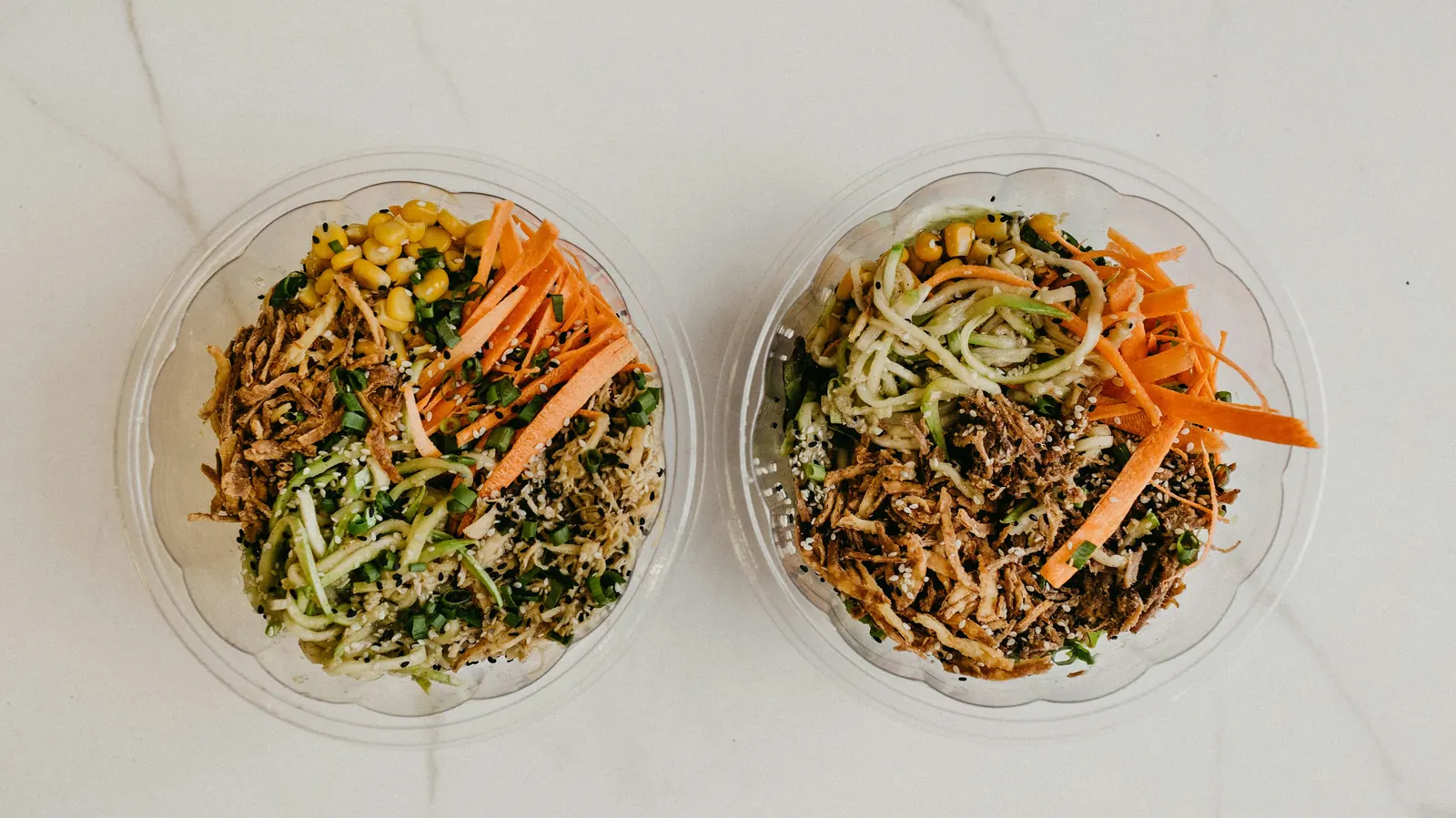
A spiralizer is a single-purpose tool, and plenty of cooks would rather not give it a drawer. The good news is that long vegetable strands for a cold salad, a quick sauté or a bowl of zucchini “noodles” can come from tools that also do other jobs: a julienne peeler, a mandoline with a toothed blade, a dedicated julienne slicer or, for shorter shreds, a box grater.
The honest catch is that none of them makes a true spiral. They cut straight strands, and the strands are usually thinner than a spiralizer’s. This guide explains why people look for a spiralizer alternative, what each tool actually produces, where each one falls short, and which models from identifiable makers are worth buying if you do not already own one.
Julia’s earns a commission on purchases made through links on this page, at no cost to you. Recommendations are based on what a restaurant kitchen looks for, product specifications and verified buyer reports.
Why people look for a spiralizer alternative
The reasons fall into a few groups, and the right substitute depends on which one is yours.
- Storage. A countertop spiralizer is a bulky frame with a crank, a suction base and a set of blades to keep track of. A peeler fits in the utensil drawer.
- You only want noodles now and then. If zucchini strands are a once-a-month side, a tool that also peels, slices or grates earns its space more easily.
- You already own the tool. Many kitchens have a mandoline or a box grater. Using it first tells you whether vegetable noodles are worth a dedicated machine.
- Cleaning. Spiralizer blades trap bits of vegetable in their teeth and corners. A single peeler blade rinses clean faster.
- Matchsticks for other dishes. The same julienne that stands in for noodles also cuts carrot and jícama for slaw, cucumber for salads and potato for crisp fries, which a spiralizer does less neatly.
Quick verdict: the best spiralizer alternative
For most people the best spiralizer alternative is a julienne peeler, and the one to buy is the OXO Good Grips Julienne Prep Y-Peeler: America’s Test Kitchen named it the best julienne peeler it reviewed, praising its crisp, uniform matchsticks and saying it almost never jammed. It is small, cheap to keep in a drawer and dishwasher safe. If you want long, even strands in quantity, a Benriner mandoline with its toothed julienne blades is faster, but it is very sharp and its guard is weak, so wear a cut-resistant glove. Expect straight strands, not curls, and cook them briefly or serve them raw.
Five noodle-cutting tools side by side
Our five standout picks, one for each kind of cook, with what each maker or listing states. All six alternatives are reviewed in full below.
| Alternative | Best for | What it cuts | Main limit | Buy on Amazon |
|---|---|---|---|---|
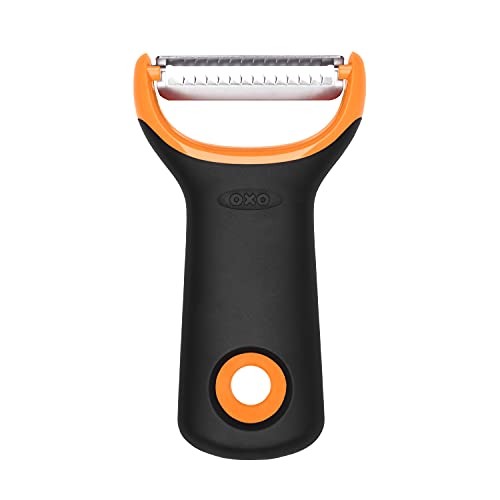
OXO Good Grips Julienne Prep Y-PeelerBest overall alternative
|
Noodles for one or two, small drawers | Long, thin matchsticks | Slow for big batches | View on Amazon |
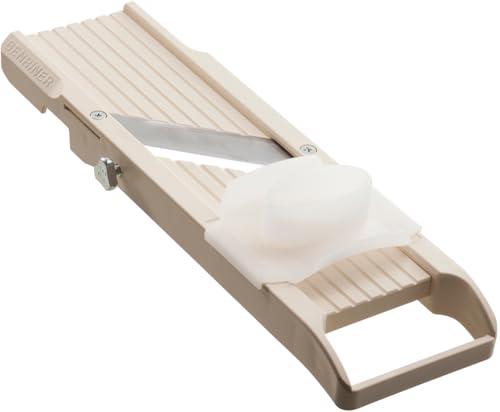
Benriner Mandoline Slicer with 4 BladesBest for big batches
|
Family-size batches, slaw prep | Slices and three julienne sizes | Weak guard; wear a glove | View on Amazon |

Microplane Adjustable Mandoline with JulienneNo blades to swap
|
Cooks who lose loose blades | Slices or julienne via a reversible deck | No independent review found | View on Amazon |

KAI Japanese Julienne SlicerBest fixed julienne
|
Fine strands with nothing to adjust | Fine julienne, about 2 mm | One size only; guard not stated | View on Amazon |

KitchenAid Gourmet 4-Sided Box GraterBest for short shreds
|
Fritters, slaw and stuffing | Coarse shreds and thin slices | Shreds, not noodles | View on Amazon |
Product images from Amazon. Sizes and materials are as stated by each maker or listing; check the listing before you buy.
What changes when you skip the spiralizer
A spiralizer turns the vegetable against a fixed blade, so it cuts one continuous strand that curls as it comes off. Every tool on this page cuts in straight passes instead. That changes three things.
- Shape. You get straight strands as long as the vegetable, not springy coils. In a bowl with sauce they eat much the same; on a plate they look more like linguine than spaghetti curls.
- Thickness. Julienne tools tend to cut thin, square matchsticks. America’s Test Kitchen’s julienne peeler review found that peelers with more space between the paired blades made thicker, squarer matchsticks and jammed less; its winner has a gap of about an eighth of an inch.
- Cooking. Thin strands give up their water fast. Ali, the cook behind Inspiralized, a site built around spiralizer recipes, says julienne-peeler strips become too mushy over heat and work best with cold sauces. The Daily Meal’s guide to julienne-peeler zucchini noodles suggests salting the strands and resting them between paper towels for 10 to 15 minutes, then a quick sauté rather than boiling.
So the alternatives suit raw salads, cold noodle bowls and a minute or two in a hot pan best. If you want sturdy noodles that hold up to a long simmer in sauce, a spiralizer’s thicker cut is the better tool, and our guide to the best spiralizer covers the countertop and handheld models.
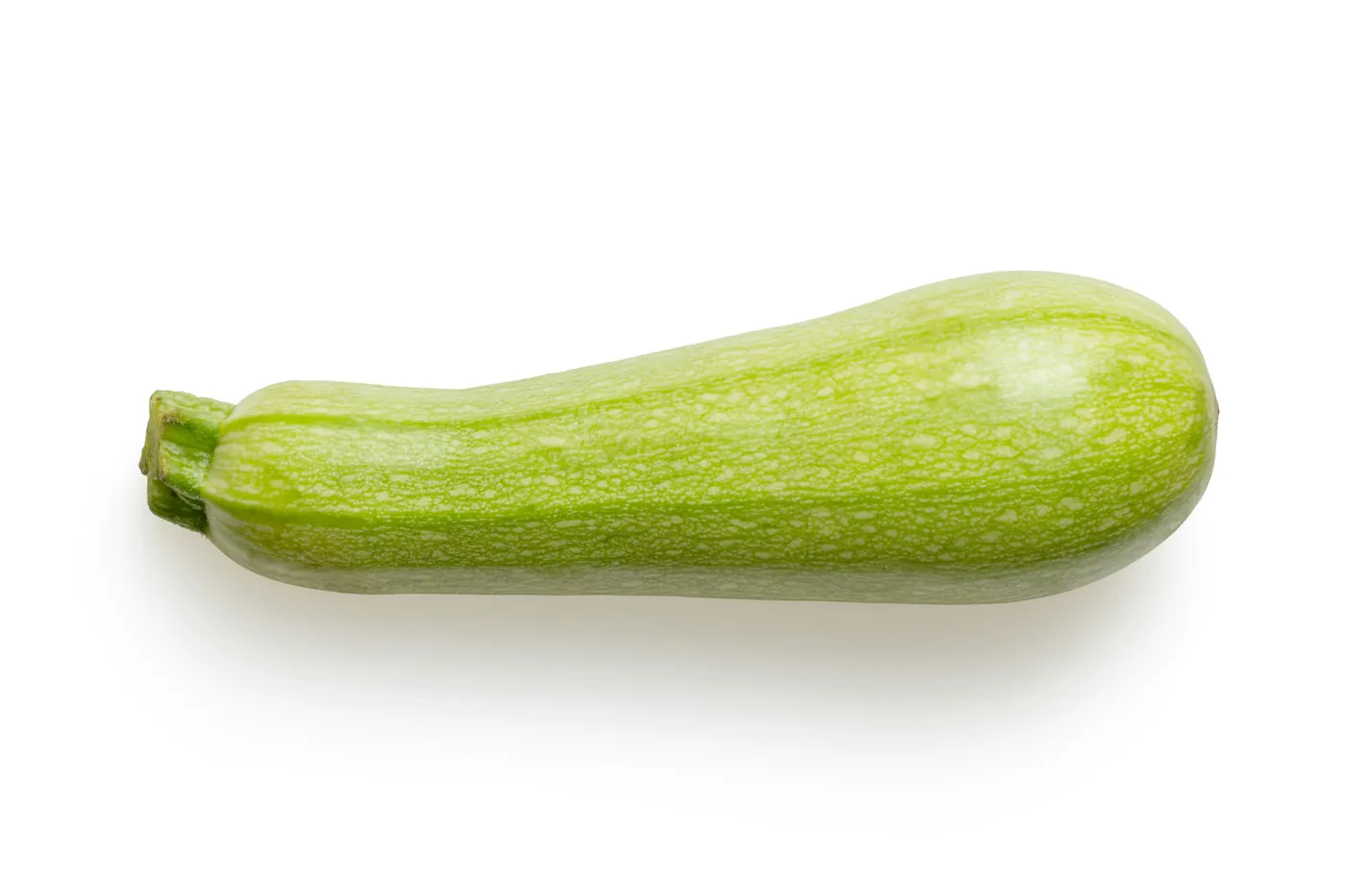
Six tools that make vegetable noodles without a spiralizer
All six are from identifiable makers and were in stock on Amazon, sold new, on the day of writing. Each review says what the tool actually cuts, how well it stands in for a spiralizer, and one honest reason to skip it.
1. OXO Good Grips Julienne Prep Y-Peeler – Even Matchsticks, Few Jams
A julienne peeler looks like an ordinary Y-peeler with a row of small teeth in front of the blade. Drag it down the length of a zucchini and the teeth score the flesh while the blade lifts it, so each pass gives a handful of long, thin strands. It is the simplest way to make vegetable noodles without a spiralizer, and it costs a drawer slot rather than a cupboard shelf.
America’s Test Kitchen named this OXO its best julienne peeler in a July 2025 review, describing its strips as crisp, uniform and long and saying it almost never jammed. Its testers credited the roughly eighth-inch gap between the blades for squarer, sturdier matchsticks than peelers with tighter spacing. OXO’s listing says the blades are stainless steel that will not rust, the handle is non-slip and the peeler is dishwasher safe.
For noodles, peel one side of a zucchini until you reach the seeds, turn it a quarter, and repeat. The Daily Meal warns that zucchini is slippery and a julienne peeler can get away from you, so work on a sturdy board and keep your other hand back from the blade.
Why we like it
- America’s Test Kitchen’s top julienne peeler
- Testers found it almost never jammed
- Stainless blades, per OXO, and dishwasher safe
- Also cuts carrot and jícama for slaw
Key specifications
| Model | 11259100 |
|---|---|
| Type | Julienne Y-peeler |
| Cut | Julienne strips (about 1/8-inch blade gap, per America’s Test Kitchen) |
| Size | 4.2 in wide x 8 in tall |
| Hand guard | None (handheld peeler) |
| Material | Stainless steel blades, non-slip handle |
| Cleaning | Dishwasher safe |
| Made in | Not stated |
Why we recommend it
Choose it if you make vegetable noodles for one or two people, want a tool that also earns its place for salads and garnishes, and have little storage space.
Skip it if you plan to make noodles for a crowd every week; peeling three or four zucchini by hand is slow, and a mandoline or a spiralizer is quicker.
Pros and cons
Pros
- Top-rated in a named independent review
- Tiny to store
- Quick to rinse clean
Cons
- Straight strands, not spirals
- Slow for large batches
- Strands go soft if cooked long
2. Benriner Mandoline Slicer with 4 Blades – Long Strands in Volume
A flat Japanese mandoline is a common prep-line tool for large amounts of matchsticks, and it is the fastest alternative here. Benriner’s compact slicer has one fixed straight blade and three interchangeable toothed blades, coarse, medium and fine, that cut long, narrow julienne strips. Push a zucchini lengthwise down the platform and each stroke yields a row of strands the length of the vegetable.
America’s Test Kitchen rated the Benriner Mandoline Slicer highly recommended in its June 2025 mandoline review, describing it as a slightly smaller version of its winning Super Benriner with the same very sharp blade. The same review is blunt about safety: the guard did not do its job, and the testers advise a cut-resistant glove. Our guide to cut-resistant gloves covers what to buy.
The listing gives the body as BPA-free plastic, the size as 12.75 by 3.625 inches with a 2.5-inch-wide slicing surface, a thickness dial from 0.5 to 8 millimeters, a non-skid rubber base and top-rack dishwasher safety. The narrow platform suits zucchini, carrots and cucumbers; America’s Test Kitchen notes it is too narrow for large produce such as eggplant.
Why we like it
- Highly recommended by America’s Test Kitchen
- Three julienne blade sizes, per the listing
- Very sharp, so soft zucchini cuts cleanly
- Hooks over a bowl to catch the strands
Key specifications
| Model | BN-64W |
|---|---|
| Type | Flat mandoline with julienne blades |
| Cut | Slices 0.5 to 8 mm; coarse, medium and fine julienne |
| Size | 12.75 x 3.625 in; 2.5 in slicing surface |
| Hand guard | Included (America’s Test Kitchen advises a glove) |
| Material | BPA-free plastic body, Japanese stainless steel blades |
| Cleaning | Top-rack dishwasher safe |
| Made in | Not stated on the listing |
Why we recommend it
Choose it if you cook vegetable noodles for a family, or want one tool that also handles slaw, potato slices and thin cucumber rounds. Our guide to the best mandoline slicer lists this same Benriner model through another listing; it appears here as well because it is the most efficient straight-strand cutter we found.
Skip it if you are not willing to wear a cut-resistant glove; the blade is very sharp and the guard is weak.
Pros and cons
Pros
- Fastest alternative for volume
- Three julienne widths
- Strong independent rating
Cons
- Guard gives poor protection
- Narrow platform
- Loose blades to store
3. Microplane Adjustable Mandoline with Julienne – Flip the Deck, Not the Blade
Microplane’s mandoline solves the loose-blade problem. Instead of separate toothed inserts, it has a reversible deck: one side slices, the other turns the cut into julienne. The listing says there are no extra blades to store, a soft-touch dial sets the slice thickness, and a hand guard comes in the box.
It is a handheld design with a V-shaped blade. You can rest it on its nonslip feet on a flat counter or hook the base over the rim of a bowl so the strands fall straight in, which is handy for zucchini noodles because you can salt and drain them in the same bowl.
Our search for this model turned up retailer listings rather than an independent review, so this pick rests on the Amazon listing. America’s Test Kitchen’s mandoline review did not include it. Treat the guard as a help rather than a guarantee, as with any mandoline.
Why we like it
- Reversible deck switches to julienne, per the listing
- No separate blades to lose
- Hand guard included
- Hooks over a bowl or stands on nonslip feet
Key specifications
| Model | 48040 |
|---|---|
| Type | Handheld V-blade mandoline with julienne deck |
| Cut | Adjustable slices; julienne |
| Size | Not stated on the listing |
| Hand guard | Included |
| Material | Stainless steel blades |
| Cleaning | Not stated on the listing |
| Made in | Not stated on the listing |
Why we recommend it
Choose it if you want mandoline speed but hate hunting for the right insert, or if your drawer is already crowded.
Skip it if you want a tool backed by a named review; the Benriner or the OXO peeler has one, this does not.
Pros and cons
Pros
- One piece, no inserts
- Thickness dial
- Guard in the box
Cons
- No independent review found
- Julienne width not stated
- Size and care not on the listing
4. KAI Japanese Julienne Slicer – Fine Strands, Nothing to Set
KAI’s small paddle-style slicer that does one thing: fine julienne. The listing gives the cut as about 0.08 inch, roughly 2 millimeters, from a dual-action blade, which means it cuts on both the push and the pull. There is no dial and nothing to swap, so it is ready the moment it comes out of the drawer.
That fixed fine cut makes thin, delicate strands, closer to angel hair than spaghetti. They suit raw zucchini or cucumber salads and a very quick toss in a hot pan, and they go soft fast if cooked longer. The listing says the body is ABS resin, heat resistant to 100°C, with a stainless steel blade, that a cutout lets it hang over a bowl, and that it is made in Japan. It measures 3.9 by 11.6 by 1.2 inches.
The listing does not mention a hand guard, so hold the vegetable well back from the blade and stop before your fingers get close. Save the last stub of zucchini for another dish.
Why we like it
- Fixed fine julienne, about 2 mm, per the listing
- Cuts in both directions
- Made in Japan, per the listing
- Rests over a bowl
Key specifications
| Model | DH3330 |
|---|---|
| Type | Paddle julienne slicer |
| Cut | Fine julienne, about 0.08 in (2 mm) |
| Size | 3.9 x 11.6 x 1.2 in |
| Hand guard | Not stated |
| Material | ABS resin body, stainless steel blade |
| Cleaning | Not stated on the listing |
| Made in | Japan |
Why we recommend it
Choose it if you like fine, raw vegetable noodles and want a slicer with no settings to fiddle with.
Skip it if you want thicker noodles for sauce; the single fine cut is the only option, and it is sold by an import seller rather than KAI’s own store.
Pros and cons
Pros
- Nothing to adjust
- Compact and light
- Japanese-made
Cons
- One fine size only
- No guard mentioned
- Third-party import seller
5. Swissmar Börner PowerLine Thin Julienne Slicer – Cuts on Both Strokes

The PowerLine Thin Julienne is a single-purpose paddle for matchsticks, which the listing calls an offspring of Börner’s VPower mandoline. The listing says its German stainless steel blades cut in both directions, so you can work a zucchini back and forth rather than lifting it for every stroke, and an extended handle lets you use the full length of the blade.
The listing is sold by Swissmar USA and describes the body as BPA-free plastic. Side rails accept Börner’s own Safety Holder, which is sold separately; without it, there is no guard, so plan to buy one or use a cut-resistant glove.
A word of balance: America’s Test Kitchen did not review this model, and it did not recommend a different Börner product, the Original V-Slicer Plus, finding its V-blade flimsy. This straight julienne paddle has a different blade, but there is no independent review behind it that we read, so it rests on the listing.
Why we like it
- Cuts in both directions, per the listing
- Thin julienne in one dedicated tool
- Accepts Börner’s safety holder on its rails
- Sold by Swissmar USA
Key specifications
| Model | V-2053 |
|---|---|
| Type | Paddle julienne slicer |
| Cut | Thin julienne (width not stated) |
| Size | Not stated on the listing |
| Hand guard | Safety holder sold separately |
| Material | BPA-free plastic, German stainless steel blades |
| Cleaning | Not stated on the listing |
| Made in | Not stated on the listing |
Why we recommend it
Choose it if you already own a Börner safety holder, or want a slim paddle that makes thin strands quickly by working in both directions.
Skip it if you do not want to buy a separate guard; the KAI or the Microplane is easier to start with.
Pros and cons
Pros
- Two-way cutting
- Slim to store
- Sold by Swissmar USA
Cons
- Guard costs extra
- Strip width not stated
- No independent review found
6. KitchenAid Gourmet 4-Sided Box Grater – Short Shreds, Already Familiar
A box grater is the tool most kitchens already own, and it belongs on this list with a clear limit: it makes short shreds, not noodles. Run a zucchini lengthwise down the coarse side and you get strands a few inches long that work for zucchini fritters, a carrot and jícama slaw, or a quick sauté folded into eggs. They will not twirl on a fork. The Daily Meal lists a grater alongside the mandoline and knife as a no-spiralizer option.
KitchenAid’s Gourmet grater has three grating surfaces, fine, medium and coarse, plus a slicing blade, all in rust-resistant stainless steel, according to the listing. A 3-cup container fits inside to catch what you grate and has measuring marks from a half cup to two cups. It is dishwasher safe and comes with a one-year hassle-free replacement and a lifetime limited warranty, per the listing.
Our best box grater guide features this same KitchenAid grater in another color through a different listing; that exact listing is already on that page, so this page uses the red listing, which was in stock and sold new by Amazon.
Why we like it
- Four surfaces, including a slicer
- Container catches and measures shreds
- Dishwasher safe
- Warranty stated on the listing
Key specifications
| Model | KN300OSERA |
|---|---|
| Type | Four-sided box grater |
| Cut | Fine, medium and coarse shreds; slices |
| Size | 10 in |
| Hand guard | None (top handle) |
| Material | Stainless steel |
| Cleaning | Dishwasher safe |
| Made in | Not stated on the listing |
Why we recommend it
Choose it if you want shredded zucchini or carrot for fritters, slaw or fillings, and value a tool that grates cheese the rest of the week.
Skip it if you want strands long enough to twirl; a julienne peeler or mandoline does that, a grater does not.
Pros and cons
Pros
- Most versatile tool here
- Built-in catch container
- Stated warranty
Cons
- Shreds, not noodles
- Knuckles near the teeth at the end
Making zucchini noodles without a spiralizer, step by step
This method works with the peeler, the mandoline or a julienne slicer. It draws on The Daily Meal’s julienne-peeler technique and Inspiralized’s advice on cooking thin strands.
- Pick firm zucchini. Straight, medium-sized squash give the longest strands. Trim both ends.
- Cut lengthwise. Run the tool down the full length of the zucchini, one side at a time, turning it a quarter between sides.
- Stop at the seeds. The soft, seedy core breaks into short, watery pieces. Save it for soup or a sauté.
- Draw out water. Toss the strands with a little salt and rest them between paper towels for 10 to 15 minutes, then pat dry.
- Cook briefly or not at all. Serve raw with a cold dressing, or toss for a minute or two in a hot skillet. Long cooking turns thin julienne soft.
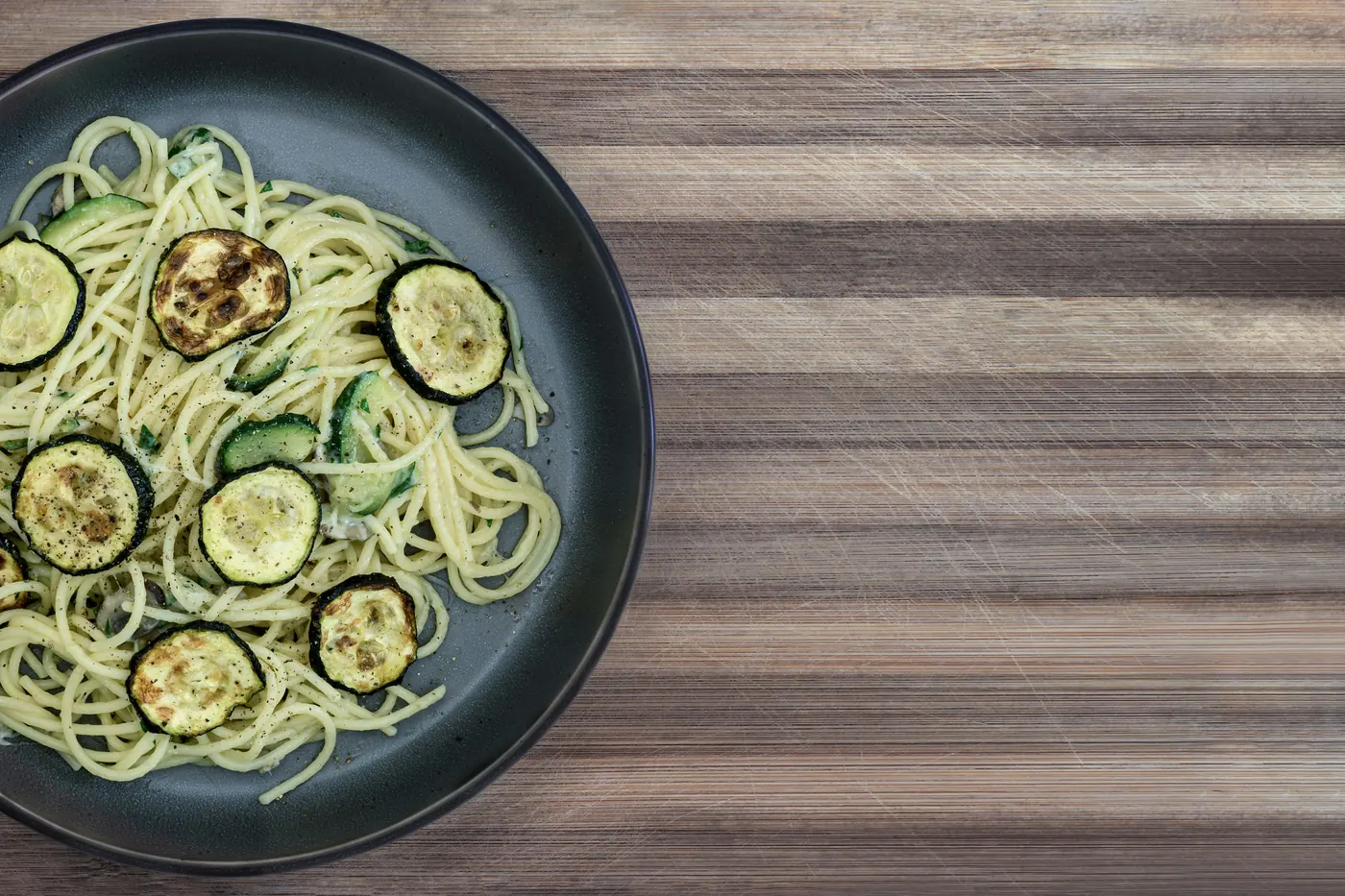
In a Mexican kitchen these strands fit dishes that already use squash and crunch: raw zucchini and carrot matchsticks with lime, chile and cotija, or a quick calabacitas-style sauté with corn, onion and tomato where the thin strands cook in the time it takes the corn to warm.
What we left out, and why
A few other ideas come up whenever people ask about vegetable noodles without a spiralizer.
- A chef’s knife. It works, by slicing planks and then cutting them into thinner and thinner strips, but Inspiralized calls it more time-consuming, and evenness depends on your knife skills. It is a skill rather than a product to buy.
- A regular vegetable peeler. It makes wide, flat ribbons, closer to pappardelle than spaghetti. The Daily Meal suggests a non-serrated peeler for that style. Our guide to the best vegetable peeler covers good ones.
- A food processor julienne disc. It cuts short matchsticks quickly, but discs fit only specific processor models, and the genuine julienne discs we found were in short supply on Amazon when we checked. If you own a processor, check whether its maker sells one for your model.
- A handheld spiralizer. Small enough to store like a peeler, but it is still a spiralizer. If you want real curls in a small package, see our spiralizer guide, which reviews handheld models.
When a spiralizer makes more sense
If vegetable noodles become a weekly habit, or you want thick, springy strands that stand up to sauce, a spiralizer earns its space. It cuts faster than any peeler, makes true curls, and handles firm sweet potato and butternut squash that are hard work on a julienne tool. Our guides to the best zucchini spiralizer and the best cheap spiralizer cover the options, and our julienne peeler guide compares more peelers if you decide that is all you need.
Spiralizer alternative questions, answered
What can I use instead of a spiralizer?
A julienne peeler is the easiest substitute and makes long, thin strands. A mandoline with julienne blades is faster for big batches. A paddle julienne slicer makes fine strands with no settings, and a box grater makes short shreds for fritters and slaw.
Is making vegetable noodles without a spiralizer harder?
Slower rather than harder. A julienne peeler takes a few minutes per zucchini; a mandoline is quick but needs care with the blade. None of them makes curls.
Are julienne-peeler noodles good for cooking?
For quick cooking, yes. Inspiralized finds thin julienne strips turn mushy with longer heat and suits them to cold sauces. Salt and drain them first, then toss in a hot pan for a minute or two.
Is a mandoline safe for zucchini noodles?
Only with care. America’s Test Kitchen found the Benriner’s guard ineffective and recommends a cut-resistant glove. Stop before your fingers get near the blade.
Can a box grater make zucchini noodles?
It makes short shreds, not noodles. They are good in fritters, slaw and fillings, but they will not twirl like pasta.
Our final word on noodles without a spiralizer
Start with the OXO Good Grips Julienne Prep Y-Peeler: it is small, it is America’s Test Kitchen’s top julienne peeler, and it makes good strands for one or two people. Move to the Benriner mandoline, with a cut-resistant glove, if you cook for more. Serve the strands raw, cold or briefly sautéed. If you find yourself making noodles every week, buy a spiralizer from our spiralizer guide.
And if tonight is not a prep night, see the menu or call to order.