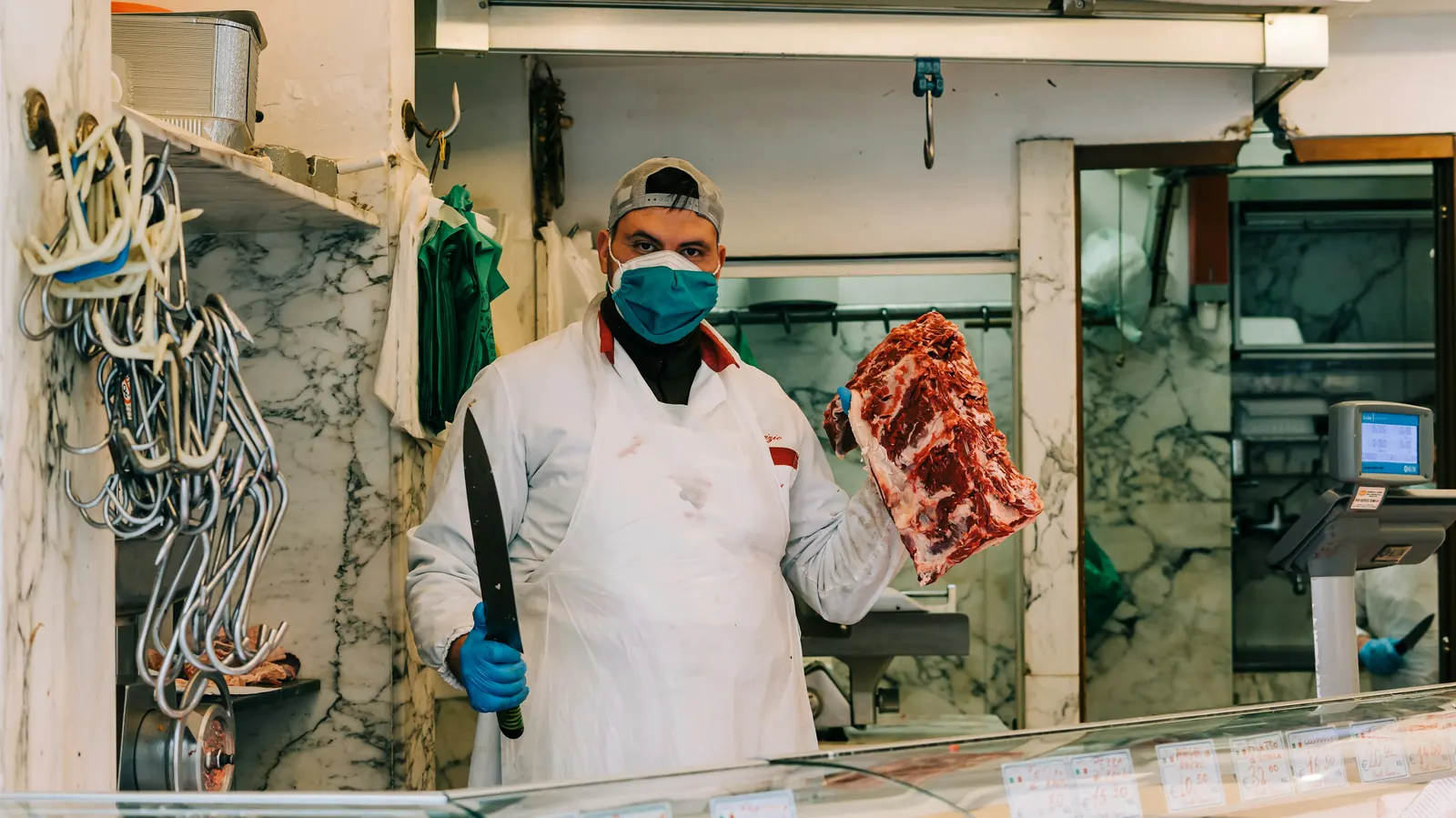
Butchery books split into two groups, and buying from the wrong one is the usual mistake. Some start with a live animal and show slaughter in photographs. Others start with a piece of meat from the farm or the shop. Neither is wrong, but only one of them matches your kitchen.
This guide covers seven books by named authors. We state what each covers and whether the description we read includes slaughter, because readers should know before they open one. Several of these are graphic by design. We have not used any of them ourselves, and they do not replace in-person instruction from a butcher or an extension course.
Julia’s earns a commission on purchases made through links on this page, at no cost to you. Recommendations are based on what a restaurant kitchen looks for in a book, publisher and listing information, and the published reviews we name. We have not cooked from these books ourselves.
Quick verdict: the best butchery book for each kind of reader
If you raise or process your own animals, buy Butchering Poultry, Rabbit, Lamb, Goat, and Pork by Adam Danforth, a 2015 James Beard award winner. If you buy large cuts and learn from pictures, buy Whole Beast Butchery by Ryan Farr. If your meat comes from the shop and you mainly want to know the cuts, choose Meat Illustrated from America’s Test Kitchen.
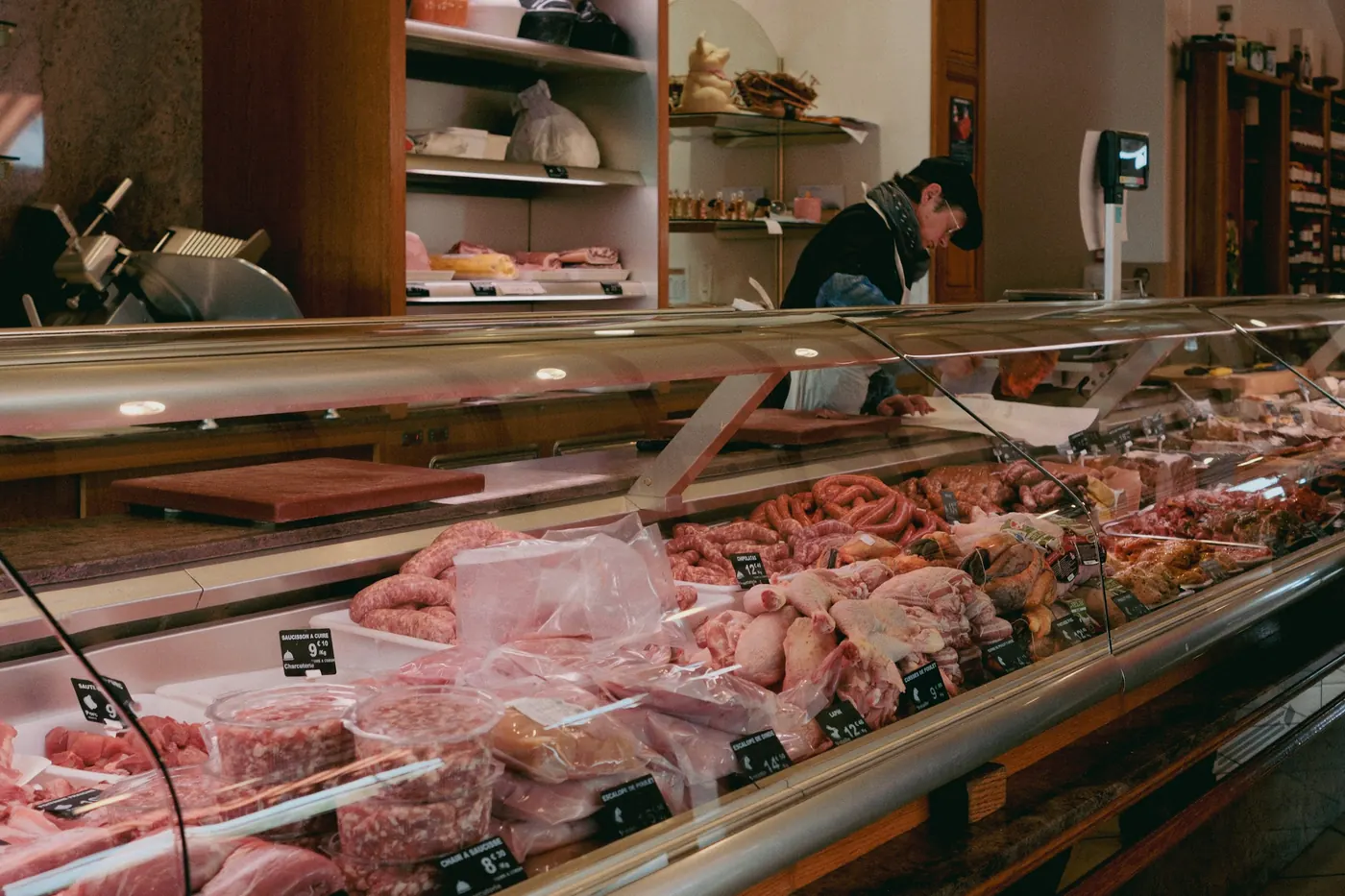
Five butchery books side by side
Five of the seven, one for each kind of reader. All seven are described below.
| Book | Best for | Covers | Evidence | Buy on Amazon |
|---|---|---|---|---|
| Homesteaders | Poultry, rabbit, lamb, goat, pork | James Beard; Publishers Weekly | View on Amazon | |

Whole Beast Butchery, Ryan FarrBest visual guide
|
Cooks buying large cuts | Beef, lamb, pork | Publisher description | View on Amazon |

Meat Illustrated, America’s Test KitchenBest for shop-bought cuts
|
Knowing cuts without cutting | 72 cuts, by animal and primal cut | Publisher description | View on Amazon |
| Hunters | Big game | Publishers Weekly | View on Amazon | |

Fish Butchery, Josh NilandBest for fish
|
Whole fish | Fish | Bookseller overview, award | View on Amazon |
Our picks for the best butchery book
1. Butchering Poultry, Rabbit, Lamb, Goat, and Pork, Adam Danforth – The Award-Winning Photographic Guide

This is the book the rest of the page gets measured against. It won the James Beard Foundation’s 2015 award for Reference and Scholarship. Publishers Weekly, in a March 2014 review, says Danforth, a butcher and instructor, “has created a stunning book, in both senses of the term,” and describes a vivid, detailed guide to humane slaughter and butchering.
The review calls it essential reading for people who raise and process their own meat. The word “stunning” is a fair warning as well as praise: this book shows slaughter, so it is not for a reader who only wants to break down a cut from the store. It runs 456 pages and covers five kinds of animal. Beef has its own volume, which is the next pick.
Why we like it
- 2015 James Beard award for Reference and Scholarship
- Named Publishers Weekly review
- Written by a working butcher and instructor, per the review
Key specifications
| Author | Adam Danforth |
|---|---|
| Publisher | Storey Publishing |
| Format | Paperback |
| Published | 2014 |
| Pages | 456 |
| Animals covered | Poultry, rabbit, lamb, goat, pork |
| Includes slaughter | Yes |
Why we recommend it
It suits a homesteader or small farmer who processes animals, and any serious reader who wants the full picture.
Skip it if you buy all your meat from a shop and only want to cut it. Whole Beast Butchery or Meat Illustrated fit that better.
Pros and cons
Pros
- Top award in its field
- Humane slaughter is a central subject
- A photographic guide, per its title
Cons
- Graphic by design
- More than a shop-bought-meat cook needs
2. Butchering Beef, Adam Danforth – Slaughter to Cuts, With a Temple Grandin Foreword

This is the companion volume, with a foreword by Temple Grandin. The publisher says it teaches how to humanely slaughter cattle and butcher your own beef, from preparing animals through killing, skinning and cutting. It also covers food safety, packaging and the equipment you need.
We count it as a separate pick because it covers a different animal and a much larger job. A whole steer is a big undertaking, and few homes will take it on, so it is for a narrow reader. We read no separate review of this volume, and the Beard award we mentioned belongs to the other one.
Why we like it
- Single-animal focus
- Food safety and packaging, per the publisher
- Temple Grandin foreword, per the listing
Key specifications
| Author | Adam Danforth |
|---|---|
| Publisher | Storey Publishing |
| Format | Paperback |
| Published | 2014 |
| Pages | 352 |
| Animals covered | Beef cattle |
| Includes slaughter | Yes |
Why we recommend it
It suits a rancher or a small-farm family that raises cattle and plans to process its own.
Skip it if you do not raise cattle, because much of the value lies in the slaughter and whole-carcass steps.
Pros and cons
Pros
- Whole process in one book
- Same author as our top pick
- Equipment covered
Cons
- Very narrow audience
- No separate review read
3. Whole Beast Butchery, Ryan Farr – 500 Step-by-Step Photographs
The publisher describes a visual guide to beef, lamb and pork, with about 500 step-by-step photographs, master recipes for key cuts and an introduction to tools, techniques and meat handling. Ryan Farr is a San Francisco chef and self-taught meat expert, and the overview says the New York Times dubbed him a “rock star butcher.”
It aims at home cooks and people buying meat from small farms, which is a growing way to shop. If you have bought a side of pork from a local farm and need to know what to do next, this is the kind of book you want. The overview also quotes Eater, joking that it is hard to get through the book without serious meat envy. We read only that line and not the Eater piece.
Why we like it
- About 500 photographs, per the publisher
- Beef, lamb and pork
- Recipes for key cuts, per the publisher
Key specifications
| Author | Ryan Farr with Brigit Binns |
|---|---|
| Publisher | Chronicle Books |
| Format | Hardcover |
| Published | 2011 |
| Pages | 240 |
| Animals covered | Beef, lamb, pork |
| Includes slaughter | Not in the description we read |
Why we recommend it
It suits a home cook who buys large cuts or a share of an animal and learns best from pictures.
Skip it if you need poultry or game, since the title names beef, lamb and pork.
Pros and cons
Pros
- Picture-led teaching
- Written for home cooks, per the publisher
- Includes recipes
Cons
- No poultry named
- Published in 2011
4. The Ultimate Guide to Home Butchering, Monte Burch – A Frank, Traditional Approach

Jenn Garbee reviewed an earlier printing of this book for LA Weekly in 2012. She described a how-to guide covering slaughter and processing, including poultry, hogs and field-dressing a deer, along with aging meat and rendering lard. She called it the most revolting “amateur” butchery guide she had received, and also the most compelling, honest and humane.
That is a very useful warning. The photos were taken by an amateur, and she says they look amateurish and bloody, though they suit the subject. Monte Burch is a longtime outdoors writer drawing on the home-butchering traditions of earlier generations, which gives the book a voice that the glossier titles do not have. The pick here is a 2019 printing, and we have not compared it against the one she reviewed.
Why we like it
- Named LA Weekly review of an earlier printing
- Covers slaughter, aging and rendering, per the review
- Traditional home-butchering perspective
Key specifications
| Author | Monte Burch |
|---|---|
| Publisher | Skyhorse |
| Format | Paperback |
| Published | 2019 |
| Pages | 288 |
| Animals covered | Hogs, poultry, deer and others |
| Includes slaughter | Yes |
Why we recommend it
It suits a backyard butcher who likes traditional methods and does not need polished photography.
Skip it if you are squeamish, because the reviewer was explicit about how graphic it is.
Pros and cons
Pros
- Frank and practical, per the review
- Includes lard and aging
- Paperback
Cons
- Graphic images, per the review
- Amateur photography, per the review
5. The Complete Guide to Hunting, Butchering, and Cooking Wild Game: Volume 1, Steven Rinella – Big Game From Field to Table

Publishers Weekly reviewed this in July 2015 and calls it an informative guide covering bear, elk, moose and whitetail deer, from gear and land permissions through stalking and butchering. It says Rinella “thoughtfully walks fellow hunters through the process of choosing the proper weapons.”
The same review calls the final recipe chapter the book’s weak spot, because it leans on basic dishes. Butchery is one part of a larger hunting book, and hunting takes up much of it. That is the honest limit of this pick. Buy it if the animal is one you will hunt, and not as a general butchery manual.
Why we like it
- Named Publishers Weekly review
- Bear, elk, moose and deer, per the review
- Follows the animal from field to table
Key specifications
| Author | Steven Rinella |
|---|---|
| Publisher | Random House |
| Format | Paperback |
| Published | 2015 |
| Pages | 416 |
| Animals covered | Big game |
| Includes slaughter | Butchering after the hunt, per the review |
Why we recommend it
It suits a hunter who wants one book from planning to processing.
Skip it if you do not hunt, since much of the book is about hunting.
Pros and cons
Pros
- Trade review read
- Strong on big game
- Field to table scope
Cons
- Recipe chapter is weak, per the review
- Butchery is only part of the book
6. Fish Butchery, Josh Niland – Breaking Down the Whole Fish
Josh Niland is a James Beard Award-winning chef and author, and the overview says this book won the 2024 James Beard Award for Restaurant and Professional book of the year. It is a guide to breaking down and cooking whole fish, with techniques and recipes, and it is presented as a call to action on sustainable cooking.
Fish is its own craft and uses different knives and instincts, so this is a different skill from everything else on this page. The award category tells you its level: it was recognized as a restaurant and professional book, so a home cook should expect to stretch. We relay the award from the bookseller’s overview and did not check the foundation’s list for 2024.
Why we like it
- 2024 James Beard award, per the overview
- Whole-fish focus
- Techniques and recipes, per the overview
Key specifications
| Author | Josh Niland |
|---|---|
| Publisher | Hardie Grant Books |
| Format | Hardcover |
| Published | 2023 |
| Pages | 272 |
| Animals covered | Fish |
| Includes slaughter | Not applicable |
Why we recommend it
It suits an ambitious fish cook, or someone who regularly brings home whole fish.
Skip it if you rarely buy whole fish, or you want a book for beginners.
Pros and cons
Pros
- A rare subject
- Award recognition, per the overview
- Sustainability angle
Cons
- Professional-level book by its award category
- Not about land animals
7. Meat Illustrated, America’s Test Kitchen – Understanding Cuts Without Cutting
This is not a butchery manual in the strict sense, and we want to be plain about that. The publisher describes a guide to cooking 72 cuts of meat, with more than 300 recipes, organized by animal and primal cuts. It aims to help a reader make the most of their butcher shop.
We include it last, for the many readers whose real question is what a cut is and how to cook it. It involves the least knife work of any title here. If you plan to take a knife to a whole animal, one of the other books will serve you better, and this one can sit next to it as the cooking half.
Why we like it
- 72 cuts, per the publisher
- More than 300 recipes, per the publisher
- Organized by animal and primal, per the publisher
Key specifications
| Author | America’s Test Kitchen |
|---|---|
| Publisher | Cook’s Illustrated |
| Format | Hardcover |
| Published | 2020 |
| Pages | 432 |
| Animals covered | Multiple, by primal cut |
| Includes slaughter | No |
Why we recommend it
It suits a cook who shops at a butcher counter and wants to understand and cook what is there.
Skip it if you actually want to break down meat yourself. This book is about buying and cooking.
Pros and cons
Pros
- Clear organization
- Large recipe count
- Well-known publisher
Cons
- Not a how-to on cutting
- Rests on the publisher and listing
How to choose a home butchery guide
Start with where your meat comes from. A live animal, a hunt, a side from a local farm and a shop counter each call for a different book. This is the question that matters most.
Decide how you feel about slaughter photos. The Danforth and Burch books show them. If that is not for you, read the description first and pick accordingly.
Look for photographs of the actual cuts. Butchery is visual. A step you cannot see is a step you will guess at, which is why photo-led books such as Danforth’s and Farr’s stand out.
Check for food safety and handling. Butchering Beef’s publisher names food safety and packaging. Keeping meat cold and your tools clean is part of the job, so favor a book that covers it.
Budget for the right knife. A book will not help much with a dull blade. Our boning knife guide is the place to start, and our butcher paper guide and butcher’s twine guide cover wrapping and tying.
How we picked these seven butchery books
We searched Amazon’s Books index for butchery titles and kept those in stock as new copies, from named authors or America’s Test Kitchen at established publishers. Two picks come from Adam Danforth, because they cover different animals. We avoided titles already on our other pages, including the butcher’s guides on our steak cookbook page.
We have not used these books, and a book is no substitute for training on a real carcass. We read Publishers Weekly on Danforth and Rinella, the LA Weekly review of an earlier Burch printing, and the James Beard list for Danforth’s award. Other picks rest on publisher overviews and the listing. A Tom Mylan title and Cole Ward’s book from the original idea list did not turn up in stock, so they are not here.
Butchery book questions, answered
What is the best home butchery guide for a beginner with shop-bought meat?
Of the picks here, Whole Beast Butchery is the most home-cook minded by its publisher’s description. Meat Illustrated helps if you only want to understand cuts.
Do these books show slaughter?
The Danforth books and Burch’s guide do, per their titles and reviews. Rinella covers butchering after the hunt, per Publishers Weekly. We did not see slaughter named in the descriptions of the others.
Is there a good book on butchering fish?
Fish Butchery by Josh Niland, which is recognized as a professional book. For cooking fish at home, see our seafood cookbook guide.
Can I learn butchery from a book alone?
A book can teach you the map, but we would pair it with a class or a butcher who will show you. Follow the food safety guidance in your book and from your local extension office.
Our final pick for the home butcher’s shelf
Buy Danforth if the animal is yours from the start, Farr if the meat arrives in large pieces, and Meat Illustrated if you only want to understand shop-bought cuts. For what to do with the cuts, our steak cookbook guide picks up where these books stop.
Related guide: Best wild game cookbook.
And if you would rather leave the knife work to someone else tonight, Julia’s is at 5402 N Highway 6 in Houston. Call to order at (346) 546-8283.