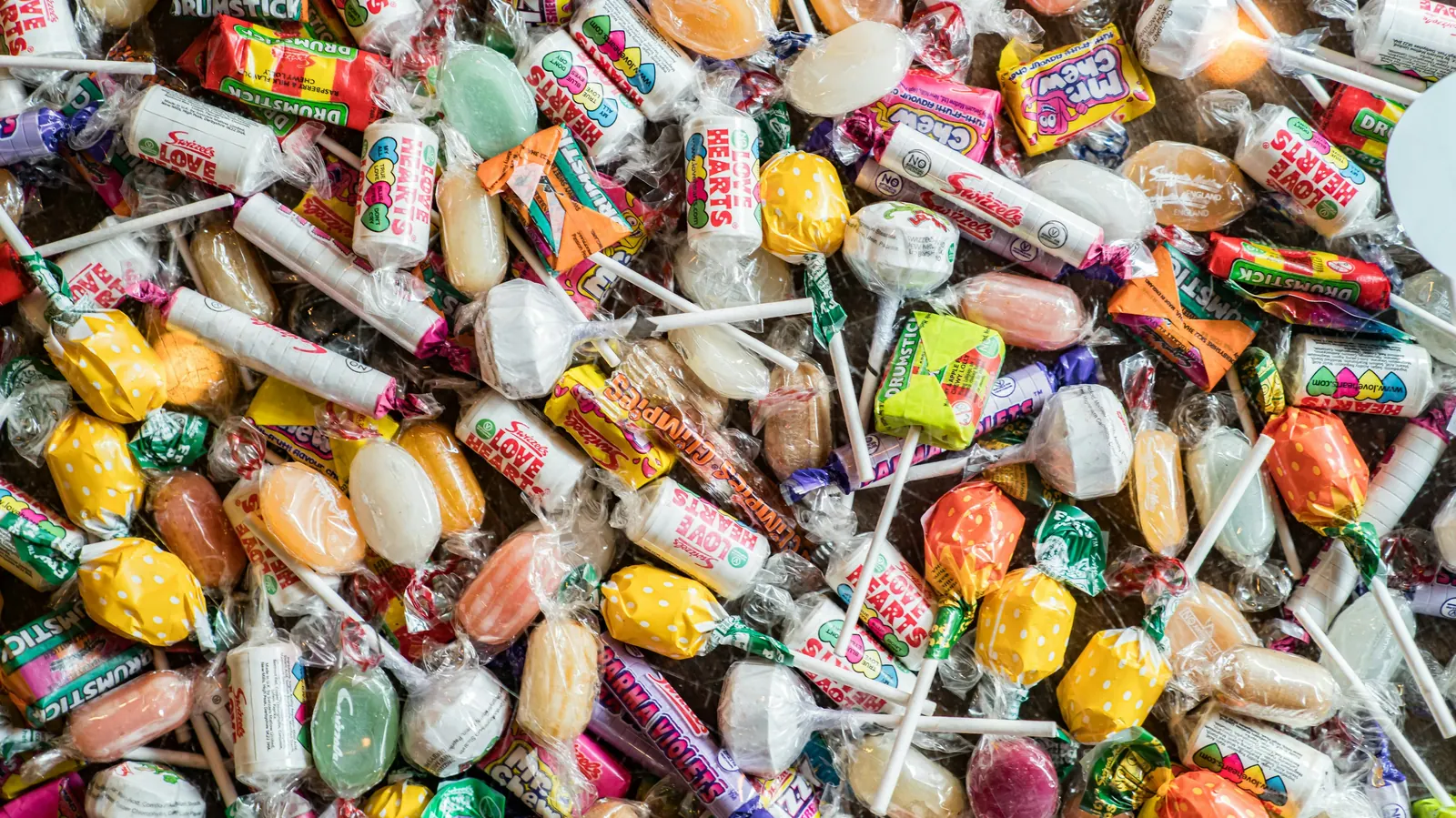
The candy decides whether a piñata party ends in cheers or in a scramble for broken, melted, sticky pieces. Good piñata candy is individually wrapped so it stays clean on the grass, small and light enough to fall out in a shower, firm enough not to shatter when the stick connects, and stable enough not to melt in a hot yard in Houston. It also has to suit the guests: the youngest children, anyone with a food allergy, and the parents watching what goes into small hands.
There is one more point that matters for a Mexican-style party in particular. U.S. and California health authorities have found lead in some candies imported from Mexico, mostly those made with chili powder or tamarind. This guide explains what they say, names the candies worth buying to fill a piñata, and covers choking hazards for young children.
Julia’s earns a commission on purchases made through links on this page, at no cost to you. Recommendations are based on the makers’ own listings and ingredient statements, published government guidance and pediatric safety advice, which we cite. We have not tasted these candies, and no product on this page has been tested by us.
Quick verdict: which piñata candy to buy
For most parties, the best pinata candy is Dum Dums Original Mix lollipops: 400 individually wrapped mini lollipops in 16 flavors, made in the USA and, according to Spangler, free of the top common allergens. For guests with food allergies, Smarties candy rolls and YumEarth Organic Pops both state they are free from the top nine allergens. For a Mexican sweet, Aldama mini obleas with cajeta come individually wrapped. We left chili and tamarind candies, and brands named in official lead warnings, off this list.
Read the safety sections below before you fill a piñata for small children.
Five piñata candies at a glance
Our five standout picks side by side, one for each kind of party, with what each listing or maker states. All eight candies are reviewed in full below.
| Candy | Best for | Count & type | Allergens/diet | Buy on Amazon |
|---|---|---|---|---|

Dum Dums Original Mix Lollipops, 400 CountBest overall
|
Large piñatas, mixed ages over 4 | 400 mini lollipops, 16 flavors | Free of top common allergens (maker) | View on Amazon |

Smarties Candy Rolls, 5 Pound BagBest allergy-friendly
|
Parties with food allergies | 5 lb of wrapped candy rolls | Top nine allergens free, gluten-free, vegan (listing) | View on Amazon |

YumEarth Organic Pops, 250 CountBest dye-free
|
No artificial dyes, organic | About 250 lollipops, 8 flavors | Top 9 free, organic, vegan (listing) | View on Amazon |
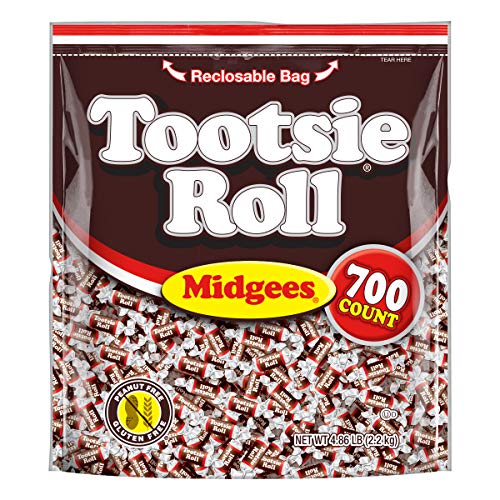
Tootsie Roll Midgees, 700 CountBest chocolate-flavored
|
Chocolate lovers, big crowds | 700 chewy chocolate candies | Peanut-free, gluten-free; contains milk, soy | View on Amazon |
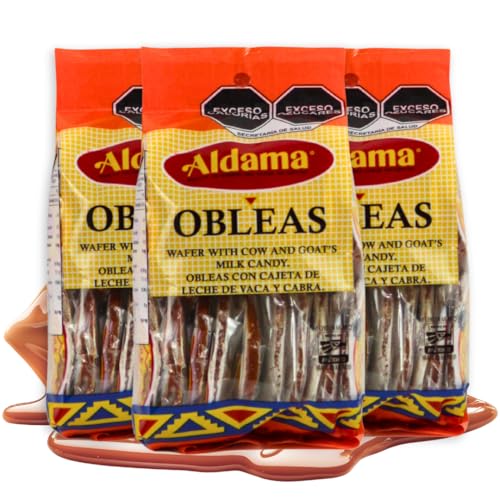
Aldama Mini Obleas with Cajeta, 3 x 20 PiecesBest Mexican candy
|
A Mexican sweet in the mix | 60 wafers with milk candy | Contains milk; wafer ingredients not listed | View on Amazon |
Product images from Amazon. Allergen and diet statements are the makers’ own, from the Amazon listing or the maker’s website; always check the printed label, which is the final word for anyone with an allergy.
Lead in candy: the rule we applied
Piñatas and Mexican candy go together, so it is worth knowing what the health authorities say before you shop the Mexican candy aisle for filling.
In 2006 the U.S. Food and Drug Administration issued guidance on lead in candy likely to be eaten frequently by small children, recommending no more than 0.1 parts per million. The guidance grew out of concern about what the FDA called “Mexican-style” candy, made with ingredients such as chili and tamarind, and powdered mixes of salt, chili powder and sugar; the FDA also says lead-based inks should not be used on candy wrappers. The CDC’s page on lead in foods, cosmetics and medicines says chili powder and tamarind may be a source of lead when dried, stored or ground improperly, that wrapper ink may leach into imported candy, and that lead cannot be detected by looking at or tasting a product.
The California Department of Public Health runs a Lead in Candy program that tests candy, issues health alerts and publishes its results; under state law, candy with more than 0.10 parts per million of lead is considered contaminated. California has warned consumers about De la Rosa Pulparindo Extra Hot and Salted tamarind candy (2007) and La Zagala tamarind candy in clay jars (2019), and its published test results include samples above the limit from brands including Pelon Pelo Rico, Vero, Lucas, Indy, Sonric’s, Jovy and Canel’s.
So we used the same rule as our Mexican candy guide: no chili- or tamarind-powder candies, and no brand that appears in an official warning or above California’s limit in its published results. That excludes De la Rosa entirely, even its peanut mazapán, and it rules out most of the “Mexican piñata mix” bags on Amazon, which are built around exactly those brands. The one Mexican candy on this list, Aldama obleas, measured below detection in every California sample we found.
Our picks for the best pinata candy
These eight candies cover the main kinds of piñata filling: lollipops, candy rolls, chewy chocolate, gummies, fruit chews, taffy and a Mexican milk-candy wafer. For each one we give the ingredients, the allergen statement and one honest reason to skip it.
1. Dum Dums Original Mix Lollipops, 400 Count – Wrapped, Light and Allergen-Free
Dum Dums are small lollipops, and they suit a piñata well. This bag holds 400, each individually wrapped, in a mix of 16 flavors including root beer, sour apple and strawberry, and the listing names piñata candy among its uses.
They are light, so a big piñata can hold a lot of them; they are hard candy, so they do not melt in the heat the way chocolate does; and every one comes in its own wrapper with its flavor marked. Spangler Candy Company, which makes them in Bryan, Ohio, lists the ingredients as sugar, corn syrup, citric acid, malic acid, salt and artificial flavor, plus colors, and says the pops are free of the top common allergens and made on dedicated equipment. The listing adds that they are gluten-free and OU kosher certified.
The caution is age. A Dum Dum is a hard candy on a stick, and the American Academy of Pediatrics lists hard candy among the foods to keep from children under 4. For a mixed party, keep a separate bowl of soft treats for the toddlers.
Why we like it
- 400 individually wrapped pops
- Free of top common allergens, per Spangler
- Made in the USA
- Hard candy, light to fill
Key specifications
| Count/weight | 400 lollipops |
|---|---|
| Pieces wrapped | Yes, individually |
| Candy type | Hard candy lollipop |
| Main ingredients | Sugar, corn syrup, citric acid, malic acid, salt, artificial flavor, colors |
| Allergens/diet | Free of top common allergens; gluten-free; OU kosher |
| Melt risk | Not stated |
| Made in | USA (Bryan, Ohio, per Spangler) |
| Age guidance | Not stated (hard candy; see the AAP advice below) |
Why we recommend it
Choose it as the main filling for a large piñata at a party where most children are over 4, especially if you are not sure about everyone’s allergies.
Skip it if most of the guests are toddlers: hard candy on a stick is the wrong treat for children under 4.
Pros and cons
Pros
- Large count, light weight
- Clear allergen statement
- Flavor marked on each wrapper
Cons
- Hard candy, not for under-4s
- Artificial colors
- Small, so children want several
2. Smarties Candy Rolls, 5 Pound Bag – Free From the Top Nine Allergens
Smarties are the little rolls of pressed, tangy candy tablets wrapped in twisted cellophane, made by a family company since 1949. This 5-pound bag is enough to fill a large piñata by itself or to bulk out a mix.
The allergen story is the reason to buy them. The listing says Smarties are made in entirely peanut-free facilities and are free from the top nine major food allergens, and that they are gluten-free and vegan. On its own FAQ page, the Smarties Candy Company lists the ingredients as dextrose, citric acid, calcium stearate, natural and artificial flavor and colors, says the candy is made in Union, New Jersey, and Newmarket, Ontario, and says its whole line is gluten-free.
The rolls are flat and light, which suits a piñata, and because each roll holds many small hard tablets, they are best for children old enough to eat hard candy.
Why we like it
- Free from the top nine allergens, per the listing
- Peanut-free facilities
- Gluten-free and vegan
- Short ingredient list
Key specifications
| Count/weight | 5 lb bag (roll count not stated) |
|---|---|
| Pieces wrapped | Yes, each roll |
| Candy type | Pressed hard candy tablets in a roll |
| Main ingredients | Dextrose, citric acid, calcium stearate, natural and artificial flavor, colors |
| Allergens/diet | Free from top nine allergens (listing); gluten-free; vegan |
| Melt risk | Not stated |
| Made in | USA or Canada (Union, New Jersey; Newmarket, Ontario, per the maker) |
| Age guidance | Not stated (hard candy) |
Why we recommend it
Choose it when you know or suspect a guest has a food allergy, or when you want one candy everybody over 4 can share.
Skip it if you want something more exciting than a classic: Smarties are simple and sweet-tart, and some children will prefer chocolate or gummies.
Pros and cons
Pros
- Strong allergen statement
- Vegan and gluten-free
- Bulk size
Cons
- Roll count not stated
- Hard candy, not for under-4s
- Artificial colors
3. YumEarth Organic Pops, 250 Count – Organic and Dye-Free
For parents who read labels closely, YumEarth is the lollipop to choose. This bag holds approximately 250 individually wrapped organic lollipops in eight fruit flavors: strawberry, pomegranate, peach, cherry, grape, mango, watermelon and raspberry.
The listing says the pops are colored with fruit and vegetable juices, with no high fructose corn syrup or artificial dyes, and that they are free from the top nine common allergens, USDA Organic certified, Non-GMO certified, gluten-free and vegan. An allergen database certified by YumEarth (SnackSafely) lists the ingredients of the favorite-flavors pops as organic cane sugar, organic brown rice syrup, organic natural flavors and citric acid, with plant-based colorings.
Like any lollipop it is hard candy, so the same age caution applies, and organic sugar is still sugar. Its place in a piñata is as the allergy-friendly, dye-free option.
Why we like it
- No artificial dyes, per the listing
- Free from the top nine allergens
- USDA Organic and Non-GMO certified
- About 250 individually wrapped pops
Key specifications
| Count/weight | About 250 lollipops |
|---|---|
| Pieces wrapped | Yes, individually |
| Candy type | Hard candy lollipop |
| Main ingredients | Organic cane sugar, organic brown rice syrup, organic natural flavors, citric acid, fruit and vegetable juice colors |
| Allergens/diet | Free from top nine allergens; organic; gluten-free; vegan |
| Melt risk | Not stated |
| Made in | Not stated |
| Age guidance | Not stated (hard candy) |
Why we recommend it
Choose it for a party where parents avoid artificial dyes or where allergies are a concern, and you still want lollipops in the piñata.
Skip it if you need the lowest cost per piece: organic candy usually costs more than the classic brands.
Pros and cons
Pros
- No artificial dyes
- Top nine allergen free
- Large bag
Cons
- Hard candy, not for under-4s
- Country of manufacture not stated
- Count is approximate
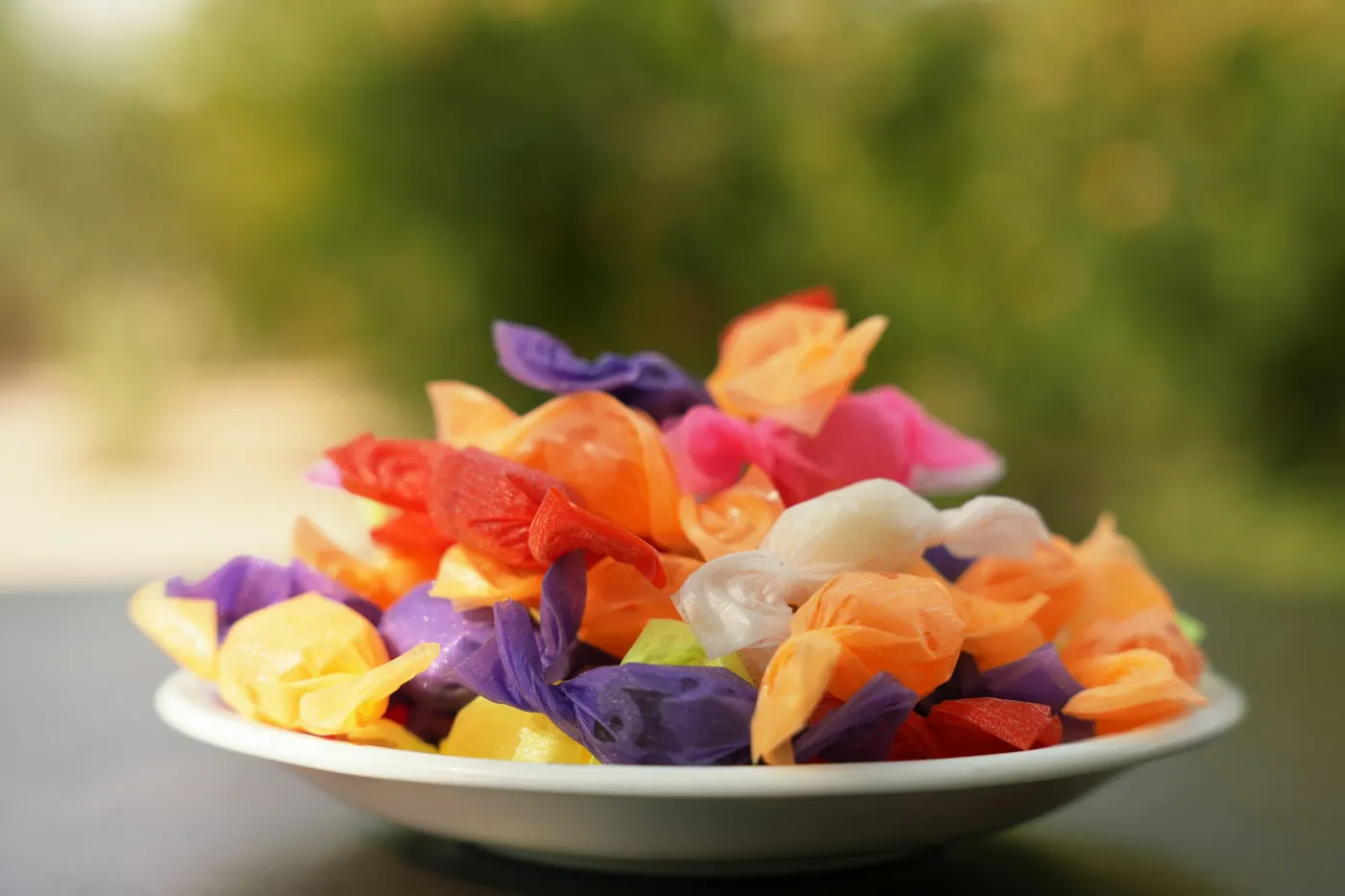
4. Tootsie Roll Midgees, 700 Count – Chocolate Flavor Without a Coating
Children want chocolate in a piñata, and chocolate bars are the candy most likely to soften on a hot day. Tootsie Roll Midgees are a practical middle ground: small, chewy, chocolate-flavored candies in twisted wrappers, with no chocolate coating to smear. This resealable bag holds 700 of them, 77.76 ounces in all.
The listing describes them as peanut-free, gluten-free and kosher, at 11 calories a piece. Grocery listings that reproduce the label give the ingredients as sugar, corn syrup, palm oil, condensed skim milk, cocoa, whey, soy lecithin, and natural and artificial flavors, and show that they contain milk and soy. That makes them a poor choice for a guest with a dairy or soy allergy, but a good one where peanuts are the worry.
A chewy candy is soft enough not to shatter when the piñata breaks. It is also the kind of sticky candy the AAP lists among choking hazards for children under 4, so keep the youngest guests to softer treats.
Why we like it
- 700 individually wrapped pieces
- Chocolate flavor without a coating
- Peanut-free and gluten-free, per the listing
- Resealable bag
Key specifications
| Count/weight | 700 pieces (77.76 oz) |
|---|---|
| Pieces wrapped | Yes, individually |
| Candy type | Chewy chocolate-flavored candy |
| Main ingredients | Sugar, corn syrup, palm oil, condensed skim milk, cocoa, whey, soy lecithin, natural and artificial flavors |
| Allergens/diet | Contains milk and soy; peanut-free; gluten-free; kosher |
| Melt risk | Not stated |
| Made in | Not stated |
| Age guidance | Not stated (chewy candy) |
Why we recommend it
Choose it when you want something chocolatey in the piñata for a big crowd, especially at a peanut-free party.
Skip it if any guest has a milk or soy allergy: both are in the ingredients.
Pros and cons
Pros
- Huge count
- Peanut-free
- No coating to smear
Cons
- Contains milk and soy
- Chewy, not for under-4s
- Heavy bag to fill from
5. Haribo Goldbears Mini Bags, 54 Count – Gummies in Treat-Size Packs

Gummy bears are a party favorite, and the treat-size bags keep them clean when they land on the ground. This Haribo tub holds 54 mini bags of Goldbears, 22.8 ounces in all, in lemon, orange, pineapple, raspberry and strawberry flavors, according to the listing.
Haribo’s own U.S. product page lists the main ingredients as glucose syrup (from wheat or corn), sugar, gelatin and dextrose, with smaller amounts of citric acid, flavors, sunflower oil, beeswax and colors, and gives an allergen note that the product may contain wheat and traces of milk. Gelatin means they are not vegetarian. Haribo notes that ingredients can vary by country, so read the U.S. label on the tub you receive.
A mini bag weighs more than a single lollipop, so a piñata holds fewer of them; mix them with lighter candy so every child gets something.
Why we like it
- 54 sealed treat-size bags
- Five fruit flavors
- Soft gummies, no stick
- Ingredient list on Haribo’s site
Key specifications
| Count/weight | 54 mini bags (22.8 oz) |
|---|---|
| Pieces wrapped | Yes, in mini bags |
| Candy type | Gummy bears |
| Main ingredients | Glucose syrup (wheat or corn), sugar, gelatin, dextrose, citric acid, flavors, sunflower oil, beeswax, colors |
| Allergens/diet | May contain wheat and traces of milk; contains gelatin (not vegetarian) |
| Melt risk | Not stated |
| Made in | Not stated |
| Age guidance | Not stated (gummy candy) |
Why we recommend it
Choose it to add a soft, familiar candy to a mix of lollipops and rolls, for children who like gummies more than hard candy.
Skip it if you need vegetarian or wheat-safe candy: Goldbears contain gelatin and may contain wheat.
Pros and cons
Pros
- Sealed mini bags
- Widely liked
- Maker publishes ingredients
Cons
- Contains gelatin
- May contain wheat and milk
- Fewer pieces per pound
6. Starburst Original Fun Size, 4 Pound Box – Fruit Chews in Sealed Packs

Starburst fun size packs hold fruit chews sealed in a small wrapper, and this bulk box holds 4 pounds of them in the original strawberry, cherry, orange and lemon flavors, according to the listing.
The Amazon listing does not give the ingredients. Grocery listings that reproduce the Starburst label, from Mars Wrigley, list sugar, corn syrup and hydrogenated palm kernel oil first, with citric acid, tapioca dextrin and gelatin among the ingredients under 2 percent, and describe the candy as gluten-free. The listing gives no allergen statement, so check the box label if allergies are a concern, and note the gelatin if any guest is vegetarian.
Fruit chews are soft enough to survive a hard landing, and a fun-size pack is bigger than a single wrapped piece, which children like finding on the grass. Being chewy, they are also on the AAP’s list of candies to keep from children under 4.
Why we like it
- 4-pound bulk box
- Sealed fun-size packs
- Four classic fruit flavors
- Soft, will not shatter
Key specifications
| Count/weight | 4 lb box (pack count not stated) |
|---|---|
| Pieces wrapped | Yes, in fun-size packs |
| Candy type | Chewy fruit chews |
| Main ingredients | Sugar, corn syrup, hydrogenated palm kernel oil; under 2% includes citric acid, tapioca dextrin, gelatin (retailer label listing) |
| Allergens/diet | Not stated in the listing; contains gelatin |
| Melt risk | Not stated |
| Made in | Not stated |
| Age guidance | Not stated (chewy candy) |
Why we recommend it
Choose it for older children and adults who like fruit chews, when you want a sealed pack that feels like a real prize.
Skip it if you need the allergen statement on the listing before you buy: it is not there, so you will rely on the box label.
Pros and cons
Pros
- Sealed packs
- Soft, won’t break
- Familiar flavors
Cons
- No ingredients on the listing
- Contains gelatin
- Chewy, not for under-4s
7. Laffy Taffy Mini Bars, 145 Count – Taffy With a Joke on Every Wrapper

Laffy Taffy mini bars come in a jar of 145, 49.3 ounces in all, in sour apple, cherry, strawberry and banana, according to the listing, each individually wrapped with a joke printed on the wrapper. The jokes are half the fun for school-age children.
The listing does not list ingredients. A grocery listing for Laffy Taffy minis that reproduces the label gives corn syrup, sugar and palm oil first, followed by mono- and diglycerides, malic acid, hydrogenated cottonseed oil, salt, natural flavors and soy lecithin, plus colors. Soy lecithin means it contains soy. Check the jar label for the full allergen statement.
Taffy is soft and flat, so it packs well and lands without breaking, but it is sticky, chewy candy, which the AAP lists among choking hazards for children under 4.
Why we like it
- 145 individually wrapped bars
- Jokes on every wrapper
- Four fruit flavors
- Flat, easy to pack
Key specifications
| Count/weight | 145 mini bars (49.3 oz) |
|---|---|
| Pieces wrapped | Yes, individually |
| Candy type | Taffy |
| Main ingredients | Corn syrup, sugar, palm oil, mono- and diglycerides, malic acid, hydrogenated cottonseed oil, salt, natural flavors, soy lecithin, colors (retailer label listing) |
| Allergens/diet | Contains soy (soy lecithin); full statement not in the listing |
| Melt risk | Not stated |
| Made in | Not stated |
| Age guidance | Not stated (chewy candy) |
Why we recommend it
Choose it for a piñata aimed at school-age children, who will enjoy the wrappers as much as the taffy.
Skip it if a guest has a soy allergy, or if most of the guests are toddlers.
Pros and cons
Pros
- Fun wrappers
- Soft and flat
- Good count
Cons
- Contains soy
- No ingredients on the listing
- Sticky, not for under-4s
8. Aldama Mini Obleas with Cajeta, 3 x 20 Pieces – A Mexican Sweet for the Mix
If you want a Mexican candy in the piñata without the chili and tamarind types that health authorities single out, obleas are a good answer. An oblea is two paper-thin wafers around a layer of cajeta or milk candy; Aldama’s minis come individually wrapped, and this listing brings three packs of 20, so 60 pieces.
The listing says they are made with fresh milk and sugar. They contain milk, and the listing does not give the wafer’s ingredients, so anyone avoiding gluten or wheat should check the label. In the California Department of Public Health’s published Lead in Candy results, every sample of Aldama obleas and wafers we found, from 2005 to 2015, measured below detection; those were a few samples tested years ago, not a guarantee about the bag you receive, and the listing says nothing about lead testing.
The wafers are fragile. Put them at the top of the piñata, above the heavier candy, and expect a few to crack inside their wrappers.
Why we like it
- A traditional Mexican sweet, no chili or tamarind
- 60 individually wrapped pieces
- Made with milk and sugar, per the listing
- California samples below detection
Key specifications
| Count/weight | 3 packs of 20 (60 pieces) |
|---|---|
| Pieces wrapped | Yes, individually |
| Candy type | Wafer with cajeta milk candy (oblea) |
| Main ingredients | Wafer, milk, sugar (full list not in the listing) |
| Allergens/diet | Contains milk; wafer ingredients not stated |
| Melt risk | Not stated |
| Made in | Not stated (Mexican brand, per the listing) |
| Age guidance | Not stated |
Why we recommend it
Choose it to add a Mexican sweet to the piñata at a birthday or posada, alongside a sturdier main candy.
Skip it if you need gluten-free candy or a candy that survives a hard hit: wafers break.
Pros and cons
Pros
- Traditional Mexican candy
- Individually wrapped
- Below-detection California samples
Cons
- Fragile wafers
- Ingredient list incomplete
- Contains milk
Choking hazards: what goes in a piñata for small children
When a piñata breaks, children of every age dive for the candy, and small children put things in their mouths. The American Academy of Pediatrics, on its HealthyChildren.org choking-prevention page, lists hard, gooey or sticky candy among the foods to keep from children until 4 years of age or older, depending on their development, advises avoiding toys with small or detachable parts, and warns that balloons pose a choking risk to children up to 8 years of age. The U.S. Consumer Product Safety Commission bans small parts in toys and children’s products intended for children under 3, and requires choking-hazard warnings on some products with small parts, small balls, marbles and balloons.
Nearly every candy on this list is hard, chewy or sticky, so for a party with toddlers, a practical approach is:
- Use a pull-string piñata for the youngest group, or give them a separate turn with a small piñata filled with age-appropriate treats chosen with their parents.
- Have an adult collect and sort the candy after the break, and hand toddlers’ share to their parents.
- Read the age label on any toy filler, and leave out anything small enough to swallow.
- Do not put balloons or balloon pieces in a piñata.
How to choose candy for a piñata
Five things separate good piñata candy from bad.
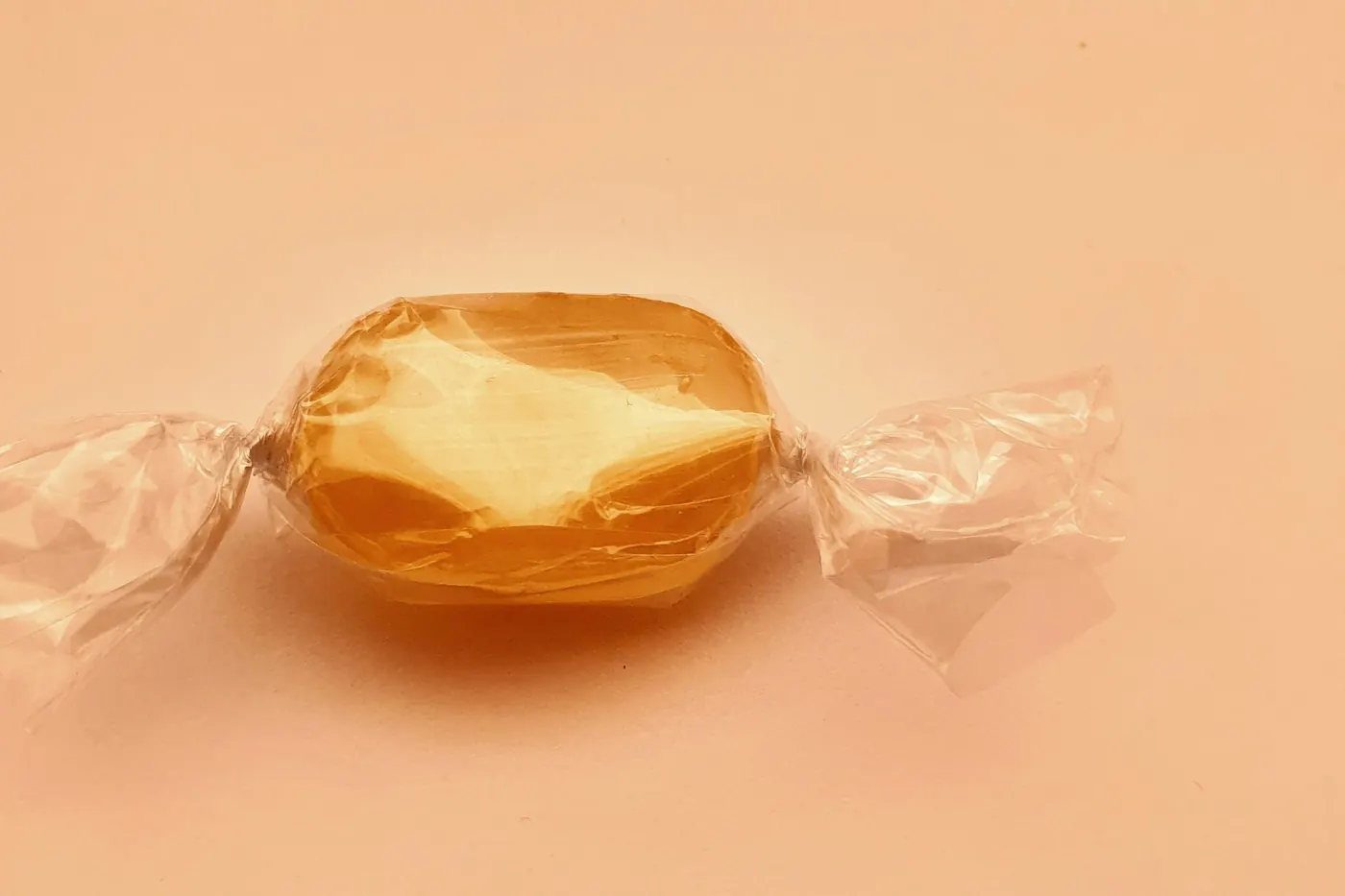
1. Individually wrapped, always
The candy lands on grass, concrete and other children. Every piece should be sealed. Loose candy and unwrapped bulk mixes are out, and so are wrappers you cannot trace to a brand: the FDA advises against lead-based inks on candy wrappers, and an identifiable maker lets you check a product against official warnings.
2. Will it melt?
Few listings say anything about heat, and none of our picks states a melt risk. In practice, hard candy, rolls, gummies and chews keep their shape far better than chocolate bars and chocolate-coated candy, which soften quickly in a hot car or a sunny yard. Store filled piñatas indoors until the game.
3. Will it shatter?
A stick hits hard. Brittle hard candies and wafers can crack inside their wrappers; soft chews, gummies and taffy survive. A mix of the two is the usual answer.
4. Allergies and diets
Ask parents in advance. Smarties and YumEarth state they are free from the top nine allergens, and Spangler says Dum Dums are free of the top common allergens. Tootsie Rolls contain milk and soy, Laffy Taffy contains soy, and Haribo and Starburst contain gelatin.
5. How much to buy
Check the piñata’s stated capacity, then fill to about that weight. Light candy such as lollipops and rolls gives more pieces per pound, which matters when there are many children underneath. Our guide to the best piñatas lists the capacity each one states.
How we picked these eight candies
We searched Amazon’s Grocery & Gourmet Food store in the United States for individually wrapped candies suited to a piñata, and checked each candidate’s stock and listing details through Amazon’s product data. We excluded chili- and tamarind-powder candies, any brand named in an FDA or California lead warning or above California’s 0.10 parts per million limit in its published results, and assorted “piñata mix” bags built around those brands or from unnamed sellers. We then kept candies that were in stock, came from an identifiable maker, were individually wrapped and covered a different kind of candy or a different need, such as allergies or dyes. Ingredients come from the maker’s own site or listing; where a listing gave none, we used grocery listings that reproduce the label and say so. Allergen and diet claims are the makers’ own. We have not tasted these candies and have not had any of them tested.
Piñata candy questions, answered
What is the best candy for a piñata?
Individually wrapped candy that will not melt or shatter. For most parties, Dum Dums lollipops are the best single choice; mix in a soft candy such as Starburst or Goldbears, and Smarties or YumEarth if allergies are a concern.
What is the best candy for pinata parties with toddlers?
Very little candy is right for children under 4: the AAP lists hard, gooey and sticky candy among choking hazards for that age. Give toddlers a separate, adult-supervised share chosen with their parents.
Is Mexican candy safe to put in a piñata?
Not all of it is the same. The FDA, CDC and California single out chili- and tamarind-based candies for lead, and California has issued warnings about specific brands. Choose milk candies and wafers from brands with no official warnings, such as Aldama obleas, and see our Mexican candy guide for more.
Which piñata candy won’t melt?
None of our picks states a melt risk on its listing. Hard candy, candy rolls, gummies, fruit chews and taffy generally hold their shape in warm weather far better than chocolate, so leave chocolate bars out of a summer piñata.
Is there allergy-friendly piñata candy?
Yes. Smarties and YumEarth Organic Pops both state they are free from the top nine allergens, and Spangler says Dum Dums are free of the top common allergens. Always read the label, since formulas change.
Filling the piñata: our closing advice
Start with Dum Dums or Smarties as the base, add a soft candy for texture, YumEarth for dye-free families and Aldama obleas for a Mexican touch, and keep chili and tamarind candy out of a children’s piñata. Plan the filling around the youngest and most allergic guest, not the average one.
For the piñata itself, see our guide to the best piñatas; for sweets served at the table, Mexican desserts explained covers the sweets served year-round. And if you would rather someone else cooked for the party, see the menu or call to order.