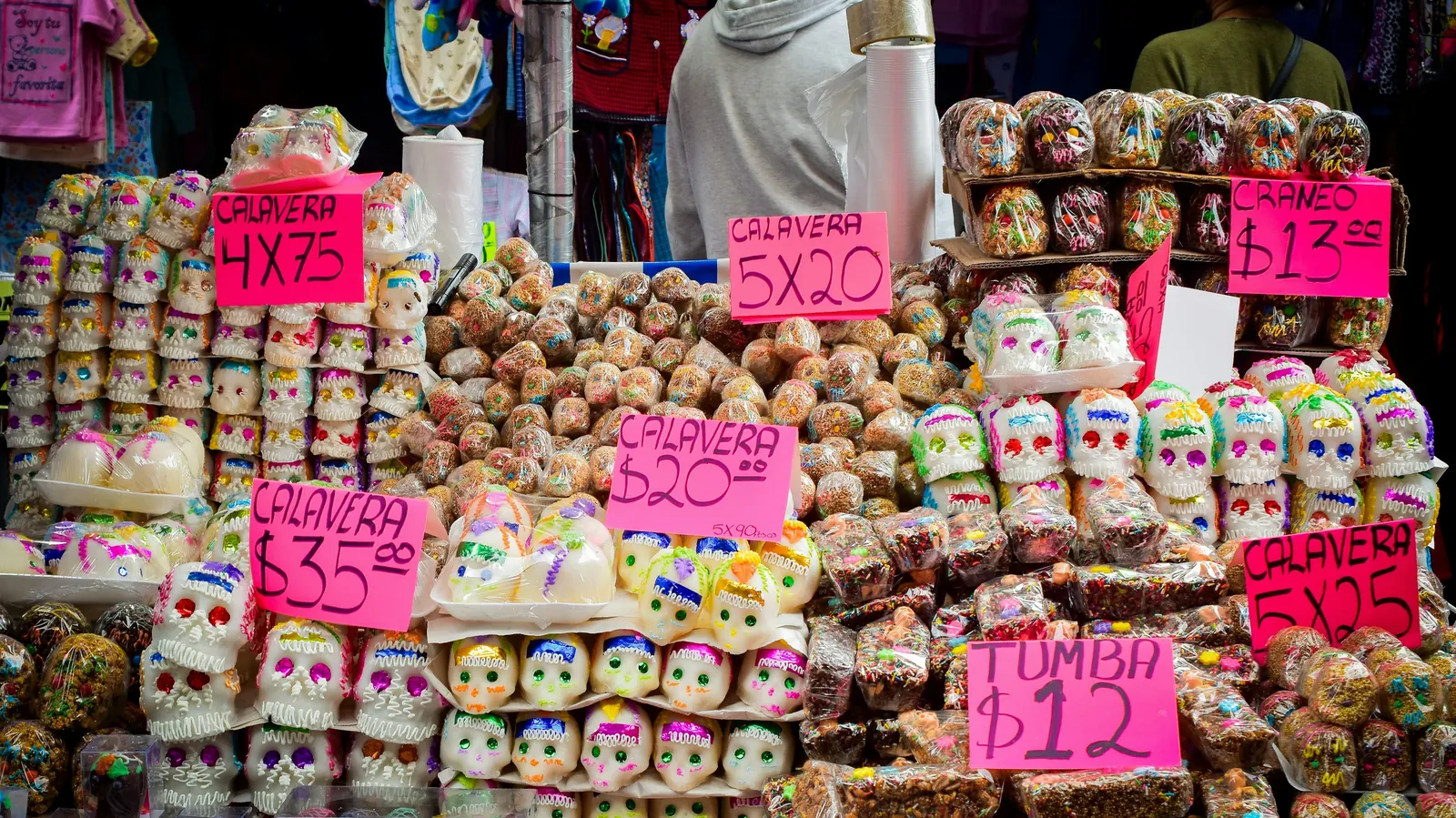
Mexican candy is a world of its own. There are milk candies cooked from goat’s milk and pecans, crisp wafers filled with cajeta, soft creams eaten with a tiny spoon, amaranth bars sweetened with piloncillo, coconut rolls, and the sweet, sour and chile-hot candies that most Americans picture first. Walk into any dulcería in Mexico, or the candy aisle of a Mexican grocery in Houston, and you will find all of them side by side.
There is also a safety question every buyer should know about before choosing. For two decades, U.S. and California health authorities have found lead in some candies imported from Mexico, most often those made with chili powder or tamarind. This guide starts with what those authorities say, explains how we chose with that in mind, and then names the Mexican candies worth buying for sharing, gifting and piñatas.
Julia’s earns a commission on purchases made through links on this page, at no cost to you. Recommendations are based on the makers’ own listings, published government guidance and California’s public candy test results, which we cite. We have not tasted every product listed here, and no product on this page has been tested by us.
Quick verdict: which Mexican candy to buy
For most people, the best Mexican candy to start with is Las Sevillanas Glorias: soft goat’s milk cajeta candies with pecans, a classic from northern Mexico. For children who like something creamy, choose Duvalín, the two-flavor candy cream eaten with a little spoon. For parties and piñatas, Aldama mini obleas (cajeta wafers) come individually wrapped. We have left chili- and tamarind-powder candies off this list: those are the types federal and California health authorities single out for lead, and several popular brands appear in California’s test results above the state’s limit.
Read the safety section below before you buy any Mexican candy, from this list or anywhere else.
Five Mexican candies at a glance
Our five standout picks side by side, one for each kind of buyer, with what each listing says is in the bag and what California’s published test results show for that product. All seven candies are reviewed in full below.
| Candy | Best for | Type & count | California lead samples | Buy on Amazon |
|---|---|---|---|---|

Las Sevillanas Glorias, 30 PiecesBest overall
|
Sharing, gifting, first taste | Cajeta and pecan milk candy, 30 pieces | Below detection (2012 samples) | View on Amazon |

Duvalín Strawberry & Vanilla, 18 PiecesBest for kids
|
Lunchboxes, children’s parties | Two-flavor candy cream, 18 cups | Below detection (2005–2015 samples) | View on Amazon |

Aldama Mini Obleas with Cajeta, 3 x 20 PiecesBest for piñatas
|
Parties, piñatas, gift bags | Wafers with milk candy, 60 pieces | Below detection (2005–2015 samples) | View on Amazon |

Ricolino Bubulubu, 24 BarsBest chocolate
|
Chocolate lovers | Marshmallow and strawberry bar, 24 bars | Not in the published results | View on Amazon |

El Artesanal de México Alegría Amaranth Bars, 10 PiecesBest traditional sweet
|
Día de Muertos, coffee breaks | Amaranth, piloncillo, peanut bars, 10 pieces | Not in the published results | View on Amazon |
Product images from Amazon. “Below detection” means every sample of that product in the California Department of Public Health’s published Lead in Candy results measured below the method’s quantitation limit of 0.05 parts per million. Those were a few samples tested years ago; they are not a guarantee about the bag you buy today. None of these listings says anything about lead testing or Proposition 65.
Lead in Mexican candy: what the health authorities say
This is the part of buying Mexican candy that matters most, so here is what the official sources say, in their own terms.
The U.S. Food and Drug Administration
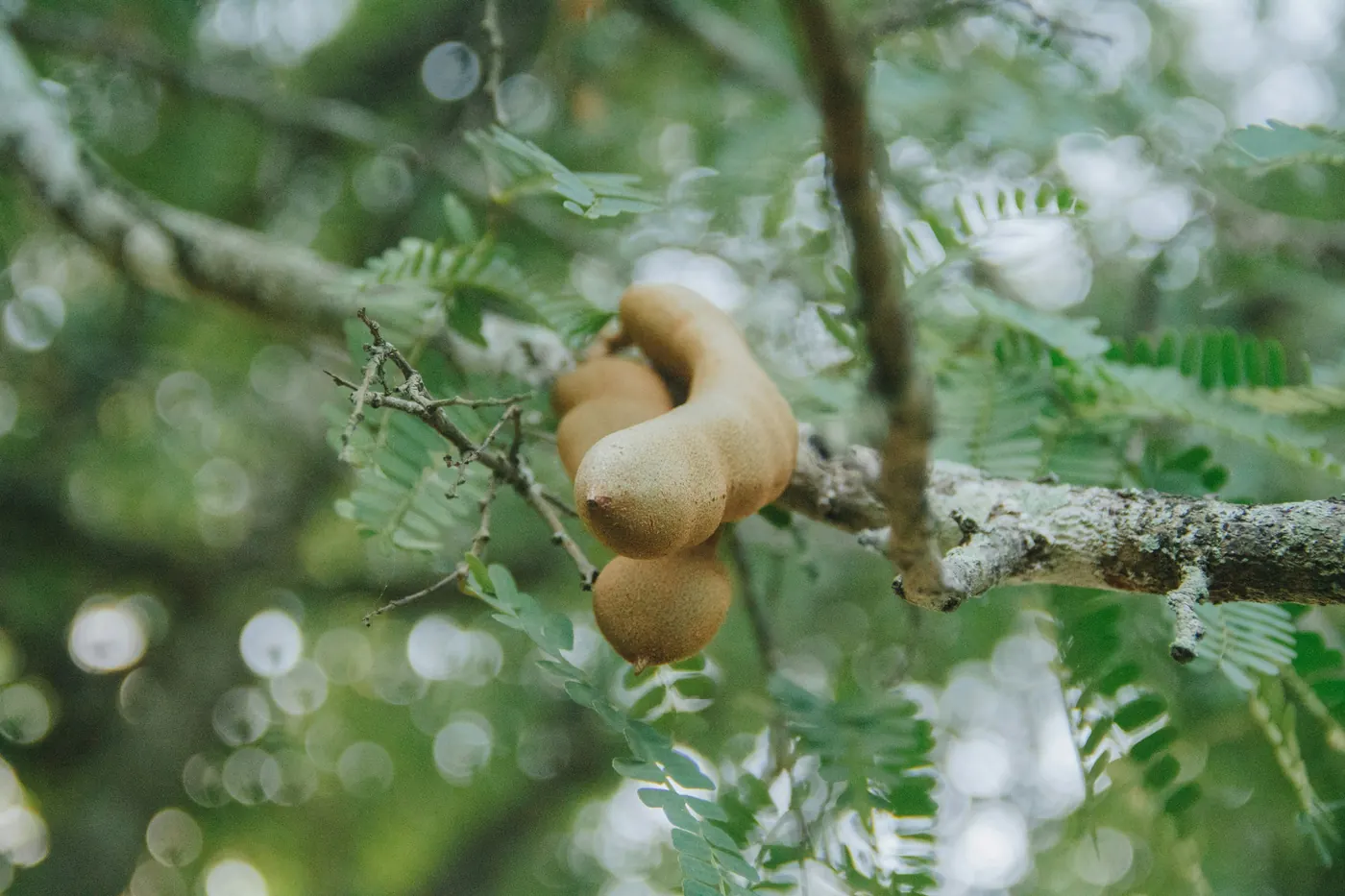
In 2006 the FDA issued guidance recommending that candy likely to be eaten often by small children contain no more than 0.1 parts per million of lead, a level it says manufacturers can meet with good manufacturing practices. The guidance grew out of concern about what the agency called “Mexican-style” candy: candy containing ingredients popular in Mexico, such as chili and tamarind, and powdered snack mixes of salt, chili powder, sugar and flavoring. The FDA also says lead-based inks should not be used on candy wrappers, including on the outside of the package. You can read the guidance on the FDA’s website.
The Centers for Disease Control and Prevention
The CDC’s page on lead in foods, cosmetics and medicines says lead has been found in some candies, and that ingredients such as chili powder and tamarind may be a source when they are dried, stored or ground improperly. It adds that ink from plastic or paper wrappers may leach into imported candy, that lead cannot be detected by looking at or tasting a product, and that laboratory testing is the only way to know for certain. Its advice is to avoid products that may contain lead, and to contact your child’s health care provider if you think your child has been exposed.
The California Department of Public Health
California runs the most detailed program. Under state law, candy with more than 0.10 parts per million of lead is considered contaminated, and the CDPH’s Lead in Candy program collects and tests candy samples, takes enforcement action, issues health alerts and publishes its laboratory results. Two examples of its warnings:
- In July 2007 the state warned consumers against De la Rosa Pulparindo Extra Hot and Salted tamarind candy after finding lead above the limit, and two U.S. importers recalled shipments, as reported by KPBS.
- In August 2019 the CDPH warned consumers not to eat certain La Zagala brand Fruit Pulp Tamarin Flavor candy, sold in small clay jars, after tests found up to 0.17 parts per million of lead. It advised pregnant women and parents of children who may have eaten it to consult a health care provider about testing.
The CDPH’s published test results go further. Individual samples of several of the most widely sold chili and tamarind candies measured above 0.10 parts per million at least once, including Pelon Pelo Rico, several Vero lollipops and powders, Lucas powders and lollipops, Indy Dedos, Sonric’s Rockaleta, a Jovy chili candy and De la Rosa Pulparindo. Most of those results are from 2000 to 2009, and the CDPH notes that lead levels vary from sample to sample and that some manufacturers may have changed their processes since. The results do not say those candies contain lead today. They do say these are the brands an official tester has found over the limit.
What this means when you buy
We applied three rules to the picks on this page, and you can apply them to any Mexican candy:
- No chili- or tamarind-powder candies. These are the types the FDA and the CDC single out. If you love them, buy them knowing that, and keep them away from small children and anyone pregnant, the groups California’s program exists to protect.
- No brand named in an official warning or measured over the limit in California’s results. That rules out several famous names, including De la Rosa, whose peanut mazapán has measured below detection in every California sample we found but whose Pulparindo was the subject of the 2007 warning.
- Do not read safety into a listing that does not claim it. None of the Amazon listings for our picks mentions lead testing or a Proposition 65 warning. Proposition 65 is a California law requiring warnings about significant exposures to chemicals the state lists as causing cancer or reproductive harm, and lead is on that list; you can read more at P65Warnings.ca.gov. A missing warning on a web listing is not a test result.
Mixed variety bags deserve a special mention. Most Mexican candy assortments on Amazon are built around the chili and tamarind favorites, and many name Pelon Pelo Rico, Vero, Lucas or Pulparindo in the title. We did not recommend any of them. If you want variety, build your own mix from the candies below.
Our picks for the best Mexican candy
These seven candies cover the sweet side of the Mexican dulcería: milk candy, candy cream, cajeta wafers, a cajeta lollipop, chocolate, amaranth and coconut. For each one we say what the listing states, what the CDPH’s published results show for that product, and one honest reason to skip it.
1. Las Sevillanas Glorias, 30 Pieces – Goat’s Milk Cajeta with Pecans
Glorias are soft, chewy milk candies, a traditional sweet from northern Mexico. The listing describes Las Sevillanas Glorias as chewy dulce de leche candies made with goat’s milk cajeta and crunchy pecans, from a brand it says has made Mexican sweets since 1967.
They are the candy to buy if you buy only one bag. A gloria is rich without being sticky, the pecans add crunch, and the cajeta gives a caramel flavor with a slight tang. They suit a bowl on the coffee table, a box for a host, or a bag in a gift basket alongside a bottle of cajeta.
The bag holds 30 pieces. The listing describes the package as sealed for freshness; once opened, keep the bag closed so the candies stay soft.
The CDPH’s published results include two samples of Las Sevillanas Glorias goat’s milk candy with pecans, collected in January 2012; both measured below detection. Las Sevillanas obleas with goat’s milk were also below detection in 2009. The listing does not mention lead testing or Proposition 65.
Why we like it
- Goat’s milk cajeta and pecans, per the listing
- A classic Mexican milk candy
- 30 individually wrapped pieces
- CDPH samples (2012) below detection
Key specifications
| Type | Soft milk candy (gloria) |
|---|---|
| Count | 30 pieces |
| Main ingredients | Goat’s milk cajeta, dulce de leche, pecans (full list on the label) |
| Chili or tamarind | No |
| Allergens | Contains milk and tree nuts (pecans) |
| Made in | Not stated in the listing (Mexican brand) |
| Lead testing / Prop 65 (listing) | Not mentioned |
| CDPH lead samples | Below detection, 2 samples, January 2012 |
Why we recommend it
Choose it for a first taste of Mexican candy, for gifting or for anyone who likes caramel and pecans. It is a traditional sweet with a short, recognizable set of main ingredients.
Skip it if anyone in your house has a tree-nut allergy: every gloria contains pecans.
Pros and cons
Pros
- Classic goat’s milk and pecan candy
- Individually wrapped
- Published CDPH samples below detection
Cons
- Contains tree nuts
- Full ingredient list not in the listing
- No lead testing statement from the maker
2. Duvalín Strawberry & Vanilla, 18 Pieces – Two-Flavor Candy Cream
Duvalín is a Mexican candy cream: soft and sweet, sold in a small tray with a divider down the middle, one flavor on each side, eaten with a tiny spoon or a fingertip. This box holds 18 pieces of the strawberry and vanilla version, 9.52 ounces in all.
The listing describes a soft, creamy texture that melts in the mouth, quite unlike a hard candy or a chocolate bar, and each piece comes in its own container, which makes it easy to tuck into a lunchbox or hand out at a party. Duvalín also comes in hazelnut and vanilla, hazelnut and strawberry, and a three-flavor version.
Duvalín is one of the most frequently sampled Mexican candies in the CDPH’s published results, which list it under the Ricolino name. Every sample we found, from 2005 through 2015 and across several flavor combinations, measured below detection. The listing itself does not mention lead testing or Proposition 65.
Why we like it
- Soft candy cream, no chili or tamarind
- Two flavors in every piece
- Individually packed portions
- Many CDPH samples, all below detection
Key specifications
| Type | Candy cream in a divided tray |
|---|---|
| Count | 18 pieces (9.52 oz) |
| Main ingredients | Not stated in the listing (strawberry and vanilla flavored) |
| Chili or tamarind | No |
| Allergens | Not stated in the listing; check the label |
| Made in | Not stated in the listing |
| Lead testing / Prop 65 (listing) | Not mentioned |
| CDPH lead samples | Below detection in every sample found, 2005–2015 |
Why we recommend it
Choose it for children’s parties, lunchboxes and anyone who grew up with it. Of all the candies here it has the longest record of below-detection results in California’s published data.
Skip it if you want to know every ingredient before you buy: the listing gives the flavors but not the ingredient list, so read the label when it arrives.
Pros and cons
Pros
- Fun, spoonable format
- Portioned for lunchboxes
- Long run of below-detection samples
Cons
- Ingredients not in the listing
- Very sweet
- Allergen information not stated
3. Aldama Mini Obleas with Cajeta, 3 x 20 Pieces – Wrapped for Piñatas
Obleas are two paper-thin wafers sandwiching a layer of cajeta or milk candy, sold in Mexico from market stalls and corner shops. Aldama’s mini obleas are the small, individually wrapped version, and this listing brings three packs of 20, so 60 pieces in all.
The Aldama listing describes each oblea as two crisp, thin wafers around a smooth milk-candy (dulce de leche) layer, and says they are made with fresh milk and sugar. The contrast is the appeal: a light crunch, then soft caramel. Individually wrapped pieces make them practical for piñatas, party bags and a bowl at a birthday table.
Aldama obleas show up again and again in the CDPH’s published results, from 2005 through 2015, including caramel wafers, medium obleas with cajeta and milk-candy wafers, and every sample we found measured below detection. The listing does not mention lead testing or Proposition 65.
Why we like it
- Crisp wafers with a milk-candy center
- 60 individually wrapped pieces
- Made with milk and sugar, per the listing
- CDPH samples (2005–2015) below detection
Key specifications
| Type | Wafer with milk candy (oblea) |
|---|---|
| Count | 3 packs of 20 (60 pieces) |
| Main ingredients | Wafer, milk, sugar (full list on the label) |
| Chili or tamarind | No |
| Allergens | Contains milk; wafer ingredients not listed |
| Made in | Not stated (Aldama, imported by Saavedra Imports, per the listing) |
| Lead testing / Prop 65 (listing) | Not mentioned |
| CDPH lead samples | Below detection in every sample found, 2005–2015 |
Why we recommend it
Choose it for piñatas, party bags and anyone who likes cajeta. Wrapped minis hold up to handling better than loose candy, and obleas are a sweet many guests will recognize.
Skip it if you need a gluten-free candy: obleas are made with wafers, and the listing does not publish the wafer’s ingredients.
Pros and cons
Pros
- Party-size count
- Individually wrapped
- Repeated below-detection samples
Cons
- Wafers are fragile
- Not suitable if avoiding gluten
- Ingredient list not in the listing
4. Coronado Goat Milk Lollipops, 10 Count – Cajeta on a Stick

Most famous Mexican lollipops are coated in chili. Coronado’s paletón de cajeta is the sweet exception: a flat lollipop made from goat’s milk caramel by the same brand as the cajeta in our cajeta guide. This listing is the brand’s 10-count pack.
The listing itself says little beyond the name and count, describing them as long-lasting lollipops. Treat it as a straightforward cajeta candy: firm, slow to finish and easy to hand out. It is a good choice for a piñata or party bag when you want a lollipop without chili.
The CDPH’s published results include Coronado’s Paleta de Cajeta (May 2009) and Coronado Goat Milk Lollipop (October 2010); all four samples measured below detection. The listing does not mention lead testing or Proposition 65.
Why we like it
- A Mexican lollipop with no chili coating
- Goat’s milk caramel, per the listing title
- Long-lasting, according to the listing
- CDPH samples (2009, 2010) below detection
Key specifications
| Type | Goat’s milk caramel lollipop (paletón de cajeta) |
|---|---|
| Count | 10 lollipops |
| Main ingredients | Goat’s milk caramel; full list not in the listing |
| Chili or tamarind | No |
| Allergens | Contains milk |
| Made in | Not stated in the listing |
| Lead testing / Prop 65 (listing) | Not mentioned |
| CDPH lead samples | Below detection, 4 samples, 2009–2010 |
Why we recommend it
Choose it when you want a lollipop for a piñata or party bag and would rather skip the chili-coated kinds. It also suits anyone who likes cajeta and wants it in candy form.
Skip it if you want detailed product information: the listing gives almost none, so you will rely on the printed label.
Pros and cons
Pros
- Sweet lollipop, no chili
- From a long-established cajeta brand
- Below-detection CDPH samples
Cons
- Very thin listing details
- Only 10 per pack
- Hard candy, slow to finish
5. Ricolino Bubulubu, 24 Bars – Marshmallow, Strawberry and Chocolate
Bubulubu is a Ricolino candy: a soft marshmallow bar with a strawberry-flavored center, covered in chocolate. This box holds 24 bars, 13.52 ounces in all, according to the listing.
It is the pick for chocolate lovers and for children who find milk candies too rich. The strawberry and marshmallow inside make it lighter than a plain chocolate bar, and the individually packed bars are easy to share. Store the box somewhere cool in summer, because a chocolate coating softens quickly in a hot car or a sunny window.
We found no Bubulubu samples in the CDPH’s published results, so there is no state data either way for this product; other Ricolino candies in those results, including Duvalín and Huevitos, measured below detection. The listing does not mention lead testing or Proposition 65.
Why we like it
- Marshmallow, strawberry and chocolate in one bar
- 24 bars per box
- No chili or tamarind
- From Ricolino, a major Mexican candy maker
Key specifications
| Type | Chocolate-coated marshmallow bar with strawberry filling |
|---|---|
| Count | 24 bars (13.52 oz) |
| Main ingredients | Not listed in full; marshmallow, strawberry filling, chocolate coating |
| Chili or tamarind | No |
| Allergens | Not stated in the listing; check the label |
| Made in | Not stated in the listing |
| Lead testing / Prop 65 (listing) | Not mentioned |
| CDPH lead samples | None found for Bubulubu |
Why we recommend it
Choose it when the crowd wants chocolate, for a children’s party or a candy bowl that needs one familiar-looking treat among the milk candies.
Skip it if you want a product with published California test results; we found none for Bubulubu, and the listing gives no ingredient list.
Pros and cons
Pros
- Popular with children
- 24 individually packed bars
- No chili or tamarind
Cons
- No CDPH data for this product
- Melts in heat
- Ingredients not in the listing
6. El Artesanal de México Alegría Amaranth Bars, 10 Pieces – Amaranth and Piloncillo
Alegría (“joy”) is a traditional Mexican sweet: puffed amaranth seeds bound with a syrup into a crunchy bar. This version, according to its listing, is made with toasted amaranth, piloncillo, peanuts and raisins, and comes as 10 individually wrapped rectangular bars, 10.58 ounces in all.
It is a different kind of candy from the rest of this list: light, crunchy and only gently sweet, with the deep molasses note of piloncillo, the unrefined cane sugar used across Mexican cooking (our guide to piloncillo explains it). Alegrías are a familiar market sweet, and they are good with a cup of coffee or hot chocolate.
We found no alegría samples in the CDPH’s published results, so there is no state data for this product. The listing does not mention lead testing or Proposition 65, and it is sold through a reseller that gives few details about the maker.
Why we like it
- Traditional amaranth sweet
- Amaranth, piloncillo, peanuts and raisins, per the listing
- 10 individually wrapped bars
- Light and crunchy rather than chewy
Key specifications
| Type | Amaranth bar (alegría) |
|---|---|
| Count | 10 pieces (10.58 oz) |
| Main ingredients | Toasted amaranth, piloncillo, peanuts, raisins |
| Chili or tamarind | No |
| Allergens | Contains peanuts |
| Made in | Not stated in the listing (“dulce tradicional de México”) |
| Lead testing / Prop 65 (listing) | Not mentioned |
| CDPH lead samples | None found for this product |
Why we recommend it
Choose it for something traditional and less sugary than milk candy, for a Día de Muertos table or for anyone curious about traditional Mexican ingredients.
Skip it if anyone eating it has a peanut allergy, or if you prefer a brand with a long published record: this listing comes through a reseller with little maker information.
Pros and cons
Pros
- Traditional, lightly sweet
- Short ingredient list
- Individually wrapped
Cons
- Contains peanuts
- Few maker details
- No CDPH data for this product
7. Mi Dulce México Coconut Candy Rolls, 12 Count – Toasted Coconut and Milk

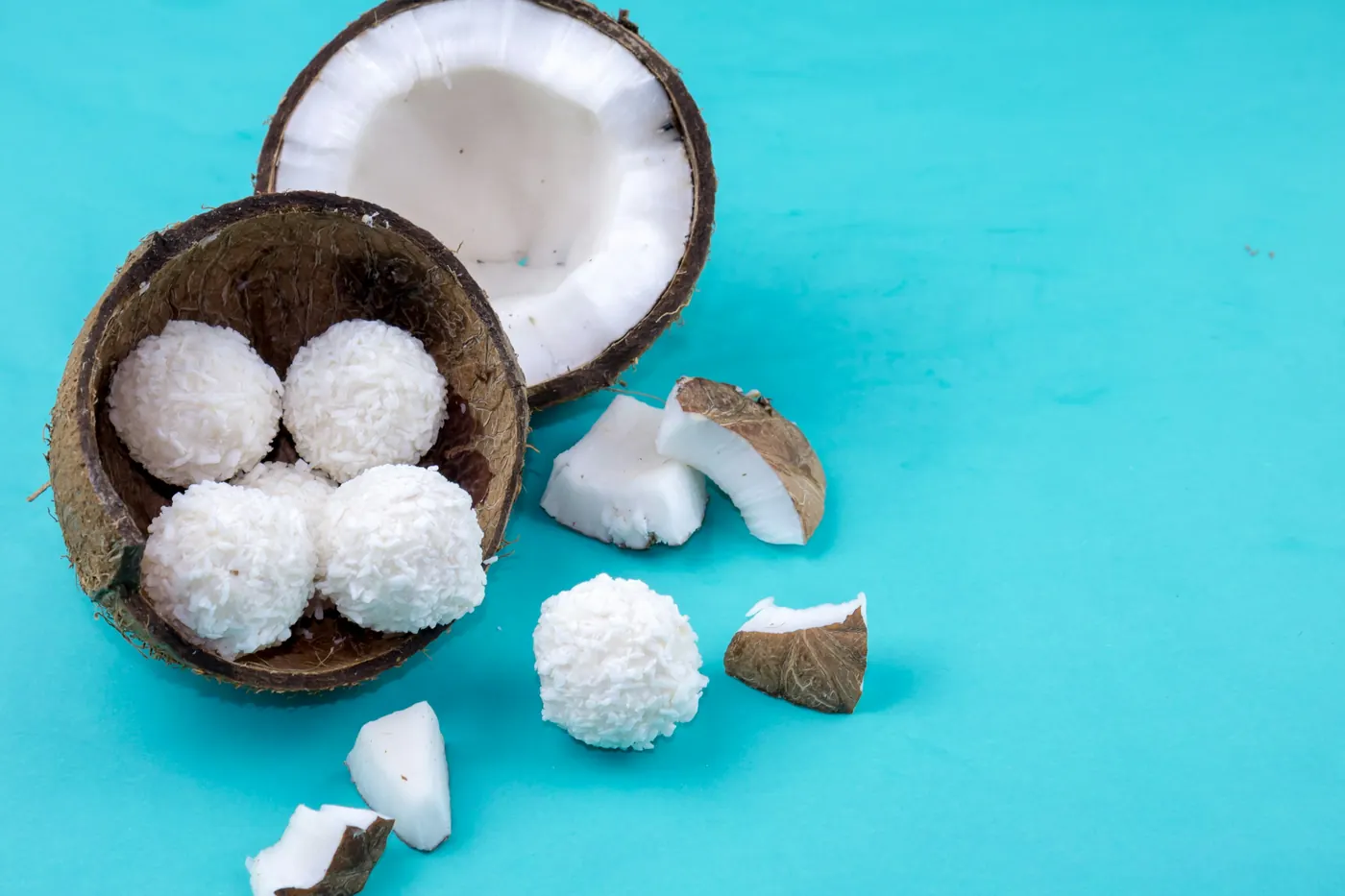
Coconut candies (cocadas and rollos de coco) are a staple of Mexican candy shops. Mi Dulce México’s version is a toasted coconut roll made with milk and sugar, according to the listing, sold as a tray of 12 individually wrapped rolls, 1 pound 5.16 ounces (600 grams) in all.
A coconut roll is chewy and sweet, with a toasted edge, and it is a good change of texture next to the softer milk candies on this list. Slice a roll into rounds for a dessert plate or a candy tray, or hand them out whole.
We found no samples of this product in the CDPH’s published results, so there is no state data either way. The listing is brief, gives no full ingredient list, and does not mention lead testing or Proposition 65.
Why we like it
- Toasted coconut with milk and sugar, per the listing
- 12 individually wrapped rolls
- No chili or tamarind
Key specifications
| Type | Coconut candy roll (rollo de coco) |
|---|---|
| Count | 12 rolls (600 g in all) |
| Main ingredients | Coconut, milk, sugar |
| Chili or tamarind | No |
| Allergens | Contains milk; coconut |
| Made in | Not stated in the listing |
| Lead testing / Prop 65 (listing) | Not mentioned |
| CDPH lead samples | None found for this product |
Why we recommend it
Choose it if you like coconut and want a traditional candy with a short ingredient description to round out a candy tray.
Skip it if you want detailed product information: the listing is very brief, so you will rely on the printed label.
Pros and cons
Pros
- Simple coconut, milk and sugar
- Individually wrapped
- Good for slicing onto a tray
Cons
- Very brief listing
- No CDPH data for this product
- Chewy, very sweet
How to choose Mexican candy with lead in mind
Five questions help you choose well, whether you shop from this list, a Mexican grocery or a piñata aisle.
1. Is it made with chili powder or tamarind?
These are the ingredients the FDA and CDC point to. Milk candies, wafers, chocolate, amaranth and coconut are outside the category the authorities single out, though no type of candy is guaranteed lead-free. If you want the chile-lime flavor, a sauce or seasoning you add yourself at home is one alternative; see our guides to chamoy sauce and Tajín flavors, and read what each maker says about its own product.
2. Who is going to eat it?
California’s program exists to protect infants, young children and pregnant women, and the FDA’s recommended limit is for candy likely to be eaten often by small children. Be most careful when you buy for them.
3. Does the brand appear in an official warning or test result?
Search the brand on the CDPH’s Lead in Candy page and in the state’s press releases before you buy. A brand that has never been tested is not the same as one that has tested below the limit.
4. Is it packed the way it should be?
The FDA advises against lead-based inks on wrappers, and the CDC notes wrapper ink can leach into candy. The 2019 California warning involved candy sold in small clay jars. Plain sealed wrappers from an identifiable brand are a better sign than loose candy, hand-painted pottery or unlabeled bags.
5. Is the seller identifiable?
Choose listings that name the brand and match the product in the photos. Generic sellers and unbranded mixes make it impossible to check a product against warnings or recalls.
How we picked these seven candies
We started from the candies a Mexican dulcería is known for, then searched Amazon’s Grocery & Gourmet Food store in the United States and checked every candidate’s stock and listing details through Amazon’s product data. Before looking at taste or popularity, we checked each brand against the FDA’s lead-in-candy guidance, the CDC’s lead guidance, the California Department of Public Health’s warnings and press releases, and the CDPH’s published Lead in Candy laboratory results from 1993 to 2018. We excluded chili- and tamarind-powder candies entirely, and excluded any brand that appeared in an official warning or had a sample above California’s 0.10 parts per million limit; that removed Pelon Pelo Rico, Vero, Lucas, Indy, Sonric’s, Jovy, Canel’s, La Zagala and De la Rosa, as well as assortments built around them. We then kept products that were in stock, came from an identifiable brand and covered a different kind of candy. Every specification comes from the brand’s Amazon listing; where a listing leaves something out, we say “not stated”. We have not tasted these candies and have not had any of them tested, and a below-detection result in California’s published data describes a few samples collected years ago, not the product you will receive.
Mexican candy questions, answered
What is the best Mexican candy?
For most people, Las Sevillanas Glorias: soft goat’s milk cajeta candies with pecans, a traditional sweet with published California samples below detection. Duvalín is the favorite for children, and Aldama obleas are the best choice for piñatas and party bags.
Is Mexican candy safe to eat?
U.S. and California authorities have found lead in some Mexican candies, especially those made with chili powder or tamarind, and California has issued warnings about specific products. The CDC says lead cannot be seen or tasted and that testing is the only way to know. If you think a child has been exposed, the CDC advises contacting the child’s health care provider.
Which Mexican candies have been found with lead?
California’s published results show individual samples above the state’s 0.10 parts per million limit for products from brands including Pelon Pelo Rico, Vero, Lucas, Indy, Sonric’s, Jovy and De la Rosa’s Pulparindo, and the state warned consumers about Pulparindo Extra Hot and Salted in 2007 and La Zagala tamarind candy in 2019. Check the CDPH’s Lead in Candy page for its full results and current alerts.
What Mexican candy is good for a piñata?
Individually wrapped candies that survive a hit: Aldama mini obleas, Duvalín, Coronado cajeta lollipops and alegría bars all come wrapped. Avoid loose or unlabeled candy you cannot trace to a brand.
What Mexican candy is traditional for Día de Muertos?
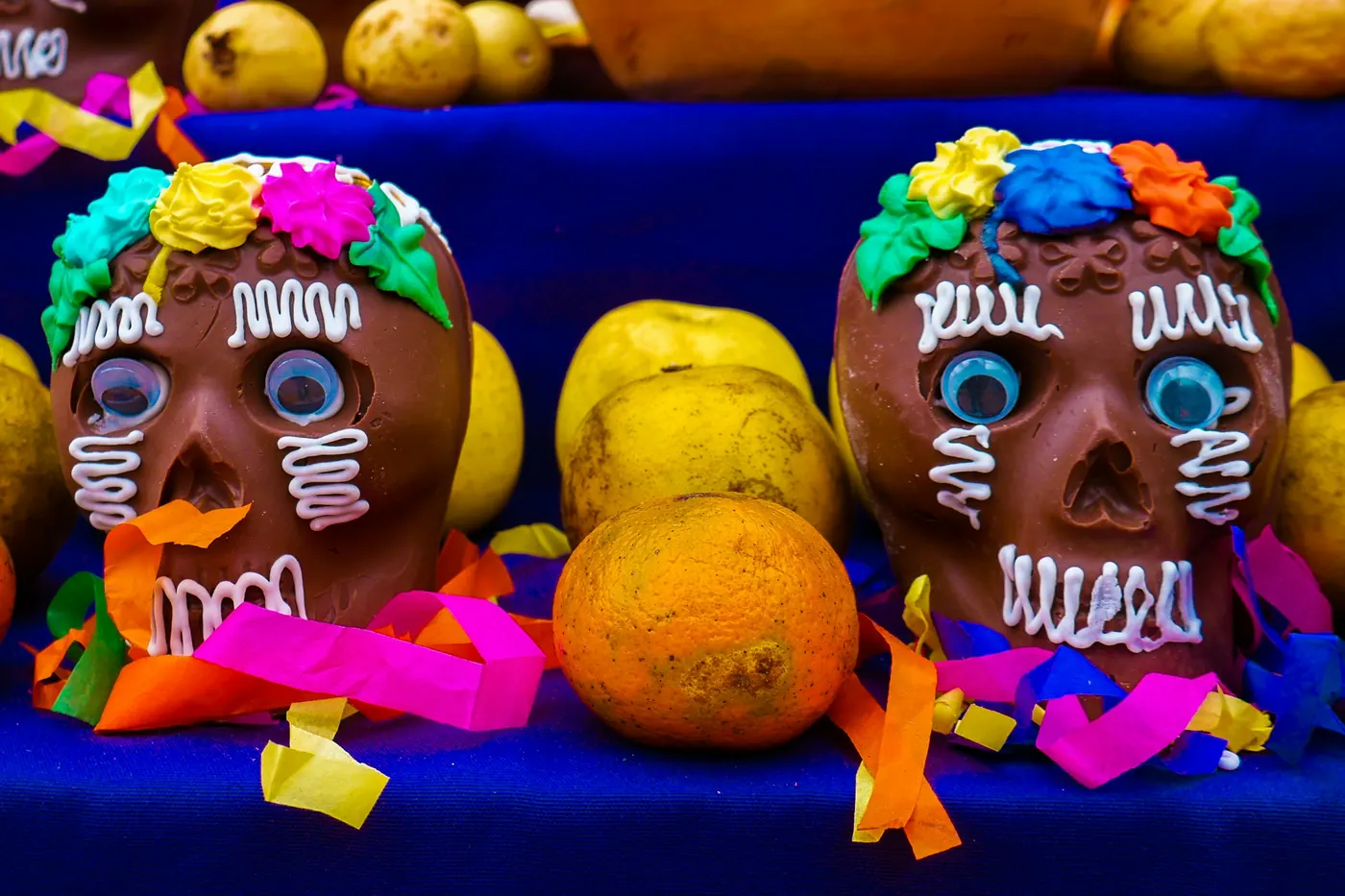
Sugar skulls (calaveritas de azúcar), alegrías, cocadas and other milk and seed sweets appear on altars and in markets; our guide to Día de Muertos food covers the whole table, and Mexican desserts explained covers the sweets served year-round.
Our final word on Mexican candy
Start with Las Sevillanas Glorias for a classic, Duvalín for children and Aldama obleas for a piñata, and add Bubulubu, a Coronado cajeta lollipop, alegrías or coconut rolls for variety. Whatever you buy, check it against California’s Lead in Candy results and warnings, be most careful with chili and tamarind candies, and be especially careful when buying for small children or anyone pregnant.
Candy is one corner of a Mexican pantry. Our guide to Mexican pantry staples worth buying online covers the ingredients for cooking, from masa harina to cajeta and chiles.
And if you would rather someone else handled dessert tonight, see the menu or call to order.