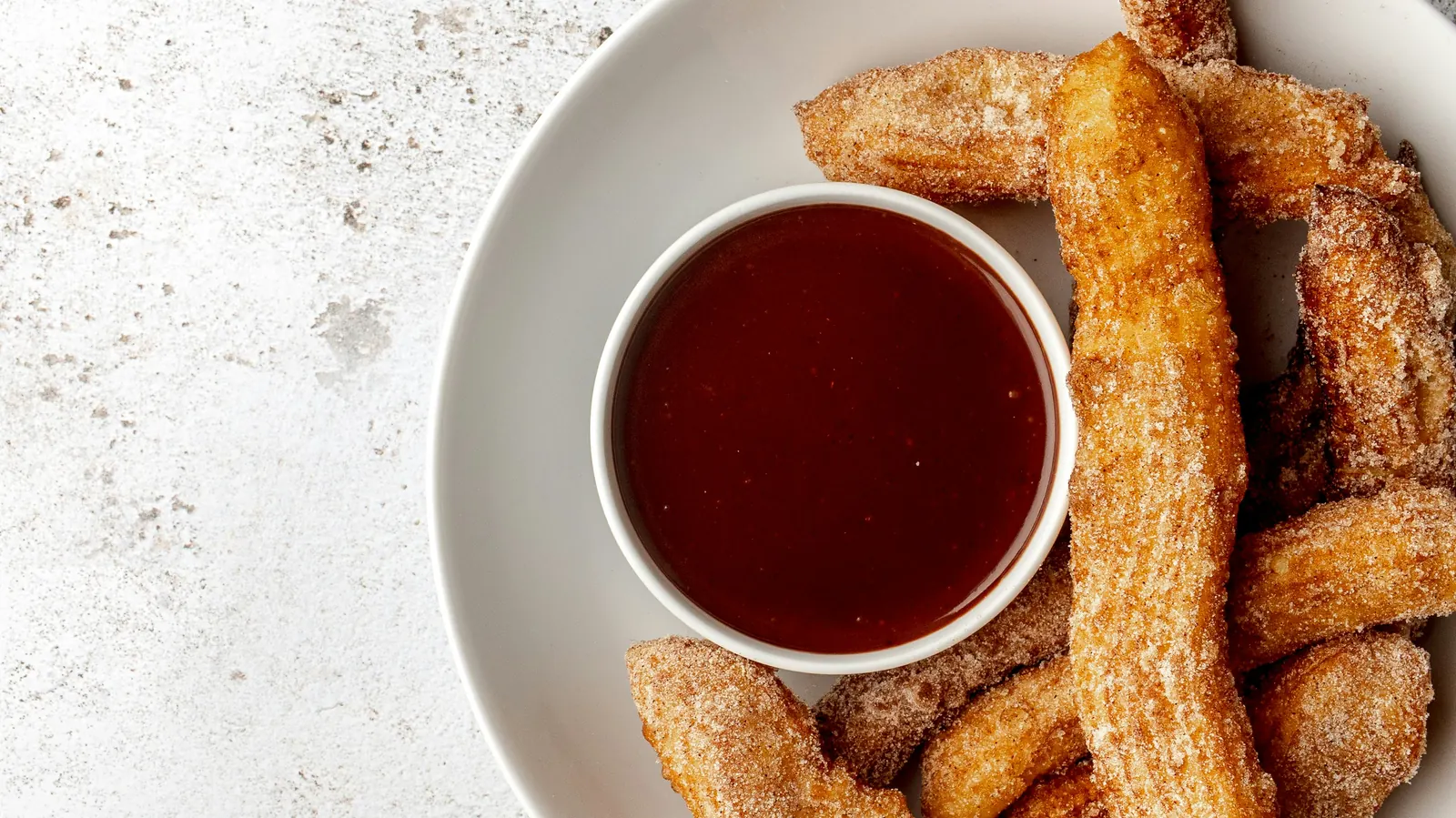
Mexican restaurant dessert menus are short. Two items, sometimes three, and often the same two everywhere you go.
That is not a shortage. Most Mexican sweets simply do not live at the end of a restaurant meal — they live in bakeries, on street carts and on specific days of the year.
The short answer
The restaurant desserts are flan, tres leches and often churros or fried ice cream. The much larger world of Mexican sweets sits elsewhere: conchas and other pan dulce in bakeries, paletas and elote from carts, and holiday-only items like pan de muerto and buñuelos. A short dessert list is normal, not a gap.
Where Mexican sweets actually live
Four separate places, and only one of them is a restaurant.
The panadería. Mexican bakeries carry dozens of items — conchas, orejas, cuernos, empanadas de calabaza — and they are eaten at breakfast or with an evening coffee rather than after dinner. This is the biggest category by far.
The street. Churros from a cart, paletas, marquesitas, candied fruit. Bought while walking, not sat down for.
The calendar. Pan de muerto in late October, buñuelos and rosca de reyes around Christmas, capirotada during Lent. These appear and disappear.
The restaurant. A short list of things that plate well and hold: flan, tres leches, sometimes churros.
The restaurant list
| Dessert | What it is | Where you usually find it |
|---|---|---|
| Flan | Baked egg custard under caramel | Restaurants, everywhere |
| Tres leches | Sponge soaked in three milks | Restaurants, everywhere |
| Churros | Fried dough in cinnamon sugar | Street carts, some restaurants |
| Sopapillas | Puffed fried dough with honey | Tex-Mex restaurants specifically |
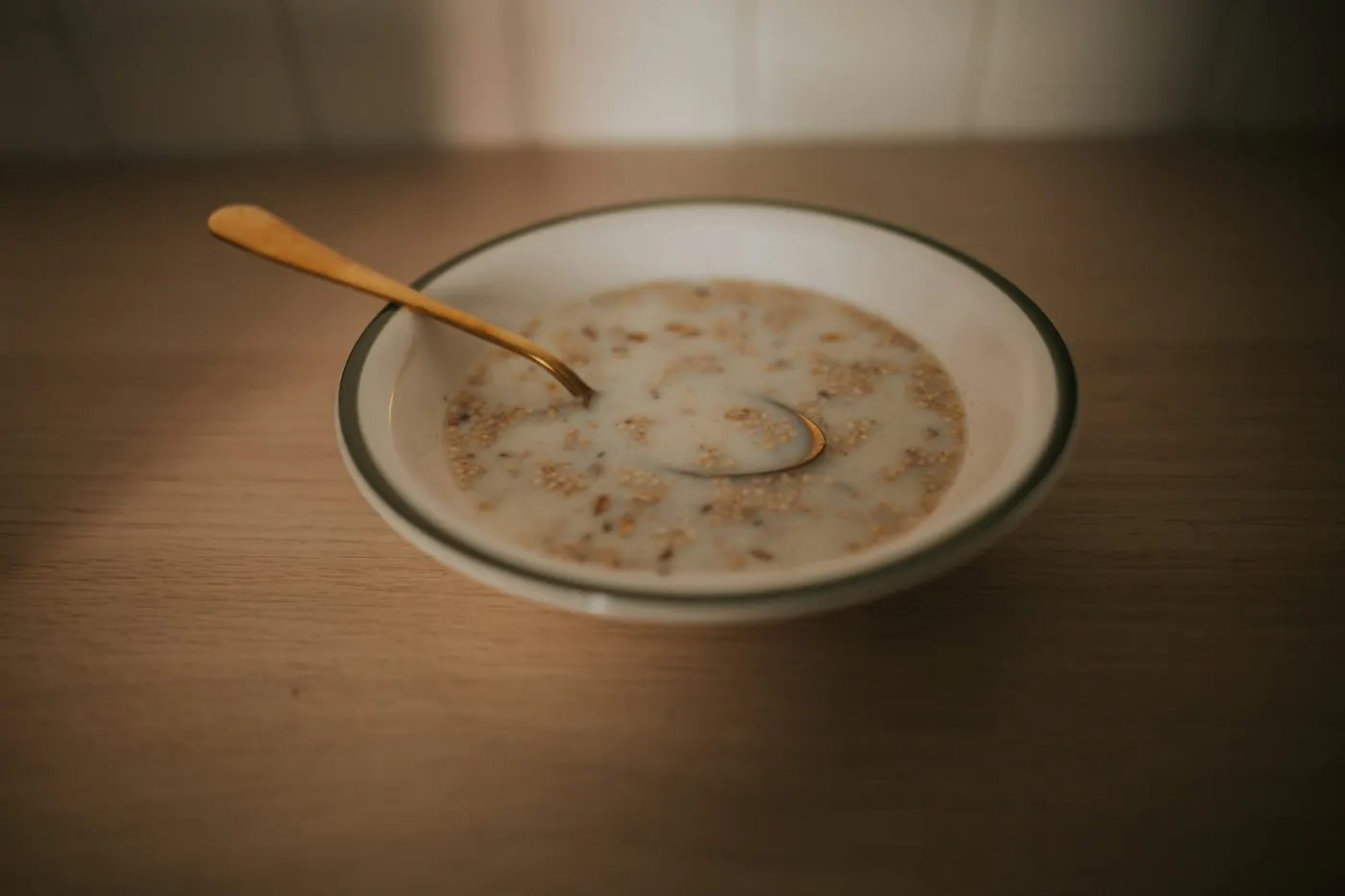
| Arroz con leche | Rice pudding with cinnamon | Home cooking, some menus |
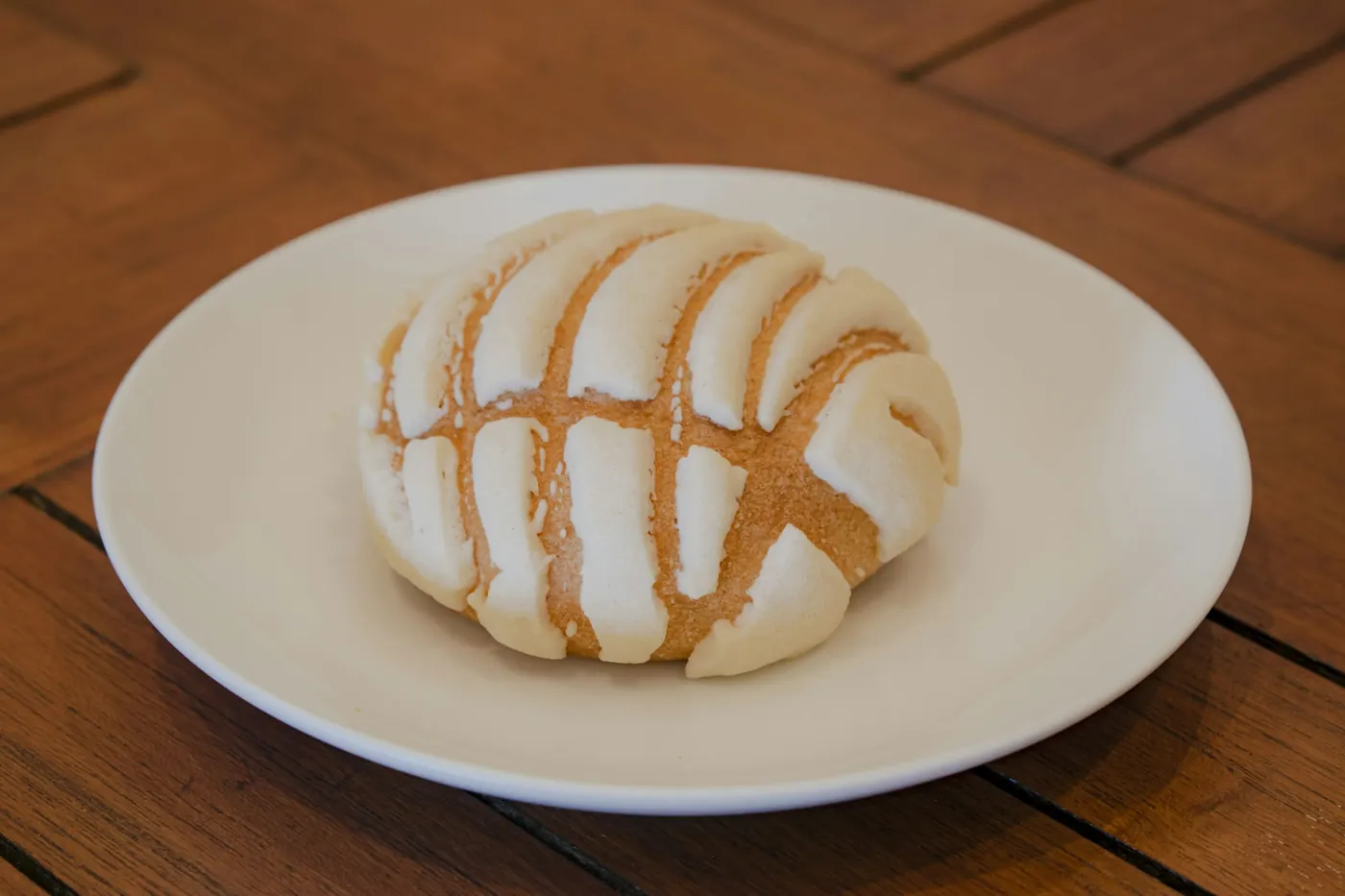
| Conchas | Sweet bread with a sugar shell | Bakeries, at breakfast |
| Paletas | Fruit or cream ice pops | Carts and paleterías |
| Capirotada | Bread pudding with cheese and fruit | Lent, at home |
Two rows there are worth flagging. Sopapillas are largely a Tex-Mex and New Mexican item rather than a dish you would find across Mexico. And capirotada surprises people, because it contains cheese and is genuinely a dessert.
Churros
The most recognizable of them, and Spanish before they were Mexican.
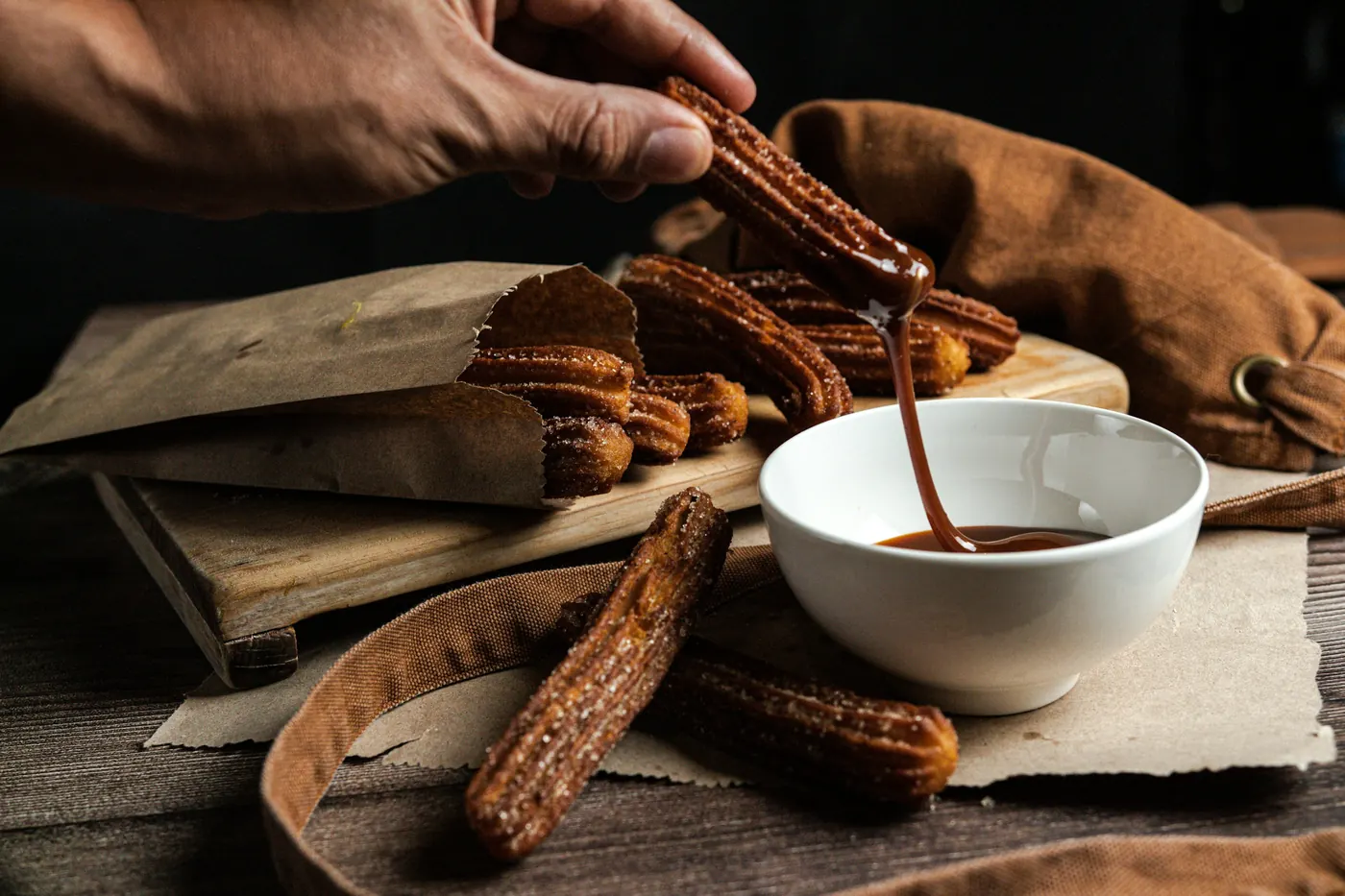
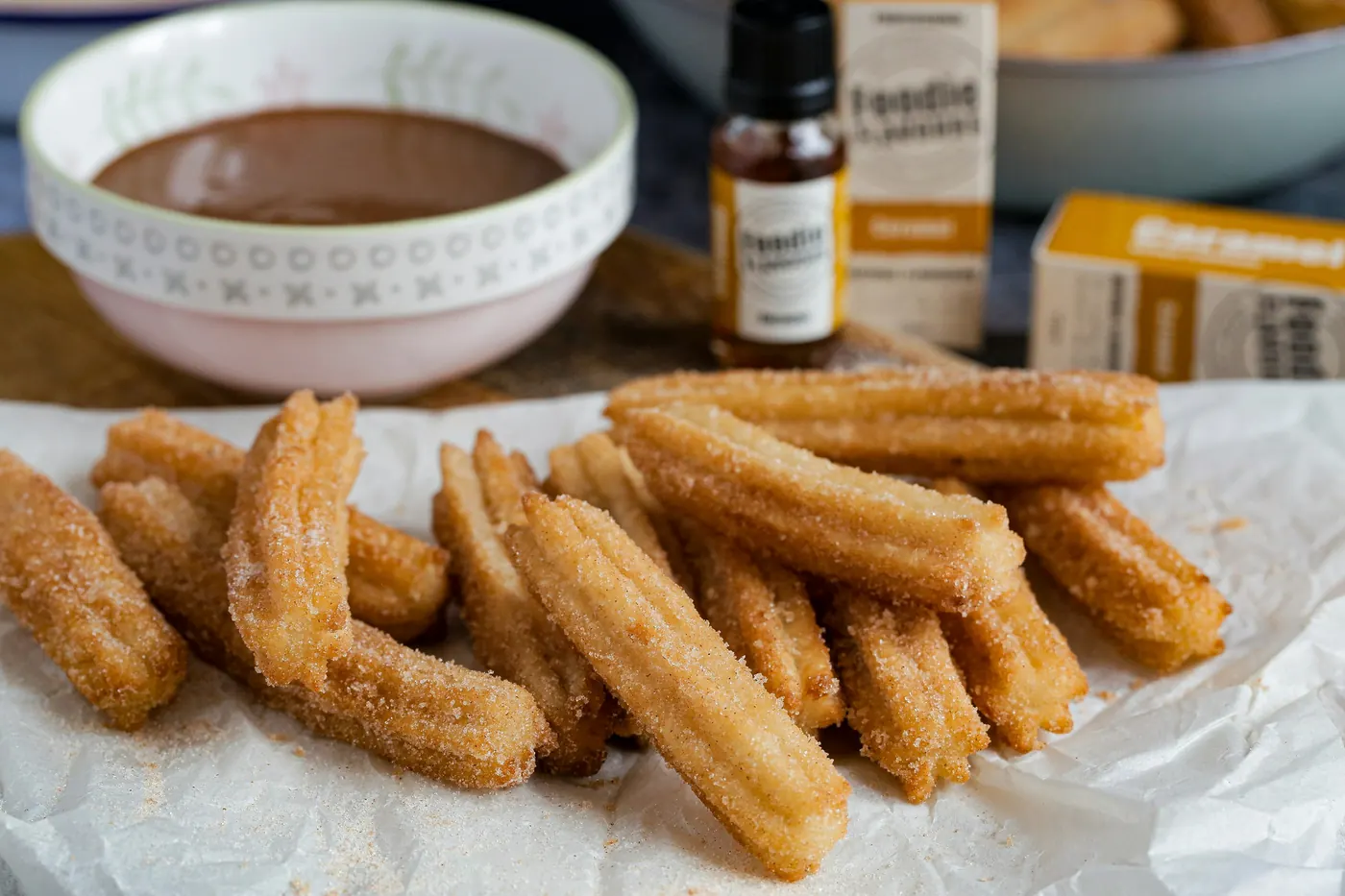
The Larousse gastronomic dictionary entry for churro describes it as a fritter of flour-and-water dough piped through a fluted nozzle into hot fat and rolled in sugar — the ridges being what the star-shaped nozzle produces.
The ridges are not decorative. They increase surface area, which means more crisp exterior relative to soft interior, and they hold the cinnamon sugar.
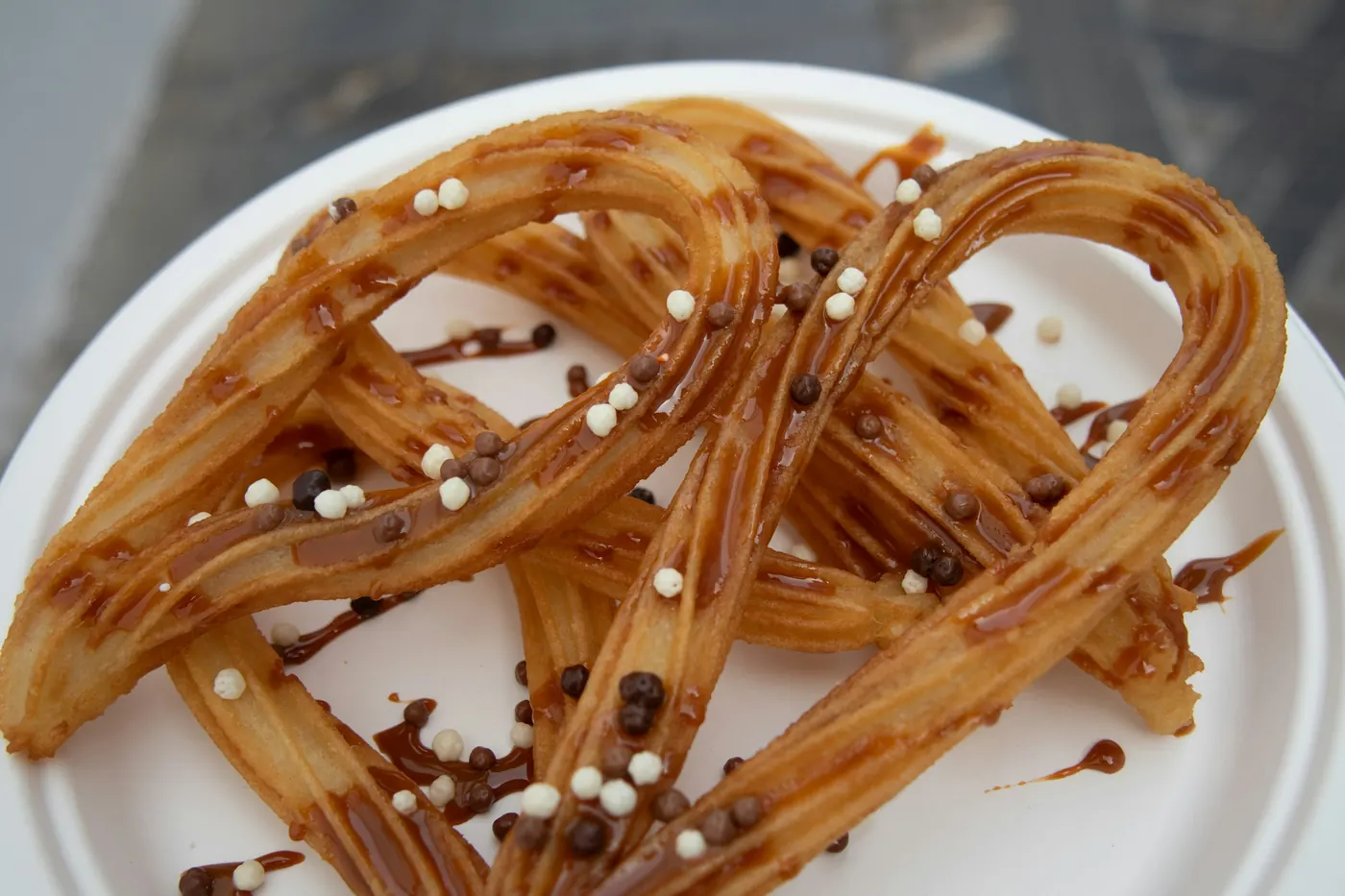
In Mexico they are street food, sold from carts and dedicated churrerías, usually with thick chocolate or cajeta for dipping. The chocolate is meant to be thick enough to coat, closer to a sauce than a drink.
How to tell a good one
Freshness, and it is measured in minutes rather than hours.
A churro is excellent for roughly the first few minutes out of the oil and declines steadily after that. It should be crisp enough to snap and soft inside; if it bends without cracking, it has been sitting.
Ridges should be sharp and defined. Smooth, sausage-shaped churros were piped through the wrong nozzle and will be denser.
The two that dominate restaurant menus
Flan and tres leches are on nearly every Mexican restaurant menu in the United States, and there are practical reasons.
Both are made in advance and served cold, which means no dessert station and no wait. Both hold for days. Both portion cleanly. And both are dairy-heavy and mild, which is what most people want after a meal with chile in it.
They are also genuinely different from each other — one dense and custardy, one light and wet — so a menu carrying both covers most preferences with two items. Our comparison of the two covers which suits which meal.
The holiday sweets
Worth knowing about even though you cannot order them most of the year.
Pan de muerto appears from mid-October for Día de Muertos — orange-scented sweet bread with bone shapes on top.
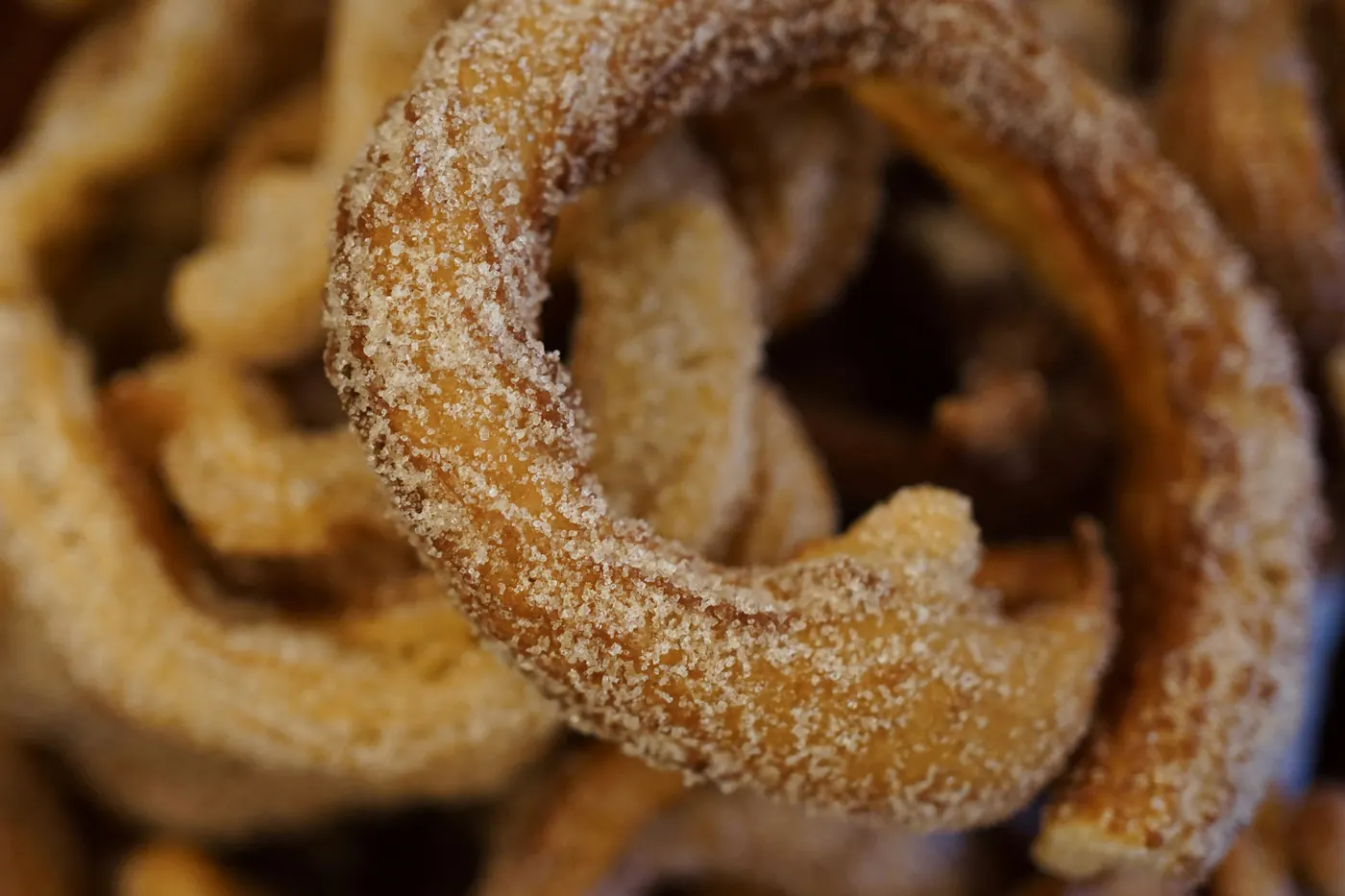
Buñuelos and rosca de reyes belong to the Christmas season, the first fried and sugared through the posadas, the second cut on 6 January with a figure baked inside.
Capirotada is a Lent dish, and the strangest to describe: layered bread soaked in piloncillo syrup with cheese, raisins and nuts.
What Julia’s serves
Two desserts, which by the logic above is the standard restaurant answer rather than a short list.
The flan is a Mexican vanilla custard served with cajeta — caramel made from goat’s milk, thicker and slightly tangier than dulce de leche. The tres leches is a sponge soaked in three milks, topped with whipped cream and fresh cut strawberries.
Both are at the end of the food menu, and both are cold, mild and dairy-heavy — which is what you want after anything with chile in it, and the same reason horchata works alongside a spicy plate, as our drinks guide explains.
Churros, conchas and paletas are not on the menu, and would be slightly out of place on one. Those belong to carts and bakeries.
Fried ice cream, and where it came from
It appears on plenty of Tex-Mex dessert menus and it is not a Mexican dish.
A scoop of ice cream is frozen hard, coated in crushed cornflakes or cinnamon crumbs, and flash-fried so the outside crisps before the inside melts. The origin is disputed — various American restaurants and world’s-fair legends are credited — and none of the claims trace to Mexico.
That does not make it bad. It makes it a restaurant invention that found a home on Tex-Mex menus, in the same way chile con queso did.
What to drink with dessert
Coffee is the default and it works, particularly against flan, where the caramel and the roast meet in the same register.
The more traditional pairings are hot: café de olla, coffee brewed with cinnamon and piloncillo in a clay pot, and champurrado, the chocolate version of atole. Both are winter drinks and both are sweet enough that they work better with something plain than with something already sugary.
Cold horchata is the other option, and it suits fried desserts particularly well.
Frequently asked questions
What are the most common Mexican desserts?
Flan and tres leches dominate restaurant menus. Churros, conchas and paletas are more common in daily life but are sold from carts and bakeries rather than restaurants.
Are churros Mexican?
They are Spanish in origin and long established in Mexico, where they are street food eaten with thick chocolate or cajeta. Not a restaurant dessert traditionally.
Are sopapillas Mexican?
They are strongly associated with Tex-Mex and New Mexican cooking rather than with Mexico generally. Puffed fried dough served with honey.
Why do Mexican restaurants have so few desserts?
Because most Mexican sweets belong to bakeries, street carts and specific holidays. The restaurant category was always small, and the two items that dominate it hold well and serve cold.
What is cajeta?
A caramel made by slowly cooking down goat’s milk with sugar. Thicker and tangier than dulce de leche, and commonly served over flan.
The short version
Flan and tres leches at the restaurant, pan dulce at the bakery, churros and paletas on the street, and a handful of sweets that only exist for a few weeks a year.
Julia’s serves the two restaurant ones, with cajeta on the flan and strawberries on the tres leches. Which to pick is covered in our comparison.