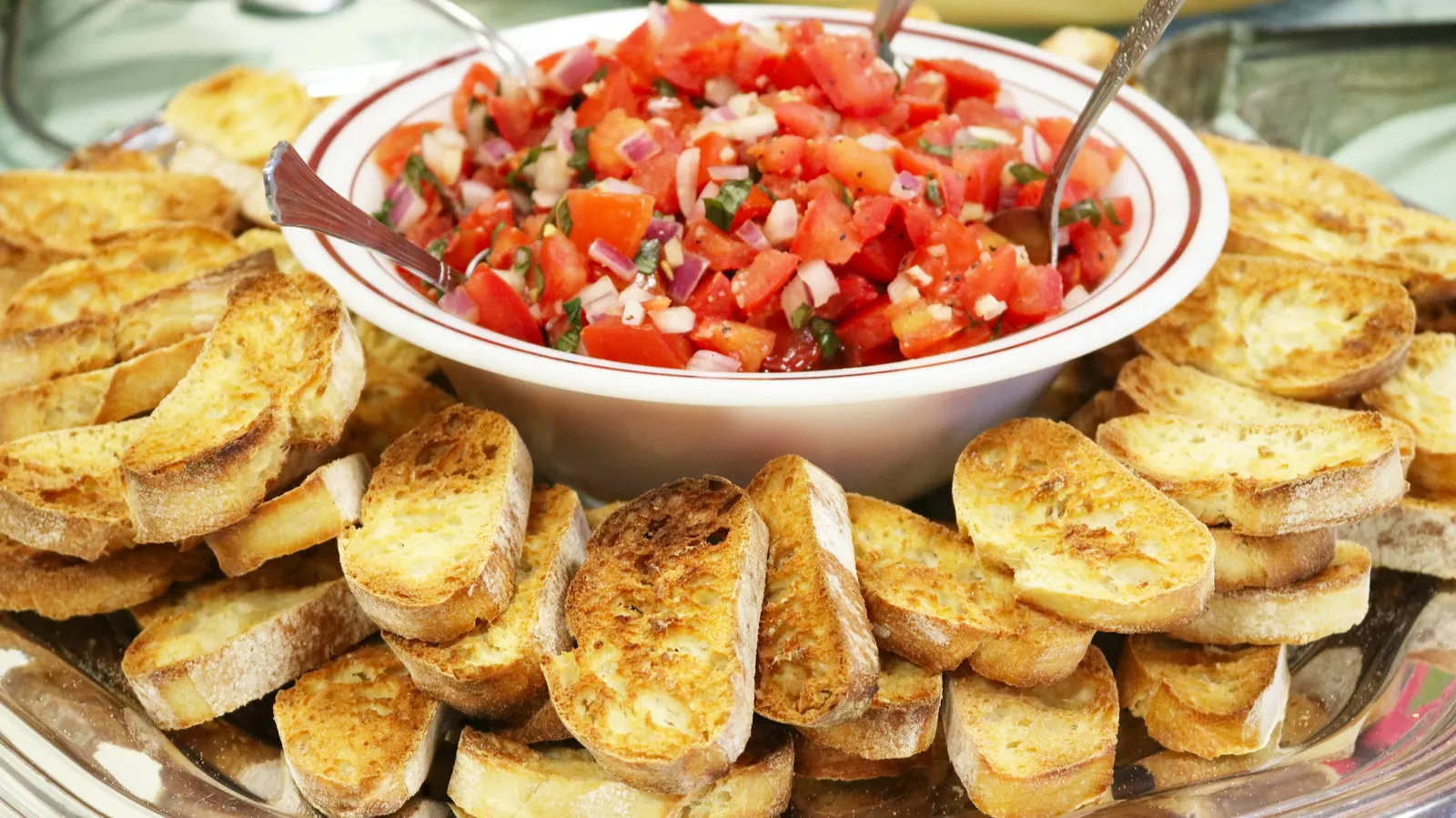
A food processor is really five tools in one box: a chopper, a puree machine, a slicer, a shredder and a dough mixer. That is its strength, and also why so many cooks never buy one. It takes up a cupboard, it has a lot of parts to wash, and most weeknight cooking only ever asks for one of those five jobs at a time.
This guide is about the food processor alternative that fits the job you actually do. For each one we say how close it gets to a processor, where it falls short, and which tool from a known maker to buy. Some are electric, some need no plug at all, and none of them does everything.
Julia’s earns a commission on purchases made through links on this page, at no cost to you. Recommendations are based on what a restaurant kitchen looks for, product specifications and verified buyer reports.
Why cooks skip the food processor
The reasons usually come down to space, cleanup and batch size, and each one points to a different replacement.
- Space. A full-size processor, with its bowl, lid, pusher, blade and discs, is one of the bulkiest things in a kitchen. A hand blender or a mini chopper fits in a drawer.
- Cleanup. A processor bowl, lid and blade all need washing even for one onion. A box grater or a mandoline rinses in a few seconds.
- Small batches. One clove of garlic or a handful of cilantro barely reaches the blade of a 12-cup bowl. Small jobs suit small tools.
- Salsa and soup. Plenty of home cooks mostly want a puree, and a blender or hand blender is built for liquid in a way a processor is not.
It helps to be clear about what you give up. America’s Test Kitchen, in its June 2026 review of small food processors, says small choppers excel at mayonnaise, dressings, dips, marinades and sauces, but are poor at dough because their bowls are small and their motors weak, lack grating and slicing blades, and handle about two cups of vegetables at most. A full processor does all of that in bulk. If you shred a block of cheese every week, make pie dough or prep for a party, the processor is still the right tool, and our best food processor guide covers the ones worth buying.
Quick verdict: the best food processor alternative
For most kitchens, the best food processor alternative is a KitchenAid Variable Speed Hand Blender with its chopper attachment: it purees soups and salsas in the pot, whisks, and chops a small batch of herbs or nuts, and the whole kit fits in a drawer. If you mostly mince garlic, onion and herbs, a Ninja Express Chop is smaller and simpler. For blended salsas in volume, a KitchenAid Pure Power blender does better than either. For the jobs a blade cannot do, slicing and shredding, buy an OXO handheld mandoline and a Martha Stewart box grater; both cost less than any processor and wash in seconds.
Five tools that replace a food processor, side by side
Our five standout picks, one per job, with the capacity and features each maker or listing states. All six tools are reviewed in full below.
| Tool | Replaces | Best for | Stated capacity or settings | Buy on Amazon |
|---|---|---|---|---|
| Pureeing, small chopping | Soups, salsas, herbs, nuts | 2.5-cup chopper, 8-inch arm | View on Amazon | |
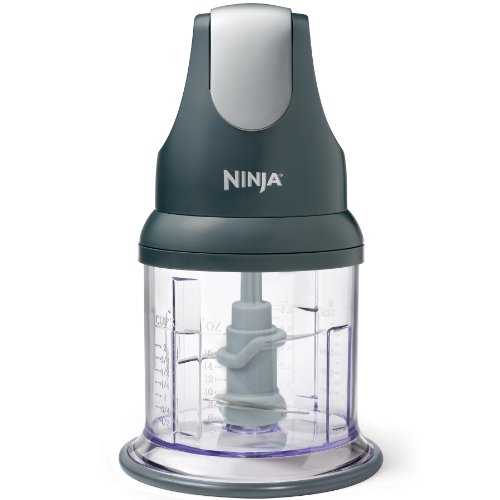
Ninja Express Chop Mini ChopperBest mini chopper
|
Mincing and chopping | Garlic, onion, herbs | 16-oz bowl; one pulse button | View on Amazon |

KitchenAid Pure Power BlenderBest for salsa
|
Pureeing in bulk | Blended salsas, sauces | 68-oz jar, variable speed | View on Amazon |

OXO Good Grips Handheld MandolineBest for slicing
|
Slicing disc | Onions, radishes, potatoes | 1, 2.5 or 4 mm slices | View on Amazon |

Martha Stewart Sprucedale 4-Sided Box GraterBest for shredding
|
Shredding disc | Cheese, carrots, cabbage | Four sides, 9.5 inches tall | View on Amazon |
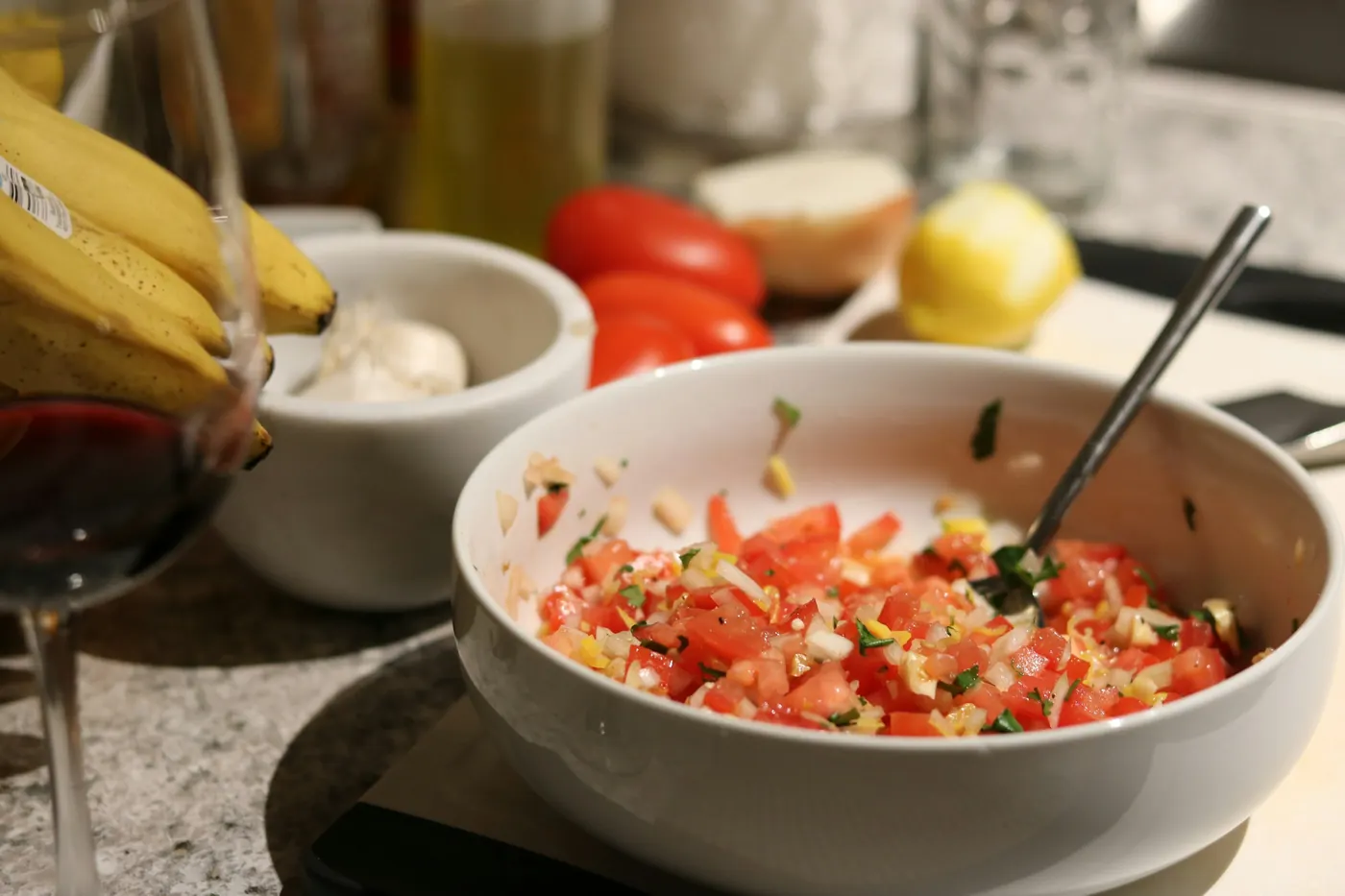
Which tool replaces which processor job
Before choosing, match the tool to the job. This is the short version of the reviews below.
- Chopping and mincing (garlic, onion, herbs, nuts): a mini chopper or a hand blender’s chopper cup. Both handle small batches only.
- Pureeing (blended salsa, soup, bean dip, hummus): a countertop blender for volume, a hand blender for soup in the pot. Both work best with some liquid in the mix.
- Slicing (thin onions for pickling, potatoes, radishes, cucumbers): a mandoline. America’s Test Kitchen says a mandoline slices “much more precisely, consistently, and quickly” than a chef’s knife.
- Shredding (cheese, carrots, cabbage for slaw): a box grater. Slower than a disc for big batches, but nothing to assemble.
- Dicing (even cubes of onion or pepper for pico de gallo): a press-style dicer, or a knife.
- Dough (pie crust, pizza): none of these is a true replacement. Mix by hand or with a pastry blender; that is general kitchen sense, and it is the one job where a full processor is hard to beat.
Six tools to use instead of a food processor
1. KitchenAid Variable Speed Hand Blender with Chopper – Puree, Whisk and Chop From One Drawer

This is the one alternative that covers more than one processor job. The KitchenAid KHBV83 is a corded hand blender with a removable 8-inch blending arm and a four-point stainless steel blade, and per the listing it comes with a blending pitcher, a whisk and a 2.5-cup chopper attachment. Speed is set by a variable trigger, so you can pulse a salsa gently or run it smooth.
The blending arm is the part you will use most. Put it straight into a pot of black bean soup or a saucepan of roasted tomatoes and chiles, and you have a puree without moving hot liquid into a jar. America’s Test Kitchen calls immersion blenders “great for blending hot soups on the stovetop” for exactly that reason. KitchenAid adds a removable pan guard, which it says helps protect your cookware while blending.
The chopper cup takes over the small processor jobs: a handful of cilantro, a few cloves of garlic, nuts for a topping. Be realistic about its size. In its June 2025 immersion blender review, America’s Test Kitchen found chopping jars “had only enough space to chop a single onion at a time,” and said it would not pay extra for one. That review did not include this model. If you want a hand blender anyway, the chopper is a handy bonus; if you need volume, it is not a processor.
Why we like it
- Blending arm, whisk, pitcher and 2.5-cup chopper in one kit, per the listing
- Variable speed trigger for control
- Removable pan guard to protect cookware
- Food-contact materials are BPA free, per KitchenAid
Key specifications
| Model | KHBV83BM |
|---|---|
| Type | Corded hand blender with attachments |
| Jobs it replaces | Pureeing, small-batch chopping, whisking |
| Capacity | 2.5-cup chopper attachment |
| Power | Corded; wattage not stated in the listing |
| Blades or settings | Four-point stainless blade; variable speed trigger |
| Cleaning | Removable blending arm; not otherwise stated |
| Warranty | 1 year limited |
Why we recommend it
It suits a small kitchen that mostly purees soups and salsas and sometimes chops a little, and it replaces both a blender and a mini chopper for those cooks.
Skip it if you need to chop a whole bag of onions at once; the chopper cup is small, and a full processor is the better buy.
Pros and cons
Pros
- Purees right in the pot
- Three attachments in the box
- Stores in a drawer
Cons
- Chopper cup is small
- No slicing or shredding
- Wattage not stated
2. Ninja Express Chop Mini Chopper – One Button for Garlic and Herbs
If what you actually do in a food processor is mince, a mini chopper is the closest small replacement. The Ninja Express Chop has one control, a pulse button on top, and per the listing it minces, chops, grinds and blends garlic, onion, herbs, zest, nuts, cheese and dressings. All parts are listed as dishwasher safe.
The listing is muddled on size: the title says a 16-ounce bowl, while one bullet says a 3-cup capacity and another names the NJ110GR model. We take the 16-ounce figure from the title as the safer one and treat it as a small-batch tool. That is roughly in line with America’s Test Kitchen’s point that small choppers handle about two cups of vegetables at most, have no slicing or grating blades and struggle with dough. They did not review this model.
Where a chopper like this shines is the jobs a big bowl does badly: three cloves of garlic for a marinade, a bunch of cilantro, chipotles in adobo blended with mayonnaise. Pulse in short bursts and check often; small choppers can turn onion to mush if run too long. This model also appears on our electric chopper guide; we include it here because it is the simplest small chopper we found in stock.
Why we like it
- One-touch pulse for control
- Stainless steel blades, per the listing
- All parts dishwasher safe, per the listing
- Small enough to leave on the counter
Key specifications
| Model | NJ100GR |
|---|---|
| Type | Electric mini chopper |
| Jobs it replaces | Mincing, chopping, small purees |
| Capacity | 16-oz bowl (title); listing also says 3 cups |
| Power | Not stated in the listing |
| Blades or settings | Stainless blades; one pulse button |
| Cleaning | All parts dishwasher safe |
| Warranty | Not stated in the listing |
Why we recommend it
It suits cooks whose processor would only ever mince aromatics and herbs, and who want something that takes seconds to set up and wash.
Skip it if you want to puree soups or shred cheese; it has no arm for a pot and no discs.
Pros and cons
Pros
- Very simple to use
- Dishwasher-safe parts
- Tiny footprint
Cons
- Small batches only
- Listing is unclear on capacity
- Easy to over-chop

3. KitchenAid Pure Power Blender – Chunky to Smooth Salsa in One Jar
For a blended salsa roja, a pot of enchilada sauce or a batch of bean dip, a countertop blender does the job better than a processor, because a blender is built to pull liquid down into the blade. The KitchenAid Pure Power (model KSB2078) has a 68-ounce BPA-free plastic jar, two 16-ounce personal jars with travel lids, a precision speed control knob and a smoothie cycle, per the listing.
KitchenAid writes about this blender in salsa terms: it says the speed knob takes you “from chunky salsa to smooth tomato soup,” and that it handles roasted tomatoes fresh from the oven as well as frozen foods. Its asymmetric blade blends at different angles to pull food toward the center. The listing gives 1,700 watts of peak power, and explains that this is a laboratory measurement of peak input, with a UL rating of 1,200 watts. The warranty is one year limited.
The limit is texture and liquid. A blender makes sauces, not a knife-cut pico de gallo, and it works best with some liquid in the jar; dry chopping is what processors, choppers and knives are for. Start on a low speed or in short bursts if you want body left in the salsa. The jar is plastic, so expect it to pick up some color from chiles and tomatoes over time; that is general kitchen sense, not a KitchenAid statement.
Why we like it
- Variable speed knob for chunky or smooth textures, per KitchenAid
- Large 68-oz jar plus two 16-oz personal jars
- Rated for hot roasted tomatoes and frozen foods, per the listing
- UL rated at 1,200 watts
Key specifications
| Model | KSB2078DG |
|---|---|
| Type | Countertop blender |
| Jobs it replaces | Pureeing, blended sauces and dips |
| Capacity | 68-oz plastic jar, plus two 16-oz jars |
| Power | 1,700 W peak input; UL rated 1,200 W |
| Blades or settings | Asymmetric blade; variable speed knob, smoothie cycle |
| Cleaning | Not stated in the listing |
| Warranty | 1 year limited |
Why we recommend it
It suits cooks who make blended salsas, sauces and soups in quantity and want a speed knob to control the texture.
Skip it if your main jobs are chopping or slicing; a blender purees, it does not cut.
Pros and cons
Pros
- Big jar for batches
- Fine speed control
- Personal jars included
Cons
- Needs liquid to blend well
- Plastic jar can stain
- Takes counter space
4. OXO Good Grips Handheld Mandoline – Three Thicknesses, Hooks Over a Bowl
A processor’s slicing disc is one of its most useful parts, and a mandoline does the same job with no motor. This OXO model is a handheld paddle: per the listing it adjusts to 1, 2.5 or 4 millimeters, has a large non-slip handle and a stable foot, and can slice onto a plate or a cutting board or hook over a bowl. A small window lets you see how much you have sliced.
For a Mexican kitchen that means paper-thin red onion for pickling, radishes for tostadas and pozole, cucumbers, and potato slices for a gratin. America’s Test Kitchen, in its June 2025 mandoline review, says a mandoline lets you slice “much more precisely, consistently, and quickly” than you could with a chef’s knife. That review did not cover this handheld model.
Safety matters more here than with any other tool on this page. The same review notes that most mandoline hand guards are weak and says you can always use a cut-resistant glove to protect your hands. The OXO listing does not mention a food holder, so plan on a glove, stop before your fingers get close to the blade, and save the last stub of each vegetable for the stockpot.
Why we like it
- Three slice thicknesses: 1, 2.5 and 4 mm
- Hooks over a bowl or rests on a board
- Window shows how much you have sliced
- OXO satisfaction guarantee, per the listing
Key specifications
| Model | 1119100 |
|---|---|
| Type | Handheld mandoline |
| Jobs it replaces | Slicing disc |
| Capacity | Not applicable; slices straight into a bowl |
| Power | Manual |
| Blades or settings | 1, 2.5 or 4 mm |
| Cleaning | Not stated in the listing |
| Warranty | OXO satisfaction guarantee |
Why we recommend it
It suits cooks who want even slices of onion, radish or potato without a machine, and who are willing to use a cut-resistant glove.
Skip it if you want julienne or waffle cuts, or a holder that keeps your hand away from the blade; the larger mandolines in our main guide do more.
Pros and cons
Pros
- Fast, even slices
- Small and light
- Three thicknesses
Cons
- No food holder stated
- Slicing only
- Needs care around the blade
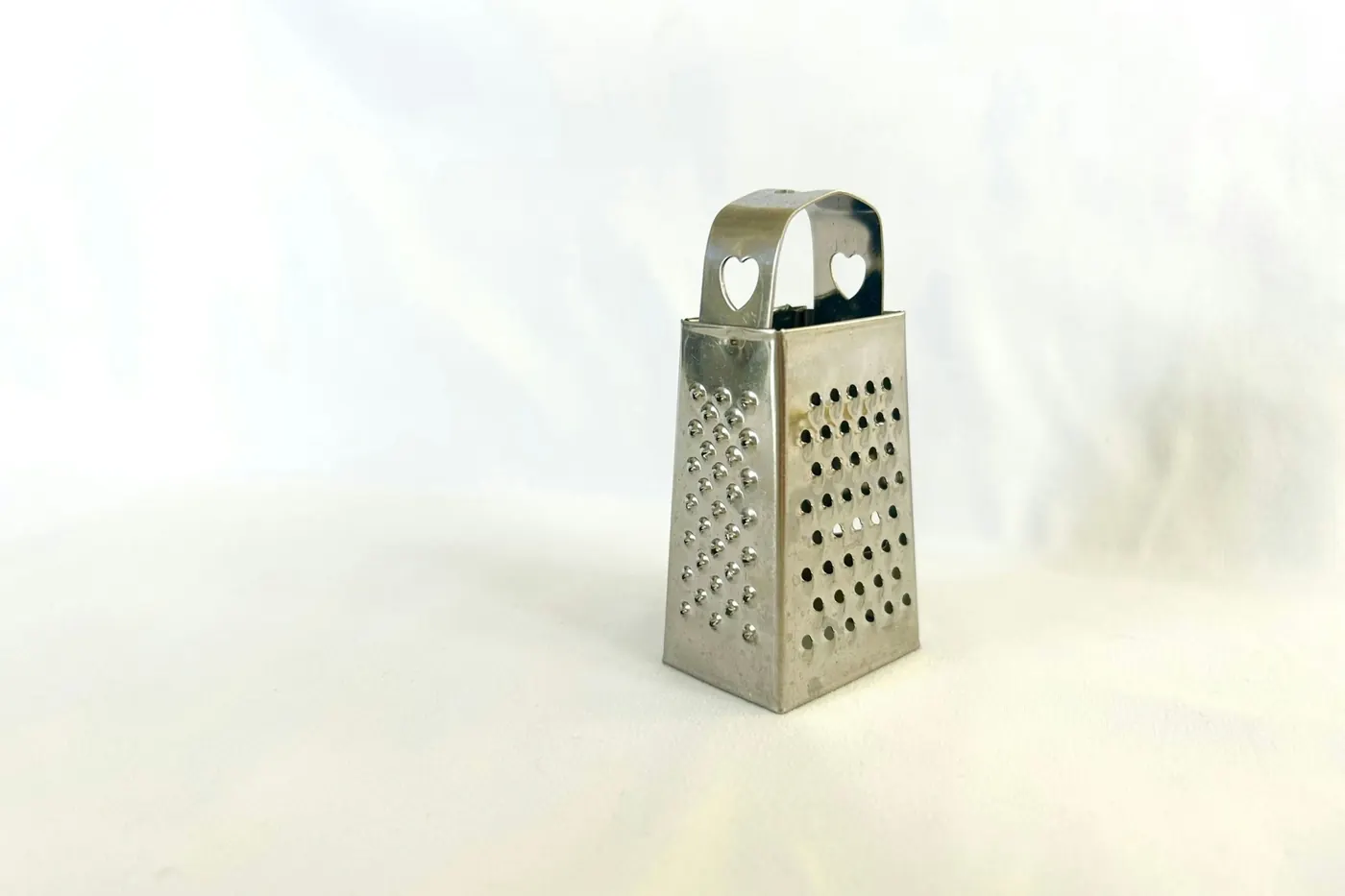
5. Martha Stewart Sprucedale 4-Sided Box Grater – Four Cuts, No Assembly
The shredding disc is the other processor job that a blade-only gadget cannot do, and the old answer is still a good one: a box grater. This 9.5-inch stainless steel model has four sides, per the listing: fine, coarse, extra-fine and a slicer. It has a handle on top and a non-slip base that the listing says keeps it in place and collects the grated food.
Use the coarse side for Monterey Jack or Oaxaca cheese for quesadillas, carrots and cabbage for a slaw, or zucchini for fritters. The fine sides handle hard cheese like cotija and a little ginger, and the slicer side does cucumbers or a quick potato. A box grater is slower than a disc on a pound of cheese, but for the amount most home cooks shred at a time, it is done before a processor would be assembled.
The listing says it is dishwasher safe. Rinse it right after use, from the inside, before cheese dries in the holes. Martha Stewart is a licensed brand rather than a maker with its own factory, and the listing does not name a warranty, so judge it on the stated build: all stainless steel grating surfaces.
Why we like it
- Four surfaces: fine, coarse, extra-fine and slicer
- Stainless steel construction, per the listing
- Non-slip base that collects food
- Dishwasher safe, per the listing
Key specifications
| Model | 129121.01 |
|---|---|
| Type | 4-sided box grater |
| Jobs it replaces | Shredding and grating discs |
| Capacity | 9.5 inches tall |
| Power | Manual |
| Blades or settings | Fine, coarse, extra-fine, slicer |
| Cleaning | Dishwasher safe |
| Warranty | Not stated in the listing |
Why we recommend it
It suits anyone who shreds a block of cheese or a couple of carrots at a time and wants a tool that needs no setting up.
Skip it if you shred pounds of cheese for a party; that is a job where a processor disc still saves real time.
Pros and cons
Pros
- Four cuts in one tool
- Nothing to assemble
- Dishwasher safe
Cons
- Slow for big batches
- No warranty stated
- Knuckles near the blades
6. Vidalia Chop Wizard Vegetable Chopper – Even Dice Without a Knife

A processor chops, but it does not dice: the blade throws pieces around and you get a mix of sizes. If you want even cubes of onion, tomato and pepper for pico de gallo, a press-style dicer is the closer tool. The Vidalia Chop Wizard has two stainless steel blade grids, one for chopping and one for dicing, and a 2-cup container underneath that catches the pieces, per the listing.
You cut the vegetable into a slab that fits the grid, set it on the blades and press the lid down. The listing says your hands never touch the blades in use. All the parts, including both blades and the cleaning tool that pushes stuck pieces out of the grid, are listed as dishwasher safe.
It has limits. You still need a knife to trim and slab the vegetables first, very soft tomatoes can squash rather than cut, and a 2-cup container fills quickly. The warranty is 90 days, per the listing, which is short. For a weeknight salsa, though, it gives you neater pieces than a chopper or processor will.
Why we like it
- Two blade grids: chop and dice
- Hands stay off the blades, per the listing
- 2-cup catch container
- All parts dishwasher safe, cleaning tool included
Key specifications
| Model | VOWR-2 |
|---|---|
| Type | Press-style dicer |
| Jobs it replaces | Dicing and chopping |
| Capacity | 2-cup container |
| Power | Manual |
| Blades or settings | Chopping grid and dicing grid, stainless |
| Cleaning | All parts dishwasher safe |
| Warranty | 90 days |
Why we recommend it
It suits cooks who want even dice for salsas and salads and do not enjoy knife work.
Skip it if you prep large amounts; the small container and the need to pre-cut every vegetable slow it down.
Pros and cons
Pros
- Even cubes
- Two cut sizes
- Dishwasher safe
Cons
- Vegetables need pre-cutting
- Small container
- Short warranty
How we chose these six tools
We started from the jobs a food processor does and looked for one tool that handles each job well on its own. Every pick is from a known maker and was listed in stock, sold new, when we checked. We used each maker’s specifications from the Amazon listing, America’s Test Kitchen’s reviews of small food processors, immersion blenders and mandolines, and verified buyer reports. We did not use a product in our own kitchen for this guide, and where a review did not cover the exact model, we say so.
We also checked the U.S. Consumer Product Safety Commission’s recall database for each brand and found no recall listed for any of these six models.
Food processor alternative questions, answered
What can I use instead of a food processor?
It depends on the job. For pureeing, use a blender or a hand blender. For mincing garlic and herbs, a mini chopper. For slicing, a mandoline, and for shredding, a box grater. For dicing, a press-style dicer or a sharp knife. If you want one tool that covers the most, a hand blender with a chopper attachment, like the KitchenAid on this page, is the most flexible.
Can a blender replace a food processor?
For purees, yes: salsas, sauces, soups and dips come out smooth, often smoother than from a processor. For chopping, slicing, shredding and dough, no. A blender works best with liquid and turns dry ingredients into an uneven mix. Our guide to the best blender for salsa covers the jars and motors that handle chiles and tomatoes well.
Is a mini chopper as good as a food processor?
For small batches of garlic, herbs, nuts and sauces, it is close, and easier to wash. America’s Test Kitchen notes that small choppers lack grating and slicing blades, hold about two cups of vegetables at most and are poor at dough. If those are jobs you do, see our best mini food processor guide or go full size.
Can I make pico de gallo without a food processor?
Yes, and many cooks prefer to. As general kitchen sense, a processor’s spinning blade tends to bruise tomatoes and onion into a wet mix, while a sharp knife or a press-style dicer gives cleaner, even pieces. If you do want a machine for it, our best food processor for pico de gallo guide explains how to pulse without turning it to mush.
What is the best hand tool for shredding cheese?
A box grater with a coarse side is the simplest choice. For a lot of cheese, many cooks find a rotary grater easier on the hand. Our best box grater guide compares the options.
Our final word on cooking without a food processor
Most kitchens can skip the food processor by buying for the jobs they actually do. A hand blender with a chopper covers pureeing and small chopping; add a mandoline and a box grater for slicing and shredding, and you have most of a processor’s range in a drawer. If you find yourself shredding pounds of cheese or making dough every week, a processor will earn its cupboard space, and our guide to the best food processor is the place to start. For more on hand blenders, see the best immersion blender guide, and for dicers and choppers, the best vegetable chopper guide.
And if you would rather someone else did the chopping tonight, see the menu or call to order.