A cherry pitter is a seasonal tool, but when the season comes it saves a lot of sticky work. In a restaurant kitchen, pitting is the slow part of cherry prep for an agua fresca, a compote spooned over flan or a garnish for a drink, and the same little plunger handles olives for a picadillo, a Veracruz-style sauce or a cocktail pick. Doing it with a paring knife works for a handful; for a pound or more, a pitter is faster, keeps the fruit whole and keeps the juice off your shirt.
Pitters come in two main kinds. Handheld pitters work like a hole punch, one cherry at a time, and most also take olives. Countertop pitters, or cherry stoners, feed fruit under a spring-loaded plunger and drop the pits into a container, which is quicker for big batches. This guide compares eight of them and explains which kind suits the amount you pit.
Julia’s earns a commission on purchases made through links on this page, at no cost to you. Recommendations are based on what a restaurant kitchen looks for in a pitter, the makers’ own specifications and the details on each Amazon listing.
Quick verdict: which cherry pitter to buy
For most kitchens, the best cherry pitter is the OXO Good Grips Cherry & Olive Pitter: a handheld pitter with a generous cup for large cherries, a recess for small ones, a removable splatter shield and a lock for storage, and OXO says it also takes many kinds of olives. If you pit cherries by the pound for pies, preserves or a big batch of agua fresca, the countertop Leifheit Cherry Stoner is rated at up to 25 pounds an hour. For a handheld built to last, the cast aluminum Westmark Kernex is made in Germany and carries a five-year guarantee.
The table below compares our five standout pitters, one for each kind of cook. All eight are reviewed in full after it, followed by what to look for and answers to common questions.
Five cherry pitters side by side
One pick for each kind of kitchen, with the type and olive use each maker or listing states.
| Pitter | Best for | Type | Olives (stated) | Buy on Amazon |
|---|---|---|---|---|

OXO Good Grips Cherry & Olive PitterBest overall
|
Everyday cherries and olives | Handheld, splatter shield | Yes | View on Amazon |

Leifheit Cherry StonerBest for big batches
|
Pies, preserves, pounds of fruit | Countertop plunger | Not stated | View on Amazon |

Westmark Kernex Cherry and Olive PitterBest metal handheld
|
A pitter that lasts | Handheld, cast aluminum | Yes | View on Amazon |

Chef’n QuickPit Cherry and Olive PitterBest one-handed
|
Olives and garnishes over a bowl | Handheld trigger | Yes | View on Amazon |

Westmark Steinex-Combi Cherry and Plum PitterBest for cherries and plums
|
Stone fruit beyond cherries | Handheld, two-sided | Not stated | View on Amazon |
Product images from Amazon. Types and olive use are as stated by each maker or listing; check the listing before you buy.
Our picks for the best cherry pitter
These eight cover the jobs a pitter actually does: a few cherries for a garnish, a pound for a compote, a crate for preserves, and olives for the sauce pot or the bar. Each pick says who it suits, what the maker or listing states, and one honest reason to skip it. None of the multi-cherry pitters that pit six or more at once were both in stock and from an established maker when we checked, so every pick here pits one cherry per press.
1. OXO Good Grips Cherry & Olive Pitter – Large or Small, Less Mess
OXO’s handheld pitter gets the details right for the way most people pit: a few handfuls at a time, standing over a bowl. The cup is generous enough, OXO says, for Bing, Rainier and other large cherries, and a recessed design lets it hold smaller cherries too, so one tool covers the range you find at the market.
The feature that sets it apart is a removable splatter shield, a small guard around the plunger that OXO says protects your work area and clothing from cherry juice. Anyone who has pitted a bowl of dark cherries knows how far that juice travels. OXO’s listing describes a non-slip grip, and the pitter locks closed for safe storage in a drawer.
OXO also says it accommodates many varieties of olives, which makes it the pitter to keep around year-round for olives going into a picadillo or onto a cocktail pick. It is dishwasher safe according to the listing. Like any handheld pitter, it does one fruit per squeeze, so a big batch takes time.
Why we like it
- Fits large and small cherries
- Removable splatter shield
- Also pits many olives, per OXO
- Locks closed for storage
Key specifications
| Model | 11316300 |
|---|---|
| Type | Handheld plunger |
| Cherries at once | 1 |
| Splatter guard | Yes, removable |
| Works for olives (stated) | Yes, many varieties |
| Dishwasher-safe | Yes |
| Material | Not stated |
Why we recommend it
It suits most home cooks who pit cherries for a recipe or two each season and olives the rest of the year.
Skip it if you pit several pounds at a time; a countertop stoner is faster.
Pros and cons
Pros
- Handles different cherry sizes
- Keeps juice contained
- Dishwasher safe
Cons
- One cherry per squeeze
- Material not stated
2. Leifheit Cherry Stoner – Pounds of Cherries, Pits in the Box
When cherry prep means a whole flat rather than a bowl, a countertop stoner is the tool, and Leifheit’s is one of the best documented. Leifheit rates it at up to 25 pounds of cherries an hour, using a stainless steel plunger that pushes the pit down and out while leaving the cherry mostly whole.
The pits drop into a removable lower container, which keeps the counter clean and makes cleanup a matter of emptying it out. Leifheit says the stoner is dishwasher safe and that replacement springs and gaskets are available, which is worth knowing for a tool you may use hard for a few weeks each summer. It measures 10.5 inches high by 4.5 wide by 6 deep, so it stores in a cabinet.
Leifheit does not say whether it works for olives, and it is sized for cherries. For a restaurant-style batch of cherry compote or a big jug of agua fresca, it is the most practical choice here.
Why we like it
- Up to 25 pounds an hour, per Leifheit
- Stainless steel plunger
- Pits collect in a removable container
- Replacement parts available
Key specifications
| Model | 37211 |
|---|---|
| Type | Countertop plunger (stoner) |
| Cherries at once | 1 per press |
| Splatter guard | Not stated; enclosed pit container |
| Works for olives (stated) | Not stated |
| Dishwasher-safe | Yes |
| Material | Stainless steel plunger; body not stated |
Why we recommend it
It suits anyone canning, baking pies or making preserves, who pits cherries by the pound.
Skip it if you only pit a handful at a time; it is bulkier than a handheld pitter.
Pros and cons
Pros
- Fast for large batches
- Clean pit collection
- Serviceable with spare parts
Cons
- Olive use not stated
- Takes up cabinet space
3. Westmark Kernex Cherry and Olive Pitter – Cast Aluminum, Built to Last
Westmark is a German maker of kitchen tools, and the Kernex is its cast-metal handheld pitter. The body is solid cast aluminum with a powder-coated finish, which Westmark says is built to withstand repeated use without bending or breaking. That is the main reason to choose it over a plastic pitter: it should not crack at the hinge after a few seasons.
It works like the OXO, one cherry per press, with a comfortable, well-balanced handle that Westmark says reduces hand fatigue over a long session. The listing names it as an olive pitter as well as a cherry pitter. Westmark says it removes pits cleanly with a smooth press that keeps cherries intact and reduces juice splatter, though there is no separate splatter shield.
It is dishwasher safe according to the listing, and Westmark gives it a five-year guarantee. A black version is also sold.
Why we like it
- Solid cast aluminum body
- Pits cherries and olives
- Made in Germany
- Five-year guarantee
Key specifications
| Model | 40002260 |
|---|---|
| Type | Handheld plunger |
| Cherries at once | 1 |
| Splatter guard | No separate guard stated |
| Works for olives (stated) | Yes |
| Dishwasher-safe | Yes |
| Material | Powder-coated cast aluminum |
Why we recommend it
It suits cooks who want one handheld pitter that will last for years, for cherries in summer and olives the rest of the time.
Skip it if juice spray bothers you; the OXO’s shield does a better job of containing it.
Pros and cons
Pros
- Sturdy metal construction
- Long guarantee
- Dishwasher safe
Cons
- No splatter shield
- One cherry per press
4. Chef’n QuickPit Cherry and Olive Pitter – One Hand, One Trigger
Chef’n’s QuickPit works like a small trigger tool rather than a pair of pliers. You set a cherry or olive in the nook and pull the trigger, and the pit pops out. It is designed for one-handed use over a bowl or the trash can, which leaves the other hand free to feed the next fruit or hold a cocktail pick.
That makes it handy for small, quick jobs: a dozen olives for a garnish, a few cherries for a drink or a dessert plate. Chef’n points out that it has no sharp blades or parts, and says even kids can help with food prep using it. It is top-rack dishwasher safe.
The listing does not say whether it has a splatter guard or what it is made of, and it does not state a size range for fruit, so very large cherries may be a tighter fit than in the OXO.
Why we like it
- One-handed trigger action
- Pits cherries and olives
- No sharp blades, per Chef’n
- Top-rack dishwasher safe
Key specifications
| Model | 102-241-005 |
|---|---|
| Type | Handheld trigger |
| Cherries at once | 1 |
| Splatter guard | Not stated |
| Works for olives (stated) | Yes |
| Dishwasher-safe | Top rack |
| Material | Not stated |
Why we recommend it
It suits home bartenders and cooks who pit olives and a few cherries at a time and like keeping one hand free.
Skip it if you pit large cherries in quantity; a cup-style or countertop pitter is better suited.
Pros and cons
Pros
- Quick one-handed use
- Good for olives
- Easy to clean
Cons
- No stated splatter guard
- Fruit size range not stated

5. Westmark Steinex-Combi Cherry and Plum Pitter – Two Sides, Two Fruits
Westmark’s Steinex-Combi is a handheld pitter with a second job. One side pits cherries; the other, with a stainless steel cross blade, splits and pits plums, damsons, mirabelles and apricots, according to Westmark. If your summer fruit prep runs from cherries into plums and apricots for jams, pies and syrups, it replaces two tools.
The body is heavy-duty aluminum and the pit ejector is sturdy plastic. Westmark describes a smooth pressure mechanism and says it keeps fruit intact rather than crushing it. It measures about 8.9 by 4.1 by 3.1 inches and stands on its own for storage.
Unlike the Kernex, Westmark recommends cleaning it by hand with mild soap. It does not mention olives, so treat it as a fruit tool first.
Why we like it
- Pits cherries and splits plums
- Stainless steel cross blade
- Aluminum body
- Made in Germany
Key specifications
| Model | 40202260 |
|---|---|
| Type | Handheld, two-sided |
| Cherries at once | 1 |
| Splatter guard | Not stated |
| Works for olives (stated) | Not stated |
| Dishwasher-safe | No; hand wash recommended |
| Material | Aluminum, stainless blade, plastic ejector |
Why we recommend it
It suits cooks who put up jams and bake with several kinds of stone fruit, not just cherries.
Skip it if you want something for the dishwasher or for olives; Westmark recommends hand washing and does not mention olives.
Pros and cons
Pros
- Handles plums and apricots too
- Sturdy metal build
- Stands up for storage
Cons
- Hand wash only
- Olive use not stated
6. Westmark Kirschomat Cherry Pitter – The Highest Stated Capacity

Westmark’s Kirschomat is the high-volume countertop option. Westmark rates it at up to 14 kilograms, or 33 pounds, of cherries an hour, the highest figure stated for any pitter in this guide. An angled chute feeds fruit to a stainless steel plunger, and a large container catches the pits.
Westmark describes an ergonomic press with smooth leverage, which matters when you are pressing hundreds of times in a session. It measures 24 by 10 by 33 centimeters, a compact footprint for what it does, and like the Kernex it is made in Germany.
The listing does not say whether it is dishwasher safe or whether it handles olives, and it is more machine than most home kitchens need. For a serious preserving session, it is the one to look at.
Why we like it
- Up to 33 pounds an hour, per Westmark
- Angled feed chute
- Stainless steel plunger
- Large pit container
Key specifications
| Model | 40702260 |
|---|---|
| Type | Countertop plunger with feed chute |
| Cherries at once | 1 per press |
| Splatter guard | Not stated |
| Works for olives (stated) | Not stated |
| Dishwasher-safe | Not stated |
| Material | Stainless steel plunger; body not stated |
Why we recommend it
It suits anyone who preserves cherries in serious quantity and wants the fastest stated rate.
Skip it if you pit cherries once or twice a summer; a handheld pitter is plenty.
Pros and cons
Pros
- Highest stated throughput
- Feed chute speeds the work
- Compact for its capacity
Cons
- Dishwasher care not stated
- Overkill for small jobs
7. Norpro Deluxe Cherry Pitter with Clamp – Feed Tray and Table Clamp

Norpro’s deluxe pitter is a countertop stoner that clamps to the edge of a table or counter. The listing describes an adjustable screw clamp for surfaces up to 1.75 inches thick, which holds it steady while you press. A gravity feed tray rolls cherries to the plunger one after another, and a hopper at the bottom catches the pits.
The plunger has a stainless steel core and is spring-loaded, and Norpro says it pits cherries without bruising or crushing them. The body is ABS plastic, and the whole unit measures 15 by 6.5 by 4.25 inches.
Norpro recommends hand washing. The clamp only works on an edge thin enough to grip, so check your counter overhang before buying; if it is too thick, a suction-base pitter like the next pick is the alternative.
Why we like it
- Clamps firmly to a table edge
- Gravity feed tray
- Pit-catch hopper
- Stainless steel plunger core
Key specifications
| Model | 5120 |
|---|---|
| Type | Countertop, clamp-on, feed tray |
| Cherries at once | 1 per press |
| Splatter guard | Not stated; pit hopper |
| Works for olives (stated) | Not stated |
| Dishwasher-safe | No; hand washing recommended |
| Material | ABS plastic, stainless plunger core |
Why we recommend it
It suits cooks pitting a few pounds at a time who have a table edge to clamp it to.
Skip it if your counter is thicker than 1.75 inches or has no overhang.
Pros and cons
Pros
- Very stable once clamped
- Feed tray speeds batches
- Pits collect neatly
Cons
- Hand wash
- Needs a thin edge to clamp
8. Mrs. Anderson’s Deluxe Cherry Pitter – Suction Base, Cherries or Olives

Mrs. Anderson’s Baking makes a countertop pitter that holds on with a rubber suction base instead of a clamp, so it works on any smooth surface regardless of edge thickness. Like the Norpro, it has an automatic feed tray, a spring-loaded plunger and a catch bin for the pits.
It is the only countertop pitter here whose listing names olives as well as cherries. The maker says it removes pits without bruising or crushing the fruit, and suggests chilling cherries first. It is made from LFGB-approved, BPA-free plastic, according to the listing, and measures 11 by 7.5 by 4.5 inches.
Hand wash it in warm, soapy water and dry it thoroughly, as the maker advises. Suction bases need a clean, smooth surface to grip, so wipe the counter first.
Why we like it
- Suction base for any smooth counter
- Feed tray and catch bin
- Cherries and olives, per the listing
- BPA-free plastic
Key specifications
| Model | 43681 |
|---|---|
| Type | Countertop, suction base, feed tray |
| Cherries at once | 1 per press |
| Splatter guard | Not stated; catch bin |
| Works for olives (stated) | Yes |
| Dishwasher-safe | No; hand wash |
| Material | LFGB-approved, BPA-free plastic |
Why we recommend it
It suits cooks who want countertop speed without a clamp, and who pit olives as well as cherries.
Skip it if you want a metal tool; the listing describes a plastic body.
Pros and cons
Pros
- Works on any smooth surface
- Olives stated
- Feed tray for batches
Cons
- Hand wash only
- Suction needs a clean counter
Handheld or countertop: which kind of pitter you need
Handheld pitters work like a hole punch. You set a cherry in the cup and squeeze, and a plunger pushes the pit out. They are small, cheap to store, and most take olives too. They are the right choice if you pit up to a pound or so at a time.
Countertop stoners sit on the counter, clamp or suck onto it, and feed cherries under a spring-loaded plunger, dropping the pits into a container. Makers rate the fastest at 25 to 33 pounds an hour. They are bulkier, but they turn a flat of cherries into an afternoon’s job rather than a weekend’s.
Multi-cherry pitters push several plungers at once through a tray of cherries. When we checked, none from an established maker was in stock, so they are not included here.
How to choose a cherry pitter
Match it to the amount you pit. A garnish or a dessert needs a handheld pitter. Pies, preserves and a big batch of agua fresca are where a countertop stoner earns its space.
Check the cherry size. Large sweet cherries like Bing and Rainier need a generous cup; small sour cherries need a recess that holds them. OXO’s pitter states it handles both.
Decide whether you need olives. Olive pits are a different shape, and not every pitter is designed for them. If you will pit olives for a sauce or for drinks, choose a pitter whose maker says it handles olives, such as the OXO, Westmark Kernex, Chef’n or Mrs. Anderson’s.
Think about the juice. Dark cherries stain. A splatter shield on a handheld, or an enclosed pit container on a countertop model, keeps most of it in check. Wear an apron either way.
Check the care. Some pitters go in the dishwasher; others, especially the countertop models and the Steinex-Combi, should be hand washed. Rinse right after use so juice and pulp do not dry in the plunger.
Keep a knife for odd jobs. For cherries you want halved, or fruit too large for the cup, a sharp small knife still does the job. Our guide to the best paring knife covers that tool.
How we chose these eight pitters
We started from the pitting jobs a working kitchen has: cherries for drinks, compotes and baking, and olives for sauces and the bar. We then looked for pitters sold on Amazon in the United States from identifiable makers, across handheld, clamp-on and suction-base countertop designs, and checked each one’s stock with Amazon’s product data before writing. Capacities, materials, olive use and care come from each listing; where no source states a figure we say “not stated”, and throughput figures are the makers’ own. OXO’s Quick Release Multi Cherry Pitter was not in stock when we checked, the other multi-cherry pitters we found came from lesser-known sellers, and we avoided unbranded listings. We did not use these pitters for this guide, and we have not cited published reviews from America’s Test Kitchen or Serious Eats, because we did not read them for this page.
Cherry pitter questions, answered
What is the best type of cherry pitter?
For most home cooks, a handheld pitter with a splatter shield, such as OXO’s. If you pit several pounds at a time, a countertop stoner with a pit container, such as Leifheit’s, is faster.
What is the best quality cherry pitter?
For durability, look at metal pitters. Westmark’s Kernex is cast aluminum, made in Germany and carries a five-year guarantee; its Steinex-Combi is also aluminum.
Can a cherry pitter pit olives?
Many can. OXO, Westmark (Kernex), Chef’n and Mrs. Anderson’s all say theirs work for olives. Others do not state it, so check before you buy.
Do cherry pitters always get the pit out?
Not always, especially with small or soft cherries. Check a few as you go, and give the whole batch a quick look before cooking or serving.
How do you pit cherries without a pitter?
Halve the cherry with a small knife and twist out the pit, or push it out with a sturdy straw or chopstick. Both work for a few cherries but are slow for a batch.
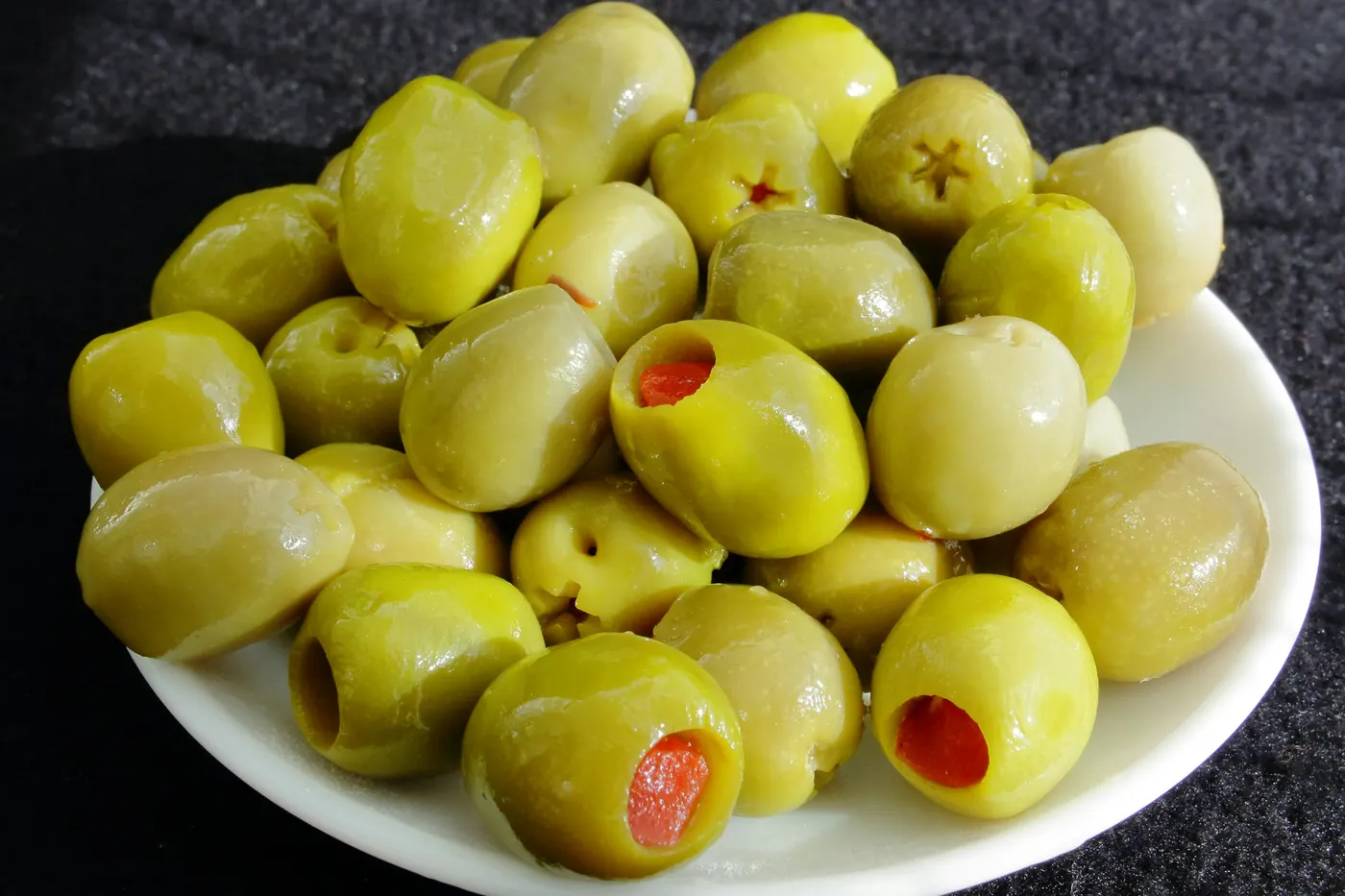
Our final pick for pitting cherries and olives
Buy the OXO Good Grips Cherry & Olive Pitter if you want one pitter for cherries and olives with the least mess. Choose the Leifheit stoner for big batches, the Westmark Kernex for a metal tool that lasts, the Chef’n QuickPit for quick one-handed garnishes, and the Westmark Steinex-Combi if you also pit plums and apricots.
Pitted fruit usually ends up in a glass or on a plate. Our guide to the best cocktail glasses covers what the garnish goes on, margarita accessories rounds out the home bar, and after the washing-up, the best dish drying mat gives the pitter and glasses somewhere to dry. Rinse the cherries first in one of the picks from our best colander guide.
Related guide: Best strawberry huller.
And if you would rather someone else made the drinks tonight, see the drinks list or call to order.