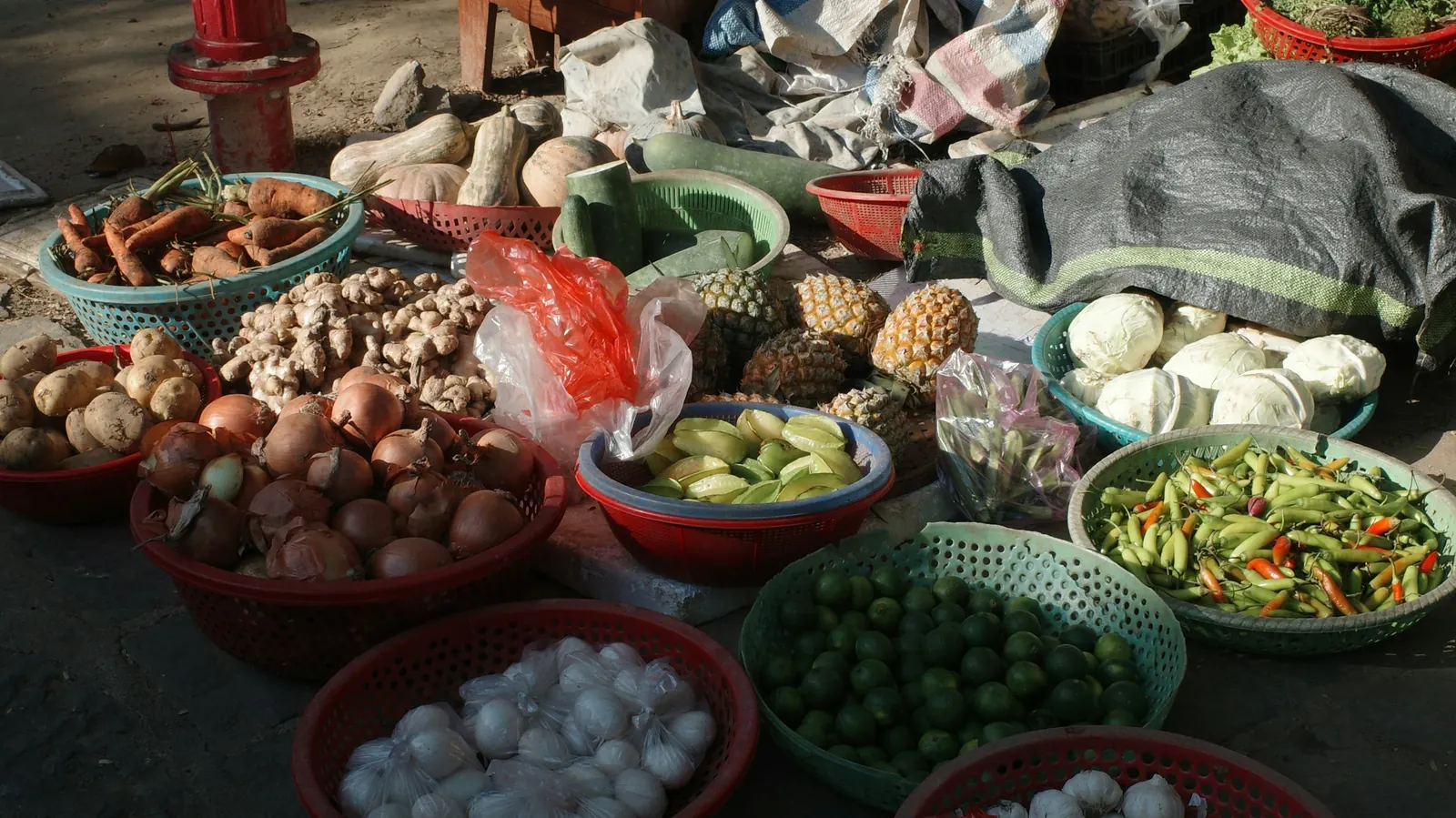
A food processor and a food chopper both spin a sharp blade in a bowl, and on a busy night either will turn an onion, a chile and a handful of cilantro into the base of a salsa. The difference is everything else. A full food processor has a big bowl, a feed tube and discs that slice and shred, so it can take on cheese for enchiladas, cabbage for tostadas or a batch of dough. A chopper is a small bowl with one blade, built for the little jobs you do every day.
This guide compares the two on capacity, the jobs each does well and badly, control, cleanup and storage, and cost. It covers electric mini choppers and manual pull-cord choppers on the chopper side, then gives a pick for each side, using maker listings and a named comparison from Chowhound.
Julia’s earns a commission on purchases made through links on this page, at no cost to you. Recommendations are based on what a restaurant kitchen looks for, product specifications and verified buyer reports.
Quick verdict: full processor or mini chopper?
If you cook for one or two and mostly chop onions, garlic, chiles and herbs, buy a chopper first: it is quicker to get out, quicker to wash and costs far less. Buy a food processor if you shred cheese, slice vegetables, make dough or cook in bigger batches for a family or a party; a chopper simply can’t do those jobs. Many cooks who already own a processor find a chopper worth adding, because it handles the small jobs the big bowl is clumsy at.
The table sums up the differences; each one is explained below.
Food processor vs chopper, side by side
| Food processor | Chopper | |
|---|---|---|
| Typical bowl | 7 to 16 cups (10 cups for our pick) | 1.5 to 4 cups (Chowhound) |
| Blades and discs | Chopping blade plus slicing and shredding discs | One blade |
| Feed tube | Yes, add food while it runs | No; load the bowl, then chop |
| Best jobs | Slicing, shredding, dough, big batches, purées | Onion, garlic, chiles, herbs, nuts, small salsas |
| Can’t do well | Very small amounts | Slicing, shredding, dough, big batches |
| Power source | Electric | Electric or manual pull cord |
| Storage | Counter or a deep cupboard | A drawer or small shelf |
| Cost | Higher | Much lower |
Capacity: how much each holds
Chowhound’s comparison, by Demi Phillips, gives a chopper bowl as usually 1.5 to 4 cups. That matches the choppers here: KitchenAid’s electric chopper has a 3.5-cup bowl and Brieftons’ manual QuickPull holds 4 cups (950 ml), per their listings. Full-size processors start around 7 cups and run past 14; our pick, the Cuisinart Core Custom, has a 10-cup bowl.
In general kitchen terms, a 3.5-cup chopper holds one onion, a couple of chiles and a bunch of cilantro, which is a salsa or pico for a family meal. Party-size salsa, a whole block of cheese or a double batch of anything needs the processor’s bowl, or several rounds in the chopper.
The jobs each does best
A food processor is several tools in one. Chowhound lists chopping, slicing, shredding, grating, grinding, puréeing, mixing and kneading, and notes that a large feed tube lets you push in whole vegetables without cutting them first. The Cuisinart we pick comes with a chopping and mixing blade, a reversible shredding disc and an adjustable slicing disc, according to its listing. That means shredded cheese for enchiladas, sliced radishes and cabbage for pozole, and a pie or masa-style dough all come from the same machine.
A chopper does one job and does it fast. Chowhound describes it as being for quick pulse-chopping, mincing or dicing small amounts of onions, garlic, herbs, nuts or vegetables. KitchenAid’s listing for its 3.5-cup chopper says two speeds and pulse take you from chunky pico de gallo and salsa to a creamy hummus, smooth sauce or dressing, and its drizzle basin lets you add oil while it runs.
Chowhound is blunt about the chopper’s limits: it says a chopper can’t handle dough, tough vegetables like squash, mincing meat or emulsifying oils. Slicing and shredding are also out, because there are no discs. If those jobs are on your list, a chopper won’t replace a processor.
Control and texture
Both give you a pulse, and pulse is what matters for Mexican salsas. Chunky salsa and pico de gallo depend on stopping before the tomatoes turn to liquid. The Cuisinart has Mix, Low, High and Pulse paddles; the KitchenAid chopper has two speeds and pulse.
A manual pull-cord chopper gives you control by count. Brieftons says about 5 pulls give a coarse chop and 10 a fine mince, so you can stop exactly where you want. In general kitchen terms, a small bowl also chops a small amount more evenly: one onion in a 10-cup bowl tends to scatter around the sides and get chopped unevenly, which is why many cooks with a processor still reach for a chopper.
Cleanup and storage
This is where the chopper wins every day. It has a bowl, a lid and one blade. KitchenAid says its chopper bowl is dishwasher safe and the chopper has a cord wrap and a small footprint for tucking away. Brieftons says its blades and bowl are top-rack dishwasher safe and every part nests inside the bowl for storage in a drawer or cupboard.
A food processor has a bowl, lid, pushers, a blade and discs to wash and store. Cuisinart lists a Tritan bowl and lid with a seal plus medium and small pushers for the Core Custom. It is not hard to clean, but it is more pieces, and that is often what decides whether a machine comes out on a Tuesday night. If it lives in a deep cupboard, plan on keeping it for bigger jobs.
Power: electric or manual
Chowhound gives choppers roughly 150 to 250 watts and food processors from about 500 watts on lower-end models to over 1,000 on high-end ones. Neither of our electric picks states its wattage on the listing, and makers measure power in different ways, so treat watts as a rough guide.
The chopper side has a choice the processor side doesn’t: a manual chopper. Brieftons’ QuickPull has no motor, cord or batteries; you pull a handle a few times. It is quiet, handy in an RV or a small kitchen and has nothing to burn out, but it is best for soft and medium foods, and your arm is the motor. Our best manual food chopper guide compares more pull-cord and press models.
Cost and what you get for it
Chowhound calls choppers extremely low-priced entry-level appliances and a food processor an objectively bigger investment. The processor’s extra cost buys the bowl size, the feed tube and the discs. If you will never slice or shred, most of that goes unused; if you shred cheese every week, a chopper isn’t a cheaper version of the same thing, it is a different tool.
Warranties differ too. Cuisinart gives the Core Custom a limited 3-year warranty and KitchenAid gives its 3.5-cup chopper an 8-year limited warranty, per their listings. Brieftons’ listing mentions a satisfaction policy but doesn’t state a warranty term.
Choose a food processor if… / Choose a chopper if…
Choose a food processor if…
- You shred cheese or slice vegetables often.
- You make dough, nut butters or big batches of salsa and dips.
- You cook for a family or for parties.
- You have counter or cupboard space for a larger machine.
Choose a chopper if…
- Your daily prep is onion, garlic, chiles, herbs and nuts.
- You cook for one or two, or want small salsas and dressings fast.
- You want something that washes in a minute and stores in a drawer.
- You want the lower-cost option, or a manual one with no cord.
Our picks for the food processor vs chopper question
One food processor and two choppers, one electric and one manual, all in stock and sold new when we checked. The Brieftons QuickPull appears on no other page of ours. The other two are other colors of models we cover elsewhere: the Cuisinart Core Custom 10-cup in Anchor Gray is the same model as the pick in our food processor for pico de gallo guide, included because it is a current full-size processor with both slicing and shredding discs in the box; the KitchenAid chopper in White is the same 3.5-cup model as the chopper in our best food processor guide, included because it is the clearest example of what a good electric chopper does.
1. Cuisinart Core Custom 10-Cup Food Processor – Slices, Shreds and Chops

This is the full-size side of the choice. The listing gives a 10-cup Tritan bowl and lid with a seal, Mix, Low, High and Pulse control paddles, and a box with a chopping and mixing blade, a reversible shredding disc and an adjustable slicing disc, plus medium and small pushers for the feed tube.
That set of discs is what a chopper can’t match: shredded cheese for quesadillas and enchiladas, thin-sliced cabbage and radish for pozole, and coleslaw for a taco night all come out of the same bowl. Cuisinart sells extras separately, including a dicing kit, a small work bowl, a 36-ounce blender jar and specialty discs, according to the listing.
It is more machine than you need for one onion, and it takes a cupboard shelf or a spot on the counter. The listing doesn’t state wattage. Cuisinart gives it a limited 3-year warranty.
Why we like it
- 10-cup bowl for family and party batches
- Shredding and adjustable slicing discs included
- Pulse plus Mix, Low and High
- Limited 3-year warranty
Key specifications
| Model | FP-110AG (Core Custom, Anchor Gray) |
|---|---|
| Bowl | 10 cups, Tritan, sealed lid |
| Controls | Mix, Low, High, Pulse paddles |
| Included | Chopping/mixing blade, reversible shredding disc, adjustable slicing disc, 2 pushers |
| Power | Not stated on listing |
| Warranty | 3 year limited (listing) |
Why we recommend it
It suits a family cook who shreds cheese, slices vegetables and makes salsas and dips in quantity.
Skip it if your prep is mostly a single onion and some herbs; a chopper does that with less washing up.
Pros and cons
Pros
- Slices and shreds as well as chops
- Room for big batches
- Add-on accessories available
Cons
- More parts to wash and store
- Clumsy for very small amounts
- Wattage not on listing
2. KitchenAid 3.5-Cup Food Chopper – Small Jobs, Fast Cleanup

This is the chopper side at its most useful. The listing gives a 3.5-cup dishwasher-safe work bowl with a handle and a pour spout, a stainless steel multi-purpose blade that locks in place so you can pour without it falling out, and two speeds plus pulse.
KitchenAid pitches it for exactly the Mexican-kitchen jobs a chopper suits: chunky pico de gallo and salsa on pulse, or a smoother sauce or dressing on the higher speed. A drizzle basin in the lid lets you add oil or lime juice while it runs, and the cord wraps around the base for storage.
It has no discs, so it won’t slice or shred, and a 3.5-cup bowl means rounds for a party batch. The listing doesn’t state wattage. KitchenAid shows an 8-year limited warranty on the listing, unusually long for a small appliance.
Why we like it
- Locking blade for easy pouring
- Drizzle basin for oil and dressings
- Two speeds plus pulse
- 8-year limited warranty, per the listing
Key specifications
| Model | KFC3516WH |
|---|---|
| Bowl | 3.5 cups, dishwasher safe, handle and spout |
| Controls | 2 speeds plus pulse |
| Blade | Stainless steel multi-purpose, locking |
| Power | Not stated on listing |
| Warranty | 8 year limited (listing) |
Why we recommend it
It suits a cook who chops onion, garlic, chiles and herbs most days and wants a machine that washes and stores easily.
Skip it if you need slicing or shredding; it has one blade and no discs.
Pros and cons
Pros
- Quick to set up and wash
- Pours without removing the blade
- Long warranty
Cons
- No slicing or shredding
- Small batches only
- Wattage not on listing
3. Brieftons QuickPull 4-Cup Manual Food Chopper – No Cord, No Motor

For a chopper that needs no outlet, the QuickPull works by pulling a cord handle. Brieftons says about 5 pulls give a coarse chop and 10 a fine mince, so you control the texture of salsa, guacamole or pico by count. Inside, a rotator with three stainless steel blades and two sweeper arms pulls the food down as it chops.
The bowl holds 4 cups (950 ml). Brieftons includes a mixer attachment for whisking dressings and batters, says the blades and bowl are top-rack dishwasher safe, and says all the parts nest inside the bowl for storage. The lid stays sealed while you pull, which Brieftons says keeps onion fumes in.
Your arm is the motor, so it suits soft and medium foods and modest amounts; hard vegetables and big batches are processor jobs. Brieftons describes itself as a kitchen-tools brand, and the listing states a satisfaction policy rather than a warranty term.
Why we like it
- No power needed; quiet
- Texture set by the number of pulls
- Parts nest inside the bowl
- Top-rack dishwasher safe, per Brieftons
Key specifications
| Model | QuickPull 4-Cup |
|---|---|
| Bowl | 4 cups (950 ml), BPA-free plastic |
| Operation | Manual pull cord |
| Blades | 3 stainless steel blades, 2 sweeper arms; mixer attachment |
| Power | None (manual) |
| Warranty | Not stated; satisfaction policy (listing) |
Why we recommend it
It suits a small kitchen, an RV or a cook who wants a quick salsa chopper with no cord.
Skip it if you chop hard vegetables or large amounts; an electric chopper or a processor is less work.
Pros and cons
Pros
- Works anywhere
- Easy texture control
- Stores compactly
Cons
- Hand-powered
- Not for hard vegetables
- No stated warranty term
Processor and chopper questions, answered
Can a food chopper replace a food processor?
Only for chopping small amounts. Chowhound says a chopper can’t handle dough, tough vegetables like squash, mincing meat or emulsifying oils, and with no discs it can’t slice or shred. If those jobs matter, keep the processor.
Is a mini chopper the same as a mini food processor?
Mostly, yes. Makers use both names for small machines with one blade and a bowl of about 3 to 4 cups. Our best mini food processor guide compares the electric ones.
Which is better for salsa and pico de gallo?
For a family-size batch, a chopper is quicker and easier to clean; pulse in short bursts so the tomato doesn’t turn to juice. For party-size salsa, a processor’s bigger bowl saves rounds. For blended, pourable salsas, a blender is the better tool, as our blender vs food processor comparison explains.
Can a food chopper shred cheese?
No. Shredding needs a shredding disc, which choppers don’t have. Use a processor or a box grater.
Do I need both?
Many cooks find both useful: the chopper for the daily onion and garlic, the processor for cheese, slicing and big batches. If you buy one, buy for the job you do most often.
Our final word on processors and choppers
Think about what you prep in a normal week. If it is onions, garlic, chiles and herbs for one or two people, a chopper does it faster and washes up in a minute. If it is shredded cheese, sliced vegetables, dough or party-size batches, only a food processor will do, and a chopper makes a handy second machine later.
For electric choppers, see our best electric vegetable chopper guide, and for cooking without a processor at all, our food processor alternative guide. And when you would rather someone else did the chopping, see the menu or call to order.