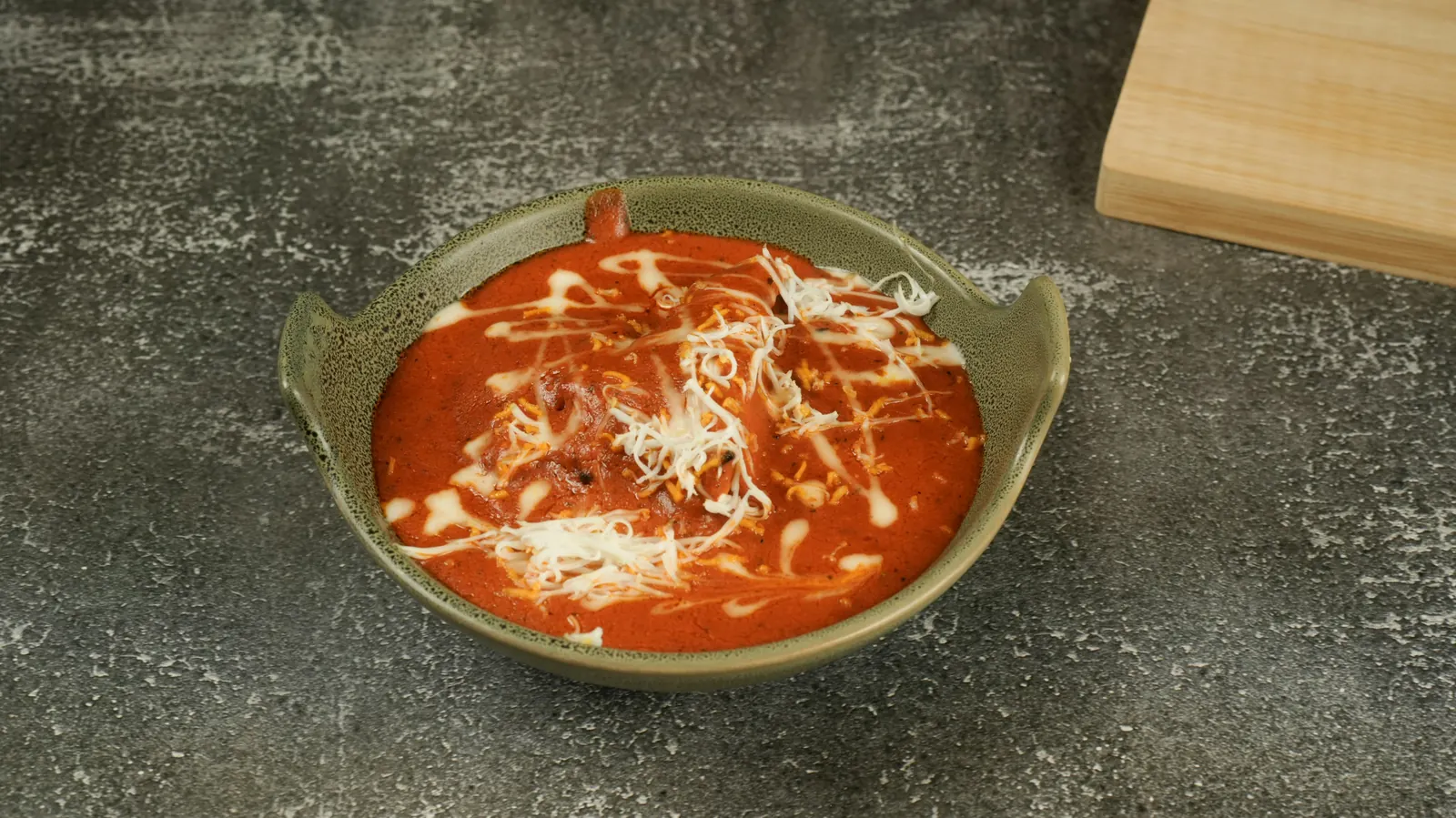
An immersion blender is handy because it goes to the food: you purée a pot of soup or beans where it sits, with no pouring and one thing to rinse. When it breaks, or when you never bought one, the soup still needs blending.
Several tools do the job, each with its own trade-off. This guide covers five immersion blender alternatives, from a countertop blender for the smoothest soup to a food mill that strains out skins and a plain masher for refried beans, and is honest about what each one cannot do.
Julia’s earns a commission on purchases made through links on this page, at no cost to you. Recommendations are based on what a restaurant kitchen looks for, product specifications and verified buyer reports.
Why look past the stick blender
Most people searching for an immersion blender alternative fall into one of three groups:
- The stick blender broke mid-recipe. You need something already in the kitchen, today.
- You are deciding what to buy. A countertop blender or food processor does far more than blend soup; a stick blender mostly purées in the pot.
- You want a different texture. A stick blender leaves tomato skins and chile seeds in the sauce. A food mill removes them, and a masher keeps beans chunky on purpose.
If you are weighing a stick blender against a full-size blender as a purchase, our immersion blender vs blender comparison covers that head to head. This page is about every tool that can stand in for one.
Quick verdict: the best immersion blender alternative
For smooth soups and sauces, the best immersion blender alternative is a countertop blender such as the KitchenAid K400, used the way KitchenAid says for hot food: vented cap in place, low speed or pulse first, and food cooled if possible. If you cook tomato sauces, salsas or bean soups where skins and seeds matter, a food mill purées and strains in one step. A food processor handles thick purées and salsas, a potato masher is all you need for refried beans and rustic soups, and a good whisk covers the vinaigrettes and pan sauces a stick blender is often used for.
Five ways to blend without one, side by side
Our five picks, one per kind of job, with what each maker or listing states. All five are reviewed in full below.
| Alternative | Best for | Texture | Power | Buy on Amazon |
|---|---|---|---|---|

KitchenAid K400 Variable Speed Blender, 56 ozBest overall
|
Silky soups and sauces | Smoothest of the five | Electric, variable speed | View on Amazon |

Hungry Artisan 3-Disc Stainless Steel Food MillBest for skins and seeds
|
Tomato sauce, bean soup | Smooth and strained | Hand crank | View on Amazon |

Breville Paradice 9 Food ProcessorBest for thick purées
|
Salsas, bean dips, pestos | Chunky to smooth | Electric, induction motor | View on Amazon |

OXO Good Grips Stainless Steel Potato MasherBest no-power pick
|
Refried beans, rustic soups | Coarse, rustic | By hand | View on Amazon |

OXO Steel 11-Inch WhiskBest for sauces and dressings
|
Vinaigrettes, pan sauces | Smooth liquids only | By hand | View on Amazon |
Hot soup in a countertop blender: do it safely
The big difference between a stick blender and a countertop blender is what happens with hot liquid. A stick blender stays in an open pot. A countertop blender traps steam under a lid, and hot soup can push the lid up if you start on high speed.
KitchenAid’s own guidance on blending hot liquids is short and clear. The ingredient cap “should remain in place over the lid opening. As it’s vented, the steam will be able to escape.” It also says to “always blend hot liquids using the Low speed or Pulse setting and then increase the speed if necessary,” and to “cool hot foods, if possible, before blending.” Check the manual for your own blender too, since some makers set a lower fill line for hot food.
In practice, that means blending soup in batches, filling the jar well below the top, holding the lid with a folded towel and starting slow. It is more work than a stick blender, but the result is smoother.
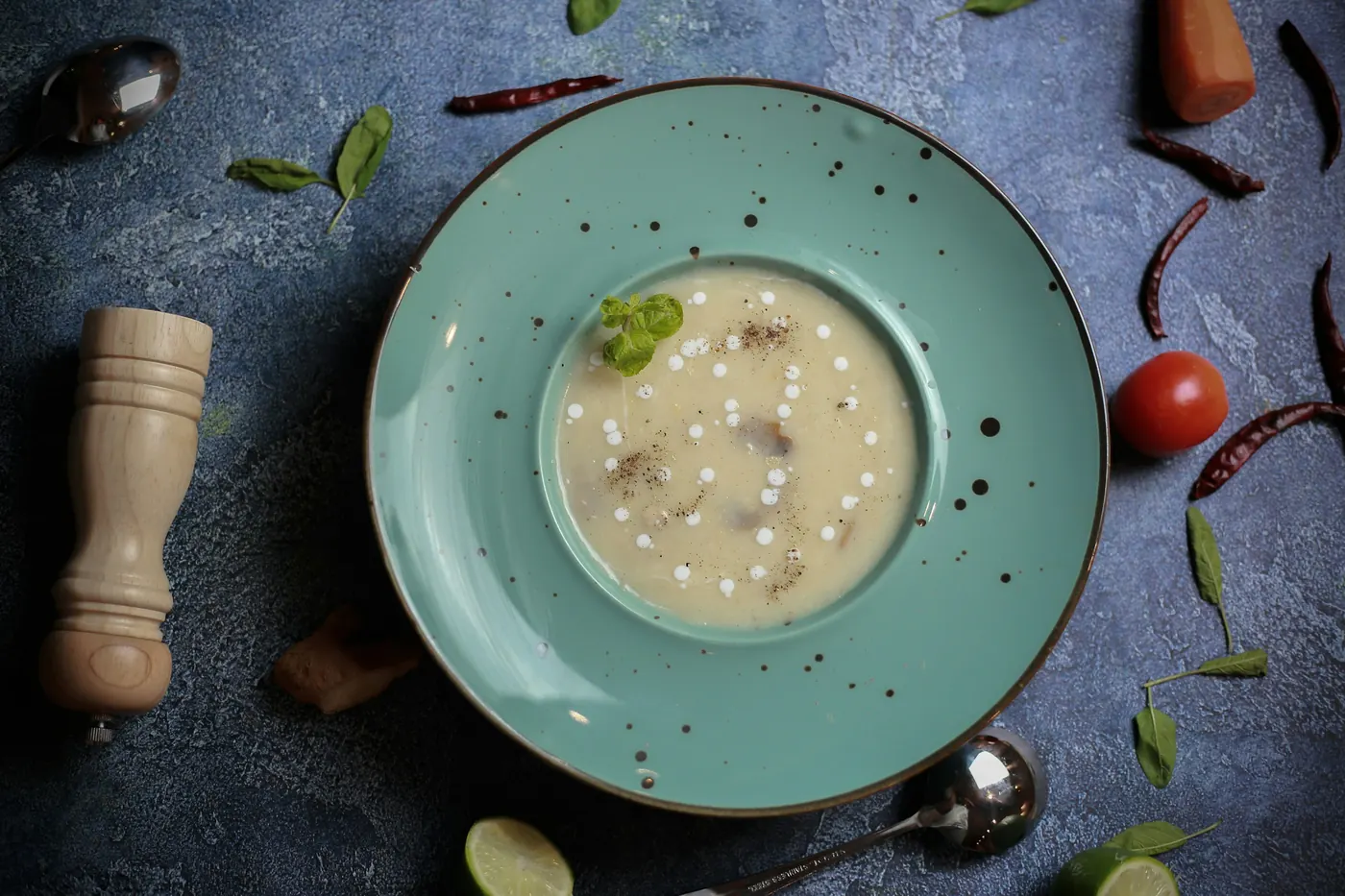
Match the tool to the dish
- Smooth soups, crema de elote, blended salsas: countertop blender.
- Tomato sauce, salsa roja from cooked tomatoes, bean soups with skins: food mill. It purées and leaves skins and seeds behind.
- Thick purées, bean dips, salsa with texture: food processor.
- Refried beans, chunky potato or vegetable soup: potato masher, right in the pot.
- Vinaigrettes, gravies, lumpy pan sauces: whisk.
Tasting Table’s Nathan Legare, writing about tomato soup without a blender, makes the same point about hand tools: a potato masher works on cooked tomatoes but “can only go so far,” and a sieve or ricer gives a smoother result by holding back the peels.
Our picks for the best immersion blender alternative
1. KitchenAid K400 Variable Speed Blender, 56 oz – The Smoothest Purée
A countertop blender gets soup and sauce smoother than a stick blender, because the food is pulled down into the blades again and again. KitchenAid’s K400 has a 56-ounce jar, a five-speed variable dial and three presets (Ice Crush, Icy Drink and Smoothie), according to the listing. KitchenAid describes a “3 part blending system” of a ribbed jar, an asymmetric blade and a motor control that senses the contents and holds speed.
For soups, the variable dial is the useful part: you can start at the lowest speed, as KitchenAid advises for hot liquids, and build up. The listing also mentions a tamper for thick blends and a self-clean cycle, where you add water and a drop of soap and run the blender.
The trade-off against a stick blender is the extra step of moving hot soup into the jar in batches, and more parts to wash. We list the Black Matte version; the same model in another color is on our main blender guide. It is here because its variable dial makes the slow start for hot food easy.
Why we like it
- Five-speed variable dial for a slow start with hot food.
- 56-ounce jar, per the listing.
- Tamper included for thick blends.
- Self-clean cycle, per KitchenAid.
Key specifications
| Model | KSB4028BM |
|---|---|
| Type | Countertop blender |
| Power | Electric; wattage not stated on the listing |
| Capacity | 56 oz jar |
| Controls | 5-speed dial, 3 presets |
| Hot food | Vented cap in place, start low (KitchenAid guidance) |
| Cleaning | Self-clean cycle |
| Warranty | Not stated on the listing |
Why we recommend it
It suits cooks who want the smoothest soups and salsas and will use a blender for drinks and sauces the rest of the week.
Skip it if you want to blend in the pot with no transferring; that is the one thing only a stick blender does.
Pros and cons
Pros
- Smoothest texture of the five
- Variable speed for hot food
- Useful for far more than soup
Cons
- Hot soup must be blended in batches
- More to wash than a stick blender
- Takes counter space
2. Hungry Artisan 3-Disc Stainless Steel Food Mill – Purées and Strains at Once
A food mill is the old way to purée soup, and for some dishes it is still the best. You turn a crank that presses cooked food through a perforated disc; the purée falls into the bowl or pot below, and skins, seeds and fibers stay on top. That makes it ideal for tomato sauces, cooked salsas and bean soups, where a stick blender would chop the skins into the purée.
Hungry Artisan’s mill has a stainless steel body, discs and crank, according to the listing, with three discs from coarse to fine. The listing names tomato sauce, mashed potatoes, baby food, purées and jam bases as uses, and it needs no outlet.
The limits are effort and batch size: you crank every ladleful through by hand, and the mill sits on top of a pot or bowl while you work. Hungry Artisan is a smaller, Amazon-focused brand rather than a long-standing kitchenware maker, so the listing is the main source here. For more food mills, see our food mill guide.
Why we like it
- Separates skins and seeds from the purée, per the listing.
- Three stainless discs, coarse to fine.
- Stainless body and crank.
- No power needed.
Key specifications
| Model | THA-111 |
|---|---|
| Type | Rotary food mill |
| Power | Hand crank |
| Capacity | Not stated |
| Controls | 3 discs: coarse, medium, fine |
| Hot food | Not stated; works over a pot by design |
| Cleaning | Not stated |
| Warranty | Not stated |
Why we recommend it
It suits cooks who make tomato sauce, salsa roja or bean soups and want a smooth result without skins or seeds.
Skip it if you mostly make creamy vegetable soups; a blender is faster and smoother for those.
Pros and cons
Pros
- Strains while it purées
- Three textures
- Quiet, no plug
Cons
- Hand work for every batch
- Less-known brand; listing is the main source
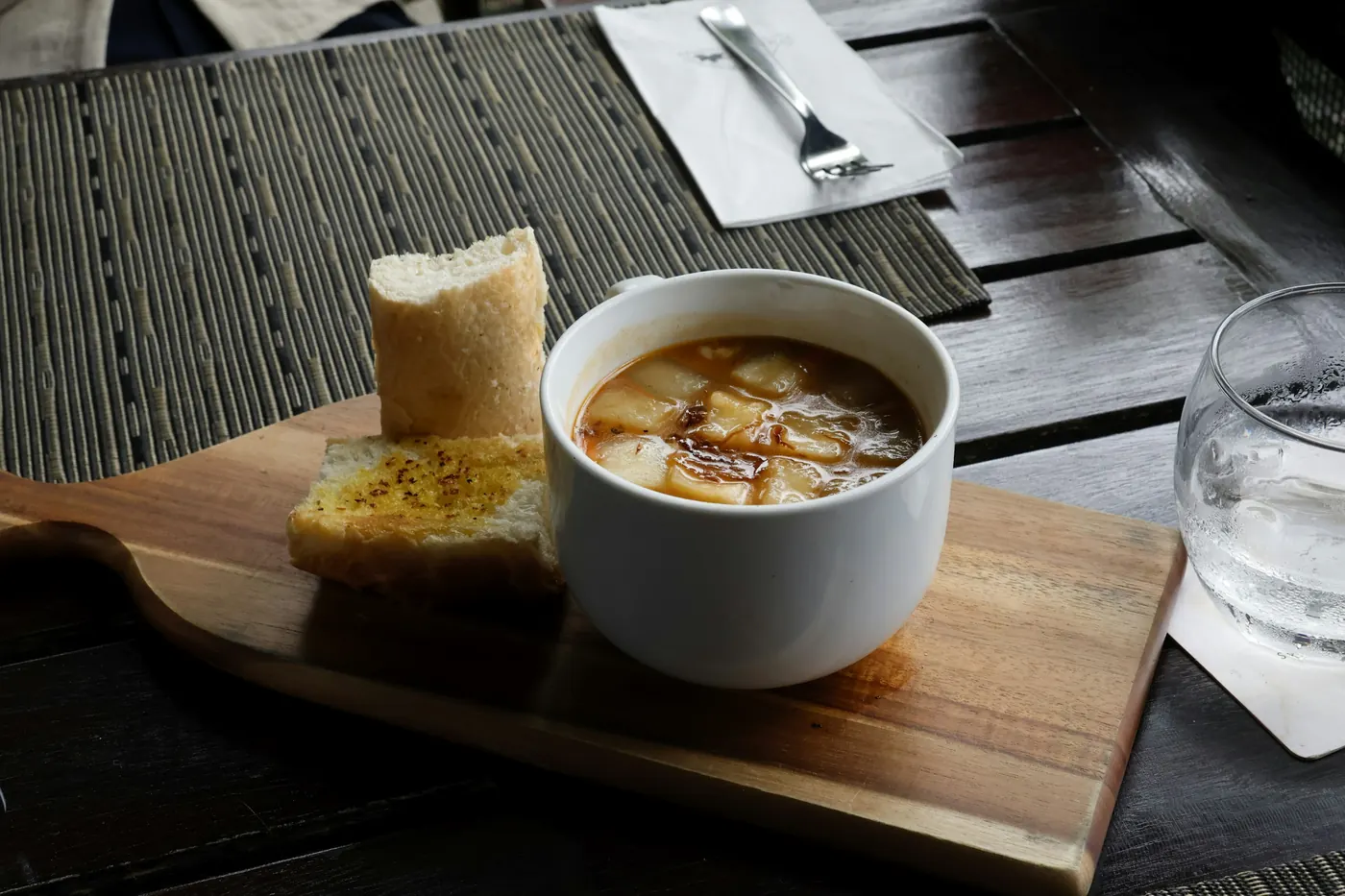
3. Breville Paradice 9 Food Processor – Thick Purées and Salsas
A food processor is a better fit than a blender for thick mixtures: bean dips, chunky salsas, pestos and vegetable purées that would stall a blender jar. Breville’s Paradice 9 has a 9-cup bowl, an S-blade for chopping and puréeing, and a brushless induction motor that Breville backs with a 30-year motor warranty, according to the listing, plus a 2-year product warranty.
It also slices, shreds and dices with included discs and a dicing kit, and stores them in an onboard caddy. The bowl and lid are dishwasher safe. Those extras are the reason to buy it; if all you need is soup, a blender does that better.
For soups, process the solids first and add the liquid after, and let the soup cool before it goes in: food processor bowls are not built to hold a lot of thin, hot liquid. Breville’s listing does not give hot-food guidance, so check the manual. We list the Black Truffle color; the same model in another color is on our dicing food processor guide, and it is here for its long motor warranty.
Why we like it
- 9-cup bowl with S-blade for purées.
- 30-year motor warranty, 2-year product warranty.
- Dishwasher-safe bowl and lid, per Breville.
- Slices, shreds and dices as well.
Key specifications
| Model | BFP638BTR1BNA1 |
|---|---|
| Type | Food processor |
| Power | Brushless induction motor; wattage not stated |
| Capacity | 9 cups |
| Controls | S-blade, shredder, slicer, dough blade, dicing kit |
| Hot food | Not stated on the listing |
| Cleaning | Bowl and lid dishwasher safe |
| Warranty | 2 years; motor 30 years |
Why we recommend it
It suits cooks who make salsas, dips and chopped vegetables often and want one machine for prep and thick purées.
Skip it if you mainly want silky soups; a blender is the better tool for thin, smooth liquids.
Pros and cons
Pros
- Handles thick mixtures well
- Long motor warranty
- Many prep jobs in one machine
Cons
- Not suited to large amounts of thin liquid
- Large to store
4. OXO Good Grips Stainless Steel Potato Masher – Mash Right in the Pot
A potato masher is the closest thing to a stick blender in one way: it works in the pot. For refried beans, a chunky potato or squash soup, or a rough tomato sauce, mashing is often all the dish needs, and many cooks prefer the texture.
OXO’s masher has a fine stainless steel grid that the listing says is designed to reduce lumps, and a soft, broad non-slip handle. OXO names mashed potatoes, root vegetables, cooked carrots and soft fruit as uses, and the listing title says it is dishwasher safe.
It will not make a smooth purée. Cook the vegetables or beans until very soft, then mash and stir; for refried beans, add the cooking liquid a little at a time as you go. For more options, see our potato masher guide.
Why we like it
- Fine grid to reduce lumps, per OXO.
- Stainless steel construction.
- Soft, non-slip handle.
- Dishwasher safe, per the listing.
Key specifications
| Model | 34581 |
|---|---|
| Type | Grid potato masher |
| Power | By hand |
| Capacity | Works in any pot |
| Controls | Not applicable |
| Hot food | Used in the pot; heat limit not stated |
| Cleaning | Dishwasher safe |
| Warranty | Satisfaction guarantee (listing) |
Why we recommend it
It suits anyone who makes refried beans or rustic soups and wants a tool that never needs a plug.
Skip it if you want a smooth, creamy soup; no masher will get there.
Pros and cons
Pros
- Works in the pot, like a stick blender
- Nothing to plug in or assemble
- Dishwasher safe
Cons
- Coarse texture only
- Metal grid can scratch nonstick pots
5. OXO Steel 11-Inch Whisk – For Dressings and Pan Sauces
Many people use a stick blender for small jobs rather than soup: a vinaigrette, a gravy with lumps, a pan sauce, a batch of whipped cream. A whisk does all of those, and for a dressing it is quicker to rinse than any blender.
OXO’s Steel 11-inch whisk has a narrow shape that OXO says is ideal for whisking and blending, a stainless steel build and a handle shaped to fit the palm, according to the listing. It is dishwasher safe. The narrow head reaches into the corners of a saucepan, where lumps in a gravy tend to hide.
The limit is obvious: a whisk smooths liquids, it does not purée solids. A stable emulsion such as homemade mayonnaise takes steady whisking and a slow drizzle of oil. Our whisk guide covers more shapes.
Why we like it
- Narrow shape for whisking and blending, per OXO.
- Stainless steel construction.
- Dishwasher safe.
Key specifications
| Model | 3128500 |
|---|---|
| Type | Narrow whisk |
| Power | By hand |
| Capacity | 11-inch length |
| Controls | Not applicable |
| Hot food | Not stated |
| Cleaning | Dishwasher safe |
| Warranty | Not stated |
Why we recommend it
It suits cooks who reached for the stick blender mostly for dressings, gravies and sauces.
Skip it if you need to purée anything with solids in it.
Pros and cons
Pros
- Fast cleanup
- Reaches saucepan corners
- Dishwasher safe
Cons
- Liquids only
- Steel wires can scratch nonstick pans
How to choose a stand-in for your stick blender
- What you blend most. Smooth soups point to a blender; tomato sauces and beans to a food mill; dips and salsas to a food processor.
- Hot food. Only the masher and food mill work comfortably in a hot pot. With a blender, follow the maker’s hot-liquid steps; KitchenAid’s are to keep the vented cap on, start low and cool food if possible.
- Texture. Decide whether you want smooth, strained or rustic before you buy.
- Cleanup and storage. A masher and whisk fit in a drawer. A blender or processor needs counter or cabinet space.
- What else it does. A blender and processor earn their space with drinks, salsas and prep. A food mill is mostly for sauces and purées.

How we chose these five alternatives
We picked five tools that each do part of a stick blender’s job in a different way, rather than five versions of the same appliance. Each is from an identifiable maker and was in stock on Amazon with a new lead offer when we checked. Specifications come from the makers’ listings. Hot-liquid guidance comes from KitchenAid’s own help page on blending hot liquids, and the notes on hand tools from Nathan Legare’s Tasting Table article on making tomato soup without a blender. We did not use these products ourselves; this is a research-based guide.
Immersion blender alternative questions, answered
How do I blend soup without an immersion blender?
Use a countertop blender in batches: fill the jar well below the top, keep the vented cap in place and start on low, as KitchenAid advises for hot liquids. Cooling the soup a little first helps. If you have no blender, a food mill or potato masher works for many soups.
Can I use a regular blender for hot soup?
Yes, with care. KitchenAid’s guidance is to keep the ingredient cap in place so steam can vent, blend on low or pulse first, and cool hot food if possible. Check your own blender’s manual for any hot-food fill limit.
Is a food processor or blender better for soup?
A blender gives a smoother result with thin liquids. A food processor is better for thick purées and salsas; process the solids first and add liquid afterward.
What can I use instead of an immersion blender for refried beans?
A potato masher, right in the pan. Mash the cooked beans and add their liquid a little at a time until the texture is right.
What about a food mill for salsa?
A food mill is a good choice for cooked salsas and tomato sauces, because it strains out skins and seeds while it purées.
Our final word on blending without a stick blender
An immersion blender is convenient, not essential. A countertop blender makes smoother soup if you follow the hot-liquid steps; a food mill is better for tomatoes and beans; a masher and a whisk cover the rest. If you decide you do want the convenience back, our best immersion blender guide lists the stick blenders worth buying, and our blender guide and food processor guide cover the bigger machines. When you would rather someone else does the blending, call Julia’s to order at (346) 546-8283.