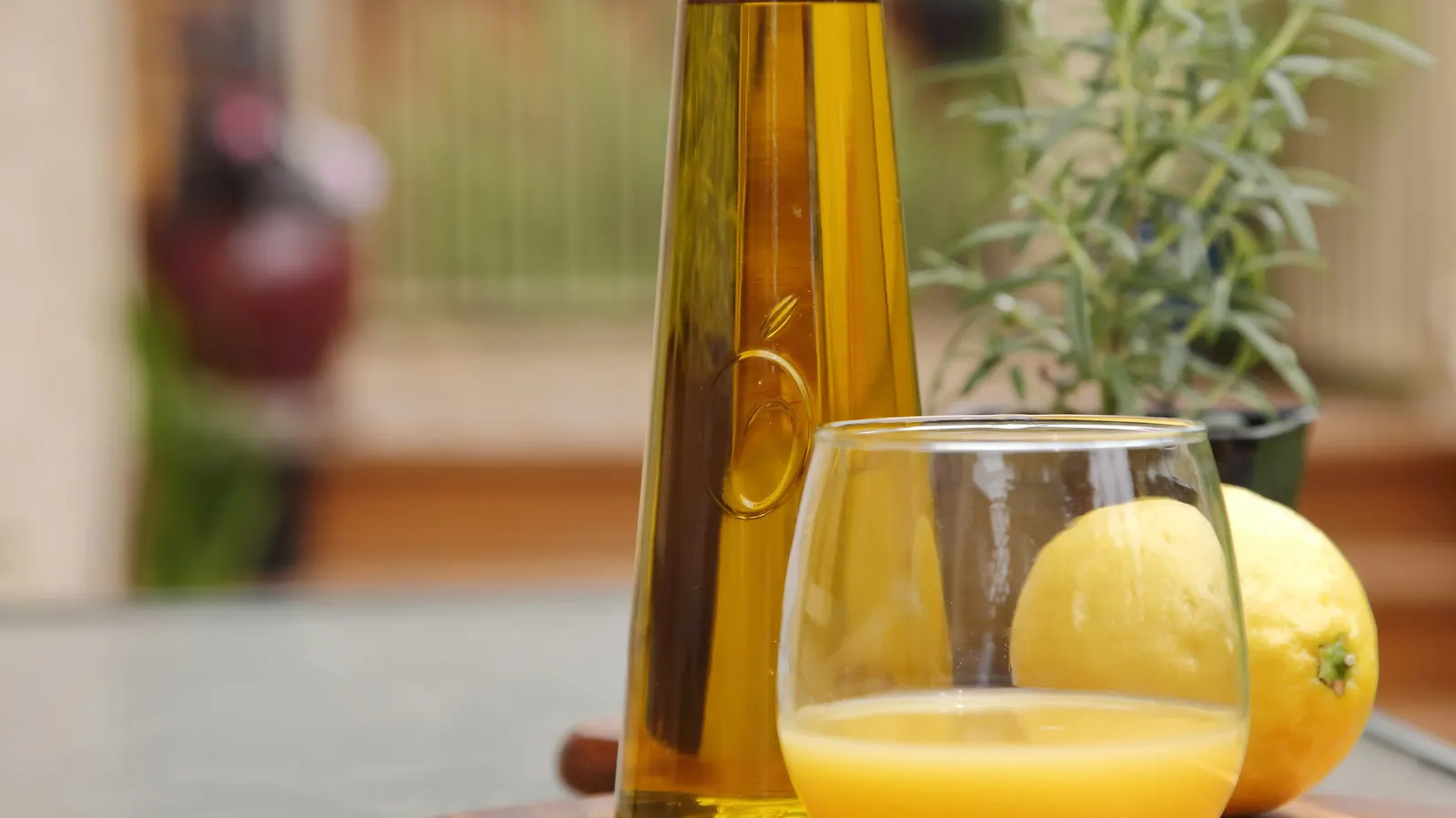
An oil sprayer exists to put a thin, even film of oil on a pan, a tray of vegetables or a basket of tortilla chips without pouring too much. When the sprayer clogs, leaks, or never made it into your kitchen, the question is which other tool gets the same thin coat, or whether you need oil on the pan at all.
This guide covers what to use instead of an oil sprayer: a silicone brush, a precision-pour oil bottle, a ready-made propellant-free spray can, a silicone baking mat and parchment paper, plus the paper towel trick that costs nothing. For each we say how close it gets to a mister and where it falls short.
Julia’s earns a commission on purchases made through links on this page, at no cost to you. Recommendations are based on what a restaurant kitchen looks for, product specifications and verified buyer reports.
Why cooks look for an oil sprayer alternative
- Refillable sprayers clog. Thick or cold oil gums up the nozzle, and some pump models lose pressure over time.
- Aerosol cans are not always welcome. Sur La Table’s guide to cooking spray on nonstick cookware says nonstick sprays “can leave a sticky residue on the surface of nonstick pans that is difficult to remove.”
- Some jobs need more oil than a mist. Frying tortillas for tostadas or searing meat needs a real layer of oil, not a fine spray.
- Sometimes the goal is no oil at all. For cookies, roasted vegetables or reheating on a sheet pan, a liner can stop sticking without greasing.
Quick verdict: the best oil sprayer alternative
For greasing pans and coating food, the best oil sprayer alternative is a silicone brush such as the KitchenAid Basting Brush; Sur La Table recommends applying oil “with a pastry brush or paper towel for a thin, even coating.” For controlled pouring into a skillet, a precision-pour oil bottle like OXO’s lets you drizzle or pour by how far you tip it. If you just want a can that sprays, Chosen Foods’ avocado oil spray uses air pressure with no propellants, per its listing. To skip greasing on sheet pans, use a silicone baking mat or parchment. And a folded paper towel dipped in oil does the job for nothing. If you oil air-fryer baskets daily, a good refillable sprayer is still the neatest tool; our guide to the best oil sprayer covers them.
Five ways to coat a pan without an oil sprayer, side by side
Our five picks, one for each way to grease or line a pan, with what each maker or listing states. All five are reviewed in full below.
| Alternative | Best for | Oil used | Even coat? | Buy on Amazon |
|---|---|---|---|---|

KitchenAid Silicone Basting BrushBest overall alternative
|
Pans, vegetables, tortillas | Any oil or melted butter | Yes, thin and even | View on Amazon |

OXO Good Grips Precision Pour Glass Dispenser, 5 ozBest for measured pouring
|
Oiling a skillet, dressing salad | Thin oils, vinegar, soy sauce | Pours; swirl or brush to spread | View on Amazon |

Chosen Foods Avocado Oil Cooking SprayBest ready-made spray
|
A quick spray with no refilling | Avocado oil, per the listing | Yes, a spray | View on Amazon |

Amazon Basics Silicone Baking Mat, 4-PackBest reusable no-oil liner
|
Cookies, roasting on sheet pans | None needed, per the listing | No coat; a non-stick surface | View on Amazon |

PaperChef Culinary Parchment, 41 sq ftBest for any pan shape
|
Loaf pans, casseroles, air fryers | None needed, per PaperChef | No coat; a non-stick liner | View on Amazon |
Product images from Amazon. Sizes, materials and ingredients are as stated by each maker or listing; check the listing before you buy.
The paper towel method, and other no-buy options
Sur La Table’s article Here’s Why You Should Never Use Cooking Spray on Nonstick Cookware (March 2024) gives the simplest answer: apply oil “with a pastry brush or paper towel for a thin, even coating.” It also suggests “a small amount of butter or margarine,” which “can add flavor to your dishes while creating a natural nonstick layer,” and high-smoke-point oils such as avocado, canola or grapeseed for higher-heat cooking.
- Paper towel: fold a paper towel into a pad, dip a corner in oil, and wipe the pan or baking sheet. Use tongs to hold it if the pan is already hot; that part is general kitchen sense.
- Butter wrapper: rub the inside of a butter wrapper over a baking dish. General kitchen sense, and it is how many home bakers grease a pan for pan de elote or a cake.
- Toss, don’t spray: for vegetables or tortilla strips going into the oven or air fryer, toss them with a spoonful of oil in a bowl until they shine. Also general kitchen sense; it gives a more even coat than spraying one side.
- Swirl the pan: pour a little oil into a hot skillet and tilt it to spread. Fine for searing, too much for delicate eggs.
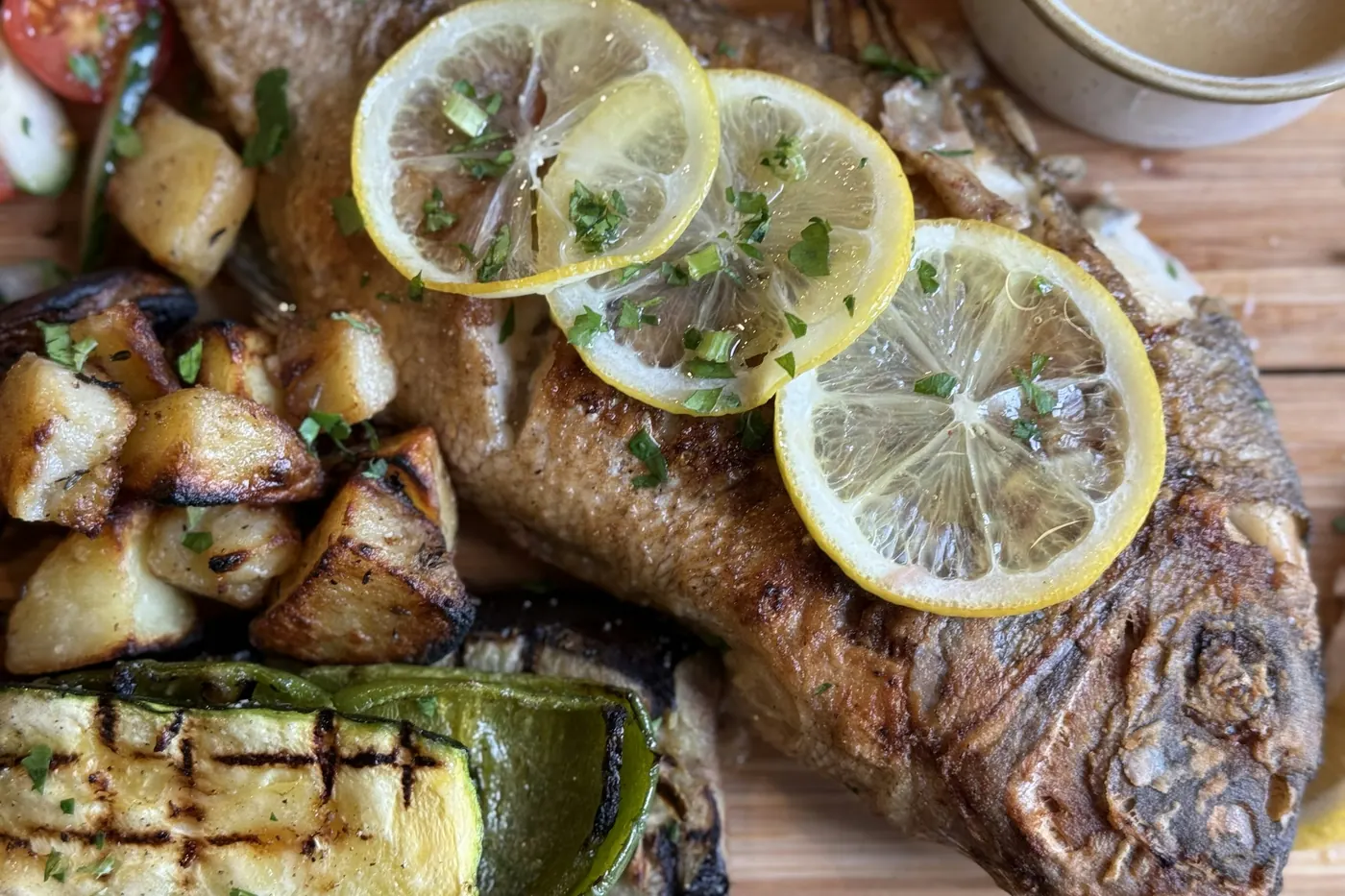
Five tools to use instead of an oil sprayer
All five are from identifiable makers and were in stock on Amazon, sold new, on the day of writing. Three put oil on; two take its place.
1. KitchenAid Silicone Basting Brush – A Thin, Even Coat on Any Pan
A brush is the oldest way to oil a pan, and Sur La Table names it first. It reaches the corners of a muffin tin or a loaf pan that a mister sprays past, coats a comal or the top of tortillas for baked tostadas, and puts oil exactly where you want it on a sheet of vegetables. It also handles melted butter, which most oil sprayers cannot.
KitchenAid’s basting brush has a silicone head that KitchenAid says is heat resistant to 500°F and safe on all cookware and bakeware, including non-stick. The listing says the bristles stay attached to the head and won’t clump together, and that the brush is dishwasher safe. It is 11.6 inches long, per the listing, which keeps your hand back from a hot pan.
Silicone holds less oil than natural bristles, so you dip more often, and a brush lays down a slightly heavier coat than a fine mist. For air-fryer baskets with many holes, a brush is slower than a spray. Our comparison of basting brush vs pastry brush covers bristle types.
Why we like it
- Heat resistant to 500°F, per KitchenAid
- Safe on non-stick, per the listing
- Handles melted butter as well as oil
- Dishwasher safe
Key specifications
| Model | KHA052OHOBA |
|---|---|
| Type | Silicone basting brush |
| Length | 11.6 in |
| Heat limit | 500°F (silicone head) |
| Liquids | Oil, butter, glazes, sauces, marinades |
| Cleaning | Dishwasher safe |
Why we recommend it
Choose it if you grease pans, oil vegetables or butter bakes and want one tool that never clogs.
Skip it if you mainly oil an air-fryer basket; a spray reaches the holes faster.
Pros and cons
Pros
- Nothing to clog
- Works with butter
- Reaches corners
Cons
- Heavier coat than a mist
- Frequent dipping
- Slow on mesh baskets
2. OXO Good Grips Precision Pour Glass Dispenser, 5 oz – Drizzle or Pour by the Tilt
Much of the time an oil sprayer is used to stop over-pouring from a big bottle. A small dispenser with a controlled spout solves that directly. OXO says this one has two flow speeds: tip it a little for a controlled drizzle, tip it more for a steady pour. That is enough control to put a teaspoon of oil in a skillet for eggs, or a thin line over a salad or a plate of nopales.
The listing describes a 5-ounce glass body with stainless steel accents and a drip-free spout. It comes apart for cleaning and is dishwasher safe. OXO says it works best with thin condiments like oil, vinegar and soy sauce, and that thicker condiments and dressings may clog the spout. Its small size makes it easy to keep by the stove and refill often, which keeps the oil fresh.
It pours rather than coats, so you still swirl the pan or spread with a brush for an even film, and it cannot reach a sheet pan’s corners on its own. This 5-ounce size is a smaller version of the OXO dispenser in our guide to the best oil dispenser, where larger bottles are compared.
Why we like it
- Two flow speeds by tilt, per OXO
- Drip-free spout
- Glass body, comes apart to clean
- Dishwasher safe
Key specifications
| Model | 11278600 |
|---|---|
| Type | Precision-pour dispenser |
| Capacity | 5 oz (150 ml) |
| Material | Glass with stainless steel accents |
| Liquids | Thin oils, vinegar, soy sauce |
| Cleaning | Comes apart; dishwasher safe |
Why we recommend it
Choose it if you used a sprayer mainly to avoid pouring too much oil into a skillet or onto a salad.
Skip it if you need an even coat on a baking sheet; pair it with a brush or use a liner.
Pros and cons
Pros
- Fine control of amount
- No nozzle to clog
- Small enough for the stove
Cons
- Pours, does not coat
- Small capacity
- Glass can break
3. Chosen Foods Avocado Oil Cooking Spray, 4.7 oz – A Spray Can Without Propellants
Some people want the spray, just not the refilling and pumping. A ready-made can is the simplest swap, and Chosen Foods sells one that does not use a chemical propellant. The listing describes it as 100% pure avocado oil in a non-aerosol spray, “pressurized by air,” with “no butane, no propane, no chemical aerosol gases.” Chosen Foods pitches it for air fryers, grill grates, cast iron and sheet pans.
The can holds 4.7 ounces. The listing names one ingredient, avocado oil, with no canola, soybean or other seed oil blended in, and describes the spray as Non-GMO Project Verified and gluten-free. Read the can’s ingredient label before you buy if allergens matter to you.
It is single use and not refillable, so it makes more waste than a mister. Sur La Table’s warning about residue is aimed at nonstick sprays with propellants and additives; Chosen Foods says it uses neither, but if your pan maker says no sprays at all, follow the pan maker. For a spray with no can to recycle, see our oil sprayer guide.
Why we like it
- Air pressure only, no propellants, per the listing
- One listed ingredient: avocado oil
- Gluten-free, per the listing
- No pumping or refilling
Key specifications
| Model | 815074020836 |
|---|---|
| Type | Propellant-free oil spray can |
| Size | 4.7 oz |
| Ingredients | Avocado oil, per the listing |
| Allergens | Listed as gluten-free; check the can’s label |
| Certifications | Non-GMO Project Verified, per the listing |
Why we recommend it
Choose it if you want spray convenience for air-fryer baskets and sheet pans without a propellant.
Skip it if you want to choose your own oil or cut waste; a refillable tool does both.
Pros and cons
Pros
- True spray, no pumping
- No propellants, per the listing
- Reaches mesh baskets
Cons
- Not refillable
- One oil only
- Smaller can than some
4. Amazon Basics Silicone Baking Mat, 4-Pack – Skip the Oil on Sheet Pans
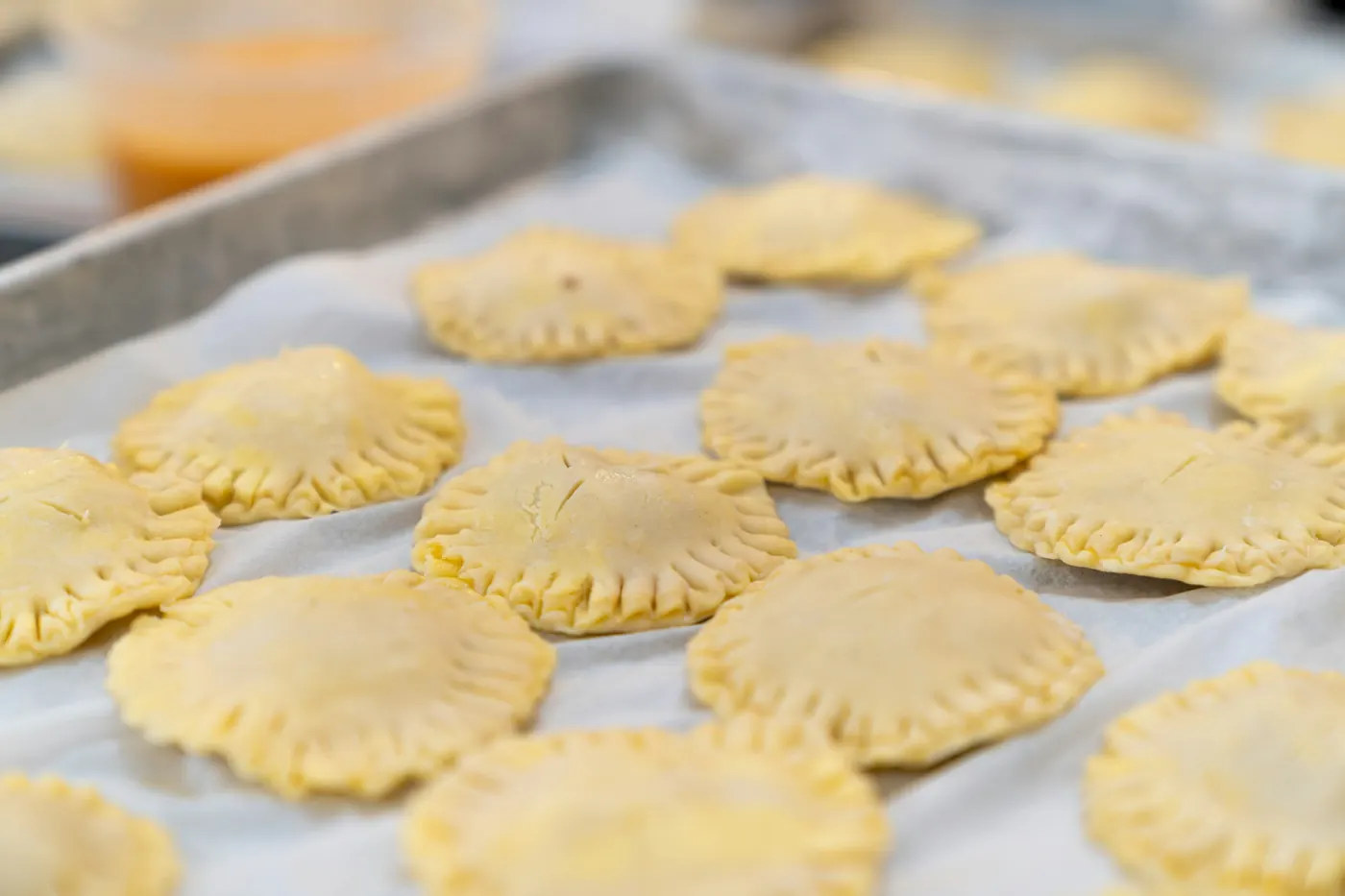
A lot of spraying is done only to stop food sticking to a sheet pan: cookies, roasted vegetables, chicken thighs, reheated empanadas. A silicone mat removes the need. Amazon’s listing says the non-stick, flexible silicone “releases food without the need for oil, cooking sprays, or parchment paper,” and the mats can be reused again and again.
Each mat measures 16.5 by 11.6 inches, a half-sheet size, and the pack has four. The listing says they are oven-safe up to 480°F, food-safe and dishwasher safe, and that they must sit on a baking tray for support, never directly on the oven rack. Four mats means two trays can be lined while two are in the wash.
A mat is flat, so it does nothing for a loaf pan, a muffin tin or a skillet. Food browns a little less on silicone than on bare oiled metal, which is general kitchen sense rather than a maker claim, so for crisp roasted vegetables you may still want a touch of oil on the food itself. It is an Amazon house brand; we include it for the clear listing and four-pack, not a long maker history.
Why we like it
- No oil or spray needed, per the listing
- Oven-safe to 480°F
- Four half-sheet mats
- Dishwasher safe
Key specifications
| Model | AOKE-8804 |
|---|---|
| Type | Silicone baking mat |
| Size | 16.5 x 11.6 in, 4 mats |
| Heat limit | 480°F |
| Use | On a baking tray only, not on the rack |
| Cleaning | Dishwasher safe |
Why we recommend it
Choose it if most of your spraying is on sheet pans for cookies and roasting.
Skip it if you mostly oil skillets, loaf pans or air-fryer baskets.
Pros and cons
Pros
- No oil at all
- Reusable for years of bakes
- Easy cleanup
Cons
- Flat pans only
- Less browning
- House brand
5. PaperChef Culinary Parchment, 41 sq ft – A Liner for Any Pan Shape
Where a mat is flat and fixed in size, parchment cuts to fit anything: a loaf pan for banana bread, a 9 by 13 dish for enchiladas, the bottom of an air-fryer basket, or a packet for steaming fish with lime and chiles. PaperChef’s listing says to “skip oils and sprays,” describing the paper as non-stick with easy release and cleanup.
PaperChef says the parchment is made near Lyon, France, from eucalyptus wood pulp, is compostable, and is oven-safe up to 425°F. The listing suggests wetting it to line casserole pans, which makes it easier to press into corners, and names baking, roasting, steaming, air frying and parchment packets among its uses. The roll is 41 square feet. It is sold by PaperChef directly.
It is single use, so it costs more over time than a silicone mat, and the 425°F limit rules it out for very hot roasting or broiling. In an air fryer, parchment must be weighed down by food so it cannot blow into the heating element; that is general kitchen sense, so check your air fryer’s manual. Our guide to the best parchment paper covers other rolls.
Why we like it
- No oil or spray needed, per PaperChef
- Cuts to fit any pan
- Compostable, per the maker
- Sold by the maker
Key specifications
| Model | 208810 |
|---|---|
| Type | Parchment roll |
| Size | 41 sq ft |
| Heat limit | 425°F |
| Material | Eucalyptus wood pulp paper |
| Made in | France (near Lyon), per PaperChef |
Why we recommend it
Choose it if you grease loaf pans, casserole dishes or air-fryer baskets and want no oil at all.
Skip it if you roast above 425°F or want a reusable liner.
Pros and cons
Pros
- Fits any pan
- Easy cleanup
- Also for packets and steaming
Cons
- Single use
- 425°F limit
- Needs weighing down in air fryers
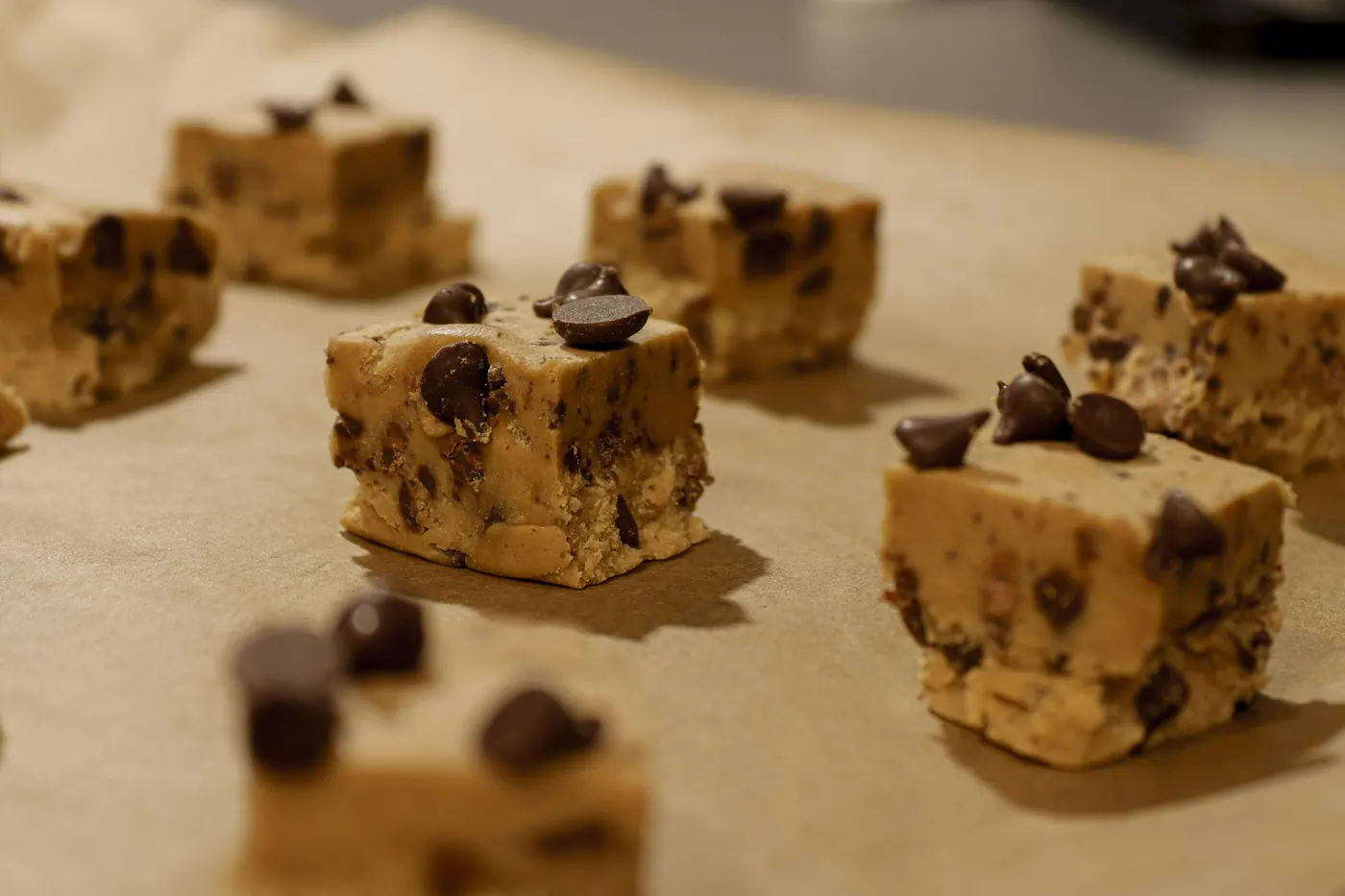
Which stand-in for which job
This is our kitchen’s summary of the sources above, not a published test:
- Greasing a cake pan, muffin tin or comal: a brush, or a paper towel dipped in oil.
- A little oil in a skillet for eggs: a precision-pour bottle, then tilt the pan.
- Air-fryer baskets: toss the food in oil in a bowl first, or use a propellant-free spray can.
- Cookies and roasting on sheet pans: a silicone mat, no oil.
- Loaf pans, casseroles and packets: parchment cut to fit.
- Baked tostadas or tortilla chips: brush both sides of the tortillas lightly before cutting.

What we left out, and why
We did not include another refillable oil mister, because that would not be an alternative; see our oil sprayer guide. We did not include household spray bottles not sold for food, and we left out glazed ceramic oil cruets, because glazed food surfaces need a maker’s lead-free statement and we did not have one to cite. Natural-bristle pastry brushes work too, but they are harder to clean after oil than silicone; our pastry brush alternative page covers the reverse swap, using a mister in place of a brush.
When a real oil sprayer makes more sense
If you cook in an air fryer most days, or like a very light coat of oil on salads and roasted vegetables, a refillable sprayer is the neatest tool: it reaches every hole in a basket, uses your own oil, and makes no can waste. The alternatives here make more sense when your sprayer keeps clogging, when you need butter rather than oil, or when a liner can remove the need for oil altogether.
Oil sprayer alternative questions, answered
What can I use instead of an oil sprayer?
A silicone or pastry brush, a folded paper towel dipped in oil, a precision-pour bottle for skillets, a propellant-free spray can, or a liner such as a silicone mat or parchment so you need no oil at all.
How do I grease a pan without cooking spray?
Sur La Table recommends applying oil “with a pastry brush or paper towel for a thin, even coating,” or using a small amount of butter.
Is cooking spray bad for nonstick pans?
Sur La Table says nonstick cooking sprays “can leave a sticky residue on the surface of nonstick pans that is difficult to remove.” Check your pan maker’s care instructions; a brush with oil or butter avoids the issue.
Do all spray cans use propellants?
No. The Chosen Foods avocado oil spray listing says it is pressurized by air, with no propellants. Read the label of any can you buy.
Do I need oil with a silicone baking mat?
Not to stop sticking. The Amazon Basics listing says its mats release food without oil, cooking sprays or parchment. You may still oil vegetables for browning.
Our final word on coating pans without a mister
A silicone brush or a paper towel does most of what a mister does, with nothing to clog. Add a precision-pour bottle for skillets, a propellant-free can for air-fryer baskets, and a silicone mat or parchment when the real goal is no sticking. And if you would rather skip the pans tonight, call to order from Julia’s.