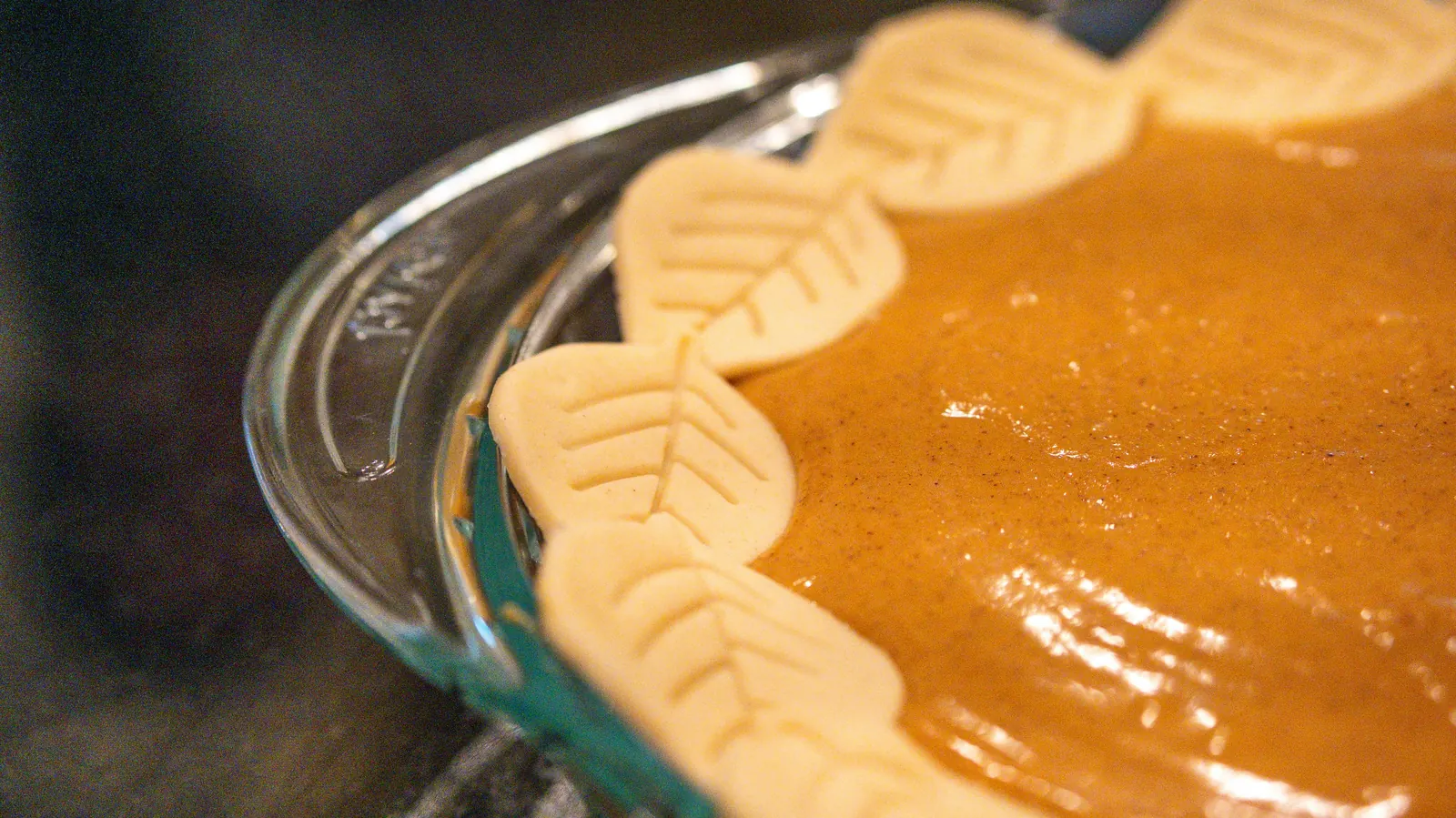
Pie weights hold a pastry shell flat while it bakes without a filling. Without them, America’s Test Kitchen warns, an unweighted crust will “bubble, puff, crater, and become misshapen.” The job itself is simple, though: something heavy, heatproof and loose enough to fill the shell to the edges. Your pantry already holds several things that do it.
This guide covers the pie weights alternative that suits each kitchen, how well each one works and what it costs you, using the blind-baking method King Arthur Baking and America’s Test Kitchen publish, read directly. Where something is our own kitchen sense rather than a source’s, we say so.
Julia’s earns a commission on purchases made through links on this page, at no cost to you. Recommendations are based on what a restaurant kitchen looks for, product specifications and verified buyer reports.
Why blind bake without pie weights
Purpose-made weights are still what America’s Test Kitchen prefers, and our best pie weights guide covers the sets worth buying. But ATK also says plainly that “bakers can use dried beans, raw rice, pennies, and granulated sugar as pie weights,” and King Arthur Baking’s PJ Hamel lists the same pantry fillers in her blind-baking guide. People skip the dedicated weights for plain reasons:
- You bake one or two pies a year. A bag of beans in the cupboard is enough.
- Coverage. To fill a foil-lined shell completely, ATK says it took four packages of weights. Loose beans or sugar are easy to buy by the pound.
- Slumping sides. Weights hold the bottom down but do not always hold the sides up. King Arthur’s upside-down method with a second pan handles that better.
- Nothing to store. Rice and sugar go back into cooking; ATK found that beans used as weights are still fine to cook and eat.
Quick verdict: the best pie weights alternative
For most kitchens, the best pie weights alternative is a bag of dried beans, such as Iberia pinto beans: heavy, cheap, reusable for years, and, per America’s Test Kitchen, still good to cook afterward. Granulated sugar is the best filler for a crisp, evenly browned shell because it fills every corner, and King Arthur says you can bake with the lightly toasted sugar afterward. Uncooked rice or wheat berries work like beans. If your crust sides slump, use King Arthur’s method with two identical metal pie pans, baked upside down. Whatever you use, line the crust with parchment first.
Five ways to weigh down a crust, side by side
One pick per approach, with the details each maker or listing states.
| Filler | How it works | After baking | Watch out for | Buy on Amazon |
|---|---|---|---|---|

Iberia Dried Pinto Beans, 4 lb, Pack of 2Best overall
|
Heavy loose filler on a liner | Reuse as weights, or cook them | Gaps at the edge between beans | View on Amazon |

365 by Whole Foods Market Cane Sugar, 64 ozBest for even browning
|
Fine grains fill every corner | Bake with the toasted sugar | Needs a liner with no gaps | View on Amazon |

Mahatma Extra-Long-Grain White Rice, 5 lbBest pantry staple
|
Small grains, close coverage | Keep a jar for weights only | Lighter than beans per cup | View on Amazon |

Palouse Brand Hard Red Winter Wheat Berries, 5 lbBest grain berries
|
Dense whole grains | Keep a jar for weights only | Wheat; not for gluten-free pies | View on Amazon |

USA Pan 9-Inch Aluminized Steel Pie Pans, Set of 2Best for slumping sides
|
Second pan nested, baked upside down | Two everyday pie pans | Needs a firm crimp and practice | View on Amazon |
Product images from Amazon. Details are as stated by each maker or listing. Check the listing before you buy.
How to blind bake with a pantry filler
The method does not change with the filler. This is King Arthur Baking’s version, from PJ Hamel’s guide to prebaking pie crust, with America’s Test Kitchen’s notes where they add something:
- Chill the shell. King Arthur chills the crust for 30 minutes “to relax the gluten and firm up the fat(s).” ATK rests the shaped dough in the refrigerator for 40 minutes, then freezes it for 20 minutes to set its shape.
- Line it. King Arthur lists foil, parchment or a paper coffee filter. ATK found parchment the best option because its more permeable structure lets the shell brown, while foil trapped steam underneath and gave spotty browning. Our best parchment paper guide covers rolls and sheets.
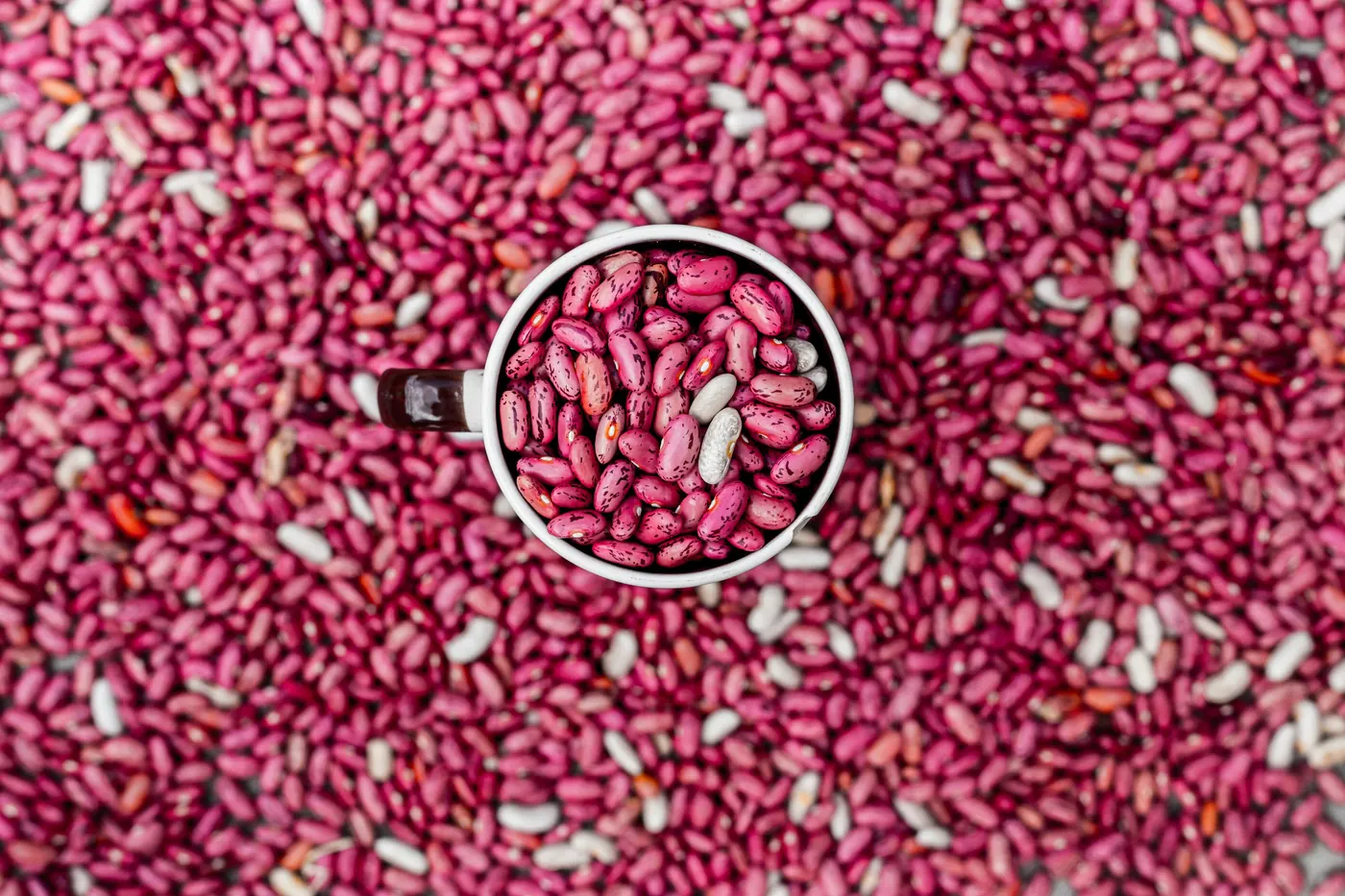
- Fill it. King Arthur fills the liner about two-thirds full with dried beans, uncooked rice or other grain berries, pie weights or granulated sugar.
- Bake. King Arthur bakes at 375°F for 20 minutes, on a baking stone or steel if you have one, then lifts out the liner and filler.
- Finish if needed. For a fully baked shell, King Arthur says to prick the bottom all over with a fork to prevent bubbles and bake 20 to 25 minutes more, until golden all over. A partial bake is enough for fillings that finish baking in the crust.
As general kitchen sense, let the filler cool before you pour it back into its jar, label the jar “pie weights,” and keep it away from the cooking supply unless you plan to cook it soon.
Our picks for the best pie weights alternative
We chose one filler or tool per approach that King Arthur Baking or America’s Test Kitchen names, from identifiable makers: Iberia, 365 by Whole Foods Market, Mahatma, Palouse Brand and USA Pan. Each was in stock on Amazon US, sold new, when we checked. Product details come from the listings; method comes from the named sources or is labeled as general kitchen sense. We have not blind baked with every product here. No dedicated pie weights are included; for those, see the parent guide.
1. Iberia Dried Pinto Beans, 4 lb, Pack of 2 – Heavy, Cheap and Reusable
Dried beans are the classic stand-in, named first by both King Arthur and America’s Test Kitchen. They are heavy enough to hold a crust down, they do not melt or burn at blind-baking temperatures, and a jar of them lasts for years of pies. ATK even tested whether beans used as weights can still be eaten: it found “little difference” from never-baked beans, slightly firmer but “creamy, intact, and entirely acceptable.”
Iberia’s listing (item 210693) is two 4-pound bags of dried pinto beans. That is far more than one pie needs, so as general kitchen sense, set aside a jar for weights and cook the rest. The listing does not state an allergen statement or country of origin.
The limit is shape. Beans are large and round, so they leave gaps against a fluted edge and in the corner where the bottom meets the wall. Push them out to the sides and fill to the level King Arthur gives, about two-thirds full. A crust with weak sides may still slump; see pick 5 for that.
Why we like it
- Named by both King Arthur and ATK
- ATK found baked beans still fine to cook
- Two 4 lb bags, plenty for weights and dinner
- Sold by Amazon when we checked
Key specifications
| Model | 210693 |
|---|---|
| What it is | Dried pinto beans |
| Size | 4 lb per bag |
| Count | 2 bags |
| Allergens/diet | Not stated; listing says plant-based |
| After baking | Reuse as weights or cook (per ATK) |
| Origin | Not stated |
| Storage | Long shelf life, per listing |
Why we recommend it
It suits almost anyone who bakes a few pies a year and already cooks beans, since nothing goes to waste.
Skip it if your shells keep slumping at the sides; beans hold the bottom better than the walls.
Pros and cons
Pros
- Heavy for their volume
- Reusable for many pies
- Edible afterward, per ATK
Cons
- Gaps at fluted edges
- Far more than one pie needs
2. 365 by Whole Foods Market Cane Sugar, 64 oz – Fills Every Corner
Granulated sugar is on both King Arthur’s and America’s Test Kitchen’s lists. Its fine grains settle into the fluted edge and the bottom corner, where beans leave gaps, so the whole shell is pressed evenly. King Arthur adds the bonus: after blind baking, the sugar is lightly toasted, and you can save it for future baking.
This 64-ounce bag is cane sugar from 365 by Whole Foods Market, an Amazon brand. The listing says it is certified GMO-free, kosher and vegan, in a resealable bag. Its origin is not stated.
As general kitchen sense, sugar needs a liner with no gaps or tears, since loose grains will stick to the dough. Use a single sheet of parchment large enough to come up over the rim, and lift it out by the edges in one piece. Let the sugar cool fully before you store it.
Why we like it
- Named by both King Arthur and ATK
- Fine grains reach the fluted edge
- King Arthur says to bake with the toasted sugar later
- Certified vegan and kosher, per the listing
Key specifications
| Model | Not stated |
|---|---|
| What it is | Granulated cane sugar |
| Size | 64 oz |
| Count | 1 bag |
| Allergens/diet | Certified vegan, kosher, GMO-free |
| After baking | Bake with it (per King Arthur) |
| Origin | Not stated |
| Storage | Resealable bag |
Why we recommend it
It suits a baker who wants an evenly browned shell for a custard or cream pie and will use the sugar in the next batch of cookies.
Skip it if your liner tends to tear; spilled sugar on raw dough makes a sticky, scorched patch.
Pros and cons
Pros
- Even pressure, edge to edge
- Nothing wasted
- Sold by Amazon when we checked
Cons
- Needs a careful, gap-free liner
- An Amazon house brand
3. Mahatma Extra-Long-Grain White Rice, 5 lb – The Filler Already in Most Pantries
Uncooked rice is the other standard pantry filler, on both King Arthur’s and America’s Test Kitchen’s lists. The grains are smaller than beans, so they pack closer to the edge, though as general kitchen sense rice is lighter than beans for the same volume. Fill the lined shell to King Arthur’s two-thirds mark and spread it out to the sides.
Mahatma’s 5-pound bag (item 904351SU) is extra-long-grain white rice. The listing says it is free from gluten, MSG and preservatives, verified by the Non-GMO Project, vegan and kosher. Its origin is not stated.
Unlike beans, rice used as a weight is not covered by ATK’s eat-it-afterward test, so as general kitchen sense we would keep a labeled jar of baked rice for weights only rather than cook it.
Why we like it
- Named by both King Arthur and ATK
- Small grains pack close to the edge
- Gluten-free, per the listing
- Sold by Amazon when we checked
Key specifications
| Model | 904351SU |
|---|---|
| What it is | Extra-long-grain white rice |
| Size | 5 lb |
| Count | 1 bag |
| Allergens/diet | Gluten-free, vegan, kosher, Non-GMO |
| After baking | Keep as weights only |
| Origin | Not stated |
| Storage | Not stated |
Why we recommend it
It suits a cook who already keeps rice on hand and wants a gluten-free filler for a gluten-free pie kitchen.
Skip it if you want to eat the filler afterward; beans are the tested choice for that.
Pros and cons
Pros
- Closer coverage than beans
- Gluten-free
- Easy to find
Cons
- Lighter than beans per cup
- Best kept for weights only
4. Palouse Brand Hard Red Winter Wheat Berries, 5 lb – Dense Grains That Keep for Years
King Arthur’s list includes “other grain berries” alongside rice. Wheat berries are whole, unmilled wheat kernels: small, hard and dense, so they pack closely like rice and sit heavily like beans. If you bake bread with home-milled flour, you may have a bag already.
Palouse Brand’s 5-pound bag (item HRW-5-BUR) is hard red winter wheat grown on the company’s Washington State farm, per the listing, which also says the grain is Non-GMO Project Verified, kosher, certified glyphosate residue free by The Detox Project and cleaned in a HACCP-certified facility. Palouse gives a best-by date of three years and says the grain lasts far longer stored airtight in a cool, dry place.
These are wheat, so they are not for a gluten-free kitchen. As general kitchen sense, keep baked berries in a labeled jar for weights only; if you mill or cook wheat berries, use a separate, unbaked supply.
Why we like it
- King Arthur names grain berries as a filler
- Grown and packed by the farm, per the listing
- Three-year best-by date
- Small, dense kernels pack closely
Key specifications
| Model | HRW-5-BUR |
|---|---|
| What it is | Hard red winter wheat berries |
| Size | 5 lb |
| Count | 1 bag |
| Allergens/diet | Wheat; kosher, Non-GMO Project Verified |
| After baking | Keep as weights only |
| Origin | Washington State, USA |
| Storage | Airtight, cool and dry |
Why we recommend it
It suits a bread baker who wants a dense, long-keeping filler and does not mind a jar marked for pie weights.
Skip it if anyone in the house avoids wheat or gluten; use rice or beans.
Pros and cons
Pros
- Dense and close-packing
- Keeps for years
- Farm-grown, per the listing
Cons
- Contains wheat
- Sold by the maker, not Amazon
5. USA Pan 9-Inch Aluminized Steel Pie Pans, Set of 2 – The Upside-Down Method
Loose fillers hold the bottom down, but the sides can still slide. King Arthur’s answer needs no filler at all: two identical metal pie pans with flat rims. Anchor the crust with a firm fork-tine crimp on the rim, add a liner, nest the second pan on top, flip both onto a baking sheet and bake for 20 minutes. Then turn them right side up, lift off the top pan and liner, and finish the crust until golden. Baked upside down, the crust has nowhere to slump.
USA Pan’s set (model 1100AMZ-ST-2) is two 9-inch pans in heavy-gauge aluminized steel, each with a corrugated surface and USA Pan’s Americoat silicone nonstick, which the listing says is PTFE, PFOA and BPA free. The baking surface is 9 x 9 x 1.5 inches and the outer size 10 x 10 x 1.5, so each pan has a rim; made in the USA from globally sourced materials. Because the two are identical, they nest as King Arthur’s method requires.
As general kitchen sense, this method takes a practice run: the flip is awkward with hot pans, and a loose crimp can let the edge slide anyway. Once you are past that, you also own two everyday pie pans. This appears to be the same 9-inch USA Pan pie pan that our best pie dish guide lists singly; we chose the two-pack listing here because the method needs two identical pans.
Why we like it
- Matches King Arthur’s two-identical-pans method
- Rimmed pans, so the crimp has an anchor
- PTFE- and PFOA-free coating, per USA Pan
- Made in the USA, per the listing
Key specifications
| Model | 1100AMZ-ST-2 |
|---|---|
| What it is | Matched metal pie pans |
| Size | 9 x 9 x 1.5 in baking surface |
| Count | 2 pans |
| Allergens/diet | Not applicable |
| After baking | Everyday pie pans |
| Origin | USA, globally sourced materials |
| Storage | Pans nest |
Why we recommend it
It suits a baker whose crusts keep sliding down the sides, and anyone who needs pie pans anyway.
Skip it if you bake in a glass or ceramic dish; the method calls for two identical metal pans.
Pros and cons
Pros
- Stops side slump, per King Arthur
- No filler to store
- Sold by Amazon when we checked
Cons
- Awkward flip with hot pans
- Needs a firm crimp on the rim
Which filler suits which pie
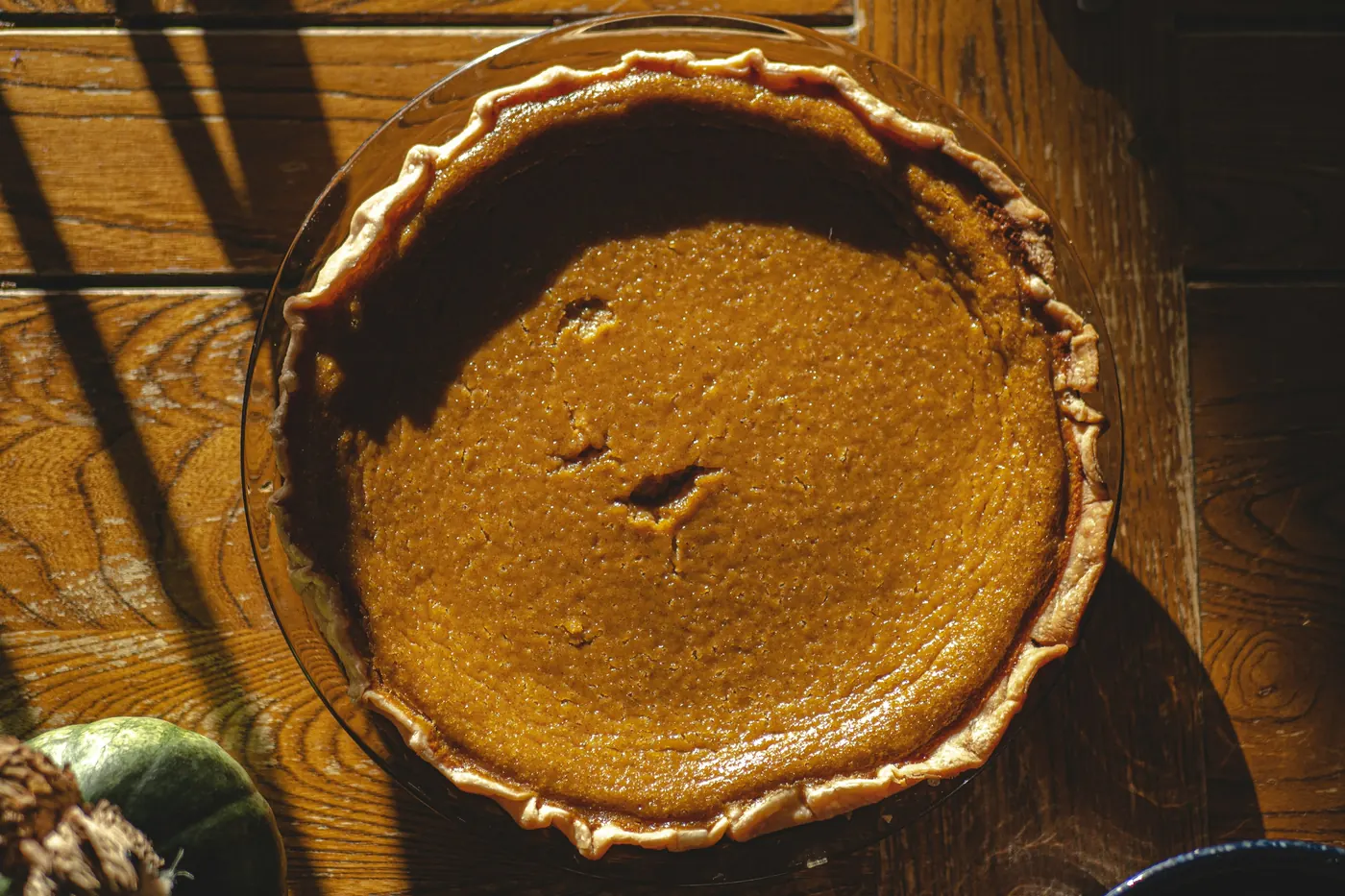
- Custard, cream and pumpkin pies. These need a well-browned bottom. Sugar or rice on parchment, which ATK found browns better than foil.
- Quiche and savory tarts. Beans are fine and the cheapest. Prick the base before the second bake, as King Arthur says.
- Crusts that slump. The upside-down method with two matched metal pans, or chill and freeze longer before baking, as ATK does.
- Gluten-free baking. Rice, beans or sugar; not wheat berries.
- Pennies. ATK lists them too. We have kept to food-grade fillers here, since they are easier to find in quantity and go back into the pantry.
If the rim browns too fast during the second bake, a crust shield helps; our best pie crust shield guide covers those.
Pie weights alternative questions, answered
What can I use instead of pie weights?
Dried beans, uncooked rice or other grain berries, or granulated sugar, on a liner of parchment, foil or a coffee filter, per King Arthur Baking. America’s Test Kitchen lists the same, plus pennies.
How full should I fill the crust?
King Arthur fills the liner about two-thirds full. Push the filler out to the sides so the walls are supported.
Can you eat beans after using them as pie weights?
America’s Test Kitchen cooked beans that had been used as weights and found little difference from unbaked beans: slightly firmer, but creamy, intact and acceptable.
Can I blind bake without any weights?
King Arthur’s upside-down method uses a second identical pie pan in place of weights. ATK also says an unweighted shell tends to bubble and puff, so do not skip both.
Parchment or foil under the filler?
Parchment. America’s Test Kitchen found its permeable structure lets the shell brown, while foil trapped steam and browned the crust unevenly.
Our last word on blind baking without pie weights
You do not need dedicated pie weights to blind bake. A bag of beans does the job for most pies, sugar gives the most even shell, rice and grain berries sit in between, and two matching metal pans fix slumping sides. Line the crust with parchment, fill it two-thirds full and follow King Arthur’s timing. If you blind bake every week, a real set may be worth it; our best pie weights guide compares them.
And if you would rather someone else made dessert, see the menu or call to order.