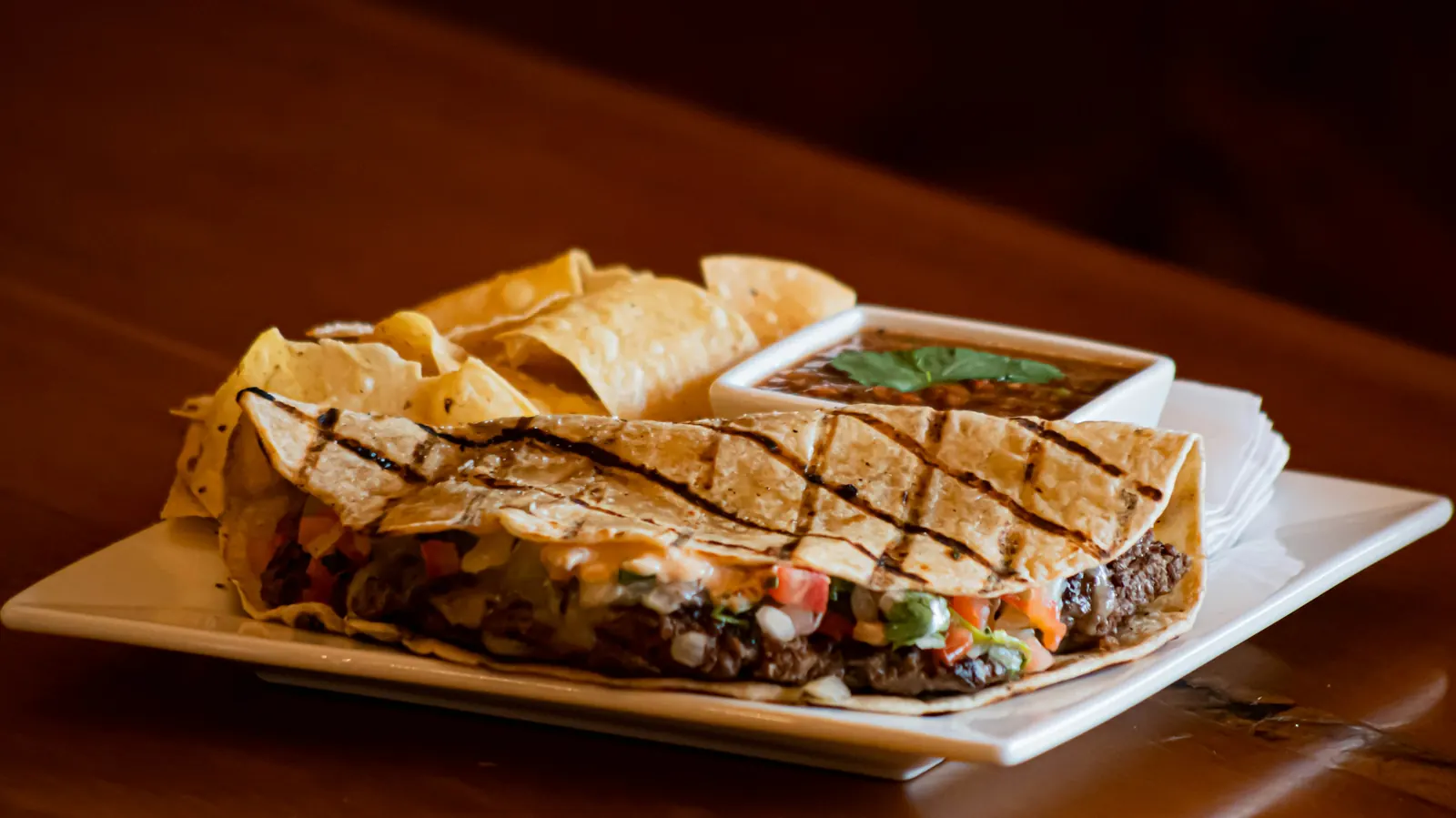
A quesadilla maker does one thing: it closes two hot plates on a tortilla and presses it into sealed wedges. That is handy, but it is not how most quesadillas have ever been made. In a Mexican kitchen the job falls to a comal or a flat-top, a cook folds the tortilla over the cheese, and a spatula does the flipping.
So if you do not want another single-use appliance, or you have run out of cupboard space, you already have good options. This guide covers six quesadilla maker alternatives that genuinely do the job, from a cast iron skillet to a sheet pan in the oven, with what each one does well, where it falls short, and one product from an identifiable maker for each.
Julia’s earns a commission on purchases made through links on this page, at no cost to you. Recommendations are based on what a restaurant kitchen looks for, product specifications and verified buyer reports.
Why people skip the single-use quesadilla maker
The reasons are practical, and they point to different tools.
- It only does one job. Food Network Kitchen, in its quesadilla maker review, describes these machines as “really meant to do just one thing well.” A pan or griddle earns its space with every other meal.
- Thick fillings squeeze out. The same review found that griddle-style tools give you “the flexibility to cook thick or thin quesadillas,” while closed wedge plates press a generous filling out of the sides.
- The plate fixes the tortilla size. A 10-inch wedge plate wants a 10-inch tortilla. A pan takes whatever you have, including small corn tortillas.
- Feeding a crowd. Most quesadilla makers cook one round at a time. A double-burner griddle or a sheet pan in the oven cooks for a table at once.
- You prefer the traditional kind. A folded quesadilla browned on a comal, with no sealed seams, is the version most cooks in Mexico would recognize. Our explainer on what a quesadilla is covers the regional styles.
The honest trade-off, which Food Network Kitchen also points out, is attention: a pan or griddle needs a little more watching than a closed lid. You fold, you flip once, and you judge the color yourself.
Quick verdict: the best quesadilla maker alternative
For most kitchens, the best quesadilla maker alternative is a 10-inch cast iron skillet such as the Victoria 10-inch skillet: it holds steady heat, browns a folded flour tortilla evenly and does a hundred other jobs. If you want something lighter that needs no seasoning, a flat Calphalon 11-inch ceramic nonstick griddle makes flipping easy. For hands-off cooking closest to a quesadilla maker, use a Hamilton Beach panini press. Cooking for six or more? Use an IMUSA double-burner griddle on the stove or the sheet pan method in the oven. With no stove at all, a small Dash 8-inch electric griddle will do.
Five ways to skip the quesadilla maker, side by side
Our five standout alternatives, one per kind of cook, with the details each maker or listing states. All six are reviewed in full below.
| Alternative | Type | Best for | Heat source | Buy on Amazon |
|---|---|---|---|---|

Victoria 10-inch Cast Iron SkilletBest overall
|
Pre-seasoned cast iron skillet | Everyday folded quesadillas | Stovetop | View on Amazon |

Calphalon Premier 11-inch Ceramic Nonstick GriddleEasiest to flip
|
Square stovetop griddle | Low-fuss, no seasoning | Stovetop; oven to 500°F | View on Amazon |

Hamilton Beach Panini Press and Indoor GrillMost hands-off
|
Electric press, floating lid | Close the lid and wait | Plug-in | View on Amazon |

IMUSA 19 x 12-inch Double Burner GriddleBest for a crowd
|
Two-burner flat griddle | Several quesadillas at once | Two stovetop burners | View on Amazon |

USA Pan Half and Quarter Sheet Pan SetBest oven method
|
Nonstick sheet pans | One big batch, no flipping | Oven, up to 450°F | View on Amazon |
How each alternative handles a quesadilla
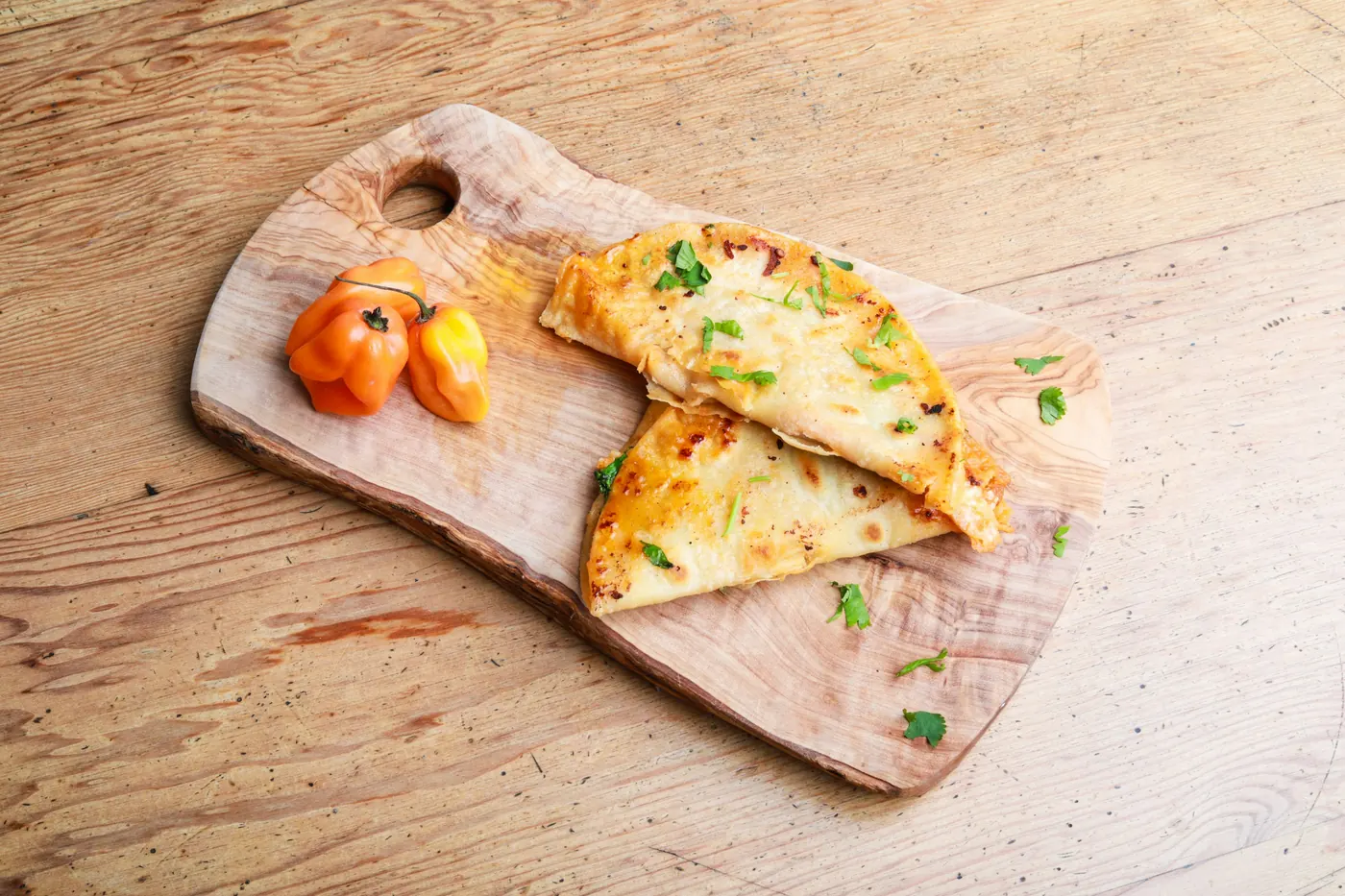
The tools fall into three groups. Stovetop pans (a skillet, a flat griddle pan or a double-burner griddle) cook the quesadilla the way a comal does: one side, a flip, the other side. You control the heat and the color, and there is no limit on how much you fill it. Electric presses and griddles do the same job away from the stove; a press with a lid cooks both sides at once, much like a quesadilla maker without the wedge pattern. The oven trades the crisp, blistered surface of a pan for volume: one sheet pan cooks a whole tray for a table.
None of them seals the edges or cuts wedges for you. Melted cheese holds a folded quesadilla closed, and a knife or pizza wheel does the cutting. If the sealed wedge is the part you love, the quesadilla maker is still the better tool, and our guide to the best quesadilla maker covers the models worth buying.
Our picks for a quesadilla maker alternative
Each pick is a different kind of tool, not six versions of the same pan. Specifications come from each maker’s Amazon listing unless another source is named.
1. Victoria 10-inch Cast Iron Skillet – Steady Heat, Any Size Tortilla
A cast iron skillet is the closest thing to a comal most home kitchens already own, and for quesadillas it is the alternative we would reach for first. Victoria, which says it has made cast iron cookware in its own factories in Colombia since 1939, seasons this 10-inch pan with non-GMO flaxseed oil and makes it without PTFE or PFAS, according to the listing. This edition carries a Day of the Dead “La Catrina” design cast into the bottom; the cooking surface is plain seasoned iron.
Ten inches suits a folded 8- to 10-inch flour tortilla or two small corn tortillas side by side. Heat the pan over medium, lay in the tortilla, scatter cheese on one half, fold when it starts to melt and turn once. Cast iron holds its heat, so the second side browns as evenly as the first, and there is no lid to squeeze a generous filling out. The listing notes a thicker edge, a deep vessel and pour spouts on both sides.
The trade-offs are weight, a slower preheat and care. Victoria says the pan should never be air-dried or put in a dishwasher, so wash it, dry it at once and wipe on a little oil. For more on how a skillet compares with a flat comal for tortillas, see our comal vs cast iron skillet guide.
Why we like it
- Seasoned with flaxseed oil; no PTFE or PFAS, per the listing
- Holds steady heat for even browning on both sides
- No limit on filling thickness or tortilla type
- Made in Colombia by a long-established maker
Key specifications
| Model | SKL-050E |
|---|---|
| Type | Skillet with long handle and two pour spouts |
| Cooking surface | 10-inch skillet |
| Material | Cast iron, flaxseed-oil seasoning |
| Heat source | Stovetop; “stove to table” per listing |
| Quesadillas at once | One folded, or two small corn |
| Cleaning | Hand wash, dry at once; never dishwasher or air-dry |
| Made in | Colombia |
Why we recommend it
It suits anyone who wants one pan for quesadillas, eggs, fajita vegetables and cornbread, and who likes deciding exactly how dark the tortilla gets.
Skip it if you want to press a lid and walk away, or if a heavy pan that needs drying and oiling after each wash will put you off using it.
Pros and cons
Pros
- Even, steady heat
- Any tortilla size up to the pan
- Useful for many other dishes
Cons
- Heavy, with a slow preheat
- Needs hand washing and oiling
- One quesadilla at a time
2. Calphalon Premier 11-inch Ceramic Nonstick Griddle – Easy Flips, No Seasoning
A low-sided square griddle pan is a comal with a handle, and the flat edges make it easy to slide a spatula under a folded quesadilla and turn it without tearing. Calphalon builds this 11-inch griddle from hard-anodized aluminum, which the listing says eliminates hot spots, and coats it with a ceramic nonstick made without PFAS.
That combination makes it the gentlest alternative to learn on. The surface releases cheese that has leaked out of the fold, it heats faster than cast iron, and there is no seasoning to keep up. The square shape fits a folded large flour tortilla with room to spare, or two folded small ones.
Calphalon lists the griddle as oven safe to 500°F and as metal-utensil safe, with scratch-resistant interiors. It is dishwasher safe, but the listing recommends hand washing, which is the better habit for any coated pan.
Why we like it
- Flat, low sides for easy flipping
- Ceramic nonstick made without PFAS, per the listing
- Hard-anodized aluminum heats evenly, per Calphalon
- Oven safe to 500°F
Key specifications
| Model | 2199749 |
|---|---|
| Type | Square stovetop griddle pan |
| Cooking surface | 11-inch square |
| Material | Hard-anodized aluminum, ceramic nonstick |
| Heat source | Stovetop; oven safe to 500°F |
| Quesadillas at once | One large folded, or two small |
| Cleaning | Dishwasher safe; hand washing recommended |
| Made in | Not stated |
Why we recommend it
It suits cooks who want quesadillas, pancakes and grilled cheese from a light pan that releases easily and goes back in the cupboard without fuss.
Skip it if you like very high heat and dark char on the tortilla; a coated pan is happiest at moderate heat, and cast iron does that job better.
Pros and cons
Pros
- Easy release and cleanup
- Lighter and quicker to heat than iron
- No seasoning to maintain
Cons
- A coating will wear in time
- Induction compatibility not stated on the listing
3. Hamilton Beach Panini Press and Indoor Grill – Both Sides at Once
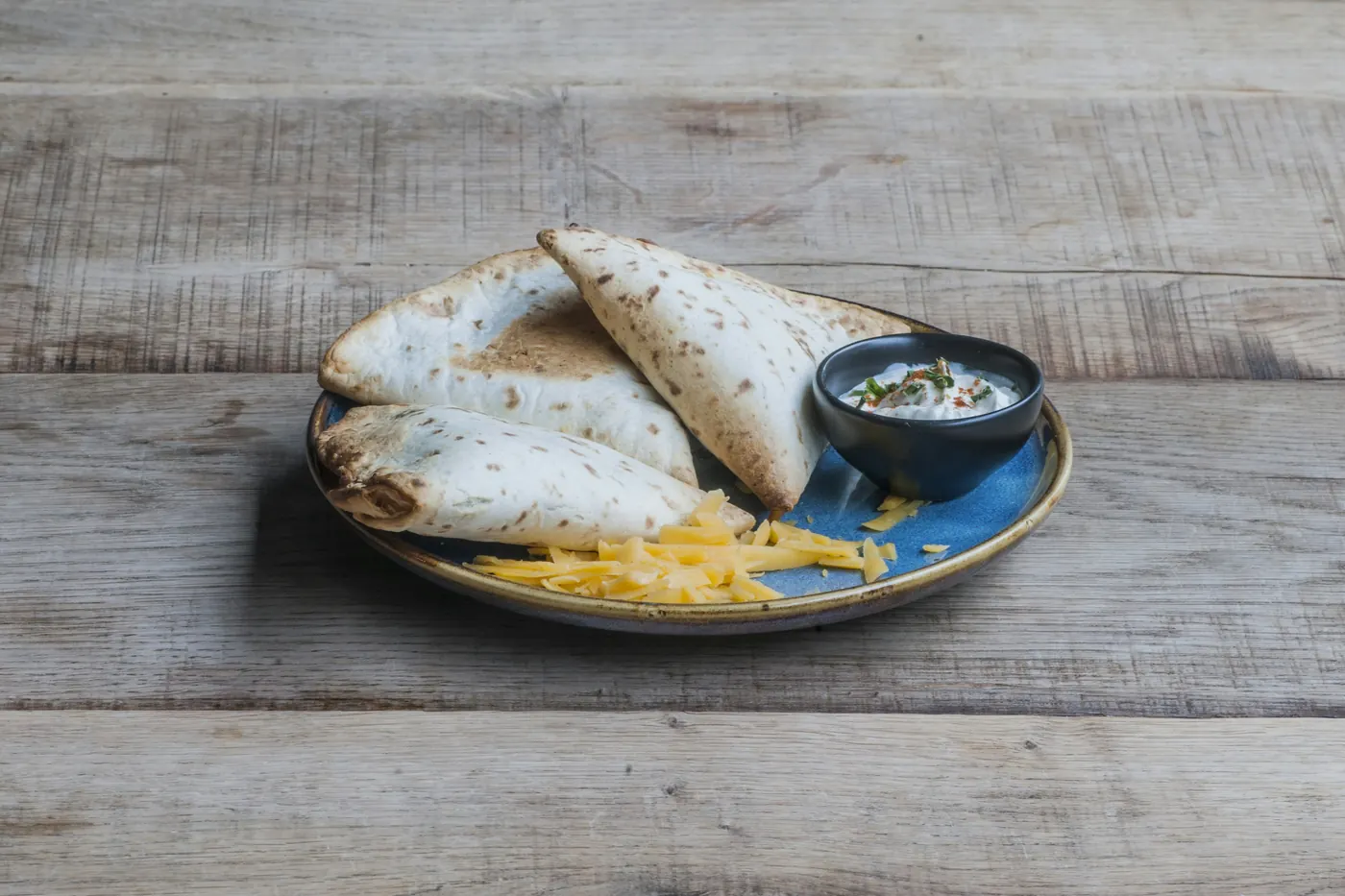
If what you like about a quesadilla maker is closing the lid and waiting, a panini press gives you the same habit without the wedge plate. Hamilton Beach’s 25442 has a 70-square-inch cooking surface that, according to the listing, fits two thick sandwiches or one long one, and a floating lid that presses food evenly so you can “pile sandwiches high.” For quesadillas, that means a folded large flour tortilla or two folded small ones, with room for a thicker filling than a fixed-hinge maker allows.
Power and preheat lights show when it is ready. The PFAS-free ceramic nonstick plates wipe clean with a damp cloth once cool, a slide-out drip tray goes in the dishwasher, and a lid latch lets it store upright. Hamilton Beach backs it with a one-year limited warranty.
Two limits are worth knowing. The plates are fixed, so cleaning means wiping rather than washing, and the listing calls them grids, which suggests a ridged grill surface: expect grill stripes rather than the even golden surface a flat pan gives. If you want a press that opens into a full flat griddle as well, our quesadilla maker vs panini press comparison covers a larger option.
Why we like it
- Floating lid handles thick fillings
- Cooks both sides at once, no flipping
- Stores upright with a lid latch
- One-year limited warranty
Key specifications
| Model | 25442 |
|---|---|
| Type | Electric panini press and contact grill |
| Cooking surface | 70 sq in |
| Material | PFAS-free ceramic nonstick plates |
| Heat source | Plug-in; power and ready lights |
| Quesadillas at once | One or two folded |
| Cleaning | Wipe plates; drip tray dishwasher safe |
| Made in | Not stated |
Why we recommend it
It suits households that want the set-and-wait ease of a quesadilla maker plus pressed tortas, grilled cheese and burgers from the same small appliance.
Skip it if you want sealed wedges or a flat, evenly golden tortilla; this press gives grill marks and needs you to cut the quesadilla yourself.
Pros and cons
Pros
- No flipping or watching the color
- Room for generous fillings
- Compact upright storage
Cons
- Fixed plates, wipe-clean only
- No temperature control stated
- Grill stripes rather than even browning
4. IMUSA 19 x 12-inch Double Burner Griddle – Quesadillas for the Whole Table
A quesadilla maker that cooks one round at a time is slow when six people are waiting. A griddle that spans two burners turns the stovetop into a small flat-top, the way a restaurant line cooks them. IMUSA’s 19 by 12-inch griddle is aluminum with a black ceramic nonstick coating, and the listing names warming tortillas, making quesadillas and fajitas among its uses.
On a surface this size you can cook three or four folded quesadillas at once, keep a few tortillas warming at the cooler ends, and flip them as they color. The cool-touch handles on both sides make it easier to move off the heat. IMUSA recommends low heat for even cooking and easy release, which matches what a coated aluminum pan wants.
The catch is the burners. Two burners rarely heat exactly alike, so the middle and the ends can brown at different speeds; move quesadillas around the surface as you would on a comal. The listing does not say whether the griddle works on induction or glass tops, so check that against your stove before buying.
Why we like it
- Large 19 x 12-inch cooking surface
- Listed for quesadillas, tortillas and fajitas
- Cool-touch handles on both sides
- Light aluminum body heats quickly
Key specifications
| Model | IMU-1835 |
|---|---|
| Type | Double-burner flat griddle |
| Cooking surface | 19 x 12 in |
| Material | Aluminum, black ceramic nonstick |
| Heat source | Two stovetop burners; low heat recommended |
| Quesadillas at once | Three or four folded |
| Cleaning | Not stated on listing |
| Made in | Not stated |
Why we recommend it
It suits families and anyone hosting taco or quesadilla night who wants to cook a batch at once on the stove they already have.
Skip it if your stove has small or mismatched burners, or if you cook for one or two; a skillet is simpler and easier to store.
Pros and cons
Pros
- Several quesadillas at once
- Doubles as a tortilla warmer and pancake griddle
- Nonstick, light to handle
Cons
- Uneven heat across two burners
- Low heat only, per IMUSA
- Large to store
5. USA Pan Half and Quarter Sheet Pan Set – A Tray of Quesadillas in the Oven
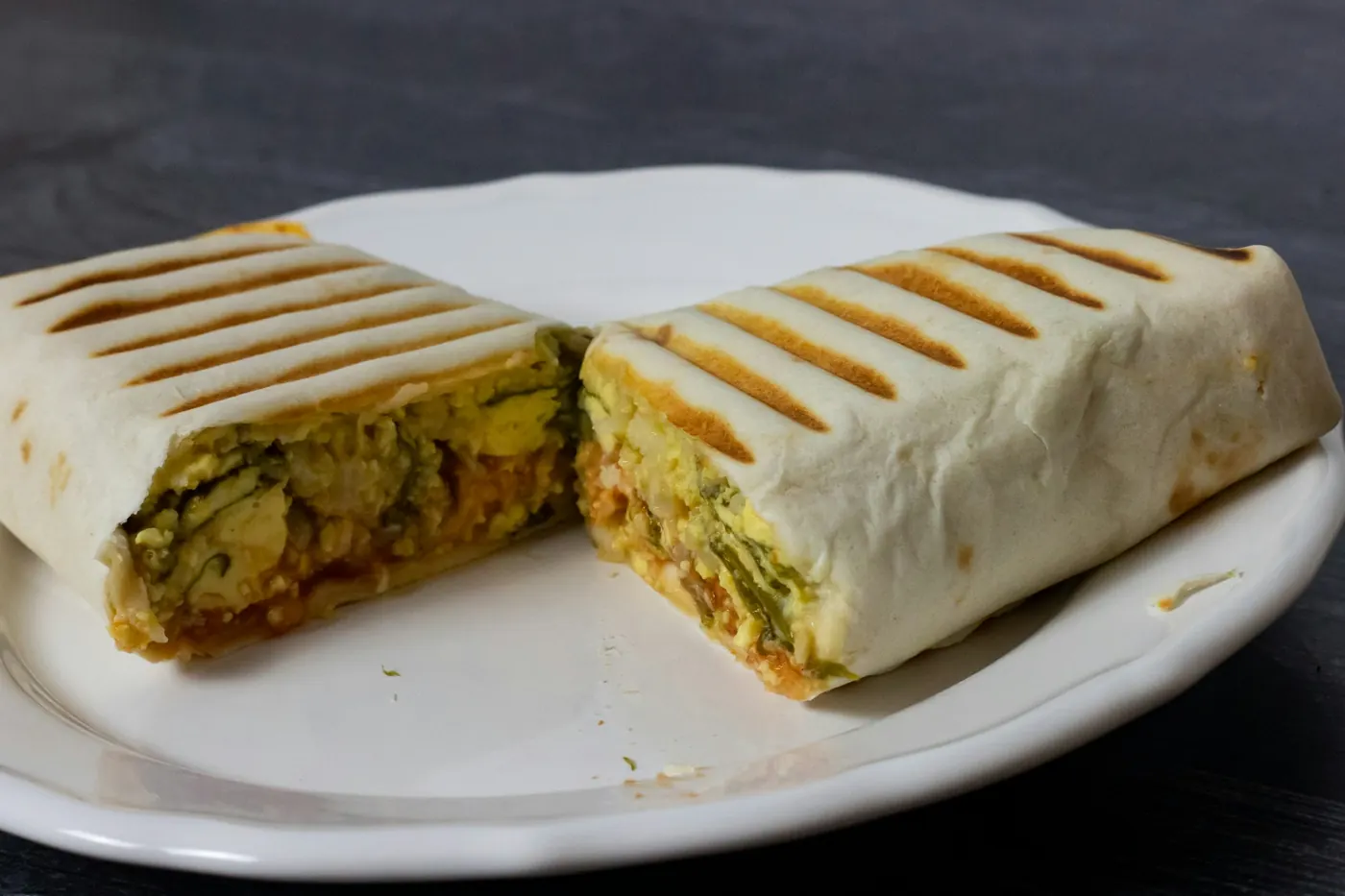
The oven is the quesadilla maker alternative nobody thinks of until they have a crowd. Tasting Table’s sheet-pan quesadilla recipe, developed by Jaime Shelbert, lines a baking sheet with overlapping flour tortillas, layers the filling, folds the edges in to form an envelope and sets a second sheet pan on top “to prevent the quesadilla from coming undone.” It bakes at 425°F for 20 minutes with the top pan on, then 5 minutes uncovered, and is cut into squares. One pan, no flipping, and everyone eats at once.
That method needs two pans, and USA Pan’s set supplies them: a 17.75 by 13-inch half sheet and a 13 by 9-inch quarter sheet that sits inside it as the weight. Both are heavy-gauge aluminized steel with a ridged surface that USA Pan says adds strength and helps air circulate, finished with its silicone release coating. The maker states that coating, Americoat, is free of PTFE, PFOA, PFOS, PFAS, BPA and lead.
Mind the maker’s limits. USA Pan says not to exceed 450°F, which leaves the 425°F recipe comfortably inside, not to use cooking sprays because they can stain, and not to scrape with sharp metal utensils. Cut the quesadilla on a board rather than in the pan. Expect a softer, more uniformly golden result than a skillet gives.
Why we like it
- Two sizes, so one pan can weight the other
- Silicone coating free of PTFE and PFAS, per USA Pan
- Feeds a table in one bake
- Made in the USA, per the listing
Key specifications
| Model | 1370ST-6 |
|---|---|
| Type | Half and quarter sheet pans, set of 2 |
| Cooking surface | 17.75 x 13 in and 13 x 9 in |
| Material | Aluminized steel, silicone release coating |
| Heat source | Oven, up to 450°F per USA Pan |
| Quesadillas at once | One tray-size quesadilla, cut into squares |
| Cleaning | Gentle hand washing; no cooking sprays |
| Made in | USA |
Why we recommend it
It suits parties, game days and busy weeknights when you would rather bake one big quesadilla than stand at the stove flipping eight small ones.
Skip it if you want a crisp, blistered, comal-style tortilla; the oven method gives a softer, evenly baked result.
Pros and cons
Pros
- Largest batch on this page
- Hands-off once in the oven
- Pans are useful for all baking
Cons
- Slowest method here
- Less crisp than a pan
- No sprays or sharp metal on the coating
6. Dash Express 8-inch Electric Griddle – For Kitchens Without a Stove

For a dorm room, an office kitchen or an RV with no burner to spare, a small plug-in griddle does the job of a comal. Dash’s Express griddle has an 8-inch round nonstick surface, an indicator light that shows when it is ready, and non-slip feet, according to the listing. Dash pitches it for pancakes and eggs, and it works for quesadillas the same way a pan does: lay in a tortilla, add cheese to one half, fold and turn once.
Eight inches is the honest limit. It suits a folded 8-inch flour tortilla or a single 6-inch corn tortilla laid flat with a second on top, not a large burrito-size tortilla. There is no lid and no temperature dial listed, so you cook it like a pan and watch the color.
Its strengths are size and simplicity: it is light, it stores in a drawer, and the nonstick surface wipes clean. This is the same Express griddle model Dash sells in other colors; we chose this red listing because it was in stock and sold by Amazon when we checked.
Why we like it
- Plug-in, so no stove needed
- Indicator light shows when it is ready
- Nonstick surface, simple cleanup
- Small enough for a dorm or RV
Key specifications
| Model | DMG8100RD |
|---|---|
| Type | Round electric griddle, no lid |
| Cooking surface | 8-inch round |
| Material | Nonstick coating (type not stated) |
| Heat source | Plug-in; ready light |
| Quesadillas at once | One small |
| Cleaning | Wipe the nonstick surface |
| Made in | Not stated |
Why we recommend it
It suits students and small spaces where a stove is not available, and anyone who mostly makes one small quesadilla for themselves.
Skip it if you use large flour tortillas or cook for more than one; the 8-inch plate is the limit.
Pros and cons
Pros
- Works anywhere with an outlet
- Light and easy to store
- Also handles eggs and pancakes
Cons
- 8-inch surface only
- No temperature control stated
- Coating type and wattage not stated
Making quesadillas without a quesadilla maker: technique that works on any of them
The tool matters less than a few habits a restaurant line relies on.
- Preheat properly. Medium heat on a pan, or the ready light on an electric tool. A tortilla on a half-hot surface dries out before the cheese melts.
- Fold rather than stack. On a pan, a single tortilla folded over the filling is far easier to flip than two stacked rounds.
- Shred the cheese. Shredded Oaxaca, Chihuahua or Monterey Jack melts faster and more evenly than slices.
- Keep wet fillings moderate. Drain beans and juicy meats, and serve salsa on the side, so the tortilla stays crisp.
- Turn once. Flip when the underside is golden and the cheese has started to melt, then press lightly with the spatula.
- Rest a minute before cutting. The cheese sets slightly and the pieces hold together.
A cast iron press or a second, smaller pan set on top works on a skillet or griddle the way a panini press lid does, if you want a flatter, crisper result.
How we chose these alternatives
We started from what a quesadilla needs: steady heat on both sides, room for the filling and a way to turn it. We chose one tool per approach (a skillet, a flat griddle pan, a double-burner griddle, a panini press, a sheet pan and a small electric griddle) rather than several versions of the same thing, and left out any tool we could not show really makes a quesadilla. Each product comes from an identifiable maker, was in stock and sold new on Amazon when we checked, and is not repeated from our quesadilla maker guide. Specifications come from the makers’ Amazon listings and, for USA Pan, the maker’s own care page. For how griddles and closed makers compare we relied on Food Network Kitchen’s quesadilla maker review, and for the oven method on Tasting Table’s sheet-pan quesadilla recipe. We have not cooked on these products ourselves.
Quesadilla maker alternative questions, answered
What can I use instead of a quesadilla maker?
A skillet, a flat griddle pan or a comal works best for most people. A panini press gives the same close-the-lid convenience, a double-burner griddle or a sheet pan in the oven feeds a crowd, and a small electric griddle covers kitchens without a stove.
Can you make quesadillas in the oven?
Yes. Tasting Table’s sheet-pan method bakes a tray-size quesadilla at 425°F, weighted with a second sheet pan for 20 minutes and then uncovered for 5. It is less crisp than a pan but feeds a table at once.
Is a skillet better than a quesadilla maker?
For flexibility, yes: it takes any tortilla size and any amount of filling, and Food Network Kitchen notes that griddle-style tools handle thick or thin quesadillas. A quesadilla maker is better only if you want sealed, pre-cut wedges with no flipping.
Can a panini press make quesadillas?
Yes. Fold a tortilla over the filling, close the lid and let both plates brown it at once. A floating lid helps with thick fillings, and ridged plates leave grill stripes. Our panini grill guide covers more presses.
Do I need oil to make a quesadilla in a pan?
Not on a nonstick or well-seasoned pan. A light brush of oil or butter on the outside of the tortilla gives a crisper, more golden finish if you want it.
Our final word on skipping the quesadilla maker
Most kitchens do not need a quesadilla maker at all. A 10-inch cast iron skillet like the Victoria makes a better-browned, more generously filled quesadilla and does every other job in the kitchen. Choose the Calphalon griddle if you want easy release, the Hamilton Beach press if you want to close a lid and wait, and the IMUSA griddle or a pair of sheet pans when you are feeding a crowd. If you still want sealed wedges, see the best quesadilla maker, and for the rest of the spread, our taco bar supplies guide covers the kit.
And if you would rather someone else made the quesadillas tonight, see our menu or call to order.