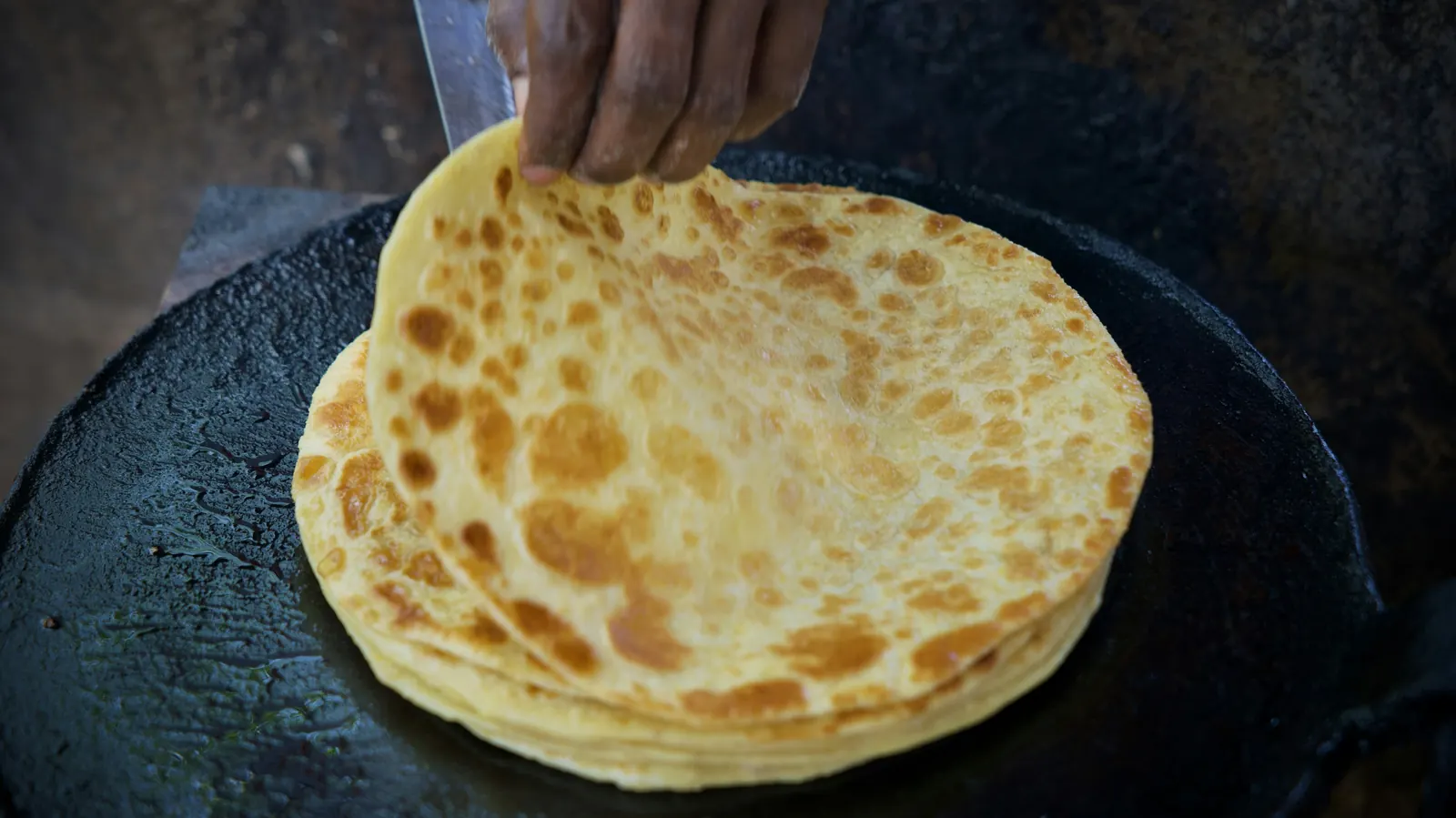
Most kitchens already have a cast iron skillet, so the question comes up as soon as someone starts making tortillas at home: do you really need a comal as well? Both are heavy, black, pre-seasoned iron. Both go on any stove. The difference is the shape. A comal is a flat disc with almost no rim, built to cook tortillas, toast chiles and blister tomatoes. A skillet is a frying pan with two-inch walls, built to hold fat, sauce and anything that would run off a flat surface.
That one difference decides which tool does which job better. This guide puts a Lodge round cast iron griddle, the comal we recommend in our guide to the best comal for tortillas, next to Lodge’s classic 10.25-inch skillet, explains what changes when the sides go up, and helps you decide whether you need one, the other or both.
Julia’s earns a commission on purchases made through links on this page, at no cost to you. Recommendations are based on what a Mexican kitchen looks for in a comal and a skillet, the maker’s own specifications and published guidance, which we name.
Quick verdict: comal, skillet or both?
Buy a comal such as the Lodge 10.5-inch round cast iron griddle if you make or warm tortillas more than once a week: the whole surface is flat and open, so tortillas lie flat, flip easily and slide off. Keep or buy a cast iron skillet such as the Lodge 10.25-inch if you mostly fry, sear, simmer sauces or cook rice and beans, and only warm tortillas now and then. If you cook Mexican food often, own both: they cost little, last for decades and do different jobs.
The rest of this page explains why, difference by difference.
Comal vs cast iron skillet: the two side by side
Both pans come from the same maker, the same foundry and the same material, which makes the comparison a fair one. The figures below are Lodge’s own.
| Comal (Lodge 10.5-inch round griddle) | Cast iron skillet (Lodge 10.25-inch) | |
|---|---|---|
| Shape | Flat disc, very low rim | Frying pan with sloped sides |
| Height | About 0.7 inch (Lodge drawing) | 2 inches |
| Flat cooking area | Almost the whole 10.5-inch disc | 8-inch flat bottom |
| Weight | 4.65 lb | 5.66 lb |
| Handles | One long handle | Long handle plus an assist handle |
| Holds oil or sauce | A thin film only | Yes |
| Seasoning | Vegetable oil, pre-seasoned | Vegetable oil, pre-seasoned |
| Heat sources | Any stovetop including induction; oven, grill, campfire | Any stovetop including induction; oven, grill, campfire |
| Made in | USA | USA |
Shape: why the sides matter for tortillas
A comal is defined by what it lacks. Masienda, the heirloom-corn company that also sells comales, describes it as a flat, round griddle and traces the name to the Nahuatl word comalli. With no walls in the way, every inch of the surface is cooking surface, and you can reach any part of it from any angle.
That matters more than it sounds. Tortillas are turned two or three times each, often with bare fingertips, and the quickest way to do that is to slide a fingertip under the edge and flip. On the Lodge griddle, which stands well under an inch tall, your hand comes in flat and low. In a skillet, the two-inch wall is between your hand and the tortilla, so you reach down and over it, and a thin spatula has to work against the slope.
The flat area is the other half of it. Lodge gives the 10.25-inch skillet an 8-inch flat bottom; the rest of the width is the sloping wall. A corn tortilla for tacos, usually five to six inches across, fits on that flat bottom with room to spare. An eight- to ten-inch flour tortilla does not: its edge rides up the side, stays cooler than the middle and comes off unevenly cooked. On a 10.5-inch comal the same tortilla lies flat from edge to edge.
Heat: same iron, slightly different behavior
Because both pans are Lodge cast iron, they share the material’s strengths and habits. Cast iron heats slowly and holds heat well, which is exactly what you want when cold tortillas keep landing on a hot surface. Masienda puts the wait at about ten minutes for cast iron to heat evenly, and Lodge advises preheating gradually rather than putting a cold pan straight onto a high flame.
The difference is where the heat goes. On a comal, the hot surface is all exposed, so moisture from a tortilla escapes straight into the air and the surface stays dry. That dry heat is what puffs a tortilla and puts the brown spots on it. A skillet’s walls hold a little of that steam and heat around the food, which is useful when you want a sauce to reduce or a piece of meat to cook through, and less useful when you want a tortilla to toast.
Weight follows shape. The griddle weighs 4.65 pounds and the skillet 5.66, according to Lodge, so the comal is about a pound lighter to lift off the burner, to hang on a hook and to move to the table.
What each one cooks best
Jobs for the comal
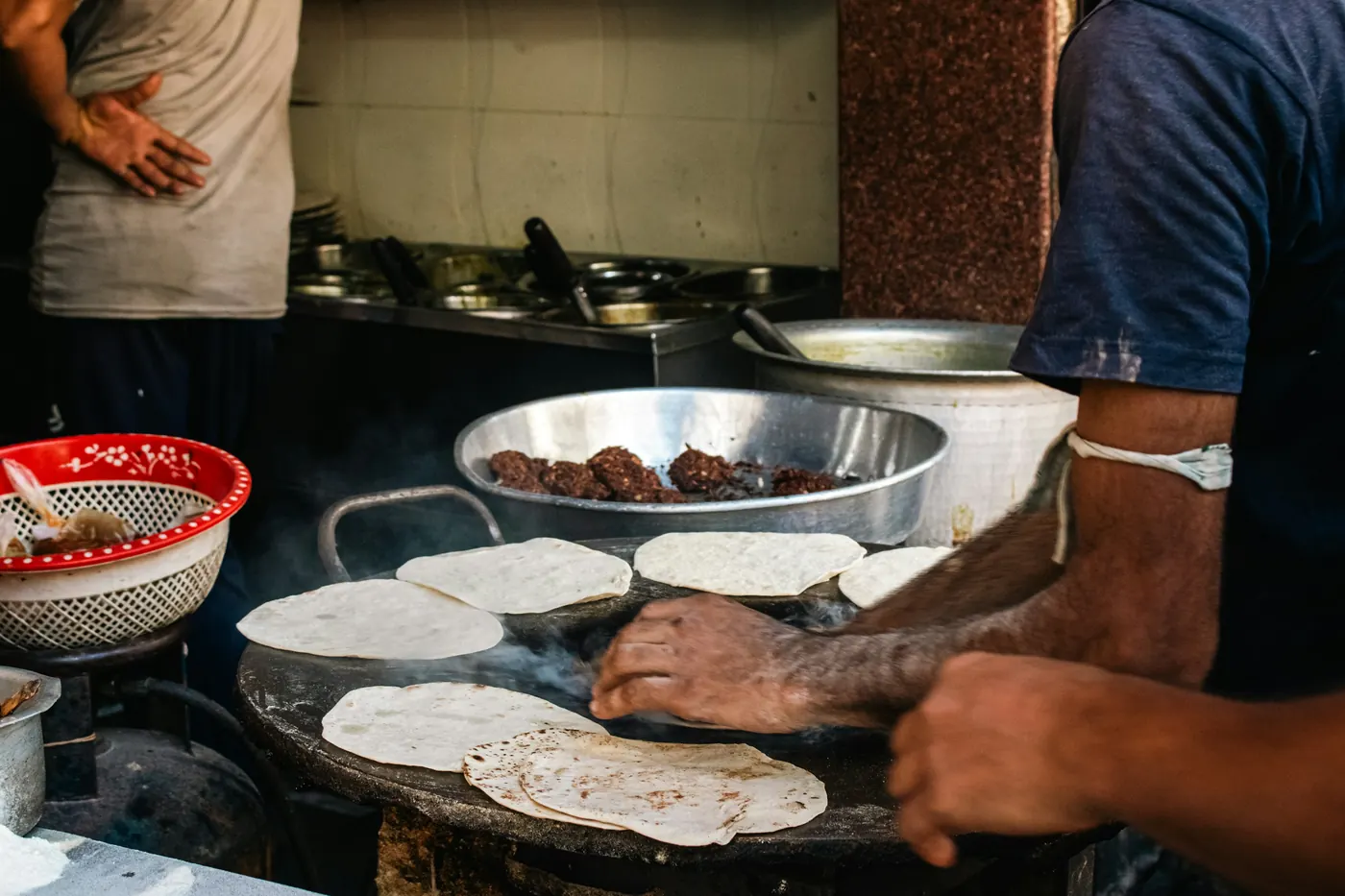
Tortillas, first: cooking fresh ones from masa and bringing store-bought ones back to life. After that, the dry jobs that sit behind many salsas. Dried chiles go on a hot comal for a few seconds a side to wake up their flavor before soaking. Tomatoes, tomatillos, onions and garlic go on whole to blister and char for salsa roja or salsa verde. Whole cumin, coriander and sesame seeds toast on it in a minute. Quesadillas cook on it with little or no oil, and the flat surface makes them easy to slide onto a plate. Our guide to Mexican cooking methods explains where dry-roasting on a comal fits among the other techniques.
Jobs for the skillet
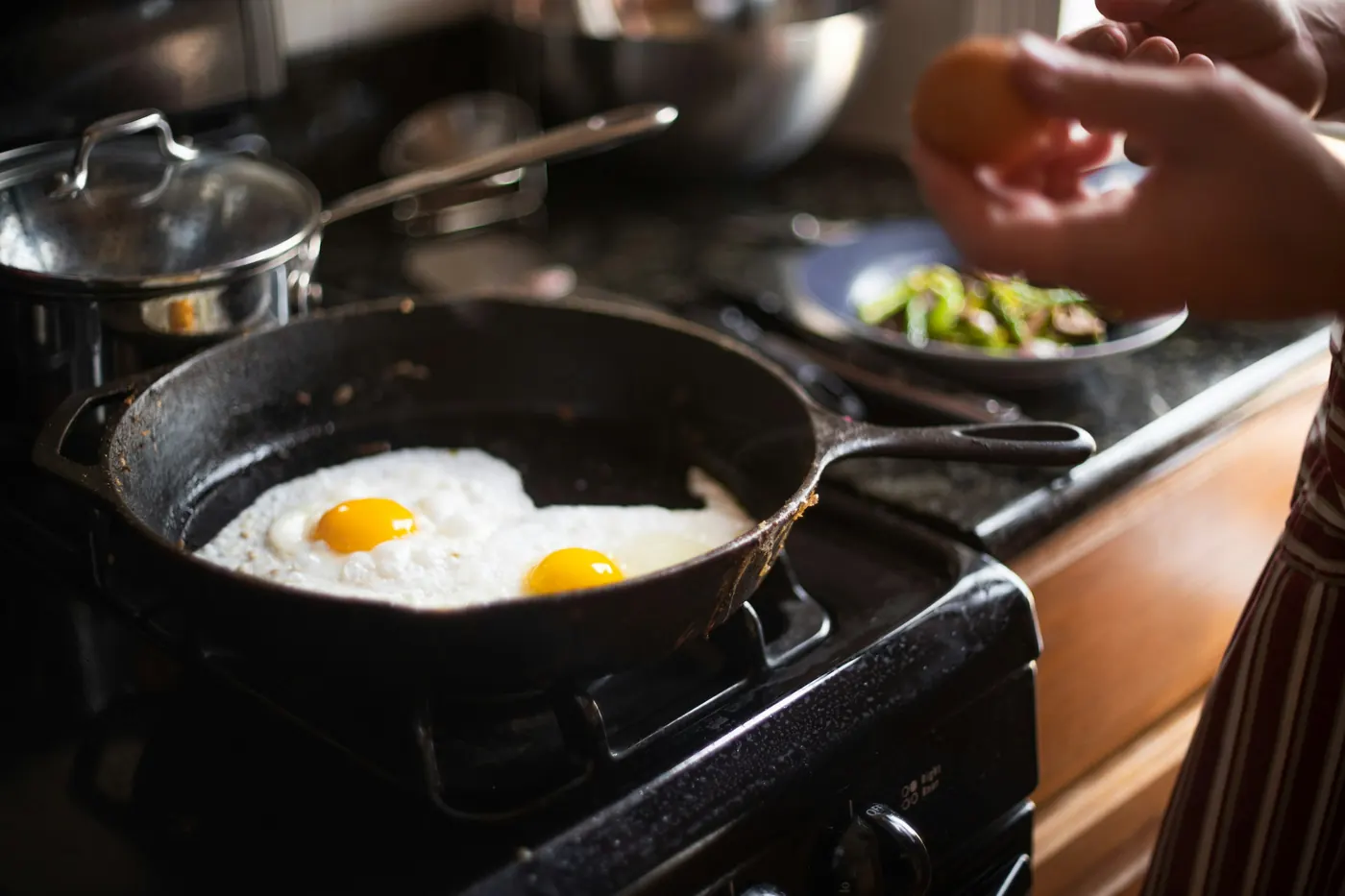
Anything with fat or liquid. Lodge’s listing calls the skillet a frying pan “perfect for eggs, meats, and more”, and its walls are what make that possible. Huevos rancheros, chorizo and potatoes, fajita meat and peppers, picadillo, Mexican rice that has to be toasted in oil and then simmered, refried beans mashed in their own lard, and chilaquiles where the chips go into the sauce: all of these need sides. The skillet also handles shallow-frying tostadas or taquitos in half an inch of oil, which no comal can do safely.
Lodge’s own care guide adds one caution: hold off on tomato- or lemon-heavy dishes until you have built up the seasoning, because long-simmered acidic food is hard on a young surface. A comal rarely meets that problem, since tomatoes are charred dry on it rather than simmered.
Where they overlap
Plenty of jobs work on either. Both will warm a stack of corn tortillas, toast chiles, char a few tomatoes or crisp a quesadilla. Both can go into the oven, onto a grill or over a campfire, according to Lodge. If you only cook Mexican food occasionally, a skillet already on your stove will cover most of what a comal does, just a little less conveniently.
Handling, storage and care
The Lodge griddle has one long handle; the skillet has a long handle plus a small assist handle on the far side, which helps when you lift a heavier pan full of food with two hands. Both pans hang from a hook, but the comal is the easier one to store in a narrow space: at well under an inch tall it slides behind other pans or stands on its edge.
Care is identical, because the material is identical. Lodge’s instructions are the same for both: hand wash (warm, soapy water is fine, according to Lodge’s cleaning guide), dry straight away, and wipe on a light layer of oil before storing. Neither pan has a synthetic coating; Lodge describes both as seasoned with vegetable oil and lists both as PFAS-free on Amazon. A comal used mostly for dry cooking tends to need less scrubbing, simply because there is no sauce or fat to clean off.
Choose a comal if… / Choose a cast iron skillet if…
Choose a comal if…
- You make tortillas from masa, or warm store-bought ones several times a week.
- You use flour tortillas eight inches or wider.
- You like to flip tortillas by hand rather than with tongs.
- You toast chiles and char tomatoes for salsa regularly.
- You want a lighter pan that is easy to hang or tuck away.
Choose a cast iron skillet if…
- You fry, sear or sauté more than you warm tortillas.
- You cook rice, beans, chilaquiles or anything with a sauce.
- You shallow-fry tostadas, taquitos or chiles rellenos.
- You want one pan that can also bake cornbread or a frittata in the oven.
- You only reheat a few small corn tortillas now and then.
If both lists describe you, that is the honest answer: most Mexican home kitchens end up with both, with the comal on the front burner for tortillas and the skillet beside it for the filling.
Our pick on each side
These are the two pans we would buy if you have decided which way to go. They come from the same Tennessee foundry, so the difference between them really is the shape. Our guide to the best comal for tortillas reviews more comales, from a 12-inch cast iron griddle to carbon steel and electric options.
1. Lodge 10.5-inch Round Cast Iron Griddle – A Flat Comal That Works on Any Stove
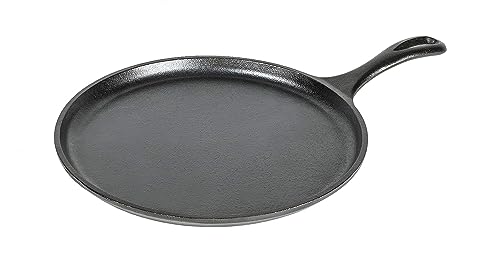
This is the comal we recommend for most home kitchens, and it is the natural partner for a skillet you may already own. It is a flat, round cast iron disc, 10.5 inches across, with a low rim and one long handle. Lodge’s own drawing puts the pan at well under an inch tall, so the whole surface is open: a large flour tortilla lies flat on it, and two small corn tortillas fit side by side.
Lodge seasons it with vegetable oil at the foundry, so it is ready to use after a rinse and dry, and rates it for any stovetop including induction, plus the oven, a grill or a campfire. On a glass or induction cooktop, lift it rather than sliding it. Give it time to preheat over medium-low, then turn it up; a drop of water that skitters and disappears within a couple of seconds tells you it is ready for the first tortilla.
At 4.65 pounds, according to Lodge, it is about a pound lighter than the 10.25-inch skillet. Care is the usual cast iron routine: hand wash, dry it straight away and wipe on a thin coat of oil. The Amazon listing describes it as free from PFOA, PTFE and PFAS, and lists a lifetime limited warranty.
Why we like it
- Flat, open surface with a very low rim
- Pre-seasoned with vegetable oil, ready to use
- Rated for any stovetop including induction, plus oven, grill and campfire
- Lighter than a comparable skillet, at 4.65 lb
- Made in the USA
Key specifications
| Model | L9OG3 |
|---|---|
| Material | Cast iron |
| Size | 10.5-inch round, about 0.7 inch tall; one long handle |
| Weight | 4.65 lb (Lodge) |
| Seasoning | Pre-seasoned with vegetable oil |
| Heat sources | Any stovetop, including induction; oven, grill, campfire |
| Made in | USA |
| Care | Hand wash, dry, then oil |
Why we recommend it
Choose it if tortillas are a regular part of your week. It does the job a comal exists for, cooking flat breads on a dry, open surface, and it handles chiles, tomatoes and quesadillas just as well. It is the same cast iron as the skillet, so nothing about its care will be new.
Skip it if you rarely make tortillas and already own a flat-bottomed skillet: for a few small corn tortillas a week, the skillet will do.
Pros and cons
Pros
- Whole surface is usable
- Easy to flip tortillas by hand
- Works on every stove
- Lighter than the skillet
Cons
- Cannot hold oil or sauce
- Needs a slow preheat
- One large tortilla at a time
2. Lodge 10.25-inch Cast Iron Skillet – The Everyday Frying Pan

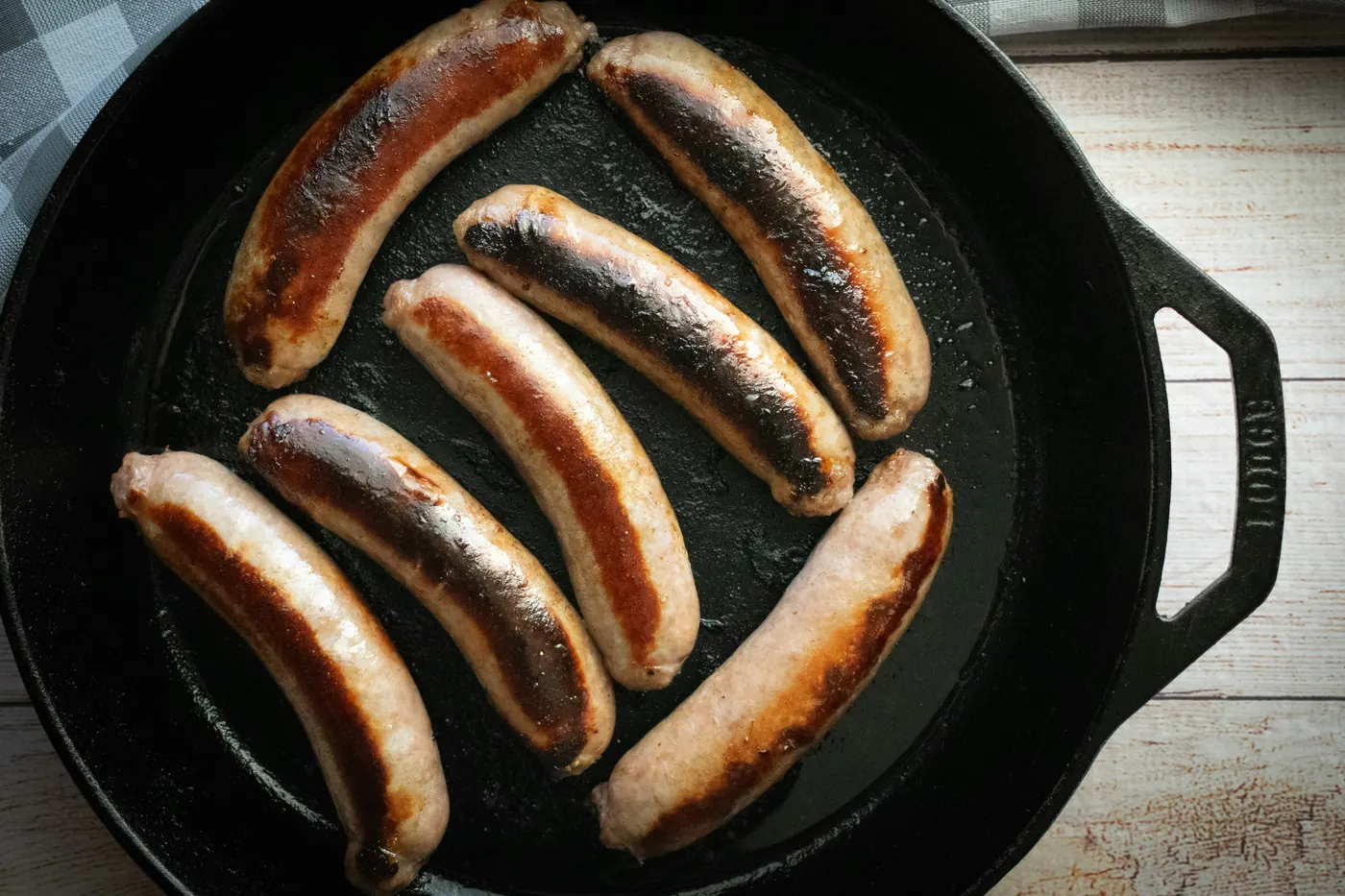
Lodge’s 10.25-inch skillet is the classic American cast iron pan, and the size most people mean when they say “a cast iron skillet”. Lodge lists it at 2 inches tall with an 8-inch flat bottom and an overall length of about 16 inches, and it has a long handle with a small assist handle opposite, which helps when you lift it full of food.
It is pre-seasoned with vegetable oil and, according to Lodge, works on any stovetop including induction, as well as in the oven, on a grill or over a campfire. The Amazon listing describes the finish as naturally nonstick and improving with use, and the pan as made in the USA. Lodge gives the weight as 5.66 pounds.
In a Mexican kitchen it is the pan for everything wet or fatty: toasting rice before it simmers, frying chorizo, searing fajita meat, mashing refried beans and finishing chilaquiles in sauce. It will also warm corn tortillas on its flat bottom, though a large flour tortilla will ride up the sides. Care matches the comal: hand wash, dry, oil lightly, and go easy on long-simmered tomato sauces until the seasoning has built up, as Lodge advises.
Why we like it
- Two-inch walls for frying, searing and sauces
- Pre-seasoned with vegetable oil, ready to use
- Long handle plus an assist handle
- Rated for any stovetop including induction, plus oven, grill and campfire
- Made in the USA
Key specifications
| Model | L8SK3 |
|---|---|
| Material | Cast iron |
| Size | 10.25-inch, 2 inches tall, 8-inch flat bottom; long and assist handles |
| Weight | 5.66 lb (Lodge) |
| Seasoning | Pre-seasoned with vegetable oil |
| Heat sources | Any stovetop, including induction; oven, grill, campfire |
| Made in | USA |
| Care | Hand wash, dry, then oil |
Why we recommend it
Choose it if you want one pan that covers the most ground: frying, searing, simmering, oven baking and the occasional batch of warmed corn tortillas. It is the pan that cooks the filling while the comal cooks the tortilla.
Skip it if your main job is tortillas, especially flour ones: the sloped walls and 8-inch flat bottom get in the way of a large tortilla and of flipping by hand.
Pros and cons
Pros
- Holds oil and sauce
- Assist handle for lifting
- Works on every stove and in the oven
- Made in the USA
Cons
- Heavier, at 5.66 lb
- Only 8 inches of flat surface
- Walls get in the way of flipping
How we compared the two pans
We compared a comal and a skillet on what a Mexican kitchen asks of each: how much flat surface there is for tortillas, how easy it is to flip by hand, what the pan can hold, how it heats, how heavy it is and how it is cared for. To keep the comparison fair we chose two pans from the same maker and material, so the shape is the only real difference. Dimensions, weights, seasoning and stove ratings come from Lodge’s product pages and Amazon listings; Lodge’s cleaning guide is the source for care, and Masienda’s comal guide for the comal’s history and cast iron’s preheat time. Tortilla sizes are the typical ones we give in our comal guide. We have not cooked on these specific pans for this article, and where we describe how a shape behaves, we explain why rather than claim a result.
Comal and skillet questions, answered
Can I use a cast iron skillet as a comal?
Yes, for small corn tortillas, chiles and tomatoes. Heat it dry, the same way you would a comal. It works less well for large flour tortillas, which ride up the sides, and for flipping by hand, because the walls get in the way.
Is a comal the same as a griddle?
A comal is a kind of griddle: a flat cooking surface with little or no rim. Lodge sells our pick as a round cast iron griddle, and in our comal guide we treat round griddles like it as comales, alongside traditional clay and carbon steel ones.
Do you put oil on a comal for tortillas?
Not for corn tortillas; they go on a dry, hot surface. The comal only needs the thin film of oil from its seasoning. Quesadillas can take a little oil or none.
Which heats faster, a comal or a skillet?
Both are cast iron, so both need a gradual preheat. Masienda puts the wait at about ten minutes for cast iron to heat evenly. The lighter griddle has less metal to warm, but Lodge does not publish heating times for either pan, so plan on a slow start for both.
Can you use a comal on a glass-top or induction stove?
Yes, if it is cast iron or carbon steel rated for it. Lodge rates both pans on this page for any stovetop, including induction. Lift them rather than slide them across the glass.
Do I need both?
If you make tortillas often and cook Mexican food at home, both earn their place: one for the tortillas, one for the filling. If you only warm a few tortillas a week, start with the skillet you have.
Our final word on comal vs cast iron skillet
If tortillas are a regular part of your week, buy a comal such as the Lodge 10.5-inch round griddle: the flat, open surface is what makes tortillas easy. If you mostly fry, sear and simmer, a cast iron skillet such as the Lodge 10.25-inch is the more useful single pan, and it will warm the odd tortilla too. Most cooks who make Mexican food at home end up with both, side by side on the stove.
A comal is one piece of a tortilla kit. Our guide to tortilla making tools covers the press, the warmer and the masa that go with it, and our guide to corn versus flour tortillas explains why the two cook so differently. For bringing yesterday’s tortillas back, see how to reheat Mexican leftovers.
And if you would rather someone else did the cooking tonight, see the menu or call to order.