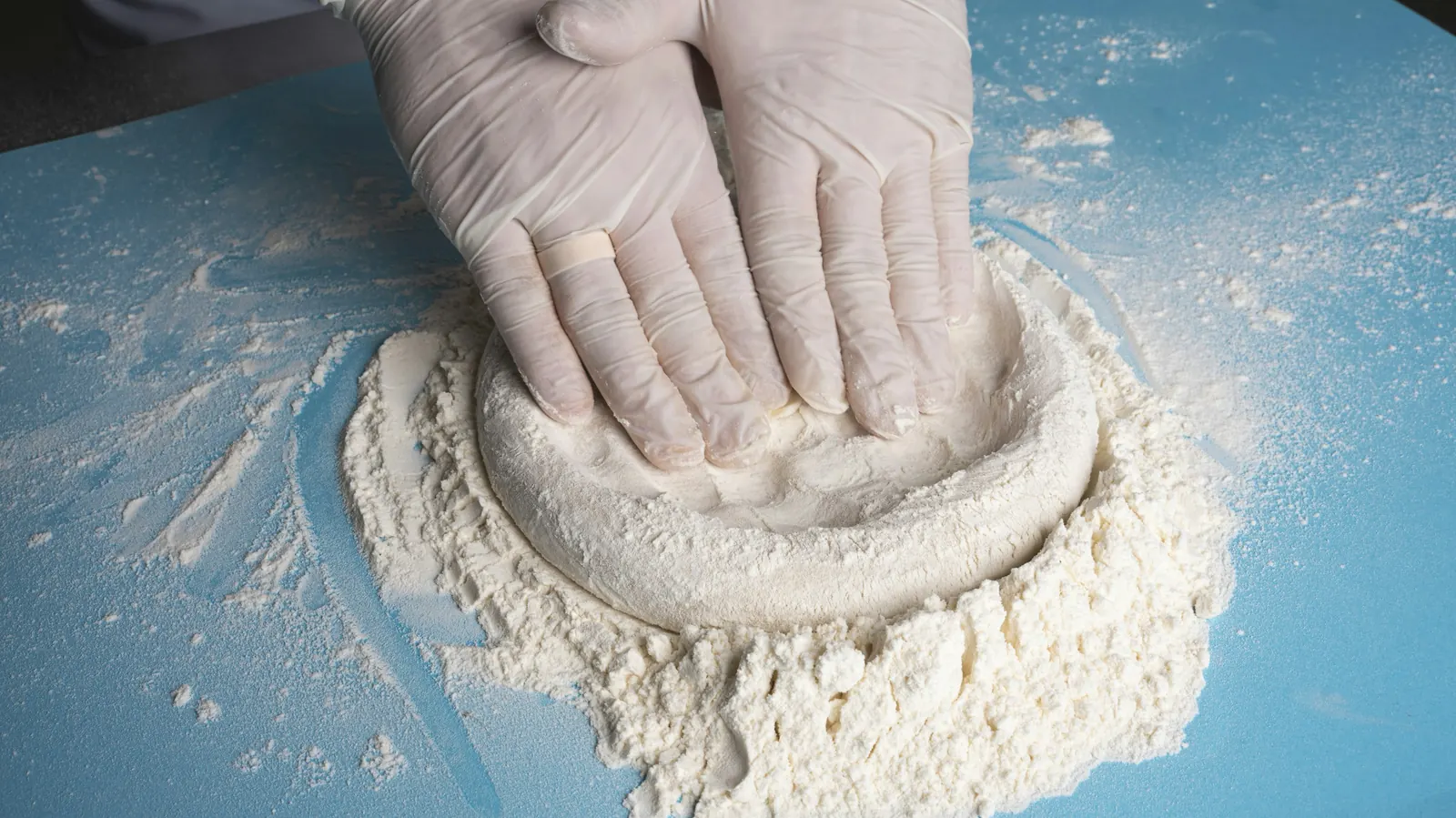
A stand mixer is a big, heavy, expensive machine, and plenty of good bakers never own one. Some don’t have the counter space, some bake only a few times a month, and some simply want to know what to use instead of a stand mixer before they spend the money. The good news is that every job a stand mixer does at home, from whipping cream to kneading a sandwich loaf, can be done another way.
The catch is that no single tool does all of it. A hand mixer covers cakes, cookies and frosting and handles light bread doughs. A bread machine or food processor takes over the kneading. A Danish dough whisk and your own hands cover the rest. This guide explains how close each one gets to a stand mixer, with the limits the makers and test kitchens state, and names one good example of each.
Julia’s earns a commission on purchases made through links on this page, at no cost to you. Recommendations are based on what a restaurant kitchen looks for, product specifications and verified buyer reports.
Why people look for a stand mixer alternative
The reasons usually come down to space, cost and how often you bake. A stand mixer earns its place when you make large batches of stiff dough every week. For a weekend cake, a batch of cookies or the occasional loaf, a smaller tool does the job. Many cooks also find that the tool they already own, a food processor or a hand mixer, can do more than they expected.
It helps to split the stand mixer’s work into two jobs. The first is beating and whipping: creaming butter and sugar, whipping cream and egg whites, mixing batters. The second is kneading bread dough. Hand mixers handle the first job well. The second job is where the alternatives differ, and where the limits below matter.
Quick verdict: the best stand mixer alternative
For most home bakers, the best stand mixer alternative is a good hand mixer with dough hooks, such as the Breville Handy Mix Scraper. It handles cakes, cookies, frosting and whipped cream well, and it can knead a single loaf of soft bread dough. If bread is your main reason for wanting a stand mixer, a bread machine such as the Breville Custom Loaf kneads and proofs the dough for you, and you can still shape and bake it in the oven. A food processor kneads in about a minute, and a Danish dough whisk is a cheap way to mix no-knead and high-hydration doughs by hand.
Five ways to replace a stand mixer, side by side
Our five picks, one per kind of alternative, with what each maker or listing states. Each is reviewed in full below.
| Alternative | Type | Best for | How close to a stand mixer | Buy on Amazon |
|---|---|---|---|---|

Breville Handy Mix Scraper Hand MixerBest overall
|
Hand mixer, 9 speeds plus boost | Batters, frosting, whipped cream, soft dough | Close for mixing; single batches of dough only | View on Amazon |

Breville Custom Loaf Bread MakerBest for bread
|
Bread machine with dough program | Kneading and proofing yeast dough | Better for bread dough; no whipping or creaming | View on Amazon |

KitchenAid 13-Cup Food ProcessorFastest kneading
|
Food processor with dough blade | Pizza and bread dough, pie crust, salsa | Kneads in about a minute; about 1.5 lb of dough at most | View on Amazon |

Hamilton Beach 6-Speed Hand MixerBudget pick
|
Hand mixer, 6 speeds, 275 W peak | Cakes, cookies, mashed potatoes | Fine for mixing; light doughs only | View on Amazon |

Orblue Danish Dough Whisk, 13 inchNo-power pick
|
Hand tool, steel loops and wood handle | No-knead bread, sticky dough, thick batter | Mixes, does not knead; your hands do the rest | View on Amazon |
How close each alternative gets
Hand mixer: nearly all of the mixing, some of the kneading
For beating and whipping, a hand mixer gets very close to a stand mixer; you hold it and move it around the bowl instead of letting the machine work. Kneading is where it falls short. KitchenAid’s own guidance for its hand mixers is to knead with the dough hooks only, never the regular beaters, to make no more than a single batch of bread, which it puts at about 3 1/2 cups of flour, and not to knead for more than six minutes. Stiff whole-grain doughs and double batches belong to a stand mixer, a bread machine or your hands.
Bread machine: better than a mixer for one loaf of dough
A bread machine’s dough cycle mixes, kneads and proofs the dough in one closed pan, then stops so you can shape and bake it yourself. King Arthur Baking’s Walter Sands bread machine recipe shows the routine: after the dough cycle, let the dough keep rising in the machine until doubled, shape it into a loaf in a 9 by 5-inch pan, let it rise again, and bake in a preheated 350°F oven for 35 to 40 minutes. For sandwich bread, rolls and pizza dough, this is arguably less work than a stand mixer. It cannot whip cream or cream butter, though.
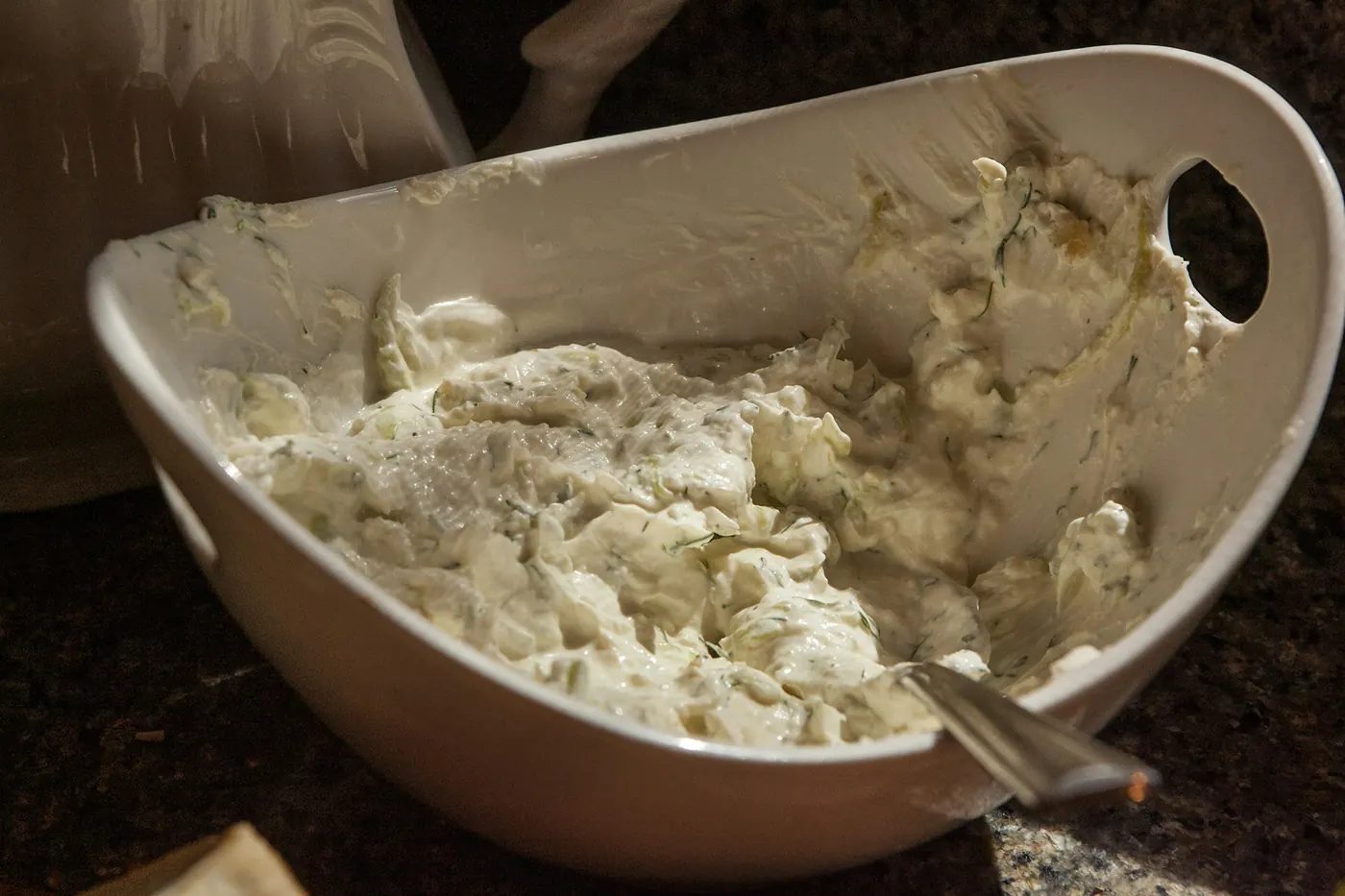
Food processor: the fastest kneader, with limits
America’s Test Kitchen’s Cook’s Illustrated says a food processor can knead most doughs much more quickly than a mixer: 45 to 90 seconds was enough for the dough to form a cohesive ball. It also gives the limits. The bowl caps a batch at about 1 1/2 pounds of dough, very wet doughs above 75 percent hydration are the exception, and the longer you process, the more you risk overheating the dough. Breville’s kneading guide makes the same point about heat damaging yeast and adds that the processor works especially well for pasta dough and pie crusts that need less gluten development. Cook’s Illustrated prefers the metal blade to the dull plastic dough blades many processors include, which it says tend to drag the dough.
Danish dough whisk and your hands: mixing, then kneading
A Danish dough whisk is a stiff wire loop on a long handle. America’s Test Kitchen says it is especially good for mixing stiff bread doughs because it makes short work of combining flour with liquids, and works equally well for muffin, cake, pancake and crêpe batters. It mixes; it does not knead. Pair it with no-knead or stretch-and-fold recipes, or finish by hand. Breville’s guide says hand kneading gives you direct control over the dough, typically takes eight to ten minutes, and that the windowpane test is the most reliable check that it’s done.
Five tools to use instead of a stand mixer
1. Breville Handy Mix Scraper Hand Mixer – Mixer Speeds for Every Job
This is the hand mixer that comes closest to doing a stand mixer’s everyday work. Breville’s listing gives it nine speeds plus a boost, and what it calls Beater IQ: the mixer detects which attachment is fitted and adjusts its speed to suit. It comes with two rubber-edged scraper beaters, which Breville says make more contact with the bowl and mix more thoroughly with less noise, plus two dough hooks and two balloon whisks.
That set covers the jobs most people buy a stand mixer for: creaming butter and sugar for cookies, cake batter, frosting, whipped cream and meringue. With the dough hooks it can knead a single batch of soft dough for rolls or a sandwich loaf, within the hand-mixer limits KitchenAid describes above. A detachable storage compartment holds the attachments and cord.
The Handy Mix Scraper also appears in other colors on our hand mixer pages. We include this listing anyway because its attachment-sensing speed control and scraper beaters bring it closest, in our view, to the hands-off feel of a stand mixer.
Why we like it
- Nine speeds plus boost (listing)
- Detects the attachment and sets the speed (listing)
- Dough hooks, whisks and scraper beaters included
- Storage compartment for attachments and cord
Key specifications
| Model | BHM800BTR |
|---|---|
| Type | Hand mixer |
| Power | Not stated |
| Speeds or programs | 9 plus boost |
| Dough capacity | Not stated; single batches |
| Attachments | 2 scraper beaters, 2 dough hooks, 2 whisks |
| Cleaning | Not stated |
| Warranty | Not stated |
Why we recommend it
It suits a home baker who mostly makes cakes, cookies, frosting and whipped cream and kneads an occasional soft loaf.
Skip it if you bake stiff or large batches of bread every week; that is where a stand mixer or bread machine earns its place.
Pros and cons
Pros
- Full set of attachments
- Wide speed range
- Stores neatly
Cons
- Power and warranty not stated in the listing
- Kneads small batches only
- You hold it the whole time
2. Breville Custom Loaf Bread Maker – Kneads and Proofs for You
If bread is why you want a stand mixer, a bread machine may be the better buy. Breville’s Custom Loaf makes loaves from 1 to 2 1/2 pounds, according to the listing, with 13 automatic programs, including a dough and pasta program, gluten free and crusty loaf, plus nine custom settings where you can store your own times for kneading, rising and baking.
Use the dough program the way King Arthur describes: let the machine mix, knead and proof, then shape the dough into a loaf, rolls or pizza and bake it in your oven. Breville says the kneading paddle collapses before baking to prevent holes in the loaf, and an automatic dispenser adds fruit and nuts at the right moment. The listing also describes 60 minutes of power-interruption backup and gives the power as 830 watts.
The trade-offs are size and scope. It is a large appliance in its own right, and it only does dough and bread; cake batter, frosting and whipped cream still need a hand mixer.
Why we like it
- Dough and pasta program (listing)
- Nine custom programs (listing)
- Collapsible paddle for baked loaves (listing)
- Loaves from 1 to 2 1/2 lb (listing)
Key specifications
| Model | BBM800XL |
|---|---|
| Type | Bread machine |
| Power | 830 W |
| Speeds or programs | 13 automatic, 9 custom |
| Dough capacity | 1 to 2 1/2 lb loaves |
| Attachments | Collapsible paddle; fixed paddle for jam |
| Cleaning | Not stated |
| Warranty | 1 year limited |
Why we recommend it
It suits a cook who wants homemade sandwich bread, rolls and pizza dough without kneading, and who has room for one more appliance.
Skip it if you mostly bake cakes and cookies; a hand mixer is the better first buy.
Pros and cons
Pros
- Hands-off kneading and proofing
- Custom programs for your own recipes
- Large loaf range
Cons
- Bread and dough only
- Takes counter or cupboard space
- One-year warranty
3. KitchenAid 13-Cup Food Processor – Dough in About a Minute
A food processor is the alternative many kitchens already own, and it is the most useful one for a Mexican kitchen. KitchenAid’s 13-cup model comes with a multi-purpose blade, an adjustable slicing disc, a reversible shredding disc and a dough blade, all stored in a caddy inside the bowl, according to the listing. KitchenAid says it chops, shreds, slices, kneads and mixes, from salsa to pizza dough.
For bread, Cook’s Illustrated says the dough forms a cohesive ball in 45 to 90 seconds. Keep batches to about 1 1/2 pounds of dough, avoid very wet doughs, and stop as soon as the dough comes together so it does not overheat. Cook’s Illustrated prefers the metal blade to plastic dough blades, so try both with your recipe. For pie crust and pasta dough, Breville’s guide notes a processor works especially well.
This is the same 13-cup KitchenAid processor we list in silver on our food processor page. We include it here in white because it lists a dough blade and stores every blade in the bowl, which suits a cook who wants it ready for dough day.
Why we like it
- Kneads dough far faster than a mixer (Cook’s Illustrated)
- Dough blade and multi-purpose blade included
- Storage caddy inside the bowl (listing)
- Also chops, slices and shreds
Key specifications
| Model | KFP1318WH |
|---|---|
| Type | Food processor |
| Power | Not stated |
| Speeds or programs | Not stated |
| Dough capacity | 13-cup bowl; about 1 1/2 lb dough (Cook’s Illustrated, general) |
| Attachments | Blade, dough blade, slicing and shredding discs |
| Cleaning | Warm water and dish soap in the bowl (listing) |
| Warranty | 1 year |
Why we recommend it
It suits a cook who wants one machine for salsa, shredding cheese and the occasional pizza or bread dough.
Skip it if you want to whip cream or cream butter and sugar; a processor does neither well.
Pros and cons
Pros
- Fastest way to knead
- Useful far beyond baking
- Blades stored in the bowl
Cons
- Small batches of dough only
- Can overheat dough if run too long
- Power not stated in the listing
4. Hamilton Beach 6-Speed Hand Mixer – Simple Mixer With Dough Hooks
If you want a stand mixer alternative for cakes, cookies and mashed potatoes and don’t need many extras, a basic hand mixer is enough. Hamilton Beach’s 62677J has six speeds and a QuickBurst button for extra power at any speed, and the listing gives its peak power as 275 watts.
It comes with seven attachments: two Easy Clean beaters, which Hamilton Beach says reduce clogging, two traditional beaters, two dough hooks and a whisk. The attachments eject easily and are dishwasher safe, according to the listing, and a snap-on case keeps them together. Hamilton Beach says it can knead thick bread dough, but treat dough as an occasional job and follow the single-batch, six-minute guidance that KitchenAid gives for hand mixers.
Why we like it
- Dough hooks and whisk included
- 275 W peak, QuickBurst (listing)
- Dishwasher-safe attachments (listing)
- Snap-on storage case
Key specifications
| Model | 62677J |
|---|---|
| Type | Hand mixer |
| Power | 275 W peak |
| Speeds or programs | 6 plus QuickBurst |
| Dough capacity | Not stated; single batches |
| Attachments | 4 beaters, 2 dough hooks, whisk |
| Cleaning | Attachments dishwasher safe |
| Warranty | Not stated |
Why we recommend it
It suits an occasional baker who wants a simple, light mixer for batters and frosting with dough hooks for the odd batch of rolls.
Skip it if you want finer speed control; the Breville above has nine speeds and adjusts to the attachment.
Pros and cons
Pros
- Seven attachments
- Easy cleanup
- Case keeps parts together
Cons
- Six speeds only
- Light dough work only
- Warranty not stated in the listing
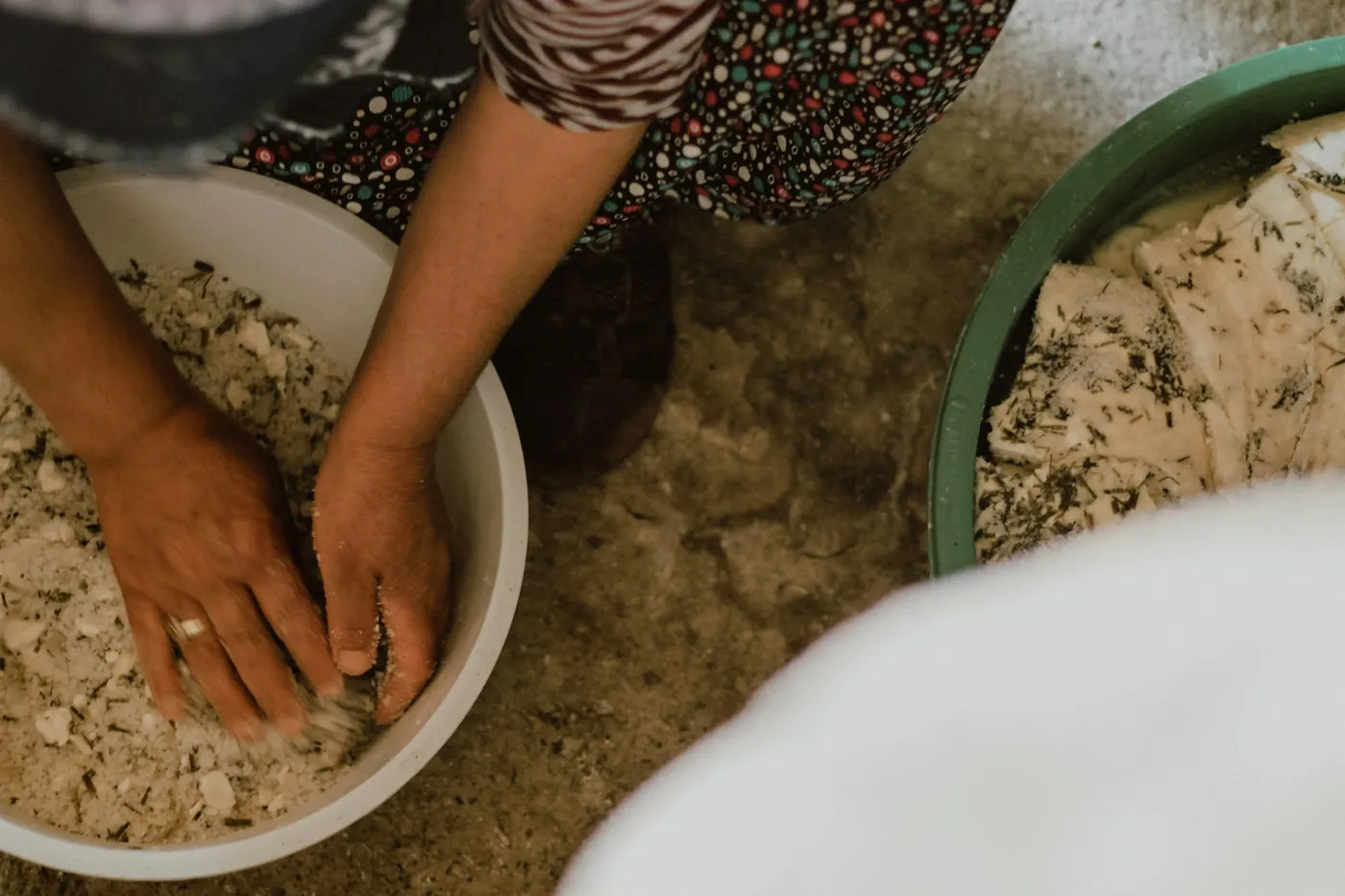
5. Orblue Danish Dough Whisk, 13 inch – Mixes Sticky Dough by Hand
The simplest stand mixer alternative needs no outlet at all. A Danish dough whisk is a coil of stiff steel wire on a long wooden handle, and it moves through heavy, sticky dough far more easily than a wooden spoon. This one from Orblue is 13 inches long, with an oak handle and a stainless steel loop, according to the listing.
America’s Test Kitchen says these whisks are especially good at mixing stiff bread doughs and work equally well for batters, and King Arthur Baking sells one as the ideal tool for mixing sticky bread doughs. That makes a dough whisk the natural partner for no-knead bread, focaccia and other high-hydration doughs that develop gluten through time and folding rather than kneading. Orblue says dough slides off the wire, so it rinses clean in warm, soapy water; dry the wooden handle after washing.
What it does not do is knead. For a classic loaf you will still knead by hand for eight to ten minutes, as Breville’s guide describes. Orblue is an Amazon-first brand, and the listing is the only source for its materials.
Why we like it
- Mixes stiff and sticky dough easily (ATK, on dough whisks)
- Long 13-inch handle (listing)
- No power, no storage problem
- Easy to rinse clean (listing)
Key specifications
| Model | ORB1-PACK |
|---|---|
| Type | Danish dough whisk |
| Power | None (manual) |
| Speeds or programs | Not applicable |
| Dough capacity | Not applicable; any bowl |
| Attachments | None; 13-inch whisk |
| Cleaning | Warm soapy water, rinse, dry |
| Warranty | Not stated |
Why we recommend it
It suits a baker who makes no-knead or high-hydration bread and wants a cheap, simple tool for the mixing stage.
Skip it if you want a machine to do the kneading; this only mixes.
Pros and cons
Pros
- Handles sticky dough better than a spoon
- Works for batters too
- Takes almost no space
Cons
- Does not knead
- Wooden handle needs drying
- Amazon-first brand
Matching the alternative to what you bake
- Cakes, cookies, frosting, whipped cream: a hand mixer, which handles all of these well.
- Sandwich bread, rolls, pizza dough every week: a bread machine on the dough cycle, then shape and bake in the oven.
- Pizza dough, pie crust and pasta dough now and then: a food processor, especially if you already own one for salsa.
- No-knead bread and focaccia: a Danish dough whisk and time.
- Big batches of stiff dough, or meringue you can walk away from: this is where a stand mixer really is the better tool. Our best stand mixer cheap guide covers lower-cost machines.

Stand mixer alternative questions, answered
What can I use instead of a stand mixer?
A hand mixer for batters, frosting and whipped cream; a bread machine or food processor for kneading bread dough; and a Danish dough whisk plus your hands for no-knead and hand-kneaded bread. Most home bakers need only one or two of these.
Can a hand mixer knead bread dough?
Yes, within limits. Use the dough hooks, never the beaters. KitchenAid recommends single batches of about 3 1/2 cups of flour and no more than six minutes of kneading in a hand mixer.
Is a food processor as good as a stand mixer for dough?
It is much faster: Cook’s Illustrated found 45 to 90 seconds was enough for the dough to form a ball. But batches are limited to about 1 1/2 pounds, very wet doughs don’t work well, and running it too long can overheat the dough.
Can I use a bread machine just for the dough?
Yes. Choose the dough cycle, then shape and bake in your oven. King Arthur Baking’s bread machine recipes give this method, with a second rise in the pan before baking.
Do I need a stand mixer to make bread?
No. Bakers kneaded by hand long before mixers existed. Breville’s guide puts hand kneading at about eight to ten minutes, and no-knead recipes need only a bowl and a spoon or dough whisk.
Our take on living without a stand mixer
Start with a good hand mixer: it covers most of what a stand mixer does in most home kitchens. If bread becomes a habit, add a bread machine or put your food processor to work, and keep a dough whisk in the drawer for no-knead loaves. If you find yourself making big batches of stiff dough every week, that is the sign a stand mixer is worth it, and our best stand mixer guide is the place to start. For the alternatives, see our best hand mixer for dough, best bread machine and best food processor for dough guides. And when you would rather someone else did the cooking, see the menu or call to order.