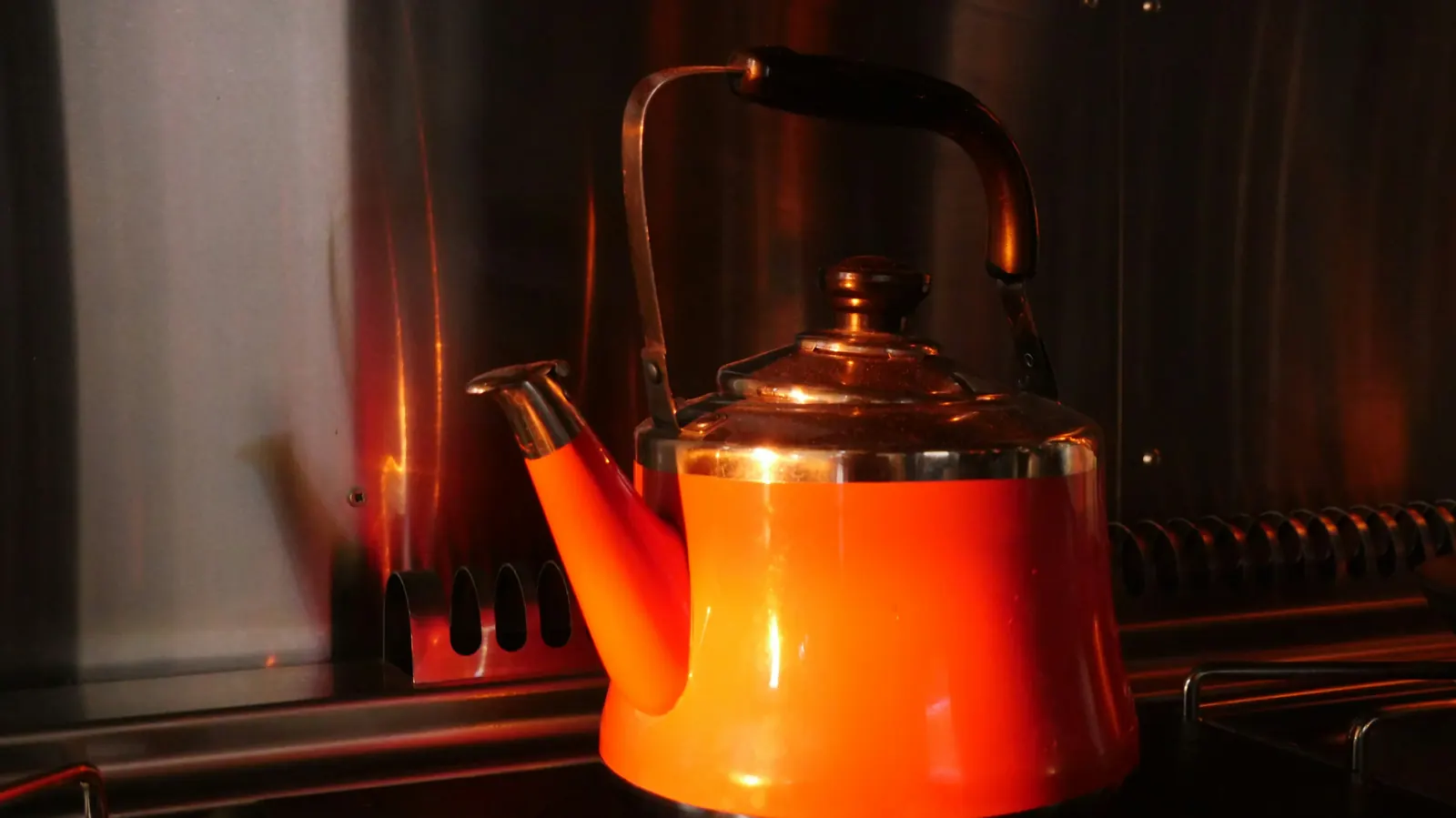
The words get used loosely. Plenty of people call the whistling pot on the stove a teapot, and plenty of listings on Amazon call a glass brewing pot a tea kettle. In a kitchen, though, they are two different tools with two different jobs. A tea kettle heats water. A teapot holds the leaves, or the canela and piloncillo, while they steep, and then pours the tea. One sits on a burner; the other, in most cases, must never go near one.
This guide sets out what each one is for, which materials can take direct heat according to their makers, whether you need both, and the one kind of pot that can do both jobs. It ends with one pick on each side.
Julia’s earns a commission on purchases made through links on this page, at no cost to you. Recommendations are based on what a restaurant kitchen looks for, product specifications and verified buyer reports.
Quick verdict: teapot, kettle or both?
If you drink tea every day, own both: a stainless tea kettle to boil water on any burner, and a teapot with an infuser to steep and serve. If you only drink bagged tea by the mug, a kettle alone is enough. If you want one vessel and brew small pots of loose tea, a stovetop-safe borosilicate glass teapot can heat and steep, as long as its maker says it can go on the stove. Never heat a porcelain or ceramic teapot on a burner unless its maker says so; Sweese, for one, says plainly that its porcelain pot is “NOT a kettle”.
The table compares the two; the sections after it explain each difference.
Teapot vs tea kettle, side by side
| Teapot | Tea kettle | |
|---|---|---|
| Job | Steeps tea and serves it | Heats water to a boil |
| Heat source | None for most; hot water poured in. Some borosilicate glass pots are stovetop safe | Burner (stovetop kettle) or its own base (electric) |
| Common materials | Porcelain, stoneware, borosilicate glass, cast iron | Stainless steel, enameled steel, glass, copper |
| Infuser or strainer | Often included | Rarely; not made for leaves |
| Signal when ready | None; you time the steep | Whistle or automatic shut-off |
| Where it lives | On the table | On the stove or counter |
| Lead question | Glazed ceramic needs a maker’s lead-free statement | Bare stainless has no glaze |
Two jobs: heating water and steeping leaves
The kettle’s whole job is to get water hot quickly and safely. That is why stovetop kettles have a wide, flat base for contact with the burner, a spout cover that whistles when the water boils, and a handle that stays cooler than the body. Lily’s Home, for example, lists a flat bottom for gas, electric, glass and induction stoves, a whistle that tells you the water has reached a boil, and a full-loop phenolic handle.
The teapot’s job begins after that. You put leaves, bags or a stick of canela in it, pour the hot water over, and let the tea steep for a few minutes before pouring it into cups. A good teapot has a removable infuser so you can lift the leaves out and stop the brew at the strength you like, a lid that stays on as you pour, and a spout that pours without dripping. It also keeps tea warm at the table, which a kettle does poorly because it is built to shed heat into water, not hold it.
General kitchen sense says you can steep tea in a kettle, but you will be fishing leaves out of a spout, and the next pot of plain water will taste of yesterday’s tea. You can also pour boiling water from a saucepan into a teapot. Each tool simply does its own job better.
Can a teapot go on the stove?
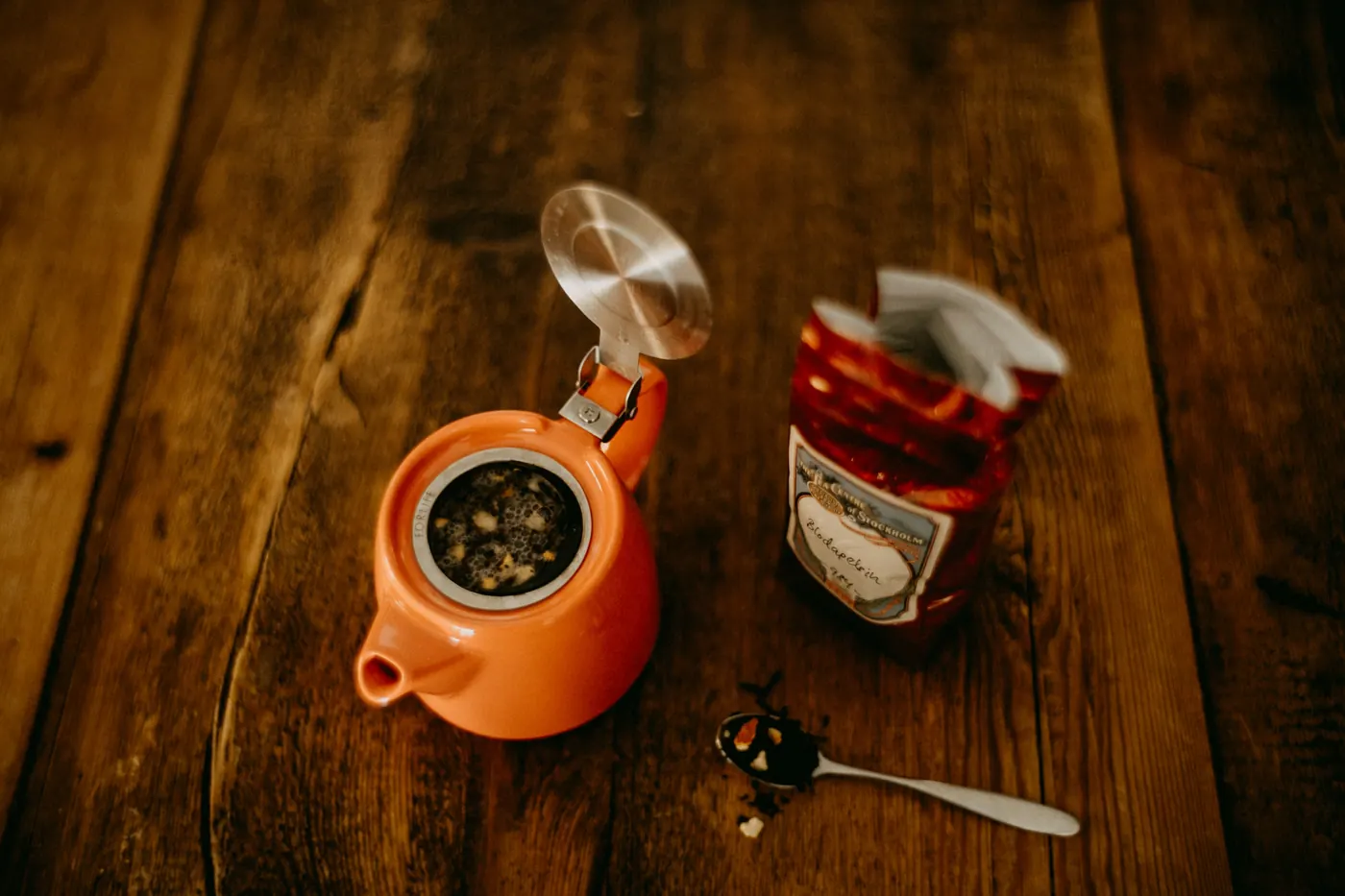
Usually not, and this is the most important difference to get right. Porcelain and stoneware teapots are made to hold hot water, not to sit over a flame. Sweese’s listing for its porcelain teapot puts it as directly as a maker can: “this is NOT a kettle. It is a POT. Do not put it on a heating element.” Treat any ceramic or cast iron teapot the same way unless the maker’s instructions say otherwise.
The exception is borosilicate glass that the maker rates for the stove. Teabloom says its Blossoms teapot is all borosilicate glass, including the infuser, and that you can fill it with water and set it on the stovetop or in the microwave to boil the water, which “eliminates the need to boil water separately”. Teabloom says borosilicate is prized for its ability to resist extreme temperature changes. Even so, follow the maker’s limits: lower heat, no empty pot on a burner, and no direct contact with a hot coil unless the instructions allow it. If a glass teapot’s listing does not say it is stovetop safe, it is not.
Materials and the lead question
A plain stainless kettle has no glaze, so the lead question does not come up. A glazed ceramic teapot is different: the glaze is a food surface that sits in hot, slightly acidic tea for minutes at a time. We only recommend a glazed teapot when its maker states that the glaze is lead-free, and our best teapot guide quotes those statements maker by maker. Borosilicate glass avoids the question altogether; Teabloom describes its glass as lead-free.
For kettles, the material question is about the stove. As a general rule, stainless steel with a magnetic base works on induction; aluminum, copper and glass usually do not unless the maker says so. Lily’s Home lists its kettle for induction, and our best tea kettle guide covers stainless, ceramic-coated and three-ply options.
Do you need both?
It depends on how you drink tea.
Bagged tea by the mug. A kettle is enough. Boil, pour over the bag in the mug, done. A teapot adds little.
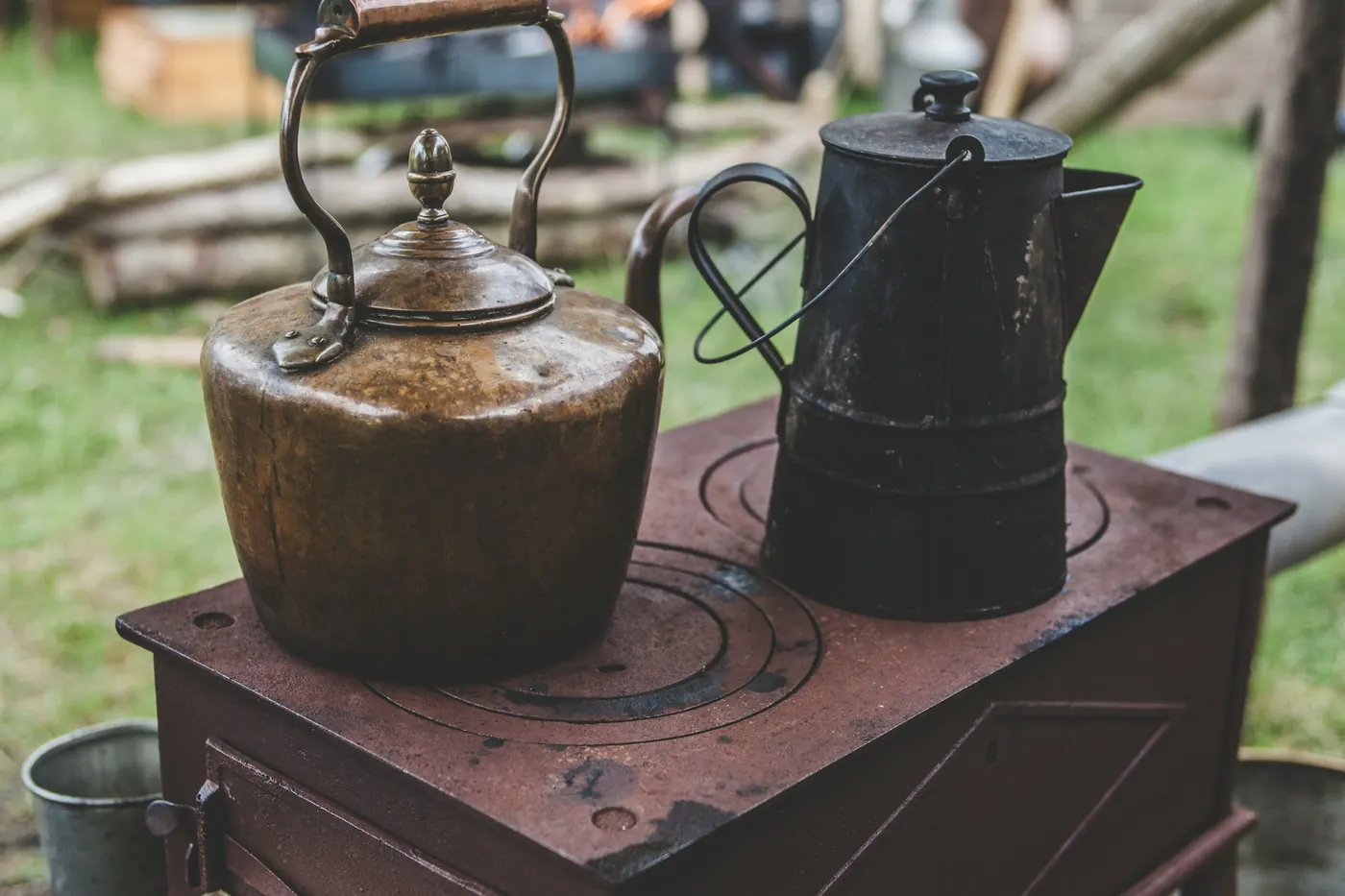
Loose-leaf tea or tea for several people. Both. The kettle heats the water; the teapot lets the leaves open up, lets you strain them out, and serves four cups at once. This is also where a kettle with temperature control, usually electric, earns its place for green and white teas; our best electric kettle guide covers those.
Té de canela and other simmered drinks. Mexican cinnamon tea is simmered, not just steeped: the canela goes into the water on the stove. You can do that in a saucepan, a stovetop-safe glass teapot, or a kettle you do not mind flavoring, then strain into cups or a teapot to serve. A porcelain teapot alone cannot do it, because it cannot go on the burner.
Small kitchens. One stovetop-safe glass teapot can do both jobs for one or two people. The trade-offs are capacity, slower heating than a metal kettle, no whistle to tell you the water is ready, and glass that needs more care than stainless.
Choose a teapot if… / Choose a tea kettle if…
Choose a teapot if…
- You brew loose-leaf tea and want to strain out the leaves.
- You serve tea to several people at the table.
- You already have a way to heat water, such as a kettle or an electric kettle.
- You want one vessel and can choose a glass pot its maker rates for the stovetop.
Choose a tea kettle if…
- You mostly make tea or coffee by the mug.
- You want water boiled quickly, with a whistle to tell you when.
- You also need hot water for oatmeal, instant soups, a French press or pour-over.
- You simmer canela or other spices and want a tough pot for the stove.
Our pick on each side of the teapot vs tea kettle question
One teapot and one kettle, each from a named maker, in stock when we checked and not featured on our other pages. The teapot is the stovetop-safe kind, so it can also stand in for a kettle in a small kitchen; the kettle is a plain stainless whistler for any stove.
1. Teabloom Blossoms Glass Teapot, 32 oz – Heats and Steeps in One Pot

Teabloom, which says it makes the world’s largest selection of glass teapots, describes the Blossoms as all clear borosilicate glass, infuser included. It holds 32 ounces, enough for three or four cups. The removable glass infuser takes loose tea, and you can also leave it out and brew flowering teas, which open in the wide body.
What sets it apart for this comparison is that the maker rates it for the stovetop and the microwave. Teabloom says you can fill it with water and heat it on the stove, so you do not need to boil water separately. That makes it the pot to buy if you want to simmer té de canela, or if you have room for only one vessel. The lid has a small hole to release air pressure.
Teabloom calls the glass lead-free and non-porous and says the glass infuser does not stain. It backs the pot with a one-year warranty. Glass needs gentler handling than stainless; let it cool before washing and keep it off high heat. The listing does not state a dishwasher rating, so wash it by hand unless the instructions in the box say otherwise.
Why we like it
- Stovetop and microwave safe, per Teabloom
- All-glass body and infuser, stated lead-free
- 32 ounces, three to four cups
- One-year warranty (listing)
Key specifications
| Model | POT-BLO |
|---|---|
| Type | Teapot, stovetop safe |
| Material | Borosilicate glass, glass infuser |
| Capacity | 32 oz |
| Stove use | Stovetop and microwave, per maker |
| Signal | None |
| Lead statement | “Lead-free borosilicate glass” (Teabloom) |
| Warranty | One year |
Why we recommend it
It suits a loose-leaf or té de canela drinker who wants to watch the brew and, in a small kitchen, heat and steep in the same pot.
Skip it if you boil water for many things besides tea or want a whistle; a stainless kettle is faster and tougher.
Pros and cons
Pros
- Can go on the stove
- No glaze, no lead question
- Glass infuser that does not stain
Cons
- Glass is breakable
- No whistle
- Dishwasher use not stated
2. Lily’s Home Whistling Tea Kettle, 2 qt – Plain Stainless for Any Stove

This is the classic stovetop kettle: stainless steel, about two quarts, with a whistle and a flip-up spout cover. Lily’s Home says it makes about six cups of hot water and lists it for gas, electric, glass and induction stoves thanks to its flat bottom. A tight-fitting stainless lid keeps the water in.
The handle is a full loop of phenolic, a heat-resistant plastic, and the maker still suggests a potholder right after the water boils. On gas, Lily’s Home recommends keeping the flame no wider than about 75 percent of the kettle’s base, about a 5.5-inch flame, so the heat goes into the water instead of up the sides toward the handle. That is good practice for any stovetop kettle.
The listing title says the finish is stainless; one bullet mentions a black finish, so check the color option before you order. The kettle carries a one-year limited warranty, per the listing. Because it is bare stainless with no glaze or coating, you can simmer a stick of canela in it without a lead question, though the water will taste of cinnamon for a while afterwards.
Why we like it
- Works on gas, electric, glass and induction (listing)
- Whistle with flip-up spout cover
- About six cups of water
- Clear flame-size guidance from the maker
Key specifications
| Model | SW1179 |
|---|---|
| Type | Stovetop whistling kettle |
| Material | Stainless steel; phenolic handle |
| Capacity | 2 qt (about 6 cups) |
| Stove use | Gas, electric, glass, induction |
| Signal | Whistle |
| Lead statement | Not applicable; no glaze |
| Warranty | One-year limited |
Why we recommend it
It suits anyone who wants a simple, sturdy kettle that boils water on any stove and tells you when it is ready.
Skip it if you brew green or white tea and want a set temperature; an electric kettle with temperature control is the better tool.
Pros and cons
Pros
- Induction compatible
- Audible whistle
- No glaze or coating
Cons
- Handle can get hot; use a potholder
- No temperature control
- Finish wording on the listing is inconsistent
Teapot and kettle questions, answered
What is the difference between a teapot and a tea kettle?
A tea kettle heats water, on a burner or its own electric base. A teapot steeps the tea in that hot water and serves it, and most teapots must not be heated directly.
Can you put a teapot on the stove?
Only if its maker says so. Some borosilicate glass teapots, such as Teabloom’s Blossoms, are rated for the stovetop. Porcelain, stoneware and most enameled cast iron teapots are not; Sweese tells buyers not to put its porcelain pot on a heating element.
Can I make tea in a tea kettle?
You can, but leaves are hard to strain from a kettle spout and the flavor lingers in the next pot of water. It is better to boil the water in the kettle and steep in a teapot or mug.
Do I need a teapot if I have an electric kettle?
Not for bagged tea by the mug. If you brew loose-leaf tea or serve several people, a teapot with an infuser makes it much easier.
Is a stovetop-safe glass teapot as good as a kettle?
For a small pot of tea, yes. For heating lots of water, heating it fast, or knowing when it boils without watching, a stainless kettle is better.
Our final word on teapot vs tea kettle
For most tea drinkers the answer to “do you need both” is yes: a kettle to boil and a teapot to brew, because each does its own job better than the other can. If space or budget allows only one, buy the kettle if you drink tea by the mug, and a stovetop-safe glass teapot if you brew loose leaves or té de canela in small batches. For more choice, see our best teapot, best glass teapot and best tea kettle guides, and gooseneck kettle vs regular if you also make pour-over coffee. When you would rather someone else made the coffee, see the menu or call to order.