Mezcal gets described as “smoky tequila”, which is close enough to be useful and wrong enough to be worth correcting.
The relationship runs the other way. Tequila is a type of mezcal, held to a narrower set of rules.
The short answer
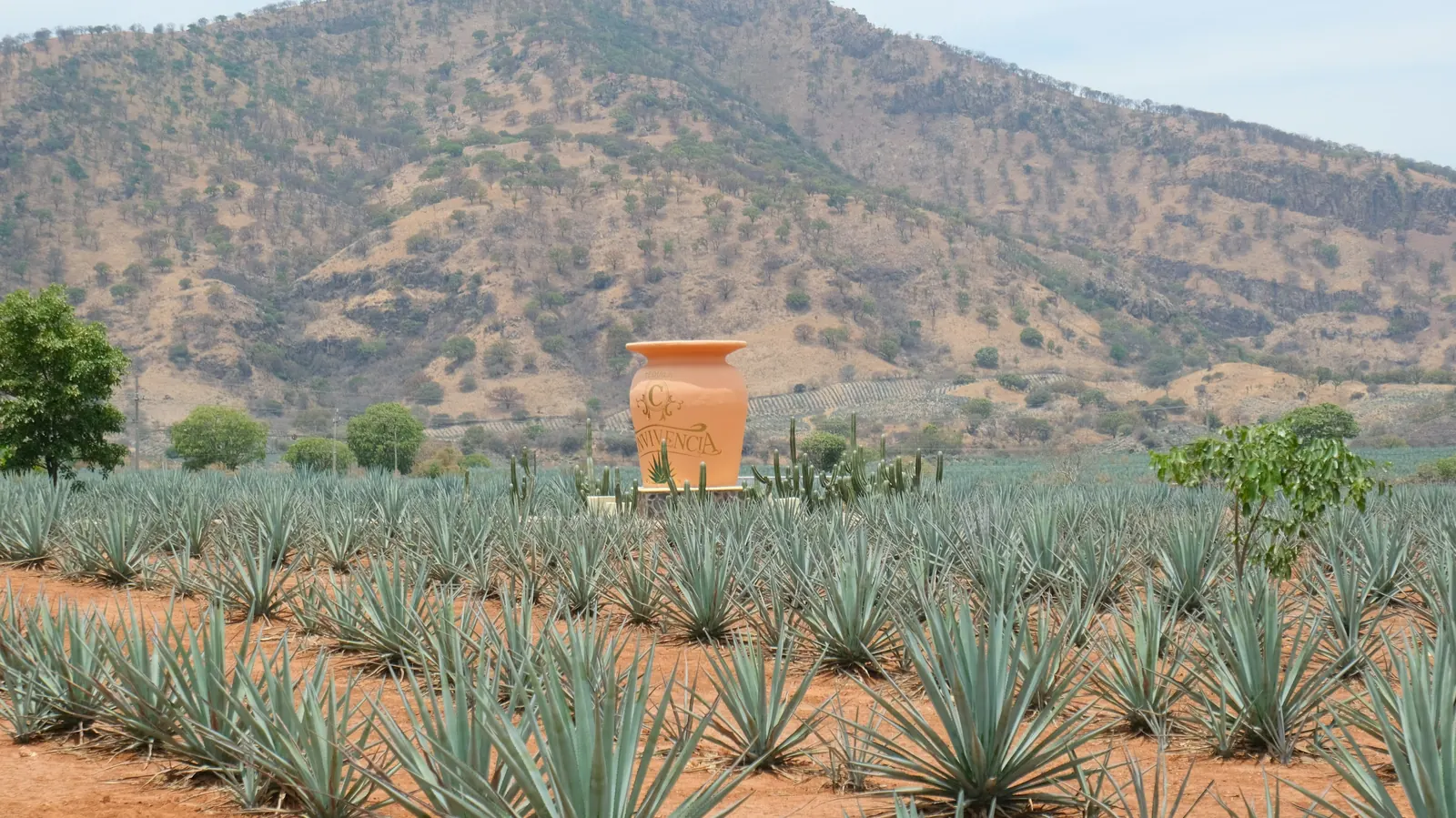
Both are agave spirits. Tequila must be made from blue Weber agave, mostly in Jalisco, and the agave is usually steamed in ovens. Mezcal can be made from dozens of agave species across nine states, and the agave is traditionally roasted in an earth pit — which is where the smoke comes from. All tequila technically qualifies as mezcal; almost no mezcal qualifies as tequila.
The nesting, explained
Mezcal is the broad category: a distilled spirit made from cooked agave. Tequila is a protected regional style within it, with tighter rules about species, place and production.
The Wine & Spirit Education Trust, in its comparison of tequila versus mezcal, sets out those boundaries: one agave species for tequila against dozens for mezcal, and a much wider permitted production area for the latter.
In practice the two are regulated separately and labeled separately, so a bottle is one or the other. But the logic is the same as champagne and sparkling wine.
Where the smoke comes from
This is the difference you can taste, and it happens before fermentation.
Agave is not sweet when harvested. The starches have to be converted to sugar by cooking, and how that cooking is done determines most of the final flavor.
Tequila is typically cooked in masonry ovens or industrial autoclaves, using steam. Clean heat, no combustion products touching the agave, no smoke.
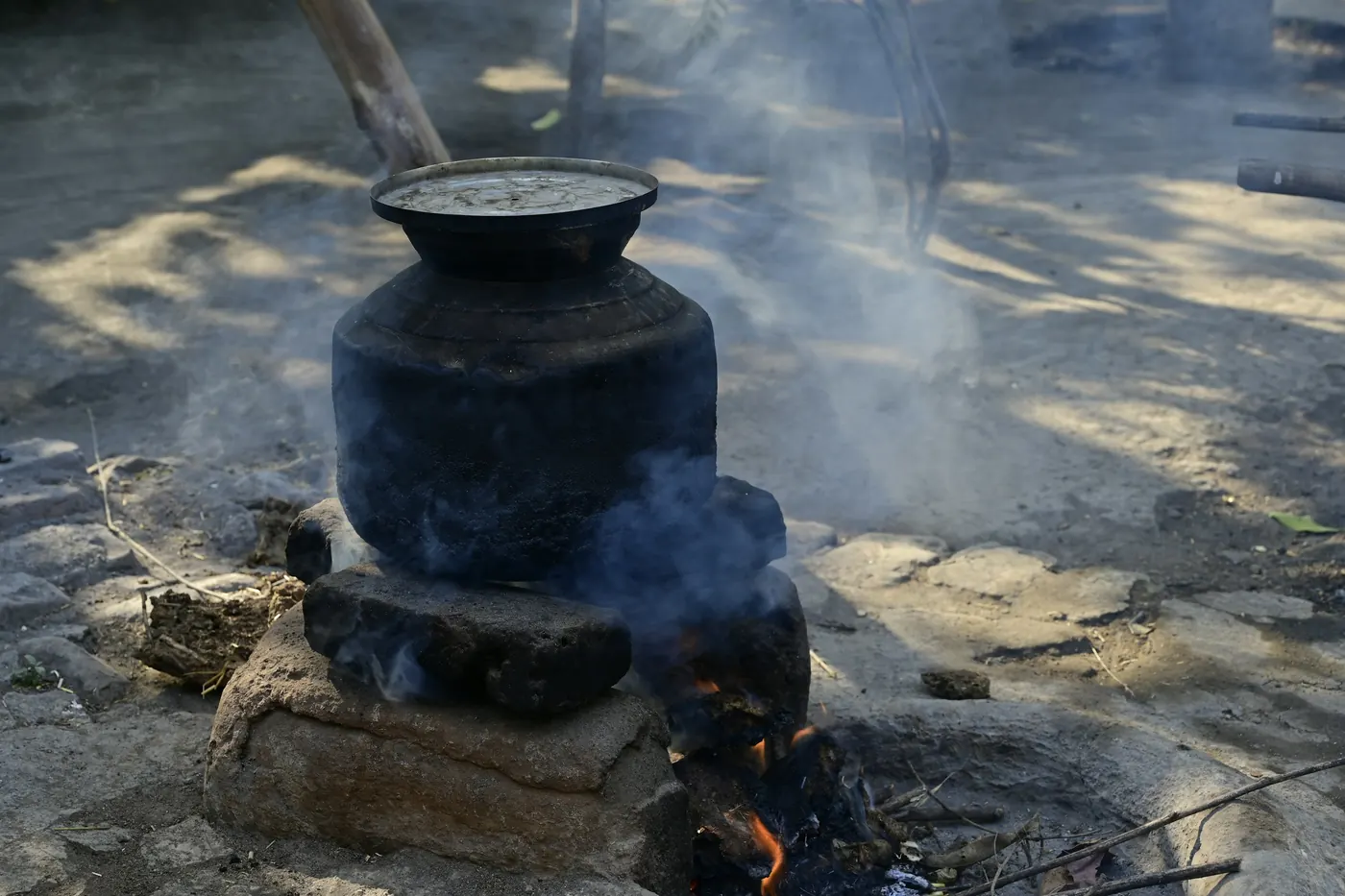
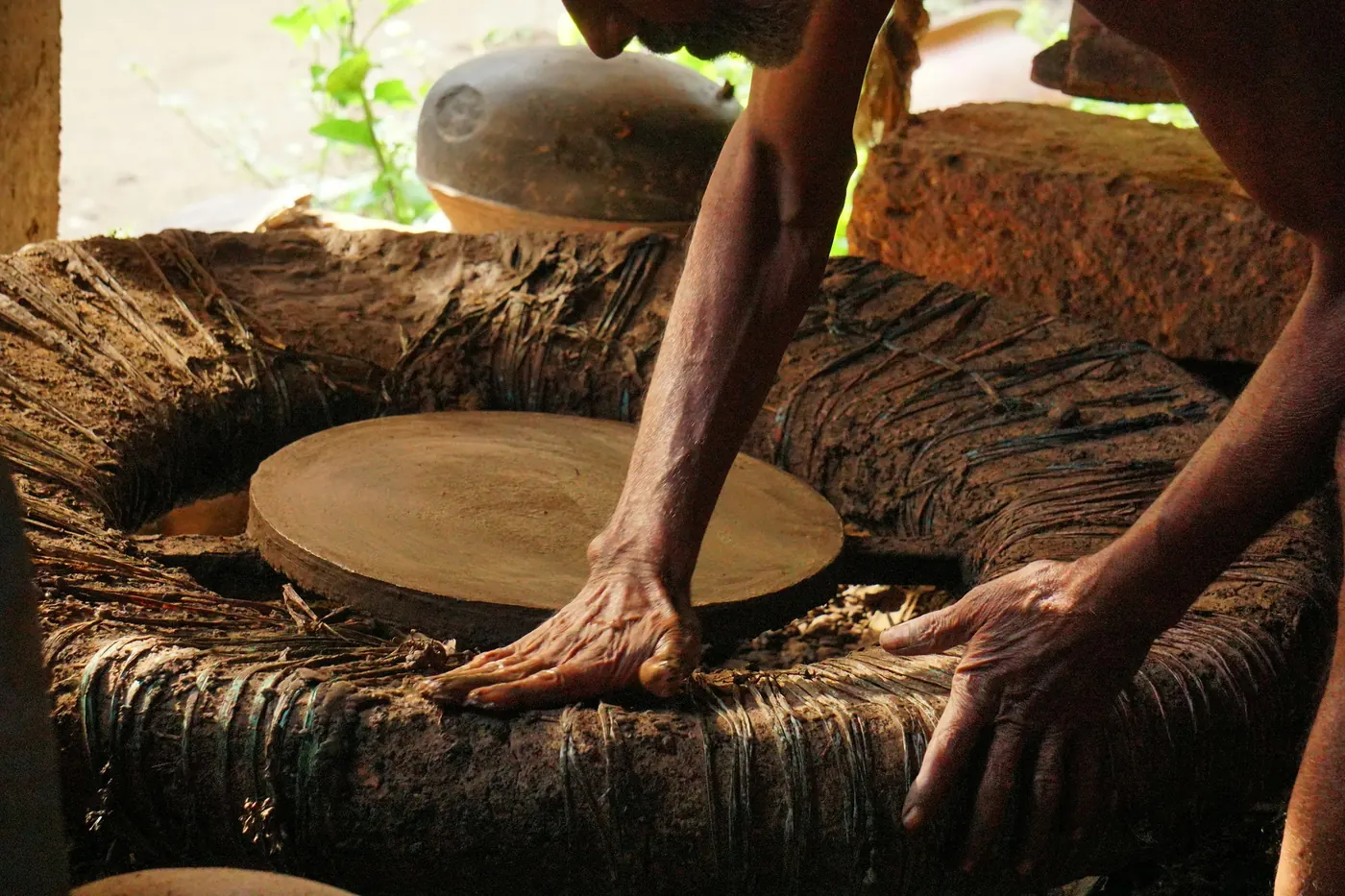
Mezcal is traditionally roasted in a conical pit dug into the ground, lined with hot rocks and wood, covered with agave fibers and earth, and left for several days. The agave sits in direct contact with wood smoke that entire time.
That is the whole explanation. Mezcal is smoky because it was cooked in a fire pit; tequila is not because it was steamed.
Side by side
| Tequila | Mezcal | |
|---|---|---|
| Agave | Blue Weber only | Dozens of species, mostly espadín |
| Region | Mainly Jalisco | Nine states, mostly Oaxaca |
| Cooking | Steamed in ovens | Roasted in earth pits |
| Flavor | Clean, peppery, citrus | Smoky, earthy, varied |
| Scale | Largely industrial | Often small producers |
| Aging terms | Blanco, reposado, añejo | Joven, reposado, añejo |
| In cocktails | The default | Used sparingly, as accent |
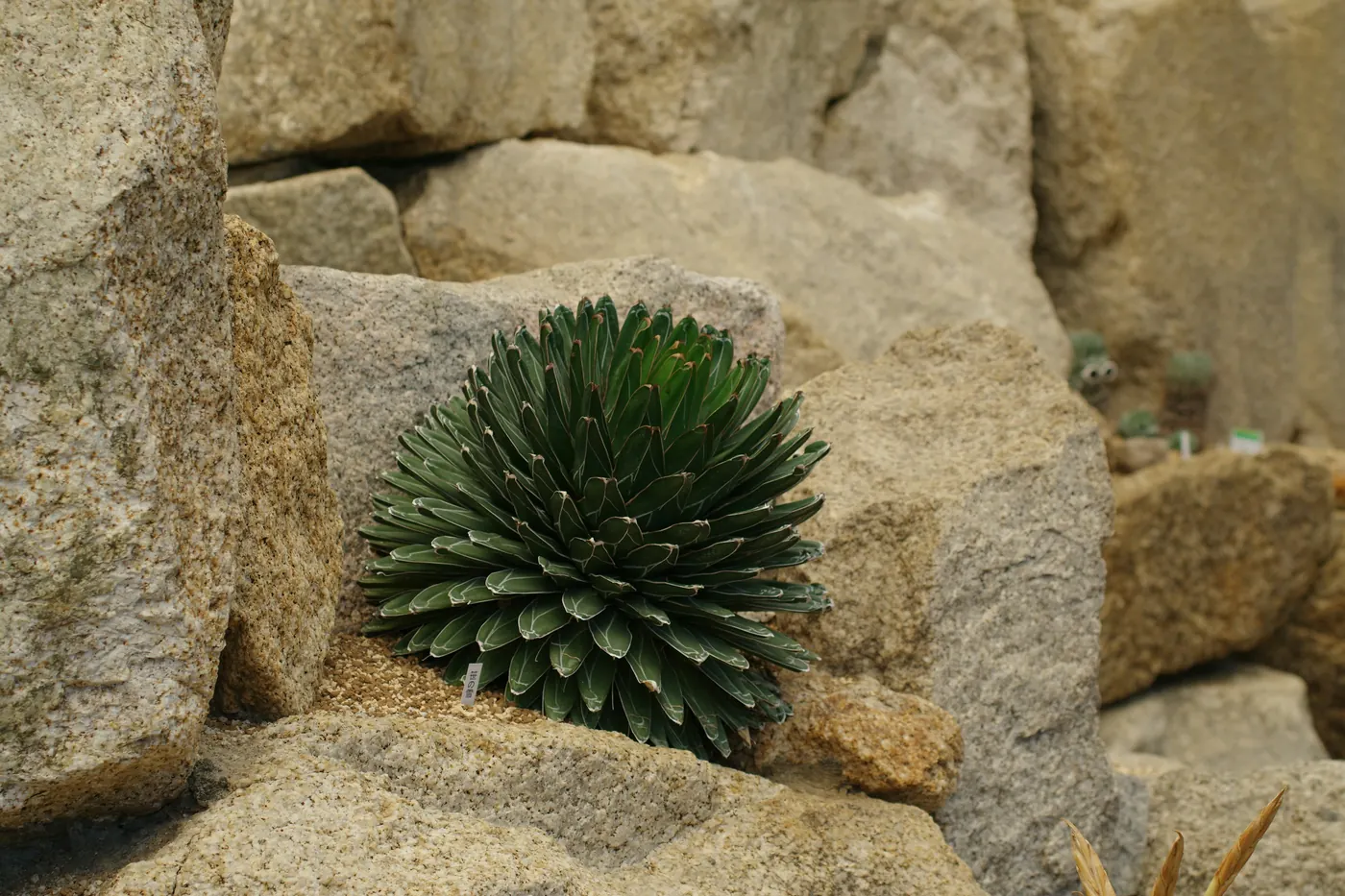
The species row is the one that matters most for variety. Blue Weber is a single cultivated plant with a predictable profile. Mezcal made from tobalá, tepeztate or madrecuishe tastes noticeably different from espadín, and those wild agaves can take fifteen years or more to mature.
The tahona, and why some bottles cost more
After roasting, the cooked agave has to be crushed to release its juice, and there are two ways.
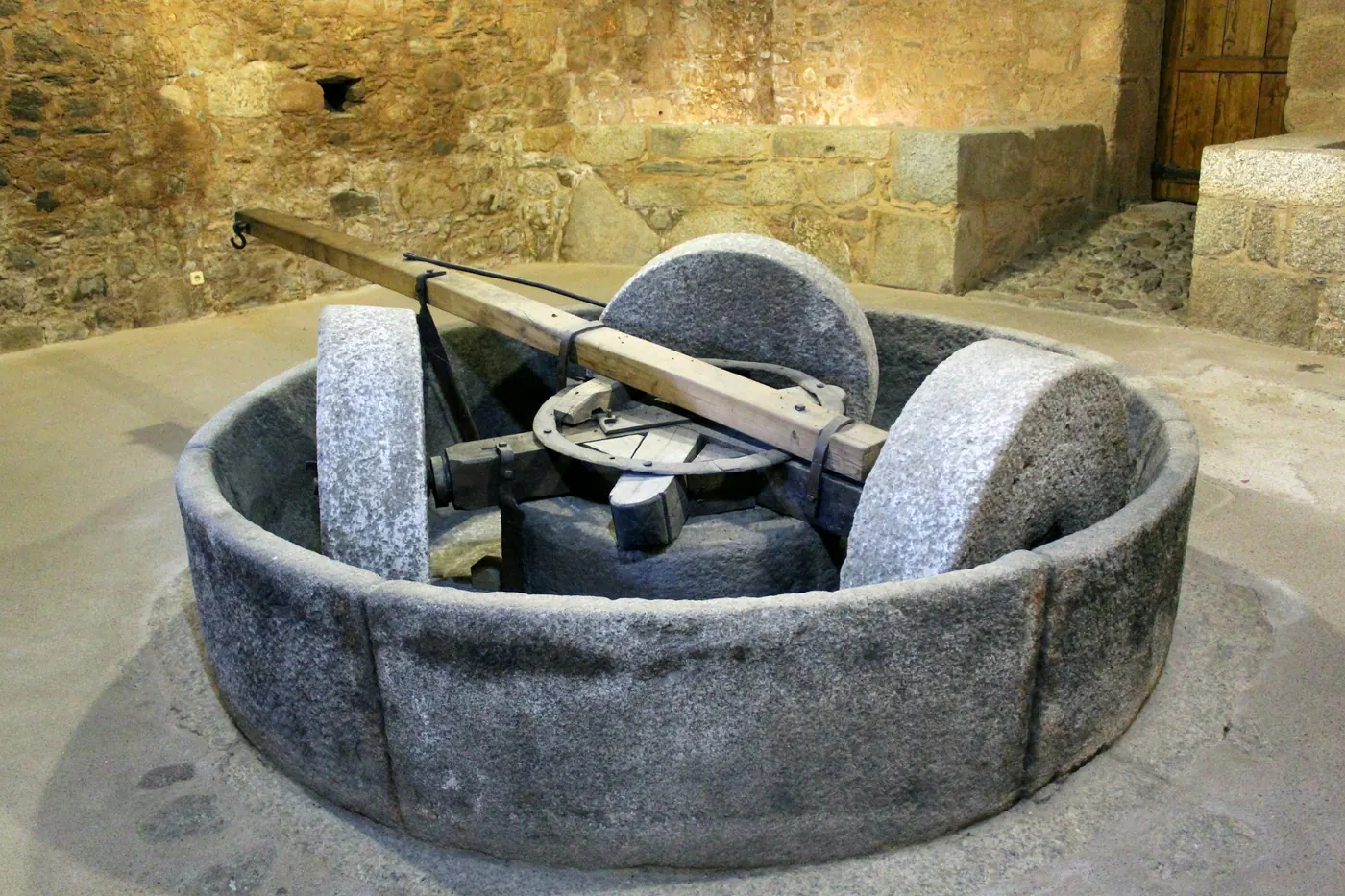
Industrial producers use mechanical shredders, which are fast and efficient. Traditional producers use a tahona — a two-ton stone wheel dragged in a circle over the agave, historically by a mule.
The tahona is slower and leaves more fiber in the mix, which many producers argue carries more flavor into fermentation. It is also enormously more labor-intensive, and that labor is a large part of what separates a mass-market bottle from a small-producer one.
The same distinction is why a small-batch mezcal from a family palenque is priced the way it is. You are buying hours, not marketing.
Ordering either one
A few things that make the choice easier.
Look for 100% agave. On tequila this is the single most important label detail, as our tequila guide explains: without it, up to forty-nine percent of the sugars can come from elsewhere. Mezcal is required to be 100% agave, so the phrase does not appear.
Mezcal is usually sipped. It is served neat, at room temperature, often in a shallow clay copita, sometimes with orange and sal de gusano alongside. It is not chilled and not shot.
In a margarita, mezcal is an accent. A full mezcal margarita is a strongly smoky drink that some people love and others find overwhelming. Splitting the base — mostly blanco tequila with a small measure of mezcal — is the more forgiving version.
The worm is not a quality marker. The larva in some mezcal bottles is a mid-twentieth-century marketing device. Good mezcal does not have one.
What Julia’s pours
Julia’s is a tequila bar rather than a mezcal one, and the drink menu reflects that.
The named margaritas each specify their tequila: Jimador Silver in the Skinni, Sauza Silver in the Tropical, Herradura Silver in the Top Shelf, Patrón Silver in the Patrona, Hornitos Reposado in the Acapulco, and Cuervo Gold in the Golden. That is five silvers and one reposado, which is exactly what a margarita list should look like — our guide to tequila types covers why blanco suits lime.
There is no mezcal on the list. That is a normal choice for a Tex-Mex restaurant with a margarita-led bar, and it is worth knowing before you go looking for one.
If you are not drinking, the horchata and aguas frescas are covered in our drinks pairing guide, and they suit the food at least as well.
The other agave spirits
Two more turn up on serious lists, and both are regional in the same way mezcal is.
Raicilla comes from Jalisco, made from agaves that fall outside the tequila rules, and tends to be brighter and more herbal than mezcal with less smoke.
Bacanora is from Sonora, made from agave pacifica, and was illegal in Mexico until 1992 — which is why almost nobody outside the state had heard of it until recently.
Sotol is often shelved alongside these and is not an agave spirit at all. It is made from the desert spoon plant, a different genus entirely, and tastes greener and more vegetal.
A note on pace
Mezcal is usually bottled at a higher strength than mass-market tequila, and it is sipped slowly for that reason rather than as a matter of ceremony.
It is also not a shot. A spirit that took a family several days to roast and a stone wheel to crush is worth the same attention you would give a whisky, and drinking it that way is both the tradition and the sensible approach.
Frequently asked questions
Is tequila a type of mezcal?
Technically yes. Mezcal is the broad category of agave spirits; tequila is a protected regional style within it, restricted to blue Weber agave and a defined area.
Why is mezcal smoky?
Because the agave is roasted in an earth pit with hot rocks and wood for several days before fermentation. Tequila agave is steamed, so it picks up no smoke.
Which agave is used for each?
Tequila must use blue Weber agave. Mezcal can be made from dozens of species; espadín is the most common, and wild varieties like tobalá are prized and slower-growing.
Should you put mezcal in a margarita?
You can, and it makes a strongly smoky drink. Many bartenders split the base instead — mostly blanco tequila with a small measure of mezcal for depth.
Does good mezcal have a worm in it?
No. The larva is a twentieth-century marketing addition and is not a sign of quality or tradition.
The short version
One agave and steam for tequila; many agaves and an earth pit for mezcal. That pit is where the smoke comes from, and it is the only difference most people will actually taste.
Julia’s pours tequila, named bottle by bottle, on the drink menu — and no mezcal, which is worth knowing in advance.