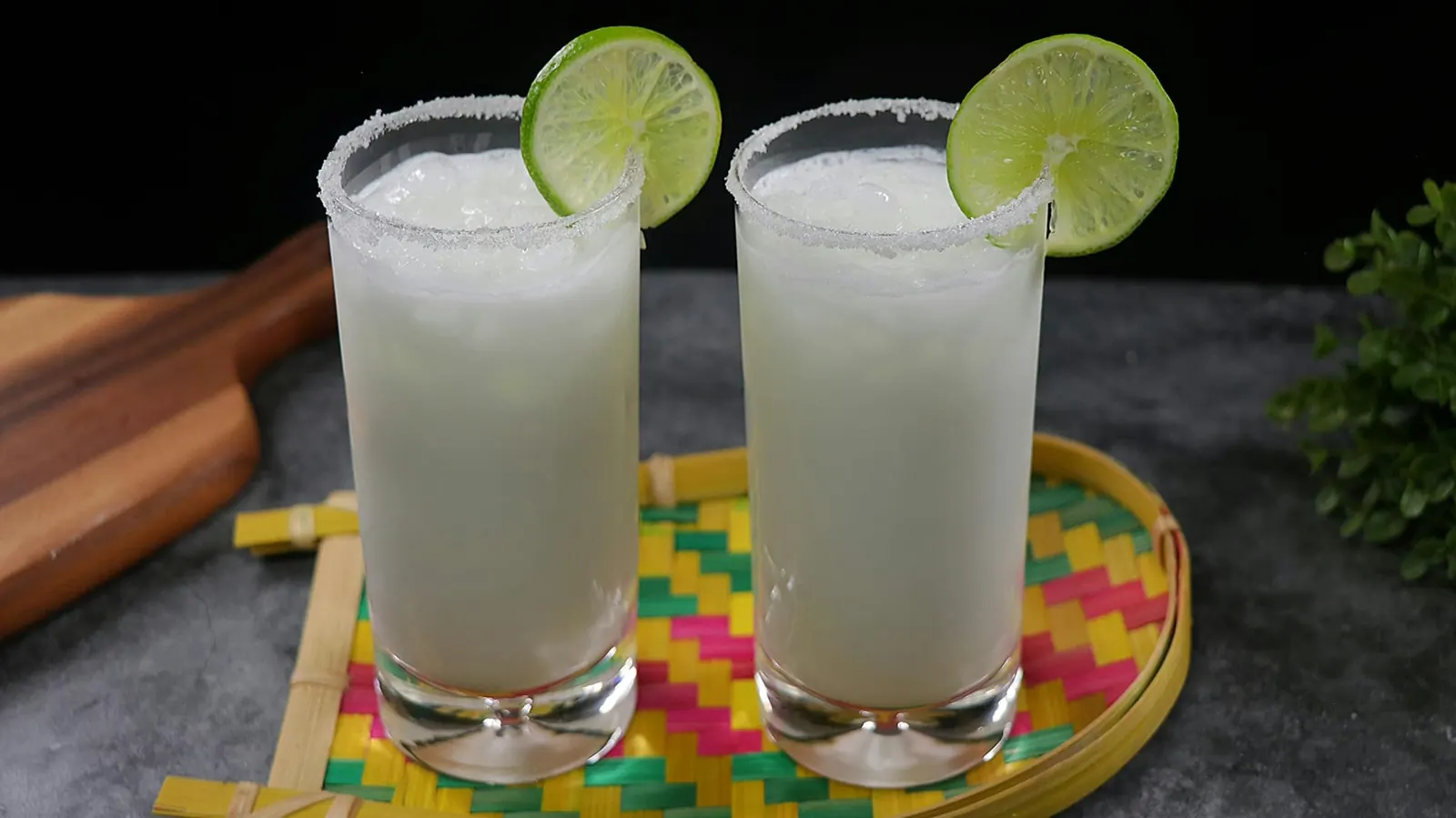
Margarita, beer, or something else entirely? Mexican food has a wider drinks range than most cuisines, and the default order is not always the best one for what is actually on your plate.
Here is what works with what, including the options that do not involve alcohol at all.
The short answer
Acid, cold and a little sweetness are what Mexican food wants. A margarita or a light lager suits almost everything. Rich, slow-cooked dishes take a darker beer or a light red. Anything spicy is better with something sweet or creamy — sangria, a frozen drink, or horchata. Crisp white wine works far better than most people expect.
Why the margarita became the default
It is not just tradition. The combination does specific work.
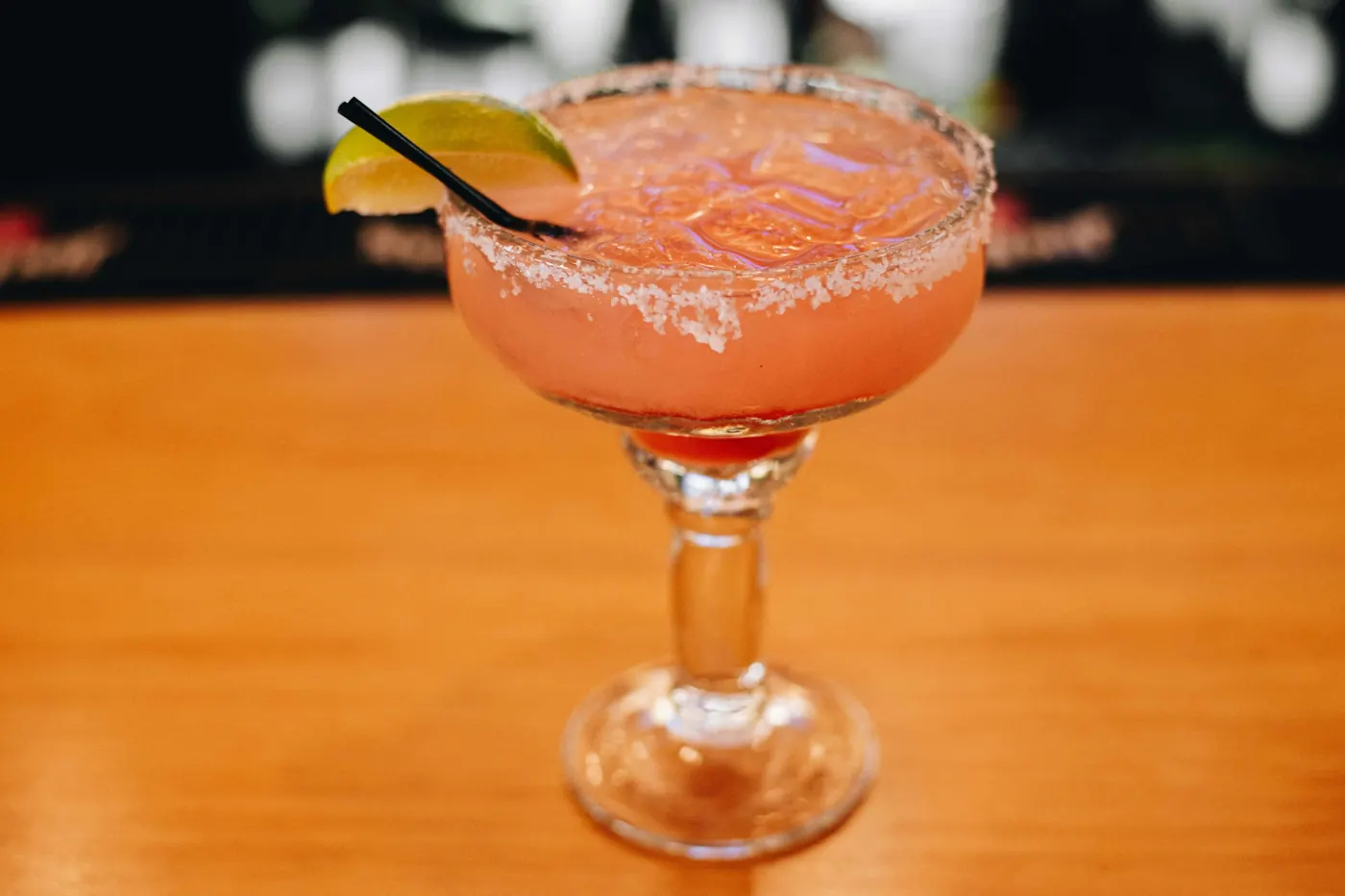
Lime provides acidity, which cuts through fat and resets the palate between rich bites. Salt on the rim suppresses bitterness and lifts the perception of sweetness. Cold dulls chile heat. A margarita is essentially a palate-cleaning device that happens to also be a cocktail.
That is why it works across such a wide range of dishes — grilled, fried, sauced or stewed. If you are not sure what to order, it remains the safest choice.
Beer, and which kind
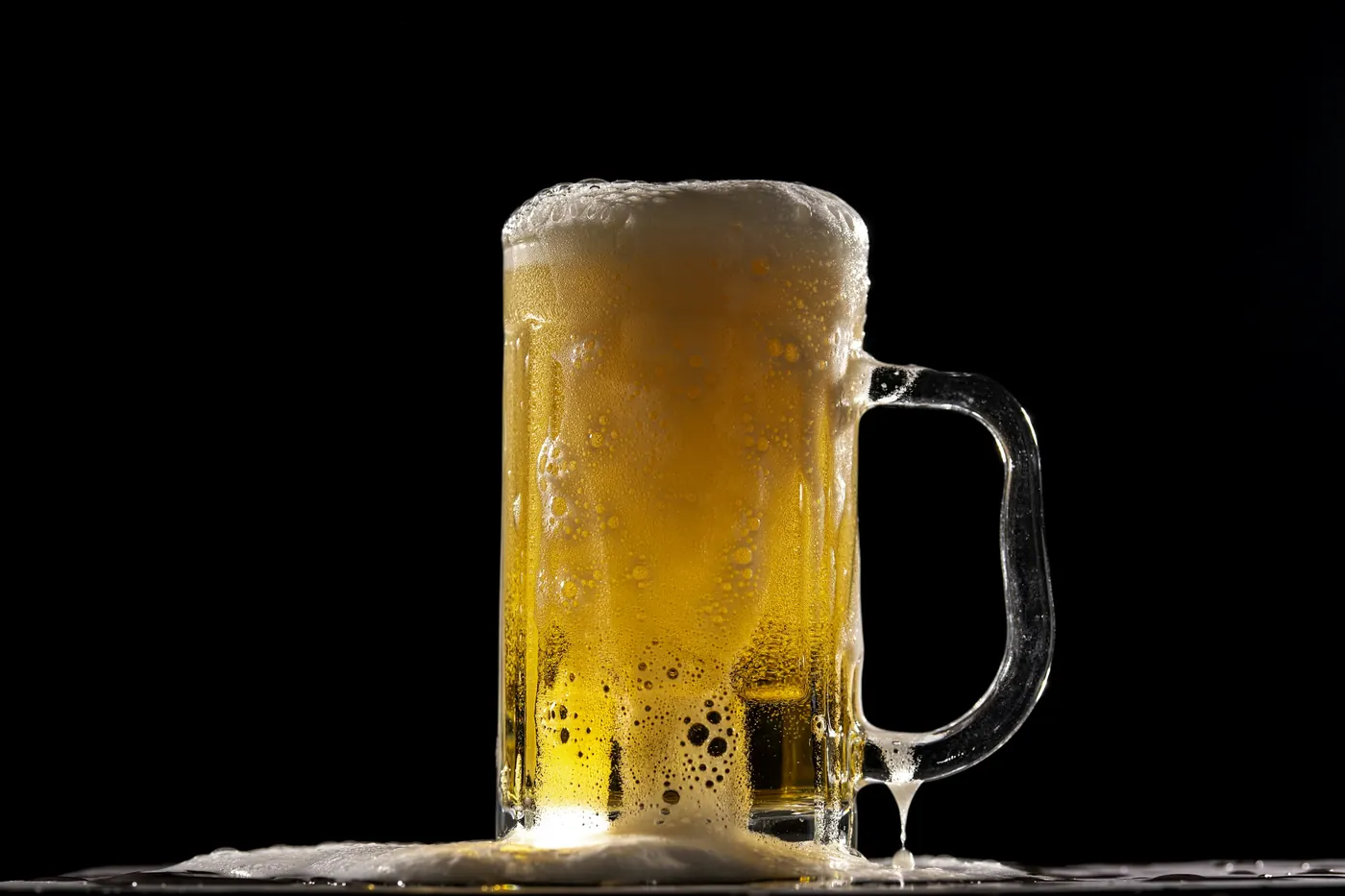
Beer is the other reliable answer, and the type matters more than people assume.
Light lagers do what carbonation does best: scrub the palate clean. They suit fried food, salty food and anything with cheese, and they are the least demanding thing you can put next to a spicy dish.
Darker beers — amber lagers and dark Mexican styles — have enough malt sweetness to stand up to slow-cooked meat. If you are eating birria, carne guisada or mole, a darker beer holds its own where a light lager disappears.
A lime wedge in the neck is mostly habit, though the acidity suits fried food.
Wine actually works
Wine and Mexican food have a reputation for not getting along, which is largely undeserved.
The rule is acidity. As Wine Folly sets out, crisp, high-acid whites handle the citrus and chile in Mexican cooking well, while heavy oaked wines tend to clash. A dry white with real acidity behaves much like the lime in a margarita.
For reds, lighter is better. A soft red with modest tannin works with grilled meat and braises. Big, tannic reds are the ones to avoid, because tannin and chile heat amplify each other unpleasantly.
Sangria and mojitos
Both solve the same problem from different directions.
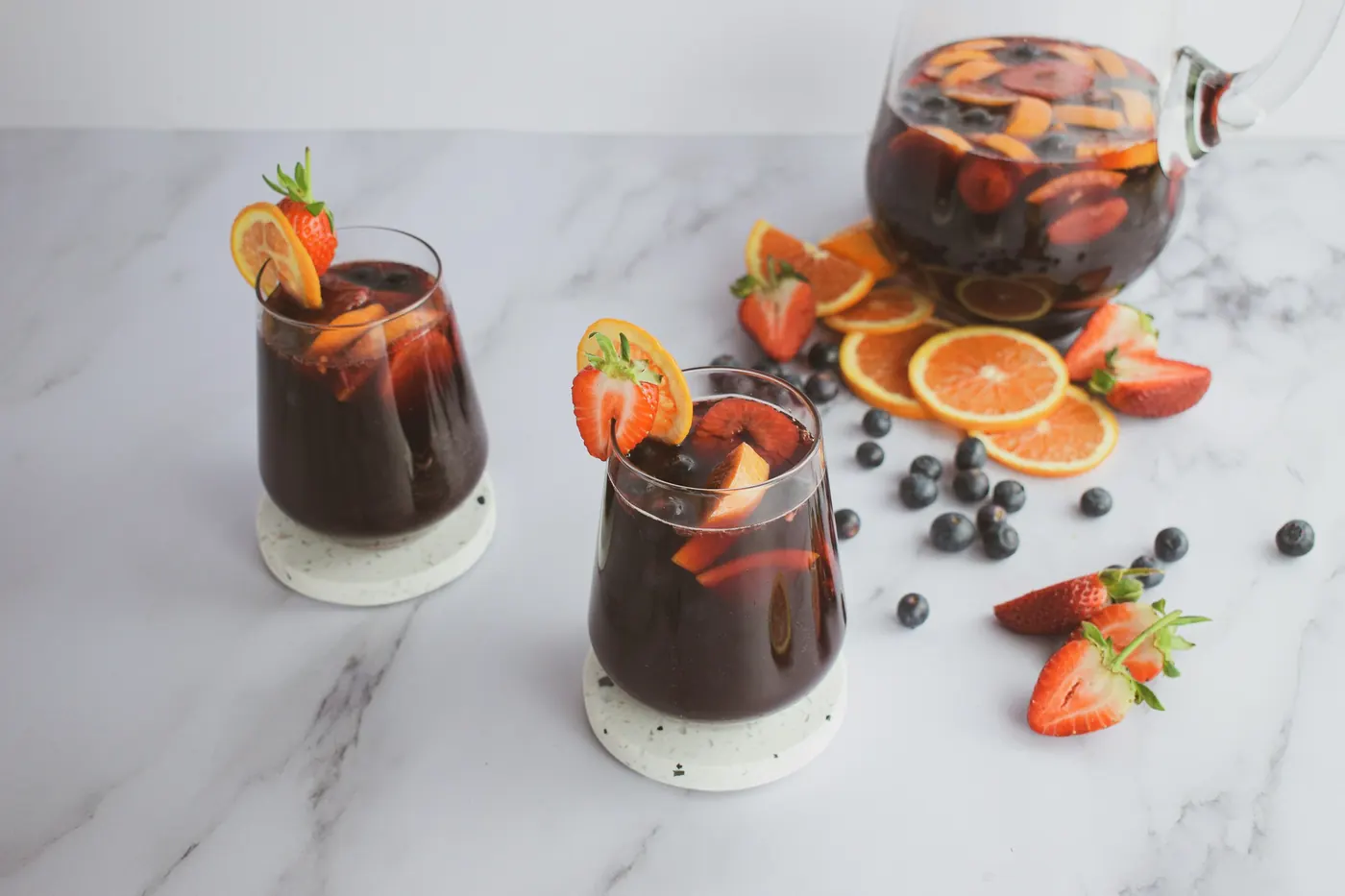
Sangria is wine with fruit and juice, so it arrives with sweetness already built in. That makes it genuinely useful with spicy food, where sugar does more to settle heat than alcohol does. It also suits a table sharing several dishes, because it does not commit to any one of them.
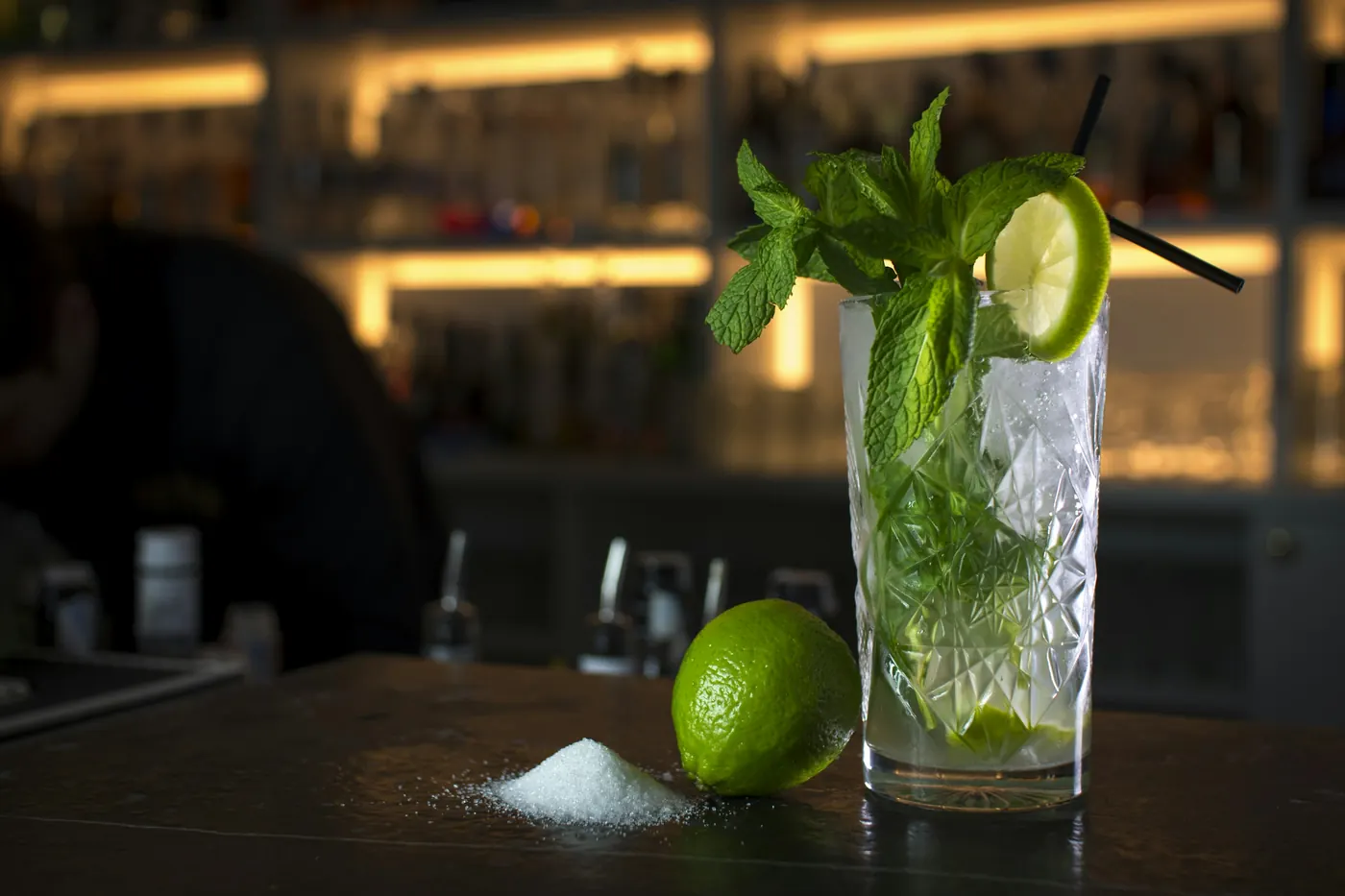
Mojitos bring mint and lime, which read as a palate cleanser rather than a partner. They work best alongside lighter plates — grilled fish, shrimp, ceviche, salads — and less well against heavy braises.
What to drink if you are not drinking
The non-alcoholic options here are not an afterthought. Several of them are the traditional pairing.
Horchata is a sweet rice drink with cinnamon. It is the single best thing to order with spicy food, because the combination of dairy-like body and sugar addresses chile heat directly in a way that water cannot.
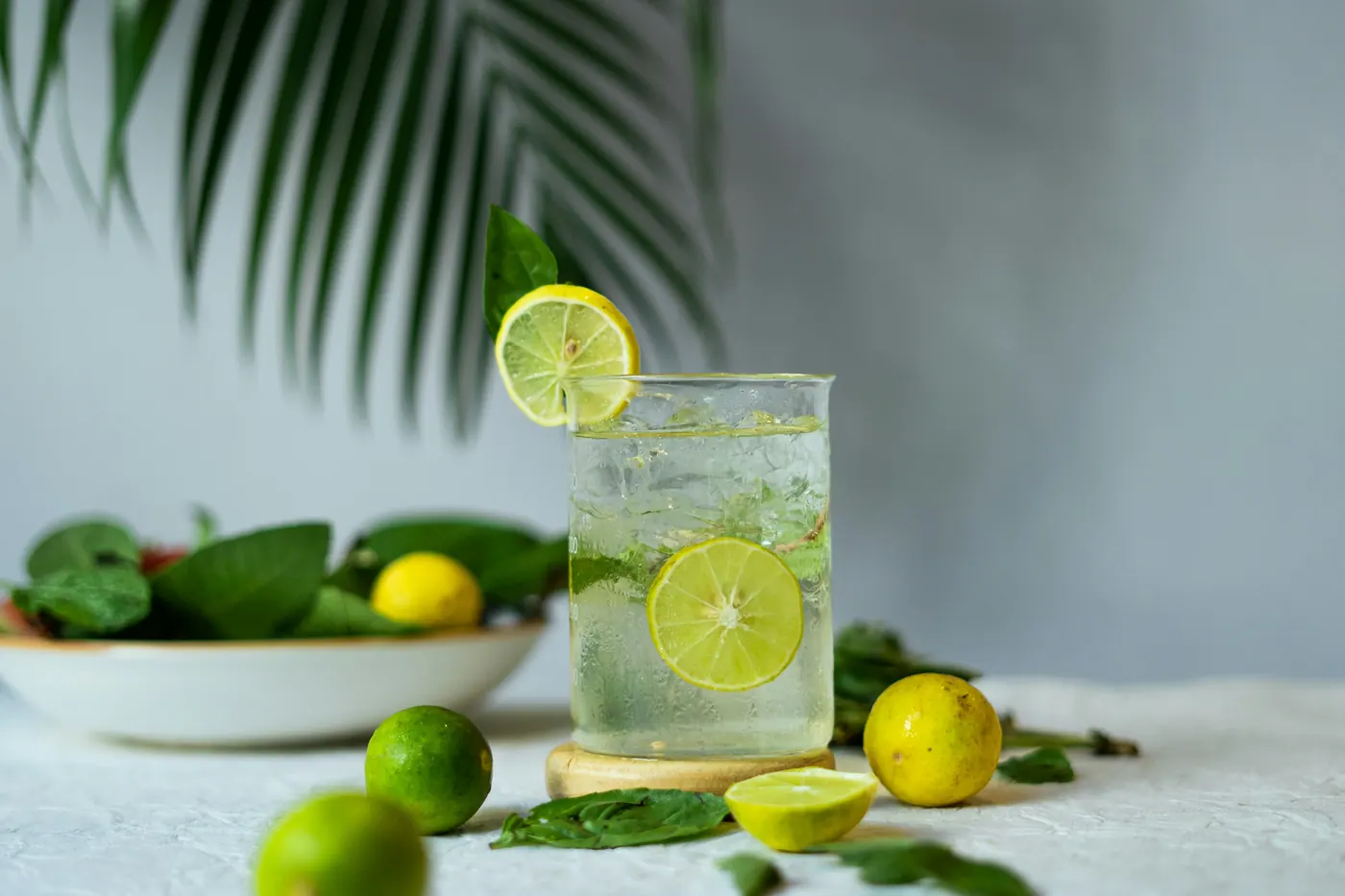
Aguas frescas — fresh lemonade and other fruit waters — give you acidity and cold without alcohol, which covers most of what a margarita was doing.
Mexican Coke and Topo Chico are the two most common bottles on a Mexican table. Topo Chico is heavily carbonated mineral water, unsweetened and sharp, which makes it an excellent foil for a heavy plate.
Pairings by dish
| If you are eating… | Try | Why |
|---|---|---|
| Fajitas | Margarita on the rocks, or amber beer | Acid and salt cut through charred, fatty meat |
| Enchiladas in mole | Dark beer or a light red | Malt and fruit meet the sauce’s depth |
| Anything with habanero | Frozen margarita, sangria or horchata | Cold and sweetness settle chile heat |
| Ceviche or shrimp | Crisp white wine or a mojito | High acid, nothing heavy competing |
| Chips, queso, nachos | Light lager | Carbonation clears salt and fat |
| Birria or carne guisada | Dark beer, or a soft red | Enough body to stand up to a long braise |
| Brunch | Horchata or agua fresca | Traditional, and it suits eggs and chile |
The one thing to know about spice
Alcohol does not put out chile heat. If anything it can sharpen the sensation, because capsaicin dissolves in alcohol and spreads more readily across the palate.
What genuinely helps is fat, dairy and sugar. That is the logic behind sour cream on a spicy plate, cheese in an enchilada, and horchata alongside. If a dish catches you out, the useful move is a mouthful of rice or a sip of something sweet and cold, not a large gulp of anything strong.
What Julia’s pours
Julia’s drink menu is organized roughly along these lines.
The margaritas run from a house version, on the rocks or frozen, up to a named list that specifies its tequila and orange liqueur. All of them are made with fresh squeezed lime juice. Our comparison of frozen and rocks margaritas covers which format suits which order.
Beyond that there is sangria made with wine and fresh juices, a classic and a berry mojito, and a Tex-chata that combines vodka with the house-made horchata. Beers are split between domestic and imported, and there is a short list of red and white wines by the glass.
On the non-alcoholic side, the horchata and fresh lemonade are listed as aguas frescas, alongside Mexican Coke, Topo Chico and Jarrito Mandarin.
What changes at happy hour
Happy hour at a Mexican restaurant is usually narrower than the full bar list, and knowing what is on it saves reading the whole menu.
Typically it covers the house pours rather than the named ones: domestic and imported beer, the house margarita in both sizes, sangria and the standard mojitos. The named margaritas — the ones that specify a particular tequila — are normally excluded, which makes sense given what they are pouring.
Julia’s runs happy hour Monday to Friday, from 11am through to 6pm, which is a longer window than most. It covers the house margarita on the rocks or frozen, domestic and imported beer, sangria, and the classic and berry mojitos.
Frequently asked questions
What is the best drink with spicy Mexican food?
Horchata if you are not drinking alcohol, or a frozen margarita or sangria if you are. All three combine cold with sweetness, which is what actually helps. Water is the least effective option.
Does wine go with Mexican food?
Yes, if you choose for acidity. Crisp dry whites work well across most of the menu, and lighter reds suit grilled and braised dishes. Heavily oaked whites and big tannic reds are the ones that clash.
Why is lime served with Mexican beer?
Mostly for the acidity, which suits fried and salty food. The various origin stories are unverified, but the practical effect is real enough that it stuck.
What is horchata made from?
Rice, water, sugar and cinnamon, blended and strained. Some versions include nuts or dairy. It is sweet, cooling and the traditional accompaniment to a spicy meal.
What should I order if I want something cold and non-alcoholic?
An agua fresca, or Topo Chico if you would rather have something unsweetened. Both are standard on a Mexican menu and neither is treated as a compromise.
The short version
Margarita or light lager covers most of the menu. Go darker for slow-cooked dishes, crisper for seafood, and sweeter for anything hot. If you are skipping alcohol, horchata is not a fallback — it is arguably the best pairing on the list.
The full drink menu lists everything above, and the food menu is worth reading alongside it if you want to match the two properly.