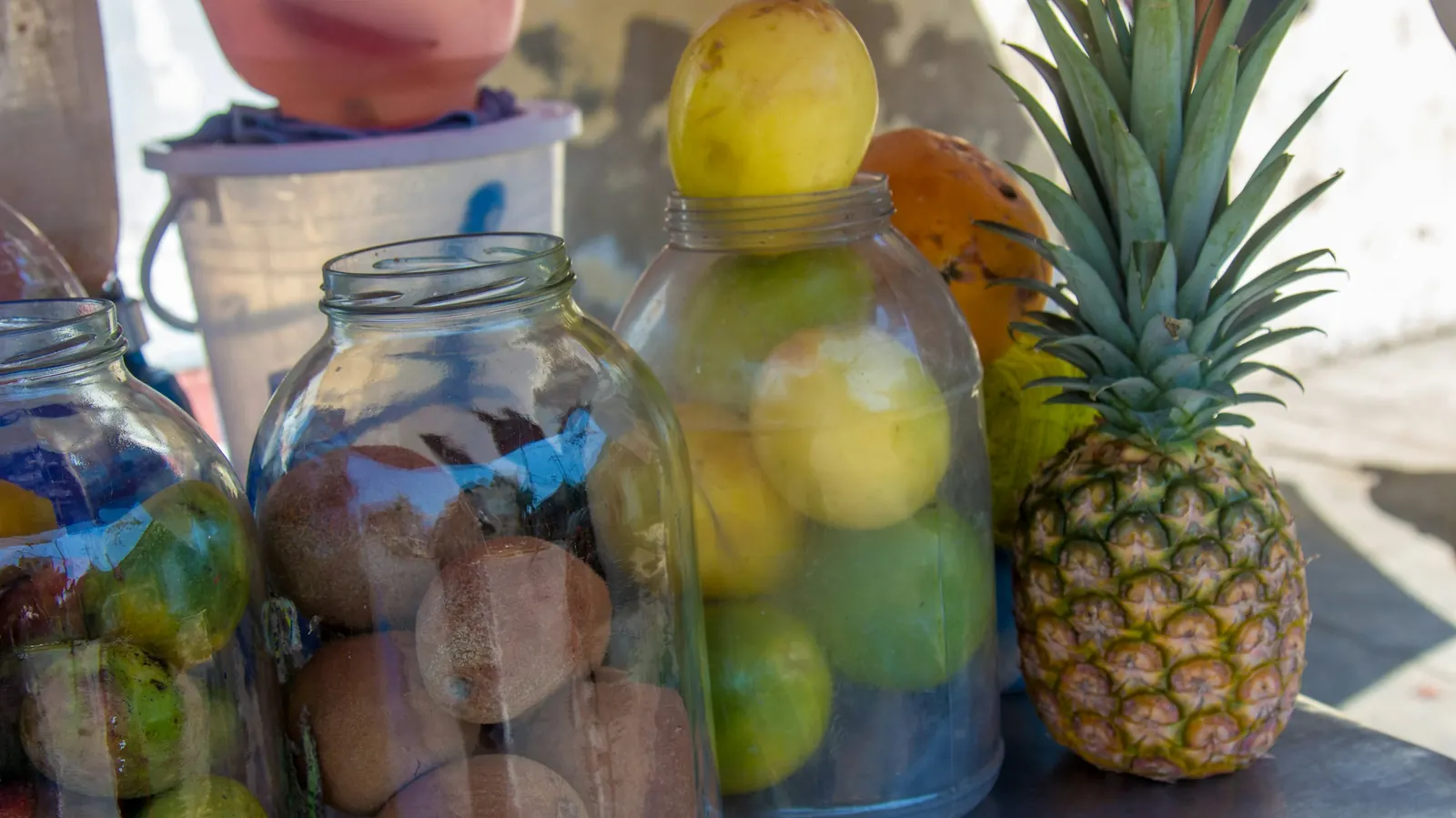
The big glass jars on a Mexican counter, each one a different color, are not decoration. They are the drinks list.
Aguas frescas are the most ordinary thing in Mexican food and one of the least explained on menus outside it.
The short answer
Aguas frescas are light, non-alcoholic drinks made by blending fruit, flowers, seeds or grain with water and a little sugar. The name means “fresh waters.” They are lighter than juice and less sweet than soda, made fresh daily, and sold by the glass. The common flavors are jamaica, horchata, tamarindo, limón and whatever fruit is in season.
What makes one
Three things: water, a flavor base, and a small amount of sugar. Nothing is carbonated and nothing is concentrated.
That water-forward ratio is the whole point. A glass of orange juice is fruit with the water taken out; an agua fresca is fruit with water added back. It is meant to be drunk in quantity in hot weather, not sipped.
They are also made the same morning they are sold, which is why the lineup at any given place changes and why nothing is on tap.
The main ones
| Name | Made from | Tastes like |
|---|---|---|
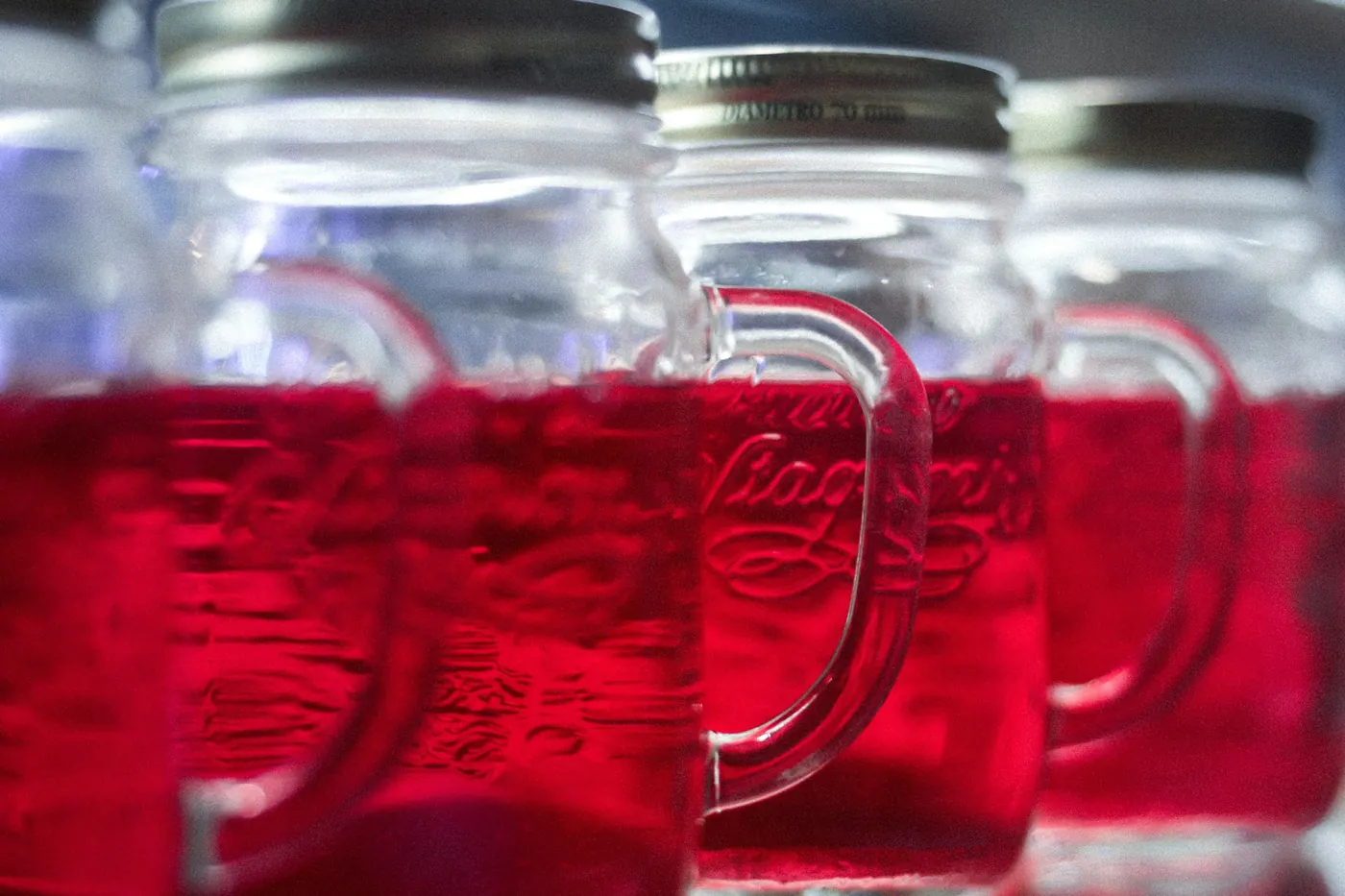
| Jamaica | Dried hibiscus calyces, steeped | Tart, deep red, cranberry-ish |
| Horchata | Rice, cinnamon, sugar | Milky, sweet, faintly spiced |
| Tamarindo | Tamarind pulp | Sour, sweet, slightly funky |
| Limón | Lime, water, sugar | Sharp limeade |
| Sandía | Blended watermelon | Light, barely sweet |
| Piña | Blended pineapple | Bright, tropical, a little sharp |
Jamaica and horchata are the two that travel. Between them they cover the whole range — one tart and thin, one sweet and thick — which is why almost every Mexican restaurant in Texas carries at least one of them.
Jamaica is not a place
Pronounced ha-MY-ka, and it has nothing to do with the Caribbean island.
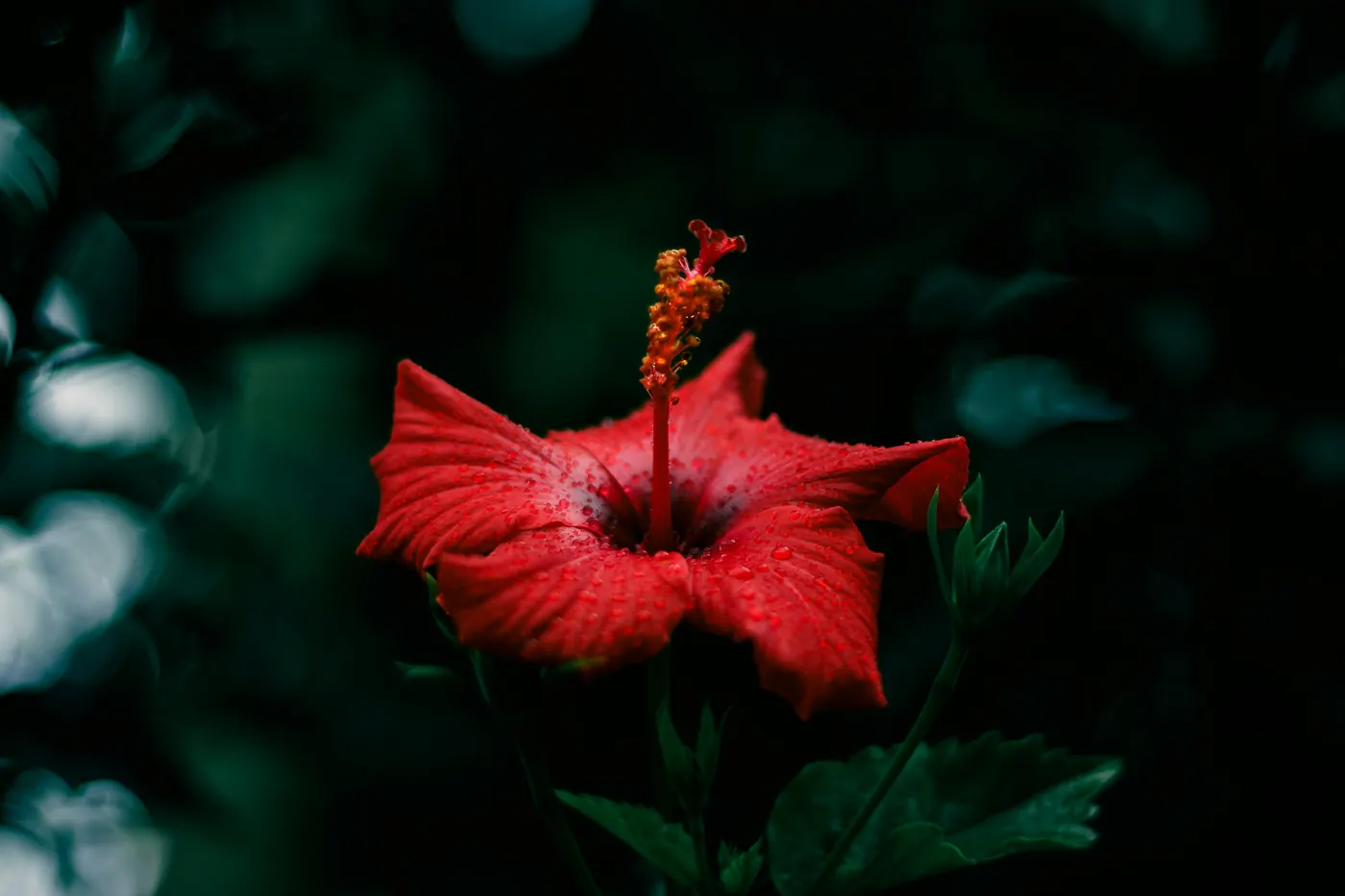
It is made from hibiscus — specifically Hibiscus sabdariffa, called roselle in English. And the part used is not the petal, which is the thing most people assume.
The University of Florida’s horticultural guide to roselle identifies it precisely: the useful part sits at the base of each flower, a fleshy bright red cup-like structure called the calyx, which holds the seeds. The calyces are dried, then steeped like tea.
The same page notes the plant is native to Central and West Africa, and that the tartness is close enough to cranberry that roselle gets called Florida cranberry. Anyone who has had jamaica will recognize that comparison immediately.
Horchata is the odd one
Every other agua fresca is transparent. Horchata is opaque, and it is the only one that reads as creamy.
The Mexican version is rice soaked and blended with cinnamon, vanilla and sugar, sometimes with milk or condensed milk added, sometimes not. The rice starch is what gives it body.
It also has a longer history than the others. Horchata came to Mexico from Valencia in Spain, where it is made from tiger nuts rather than rice. Rice was what was available, so rice is what it became — the same substitution logic that runs through a lot of the cooking our regional guide describes.
Because it is sweeter and heavier, horchata does a different job at the table. It is the one to order with something hot, since dairy and starch both blunt chile heat — the mechanism our guide to mild dishes explains.
What they are not
Three drinks get confused with aguas frescas, and the distinctions are worth having.
Juice is fruit with the water removed rather than added. It is thicker, sweeter and much more concentrated. An agua fresca made from the same fruit is a fraction of the intensity by design.
Licuados are blended with milk or yogurt into something closer to a smoothie. Thicker, richer, and usually a breakfast drink rather than a table drink.
Refrescos are soft drinks — bottled, carbonated, industrial. The word is close enough to cause confusion, but nothing about them is made that morning.
How they are served
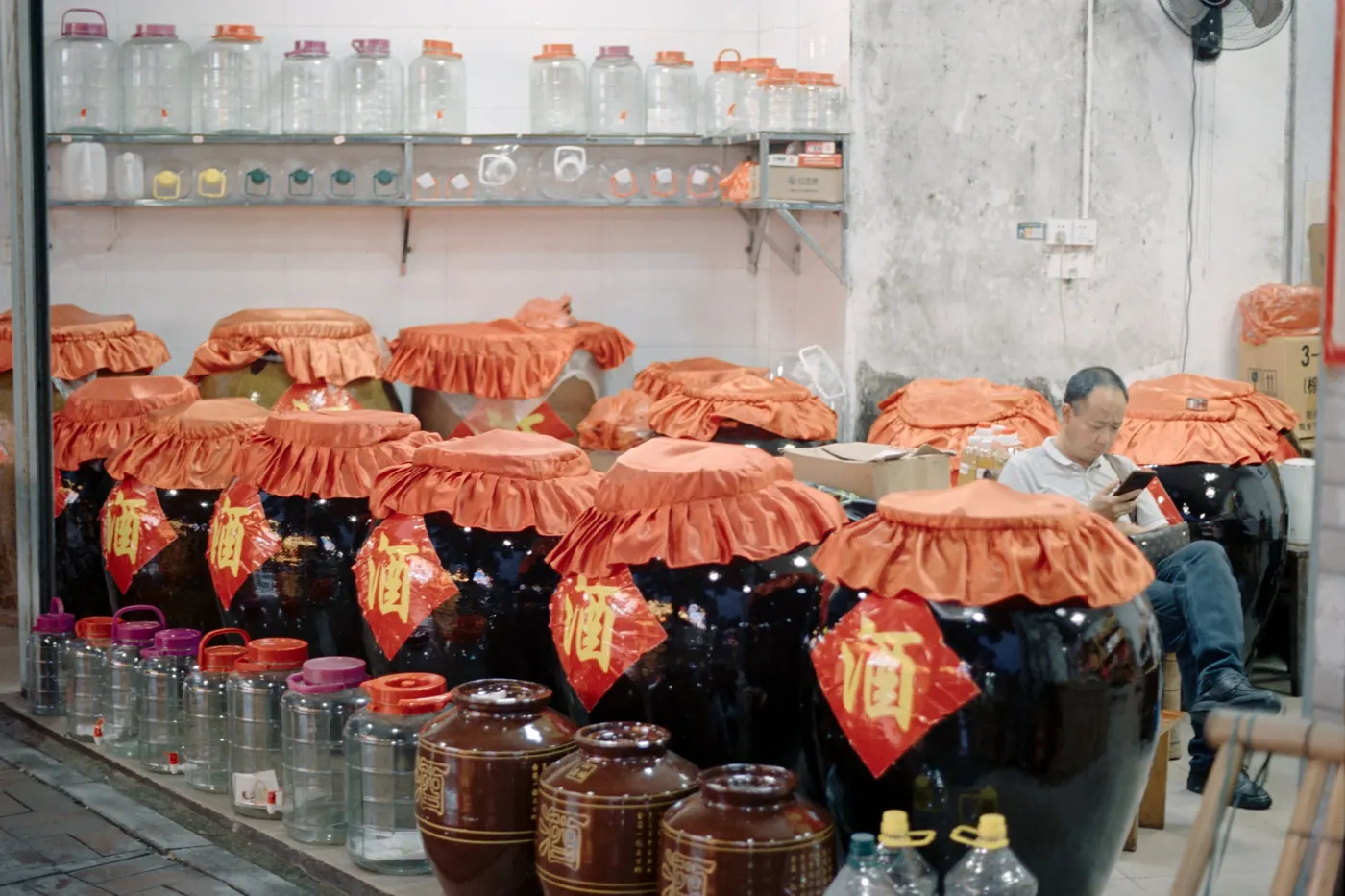
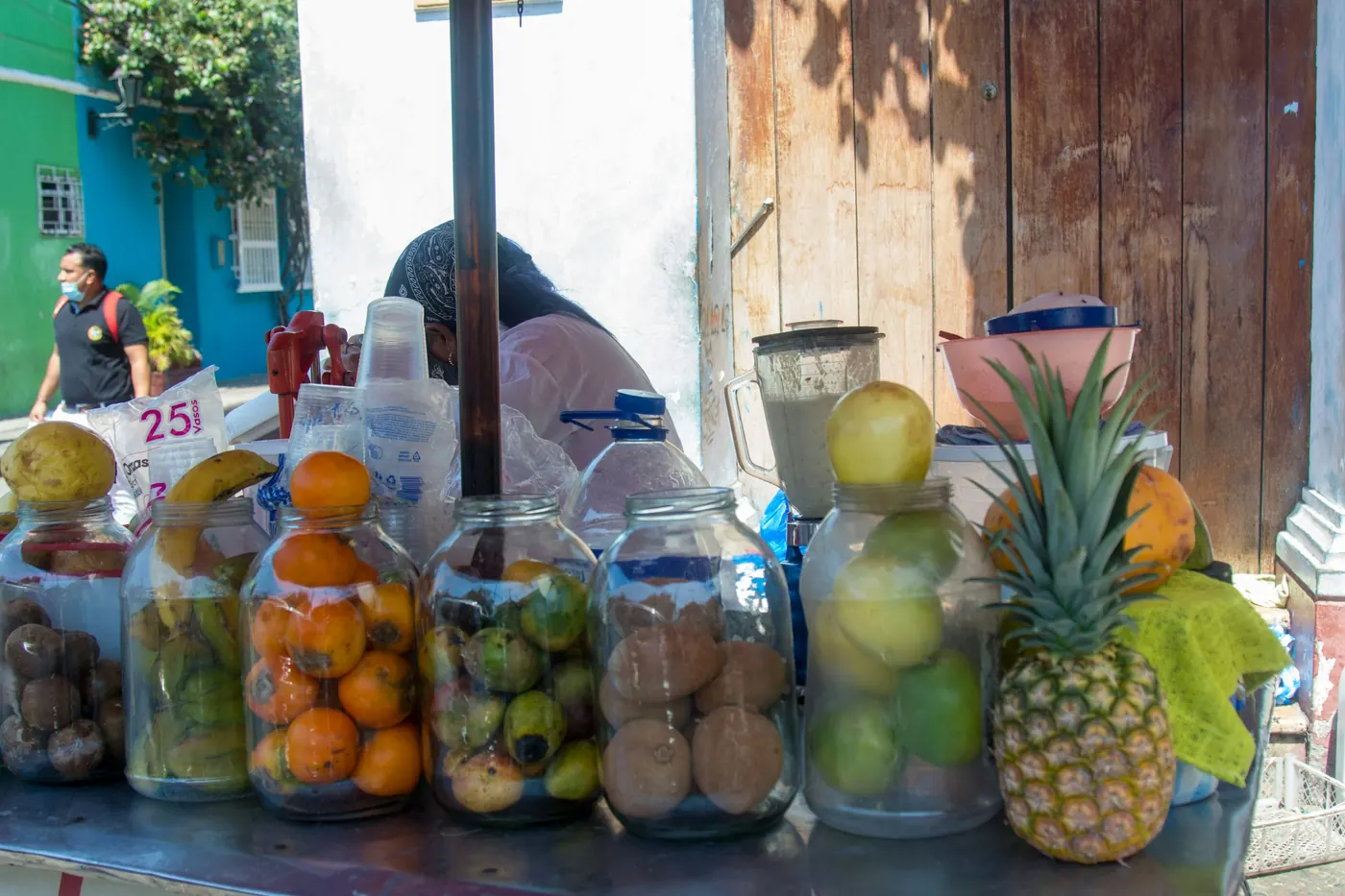
From vitroleros — the big straight-sided glass jars, usually with a cloth or lid over the top and a ladle beside them.
The cloth is practical. It keeps insects out of an open container of sugar water sitting in the heat, and it slows the ice melting.
Served over ice, by the glass. Free refills are not the norm in Mexico, because each glass is ladled out of a finite jar rather than pulled from a machine.
What to order with what
Aguas frescas are better matched to Mexican food than most of the alternatives, and the pairing logic is straightforward.
Tart ones — jamaica, tamarindo, limón — cut through fat and salt. They work with anything fried, anything cheesy, anything rich.
Sweet and heavy ones — horchata above all — work against heat and against smoke. Our drinks pairing guide covers where they sit relative to beer and wine.
They are also the answer when someone at the table is not drinking. An agua fresca is a real drink rather than a consolation, which soda is not.
On Julia’s menu
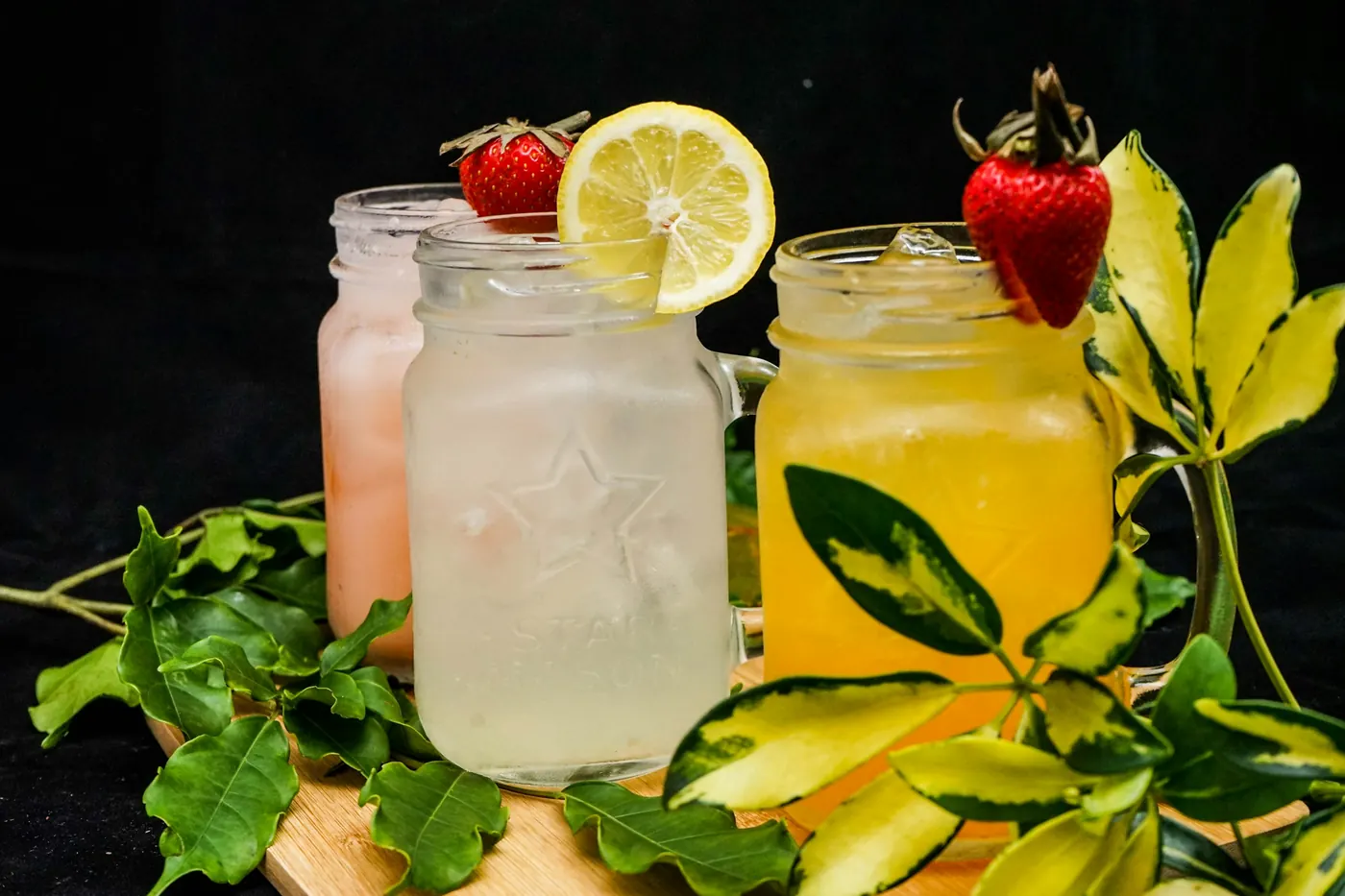
Aguas frescas appear on the drinks list as a single line: fresh lemonade or horchata. The horchata is house made — the cocktail list says so where it uses it.
Two flavors rather than six, which is the normal scale for a full-service restaurant — a market stall can run eight jars because it sells nothing else.
The menu also says “no refills,” and that is the traditional arrangement rather than a restriction. Each glass comes out of a batch that was made that day and will not be topped up from a fountain.
The horchata turns up in one other place: the Tex-chata on the cocktail list mixes it with vodka. That is a Texas invention, not a Mexican one, and the plain version is the one on the aguas frescas line.
Frequently asked questions
What are aguas frescas?
Light non-alcoholic drinks made from fruit, flowers, grain or seeds blended with water and a little sugar. The name means “fresh waters.”
Are aguas frescas alcoholic?
No. They are traditionally non-alcoholic and are what most people at a Mexican table are actually drinking.
What is agua de jamaica made from?
Dried hibiscus calyces — the fleshy red cup at the base of the flower, not the petals — steeped in water and sweetened.
What is horchata made from?
In Mexico, rice blended with cinnamon and sugar, sometimes with milk. In Spain, where it originated, tiger nuts rather than rice.
Are they very sweet?
Less than soda and less than juice. The point is a large amount of water with a modest amount of flavor and sugar.
The short version
Fruit, flowers or rice, plus water and a little sugar, made that morning and ladled out of a glass jar. Lighter than juice, not fizzy, not alcoholic.
Julia’s carries two — fresh lemonade and house-made horchata — on the menu.