A margarita list usually names its tequila, and then expects you to know what the name means. Silver, reposado, gold, añejo — the words are doing real work, and most people order past them.
The distinction is simpler than it looks. It is almost entirely about time in a barrel.
The short answer
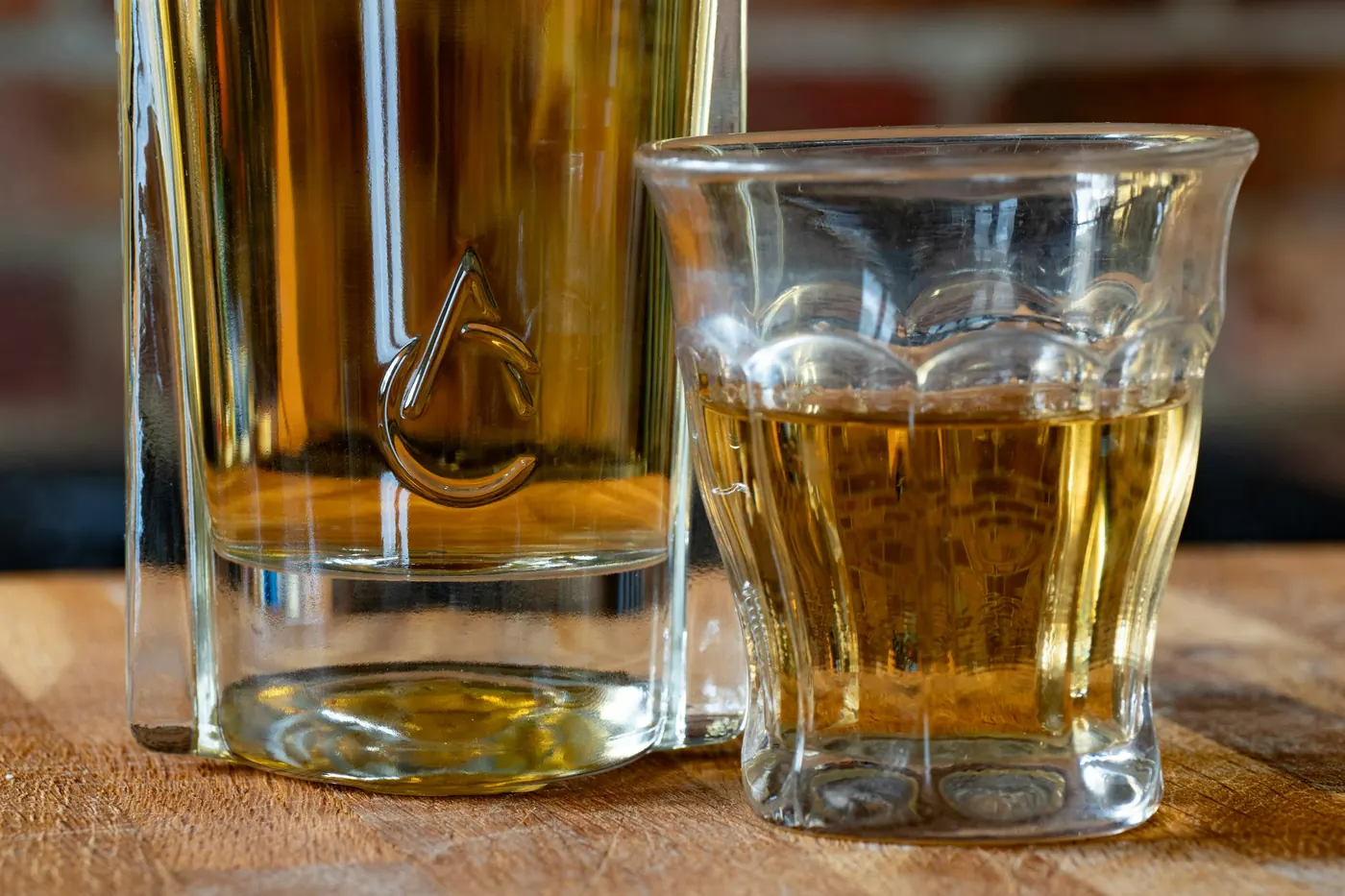
Blanco (or silver) is unaged and tastes of agave, pepper and citrus. Reposado rests two to twelve months in oak and picks up vanilla and caramel. Añejo ages one to three years and turns darker and richer. Blanco is the standard choice for a margarita because lime needs something bright to push against; añejo is meant for sipping.
The categories
Tequila is regulated, and the categories are legal definitions rather than marketing terms. VinePair’s guide to the five types sets out where the lines fall.
| Type | Time in oak | Tastes like | Best for |
|---|---|---|---|
| Blanco / silver | None, or up to 60 days | Agave, pepper, citrus, clean | Margaritas and cocktails |
| Joven / gold | Usually a blend | Softer, sometimes sweeter | Mixed drinks |
| Reposado | 2 to 12 months | Vanilla, light caramel, rounder | Either, depending on the drink |
| Añejo | 1 to 3 years | Oak, spice, dried fruit | Sipping |
| Extra añejo | 3 years or more | Dark, deep, closest to whiskey | Sipping only |
Everything above starts as the same liquid. The differences are made in the barrel.
What the barrel actually does
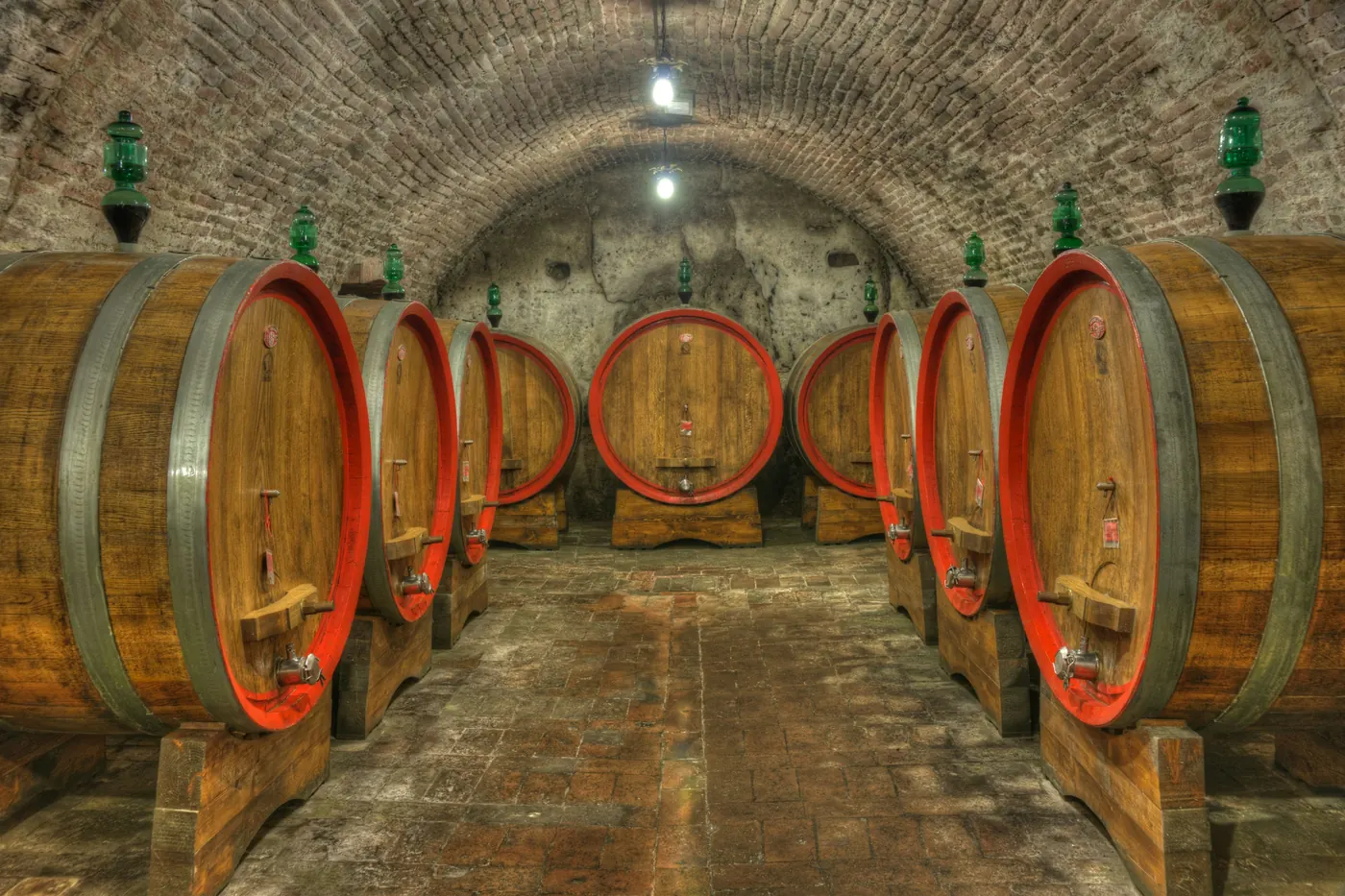
Oak does three things at once, and understanding them explains the whole ladder.
It adds flavor — vanilla, caramel and coconut notes leach out of the wood, more strongly if the barrel previously held bourbon, which most do. It adds color, which is why an unaged tequila is clear and an añejo is amber. And it softens, because slow oxygen exchange through the wood rounds off the sharper edges.
What it also does is bury the agave. That is the trade. Longer aging gives you more complexity and less of the plant, and past a certain point a tequila stops tasting distinctly like tequila at all.
Before the barrel: the plant
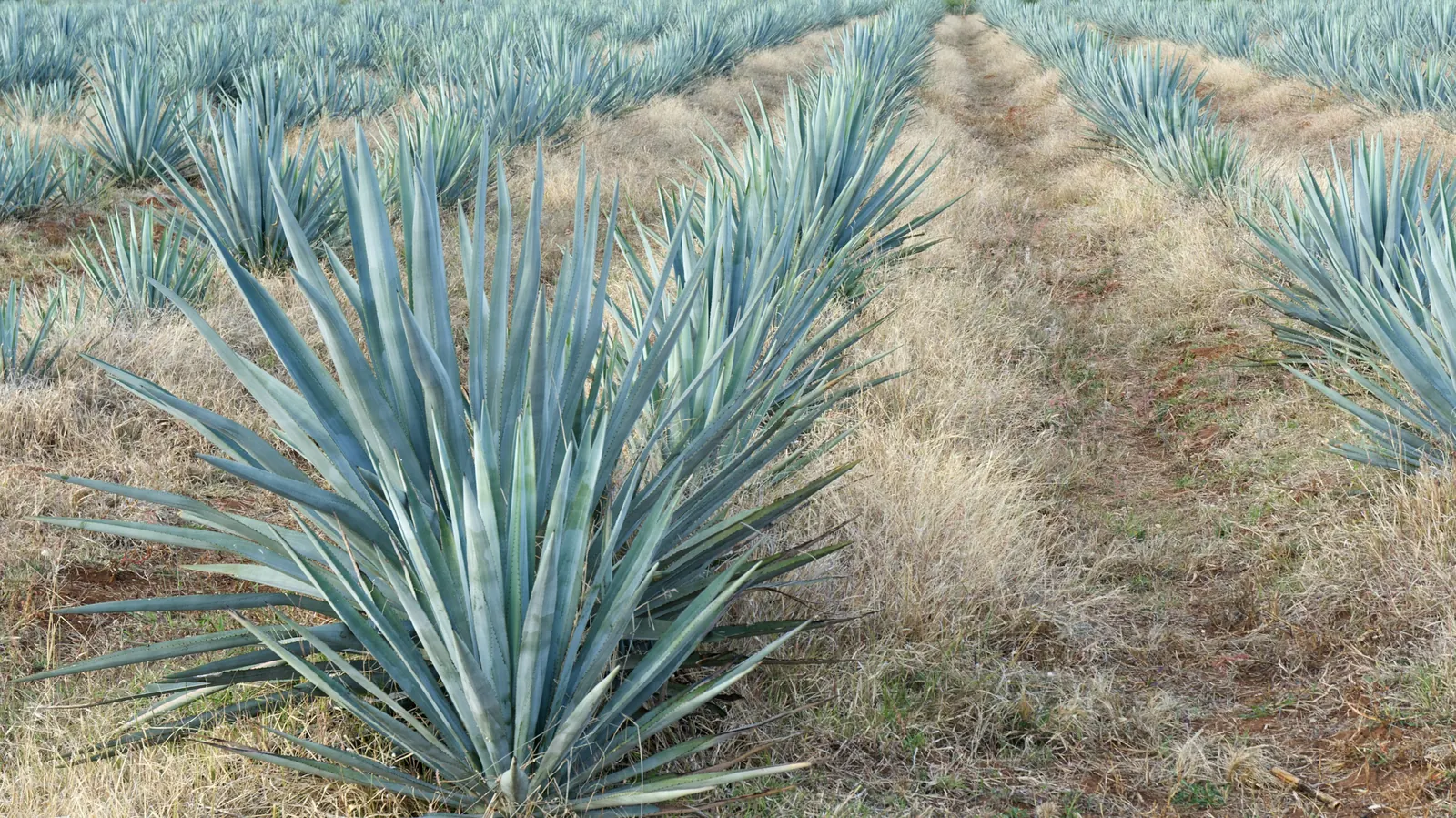
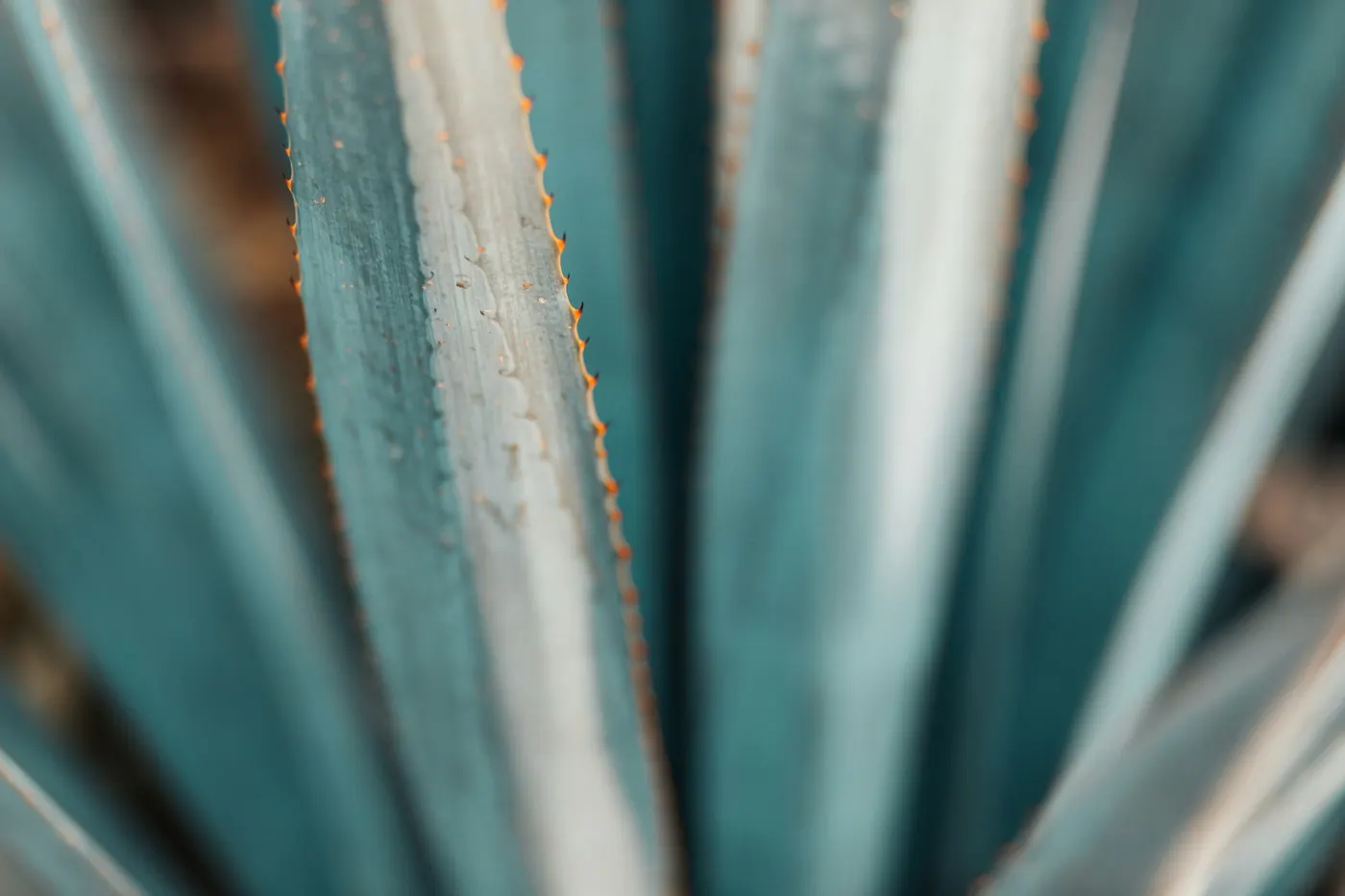
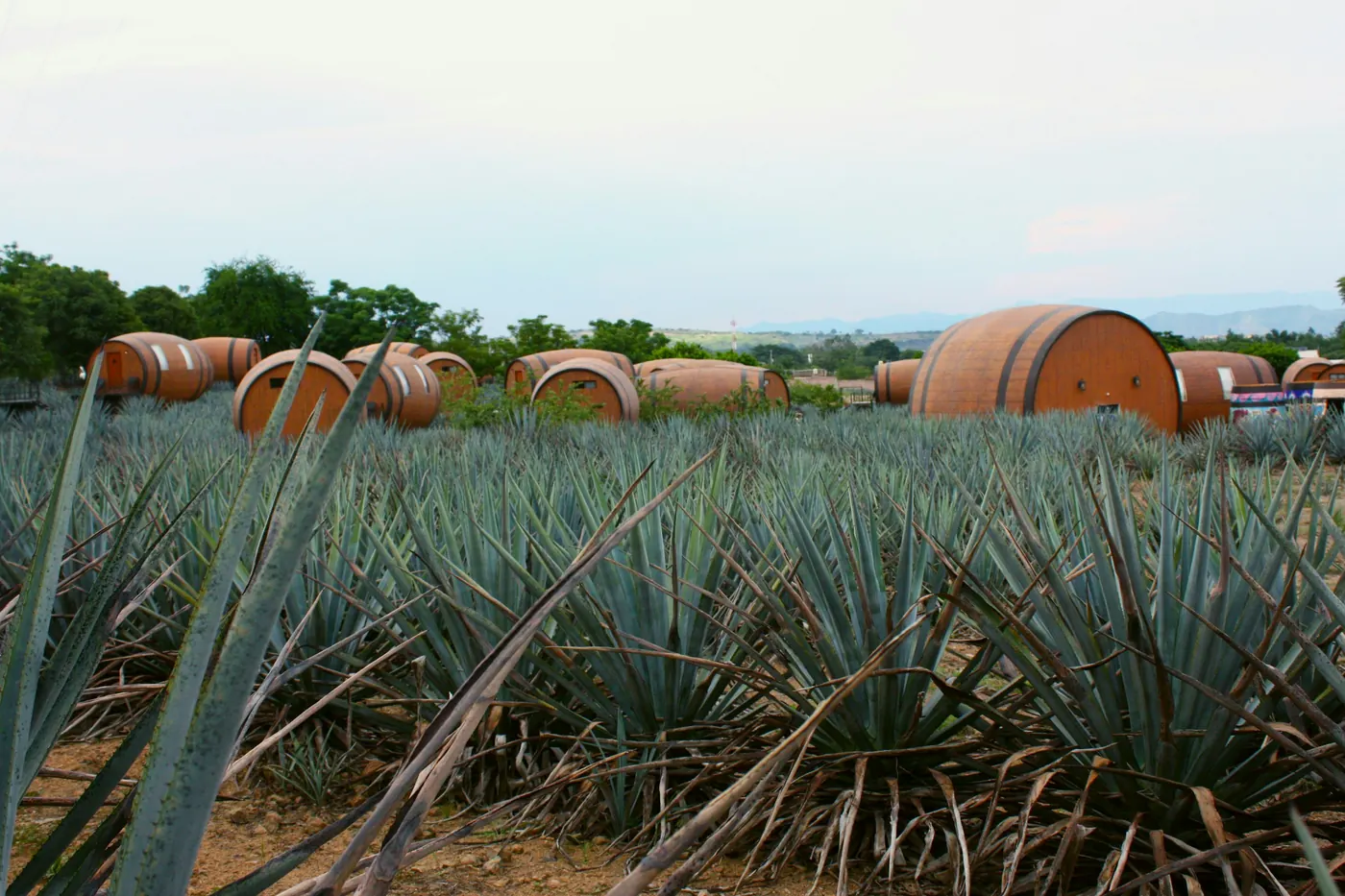
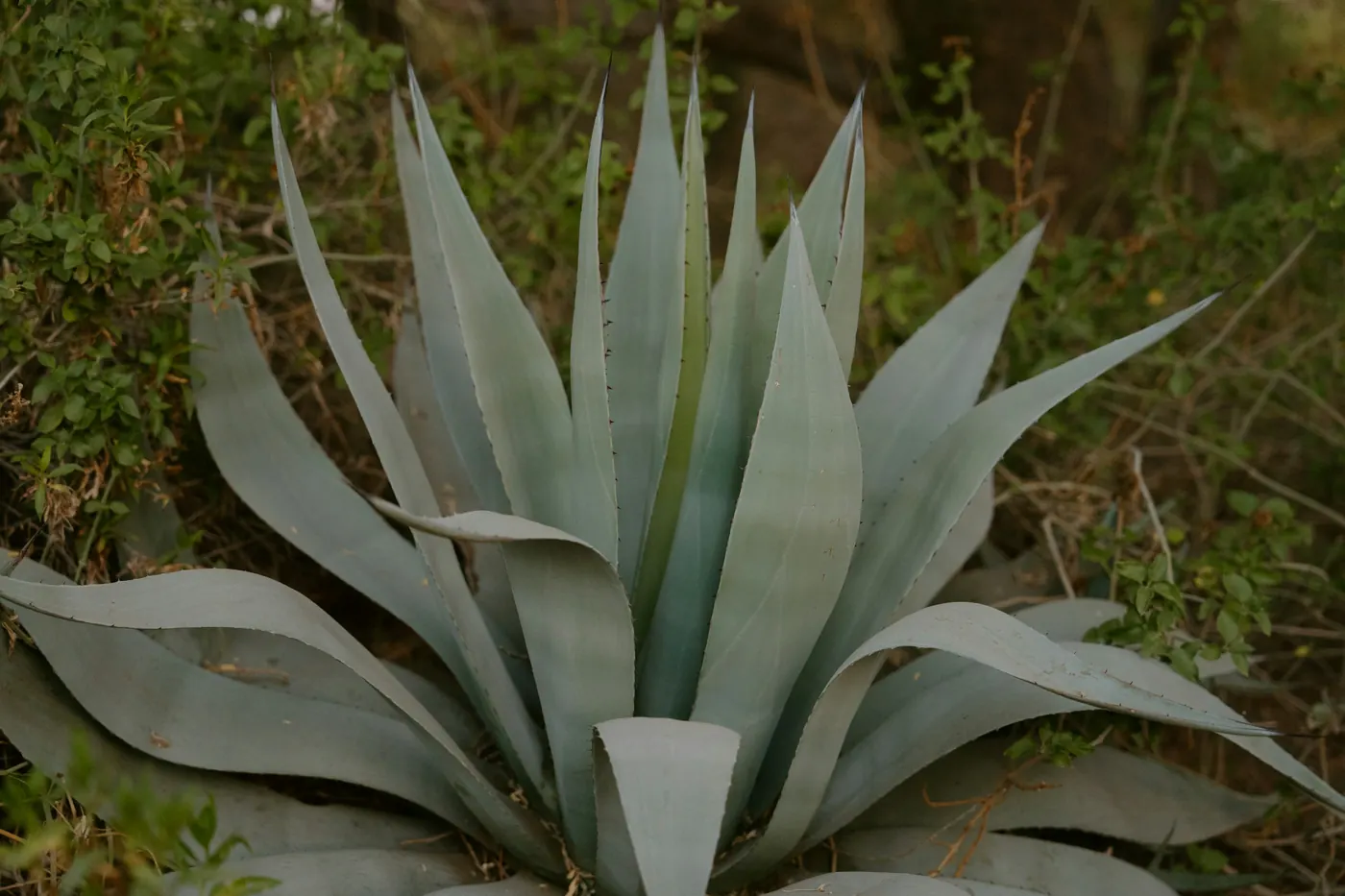
Tequila must be made from blue Weber agave, grown in a defined region centered on the state of Jalisco. Nothing else can legally carry the name.
The plant takes six years or more to mature. The leaves are cut away, the heart is roasted until the starches turn to sugar, and the juice is fermented and distilled. That roasting step is where tequila’s characteristic cooked-sweet note comes from, and it happens before any barrel is involved.
The label detail that matters more than the age
Look for the words 100% agave.
A tequila labeled 100% agave is made entirely from agave sugars. Anything without that phrase is a mixto, legally allowed to derive up to forty-nine percent of its sugars from other sources — usually cane. Mixto is not fraudulent and it is not always bad, but it is a different product.
This distinction does more to shape how a drink tastes than the difference between blanco and reposado does. A 100% agave blanco will generally give you a better margarita than an aged mixto.
It also explains “gold” tequila. Gold is not an aging category in the way reposado is — a gold can be a young tequila with coloring or a blend rather than something that spent a year in wood. If a menu says gold and you want to know what it means, that is a fair question to ask.
Which one belongs in a margarita
Blanco, in most cases, and the reason is structural.
A margarita is lime, orange liqueur and tequila. Lime is aggressive, and it needs something bright and peppery to push against. Blanco supplies that. The drink tastes like a margarita because the agave is still audible under the citrus.
Reposado makes a rounder, softer margarita — less snap, more warmth. It is a legitimate choice and a good one in colder weather or with richer food, but it is a different drink rather than a better one.
Añejo in a margarita is generally a waste. Everything you paid the extra for is exactly what lime and ice remove. If a bottle is worth sipping, sip it.
How to read a margarita list
Julia’s list is a useful worked example, because it names the tequila in every case.
The house margarita comes rocks or frozen in two sizes. Above that, the named margaritas each specify their spirits: the Skinni uses Jimador Silver with agave nectar, the Tropical uses Sauza Silver, the Top Shelf uses Herradura Silver with Cointreau, and the Patrona uses Patrón Silver. The Golden is built on Cuervo Gold with Gran Gala.
Five of those are silver, which is exactly what the general rule predicts — a margarita list will lean blanco because that is what suits the drink.
The interesting one is the Acapulco, which uses Hornitos Reposado. That is the outlier on the page, and now you know what ordering it changes: a softer, rounder margarita with vanilla behind the lime instead of pepper.
All of them are made with fresh squeezed lime juice, which matters more to a blanco pour than to an aged one, since there is less in the glass to hide behind. Whether to take any of them frozen or on the rocks is covered in our comparison of the two formats.
A note on pace
An aged tequila is not stronger than an unaged one — both are bottled at similar strength, and the barrel changes flavor rather than alcohol. What changes is how easy it is to drink quickly.
If you are not drinking, the non-alcoholic side of a Mexican drinks list is genuinely good rather than a consolation. Horchata, aguas frescas and Topo Chico all appear in our guide to what to drink with Mexican food.
And if a list carries mezcal alongside the tequila, that is a different spirit entirely — our comparison of the two explains where the smoke comes from.
Frequently asked questions
What is the difference between blanco and silver tequila?
Nothing. They are two names for the same category: unaged tequila, bottled immediately or rested up to sixty days. Plata is a third name for it.
Which tequila is best for a margarita?
Blanco, in most cases. Its brightness stands up to lime. Reposado gives a softer, warmer version, and añejo is generally wasted in a mixed drink.
Is gold tequila the same as reposado?
No. Reposado is a defined aging category. Gold can mean a blend or a young tequila with color added, so it does not tell you the spirit spent time in oak.
What does 100% agave mean?
That all the fermentable sugars came from agave. Without that phrase, up to forty-nine percent can come from other sugars, which makes it a mixto.
Does aging make tequila stronger?
No. Aging changes color, flavor and smoothness, not alcohol content. A smoother spirit is simply easier to drink quickly, which is worth knowing.
The short version
Blanco is unaged and bright, reposado has rested a few months, añejo has spent a year or more in oak. Margaritas want blanco. Sipping wants añejo. And 100% agave on the label tells you more than the age does.
Julia’s drink menu names the tequila in every margarita, which means you can now tell what you are ordering before it arrives.