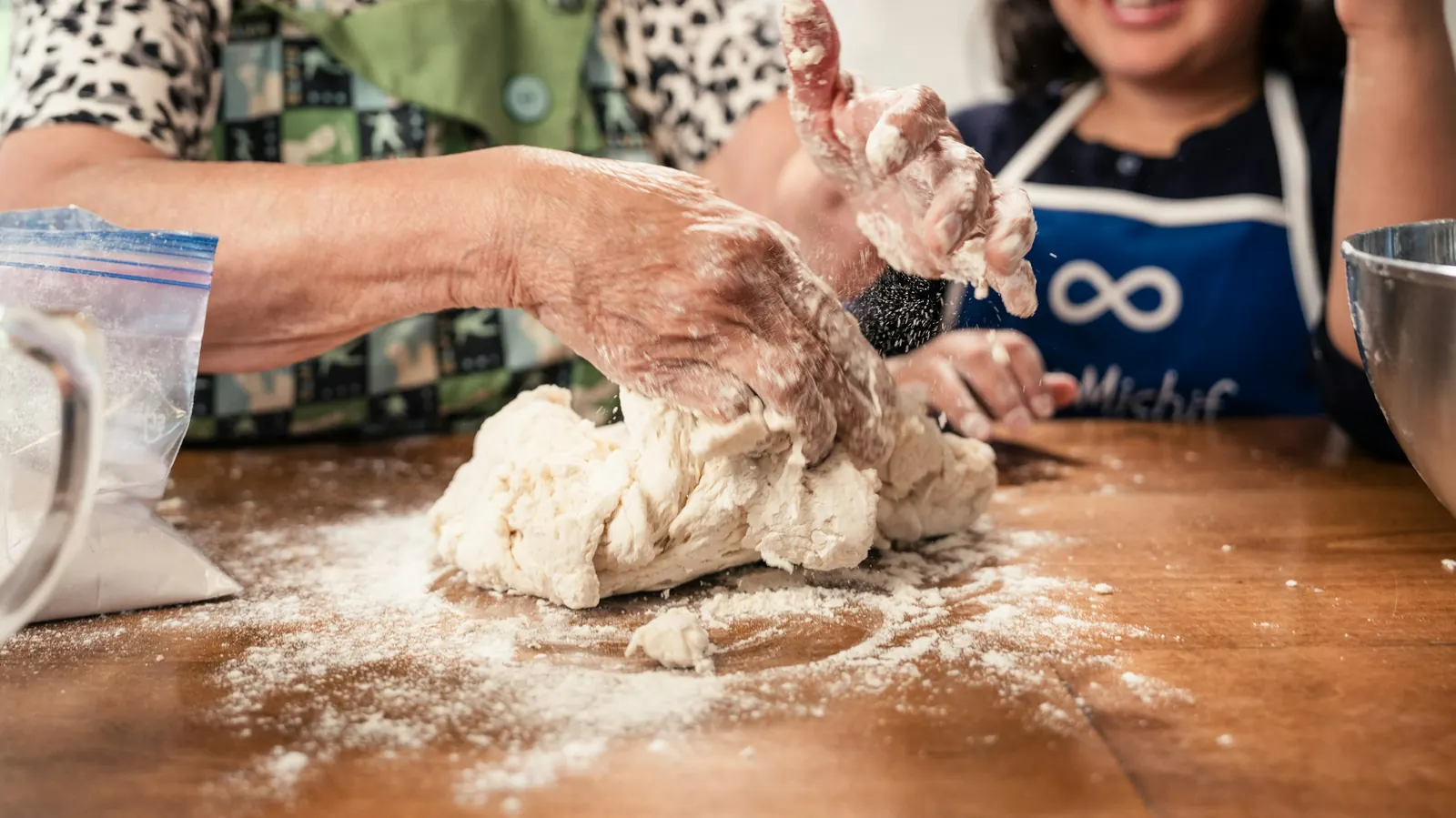
A loaf of bread takes four ingredients and a great many small decisions. How wet is the dough? How long should it rise? Where in the oven, and with what underneath it? Recipes answer those questions one at a time. A good book teaches you to answer them yourself, which is why bread is one of the few subjects where a printed book still beats a quick search.
The right book depends on the bread you want and the time you have. This guide covers eight books by named authors and established publishers, each backed by a trade review or a major award, from a photo-led course to a five-minute method to a whole volume on rye. For each one we set out what those sources say and who it suits.
Julia’s earns a commission on purchases made through links on this page, at no cost to you. Recommendations are based on what a restaurant kitchen looks for in a cookbook, publisher and listing information, and published reviews, which we cite.
Quick verdict: the best bread baking book for most kitchens
For most home bakers, start with America’s Test Kitchen’s Bread Illustrated: a course in photos that runs from an almost no-knead loaf to bagels and croissants. If you want crusty artisan loaves, choose Ken Forkish’s Flour Water Salt Yeast. If you want bread with almost no work, choose Jim Lahey’s My Bread or the stored-dough method in The New Artisan Bread in Five Minutes a Day.
The other four are an award-laden classic from Peter Reinhart, Rose Levy Beranbaum’s deeply explained recipes, a friendly first book from Josey Baker and a specialist’s volume on rye.
Five bread books side by side
Five of the eight, one for each kind of baker. All eight are described in full below.
| Book | Best for | Method | Independent source | Buy on Amazon |
|---|---|---|---|---|

Bread Illustrated, America’s Test KitchenBest overall
|
Learning every stage by sight | Step-by-step, basic to advanced | Publishers Weekly | View on Amazon |

The Bread Baker’s Apprentice, Peter ReinhartMost honored
|
Serious students of bread | Not stated in our sources | James Beard Foundation and IACP awards | View on Amazon |

Flour Water Salt Yeast, Ken ForkishBest for artisan loaves
|
Long-fermented loaves and pizza | Commercial yeast and levain | James Beard Foundation Award; Publishers Weekly; Book Riot | View on Amazon |

The New Artisan Bread in Five Minutes a Day, Jeff Hertzberg and Zoë FrançoisBest for busy bakers
|
Weeknight bread from stored dough | High-moisture dough, refrigerated | Publishers Weekly | View on Amazon |

My Bread, Jim LaheyBest no-knead
|
Almost no work, great crust | No-knead, long rise, baked in a pot | Publishers Weekly | View on Amazon |
Cover images from Amazon. Details are for the listings linked; other editions can differ.
Our picks for the best bread baking book, one by one
We have not baked our way through these books. Where we describe a strength or a weakness, we say whose view it is. We leave out page and recipe counts, because they change between editions.
1. Bread Illustrated, America’s Test Kitchen – Every Step in Photos
For most home bakers this is the safest single book. Publishers Weekly says it breaks bread making into its stages, mixing, kneading, rising, shaping, baking, cooling and storing, with photos for each step, and it counts about 1,000 photos in all. When you are unsure what a dough should look like, a picture answers the question faster than a paragraph.
The book is built as a course. It opens with “Starting from Scratch,” with basics such as an almost no-knead bread and monkey bread, then moves on to different flours for artisan loaves. The last chapter, “Raising the Bar,” takes on time-intensive projects such as New York-style bagels and croissants. Publishers Weekly notes that beginners can start at the front while experienced bakers can jump ahead to sandwich breads or morning buns.
The reviewer went so far as to suggest it “might be the definitive book on bread baking.” We would put it more simply: it is the one book here that serves a nervous beginner and a capable baker equally well. Publishers Weekly lists it as a trade paperback, so it may not take kitchen wear as well as a hardcover.
Why we like it
- A photo for each step, per Publishers Weekly
- Runs from basic loaves to bagels and croissants
- Useful to both beginners and experienced bakers
- Covers cooling and storing as well as baking
Key specifications
| Author | Editors at America’s Test Kitchen |
|---|---|
| Publisher | America’s Test Kitchen |
| Year on listing | 2016 |
| Focus | Full course, basic loaves to advanced projects |
| Method | Step-by-step, by stage; recipes vary |
| Independent source | Publishers Weekly review |
| Best for | Most home bakers |
Why we recommend it
Choose it if you want one book to take you from a first loaf to bagels, with pictures at every stage.
Skip it if you dislike a structured, recipe-by-recipe approach. Lahey’s or Forkish’s books have stronger single voices.
Pros and cons
Pros
- Very visual teaching
- Wide skill range
- Clear progression
Cons
- Paperback, per Publishers Weekly
- Long projects toward the end

2. The Bread Baker’s Apprentice, Peter Reinhart – The Double Award Winner
Peter Reinhart’s book has the strongest awards record on this list. The original won the James Beard Foundation’s Cookbook of the Year and its Baking and Desserts category in 2002, and Wikipedia’s entry on Reinhart also lists an IACP Cookbook of the Year and an International Gourmand Award for best baking book. The link here goes to the 15th Anniversary Edition, as the listing names it from Ten Speed Press.
Reinhart has written on bread for decades. The same entry lists Crust and Crumb, Artisan Breads Every Day and Peter Reinhart’s Whole Grain Breads, and says four of his books have been nominated for James Beard Awards, with three winning. The subtitle states the aim plainly: mastering the art of extraordinary bread.
We should be clear about the limit of our evidence. We could verify the awards, but we could not read a publisher description or a trade review of this edition while writing, so we do not describe its contents in detail. Look inside on Amazon to see whether its approach suits you, and note that the awards belong to the original book.
Why we like it
- James Beard Foundation Cookbook of the Year, 2002
- James Beard Baking and Desserts winner, 2002
- IACP honor, per Wikipedia’s entry on the author
- Author has a long record in bread books
Key specifications
| Author | Peter Reinhart |
|---|---|
| Publisher | Ten Speed Press |
| Year on listing | 2016 |
| Focus | Mastering artisan bread, per the subtitle |
| Method | Not stated |
| Independent source | James Beard Foundation awards |
| Best for | Bakers who want to go deep |
Why we recommend it
Choose it if an awards record matters to you and you want a book from one of the best-known names in American bread writing.
Skip it if you want to know exactly what is inside before you buy. Bread Illustrated has far more verifiable detail.
Pros and cons
Pros
- Unusually strong awards record
- Long-established author
- Listed as the 15th Anniversary Edition
Cons
- Awards went to the original edition
- Contents not confirmed by a review we could read
3. Flour Water Salt Yeast, Ken Forkish – Crusty Artisan Loaves and Pizza
This is the book for a baker who wants a crackling, bakery-style loaf from a home oven. It won the James Beard Foundation Book Award in Baking and Dessert in 2013. Publishers Weekly describes four sections: the principles of artisan bread, basic bread recipes, levain recipes and pizza. Ken Forkish is behind Ken’s Artisan Pizza and Ken’s Artisan Bakery in Portland, Oregon, so both halves come from working experience.
The recipes run from those using store-bought yeast to long-fermented simple doughs and doughs with pre-ferments. Publishers Weekly says novices can follow them and experienced bakers get a different approach to dough, and it compares the chapter on finer details favorably with larger bread-baking books. The pizza section includes unusual toppings such as sweet potato and pear.
Book Riot’s Susie Dumond baked its overnight country blonde and named the book best for science lovers, for its depth on how bread works. She also gave a clear warning: the dough was difficult to handle and the crust very crispy. If you love a dark, shattering crust, that is a selling point. If you want a soft sandwich slice, look elsewhere.
Why we like it
- James Beard Foundation Book Award, Baking and Dessert, 2013
- Covers store-bought yeast and levain
- Pizza section included
- Step-by-step photographs, per Publishers Weekly
Key specifications
| Author | Ken Forkish |
|---|---|
| Publisher | Ten Speed Press |
| Year on listing | 2012 |
| Focus | Artisan bread and pizza |
| Method | Commercial yeast, long ferments, levain |
| Independent source | James Beard Foundation Award; Publishers Weekly; Book Riot |
| Best for | Crusty artisan loaves |
Why we recommend it
Choose it if you want to understand fermentation and bake loaves with real crust, and you would enjoy making pizza from the same book.
Skip it if wet, sticky dough puts you off. Book Riot’s contributor found it difficult to handle.
Pros and cons
Pros
- Major baking award
- Yeast and levain in one book
- Includes pizza
Cons
- Dough can be hard to handle
- Crust is very crispy, per one baker
4. The New Artisan Bread in Five Minutes a Day, Jeff Hertzberg and Zoë François – Fresh Bread on a Weeknight
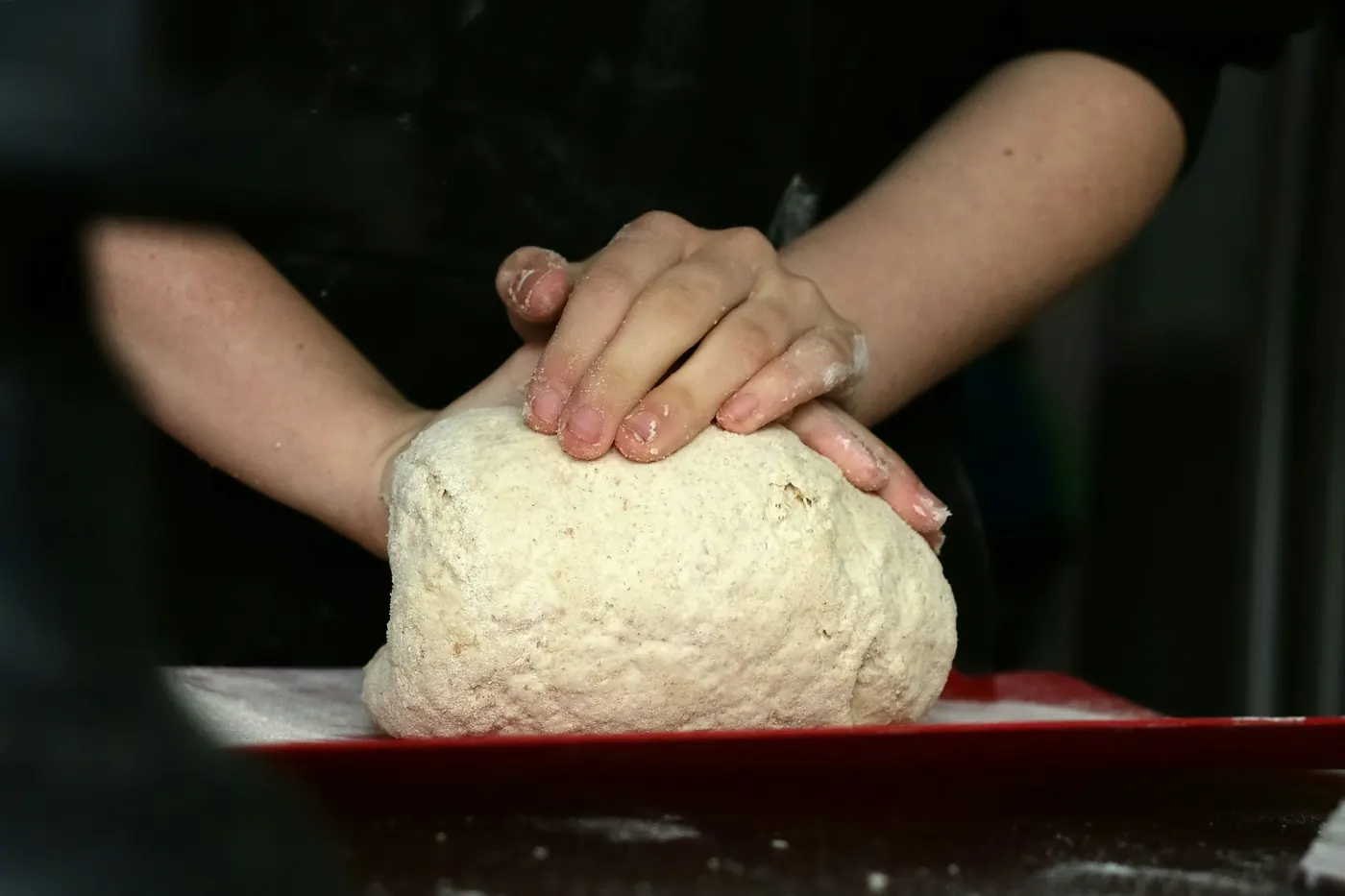
This book solves a different problem from the others: not how to bake better bread, but how to bake it at all on a Tuesday. Publishers Weekly explains the method as a high-moisture dough that needs no proofing or kneading. You make the dough ahead in about 15 minutes, keep it in the refrigerator, and bake from it when you want bread.
Chapters on ingredients, equipment and techniques prepare you before the Master Recipe, and step-by-step photos support it. From there the numbered instructions cover flatbreads, pita, bagels, brioche and various loaves, and the review notes a gluten-free chapter. There are also recipes for food to go with the bread, including gazpacho, chilled yogurt soup and spicy kebabs.
For a home cook this is the most practical idea on the page. Flatbreads in particular suit a Mexican table, where something warm and fresh is always welcome, although this is no replacement for a real tortilla. A book built on a stored dough will not give you the depth of a long-fermented sourdough loaf made with full attention, but it will give you fresh bread on nights when nothing else could.
Why we like it
- No kneading or proofing, per Publishers Weekly
- Dough is made ahead and stored in the refrigerator
- Covers flatbreads, pita, bagels and brioche
- Gluten-free chapter, per the review
Key specifications
| Author | Jeff Hertzberg and Zoë François |
|---|---|
| Publisher | St. Martin’s Press |
| Year on listing | 2013 |
| Focus | Stored dough for everyday baking |
| Method | High-moisture dough, no kneading |
| Independent source | Publishers Weekly review |
| Best for | Busy households |
Why we recommend it
Choose it if fresh bread on a weeknight matters more to you than perfecting one loaf.
Skip it if you enjoy kneading and shaping. The point of this method is to avoid most of that.
Pros and cons
Pros
- Very low daily effort
- Wide range from one method
- Clear numbered steps
Cons
- Needs refrigerator space for dough
- Not aimed at bakery-style perfectionists
5. My Bread, Jim Lahey – The No-Knead Loaf at the Source
If you have seen a no-knead loaf baked in a pot, this is where that idea comes from. Jim Lahey, founder of Sullivan Street Bakery, wrote the book with Rick Flaste, a founding editor of the New York Times dining section, and Publishers Weekly says the method drew attention after Mark Bittman wrote about it in the Times.
The appeal is simple arithmetic. According to the review, the method needs about five minutes of work and 12 to 18 hours of rising time, and it aims for artisanal, Italian-inspired bread. Time does the job your hands would otherwise do. All you need is a heavy pot, and our guide to the best Dutch oven for bread covers the options.
The book then builds on the one idea. Publishers Weekly mentions coconut-chocolate and pancetta breads, breads made with juices or peanut butter, pizzas with toppings such as celery root and fennel, and sandwiches and ways to use stale bread. The long rise does ask you to plan a day ahead, so it rewards a little forethought even though it asks for very little effort.
Why we like it
- About five minutes of work, per Publishers Weekly
- No kneading at all
- Author founded Sullivan Street Bakery
- Covers pizzas and stale bread as well
Key specifications
| Author | Jim Lahey with Rick Flaste |
|---|---|
| Publisher | W. W. Norton & Company |
| Year on listing | 2009 |
| Focus | No-knead breads, pizza, sandwiches |
| Method | No-knead, long rise, bread in a pot |
| Independent source | Publishers Weekly review |
| Best for | Beginners who want a real crust |
Why we recommend it
Choose it if you want a serious crusty loaf with almost no effort, and you can plan a day ahead.
Skip it if you want bread today. The rise alone takes 12 to 18 hours, according to Publishers Weekly.
Pros and cons
Pros
- Very little work
- Widely known method
- Inventive variations
Cons
- Long rising time
- Needs a heavy pot

6. The Bread Bible, Rose Levy Beranbaum – Why Every Recipe Works

Rose Levy Beranbaum is the author of The Cake Bible, and Publishers Weekly presents this book as its follow-up, with recipes explained in depth instead of simply listed. It praises the introductory material on how yeast works and on the sponge method, and calls the discussion of kneading methods valuable.
The signature detail is the “Rose ratio” given with each recipe, showing the proportions of water, yeast, flour and fat. Once you can read those numbers, you can start to see why one dough behaves differently from another, which is a skill that carries over to every recipe you ever bake.
Recipes are grouped by bread type and run from chocolate bread with cocoa nibs to traditional challah. The review also singles out the sourdough introduction for explaining the process and giving a simple set of rules for a starter. The reviewer concludes that the recipes are as rewarding as the background material. This is an older book with a listing date of 2003, and its strength is explanation, so a cook who wants quick answers may find it slow going.
Why we like it
- Each recipe carries a ratio of its main ingredients
- Explains yeast and the sponge method, per Publishers Weekly
- Grouped by bread type
- Includes a clear sourdough introduction
Key specifications
| Author | Rose Levy Beranbaum |
|---|---|
| Publisher | W. W. Norton & Company |
| Year on listing | 2003 |
| Focus | Bread science and a wide recipe range |
| Method | Sponge method and others, by bread type |
| Independent source | Publishers Weekly review |
| Best for | Bakers who like precision |
Why we recommend it
Choose it if you want to know why a recipe works and you enjoy precise, thorough instructions.
Skip it if long explanations slow you down. Bread Illustrated shows more and says less.
Pros and cons
Pros
- Deep explanation
- Useful ratios
- Broad recipe range
Cons
- Older book
- Detailed reading for a quick bake
7. Josey Baker Bread, Josey Baker – A Relaxed, Friendly Teacher
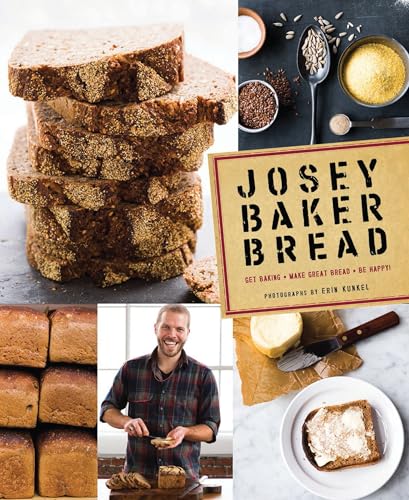
Bread books can feel like exams. This one does not. Publishers Weekly calls Josey Baker’s style “playful” and notes that the book opens with a question-and-answer session the author conducts with himself. Baker led bread making at The Mill, a San Francisco café, at the time of the review, so the humor sits on top of working experience.
According to the review, it teaches home bakers a range of breads, from whole wheat and sourdough to cornbread, with full-color recipe photos that make it enjoyable to read. Extras include a B(L)T pocketbread, a homemade pizza and a seasonal fruit crumble, which is a welcome change from the seriousness of most bread writing.
The reviewer concluded it is worth keeping on the shelf beyond breakfast-toast season. It is a good gift for a young cook or anyone intimidated by bigger books on this list. The trade-off is depth: if you want a full technical reference, one of the larger books will serve you better in the long run.
Why we like it
- Playful voice, per Publishers Weekly
- Range from whole wheat and sourdough to cornbread
- Full-color recipe photos
- Extras such as pizza and a fruit crumble
Key specifications
| Author | Josey Baker |
|---|---|
| Publisher | Chronicle Books |
| Year on listing | 2014 |
| Focus | Friendly range of home breads |
| Method | Mixed, including sourdough |
| Independent source | Publishers Weekly review |
| Best for | Nervous beginners, gifts |
Why we recommend it
Choose it if most bread books make you feel you need a degree, or you want to give one to a new baker.
Skip it if you want a full technical reference. Beranbaum or America’s Test Kitchen go much further.
Pros and cons
Pros
- Enjoyable to read
- Approachable range
- Good photography, per Publishers Weekly
Cons
- Less technical depth
- Playful style will not suit everyone
8. The Rye Baker, Stanley Ginsberg – A Whole Book on One Grain

Most bread books give rye a page or two. Stanley Ginsberg gives it a whole book, and Publishers Weekly agrees the grain gets less attention than it deserves. Recipes are arranged by region across the United States and Europe, after a primer on ingredients, equipment and the history of rye.
The review mentions staples such as deli rye, rye biscuits and sweet-sour rye bread, alongside regional specialties including Breton folded rye and Swedish honey-flaxseed crispbread. Timing charts help with multi-day processes, such as an overnight rye-wheat boule, and full-page photos show the finished loaves.
Publishers Weekly calls the book meticulously written and likely to appeal to home bakers. It belongs on this list as a specialist’s second book: if a good deli rye is the bread you miss most, nothing else here will come close, but it is not the place to learn your first loaf. Rye also behaves differently from wheat, so expect a learning curve even if you already bake.
Why we like it
- A whole book on rye
- Arranged by region, per Publishers Weekly
- Timing charts for multi-day breads
- Full-page photos of finished loaves
Key specifications
| Author | Stanley Ginsberg |
|---|---|
| Publisher | W. W. Norton & Company |
| Year on listing | 2016 |
| Focus | Rye breads of Europe and America |
| Method | Multi-day processes, with timing charts |
| Independent source | Publishers Weekly review |
| Best for | Rye lovers |
Why we recommend it
Choose it as a second or third bread book, if deli rye and northern European loaves are what you want to bake.
Skip it if you are new to bread, or if your family prefers lighter wheat loaves.
Pros and cons
Pros
- Depth on a neglected grain
- Helpful timing charts
- Regional variety
Cons
- Specialist subject
- Not a first bread book
How to choose a bread book
1. Be honest about your time
This matters more than skill. If you bake on weeknights, the stored dough in Artisan Bread in Five Minutes a Day fits your life. If you can plan a day ahead, Lahey’s long rise needs only a few minutes of work. If you enjoy a weekend project, the later chapters of Bread Illustrated are waiting.
2. Decide how much you want to understand
Some bakers want to follow steps; others want reasons. Beranbaum’s ratios and Forkish’s principles suit the second group. Lahey and Josey Baker suit the first.
3. Check the kind of bread
Crusty rounds, sandwich loaves, rye and flatbreads are different crafts. If you bake mainly in a tin, our guides to the best baking loaf pan and the best Pullman loaf pan will help too. If crusty loaves are the goal, look at the best Dutch oven for bread.
4. Look for pictures if you are new
Dough is easier to learn by sight. Publishers Weekly points out step-by-step photos in Bread Illustrated, Flour Water Salt Yeast and the five-minute book.
5. Think about your mixer
Lahey and the five-minute method need no machine. For bigger batches of stiffer dough, see our guide to the best stand mixer for bread.
How we chose these eight bread books
We started from Amazon’s Books listings, keeping only titles that showed plain in-stock availability, then set aside anonymous or AI-looking self-published titles. Each book left needed a named author, a real publisher and a verifiable outside source, either a Publishers Weekly review or a James Beard Foundation Book Award. We did not bake from any of these books, and the restaurant does not claim to use them.
Two popular titles are missing for plain reasons. We could not verify an independent review of The King Arthur Baking Company Big Book of Bread or of Jeffrey Hamelman’s Bread while writing this. That is a gap in our evidence, not a judgment against either book. We also kept sourdough-first titles off this page, so it stays on bread in general.
Bread baking questions, answered
What is the best bread book for beginners?
Bread Illustrated, for its photo at every step and its gentle opening chapter. If you find big reference books off-putting, Josey Baker Bread is the friendliest option here, and My Bread is the easiest route to a crusty loaf.
Which bread books have won a James Beard Award?
Of these eight, The Bread Baker’s Apprentice won in 2002, as Cookbook of the Year and in Baking and Desserts, and Flour Water Salt Yeast won in Baking and Dessert in 2013.
Do I need a stand mixer for these books?
Not for the no-knead and stored-dough methods, which Publishers Weekly describes as needing no kneading. Other recipes vary from book to book, so check before you buy if you have no mixer.
Do any of these books cover pizza?
Yes. Flour Water Salt Yeast has a pizza section, and Publishers Weekly mentions pizzas in My Bread and a homemade pizza in Josey Baker Bread.
Are there Mexican breads in these books?
Not as a focus, based on the reviews we read. For Mexican baking and regional cooking, start with our list of the best Mexican cookbooks, and for the everyday bread of the Mexican table, our guide to corn vs flour tortillas.
Our final pick for the bread shelf
Start with Bread Illustrated if you want a single dependable course. Choose Flour Water Salt Yeast if crust is what you are after, and My Bread if effort is what you want to avoid. For the pan to bake in, see our guide to the best baking loaf pan.
And when you would rather someone else did the cooking, see the menu or call to order.