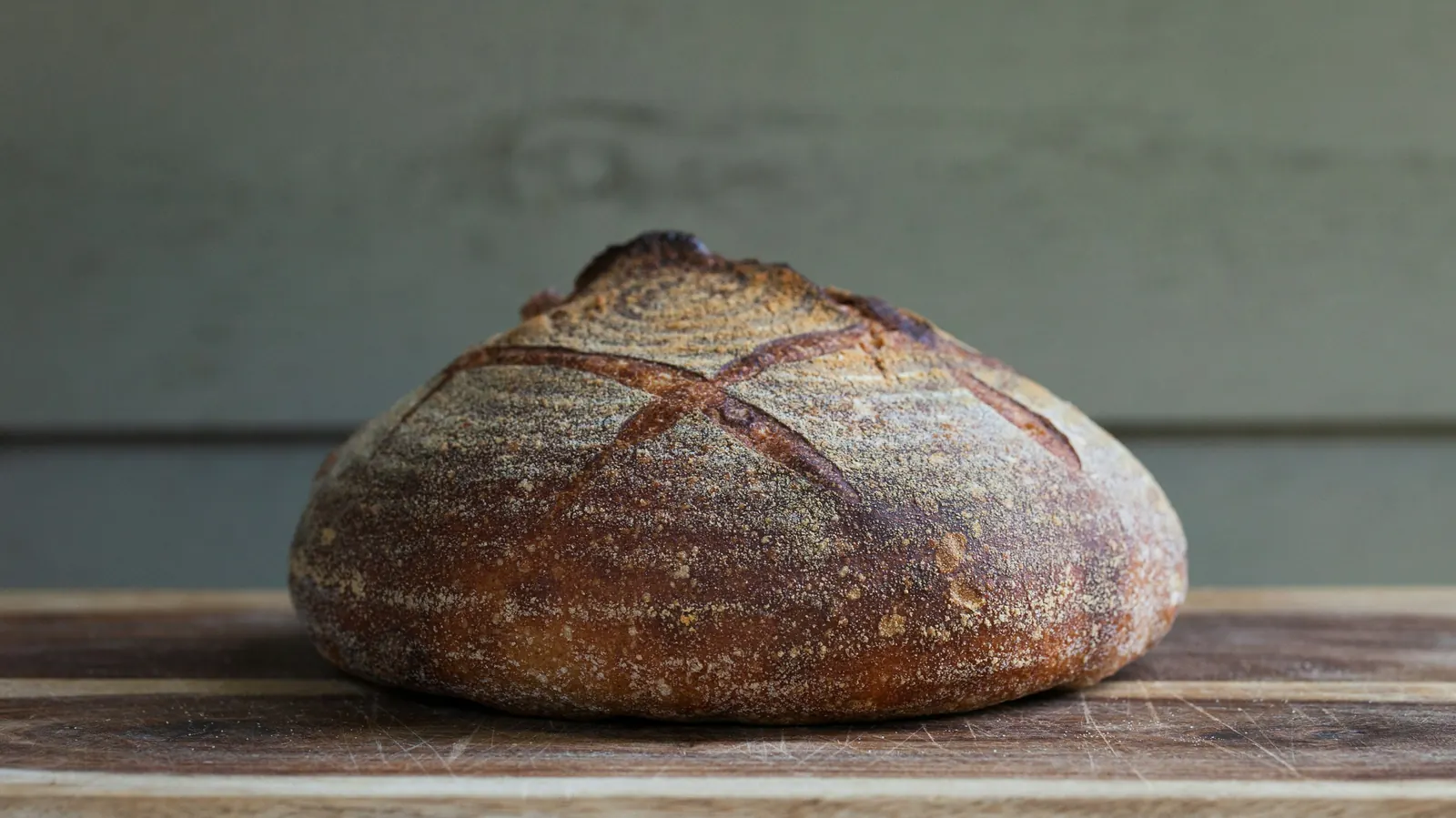
An ordinary Dutch oven bakes good bread. The trouble is getting the dough into it. You lower a soft, proofed loaf past tall walls heated to 450°F or more, and any slip means a misshapen loaf or a burned wrist. A bread oven turns that around: the dough goes onto a shallow base, and a deep lid comes down over it like a dome. The lid traps the steam that lets the loaf rise, then comes off so the crust can brown.
This guide is about that one design: cast iron combo cookers and bread pans with a low base, plus ceramic bread bakers built the same way. If you are still deciding whether you need a dedicated bread pot at all, start with our broader guide to the best Dutch oven for bread. This page goes one step narrower.
Julia’s earns a commission on purchases made through links on this page, at no cost to you. Recommendations are based on what a restaurant kitchen looks for in bakeware that lives in a hot oven, the makers’ own specifications and the product listings, which we cite.
Quick verdict: which bread oven to buy
For most home bakers, the best cast iron bread oven is the Challenger Bread Pan: it was designed only for bread, has a shallow base with handles sized for oven mitts, and takes a long loaf or a round one. If that is more pan than you need, the Lodge Cast Iron Combo Cooker does the same job for round loaves and works as a pot and skillet the rest of the week. If you want a lighter pot you can put in the dishwasher, choose the ceramic Emile Henry Bread Pot.
The rest of this page explains why, and which shape suits the loaves you bake.
Five bread ovens side by side
Our five standout picks, one for each kind of baker, with the material, size and maximum oven temperature each maker or listing states. All seven are reviewed in full below.
| Bread oven | Best for | Material & size | Max temp (stated) | Buy on Amazon |
|---|---|---|---|---|

Challenger Cast Iron Bread PanBest overall
|
Weekly bakers, long or round loaves | Cast iron, 15.5 x 10.5 x 5.5 in | 500°F | View on Amazon |

Victoria 6-quart Oval Cast Iron Combo CookerBest oval cast iron
|
Bâtards and oval loaves | Cast iron, 6-quart oval pot plus skillet | Not stated; oven, grill, campfire | View on Amazon |

Lodge Cast Iron Combo Cooker, 3.2-quartBudget pick
|
Round loaves, everyday cooking too | Cast iron, 3.2-quart pot, 10.25-inch skillet | Not stated; stove, oven, open flame | View on Amazon |

Emile Henry Ceramic Bread Pot, 2.1-quartBest ceramic
|
Lighter lifting, no-knead loaves | Glazed ceramic, 9.4 x 9.4 x 6.3 in | 930°F (maker, Flame ceramic) | View on Amazon |

Emile Henry Ceramic Baguette BakerBest for baguettes
|
Three baguettes at once | Glazed ceramic, 15.4 x 9.4 in | 270°C (about 518°F) | View on Amazon |
Product images from Amazon. Temperatures are as stated by each maker or listing; check the listing before you buy.
Our picks for the best cast iron bread oven
These seven share one idea: the dough sits low and the heavy part comes down over it. Four are cast iron (a dedicated bread pan and three combo cookers whose lid doubles as a skillet) and three are ceramic bakers from Emile Henry, which are lighter and go in the dishwasher. Two of them, the Challenger and the Lodge Combo Cooker, also appear in our Dutch oven bread guide; they are here because they are the two cast iron pans most clearly built around a shallow base, and a page on bread ovens would be incomplete without them. We left out enameled bread ovens because we could not find a maker’s statement on lead and cadmium in their enamel; the ceramic picks here all come from a maker that publishes one.
1. Challenger Cast Iron Bread Pan – Built Only for Bread
The Challenger is the clearest example of a bread oven in cast iron. It is a rectangular pan with a shallow base and a deep, heavy lid, and the listing says it was designed by bakers for bakers. You set the shaped dough on the low base, score it with room to work, and lower the lid over it. Challenger says the shallow base and the handles, which are sized for bulky oven mitts, are what make it safer than reaching into a deep pot.
The listing gives the size as 15.5 by 10.5 by 5.5 inches, the weight as 20 pounds and the maximum oven temperature as 500°F. The long shape takes an oval bâtard as easily as a round boule. Challenger suggests one trick worth knowing: about 15 minutes into the bake, turn the lid upside down and set it into the base, which the maker says helps prevent burnt bottoms.
It arrives pre-seasoned with grapeseed oil and is made in the USA, according to the listing. Care is the usual cast iron routine: wash, dry it straight away and wipe on a little oil. Check that your oven is wide enough before you order; at 15.5 inches long it needs a full-size oven rack.
Why we like it
- Shallow base for loading and scoring dough
- Handles sized for oven mitts, per the maker
- Long enough for bâtards as well as boules
- Made in the USA, pre-seasoned with grapeseed oil
Key specifications
| Model | Not stated |
|---|---|
| Type | Dedicated bread pan, shallow base and deep lid |
| Material | Cast iron, seasoned with grapeseed oil |
| Size | 15.5 x 10.5 x 5.5 inches |
| Weight | 20 lb |
| Max oven temp (stated) | 500°F |
| Made in | USA |
| Care | Wash, dry, oil lightly |
Why we recommend it
It suits anyone who bakes a loaf or two every week and wants the easiest, safest loading of any cast iron option. Pair it with a good bread lame, since the open base leaves room to score cleanly.
Skip it if you cannot comfortably lift 20 pounds of hot iron in and out of the oven, or if you want a pot that also cooks dinner; this one is for bread only.
Pros and cons
Pros
- Designed around a shallow base
- Fits long and round loaves
- Made in the USA
Cons
- Heavy at 20 pounds
- Bread only
- Needs a full-size oven
2. Victoria 6-quart Oval Cast Iron Combo Cooker – Room for a Bâtard
Most combo cookers are round, which limits you to boules. Victoria’s oval version is a 6-quart oval pot with a skillet that doubles as a tight-fitting lid, and the listing names it as a bread baker. The oval shape is the reason to choose it: a long, shaped loaf fits without being squeezed into a circle.
Victoria makes its cast iron in its own factories in Colombia and seasons it with non-GMO, kosher-certified flaxseed oil, according to the listing. Both pieces have large loop handles and flat, wide bottoms, and the set works on the stovetop, induction, in the oven, over a campfire or on a grill.
Victoria does not say whether to load the dough into the pot or onto the skillet, and it does not give a maximum oven temperature or a weight. If you want to bake on the skillet with the pot inverted over it, check the fit when it arrives before you rely on it with a proofed loaf. For care, Victoria’s advice for its round combo cooker is to rinse with warm water, dry it, avoid soap and the dishwasher, and re-season with flaxseed oil.
Why we like it
- Oval shape for bâtards and longer loaves
- Skillet works as a lid or on its own
- Made in Colombia in the maker’s own factories
- Pre-seasoned with flaxseed oil
Key specifications
| Model | DUT-301 |
|---|---|
| Type | Oval combo cooker, pot plus skillet lid |
| Material | Cast iron, seasoned with flaxseed oil |
| Size | 6-quart oval pot |
| Weight | Not stated by Victoria |
| Max oven temp (stated) | Not stated; oven, grill, campfire |
| Made in | Colombia |
| Care | Rinse, dry, no soap or dishwasher |
Why we recommend it
It suits bakers who shape oval loaves and want bare cast iron that also works as a Dutch oven and a skillet. Proof the dough in an oval bread proofing basket so it matches the pot.
Skip it if you want a maker’s own size, weight and temperature figures before you buy; Victoria’s listing gives none of them.
Pros and cons
Pros
- Oval loaves fit
- Two pans in one
- Works on induction and over fire
Cons
- No stated weight or temperature
- Loading method not described
- Hand care only
3. Lodge Cast Iron Combo Cooker, 3.2-quart – The Classic Flip-Over Loaf Pan
Lodge’s Combo Cooker is a 3.2-quart deep pot and a 10.25-inch skillet that fits on top as its lid. Home bread bakers turn it upside down: the dough goes onto the shallow skillet, and the deep pot comes down over it as a dome. Lodge’s listing says that, used together, the skillet creates a tight seal that traps steam for a better rise and a crisp crust.
That makes it the least expensive way into the bread oven design, and unlike the Challenger it earns its place the rest of the week. The pot fries and simmers, and the skillet works on its own. Lodge says the set handles any heat source: stove, oven or open flame. Lodge’s trade catalog lists the set (LCC3) at 13.59 pounds, and it is cast in South Pittsburg, Tennessee.
The 10.25-inch skillet suits a round loaf from a medium recipe; a long bâtard will not fit. Lodge seasons the iron with vegetable oil at the foundry. For care, Lodge says to hand wash with warm water, dry thoroughly and rub with oil, and to scour, dry and re-oil any dull spot.
Why we like it
- Skillet base makes loading easy
- Pot and skillet each work on their own
- Stove, oven or open flame, according to Lodge
- Made in the USA, with a lifetime limited warranty
Key specifications
| Model | LCC3 |
|---|---|
| Type | Combo cooker, deep pot plus skillet lid |
| Material | Cast iron, seasoned with vegetable oil |
| Size | 3.2-quart pot, 10.25-inch skillet |
| Weight | 13.59 lb (Lodge catalog) |
| Max oven temp (stated) | Not stated; stove, oven, open flame |
| Made in | USA |
| Care | Hand wash, dry, oil |
Why we recommend it
It suits bakers who make round loaves and want one piece of cast iron that also cooks dinner. It is the same pan we chose in our Dutch oven bread guide, for the same reason: the skillet base.
Skip it if you bake long loaves or large batches; the 10.25-inch skillet only takes a round loaf of moderate size.
Pros and cons
Pros
- Low cost of entry
- Two useful pans
- Made in the USA
Cons
- Round loaves only
- Small for big recipes
- Hand wash and oil
4. Uno Casa 2-in-1 Cast Iron Dutch Oven, 5-quart – Bigger Pot, Skillet Lid

Uno Casa’s set is a 5-quart cast iron pot with a lid that converts to a 10.2-inch skillet, and the listing describes it as a Dutch oven for sourdough baking. It is a step up in volume from the Lodge Combo Cooker, so it suits bigger round loaves, and it comes with a silicone trivet mat, two potholders and a downloadable bread recipe e-book.
Both the pot and the lid have a pair of handles, which the maker says make it easier to carry when full. The listing says it works on all cooktops and heat sources and arrives pre-seasoned. Uno Casa does not give a weight, a maximum oven temperature or a country of manufacture, and it does not describe baking on the inverted lid, so most bakers will load the dough into the pot with a parchment sling.
Treat it as bare cast iron: wash by hand, dry it straight away and wipe on a thin film of oil. The listing does not give its own care instructions.
Why we like it
- 5-quart pot for larger round loaves
- Lid converts to a 10.2-inch skillet
- Handles on both pieces
- Trivet, potholders and recipe e-book included
Key specifications
| Model | Not stated |
|---|---|
| Type | Double Dutch oven, pot plus skillet lid |
| Material | Cast iron, pre-seasoned |
| Size | 5-quart pot, 10.2-inch skillet lid |
| Weight | Not stated |
| Max oven temp (stated) | Not stated; all heat sources |
| Made in | Not stated |
| Care | Not stated in the listing |
Why we recommend it
It suits bakers who want more room than the Lodge Combo Cooker and like having potholders and a trivet in the box. Our cast iron Dutch oven guide covers Lodge’s own 5-quart Double Dutch if you would rather buy from a maker with published specs.
Skip it if you want the shallow-base loading this page is about; the dough goes into a deep pot here unless you test the lid as a base yourself.
Pros and cons
Pros
- Larger capacity
- Useful extras included
- Two handles on each piece
Cons
- Few published specs
- Deep-pot loading by default
- Origin not stated
5. Emile Henry Ceramic Bread Pot, 2.1-quart – Lighter Than Iron
This is not cast iron, and that is the point. Emile Henry’s Bread Pot is glazed ceramic made in Burgundy, France, and the maker lists it at 5.16 pounds, a fraction of any iron pick here. It is a round, covered pot designed for wet, high-hydration no-knead and sourdough doughs, and the listing says it holds a recipe of 3 to 4 cups of flour.
Emile Henry gives the outside size as 9.4 by 9.4 by 6.3 inches and the capacity as 2.1 quarts. The maker says you can either preheat the pot and lower in the proofed dough, or start it in a cold oven, and that both work. Bake covered for the rise, then take the lid off near the end to brown the crust. Emile Henry rates its Flame ceramic for use up to 500°C (930°F), says it resists thermal shock well enough to go from freezer to hot oven, and says it can be used on the stovetop, on a grill and under the broiler.
On the glaze, Emile Henry states: “There is no lead, cadmium or nickel in our products.” The pot is dishwasher safe, needs no seasoning, and carries a 10-year warranty, according to the listing.
Why we like it
- About 5 pounds, far lighter than cast iron
- Maker states no lead, cadmium or nickel
- Preheated or cold-oven start, per Emile Henry
- Dishwasher safe, no seasoning
Key specifications
| Model | 345500 |
|---|---|
| Type | Round covered bread pot |
| Material | Glazed Flame ceramic |
| Size | 9.4 x 9.4 x 6.3 inches; 2.1 quarts |
| Weight | 5.16 lb |
| Max oven temp (stated) | 930°F (500°C) |
| Made in | France |
| Care | Dishwasher safe |
Why we recommend it
It suits bakers who find heavy iron hard to lift into a hot oven, and anyone who wants a pot they can put in the dishwasher.
Skip it if you bake large or long loaves; at 2.1 quarts it takes one round loaf from a modest recipe.
Pros and cons
Pros
- Light to lift
- Lead-free statement from the maker
- No seasoning, dishwasher safe
Cons
- Small capacity
- Ceramic can break if dropped
- Deep pot, not a shallow base
6. Emile Henry Modern Bread Cloche – Flat Base, Dome Lid

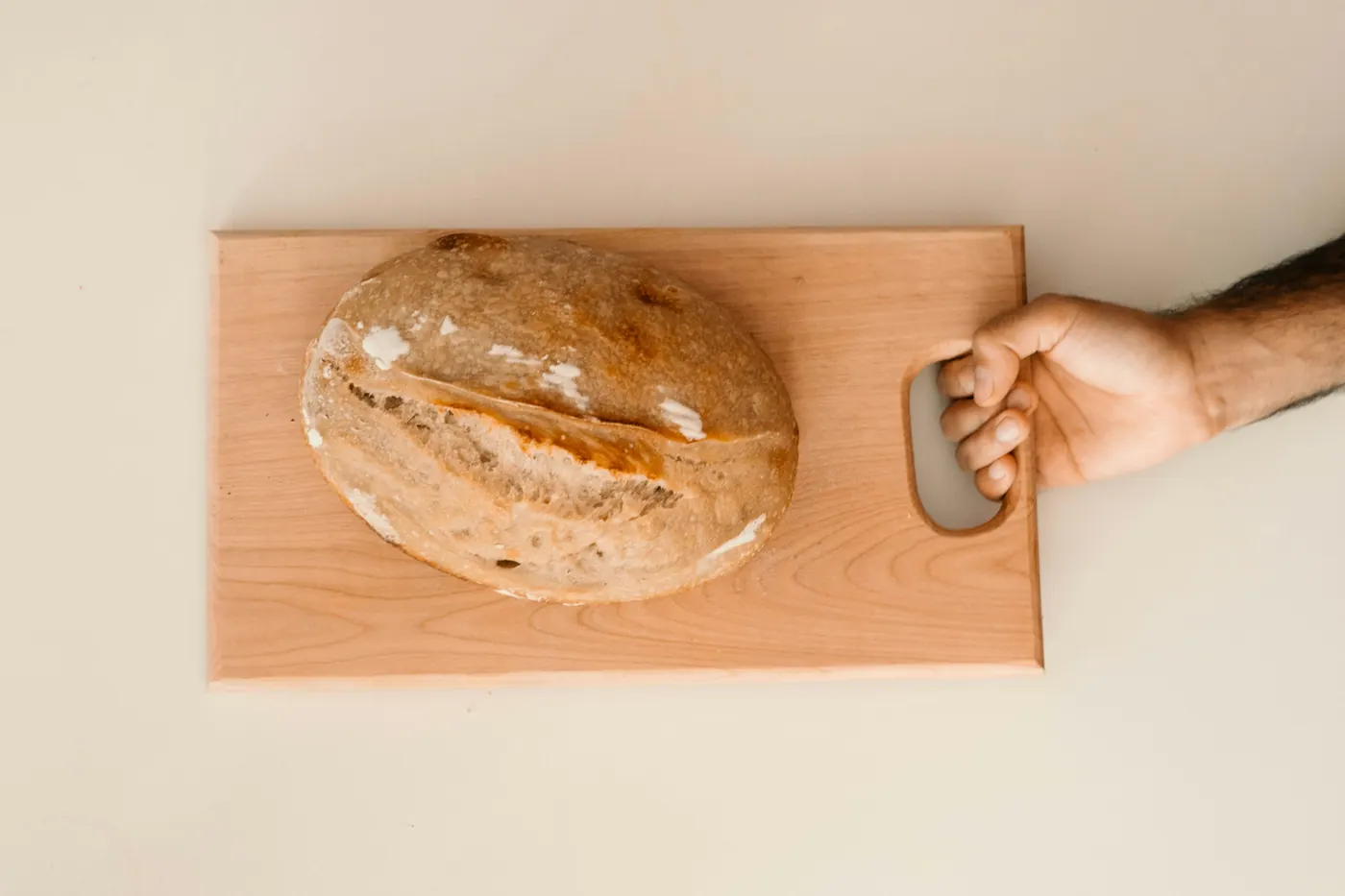
A cloche is the ceramic version of the bread oven idea: a nearly flat platter with a tall dome that sits over it. Emile Henry’s Modern Bread Cloche gives you the easy loading of the Challenger in a piece that weighs 6.3 pounds, according to the maker. You flour the base, set the shaped dough on it, cover it with the dome and bake, taking the lid off near the end for a deeper crust.
Emile Henry lists the outside size as 12.7 by 11.6 by 5.5 inches and the capacity as 5.5 quarts, enough for a recipe of 3½ to 4 cups of flour. It is made from the maker’s HR (high resistance) ceramic, rated to 250°C (500°F). The listing says a criss-cross pattern on the platter keeps the loaf from sticking, and that the dome, turned upside down, works as a bowl for mixing and proofing the dough.
It is made in France and is dishwasher safe with a 10-year warranty, per the listing. Emile Henry’s statement that its products contain no lead, cadmium or nickel covers its whole range. This is a different, lower design from the classic Emile Henry cloche in our Dutch oven bread guide.
Why we like it
- Nearly flat base for easy loading
- Dome doubles as a mixing and proofing bowl
- Criss-cross base pattern against sticking
- 6.3 pounds, dishwasher safe
Key specifications
| Model | EH795507 (listing); EH345507 (maker, US) |
|---|---|
| Type | Cloche, flat base and dome lid |
| Material | Glazed HR ceramic |
| Size | 12.7 x 11.6 x 5.5 inches; 5.5 quarts |
| Weight | 6.3 lb |
| Max oven temp (stated) | 500°F (250°C) |
| Made in | France |
| Care | Dishwasher safe |
Why we recommend it
It suits bakers who want shallow-base loading without lifting cast iron, and who bake round loaves of a normal size.
Skip it if you bake hotter than 500°F; that is the maker’s limit for this ceramic, lower than the Bread Pot.
Pros and cons
Pros
- Easiest loading of the ceramics
- Light for its size
- Lead-free statement from the maker
Cons
- 500°F limit
- Ceramic can chip or break
- Round loaves only
7. Emile Henry Ceramic Baguette Baker – Three Baguettes Under One Lid
Baguettes are hard to bake well in a home oven because they need steam and are too long for any pot. Emile Henry’s Baguette Baker is a covered ceramic tray with three ridged channels, so the same trap-the-steam idea works for long, thin loaves. The maker says it bakes three baguettes, and you place the shaped dough in the channels and put the covered baker in the oven.
The listing says the holes in the base and lid help the dough rise and give a thin, crisp crust, the ribs keep the dough from sticking, and the lid holds the right level of humidity. Emile Henry gives the outside size as about 39.5 by 23.5 by 11 centimeters (the listing says 15.4 by 9.4 inches), the weight as 3.42 kilograms (about 7.5 pounds) and the temperature range as −20°C to 270°C.
It is made in Burgundy from Emile Henry’s HR ceramic, goes in the dishwasher and has a 10-year warranty. The maker’s statement that its products contain no lead, cadmium or nickel applies here too. A recipe book comes in the box, according to the listing.
Why we like it
- Bakes three baguettes at once
- Vented lid and base for a thin, crisp crust
- Ribbed channels against sticking
- Recipe book included
Key specifications
| Model | 345506 |
|---|---|
| Type | Covered baguette baker, three channels |
| Material | Glazed HR ceramic |
| Size | 15.4 x 9.4 inches |
| Weight | 3.42 kg (about 7.5 lb) |
| Max oven temp (stated) | 270°C (about 518°F) |
| Made in | France |
| Care | Dishwasher safe |
Why we recommend it
It suits bakers who already make round loaves and want to try baguettes, or anyone who wants bread for sandwiches and the table on the same day.
Skip it if you only bake boules and bâtards; it does one shape, and it does not replace a round bread oven.
Pros and cons
Pros
- Steam for long loaves
- Three at a time
- Dishwasher safe
Cons
- One shape only
- Ceramic can break
- Long; check your oven
How to choose a cast iron bread oven
The bread oven is a narrow tool, so the choice comes down to a handful of questions about the loaves you bake and the oven you bake them in.
1. Shallow base or deep pot?
This is the whole reason to buy a bread oven rather than a plain Dutch oven. With a shallow base you set the dough down, score it in place and lower the lid. With a deep pot you lower the dough past hot walls, usually on a parchment sling. The Challenger, the Lodge Combo Cooker and the Emile Henry cloche are built for the first way of working.
2. Round or oval?
Match the pot to the shape your proofing basket gives the dough. Round baskets want a round pot. Oval baskets need the Challenger or the Victoria oval combo, and baguettes need a dedicated baker.
3. Weight you can lift
The cast iron picks with a stated weight come in at 13.59 pounds (Lodge) and 20 pounds (Challenger), and you lift them at 450 to 500°F. The ceramic ones weigh 5 to 8 pounds. If lifting a heavy pan to an oven rack is a strain, choose ceramic.
4. Temperature and material
Check the maker’s limit against your recipe. Challenger states 500°F, the Emile Henry cloche 500°F, the baguette baker 270°C, and the Bread Pot 930°F. Bare cast iron from Lodge, Victoria and Uno Casa has no stated limit in the listings. If you consider an enameled bread oven, look for the maker’s own statement on lead and cadmium in the enamel.
5. Care
Bare cast iron needs to be dried and oiled after washing and will rust if left wet. Emile Henry’s glazed ceramic goes in the dishwasher. Neither likes a sudden shock: never pour cold water on a hot pan.
How we picked these seven bread ovens
We started from what a working kitchen expects of bakeware that lives in a very hot oven: a design that makes loading safe, a stated temperature limit, and care instructions a home cook can follow. We narrowed the field to products sold on Amazon in the United States, in stock when we checked, from identifiable makers, and we left out anonymous sellers and near-identical listings. Specifications come from the maker where we could read it (Emile Henry, Lodge’s trade catalog, Victoria’s care page) and otherwise from the Amazon listing, which we say in each review. We have not baked in these pans for this guide, and we did not use ratings or review counts. Enameled bread ovens were left out because we could not find a maker’s statement on lead and cadmium; we included Emile Henry’s ceramic only because the maker publishes one. We also searched the U.S. Consumer Product Safety Commission’s recall site and found no recalls for these products.
Bread oven questions, answered
What is the difference between a bread oven and a Dutch oven?
A Dutch oven is a deep pot with a lid, and the dough goes into the pot. A bread oven reverses that: a shallow base holds the dough and a deep lid covers it. Both trap steam; the bread oven is easier and safer to load. See our best Dutch oven guide if you want one pot for everything.
Do I need to preheat a cast iron bread oven?
Most recipes preheat the pan in the oven so the dough meets hot iron. Emile Henry says its Bread Pot works either preheated or from a cold oven. Follow your recipe and the maker’s instructions, and use thick oven mitts.
Why does the bottom of my loaf burn?
Cast iron holds a lot of heat right under the dough. Challenger suggests turning its lid upside down into the base about 15 minutes into the bake to help prevent burnt bottoms. A lower rack position or a baking sheet on the rack below can also help.
Is ceramic as good as cast iron for bread?
Ceramic holds less heat but is much lighter and goes in the dishwasher. Emile Henry designs its bakers to hold steam the same way. For most home loaves the difference matters less than how well the pot fits your dough.
Is enameled cast iron safe for bread?
We only recommend coated or glazed bakeware where the maker states what the coating contains. Emile Henry states its products contain no lead, cadmium or nickel. For any enameled pot, look for that statement from the maker before you buy.
Our final pick for loaf day
Buy the Challenger Bread Pan if you bake every week and want the safest loading in cast iron. Choose the Lodge Combo Cooker if you bake round loaves and want a pan that also cooks dinner, the Victoria oval combo for bâtards, and an Emile Henry ceramic baker if weight or cleanup matters more than iron. For more options with deep pots, see our best Dutch oven for bread guide.
Related guide: Best bread cloche.
And if you would rather someone else did the cooking tonight, see the menu or call to order.