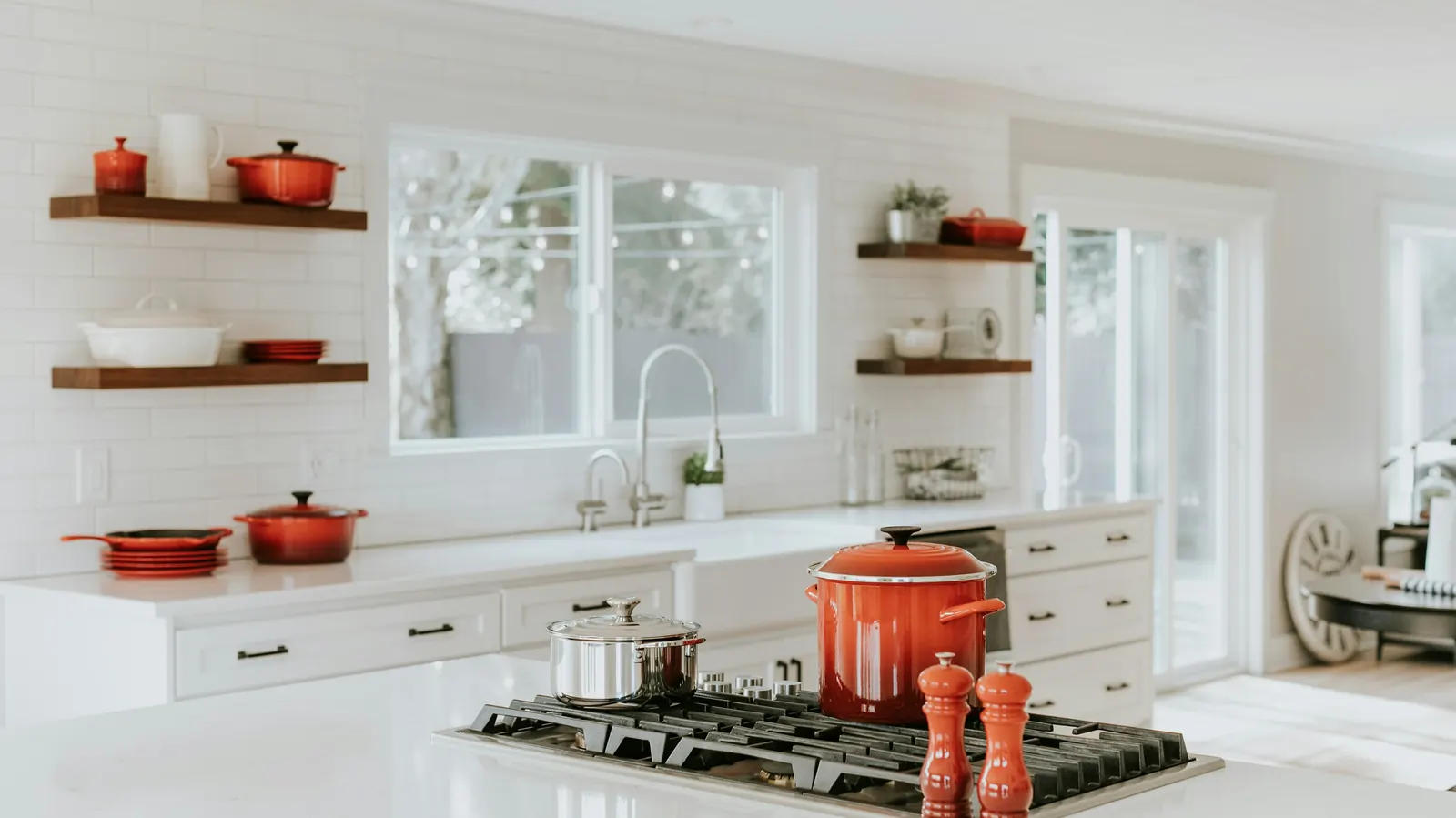
Every Mexican kitchen has a pot that does the slow work. It holds the pozole that simmers all morning, the birria that braises until the meat falls apart, the frijoles de la olla that need a steady, gentle heat for hours, and the mole that has to be stirred without scorching. In most home kitchens that pot is a Dutch oven: a heavy, lidded pot, usually cast iron, that browns meat on the stove and then moves into the oven without a second thought.
The choice looks simple until you shop. Enameled cast iron from France costs several times what a pot from Lodge or Tramontina does, bare cast iron needs seasoning, and stainless steel pots are sold as Dutch ovens too. This guide explains what actually separates them, names the eight pots worth buying, and is honest about where the expensive ones earn their price and where they do not.
Julia’s earns a commission on purchases made through links on this page, at no cost to you. Recommendations are based on what a restaurant kitchen looks for, product specifications and verified buyer reports.
Quick verdict: which Dutch oven to buy
For most kitchens, the best Dutch oven is the Le Creuset Signature 5.5-quart round: America’s Test Kitchen named it the winner among 5- to 6-quart pots for its light interior, low straight sides, large handles and durability. If you want an enameled pot for far less, the Tramontina Bestow 6.5-quart is a size ATK recommends, with a light interior and an enamel surface Tramontina describes as lead- and cadmium-free. Bakers who want a darker crust should look at the Staub 5.5-quart cocotte, and anyone who finds cast iron too heavy should consider the All-Clad D3 stainless Dutch oven.
The table lines up the five pots we would point most cooks toward. All eight picks are reviewed in full after it.
Five Dutch ovens side by side
One pick for each kind of cook, with the specifications each maker, listing or America’s Test Kitchen states.
| Dutch oven | Best for | Capacity & weight | Interior | Buy on Amazon |
|---|---|---|---|---|

Le Creuset Signature 5.5-quart Round Dutch OvenBest overall
|
Everyday braising, a pot for decades | 5.5 qt, 11 lb 3.5 oz (ATK) | Light, smooth enamel | View on Amazon |
| An ATK-recommended pot for less | 6.5 qt, 15.10 lb (ATK) | Off-white enamel, 8.5-inch base | View on Amazon | |

Staub 5.5-quart Round CocotteBest dark interior
|
Crusty bread, deep browning | 5.5 qt, 12 lb 8.4 oz (ATK) | Black matte enamel | View on Amazon |
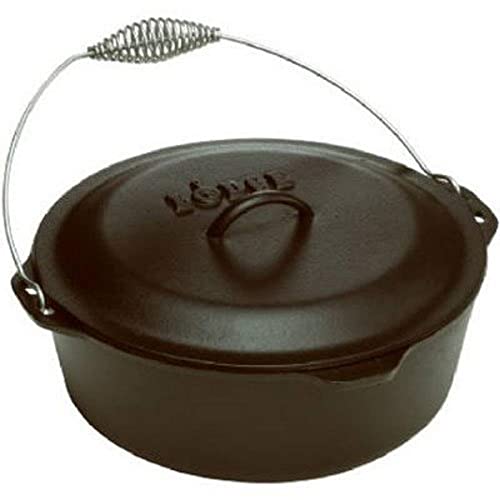
Lodge 7-quart Dutch Oven with Bail HandleBest bare cast iron
|
Stove, oven, grill or campfire | 7 qt, 16.61 lb | Seasoned black iron | View on Amazon |

All-Clad D3 Stainless 5.5-quart Dutch OvenBest lightweight
|
Cooks who find cast iron too heavy | 5.5 qt, weight not stated | Polished stainless steel | View on Amazon |
Product images from Amazon. Weights are as weighed by America’s Test Kitchen where it reviewed the pot; check the listing before you buy.
Our picks for the best Dutch oven
These eight pots cover the real choices: two French enameled pots, a French-made newcomer, two enameled pots at a fraction of the price, an oval for whole chickens and long loaves, a bare cast iron pot that can go over a fire, and a stainless steel pot for anyone who cannot lift fifteen pounds of iron. Most sit between 5.5 and 7 quarts, the range America’s Test Kitchen recommends for a single all-purpose pot. Each pick explains who it suits and one honest reason to skip it.
1. Le Creuset Signature 5.5-quart Round Dutch Oven – Light, Durable and Easy to Read
Le Creuset has been the reference Dutch oven for decades, and America’s Test Kitchen still agrees: in its most recent review it named the 5.5-quart round the winner among 5- to 6-quart pots, and the 7.25-quart version the winner overall. The larger size was in short supply on Amazon when we checked, so the 5.5-quart is our pick, and it is the size most home kitchens will find easier to lift, wash and store.
What makes it good is mostly shape. ATK measured a 9-inch cooking surface, the same as on the bigger pot, with low, straight 4-inch walls. That means more room to brown chunks of pork for pozole in fewer batches, and an easy view of the bottom so you can see when the fond is turning from brown to burnt. The light interior enamel helps here too. ATK found it easy to monitor browning, and its French fries came out golden and crisp thanks to steady heat.
It is also, by ATK’s scale, on the lighter side for enameled cast iron at 11 pounds 3.5 ounces, and its large loop handles made it easy to move even when loaded with four pounds of short ribs. The one drawback ATK noted was that a full batch of short ribs was slightly cramped. Le Creuset rates the pot for every cooktop and the oven up to 500°F, and the listing calls it dishwasher safe, though hand washing keeps the enamel looking new longer. Le Creuset says its cookware complies with FDA safety regulations; we found no explicit lead-free statement from the maker.
Why we like it
- Winner of America’s Test Kitchen’s 5- to 6-quart category
- Broad 9-inch cooking surface with low, straight sides (ATK)
- Light interior enamel makes browning easy to judge
- Large loop handles, easy to grip with oven mitts
- Rated for all cooktops and ovens to 500°F, per the listing
Key specifications
| Model | LS2501-26 (Signature round, 26 cm) |
|---|---|
| Capacity | 5.5 qt |
| Material | Enameled cast iron |
| Interior | Light, smooth enamel |
| Knob/lid rating | Oven-safe to 500°F (listing) |
| Weight | 11 lb 3.5 oz (ATK) |
| Made in | France |
| Care | Dishwasher safe per listing; hand washing recommended |
Why we recommend it
Choose it if you cook stews, beans and braises every week and want one pot that will last a lifetime. It is the easiest enameled pot on this list to see into and to lift, and ATK found it the most resistant to damage.
Skip it if price matters more than durability: the Tramontina and Lodge pots below cost far less, and ATK recommends both.
Pros and cons
Pros
- Even, steady heat for braising and frying
- Exceptionally resistant to chipping in ATK’s review
- Light for its size
- Many colors
Cons
- Costs several times more than the budget picks
- A big batch of short ribs was slightly cramped (ATK)
- Light enamel can stain with use
2. Tramontina Bestow 6.5-quart Round Dutch Oven – An ATK-Recommended Pot for Less

Tramontina’s enameled cast iron is the budget pot that keeps turning up in America’s Test Kitchen’s reviews. In its most recent Dutch oven review, ATK recommended Tramontina’s 6.5-quart round, and this Bestow listing is the same 6.5-quart round pot in a Latte finish with a gold knob. ATK tested a different color, model 80131/621DS, so its results are for that version.
The shape is different from the Le Creuset’s. ATK found taller sides and a narrower cooking surface of about 8.5 inches, which still meets its minimum for a 5- to 7-quart pot but means more batches when you brown pork for pozole or beef for birria. The off-white porcelain enamel interior lets you watch the fond, and Tramontina says the lid’s self-basting ridges direct condensation back onto the food. Tramontina’s own product page for this 6.5-quart pot, in another color, describes a lead-free and cadmium-free porcelain-enamel cooking surface.
The trade-offs are weight and the knob. ATK weighed its pot at 15.10 pounds, about four pounds more than the Le Creuset 5.5-quart, and said the knob on the version it tested was not recommended above 400°F. This listing rates the pot oven-safe to 450°F and compatible with gas, electric, ceramic glass and induction cooktops, so check the knob rating on the color you buy if you bake bread at high heat.
Why we like it
- Tramontina’s 6.5-quart round is recommended by America’s Test Kitchen
- Off-white enamel interior for judging browning
- Lead-free and cadmium-free enamel cooking surface, per Tramontina
- Induction compatible; oven-safe to 450°F, per the listing
Key specifications
| Model | 80131/399DS (Latte, gold knob) |
|---|---|
| Capacity | 6.5 qt |
| Material | Enameled cast iron |
| Interior | Off-white porcelain enamel |
| Knob/lid rating | Oven-safe to 450°F (listing); ATK’s tested version 400°F |
| Weight | 15.10 lb (ATK) |
| Made in | Not stated |
| Care | Not stated on the listing |
Why we recommend it
Choose it if you want a full-size enameled pot that ATK recommends, at a fraction of the French price. Our guide to the best value Dutch oven covers more budget pots.
Skip it if you brown big batches of meat: the narrower floor means more rounds in the pot, and the Le Creuset or Made In gives you more room.
Pros and cons
Pros
- Recommended by ATK in this size
- Light interior for judging fond
- Maker states a lead- and cadmium-free cooking surface
Cons
- Narrower 8.5-inch cooking surface (ATK)
- Heavy at 15.10 lb (ATK)
- Knob rating varies by version
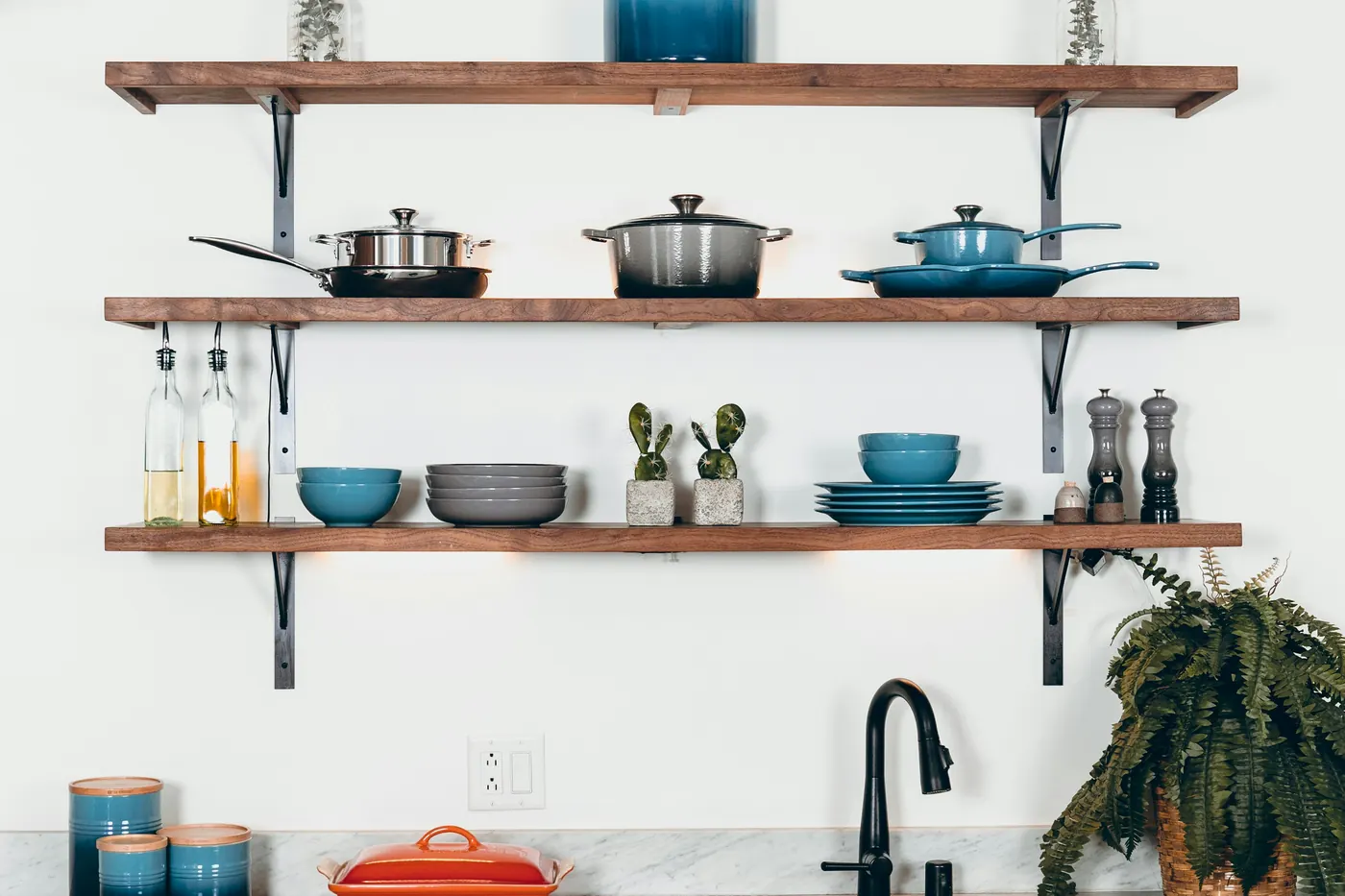
3. Staub 5.5-quart Round Cocotte – Dark Enamel for Deep Browning and Crust
Staub is Le Creuset’s French rival, and its cocotte takes a different approach inside. Instead of light enamel, the interior is a black, slightly textured matte enamel that Staub says improves browning and resists scratches and chips. The lid is flat and heavy, with small spikes on its underside that Staub says drip condensation evenly back onto the food.
America’s Test Kitchen recommended this 5.5-quart cocotte and found it well made, with a broad cooking surface and low sides that made it comfortable to work in. The dark interior cuts both ways. It made it a touch harder to tell when beef had browned enough, but it produced especially well-caramelized loaves of bread and hides the stains that light enamel collects over the years. If you bake no-knead bread as often as you braise, that is a real advantage, and our guide to the best Dutch oven for bread goes further into it.
ATK’s complaints were the lid and the weight. The self-basting spikes made no measurable difference in its food and, with a groove around the rim, made the lid harder to clean. At 12 pounds 8.4 ounces the pot is somewhat heavier than the Le Creuset. On the plus side, Staub rates the pot itself to 900°F without its lid (the lid to 500°F), and it works on every stovetop, including induction.
Why we like it
- Recommended by America’s Test Kitchen
- Dark interior produced especially crusty bread (ATK)
- Black enamel hides stains
- Pot rated to 900°F without the lid, per Staub
- Made in France
Key specifications
| Model | 1102625 |
|---|---|
| Capacity | 5.5 qt |
| Material | Enameled cast iron |
| Interior | Black matte textured enamel |
| Knob/lid rating | Lid to 500°F; pot to 900°F without lid (listing) |
| Weight | 12 lb 8.4 oz (ATK) |
| Made in | France |
| Care | Dishwasher safe; hand washing recommended |
Why we recommend it
Choose it if you bake bread regularly or want a pot that still looks clean after years of chile-stained braises. It is the best-built dark-interior pot here.
Skip it if you are new to browning meat and want to see the fond clearly, or if you dislike scrubbing a spiked lid.
Pros and cons
Pros
- Excellent bread crust
- Stain-hiding black interior
- Very high oven rating for the pot
Cons
- Harder to judge browning
- Spiked, grooved lid is harder to clean
- Heavier than the Le Creuset
4. Made In 5.5-quart Enameled Dutch Oven – French-Made with a Wide Base

Made In’s enameled Dutch oven is crafted in northeast France, according to the company. It sits between the big French names and the budget pots, and America’s Test Kitchen liked it enough to recommend it among 5- to 6-quart models.
ATK found that it made great food and was a pleasure to use. Its cooking surface is nearly as big as that of ATK’s favorite 7-quart pot, which meant room for large loaves of bread and relatively few batches when searing beef. The light-colored interior made browning easy to monitor, the walls are low, and the large looped handles gave a secure grip. Made In lists a total width of 14.5 inches, a cooking surface height of 4.65 inches and a heat rating of 580°F, higher than the 500°F most enameled pots here carry.
The two small complaints ATK had will sound familiar. It is heavier than the Le Creuset 5.5-quart (ATK weighed it at 12 pounds 15 ounces; Made In lists 13.69 pounds), and its lid has pea-sized dimples meant to return moisture to the food, which were a pain to clean. Made In says to hand wash only, dry it immediately and use wood or silicone utensils.
Why we like it
- Recommended by America’s Test Kitchen
- Broad cooking surface close to a 7-quart pot’s (ATK)
- Light interior and low walls
- Heat safe to 580°F, per Made In
- Crafted in France
Key specifications
| Model | COOK-5DUTCH |
|---|---|
| Capacity | 5.5 qt |
| Material | Enameled cast iron |
| Interior | Light enamel (ATK) |
| Knob/lid rating | Heat safe to 580°F (Made In) |
| Weight | 13.69 lb (Made In); 12 lb 15 oz (ATK) |
| Made in | France |
| Care | Hand wash only; dry immediately |
Why we recommend it
Choose it if you want a French-made enameled pot with a wide base and a light interior, and a higher oven rating than most, without paying the very top of the market.
Skip it if you want a dishwasher-safe pot: Made In says hand wash only.
Pros and cons
Pros
- Wide cooking surface for searing
- Easy to see into
- Large looped handles
Cons
- Heavier than the Le Creuset of the same size
- Dimpled lid is harder to clean
- Hand wash only
5. Lodge Essential Enamel 6-quart Dutch Oven – Solid Enameled Iron on a Budget

Lodge is best known for the bare cast iron it has poured in South Pittsburg, Tennessee, since 1896. Its Essential Enamel line is made for Lodge by partners in China and Vietnam, the company says in its trade catalog, because it could not find an American factory to enamel in bright colors. The result is one of the most affordable enameled pots from a maker that stands behind it with a lifetime limited warranty.
America’s Test Kitchen recommended this exact 6-quart pot in Storm Blue. It found it solidly made, said it resisted chipping when the rim was banged with a metal spoon, and reported great results with rice, stew and bread. The low sides made it easy to see into and to work a spoon around, and at 12 pounds 14.5 ounces it is much lighter than Lodge’s 7.5-quart enameled pot, which was the heaviest in ATK’s lineup.
The catch is the shape of the floor. The sides slope inward, so the flat cooking surface measured only 7.75 inches, smaller than it looks. That means more batches when you brown meat for a big stew. Lodge rates its enamel to 500°F and for every stovetop including glass. It says the pot is technically dishwasher safe, but recommends hand washing with warm soapy water and a nylon brush to keep the finish.
Why we like it
- Recommended by America’s Test Kitchen in this size and color
- Resisted chipping in ATK’s rim test
- Low sides and a light interior
- Oven safe to 500°F, per Lodge
Key specifications
| Model | EC6D34 (Storm Blue) |
|---|---|
| Capacity | 6 qt |
| Material | Enameled cast iron |
| Interior | Light enamel |
| Knob/lid rating | Oven safe to 500°F (Lodge) |
| Weight | 12 lb 14.5 oz (ATK) |
| Made in | China or Vietnam (Lodge catalog) |
| Care | Hand wash recommended; technically dishwasher safe |
Why we recommend it
Choose it if you want a durable enameled pot from a long-established maker and cook for four to six. It is a sensible first Dutch oven.
Skip it if you brown a lot of meat at once: the sloped sides leave a small flat floor, so the Tramontina, with about 8.5 inches of floor (ATK), is the better budget pot for searing.
Pros and cons
Pros
- Durable enamel in ATK’s tests
- Easy to see into and stir
- Lifetime limited warranty
Cons
- Small 7.75-inch flat cooking surface
- More searing batches for stew
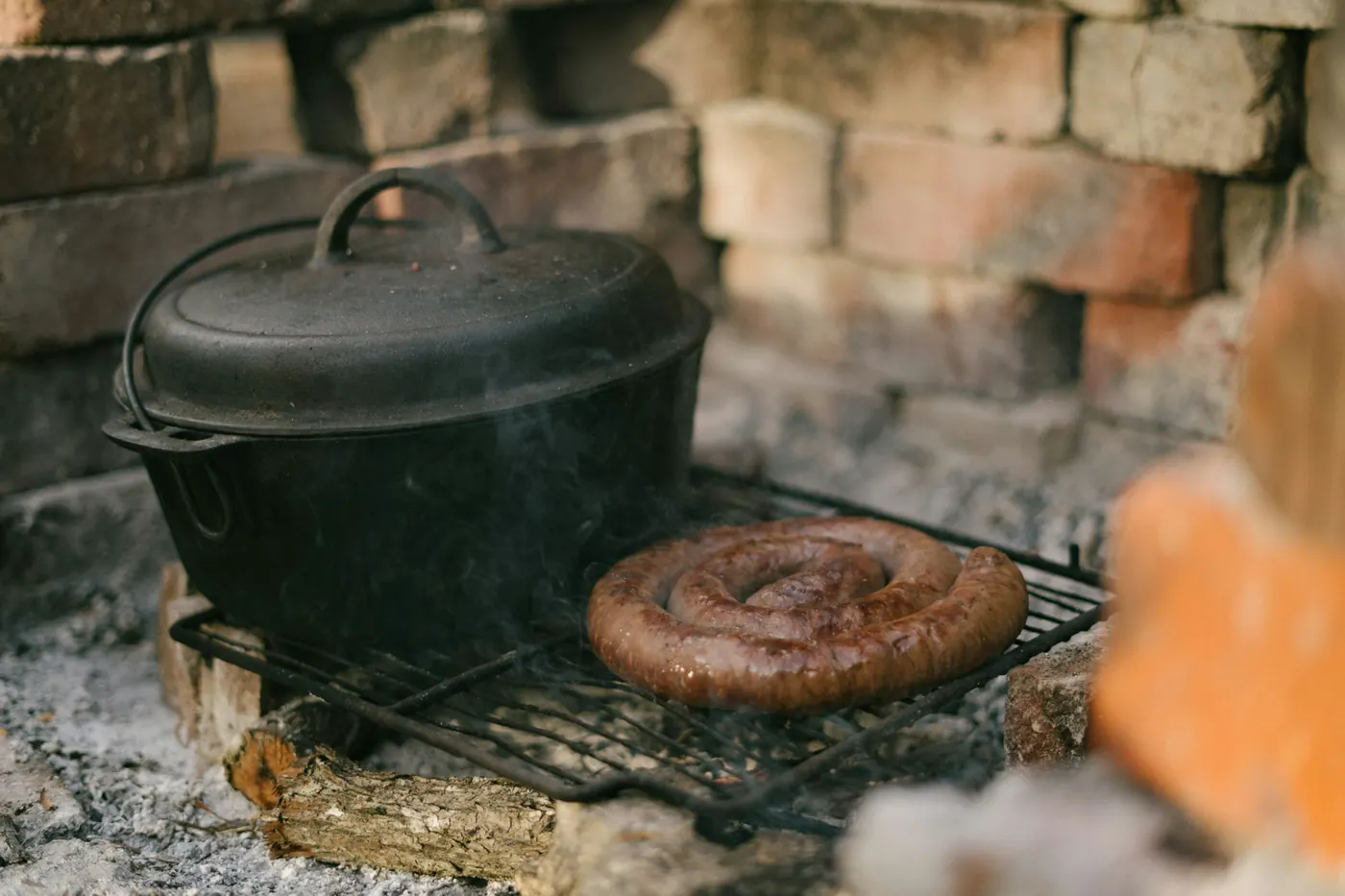
6. Staub 7-quart Oval Cocotte – Room for a Whole Chicken

Most Dutch ovens are round because round pots sit evenly on a round burner. An oval pot gives up a little of that in exchange for length, which is what you want for a whole chicken, a pork shoulder or a long chuck roast for shredded beef. Staub’s 33 cm oval cocotte holds 6.7 liters, about 7 quarts, and is made in France like the round cocotte above.
The listing gives a base of 27.7 cm (about 10.9 inches), a length with lid and handles of 40 cm (about 15.7 inches) and a weight of 7.1 kg, about 15.7 pounds. The interior enamel is the same dark finish as Staub’s round pots, which the listing calls scratch-resistant and acid-resistant, and the lid has Staub’s drip structure to return moisture to the food. It works on every stovetop including induction, and the listing rates the metal knob to 250°C (482°F).
America’s Test Kitchen recommended Staub’s round cocottes but has not reviewed this oval, so we cannot point to independent cooking results. On ovals in general, ATK says they have performed as well as round pots in its earlier reviews, provided you preheat them well. That advice makes sense: the ends of an oval hang past the edge of a round burner. If you cook mostly on the stovetop, a round pot is the simpler choice. If your Dutch oven spends more time in the oven, the oval’s shape earns its keep.
Why we like it
- Oval shape for whole chickens and long roasts
- About 7 quarts (6.7 liters)
- Made in France; induction compatible
- Staub states its products are lead-free and cadmium-free
Key specifications
| Model | 1004167 (40509-692-0, Grenadine) |
|---|---|
| Capacity | 6.7 L (about 7 qt) |
| Material | Enameled cast iron |
| Interior | Dark enamel |
| Knob/lid rating | Metal knob to 250°C / 482°F (listing) |
| Weight | 7.1 kg, about 15.7 lb (listing) |
| Made in | France |
| Care | Dishwasher safe per listing; easy to clean by hand |
Why we recommend it
Choose it if you roast whole birds, long cuts or oblong loaves, or want a pot that looks good on the table.
Skip it if you cook mostly on a small round burner, where the ends of an oval heat more slowly, or if you want a light interior to judge browning.
Pros and cons
Pros
- Fits long roasts and whole chickens
- Made in France
- Dark enamel hides stains
Cons
- Oval shape heats unevenly on a round burner
- Heavy at about 15.7 lb
- Not reviewed by ATK
7. Lodge 7-quart Dutch Oven with Bail Handle – Bare Iron from Stove to Campfire
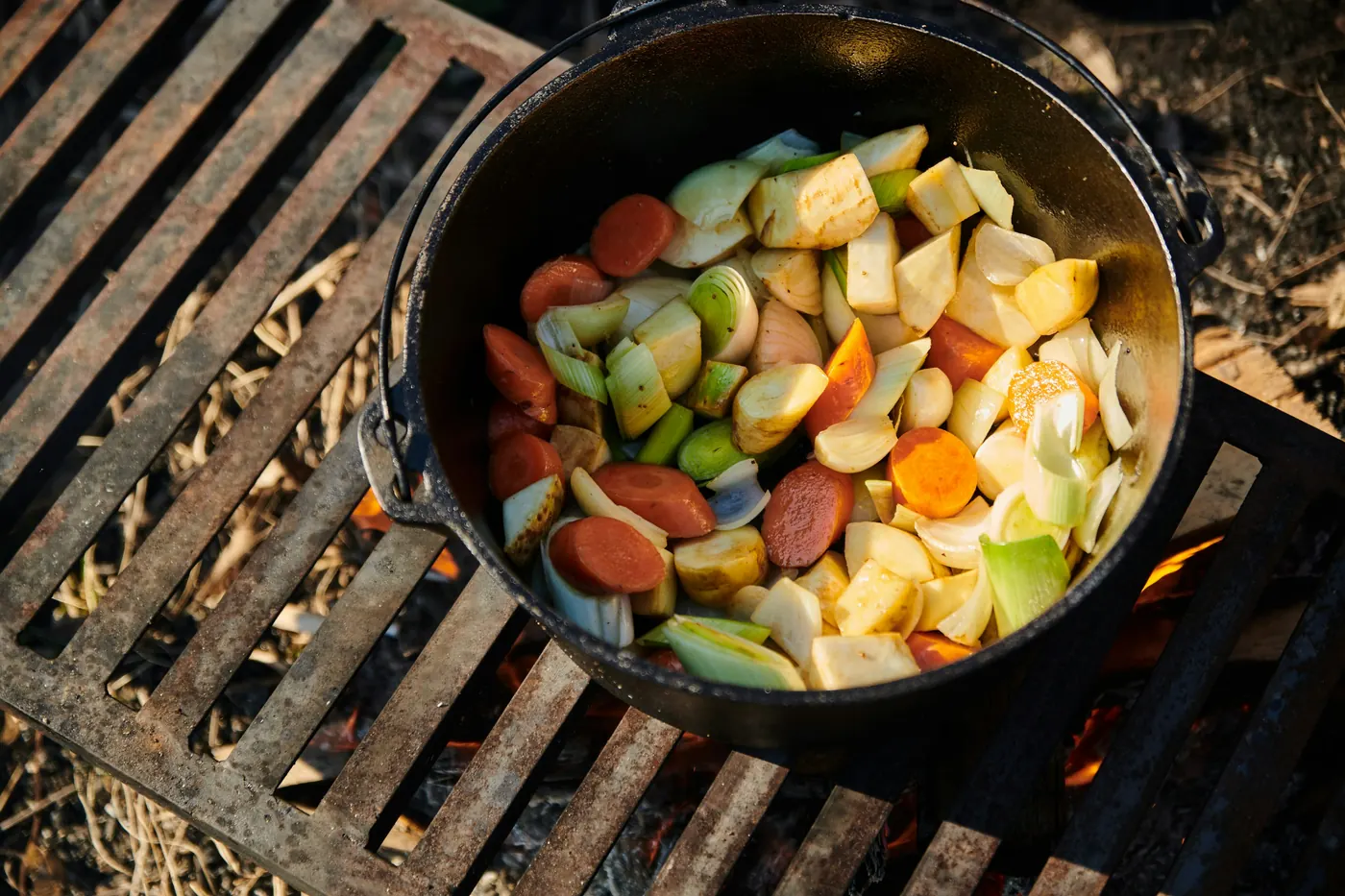
Before enamel, every Dutch oven was bare cast iron, and many cooks still prefer it. This Lodge 7-quart pot, the L10DO3, is cast and seasoned with 100% natural vegetable oil in the USA, comes ready to cook, and has no coating to chip. It goes on the stove, in the oven, on a grill or over a campfire, and Lodge says it works on any stovetop including induction. A steel bail handle folds down out of the way in the kitchen and lets you lift the pot or hang it over a fire.
America’s Test Kitchen’s review of bare pots covered Lodge’s loop-handle 7-quart, not this bail-handle version, so we do not borrow its test results. Its general findings still apply to bare iron: a dark interior radiates heat well for crusty bread, and ATK thinks bare and enameled pots can both be good choices.
The cost is maintenance and weight. You need to dry and oil it immediately after each wash, and Lodge’s care guide says to be careful with acidic foods while the seasoning is new, so hold off on long tomato or tomatillo braises at first. The dark interior hides browning, and at 16.61 pounds by Lodge’s figure it is one of the heaviest pots here. The lid is cast iron too.
Why we like it
- Family-size 7 quarts
- Steel bail handle for lifting or hanging over a fire
- No enamel to chip; any heat source, per Lodge
- Made in the USA
Key specifications
| Model | L10DO3 |
|---|---|
| Capacity | 7 qt (12-inch, per retailers) |
| Material | Seasoned cast iron |
| Interior | Black seasoned iron |
| Knob/lid rating | Cast iron lid, steel bail handle; any heat source |
| Weight | 16.61 lb (Lodge store) |
| Made in | USA |
| Care | Hand wash, dry promptly, oil lightly |
Why we recommend it
Choose it if you already look after a cast iron skillet, want a pot that can go over a fire for a backyard pozole, or bake a lot of crusty bread.
Skip it if you want to leave beans or a tomato braise sitting in the pot overnight: bare iron and long acidic cooking do not mix while the seasoning is young.
Pros and cons
Pros
- Nothing to chip
- Indoor and outdoor use
- Made in the USA
Cons
- Must be dried and oiled after each use
- Heavy at 16.61 lb
- Dark interior hides browning
8. All-Clad D3 Stainless 5.5-quart Dutch Oven – Light Enough to Lift Full
Cast iron Dutch ovens are heavy, and for cooks with arthritis or weak wrists, a 15-pound pot full of stew is not practical. America’s Test Kitchen reviewed lighter pots for exactly that reason, and its winner was a fully clad stainless steel pot from All-Clad’s D3 line: three layers, with an aluminum core between two layers of stainless steel running from the base to the rim.
ATK’s winning pot was the D3 6-quart stockpot, and it is honest to say that ATK did not review this 5.5-quart Dutch oven. It is built the same way, though, with the same tri-ply construction, a domed lid and riveted handles, and All-Clad says it is made in its Pennsylvania factory with global components. ATK found the D3 construction heated evenly, seared meat efficiently and handled frying, braising and rice almost as well as cast iron. Its stockpot weighed under four pounds without the lid.
What a stainless pot cannot do is hold and radiate heat like iron. ATK’s bread from its lightweight winner was paler and less crusty, and it still recommends cast iron for regular bread baking. All-Clad rates it oven and broiler safe to 600°F, induction compatible, and says to hand wash only.
Why we like it
- Same D3 tri-ply construction as ATK’s lightweight winner
- Far lighter than any cast iron pot
- Oven and broiler safe to 600°F, per All-Clad
- Made in Pennsylvania with global components
Key specifications
| Model | 4500 |
|---|---|
| Capacity | 5.5 qt |
| Material | Tri-ply stainless steel, aluminum core |
| Interior | Polished stainless steel |
| Knob/lid rating | Oven and broiler safe to 600°F (All-Clad) |
| Weight | Not stated |
| Made in | USA (Pennsylvania), global components |
| Care | Hand wash only, per listing |
Why we recommend it
Choose it if weight is the deciding factor, or if you mostly sear, simmer and fry rather than bake. It pairs naturally with a good stainless saucepan.
Skip it if you bake bread often or want a pot that holds a slow, even simmer with the burner barely on: cast iron does both better.
Pros and cons
Pros
- Easy to lift and wash
- Great fond for pan sauces
- Very high oven rating
Cons
- Bread is paler and less crusty (ATK)
- ATK did not review this exact size
- Not dishwasher safe
How to choose a Dutch oven for your kitchen
Brand is the least useful thing to compare. What matters in a working kitchen is how much the pot holds, how much flat floor it has, whether you can see what is happening inside, and whether you can lift it when it is full.
1. Size
America’s Test Kitchen thinks a 7-quart pot is the best single choice, with room for a whole chicken or a full batch of stew. A 5- to 6-quart pot can do almost everything a 7-quart pot can, including full recipes of soup and large loaves of bread; you will simply brown meat in more batches and wait a little longer for sauces to reduce. If you regularly cook pozole or menudo for a crowd, go to 7 quarts. For two people, or as a heavy saucepan for rice and beans, ATK likes 3- to 4-quart pots.
2. Cooking surface and wall height
Capacity tells you what a pot holds; the flat floor tells you how fast you can brown. ATK prefers at least 8.5 inches of flat cooking surface on a 5- to 7-quart pot and at least 9 inches on a 7-quart. Pots with sloping sides, like the Lodge enameled models, have less usable floor than their size suggests. Lower walls also make it easier to see in and let liquids reduce a little faster.
3. Light or dark interior
A light enamel interior shows you the fond, so you can deglaze before it burns. That matters when you toast chiles, fry a recaudo or brown meat for birria. Dark interiors, on the Staub and bare iron pots, radiate heat better and give bread a deeper crust, and they hide stains. Most cooks are better served by light; bakers often prefer dark.
4. Enameled or bare cast iron
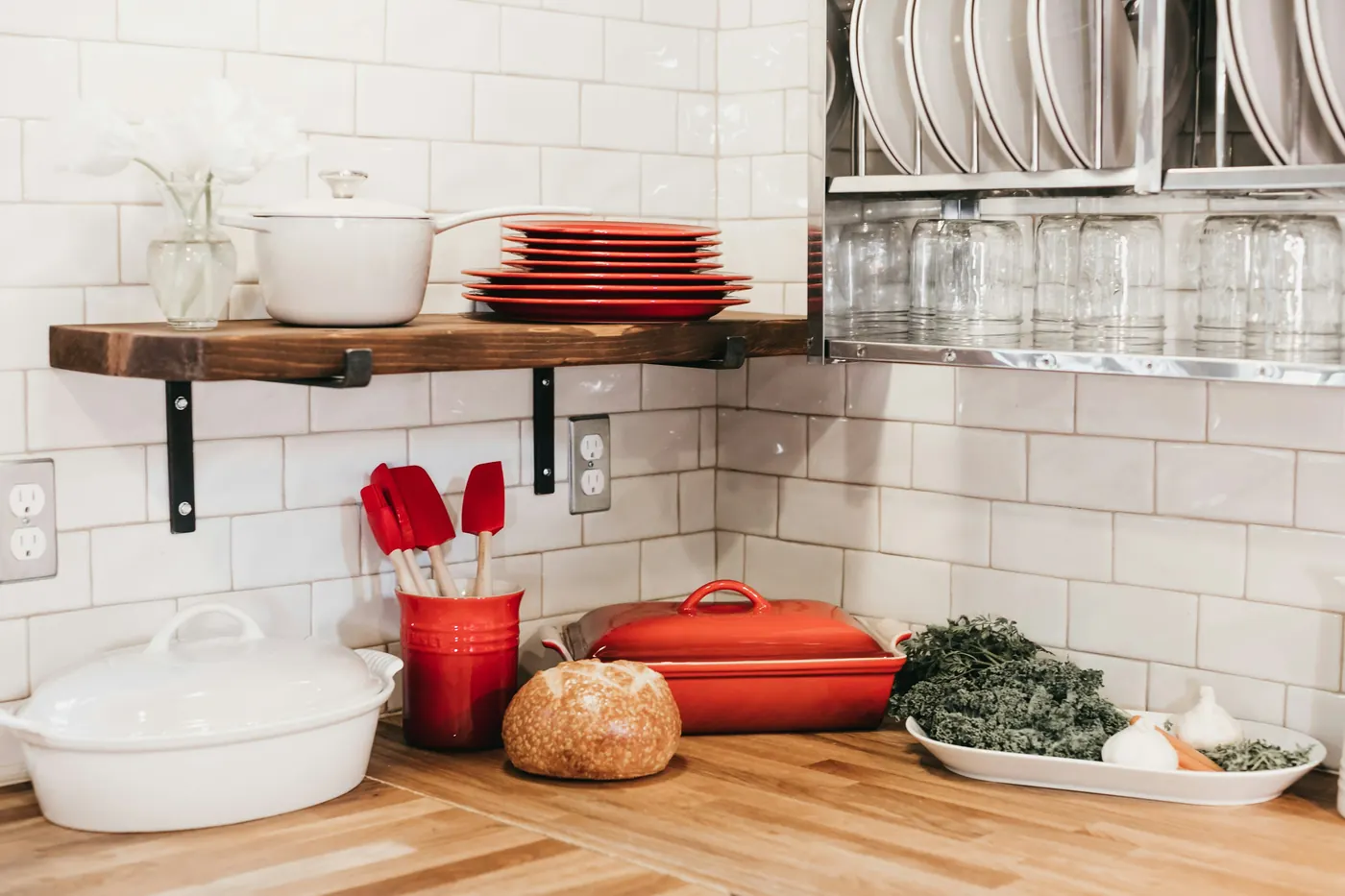
Enamel is a glass coating that makes cast iron nonreactive and maintenance-free: no seasoning, no rust, and you can simmer tomatoes or store leftovers in it. Bare cast iron is cheaper, cannot chip and can go over a fire, but it has to be dried and oiled after every wash, and acidic dishes can strip young seasoning. ATK thinks both are good choices. If you want bare iron with a lid that doubles as a pan, see our guide to the best cast iron skillet with a lid.
5. Weight, handles and knob
The enameled pots here run from about 11 to almost 17 pounds empty. ATK found its favorite pots were on the lighter side of the range and had large looped handles you can grab with oven mitts on. Check the knob rating too: some phenolic knobs are rated lower than the pot, which matters if you bake bread at high heat. The ratings in each pick above come from the maker or the listing.
6. Durability and price
ATK’s view, after decades of reviews, is that you do not have to spend a lot to get a pot that cooks well. The two reasons to pay more are durability, because pricier enamel was less likely to chip in its tests, and ease of use, because pricier pots tended to be lighter. If you will use your Dutch oven several times a week, those differences add up over the years.
How we chose these eight Dutch ovens
We started from what a restaurant kitchen asks of a heavy pot: steady heat for long simmers, a broad floor for browning, a lid that fits, handles you can grab with a towel, and a body that survives being banged around. We then looked for pots sold and in stock on Amazon in the United States, from makers that publish their own specifications, and checked capacity, materials, oven ratings, care and country of manufacture against the listing, the maker’s site or Lodge’s trade catalog.
For how the pots cook, we relied on reviews we read in full: America’s Test Kitchen’s Dutch oven review and its lightweight Dutch oven review. Where we quote cooking results or weights, they are ATK’s. We have not cooked with every pot on this list ourselves, and where ATK has not reviewed a pot, as with the Staub oval and this exact All-Clad, we say so.
Some well-known pots are missing for practical reasons. ATK’s overall winner, the Le Creuset 7.25-quart, was in short supply on Amazon when we checked. Smithey’s bare cast iron pot, which ATK recommends, is sold by its maker rather than on Amazon. ATK’s Best Buy, the Cuisinart Chef’s Classic, is also left out: we left out enameled picks whose makers give no lead-free statement. For more lower-cost pots, see our best value Dutch oven guide.
Caring for a Dutch oven, the way the makers say
- Preheat gently. Lodge advises warming enameled cast iron gradually, with oil, on a burner close to the pot’s size, so it heats evenly.
- Use soft utensils on enamel. Lodge recommends wooden, silicone or nylon tools, because metal can scratch the finish. Bare cast iron can take metal utensils.
- Let it cool before washing. Lodge says to let enameled iron cool, then hand wash with warm soapy water and a sponge or nylon brush. For stuck-on food, it suggests boiling 2 cups of water with 4 tablespoons of baking soda for a few minutes, then using a pan scraper.
- Expect some staining. Lodge notes that a little staining on light enamel is normal and does not affect performance. Made In suggests a baking soda paste.
- Dry bare iron and the rims. Bare cast iron must be dried and lightly oiled after every wash. On enameled pots, the rim is usually bare iron; Lodge suggests wiping a little oil around it if rust appears.
Dutch oven questions, answered
What are the best Dutch oven brands?
Le Creuset and Staub, both made in France, are the long-standing premium names, and America’s Test Kitchen says that after decades of reviews it still rates Le Creuset the best Dutch oven on the market. Made In, Lodge and Tramontina make credible pots at lower prices, and ATK recommends pots from all three. Brand matters less than shape, interior color and weight.
What is America’s Test Kitchen’s best Dutch oven?
In ATK’s most recent review, the Le Creuset 7.25-quart round is the overall winner and the Le Creuset 5.5-quart round wins among 5- to 6-quart pots. Its Best Buys are the Cuisinart Chef’s Classic 7-quart and 5-quart casseroles. Its lightweight winner is the All-Clad D3 stainless 6-quart stockpot.
Is a Le Creuset worth it for the money?
For cooking results alone, probably not: ATK found the Cuisinart performs about as well for roughly a quarter of the price. Where the Le Creuset earns its price is durability and handling. It was more resistant to chipping and lighter in ATK’s tests, which matters if you use your pot several times a week for decades.
What size Dutch oven is best for home use?
For most households, 5.5 to 7 quarts. ATK prefers 7 quarts as a single all-purpose pot, but says a 5- to 6-quart pot does nearly everything, just with more batches when browning. A 5.5-quart pot comfortably holds a family-size pot of beans; for that job, a clay olla for beans is the traditional alternative.
Can you bake bread in any Dutch oven?
Any cast iron Dutch oven with an oven-safe lid works. ATK found dark interiors, like the Staub and the bare Lodge it tested, gave the crustiest loaves, while stainless steel pots made paler bread. Check the knob rating before baking at high heat. Our guide to the best Dutch oven for bread covers sizes and shapes for sourdough.
Is enameled cast iron better than bare cast iron?
Neither is better for everything. Enamel needs no seasoning, handles acidic sauces and can store food; bare iron is cheaper, cannot chip and can go over a fire. ATK found neither affected flavor in its latest tests, provided the bare pot’s seasoning is well kept.
Our final word on Dutch ovens
By material: the best cast iron Dutch ovens, the best budget enamel Dutch ovens, the best ceramic Dutch ovens, the best stainless steel Dutch ovens and the best nonstick Dutch ovens. By size and shape: the best large Dutch ovens, the best oval Dutch ovens and the best lightweight Dutch ovens. For specific jobs: the best affordable Dutch ovens for bread, the best camp Dutch ovens and the best Dutch oven cookbooks. Still deciding on a pot? See Dutch oven vs braiser.
Related guide: Best le creuset dutch oven.
Related guide: Dutch oven alternative.
Related guide: Dutch oven vs slow cooker.
Related guide: Dutch oven vs stock pot.
Buy the Le Creuset 5.5-quart if you want the pot America’s Test Kitchen trusts most and will use it for decades. Buy the Tramontina 6.5-quart if you want an ATK-recommended enameled pot for far less, and the Staub if you bake bread as often as you braise. Whatever you choose, it will be the pot that carries your slow cooking, from charro beans to a long-simmered mole. And when you would rather someone else did the simmering, Julia’s is at 5402 N Highway 6 in Houston: call to order.