French cooking gave professional kitchens much of their vocabulary, and the skills reach well past France. A roux, a slow braise, a sauce reduced until it coats a spoon: if you have thickened a red enchilada sauce or simmered a pot of beef in chile, you already know part of it. That is why a good French book is worth owning even if you never plan to make a soufflé. It teaches habits that travel.
The hard part is choosing, because “French cookbook” can mean a two-volume classic, a chef’s bistro manual, a photo course in knife skills or a story about a house in the country. This guide picks eight from named authors at established publishers, and says what the named sources report and who each one suits. Where a pick rests on the publisher’s details alone, we say so in its entry.
Julia’s earns a commission on purchases made through links on this page, at no cost to you. Recommendations are based on what a restaurant kitchen looks for in a cookbook, publisher information and published reviews, which we name.
Quick verdict: the best French cookbook to buy
For a cook who wants to learn the whole subject, buy Mastering the Art of French Cooking, the two-volume box set with 781 recipes between them. If you want simple French dinners first, choose Ina Garten’s Barefoot in Paris. If you want the bistro classics from a working chef, choose Anthony Bourdain’s Les Halles Cookbook.
The other five cover step-by-step technique, modern Paris, weeknight French cooking, a big paperback of neighborhood recipes and French country cooking.
Five French cookbooks side by side
Five of the eight, one for each kind of cook, with the details the publisher or a named review gives. All eight are described in full below.
| Cookbook | Best for | Recipes | Named source | Buy on Amazon |
|---|---|---|---|---|
| The full classic repertoire | 524 plus 257 | Rests on publisher details | View on Amazon | |

Barefoot in Paris, Ina GartenBest for beginners
|
Simple French dinners | Not stated | Publishers Weekly | View on Amazon |

Anthony Bourdain’s Les Halles CookbookBest for bistro classics
|
Bistro food, plainly told | Not stated | Publishers Weekly | View on Amazon |

Jacques Pépin Complete Techniques, 50th Anniversary EditionBest for technique
|
Learning classic skills | 160 | Rests on publisher details | View on Amazon |

My Paris Kitchen, David LebovitzBest modern Paris
|
Modern Paris home cooking | 100 | Publishers Weekly | View on Amazon |
Cover images from Amazon. Page counts and formats are for the editions linked; other editions differ.
Our picks for the best French cookbook, book by book
Four of these eight have a Publishers Weekly review that we read and cite. Mastering the Art of French Cooking, Jacques Pépin Complete Techniques, Bistro Cooking and French Country Cooking rest on the publisher’s and authors’ details, and we say so in their entries. We have not cooked our way through these books; where we describe a strength, we say whose view it is.
1. Mastering the Art of French Cooking, Julia Child, Louisette Bertholle and Simone Beck – The Two-Volume Classic

This was the title that came up most often in the French cookbook lists we searched. Knopf’s box set brings the two volumes together. The publisher says Volume One has 524 recipes, from traditional dishes to simple ones like spring peas, and that Volume Two adds 257 more, meant to take the home cook to a higher level of skill.
We link the box set for a practical reason. When we checked, Volume One on its own was only available from a later date, while the set was in stock as new from Amazon.com. So you are buying both volumes or waiting. The listing shows the set in hardcover; it gives no combined page count, though Volume Two alone runs to 648 pages on its own listing.
We should be clear about the evidence. Publishers Weekly’s page shows no review of this set, so this pick rests on the publisher’s and authors’ details and the book’s long reputation, not on a review we read. It is also not a quick-dinner book. It teaches French cooking step by step, which is exactly why it has lasted.
Why we like it
- 781 recipes across two volumes, per Knopf
- Volume Two is built to extend your skills
- Both volumes in one box
- Hardcover, in stock as new when we checked
Key specifications
| Author | Julia Child, Louisette Bertholle and Simone Beck |
|---|---|
| Publisher | Knopf |
| Year | 2009 (box set) |
| Pages | Not stated for the set; Volume Two lists 648 |
| Format | Hardcover box set |
| Recipes | 524 (Vol. 1) and 257 (Vol. 2), per Knopf |
| Named source | None read; rests on publisher details |
| Best for | Cooks who want the full repertoire |
Why we recommend it
If you want to actually learn French cooking and you will take the time, this is the book to build a shelf around. Everything else on this list is easier to use once you have worked through a few of its recipes.
Skip it if you want dinner on the table in 30 minutes. The set is big, the recipes ask for care, and you have to buy both volumes.
Pros and cons
Pros
- The widest classic range here
- Teaches skills as well as dishes
- Two volumes together
Cons
- Rests on publisher details, not a review we read
- Long recipes for a weeknight
- Volume One not sold alone in stock when we checked
2. Barefoot in Paris, Ina Garten – French Food Without the Fuss
If Mastering looks like too much, start here. Clarkson Potter describes easy French home cooking with Ina Garten’s streamlined twists: boeuf bourguignon, croque monsieur and crème brûlée among them, drawn from her love of Paris’s markets, bakeries and shops. The hardcover runs to 240 pages.
Publishers Weekly was fair about what it is. The reviewer found Garten likable and unpretentious and said she does not break new ground. The recipes are simple, such as chicken with forty cloves of garlic and pork loin with green peppercorns. Her self-deprecating humor stands out; the review points to her soufflé introduction, where she admits to being “a little afraid” to attempt one.
That honesty is the appeal for a new cook. A book that admits French food can be intimidating, and then gives you a short recipe, is a better first step than one that assumes you own a copper pot.
Why we like it
- Simple recipes, per PW
- Classic dishes such as boeuf bourguignon
- Relaxed, unpretentious tone, per PW
- Shortest book on this list
Key specifications
| Author | Ina Garten |
|---|---|
| Publisher | Clarkson Potter |
| Year | 2004 |
| Pages | 240 |
| Format | Hardcover |
| Recipes | Not stated |
| Named source | Publishers Weekly |
| Best for | Nervous first-timers |
Why we recommend it
If you want French food for friends on a Saturday and do not want a project, this is the easiest book here to cook from, going by its reviewer and its publisher.
Skip it if you want to learn classic technique. PW says plainly that it does not break new ground.
Pros and cons
Pros
- Approachable recipes
- Familiar French classics
- Friendly voice
Cons
- Not a technique book
- Recipe count not stated
3. Anthony Bourdain’s Les Halles Cookbook – Bistro Classics With Attitude
Anthony Bourdain became executive chef of Brasserie Les Halles in New York in 1998, and his memoir Kitchen Confidential made the kitchen famous. This book is the restaurant’s food in his voice. The subtitle promises strategies, recipes and techniques of classic bistro cooking, and the listing gives 304 pages in hardcover.
Publishers Weekly says it offers classic dishes rather than new territory: onion soup, steak au poivre and coq au vin. The review describes most recipes as manageable for competent home cooks, with the more involved ones explained in detail. It also warned that the irreverent, profane tone runs through the recipes and introductions and will put off some readers.
For a working kitchen, that tone is part of why the book is useful. It reads like a chef talking to a new cook on the line about what matters. If you can take the language, you get a plain account of how a bistro kitchen thinks.
Why we like it
- Classic bistro dishes, per PW
- Harder recipes explained in detail, per PW
- Written from a working restaurant kitchen
- Includes technique as well as recipes, per the subtitle
Key specifications
| Author | Anthony Bourdain |
|---|---|
| Publisher | Bloomsbury |
| Year | 2004 |
| Pages | 304 |
| Format | Hardcover |
| Recipes | Not stated |
| Named source | Publishers Weekly |
| Best for | Competent cooks who like a straight voice |
Why we recommend it
If you want onion soup, steak au poivre and coq au vin explained by someone who has cooked them for a living, and you enjoy a strong voice, this is the book.
Skip it if strong language bothers you. PW warned that it runs through the whole book.
Pros and cons
Pros
- Core bistro repertoire
- Strong, readable voice
- Harder recipes explained
Cons
- Profane tone will put some readers off
- Assumes some competence
4. Jacques Pépin Complete Techniques, 50th Anniversary Edition – Every Skill, Step by Step
French-born chef Jacques Pépin’s book is the one here to buy for skills rather than dinners. The publisher, Black Dog & Leventhal, says this anniversary edition combines his earlier books La Méthode and La Technique, with more than 600 techniques, more than 1,000 photographs and 160 recipes in 736 hardcover pages.
Each technique is shown in step-by-step photographs of Pépin doing the work. The publisher’s examples run from boning a chicken to baking meringue, and the recipes are there to let you practice what you have just learned.
We should be clear about the evidence. Publishers Weekly’s page shows no review of this edition, and our search found publisher and retailer pages rather than a critic’s review, so this pick rests on the publisher’s and author’s details. Note that the same material has been in print for decades in earlier forms; this is the current hardcover, and it is a large one.
Why we like it
- More than 600 techniques, per the publisher
- Step-by-step photographs of Pépin
- Practice recipes included
- Combines two earlier books
Key specifications
| Author | Jacques Pépin |
|---|---|
| Publisher | Black Dog & Leventhal (Hachette; listed as Workman) |
| Year | 2026 |
| Pages | 736 |
| Format | Hardcover |
| Recipes | 160 |
| Named source | None read; rests on publisher details |
| Best for | Cooks who learn by seeing |
Why we recommend it
If you learn better from photographs than from text, and want to bone a chicken or bake a meringue with confidence, this pairs well with any recipe book on this list.
Skip it if you want recipes first. Technique is the point, and the recipes are there to serve it.
Pros and cons
Pros
- Very wide skills coverage
- Photographs at every step
- Useful in any cuisine
Cons
- Rests on publisher details, not a review we read
- Not a recipe collection first
5. My Paris Kitchen, David Lebovitz – How Parisians Cook Now
David Lebovitz moved to Paris in 2004, and this book is about how the city’s people cook and eat today. Ten Speed Press describes 100 sweet and savory French-inspired recipes paired with stories of his life there, with photography from around the city and his own kitchen. The hardcover runs to 352 pages.
Publishers Weekly described a look at modern Parisian cooking with a focus on younger chefs returning French cuisine to market-style cooking. It covers traditional dishes alongside more unexpected ones, across appetizers, main courses and desserts. The reviewer called it a personal, approachable take for home cooks and praised “the perfect combination of unexpected and expected dishes.”
It makes a good counterweight to the classics above. Paris is a modern city with cooks from everywhere, and a book that reflects that is a useful correction to the idea that French food stopped changing a century ago.
Why we like it
- 100 sweet and savory recipes, per the publisher
- Approachable for home cooks, per PW
- Covers appetizers through desserts
- Stories of Paris alongside the recipes
Key specifications
| Author | David Lebovitz |
|---|---|
| Publisher | Ten Speed Press |
| Year | 2014 |
| Pages | 352 |
| Format | Hardcover |
| Recipes | 100 |
| Named source | Publishers Weekly |
| Best for | Cooks who want current French food |
Why we recommend it
If you want the French food people eat at home now, with good stories and a pastry chef’s care for desserts, this is the best fit here.
Skip it if you are after strict classics. PW’s point is that it mixes the expected with the unexpected.
Pros and cons
Pros
- Modern and personal
- Sweet and savory recipes
- Good reading
Cons
- Less of a classic reference
- French-inspired rather than strictly traditional
6. Dinner in French, Melissa Clark – Classics for Weeknights

Melissa Clark’s Dinner in French updates French dishes and techniques for how people shop, cook and eat today, according to Clarkson Potter. The publisher gives 150 recipes in 336 hardcover pages, with salade niçoise, scalloped potato gratin and apricot tarte Tatin among them.
Publishers Weekly praised the combination of French classics and the author’s own twists, such as wine-braised chicken with orange and olives. It highlighted the make-ahead tips and the anecdote-filled recipe introductions, and it concluded that home cooks will return to the book often.
The publisher lists it among the best cookbooks of its year at NPR, Delish and Library Journal. For a home cook, the make-ahead tips may matter more than the honors: a braise is one job you can do on Sunday for Monday.
Why we like it
- 150 recipes, per the publisher
- Make-ahead tips, per PW
- French classics with modern twists
- Best-of-the-year lists, per the publisher
Key specifications
| Author | Melissa Clark |
|---|---|
| Publisher | Clarkson Potter |
| Year | 2020 |
| Pages | 336 |
| Format | Hardcover |
| Recipes | 150 |
| Named source | Publishers Weekly |
| Best for | Busy home cooks |
Why we recommend it
If you want French flavors on an ordinary Tuesday, this is the most practical book on the list. It takes the classics seriously without asking for a free afternoon.
Skip it if you want the originals rather than a modern update. Those are in the Child books and Bistro Cooking.
Pros and cons
Pros
- A generous 150 recipes
- Make-ahead guidance
- Suits weeknights
Cons
- An update, not the classic versions
- Less on foundational technique
7. Bistro Cooking, Patricia Wells – Over 200 Neighborhood Recipes

Patricia Wells’s book covers the hearty home-style cooking of French neighborhood bistros. Workman describes over 200 recipes, adapted to be lighter and quicker for modern kitchens, running from soups and stews to gratins and grandmother-style desserts. Sidebars profile bistro owners and well-known French chefs.
It is the only paperback here, at 320 pages, and it has the longest history on the list after Child: Workman published it in 1989, and the publisher says it won the 1989 IACP Seagram Food and Beverage Award. Publishers Weekly’s page shows no review of it, so this pick rests on the publisher’s and author’s details.
Its age is both the appeal and the caution. It records a particular kind of French neighborhood cooking, but it dates from 1989, so expect to use your own judgment on where to shop for ingredients. It is still a lot of bistro recipes in one paperback.
Why we like it
- Over 200 recipes, per Workman
- IACP award, per the publisher
- Sidebars on bistro owners and chefs
- The only paperback on this list
Key specifications
| Author | Patricia Wells |
|---|---|
| Publisher | Workman Publishing |
| Year | 1989 |
| Pages | 320 |
| Format | Trade paperback |
| Recipes | Over 200 |
| Named source | None read; rests on publisher details |
| Best for | Cooks who like a big paperback |
Why we recommend it
If you want a lot of bistro recipes in a book you are not afraid to splash, this is the most practical format here.
Skip it if you want a recent book. It dates from 1989, and newer picks here reflect how people shop and cook now.
Pros and cons
Pros
- Large stated recipe count
- Bistro stories as well as recipes
- Paperback
Cons
- Rests on publisher details, not a review we read
- An older book
8. French Country Cooking, Mimi Thorisson – A Village in the Vineyards

The other books here live mostly in Paris and its bistros. Mimi Thorisson’s goes to a small village in the Médoc wine country, where her family moved into an abandoned château. Clarkson Potter describes her shopping for local ingredients, cooking, renovating the house and learning from the village’s farmers, artisans and the house’s former owner.
The publisher gives 100 recipes in 336 hardcover pages, with about 150 photographs by her husband, Oddur Thorisson. Publishers Weekly’s page shows no review, so this pick rests on the publisher’s and author’s details. The publisher’s page carries a Library Journal blurb marked as a starred review, which we have not read in full.
It is the book on this list that sets out to show French food as country cooking, tied to one place and its people. Readers who like a story with their cooking will get the most from it.
Why we like it
- 100 recipes, per the publisher
- About 150 photographs
- Focused on one French wine village
- Starred Library Journal note, per the publisher
Key specifications
| Author | Mimi Thorisson |
|---|---|
| Publisher | Clarkson Potter |
| Year | 2016 |
| Pages | 336 |
| Format | Hardcover |
| Recipes | 100 |
| Named source | None read; rests on publisher details |
| Best for | Cooks who like a story with dinner |
Why we recommend it
If you are drawn to French food for the countryside and the table as much as the technique, this is the book.
Skip it if you want a teaching book. It is built around a place and a family, not a course in French cooking.
Pros and cons
Pros
- Different setting from the Paris books
- About 150 photographs
- Regional focus
Cons
- Rests on publisher details, not a review we read
- Not a teaching book
How to choose a French cooking book
Four questions sort these books out quickly. The first is how much time you actually have.
1. A project or a weeknight
Child and Pépin ask for time and reward it. Clark and Garten are written for a normal evening or an easy Saturday. Be honest about which you will do; a long recipe you never start teaches you nothing.
2. Technique or recipes
Pépin’s book teaches skills, and the recipes follow. Mastering teaches through long, careful recipes. My Paris Kitchen and Dinner in French are recipe books first. A cook who already knows the basics gets more from the second group; one who wants to understand why a sauce breaks needs the first.
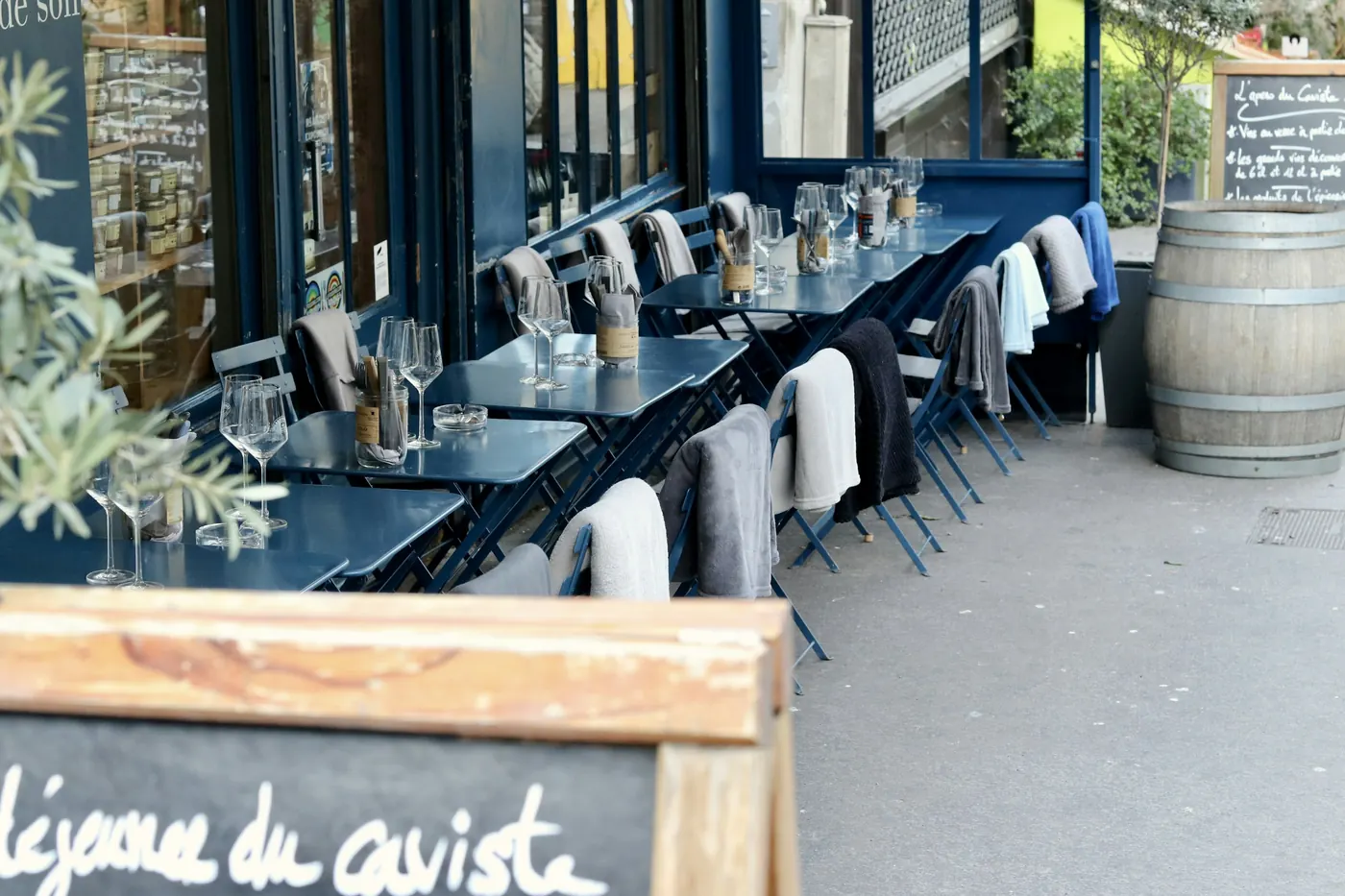
3. Paris, bistro or country
“French” covers a lot of ground. My Paris Kitchen is the modern city. Bourdain and Wells cover the bistro. French Country Cooking is one village in the Médoc. If you want cooking for a dinner party, go to Paris; if you want a pot of something on the stove all afternoon, go to the country.
4. What gear you own
You can start with what you have. A heavy pot and a good pan will take you a long way, and our guides to the best Dutch oven and the best saucier cover the two pieces that do the most in a French kitchen. A saucier’s rounded sides make whisking a sauce much easier. For tart dough, see the best French rolling pin.
How we chose these eight French books
We looked for books a working kitchen would respect: clear about technique, written by cooks with a track record and published by an established press. We searched Amazon’s book listings and kept only print copies listed as new and in stock when we checked, with the lead offer sold by Amazon.com. Several famous titles missed the cut for that reason: Volume One of Mastering on its own, Dorie Greenspan’s Around My French Table and Essential Pépin were only available from later dates, and The Little Paris Kitchen showed low stock. We took the facts for each from the Amazon listing, the publisher’s page and Publishers Weekly’s reviews. Publishers Weekly’s pages show no review of the four picks that rest on the publisher’s and authors’ details, and we say which they are. We have not cooked from these books ourselves; the strengths we describe are the publishers’ and reviewers’, and we name them.
French cookbook questions, answered
What is the best French cookbook for beginners?
Barefoot in Paris, which Publishers Weekly describes as simple and unpretentious. Add Dinner in French for weeknights, and move on to Child when you want to learn the classic methods.
Is Mastering the Art of French Cooking too hard for a home cook?
It was written for home cooks, but the recipes are long. Knopf says Volume Two is meant to take you to a higher level of skill, so plan to spend time in Volume One first. Start with a recipe you already like eating.
Which French cooking book is best for bistro food?
Anthony Bourdain’s Les Halles Cookbook if you like a strong voice, and Bistro Cooking for sheer range in a paperback. Both cover the same kind of food in very different ways.
Is there a good French baking book here?
These eight are mainly savory, though My Paris Kitchen includes sweet recipes and Mastering has desserts. For baking, see our guide to the best baking cookbook, which includes Dorie Greenspan among its authors.
Do I need French cookware to use these books?
No. A heavy Dutch oven, a skillet and a good whisk cover most of this cooking. For slow braises in particular, our guide to the best Dutch oven cookbook is a good next read.
Our final pick for a French kitchen
Buy Mastering the Art of French Cooking if you want to learn the subject properly, and Barefoot in Paris if you want dinner to go well this weekend. Choose Les Halles or Bistro Cooking for bistro food, Jacques Pépin Complete Techniques for skills, and My Paris Kitchen or Dinner in French for modern cooking. French Country Cooking rounds out the shelf. To see how sauce skills carry over, read our guide to enchilada sauces.
Related guide: Best scandinavian cookbook.
Related guide: Best german cookbook.
Related guide: Best eastern european cookbook.
Related guide: Best british cookbook.
And if you would rather someone else made the sauce tonight, see the menu or call to order.