On most Mexican menus, the enchilada section is sorted by sauce rather than by filling. That catches people out. You scan for “chicken” and find it three times, under three names you do not recognize.
The sauce is the dish. The filling is close to a footnote. Here is what each one actually tastes like.
The short answer
Enchilada sauces fall into three families. Red sauces are built on dried chiles and taste earthy and mildly smoky. Green sauces are built on tomatillos and taste tart and fresh. Mole is a dark, thick sauce made from many ingredients at once, and tastes rich rather than hot. Creamy versions of any of these are softened with dairy.
Red sauces
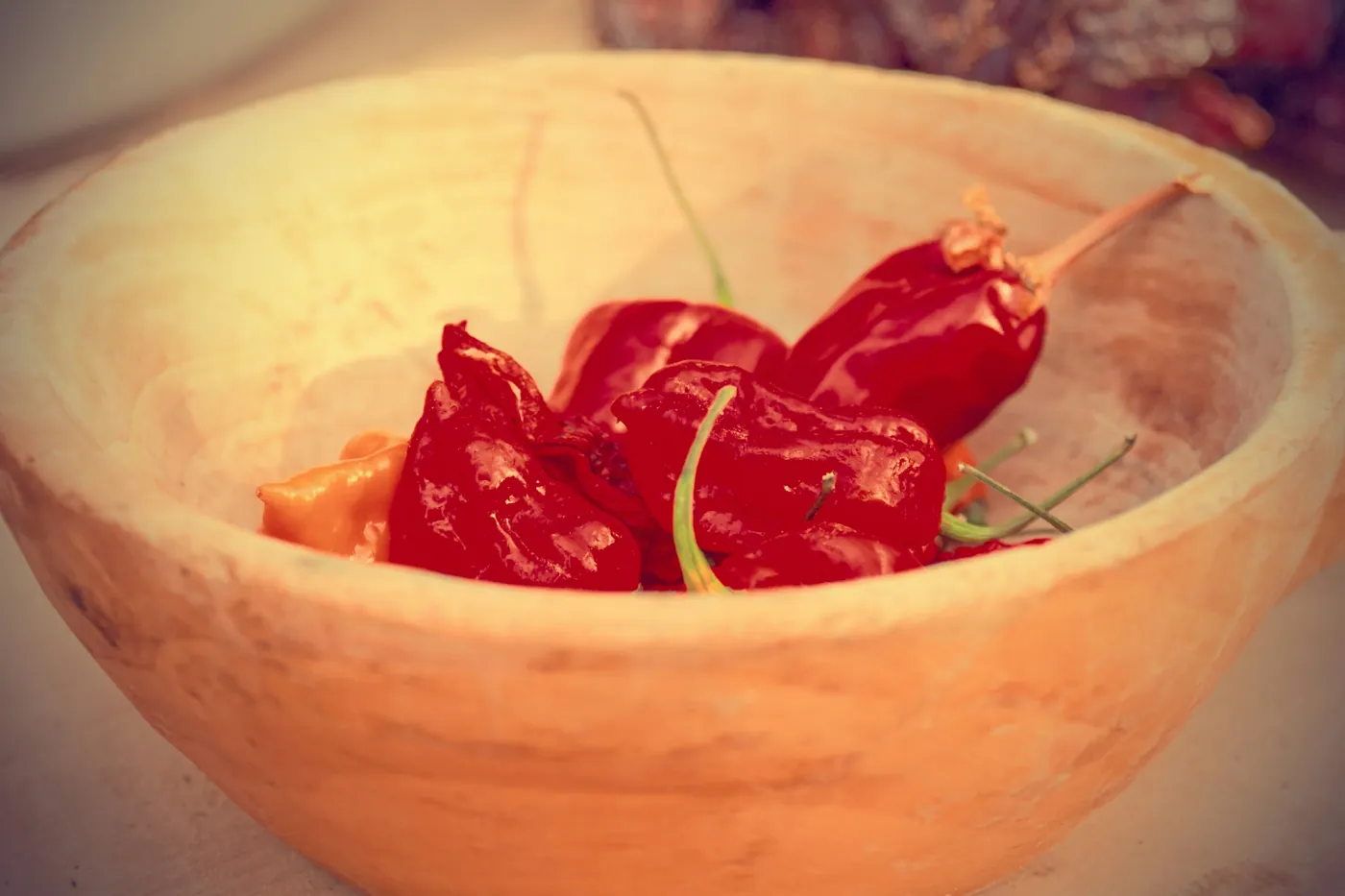
Red enchilada sauce starts with dried chiles — guajillo, ancho, pasilla and similar — rehydrated and blended into a smooth purée. It is not made from fresh red chillies, and that matters, because drying changes the flavor completely.
Dried chiles taste of raisin, dried fruit and tobacco more than they taste of heat. A guajillo sauce is deeply savory with a slight sweetness and only mild warmth. If you expect red to mean spicy, it will surprise you.
Green sauces
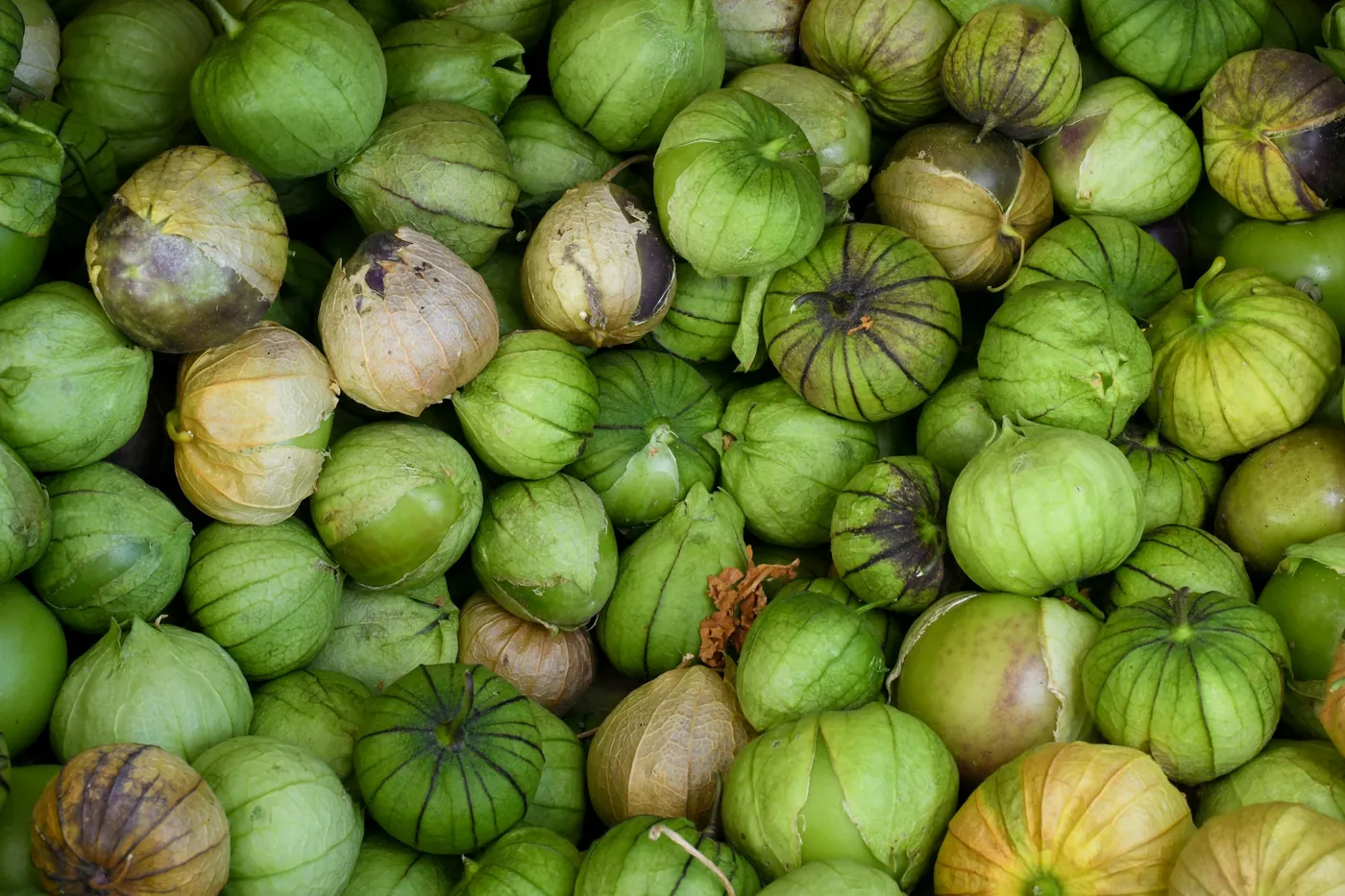
Green sauce is built on tomatillos. Despite the name and the look, a tomatillo is not an unripe tomato — it is a different fruit inside a papery husk, and it is sharply tart rather than sweet.
That tartness is the whole point. Green sauce cuts through cheese and fried tortilla in a way red does not. It is brighter and lighter, and often a little hotter, because the green chiles are used fresh.
Mole
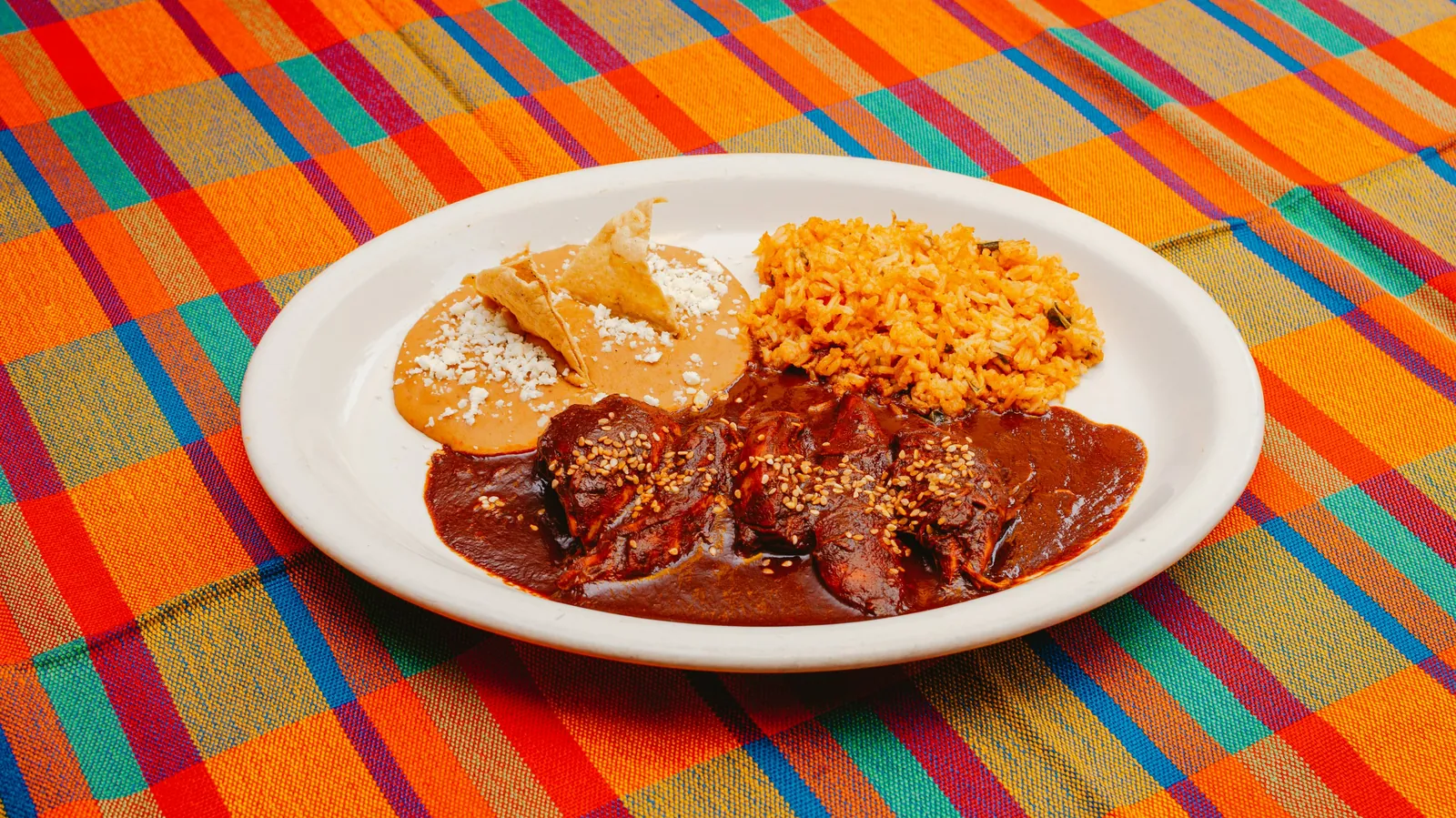
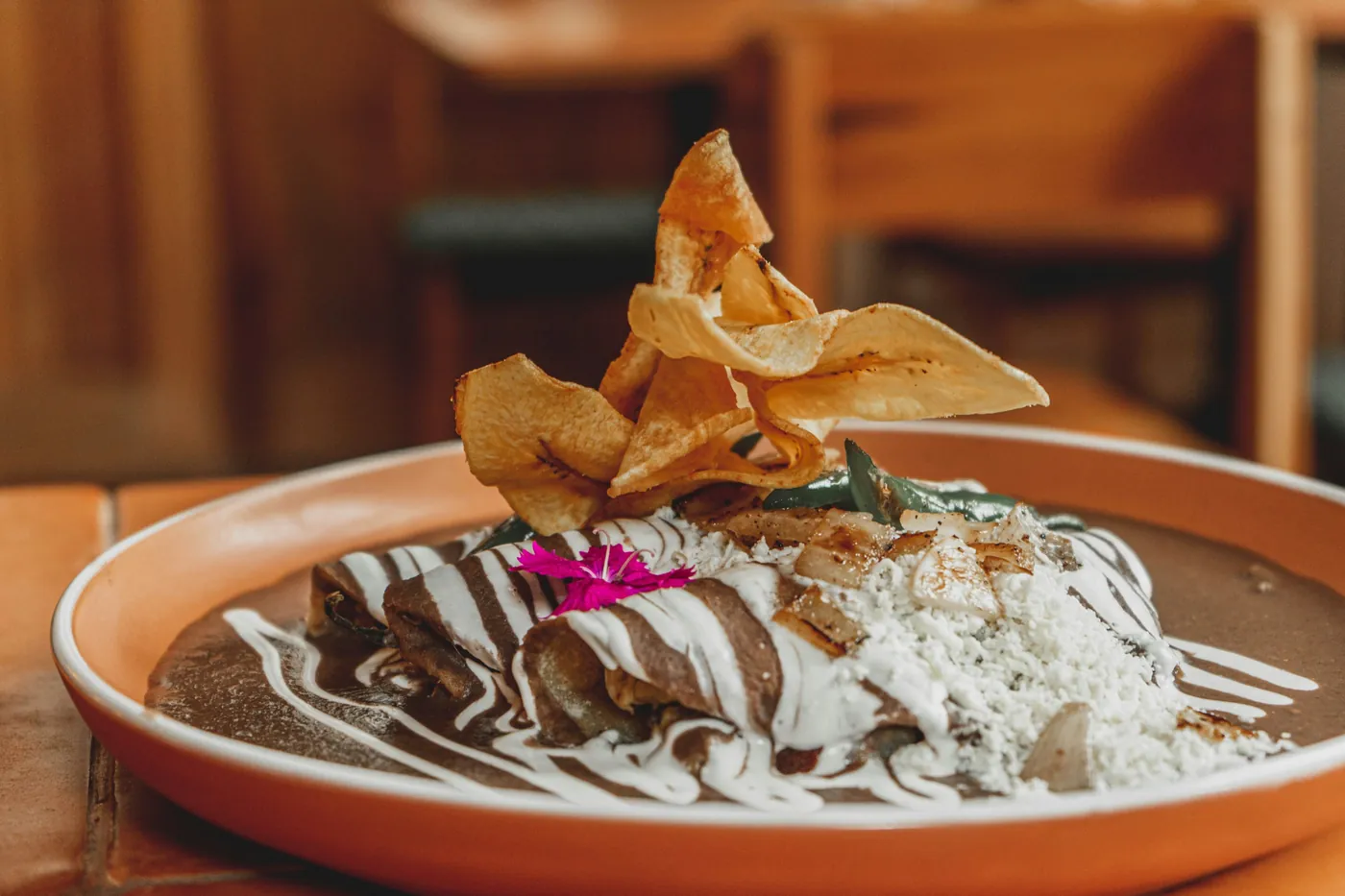
Mole confuses people most, almost always because of the chocolate.
Mole poblano is a long-cooked sauce built from several types of dried chile, plus nuts, seeds, spices, dried fruit and something starchy — bread or tortilla — for body. Most modern versions include a little chocolate.
But chocolate is not the defining ingredient people assume it is. UTSA Special Collections, which holds a Mexican cookbook collection, notes in its La Cocina Histórica project that a 1906 mole poblano recipe contains no chocolate at all, and that its addition most likely happened gradually across the first half of the twentieth century. That 1906 version leans instead on pasilla and ancho chiles, tomatillos, cloves, cinnamon, pepper, coriander and sesame seeds.
Where chocolate is used, it is not there to sweeten anything. It adds bitterness and depth, in roughly the way espresso does in a beef stew. Mole tastes dark, layered and faintly bitter, and it is the least sauce-like of the three — thick enough to coat rather than pool.
The creamy versions
Alongside those three, most Tex-Mex menus carry at least one sauce softened with dairy.
A suiza sauce is the common one: a tomatillo base loosened with cream, which knocks the tartness back and turns it mellow. “Suiza” means Swiss, a reference to the dairy rather than to anything Swiss about the dish.
You will also see cream poblano, roasted poblano blended with cream, and creamy chipotle, which is smoky rather than tart. These are the mildest sauces on most menus and the safest bet if you are unsure about heat.
The sauces side by side
| Sauce | Built on | Tastes like | Heat |
|---|---|---|---|
| Red / guajillo | Dried red chiles | Earthy, slightly sweet, savory | Mild |
| Green / verde | Tomatillos and fresh chiles | Tart, bright, fresh | Mild to medium |
| Mole poblano | Many chiles, nuts, seeds, spices | Dark, rich, faintly bitter | Mild |
| Suiza | Tomatillo softened with cream | Mellow, tangy, creamy | Very mild |
| Cream poblano | Roasted poblano and cream | Smooth, vegetal, gentle | Very mild |
| Chipotle cream | Smoked jalapeño and cream | Smoky, creamy, warm | Medium |
| Tomato-habanero | Roasted tomato and habanero | Roasted, sharp, fruity | Hot |
Which one should you order?
Match the sauce to what you actually want from the plate.
- Want something safe and familiar? Red or suiza. Both are mild, and red is the closest to what most people picture when they think “enchilada”.
- Want the plate to taste fresh rather than heavy? Green. The acidity keeps it from feeling rich.
- Want to taste what the kitchen can actually do? Mole. It takes the longest to make and is the hardest to fake.
- Avoiding heat entirely? A cream-based sauce — suiza or cream poblano.
- Actively want heat? Anything built on habanero.
How this looks on Julia’s menu
Julia’s enchilada section is a clean example of sauce-first ordering, because six dishes each carry a different sauce.
The suizas come under a creamy tomatillo sauce with Oaxaca cheese and avocado. The tradicionales use guajillo. The enchiladas de mole are finished with mole poblano, queso fresco and red onion. The spinach enchiladas use a cream poblano, the veggie enchiladas a roasted tomato-habanero, and the enchiladas de camarón a creamy chipotle.
Read that list again and notice the filling barely changes the decision. Chicken appears under more than one sauce; so does cheese. Pick the sauce first and the rest follows.
So what does the filling do?
If the sauce sets the flavor, the filling sets the texture and the richness.
Cheese melts into the sauce and makes the whole dish softer and heavier. Shredded chicken is the lightest option and stays fairly neutral. Ground beef adds fat and a firmer bite. Fajita beef holds its texture best of all, and vegetable fillings add moisture.
None of it shifts the plate the way the sauce does, which is why menus are organized as they are.
Why the sides change with the sauce
On a well-built menu, the rice and beans are not the same on every enchilada plate.
Richer, heavier sauces tend to arrive with refried beans and Mexican rice, which lean into the richness. Lighter, sharper sauces are more often paired with white rice and black beans, which stay out of the way.
Julia’s does this. The suizas and the tradicionales come with Mexican rice and refried beans; the spinach and veggie enchiladas come with black beans, and the veggie plate switches to white rice. It is a small thing, but it tells you the pairing was thought about rather than standardised.
Frequently asked questions
Is red or green enchilada sauce spicier?
Green is usually the hotter of the two, which surprises people. Red sauces are built on dried chiles that lose most of their heat in drying, while green sauces use fresh chiles. Neither is reliably hot, though — it varies by kitchen, so ask.
Does mole taste like chocolate?
No. Where chocolate is present it is one of dozens of ingredients, and it adds bitterness and depth rather than sweetness. Plenty of historical mole poblano recipes contain no chocolate at all. Most people cannot pick it out of the finished sauce.
What does “suiza” mean on a menu?
It signals dairy. A suiza sauce is a tomatillo base enriched with cream, which makes it milder and rounder than a straight salsa verde. The word means “Swiss” and refers to the cream, not to the recipe’s origin.
Does the filling matter less than the sauce?
In most cases, yes. The sauce covers the whole dish and sets the flavor; the filling changes the texture and the richness. Choosing chicken over cheese matters far less than choosing mole over verde.
Which enchilada sauce is best for a first try?
Red or suiza. Both are mild, widely available and close to what most people expect. Save mole for a second visit, when you already know whether you like the kitchen.
The short version
Red is earthy, green is tart, mole is rich, and anything creamy is milder than its base would suggest. Read the enchilada section as a list of sauces and the choice gets much simpler.
You can compare all six side by side on the full food menu. If you are still working out the rest of the order, our guide to reading a Mexican menu covers the other sections, and the house specialties are where the slow-cooked dishes live.