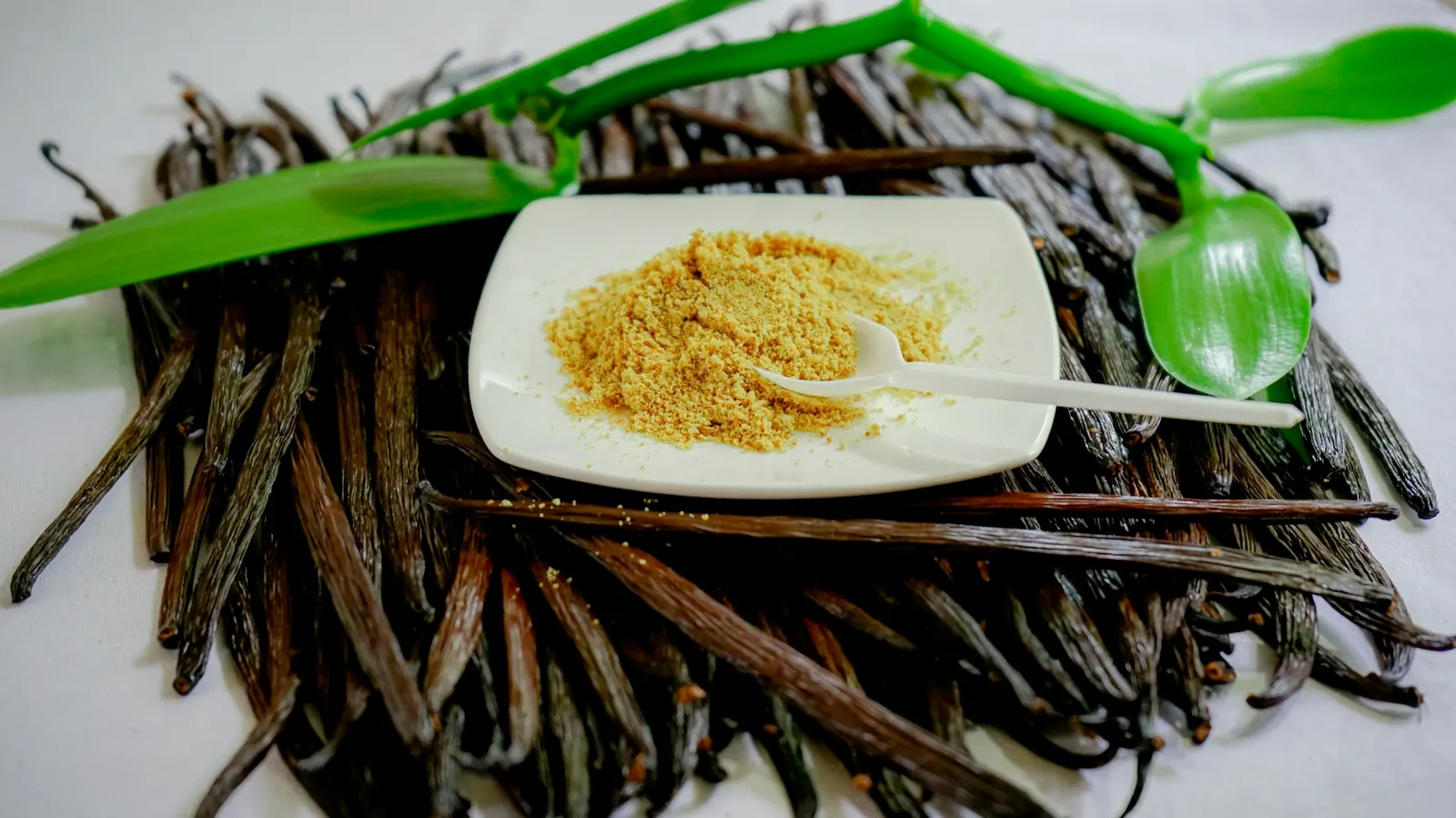
Vanilla is a Mexican ingredient before it is anything else. The orchid that makes it, Vanilla planifolia, is native to Mexico, and the Totonac people around Papantla in Veracruz were curing its pods long before vanilla reached a European kitchen. Mexican vanilla still has a character of its own: darker and spicier than the creamy Madagascar vanilla most American bakers know, with a woody, clove-like edge that stands up to cinnamon, chocolate and caramel.
It also has a reputation problem. For decades, cheap bottles sold as “Mexican vanilla” have been made with tonka bean extract, which contains coumarin, a substance that is not allowed in food sold in the United States. This guide explains how to tell real Mexican vanilla from imitation and blends, which form to buy for what you cook, and which bottles, pastes and beans are worth your money.
Julia’s earns a commission on purchases made through links on this page, at no cost to you. Recommendations are based on what a working Mexican kitchen looks for in vanilla, the makers’ own ingredient lists and specifications, and the federal rules that define vanilla extract, which we cite.
Quick verdict: which Mexican vanilla to buy
For most home kitchens, the best Mexican vanilla is Nielsen-Massey Mexican Pure Vanilla Extract: a pure extract made from Mexican beans, with a short, published ingredient list and Non-GMO Project, kosher and gluten-free certification. If you bake often and want a big bottle made in Mexico, choose Zanilli Mexican Vanilla Extract in the one-liter size. For flan, custard and ice cream where you want visible seeds, choose Nielsen-Massey Mexican Pure Vanilla Bean Paste. Whatever you buy, read the ingredient list: real vanilla names vanilla beans or vanilla bean extractives, and never tonka.
The rest of this page explains why, starting with the one thing every buyer of Mexican vanilla should know.
Five Mexican vanillas at a glance
Our five standout picks side by side, one for each way of using vanilla, with what each maker or listing says is in the bottle. All seven products are reviewed in full below.
| Vanilla | Best for | Type & size | What’s in it (per maker) | Buy on Amazon |
|---|---|---|---|---|
| Everyday baking, most kitchens | Pure extract, 4 fl oz | Water, cane alcohol, cane sugar, Mexican vanilla bean extractives | View on Amazon | |
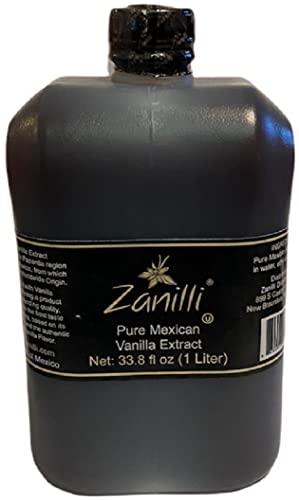
Zanilli Mexican Vanilla Extract, 33.8 ozBest large bottle
|
Frequent bakers, holiday batches | Pure extract, 1 liter | Mexican vanilla in water and alcohol; no sugar added | View on Amazon |

Blue Cattle Truck Traditional Mexican Vanilla, 16.7 ozBest traditional style
|
Lower-alcohol uses: drinks, frostings | Traditional vanilla (10% alcohol), 16.7 fl oz | Vanilla bean extractive in water; under 1% natural vanillin | View on Amazon |
| Flan, custards, ice cream | Vanilla bean paste, 4 fl oz | Cane sugar, water, Mexican vanilla extract, bean seeds, gum tragacanth | View on Amazon | |

Vanilla Bean Kings Mexican Vanilla Beans, 10 countBest whole beans
|
Scraping seeds, homemade extract | Whole cured beans, 10 pods | Grade A Vanilla planifolia from Veracruz | View on Amazon |
Product images from Amazon. Ingredients are as each maker or listing states them; labels can change, so check the bottle you receive.
Real, imitation or blend: what “Mexican vanilla” can mean
Before the picks, the label. The words “Mexican vanilla” on a bottle tell you the style or the country it came from, not what is inside. Four kinds of product share the name, and they behave differently in a recipe.
Pure vanilla extract
In the United States, “vanilla extract” is a legally defined food. The federal standard (21 CFR 169.175) requires at least 35 percent alcohol by volume and at least one “unit” of vanilla per gallon, which the regulation defines as the flavor extracted from 13.35 ounces of vanilla beans. Sugar, dextrose and corn syrup are permitted as optional ingredients, which is why some pure extracts list cane sugar. Anything sold as vanilla extract here should name vanilla beans or vanilla bean extractives on the label.
Vanilla flavoring and “traditional” Mexican vanilla
The same bean extract with less than 35 percent alcohol is called vanilla flavoring under the federal rules (21 CFR 169.177). Many Mexican brands sell lower-alcohol vanilla, sometimes called “traditional” or “natural flavoring”. It can still be made from real beans; it simply is not extract in the legal sense, so check what it lists besides beans.
Blends with vanillin
Vanillin is the main flavor compound in vanilla, and it can also be made cheaply from other sources. A blend adds vanillin to real vanilla extract to stretch it. The federal standard for vanilla-vanillin extract (21 CFR 169.180) caps the added vanillin and requires the label to say “contains vanillin, an artificial flavor”. Blends taste of vanilla, but flatter, because vanillin is one compound and cured beans carry hundreds.
Imitation vanilla
Imitation vanilla is flavored without vanilla beans, usually with vanillin and caramel color. It is legal when labeled honestly. The problem is the imitation that uses tonka beans instead.
The coumarin problem
Tonka beans smell strongly of vanilla because they contain coumarin. Under 21 CFR 189.130, food containing added coumarin, including coumarin from tonka beans or tonka extract, is deemed adulterated, a rule in force since 1954. In 2008 the FDA warned consumers that so-called Mexican vanilla, often sold cheaply in Mexico and other Latin American countries, is frequently made with tonka extract. The agency noted that coumarin is related to warfarin, a blood thinner, and that eating it may be dangerous for people taking blood thinners.
The FDA’s advice was simple: look for “vanilla bean” in the ingredient list, and do not buy a bottle that lists tonka bean, has a vague ingredient list, or has none at all. A large bottle at a very low price, especially from a market stall or a tourist shop, is the classic warning sign. Every product on this page is sold on Amazon US by an identifiable brand, and the brands that address coumarin directly (Blue Cattle Truck, for one) state that theirs is coumarin-free.
Vanilla bean paste and whole beans
Paste is vanilla extract thickened, usually with sugar and a natural gum, and loaded with the tiny seeds scraped from the pod. It gives you the flecks of a split bean without the scraping. Whole cured beans are the original form: you split them, scrape the seeds into milk or batter, and reuse the empty pod in sugar or a bottle of homemade extract.
Our picks for the best Mexican vanilla
These seven products cover every form a home cook is likely to want: pure extract in a small and a large bottle, a lower-alcohol traditional vanilla from a Veracruz family, two pastes, whole beans and one widely sold blend. For each one we list what the maker says is in it, and where the maker does not say, we say so.
1. Nielsen-Massey Mexican Pure Vanilla Extract, 4 oz – Pure Extract, Clear Label

The safest place to start with Mexican vanilla is a pure extract from a maker that publishes exactly what is in the bottle. Nielsen-Massey lists four ingredients for its Mexican extract: water, cane alcohol, cane sugar and Mexican vanilla bean extractives. There is no vanillin, no coloring and no thickener, and the beans are hand-selected in Mexico, according to the maker.
The company describes the flavor as creamy and spicy-sweet with woody after-tones, which matches the general profile of Mexican vanilla: deeper and spicier than Madagascar Bourbon vanilla. That spicy edge is what you want in Mexican desserts built around cinnamon, chocolate and caramel, such as flan, arroz con leche, tres leches and a cup of Mexican hot chocolate.
Nielsen-Massey uses what it calls a small-batch, cold process, which it says preserves more of the natural vanilla flavor. The extract is Non-GMO Project Verified, certified kosher and certified gluten-free, and the listing describes it as allergen-free. It comes in 2, 4, 8 and 32-ounce bottles and a gallon, so you can start small and move up once you know you like it.
Use it the way any recipe calls for vanilla extract, one for one. Store it tightly capped, away from heat and light.
Why we like it
- Four published ingredients: water, cane alcohol, cane sugar, Mexican vanilla bean extractives
- No vanillin, coloring or thickener listed
- Non-GMO Project Verified, kosher and gluten-free certified
- Sold in sizes from 2 ounces to a gallon
Key specifications
| Type | Pure vanilla extract |
|---|---|
| Size | 4 fl oz (also 2, 8, 32 oz and 1 gallon) |
| Origin | Vanilla beans from Mexico |
| Ingredients | Water, cane alcohol, cane sugar, Mexican vanilla bean extractives |
| Alcohol | Not stated by maker (sold as vanilla extract, which requires at least 35%) |
| Sweetener | Cane sugar |
| Certifications | Non-GMO Project Verified, kosher, gluten-free |
| Made in | Not stated |
Why we recommend it
Choose it if you want genuine Mexican vanilla with no guesswork: a pure extract, a short ingredient list and a maker that has been in the vanilla business for over a century, as the listing notes. The 4-ounce bottle is a sensible size for a household that bakes a few times a month.
Skip it if you avoid added sugar entirely; the extract contains cane sugar, as the federal standard allows. Zanilli, below, lists no added sugar.
Pros and cons
Pros
- Pure extract with a published ingredient list
- Mexican beans, spicy-sweet profile
- Three certifications
- Wide range of sizes
Cons
- Contains added cane sugar
- Alcohol percentage not printed by maker
- Small bottle goes quickly if you bake often
2. Zanilli Mexican Vanilla Extract, 33.8 oz – A Liter of Pure Extract
Zanilli is a Mexican company, founded in 2002 and based in Monterrey, that makes natural vanilla extract from cured pods it buys from farmers in the Veracruz region, according to a 2019 profile of the company in the trade publication FoodNavigator. The same profile reports that its extract is made in water with 35 percent ethyl alcohol, the level the US standard requires for vanilla extract.
The Amazon listing names Papantla, the historic center of Mexican vanilla, in its title, and describes the extract as made with Mexican vanilla beans, with no sugar added and gluten-free. It is certified OU Kosher pareve.
The appeal here is size. A one-liter bottle is about 34 fluid ounces, enough for the heavy vanilla use of a Christmas baking season, a run of flan for a family party, or a household that adds a splash to morning coffee. Zanilli also sells smaller bottles and a much larger jug for bakeries. As with any big bottle, decant some into a small one for daily use and keep the rest capped in a dark cupboard.
Because there is no added sugar, the flavor reads a little drier and more spice-forward than a sweetened extract; in a recipe with sugar, which is nearly every dessert, you will not notice the difference.
Why we like it
- Pure extract from Mexican beans, made in Mexico
- 35% ethyl alcohol, per the maker’s published profile
- No sugar added
- OU Kosher pareve, gluten-free
- One-liter bottle for frequent bakers
Key specifications
| Type | Pure vanilla extract |
|---|---|
| Size | 33.8 fl oz (1 liter) |
| Origin | Mexican beans; listing names Papantla, Veracruz |
| Ingredients | Vanilla extract in water and alcohol (full label list not printed in listing) |
| Alcohol | 35% (Zanilli, as reported by FoodNavigator) |
| Sweetener | None added |
| Certifications | OU Kosher pareve; gluten-free per listing |
| Made in | Mexico |
Why we recommend it
Choose it if you go through vanilla quickly and want a pure Mexican extract made in Mexico by a named producer. It is the best way on this list to keep a serious amount of real vanilla in the pantry.
Skip it if you bake only occasionally. A liter lasts a long time, and a 4-ounce bottle of the Nielsen-Massey is easier to finish while it is at its best.
Pros and cons
Pros
- Large bottle of pure extract
- Made in Mexico from Veracruz beans
- No added sugar
- Kosher certified
Cons
- Full ingredient list not printed in the listing
- More than an occasional baker needs
- Maker details come from a 2019 profile
3. Blue Cattle Truck Traditional Mexican Vanilla, 16.7 oz – Veracruz Beans, Lower Alcohol
This is Mexican vanilla in the style many Mexican families keep in the kitchen: lower in alcohol than American extract, and made in Mexico. Blue Cattle Truck says its vanilla is grown and produced by the Canosa family in Veracruz, imported from Mexico and bottled in the United States.
Read the label and you can see exactly what kind of product it is. Blue Cattle Truck lists vanilla bean extractive in purified water, 10 percent alcohol, and less than 1 percent natural vanillin added for consistency. With under 35 percent alcohol, it is not vanilla extract in the US legal sense; it falls under the federal category of vanilla flavoring, and the small amount of added vanillin makes it closer to a light blend than a pure extract. The maker states plainly that it contains no coumarin, no corn syrup, no additives and no preservatives, and that it is gluten-free.
The lower alcohol is the point. Blue Cattle Truck says it suits almost any recipe that calls for vanilla, and it is gentler in uncooked uses where alcohol can show: whipped cream, frosting, a glass of horchata or a cold drink. The company also sells a 35 percent alcohol “Pure” version, which it recommends for high-heat baking.
Why we like it
- Beans from one Veracruz family, single-sourced
- 10% alcohol, gentler in uncooked recipes
- Coumarin-free, with no corn syrup or preservatives, per the maker
- Ingredients and alcohol level printed openly
Key specifications
| Type | Traditional Mexican vanilla (below the 35% alcohol a US “vanilla extract” must have) |
|---|---|
| Size | 16.7 fl oz |
| Origin | Veracruz, Mexico (Canosa family) |
| Ingredients | Vanilla bean extractive in purified water; alcohol; under 1% natural vanillin |
| Alcohol | 10% |
| Sweetener | None listed; no corn syrup |
| Certifications | Not stated (gluten-free and coumarin-free per maker) |
| Made in | Mexico; bottled in the USA |
Why we recommend it
Choose it if you want the softer, lower-alcohol style of vanilla common in Mexico, from a family producer that publishes its ingredients and addresses coumarin directly. It suits drinks, frostings, whipped cream and everyday baking.
Skip it if you want a pure vanilla extract with nothing added. The added natural vanillin, though small, means it is not a pure extract; choose the Nielsen-Massey or Zanilli instead.
Pros and cons
Pros
- Single-source Veracruz beans
- Low alcohol for uncooked uses
- Coumarin-free per maker
- Clear ingredient statement
Cons
- Contains a little added vanillin
- Not a pure extract under US rules
- No third-party certification stated
4. Nielsen-Massey Mexican Pure Vanilla Bean Paste, 4 oz – Seeds Without the Scraping

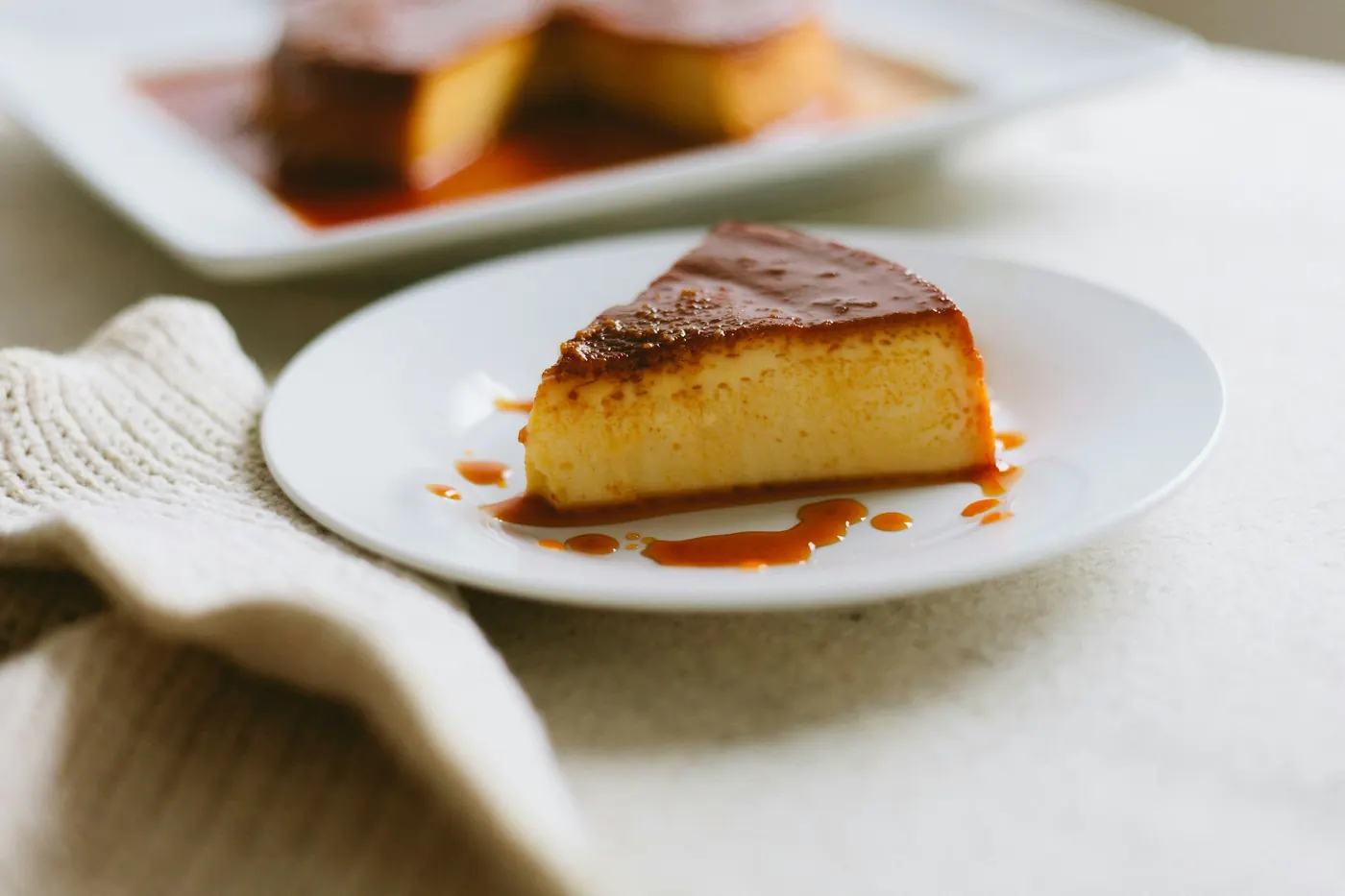
When a dessert should show its vanilla, paste is the shortcut. Nielsen-Massey’s Mexican paste is its Mexican vanilla extract thickened into a spoonable syrup and carrying the seeds from the pod, so a custard, a flan or a pot of rice pudding comes out speckled the way it would with a split bean.
The maker lists cane sugar, water, Mexican vanilla extract, vanilla bean seeds and gum tragacanth, a natural thickener. The conversion is easy: Nielsen-Massey says one tablespoon of paste equals one tablespoon of extract or one whole vanilla bean, so you can swap it into any recipe without changing the amounts.
Paste is at its best where the vanilla is not hidden: flan and crème caramel, natillas, ice cream, whipped cream, a glaze, or stirred into hot chocolate or coffee, which the maker also suggests. It carries the same Non-GMO Project, kosher and gluten-free certifications as the extract, and comes in 2 and 4-ounce jars.
Why we like it
- Visible vanilla seeds without splitting a pod
- Swaps one for one with extract, per the maker
- Made with Mexican vanilla extract
- Non-GMO Project Verified, kosher, gluten-free
Key specifications
| Type | Vanilla bean paste |
|---|---|
| Size | 4 fl oz (also 2 oz) |
| Origin | Vanilla beans from Mexico |
| Ingredients | Cane sugar, water, Mexican vanilla extract, vanilla bean seeds, gum tragacanth |
| Alcohol | Not stated (contains vanilla extract) |
| Sweetener | Cane sugar |
| Certifications | Non-GMO Project Verified, kosher, gluten-free |
| Made in | Not stated |
Why we recommend it
Choose it if you make flan, custards or ice cream and want the look and depth of a real bean with the convenience of a jar. It is the easiest upgrade from extract for any dessert where vanilla is the main flavor.
Skip it if you mostly bake cookies and cakes, where the seeds disappear into the crumb and a pure extract does the same job.
Pros and cons
Pros
- Visible seeds in custards and cream
- Simple one-for-one swap
- Published ingredient list
Cons
- Sugar is the first ingredient
- Seeds wasted in dark batters
- Small jar for the money
5. Blue Cattle Truck Mexican Vanilla Bean Paste, 8 oz – A Bigger Jar of Paste

If you go through vanilla paste quickly, Blue Cattle Truck sells it in an 8-ounce glass jar, twice the size of most pastes. It is made from the same Canosa family vanilla from Veracruz as the brand’s traditional vanilla, and the listing says it is made in Mexico, then blended and packaged in the United States.
The maker lists Mexican vanilla extract, sugar, water, vanilla bean and tragacanth gum as a natural thickener, much the same recipe as the Nielsen-Massey paste. Blue Cattle Truck says it contains no coumarin, additives, preservatives or corn syrup, and that it is gluten-free. One teaspoon of paste replaces one teaspoon of extract, according to the listing, and the company says a tablespoon gives a flavor comparable to a whole bean.
Use it the same way: in flan, tres leches, custard, ice cream base, whipped cream and glazes. Note that the paste is measured by weight, as the listing points out, so the 8 ounces is a weight rather than a liquid volume.
Why we like it
- 8-ounce jar, double the usual paste size
- Veracruz vanilla from a single family
- No coumarin, preservatives or corn syrup, per the maker
- One-for-one swap with extract
Key specifications
| Type | Vanilla bean paste |
|---|---|
| Size | 8 oz (by weight) |
| Origin | Veracruz, Mexico (Canosa family) |
| Ingredients | Mexican vanilla extract, sugar, water, vanilla bean, tragacanth gum |
| Alcohol | Not stated (contains vanilla extract) |
| Sweetener | Sugar |
| Certifications | Not stated (gluten-free per maker) |
| Made in | Mexico; blended and packaged in the USA |
Why we recommend it
Choose it if paste is your everyday vanilla, or you bake custards and flans in quantity, and want a larger jar from a producer that names its farm family and addresses coumarin.
Skip it if you use paste only now and then; a smaller 4-ounce jar is easier to finish while fresh.
Pros and cons
Pros
- Large jar for frequent use
- Single-family Veracruz source
- Coumarin-free per maker
Cons
- No certifications stated
- Alcohol content not stated
- More than an occasional baker needs
6. Vanilla Bean Kings Mexican Vanilla Beans, 10 count – Whole Veracruz Pods
Whole beans are vanilla in its original form, and the only way to know for certain that there is nothing in your vanilla but vanilla. Vanilla Bean Kings sells Grade A Vanilla planifolia pods from the Veracruz region of Mexico, sourced from local farmers, according to the listing.
The seller gives the beans as about 5 to 7 inches long, with a moisture content of 28 to 33 percent. That moisture level matters: it means the pods are soft and pliable, so they split easily and the seeds scrape out cleanly. The company describes the flavor as warm and spiced, with notes of honey, toasted oak and caramel, and ships the pods vacuum-sealed.
Use one bean in place of about a tablespoon of extract. Split it lengthwise with a small knife, scrape the seeds into warm milk or cream for flan, atole or arroz con leche, and drop the pod in too while it steeps. Do not throw the spent pod away: rinse and dry it and bury it in a jar of sugar for vanilla sugar, or add it to a bottle of homemade extract. Ten pods are a good amount for a season of baking; the same beans come in 25 and 50 counts if you want to make extract in quantity.
Store beans airtight in a cool, dark place, not the refrigerator. Vanilla Bean Kings recommends a vacuum-sealed bag, or a zip-top bag inside an airtight jar, and gives a shelf life of about two years when vacuum-sealed.
Why we like it
- Grade A Vanilla planifolia from Veracruz
- 28–33% moisture: soft, pliable pods
- Vacuum-sealed for freshness
- Nothing added: just the cured bean
Key specifications
| Type | Whole cured vanilla beans |
|---|---|
| Size | 10 beans, about 5–7 inches each |
| Origin | Veracruz, Mexico |
| Ingredients | Vanilla planifolia beans, Grade A |
| Alcohol | None |
| Sweetener | None |
| Certifications | Not stated |
| Made in | Grown in Mexico; packed by Vanilla Bean Kings |
Why we recommend it
Choose it if you want the purest form of Mexican vanilla, for desserts where the bean is the star or to make your own extract. It is also the most direct way to avoid any question about what is in the bottle.
Skip it if you want convenience. Splitting and scraping beans takes a minute per recipe, and for cakes and cookies a pure extract gives the same flavor with less work.
Pros and cons
Pros
- Nothing but vanilla
- Soft, high-moisture pods
- Reusable spent pods
- Also sold in 25 and 50 counts
Cons
- More work than extract
- No third-party certification stated
- Grade is the seller’s own
7. Vanilla Molina Mexican Vanilla Blend, 2 x 16.6 oz – The Familiar Mexican Bottle

Molina is one of the names most people picture when they think of Mexican vanilla: a Mexican brand that the listing says has been making vanilla since 1944, sold in big bottles in Mexican grocery stores on both sides of the border. It is included here because many readers will already have one in the cupboard, and because it shows why the label matters.
This is a blend, and Molina says so. The listing calls it a “Mexican Vanilla Blend with Pure Vanilla Extract” and describes it as natural flavoring, made in Mexico. What it does not do is print the full ingredient list. Molina’s own website, for its Mexican market, does not list ingredients either, and retailer listings describe the blend as vanilla extract combined with vanillin. Treat it as a blend: real vanilla stretched with added vanillin, rather than a pure extract.
That makes it a different product from the first two picks. Blends cost less to make and give a strong, sweet vanilla aroma, and for a pitcher of agua fresca, a batch of pancakes or a frosting it does the job. In a flan or a custard, where vanilla is the main flavor, a pure extract or paste gives more depth. Check the ingredient list on the bottle you receive, as the FDA advises for any Mexican vanilla, and look for vanilla extract by name and no mention of tonka.
Why we like it
- Long-established Mexican brand, made in Mexico
- Openly labeled as a blend, not passed off as pure
- Two large bottles for everyday use
Key specifications
| Type | Mexican vanilla blend (natural flavoring with pure vanilla extract) |
|---|---|
| Size | 2 bottles, 16.6 fl oz each |
| Origin | Mexico |
| Ingredients | Not printed in the listing; retailers describe vanilla extract with vanillin |
| Alcohol | Not stated |
| Sweetener | Not stated |
| Certifications | Not stated |
| Made in | Mexico |
Why we recommend it
Choose it if you want the familiar Mexican-grocery vanilla for everyday cooking and drinks, from a long-standing brand that labels the bottle honestly as a blend.
Skip it if you want pure vanilla. The listing does not give a full ingredient list, and a blend will never match a pure extract in desserts where vanilla leads.
Pros and cons
Pros
- Familiar Mexican brand since 1944
- Large bottles, two per pack
- Labeled as a blend
Cons
- Not a pure extract
- Full ingredient list not in the listing
- Flatter than pure vanilla in custards
How to choose Mexican vanilla for your kitchen
Five things decide which vanilla belongs in your pantry. Origin matters, but the label matters more.
1. Read the ingredient list first
Real vanilla names vanilla beans or vanilla bean extractives. A blend will also list vanillin, and a US-standard blend has to say “contains vanillin, an artificial flavor”. Walk away from anything that lists tonka, lists only “flavor”, or has no ingredient list at all; that is the FDA’s own advice.
2. Match the form to the dish
Extract is the all-rounder for cakes, cookies, pan dulce and drinks. Paste is for desserts where you want to see vanilla: flan, custard, ice cream, whipped cream. Whole beans are for when vanilla is the whole point, or for making your own extract. Many home bakers keep a bottle of extract and one of the other two.
3. Decide how you feel about alcohol and sugar
Pure extract is at least 35 percent alcohol by law, though most recipes call for only a teaspoon or two. Lower-alcohol traditional vanilla, like Blue Cattle Truck’s, is gentler in uncooked frostings and drinks. Pastes and some extracts contain sugar; Zanilli lists none.
4. Buy a size you will finish
A 4-ounce bottle suits most households that bake a few times a month; a liter makes sense if you bake weekly or host big holidays. Keep any bottle tightly capped and away from the stove’s heat.
5. Be suspicious of a bargain
Vanilla is expensive to grow. Each orchid flower is pollinated by hand, and the pods are cured for months before they reach a bottle. A large bottle sold for very little, particularly from an unlabeled stall, is the classic sign of imitation or tonka-based vanilla. Buy from a brand that names itself and publishes its ingredients.
How we picked these Mexican vanillas
We started from what a Mexican kitchen asks of vanilla: real vanilla from Mexican beans, a flavor with enough spice to stand up to cinnamon, caramel and chocolate, and a label that tells you what is in the bottle. We then narrowed the field to products sold on Amazon in the United States and in stock when we checked, from brands we could identify, and read each maker’s own ingredient list or product page, or the brand’s own Amazon listing where a maker publishes nothing further (each review says which). We checked every label claim against the federal standards of identity for vanilla extract, vanilla flavoring and vanilla-vanillin extract, and the federal rule on coumarin. We chose seven products to cover every form a home cook uses, including one clearly labeled blend, rather than listing near-identical bottles. We left out bottles whose sellers published no ingredient information, brands whose coumarin status we found contradicted between sources, and anything we could not trace to an identifiable maker. We have not tasted these vanillas side by side; descriptions of flavor are the makers’ own.
Mexican vanilla questions, answered
What is the best quality Mexican vanilla?
The best quality Mexican vanilla is a pure extract or whole beans from Mexican Vanilla planifolia, from a maker that publishes its ingredients. Nielsen-Massey’s Mexican extract and Zanilli’s both meet that test. Quality in vanilla is mostly about the beans and what is, or is not, added to them.
How can you tell if Mexican vanilla is real?
Read the ingredient list. The best real Mexican vanilla names vanilla beans or vanilla bean extractives and, if it is sold as extract in the US, contains at least 35 percent alcohol. Blends list vanillin. Do not buy any bottle that lists tonka bean, gives only a vague ingredient list or has none, as the FDA advises. A very low price for a large bottle is another warning sign.
Is Mexican vanilla safe?
Real Mexican vanilla made from vanilla beans is the same food as any other vanilla. The safety concern is with imitation “Mexican vanilla” made from tonka beans, which contain coumarin. Coumarin added to food makes it adulterated under US law, and the FDA has warned that it may be dangerous for people taking blood thinners. Buying from an identifiable brand that lists vanilla on the label avoids the problem.
Why is Mexican vanilla darker than other vanilla?
Color varies with the beans, the curing and whether caramel color or sugar is added, which is why color alone tells you little. Pure extracts on this page are amber to dark brown. Clear “Mexican vanilla” is sold too; read its ingredient list closely to see whether it names vanilla beans or vanillin.
How is Mexican vanilla different from Madagascar vanilla?
Both usually come from the same species, but the growing region and curing change the flavor. Madagascar vanilla is creamy and sweet; Mexican vanilla is spicier and woodier, with a clove-like note. Our guide to what Mexican vanilla is covers its history and flavor in more depth.
Can you substitute vanilla paste or beans for extract?
Yes. Nielsen-Massey gives one tablespoon of paste as equal to one tablespoon of extract or one whole vanilla bean, and Blue Cattle Truck says the same of its paste teaspoon for teaspoon. So paste swaps one for one, and a whole bean stands in for about a tablespoon of extract.
Our final pick for Mexican vanilla
Buy the Nielsen-Massey Mexican Pure Vanilla Extract if you want one bottle of real Mexican vanilla with a clear, short label. Move up to Zanilli’s liter if you bake often, choose Blue Cattle Truck’s traditional vanilla if you prefer the lower-alcohol Mexican style, and keep a jar of paste or a few Veracruz beans for flan and custard. Whatever you buy, read the ingredient list, and never buy vanilla that lists tonka.
Vanilla is one part of a well-stocked Mexican pantry. Our guide to Mexican pantry staples covers the chiles, spices, masa and sweets that go with it, and if vanilla is going into a mug, see the best Mexican hot chocolate.
And if you would rather someone else made dessert tonight, see the menu or call to order.