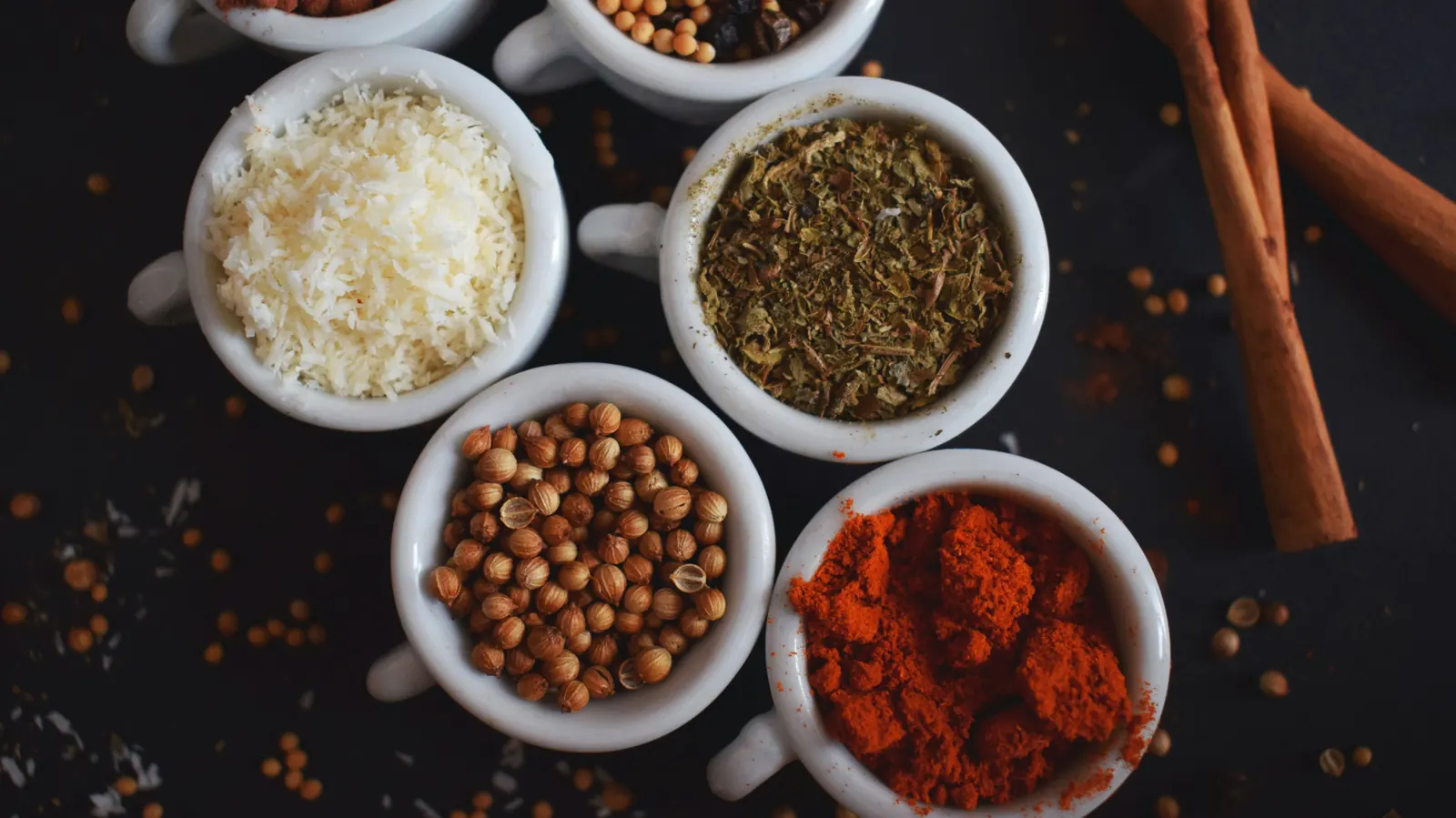
Most of what makes Mexican cooking taste Mexican lives in the cupboard, not the fridge. Dried chiles, masa harina, Mexican oregano, a can of chipotles, a brick of achiote, a cone of piloncillo: none of them spoil quickly, and with a shelf of them you can make enchilada sauce, pozole, tamales, café de olla or a pot of beans on a weeknight without a special trip to the store.
This guide walks through a Mexican pantry the way a restaurant kitchen thinks about its dry store: what each staple is, what it does in a dish, which ones are worth buying first, and how to keep them so they are still good when you reach for them. Where a staple has its own buying guide on this site, we link to it, and a handful of products are picked out with the reason for each.
Julia’s earns a commission on purchases made through links on this page, at no cost to you. Recommendations are based on what a working Mexican kitchen looks for in its dry store, the makers’ own specifications and the Amazon listings, which we cite.
Quick answer: the staples to stock first
The Mexican pantry staples that do the most work are dried chiles (ancho, guajillo and a hot one such as árbol), masa harina for tortillas and tamales, Mexican oregano, cumin and canela, a few cans of chipotles in adobo, dried beans and rice, and one sweet staple such as piloncillo or Mexican chocolate. Add achiote paste, a jar of mole and good vanilla as you cook more. Keep dried goods airtight, cool and out of the light, and refrigerate anything canned once it is opened.
The sections below take each part of the pantry in turn, then finish with a starter list and a storage guide you can print and stick inside a cupboard door.
Mexican pantry staples, shelf by shelf
A Mexican dry store has a logic to it. One shelf holds the flavor base: dried chiles, herbs and whole spices. Another holds the starch: masa harina, rice, dried beans. A third holds the cans and jars that save time: chipotles, tomatillos, pickled jalapeños, mole and achiote pastes. A fourth holds the sweet things: piloncillo, chocolate, canela, vanilla. Fresh ingredients such as tomatoes, onions, garlic, cilantro, limes and fresh chiles come and go each week. The pantry is what stays.
Here is the whole list at a glance:
- Dried chiles: ancho, guajillo, pasilla, árbol, chipotle.
- Corn: masa harina, plus dried hominy if you make pozole.
- Herbs and spices: Mexican oregano, cumin, canela (cinnamon), allspice, cloves, bay leaves, black pepper.
- Seasoning blends: a taco seasoning and a chile-lime salt, for convenience.
- Cans and jars: chipotles in adobo, whole tomatillos, pickled jalapeños, tomato sauce, a bottled hot sauce.
- Pastes: achiote (recado rojo) and mole.
- Beans and rice: dried pinto and black beans, long-grain white rice.
- Sweet staples: piloncillo, Mexican chocolate, vanilla, cajeta.
- Dairy that keeps: shelf-stable media crema, and the firmer aged cheeses in the fridge.
You do not need all of it at once. A pantry builds up dish by dish: buy what tonight’s recipe needs, and after a few months the shelf is full of things you actually use.
Dried chiles: the backbone of the pantry
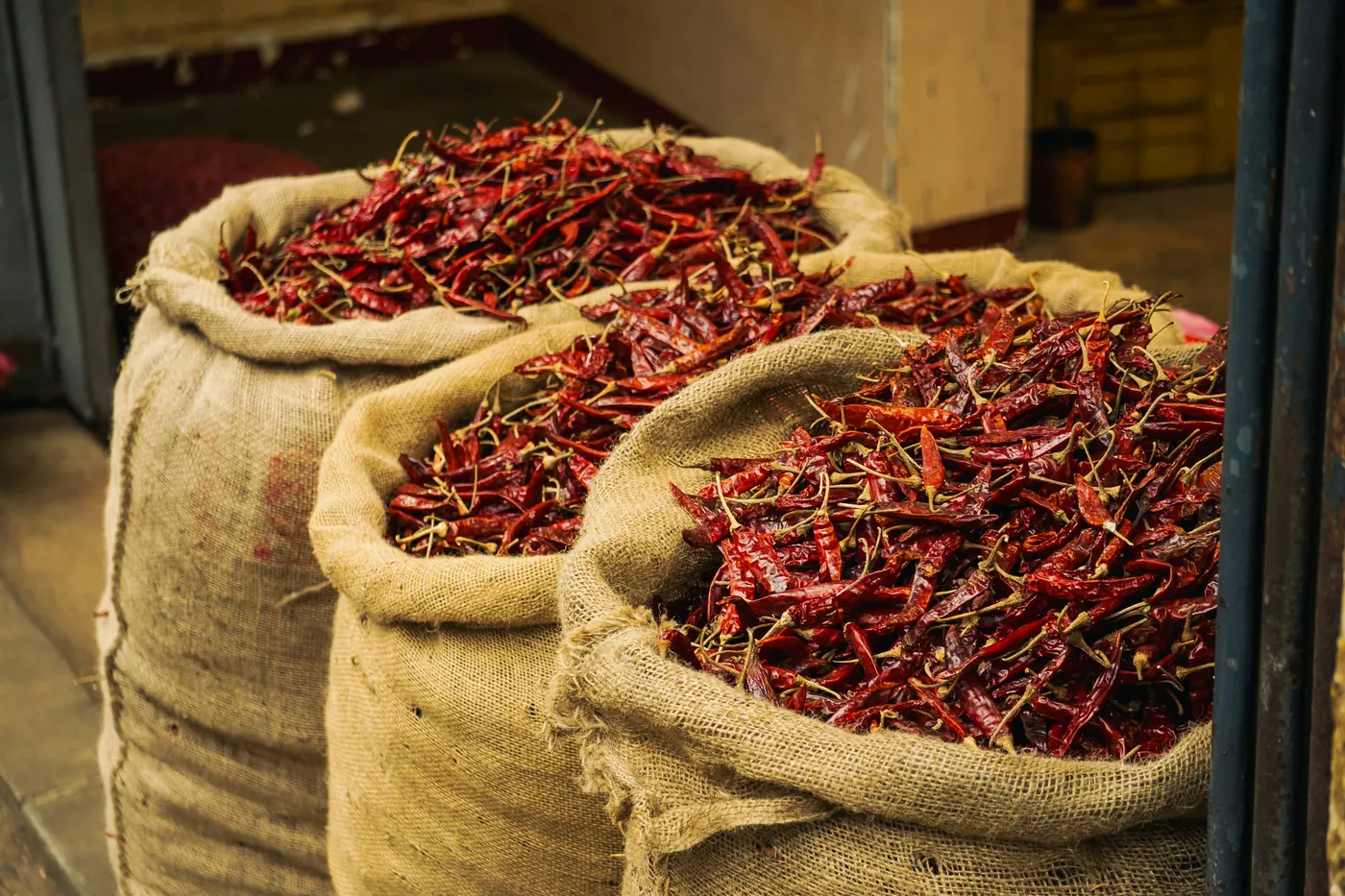
If you buy only one category, make it dried chiles. Drying turns a fresh chile into a different ingredient with a different name: a fresh poblano becomes an ancho, a smoked and dried jalapeño becomes a chipotle. Our guide to Mexican chiles explains the whole family, and most of them are there for flavor rather than heat.
Three dried chiles cover most home cooking:
- Ancho, the dried poblano: dark, sweet and raisin-like, mild. The base of many red sauces and moles.
- Guajillo: tart, fruity and brick red, mild to medium. It gives enchilada sauce, pozole rojo and birria their color. Our guide to guajillo goes deeper.
- Árbol: small, thin and genuinely hot. A few go into a table salsa when you want heat.
Pasilla (dark, earthy, a little bitter) and chipotle (smoky) are the next two to add. A typical sauce starts by wiping the chiles, removing stems and most seeds, toasting them briefly on a dry comal until fragrant, soaking them in hot water, then blending them with garlic, onion and the soaking liquid. Toast for seconds, not minutes: a burnt chile turns the whole sauce bitter.
How to buy and store them. Good dried chiles are pliable, not brittle, and have even color without pale or dusty patches. Keep them in an airtight bag or jar in a cool, dark cupboard. For long storage, many cooks freeze them in a sealed bag, which keeps them supple. Whole chiles keep their aroma much longer than ground chile powder, so buy whole and grind small amounts when you need powder.
1. Amazing Chiles & Spices Ancho, Guajillo and Pasilla Pack – Three Classic Dried Chiles

A simple way to start a chile shelf is with the three chiles that appear together again and again in red sauces, moles and tamales. This pack holds one 4-ounce bag each of whole dried ancho, guajillo and pasilla chiles, 12 ounces in all, according to the listing.
The listing describes the ancho as sweet and raisin-like, the guajillo as tangy and fruity, and the pasilla as dark and earthy with notes of cocoa and dried fruit, and it rates all three as mild to medium heat. It names mole poblano, red enchilada sauce, tamales and pozole rojo as uses.
Each chile comes in its own resealable bag, so you can open one and keep the others sealed. The listing describes them as 100% chile with no additives or preservatives, non-GMO and gluten-free. It does not say where the chiles are grown.
Why we like it
- Three essential dried chiles in one pack
- Whole pods, not powder, which keep their aroma longer
- Separate resealable bags for each chile
- No additives, per the listing
Key specifications
| Size | 4 oz per bag, 12 oz total |
|---|---|
| Count | 3 bags (ancho, guajillo, pasilla) |
| Main ingredients | Whole dried chiles |
| Heat | Mild to medium (listing) |
| Form | Whole dried pods |
| Allergens/diet | Non-GMO; gluten-free (listing) |
| Shelf storage | Resealable bags; cool, dark cupboard |
| Made in | Not stated |
Why we recommend it
Choose it if you are starting from nothing and want the three chiles most recipes call for, in amounts a home kitchen will use before they go stale.
Skip it if you want heat. All three are mild to medium; add a bag of árbol for a hot salsa.
Pros and cons
Pros
- Covers most red sauces
- Sensible home-size bags
- Resealable packaging
Cons
- No hot chile in the pack
- Origin not stated
Masa harina and the corn shelf
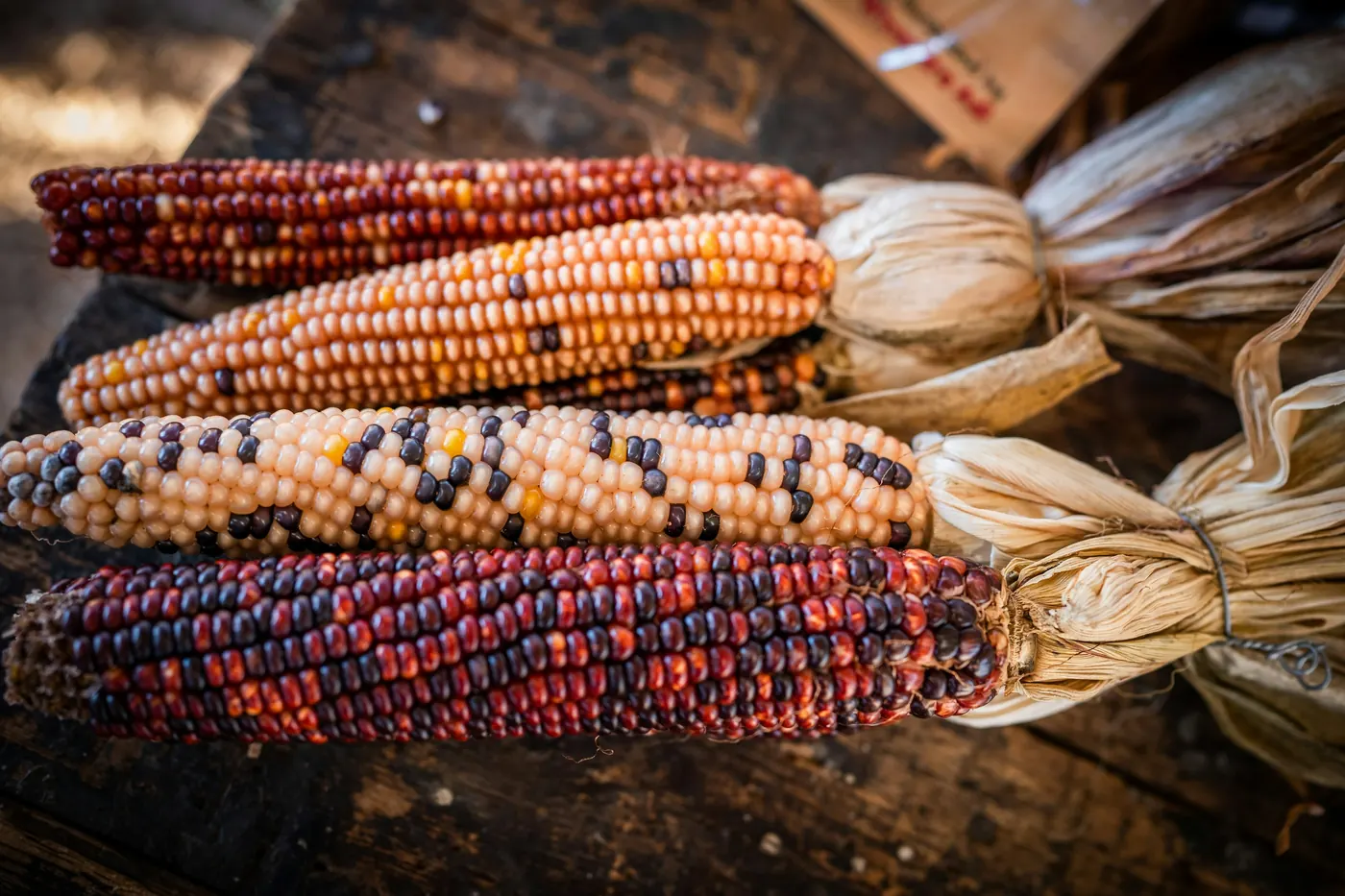
Corn is the oldest staple in the Mexican kitchen, and masa harina is how most home cooks keep it on the shelf. It is flour made from corn that has been nixtamalized, cooked and soaked in an alkaline solution such as lime (calcium hydroxide), then ground and dried. That process is what lets corn dough hold together as a tortilla, and our guide to nixtamalization explains why it matters for flavor and nutrition. Ordinary cornmeal or corn flour has not been through it and will not make a tortilla.
Mix masa harina with warm water and a pinch of salt and you have masa for corn tortillas, gorditas, sopes and tamales. Our roundup of the best masa harina for tortillas compares the main brands, from the everyday instant flours to heirloom-corn ones, and our guide to tortilla making tools covers the press and comal. If you are deciding between corn and wheat, see corn vs. flour tortillas.
Two other corn staples are worth knowing. Dried or canned hominy (whole nixtamalized kernels) is the body of pozole. And for tamales, some brands sell a coarser masa harina labeled for tamales; check the bag.
How to store it. Keep masa harina sealed, cool and dry, like any flour, and use it by the date on the bag. Corn flours contain natural oils that can go stale, so a smaller bag you finish is better than a huge one that sits for a year.
Herbs and spices that do the heavy lifting
Mexican cooking uses fewer dried spices than many cuisines, and uses them firmly. The short list:
- Mexican oregano. Not the same plant as Mediterranean oregano. The University of Arizona’s arboretum lists the common Mexican oregano, Lippia graveolens, in the verbena family, while Mediterranean oregano is in the mint family. It tastes more citrusy and less piney. It goes into pozole, menudo, beans, adobos and birria, usually crumbled between the fingers. Our guide to Mexican herbs covers it alongside epazote and cilantro.
- Cumin. Used in northern Mexican and Tex-Mex cooking, less so in the center and south. A little goes a long way.
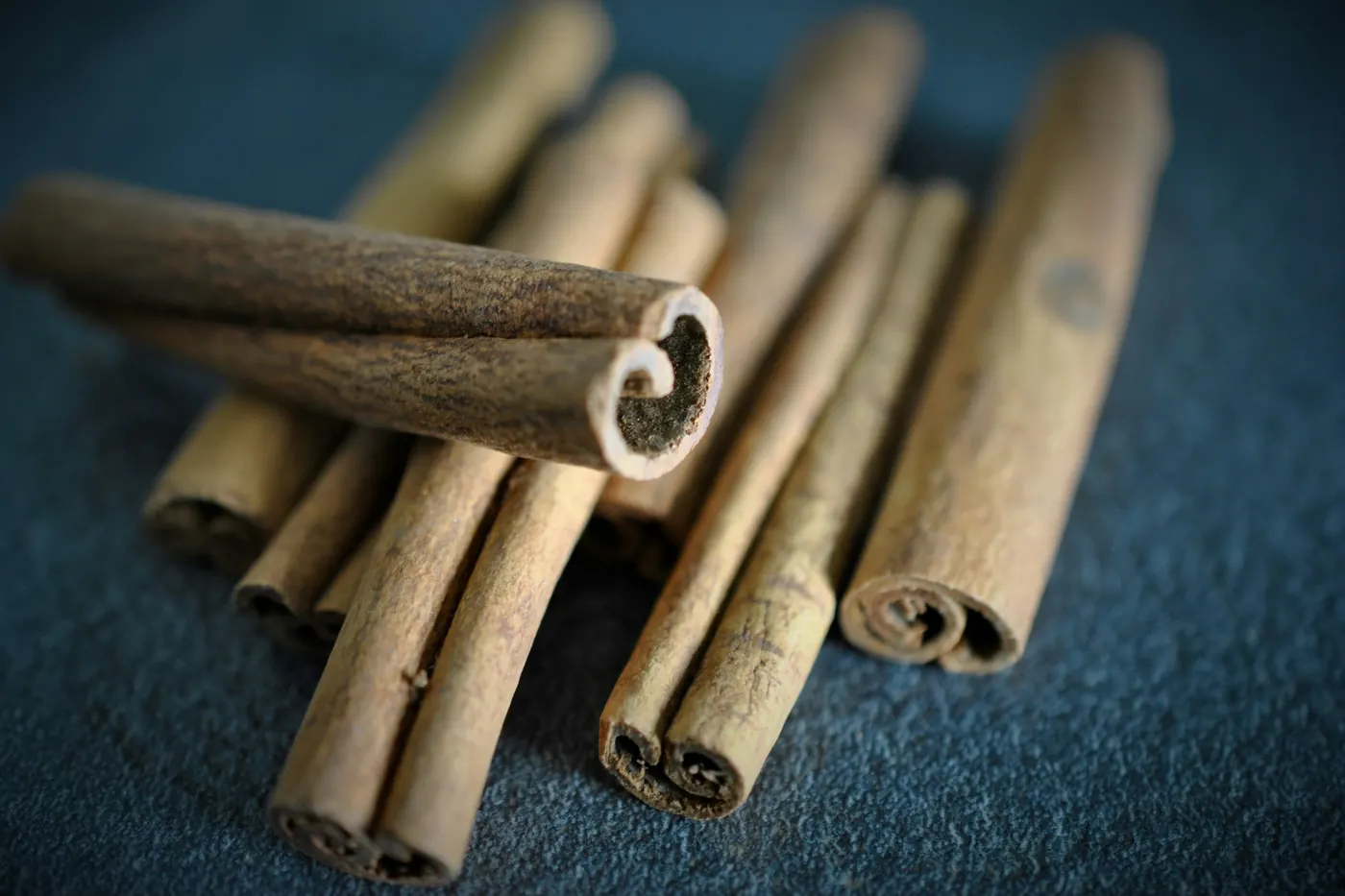
- Canela. The soft, flaky cinnamon sold in Mexican markets, used in café de olla, arroz con leche, Mexican chocolate and some moles and adobos. Markets in Mexico usually sell the thin-barked Ceylon type; the hard, rolled sticks common in American supermarkets are usually cassia. Either will do, but canela is gentler and breaks up easily.
- Allspice, cloves and bay leaves. Small amounts in adobos, pickled jalapeños, barbacoa and moles.
- Black pepper and salt. Coarse salt for cooking and the table.
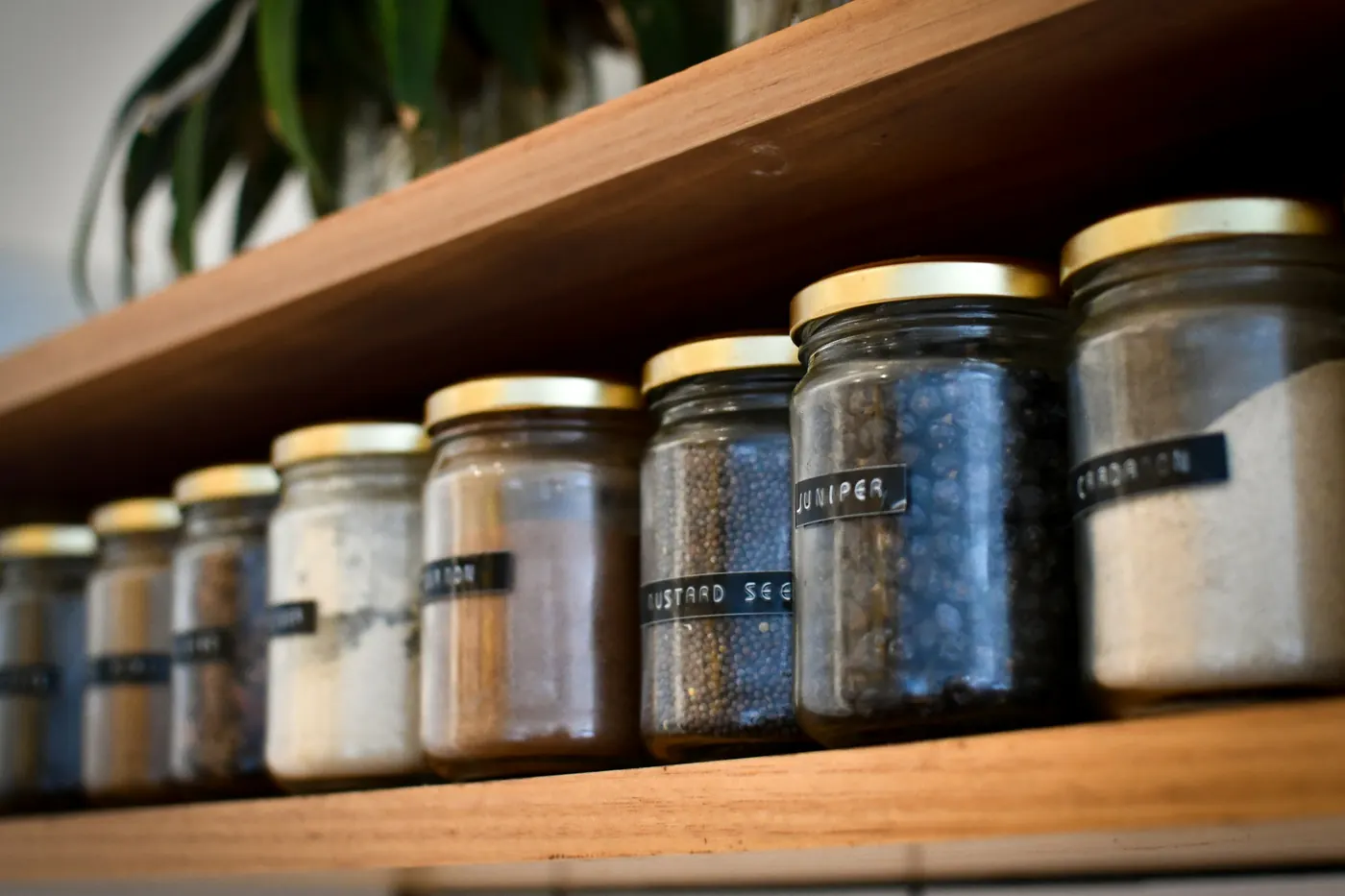
How long spices last. Spices do not spoil the way fresh food does; they slowly lose aroma. McCormick’s guidance is roughly 2 to 4 years for ground spices, about 4 years for whole spices and 1 to 3 years for leafy herbs, stored properly, which it defines as away from heat, moisture and direct sunlight. That means not in a rack above the stove. Buy whole cumin and allspice where you can, toast and grind what you need, and smell a jar before you use it: if it smells of little, it will taste of little.
2. Penzeys Mexican Oregano, 0.2 oz Jar – The Right Oregano for Pozole

The most common pantry mistake in Mexican cooking is using Mediterranean oregano where a recipe means Mexican. Penzeys, an American spice merchant, labels this jar plainly as Mexican oregano, and the listing describes it in one line: strong, pungent and less sweet, great for chili.
Use it where recipes call for Mexican oregano: pozole, beans, salsa, enchilada sauce and chili. Crumble it between your fingers as it goes into the pot, which releases its oils.
At 0.2 ounce, a quarter-cup jar, this is a very small amount. For a herb that loses aroma within a few years, that is not a bad thing: you will use it up while it still smells strong, and it is an easy way to taste the difference before buying more.
Why we like it
- Clearly labeled Mexican oregano
- Strong, pungent, less sweet flavor, per the listing
- Sold by Penzeys Spices on Amazon
- Small jar you will finish while it is fresh
Key specifications
| Size | 0.2 oz jar (1/4 cup) |
|---|---|
| Count | 1 |
| Main ingredients | Mexican oregano (listing title; no ingredient list given) |
| Heat | None |
| Form | Dried herb (cut or whole not stated) |
| Allergens/diet | Not stated |
| Shelf storage | Away from heat, moisture and sunlight |
| Made in | Not stated |
Why we recommend it
Choose it if you have been using ordinary oregano in pozole and beans and want to try the herb the recipes actually mean, in a jar small enough to finish.
Skip it if you cook Mexican food several times a week. A larger bag of whole-leaf Mexican oregano will suit you better than a quarter-cup jar.
Pros and cons
Pros
- The correct oregano for Mexican dishes
- Known spice merchant
- Very small jar, easy to finish
Cons
- Only 0.2 ounce
- Listing gives little detail
Seasoning blends: taco seasoning and chile-lime salt
Blends are a convenience rather than a necessity. A well-stocked spice shelf of ground chile, cumin, Mexican oregano, garlic powder, onion powder, salt and pepper makes a taco seasoning in two minutes, and you control the salt. But a good jar saves time on a busy night, and two blends earn shelf space in many kitchens.
Taco seasoning is an American invention built on Mexican flavors: ground chile, cumin, oregano, garlic and onion, usually with salt and often with starch or sugar. Labels vary a great deal in how much salt and filler they contain, so read them. Our roundup of the best taco seasoning compares the main options and explains what to look for, and tacos vs. fajitas covers which seasoning goes where.
Chile-lime salt, of which Tajín is the best-known brand, is a mix of mild ground chile, salt and an acid, sprinkled on fruit, corn, cucumbers and the rim of a michelada. If your store is out, or you want less salt or more heat, our guide to the best Tajín alternative compares other blends and shows how to mix one at home. For how it is used on street corn, see elote vs. esquites.
Cans and jars: chipotles, tomatillos and salsas
Canned and jarred staples are where a Mexican pantry saves the most time. A good restaurant kitchen makes most things from scratch, but even there a can of chipotles in adobo is standard, because the smoked chiles and their sauce are hard to replicate at home.
- Chipotles in adobo. Smoked, dried jalapeños rehydrated in a tangy tomato, vinegar and spice sauce. One or two chiles and a spoon of sauce give smoke and heat to tinga, salsas, marinades, beans and mayonnaise. Our guides to chipotle peppers and adobo explain both halves of the can.
- Whole tomatillos. Fresh are better for salsa verde, but canned ones work in cooked green sauces when fresh are not in the store. Our guide to tomatillos explains the fruit, and salsa roja vs. salsa verde explains the two sauce families.
- Pickled jalapeños with carrots and onions, for tacos, tortas and nachos.
- Tomato sauce or puree for rice and quick red sauces.
- Bottled hot sauce, a thin, vinegary Mexican table sauce for eggs, chips and snacks.
- Enchilada sauce, if you want a shortcut; our guide to enchilada sauces explains red, green and mole versions, and how to make them from dried chiles.
How to store them. Unopened cans and jars keep in a cool, dry cupboard. Once you open a can, the USDA’s Food Safety and Inspection Service says unused portions must be refrigerated in clean containers. For chipotles, that usually means scraping the rest of the can into a small glass jar. Many cooks also freeze leftover chipotles one at a time on a tray, then bag them, so a single chile is always ready.
3. San Marcos Chipotle Peppers in Adobo Sauce, 7.5 oz – Smoke and Heat from a Can

San Marcos is a Mexican brand of canned chiles, and its chipotles in adobo are a straightforward version of the pantry classic. The listing describes ripe red jalapeños that are dried and smoked, then packed in a tangy adobo sauce.
Grocery retailers list the ingredients as chipotle peppers, tomato puree, onions, vinegar, canola oil, sugar, salt, paprika and garlic, and give the country of origin as Mexico. The listing suggests blending them into salsas, marinades, mayonnaise and sauces, and using them in tinga, chili, tacos, beans, soups and stews.
The listing’s own advice is the right one: start with one pepper and a spoonful of sauce, then adjust. Chipotles are hotter than their smoky sweetness suggests, and a whole can will overpower a pot.
Why we like it
- Product of Mexico, per retailer listings
- Short ingredient list with tomato, vinegar and spices
- Works in tinga, salsas, marinades and beans
- Single 7.5-ounce can, a sensible home size
Key specifications
| Size | 7.5 oz can |
|---|---|
| Count | 1 |
| Main ingredients | Chipotle peppers, tomato puree, onions, vinegar, canola oil, spices |
| Heat | Smoky and spicy (listing) |
| Form | Whole chiles in sauce |
| Allergens/diet | Not stated |
| Shelf storage | Cupboard unopened; refrigerate leftovers in a clean container |
| Made in | Mexico (retailer listings) |
Why we recommend it
Choose it if you want one can in the cupboard that adds smoke and depth to almost anything, from a weeknight chicken tinga to a pot of beans.
Skip it if you cook with chipotles every week. A multi-can pack makes more sense, and once opened a single can needs to be moved to a jar in the fridge or frozen.
Pros and cons
Pros
- Made in Mexico
- Big flavor from a small amount
- Long cupboard life unopened
Cons
- Leftovers must be moved and refrigerated
- Easy to overdo the heat
Pastes that carry a whole dish: achiote and mole
Two pastes do something no single spice can: they carry an entire regional flavor in a brick or a jar.
Achiote paste, also called recado rojo, is ground annatto seed mixed with garlic, spices and an acid. It gives food a deep red-orange color and an earthy, faintly peppery flavor with almost no heat. It is the base of Yucatecan cochinita pibil and pollo pibil, and it colors al pastor. Dissolve a piece in sour orange juice, or orange and lime juice, and use it as a marinade. Our guides to achiote and cochinita pibil explain the tradition.
Mole is the opposite of a quick sauce: dozens of ingredients, including several dried chiles, nuts or seeds, spices, dried fruit and often chocolate, ground and cooked for hours. Making it from scratch is a project, and even in Mexico many families buy mole paste or ready-made mole from the market or store. A jar of it turns leftover chicken and a stack of tortillas into enmoladas. Our guide to what mole is covers the main types, from mole poblano to the moles of Oaxaca, and the regional Mexican cuisines guide explains where each comes from.
4. El Yucateco Achiote Paste, 3.5 oz – Yucatecan Color and Flavor

El Yucateco is a brand from the Yucatán, best known for its hot sauces, and its achiote paste is one of the most widely sold in the United States. The listing gives the country of origin as Mexico.
Retailer listings give the ingredients as water, annatto seed, corn flour, salt, garlic and spices, with acetic acid and sodium benzoate as a preservative. It comes as a firm block that you break up and dissolve in citrus juice before using, rather than rubbing it on dry.
A 3.5-ounce block is enough to marinate a pork shoulder for cochinita pibil or several chickens. Wrapped tightly after opening, it keeps well, and a little also colors and flavors rice or grilled fish.
Why we like it
- Made in Mexico, per the listing
- The base for cochinita pibil and al pastor-style marinades
- Deep red color with almost no heat
- One small block goes a long way
Key specifications
| Size | 3.5 oz block |
|---|---|
| Count | 1 |
| Main ingredients | Water, annatto seed, corn flour, salt, garlic, spices |
| Heat | None to very mild |
| Form | Firm paste |
| Allergens/diet | Contains corn; preservative (sodium benzoate) |
| Shelf storage | Not stated; wrap tightly once opened |
| Made in | Mexico (listing) |
Why we recommend it
Choose it if you want to make cochinita pibil, pollo pibil or a red al pastor-style marinade at home. There is no easy substitute for its color and flavor.
Skip it if you avoid preservatives or corn. The block contains corn flour and sodium benzoate, according to retailer listings.
Pros and cons
Pros
- Authentic Yucatecan staple
- Small block, many uses
- Made in Mexico
Cons
- Contains a preservative
- Needs citrus juice to loosen it
5. Doña María Traditional Mole Ready to Serve, 19.04 oz – Mole Without the Project

Doña María is the best-known supermarket mole brand in Mexico and the United States. Its classic product is a concentrated paste in a glass jar that you thin with broth; this version is ready to serve, so you only heat it.
The listing says it is made with dried chiles, nuts, spices and chocolate, and describes the flavor as sweet and spicy. H-E-B’s listing says it is made in Mexico with no preservatives. A retailer’s preparation note says to heat it in a saucepan, bring it to a boil and simmer for about two minutes.
The package holds 19.04 ounces, enough to sauce a whole chicken. Pour it over poached chicken with rice, or dip warm tortillas in it for enmoladas and top them with sesame seeds and onion.
Why we like it
- Ready to heat; no thinning or frying needed
- Dried chiles, nuts, spices and chocolate, per the listing
- Made in Mexico with no preservatives, per H-E-B
- Enough to sauce a whole chicken
Key specifications
| Size | 19.04 oz |
|---|---|
| Count | 1 |
| Main ingredients | Dried chiles, nuts, spices, chocolate |
| Heat | Sweet and spicy (listing) |
| Form | Ready-to-serve sauce |
| Allergens/diet | Contains nuts (listing); check the label |
| Shelf storage | Cupboard unopened; refrigerate leftovers |
| Made in | Mexico (H-E-B listing) |
Why we recommend it
Choose it if you love mole but will not spend a day making it. It is a sensible way to put mole on a weeknight table.
Skip it if you want to adjust the sauce yourself. The concentrated paste lets you control thickness and add your own chocolate or broth; this one is already finished.
Pros and cons
Pros
- Fast and easy
- Well-known Mexican brand
- No preservatives, per H-E-B
Cons
- Less control than the paste
- Contains nuts
Beans and rice: the everyday staples
Rice and beans come with almost everything at a Mexican restaurant, and our guide to why rice and beans come with everything explains how that tradition grew. At home they are the cheapest and most forgiving part of the pantry.
Dried beans. Pinto beans are the standard in northern Mexico and Texas; black beans dominate in the south and the Yucatán. Cook them with onion, garlic and, for black beans, a sprig of epazote, then eat them whole as frijoles de la olla, simmer them with bacon and chiles as charro beans, or fry and mash them. Our guide to charro beans vs. refried beans covers both. Old dried beans can take much longer to soften, so buy from a store that sells a lot of them and use them within a year or so.
Rice. Long-grain white rice is the base of arroz rojo, the tomato rice served with so many plates. It is toasted in oil before the liquid goes in, which keeps the grains separate. Our guide to Mexican rice vs. Spanish rice explains the difference.
How to store them. Airtight jars or bins keep out moisture and pantry insects. Label them with the date you bought them.
The sweet shelf: piloncillo, chocolate, vanilla and canela
Mexican desserts and hot drinks lean on a small group of ingredients with very particular flavors. Our guide to Mexican desserts shows where each one ends up.
Piloncillo is unrefined cane sugar: the juice of sugar cane boiled down and poured into cone-shaped molds to harden. Because the molasses is never separated out, it tastes deeper and more caramel-like than white sugar, and it is not quite the same as American brown sugar, which is usually refined sugar with molasses added back. It sweetens café de olla, capirotada, calabaza en tacha and ponche. Shave it with a serrated knife or grate it, or simply drop a piece into a pot of hot liquid to dissolve. Across Latin America the same kind of sugar is often called panela.
Mexican chocolate comes in rough, sweetened tablets, often with cinnamon, made for whisking into hot milk or water rather than eating as a bar. The grainy texture comes from the sugar in it. It is also the chocolate that goes into some moles. Our roundup of the best Mexican hot chocolate compares the tablet brands and the drinking style, and our guide to Mexican Christmas food explains its place in the holidays.
Vanilla is a Mexican plant, the cured pod of an orchid first grown by the Totonac people of Veracruz, as our guide to Mexican vanilla explains. Real Mexican vanilla extract is worth having for flan, arroz con leche and baking. Buy it carefully: in 2008 the FDA warned consumers about cheap so-called Mexican vanilla that may contain coumarin from tonka beans, a substance that federal rules prohibit in food in the United States. The FDA’s advice was to avoid any product that lists tonka bean or has a vague or missing ingredient list. Our roundup of the best Mexican vanilla covers how to tell real extract from the risky kind.
Canela, covered above with the spices, belongs here too: a stick in a pot of coffee, rice pudding or hot chocolate is one of the defining smells of a Mexican kitchen.
Cajeta, a caramel made from goat’s milk, comes in jars and keeps in the cupboard until opened. Our guide to cajeta vs. dulce de leche explains how it differs from the cow’s-milk version.
How to store them. Keep piloncillo wrapped and dry; it hardens further in dry air and gets sticky in humid air. Chocolate tablets should stay cool and away from strong smells. McCormick places vanilla extract among the pantry items that keep indefinitely, so a good bottle will not go to waste.
6. Loma Vista Piloncillo, 2 x 6 oz Cones – Cane Sugar for Café de Olla

Piloncillo is one of the few Mexican staples that is genuinely hard to replace, and keeping a couple of cones means it is there when you want café de olla or a pot of ponche. Loma Vista’s listing describes it as made from crushed sugar cane, the juice boiled and poured into molds, in a pack of two 6-ounce cones. It says Loma Vista is a family business from Albuquerque, New Mexico, since 1988.
The listing names atole, capirotada, champurrado and flan among the desserts made with it, and notes it can be blended with spices such as anise, cayenne or chocolate.
Two small cones cover a batch or two of café de olla or a capirotada, so buy more for a big holiday pot. Kept wrapped in a dry cupboard, piloncillo lasts a long time; the listing gives no shelf life or ingredient panel.
Why we like it
- Cane juice boiled and molded, per the listing
- Two 6-ounce cones, easy to use up
- Family business since 1988, per the listing
- Grate or melt into drinks and desserts
Key specifications
| Size | 6 oz per cone |
|---|---|
| Count | 2 cones |
| Main ingredients | Sugar cane, as the listing describes it |
| Heat | None |
| Form | Solid cones |
| Allergens/diet | Not stated |
| Shelf storage | Wrapped, in a dry cupboard |
| Made in | Not stated |
Why we recommend it
Choose it if you want to make café de olla, capirotada or ponche the traditional way. Brown sugar works in a pinch, but piloncillo has a deeper, rounder flavor.
Skip it if you only bake occasionally. A solid cone takes some effort to grate, and brown sugar is easier for everyday baking.
Pros and cons
Pros
- Traditional cone shape
- Small pack, so it stays fresh
- Named family maker
Cons
- Hard to grate
- Only two small cones
- Origin and ingredient panel not stated
Crema and cheese: what keeps and what does not
Dairy is the one part of a Mexican kitchen that mostly lives in the fridge, but a few points help with planning.
- Media crema, the canned or boxed table cream sold by Nestlé and others, is shelf-stable until opened, according to retailer listings, and must be refrigerated once opened. It is a useful backup when there is no fresh crema in the house. It stays pourable at room temperature and thickens in the fridge.
- Fresh crema, queso fresco and panela are fresh dairy. Keep them refrigerated and use them within the date on the package.
- Cotija is an aged, salty, crumbly cheese. It is firmer and drier than queso fresco, but it is still cheese and still belongs in the fridge.
Our guide to Mexican cheeses explains which cheese goes where, from melting Oaxaca to crumbling cotija.
A starter list of Mexican pantry staples
You do not need everything on this page to start cooking. Here is a short list that covers most everyday dishes, and what to add as you go.
| Staple | What it does | Start with | Add later |
|---|---|---|---|
| Dried chiles | Body, color and heat for sauces | Ancho and guajillo | Pasilla, árbol, chipotle, mulato |
| Masa harina | Tortillas, gorditas, tamales | One bag of white masa harina | Tamal masa, blue corn, heirloom corn |
| Mexican oregano | Herbal, citrusy seasoning | One small jar | A larger bag of whole leaves |
| Spices | Warmth and depth | Cumin, canela, bay leaves | Allspice, cloves, whole cumin to toast |
| Chipotles in adobo | Smoke and heat | Two cans | A multi-can pack |
| Other cans and jars | Quick sauces and toppings | Pickled jalapeños, tomato sauce | Canned tomatillos, hominy, hot sauce |
| Pastes | Regional flavor in one step | Achiote paste | Mole paste or ready mole |
| Beans and rice | Everyday sides | Pinto or black beans, long-grain rice | Both kinds of beans |
| Sweet staples | Drinks and desserts | Piloncillo or Mexican chocolate | Mexican vanilla, cajeta |
| Blends | Convenience | Chile-lime salt | A taco seasoning you like |
Storage habits that keep a dry store fresh
The enemies of a dry store are always the same: heat, light, moisture, air and time. A few habits from restaurant dry storage carry over well to a home kitchen.
- Airtight containers. Move chiles, masa harina, beans and rice out of torn bags into jars, tubs or zip-top bags with the air pressed out.
- Cool and dark. A cupboard away from the stove and the dishwasher, not a sunny shelf or a rack above the burners.
- Label and date. A strip of tape with the item and the date bought. First in, first out.
- Buy whole, grind small. Whole chiles and whole spices keep their aroma longer than ground ones.
- Refrigerate what is opened. Cans, jars of salsa, mole and media crema go in the fridge once opened, in clean containers.
- Use the freezer. Dried chiles, leftover chipotles, and nuts and seeds for mole keep well frozen.
- Check by smell. If a spice or herb smells faint, it will taste faint. Replace it.
Questions about Mexican pantry staples, answered
What are the most important Mexican pantry staples?
Dried chiles, masa harina, Mexican oregano, cumin, canela, chipotles in adobo, dried beans and rice cover most everyday Mexican cooking. Add piloncillo or Mexican chocolate for drinks and desserts, and achiote paste or mole as you cook more regional dishes.
Can I use regular oregano instead of Mexican oregano?
It will work, but it tastes different. Mexican oregano is a different plant from Mediterranean oregano, with a more citrusy flavor. If you have no Mexican oregano, our guide to Mexican herbs suggests marjoram as a closer match.
How long do dried chiles last?
Kept airtight in a cool, dark place, whole dried chiles hold their flavor for many months, and longer in the freezer. They are past their best when they turn brittle, pale or dusty and smell of little. Whole chiles keep their aroma longer than ground chile powder.
Is masa harina the same as cornmeal?
No. Masa harina is made from corn that has been nixtamalized, cooked in an alkaline solution, before it is ground. That is what lets it form a dough that holds together as a tortilla. Cornmeal and ordinary corn flour have not been through that process.
What can I use instead of piloncillo?
Dark brown sugar is the usual substitute, sometimes with a little molasses. It is close, but piloncillo has a rounder, more caramel-like flavor because its molasses was never removed in the first place.
How do I store an opened can of chipotles in adobo?
Move the leftovers into a clean glass or plastic container and refrigerate them, as the USDA advises for opened canned food. For longer storage, freeze the chiles individually on a tray, then keep them in a freezer bag.
Building a Mexican pantry, one dish at a time
A good Mexican pantry is not bought in one trip. It grows from the dishes you cook: a bag of guajillos for your first pozole, a can of chipotles for tinga, a cone of piloncillo for café de olla on a cold morning. Start with chiles, masa harina, oregano and beans, store them well, and add the rest as each recipe asks for it. For the tools that go with them, see our guide to Mexican cooking tools, and for serving a crowd, taco bar supplies.
Chiles and spices: the best places to buy dried chiles online, the best Mexican spices, the best Mexican oregano, the best achiote pastes, the best chipotle peppers in adobo, the best Tajin flavors and taco seasoning vs fajita seasoning. Sauces and jars: the best jarred salsas, the best jarred salsa verde, the best salsa macha, the best Mexican hot sauces, our Valentina hot sauce review, Mexican hot sauce vs Louisiana hot sauce, the best store-bought enchilada sauces, the best mole sauces to buy, mole paste vs powder, the best chamoy sauces and chamoy vs Tajin. Beans and corn: the best canned refried beans, the best tortilla chips and the best tostada shells. The sweet shelf: the best piloncillo brands, piloncillo vs brown sugar, the best cajeta brands and our Molina Mexican vanilla review.
And on the nights you would rather not cook at all, see the menu or call to order.