Good pasta is mostly flour, egg and water, and the difference between a gummy batch and a silky one is technique a book can actually teach. That is why a pasta book is worth owning even if you already have a machine. The machine rolls the dough. It does not tell you when the dough is ready.
Pasta books also vary more than their covers suggest. Some teach dough, some collect sauces, and some are really about a place or a person. This page picks eight from named chefs and cooks at established publishers, and for each says what the book covers and whose opinion we are relying on.
Julia’s earns a commission on purchases made through links on this page, at no cost to you. Recommendations are based on what a working kitchen looks for in a cookbook, publisher and author information and published reviews, which we name.
Quick verdict: which pasta cookbook to buy
The best pasta cookbook for most people is Missy Robbins and Talia Baiocchi’s Pasta: it teaches dough and 45 shapes, then gives you real dinners to cook. If you have never made dough, choose America’s Test Kitchen’s Fresh Pasta at Home, which works with or without a machine. If you never want a machine at all, choose Evan Funke’s American Sfoglino.
All eight have a published review we can name. Seven were reviewed by Publishers Weekly, and American Sfoglino rests on BellaOnline, its publisher’s award list and one critical newsletter. If you are still choosing the machine, start with our guide to the best pasta maker.
Five pasta books side by side
Five of the eight, one for each kind of cook, with details from each listing, publisher or review. All eight are described in full below.
| Book | Best for | Scope | Length | Buy on Amazon |
|---|---|---|---|---|

Pasta, Missy Robbins and Talia BaiocchiBest overall
|
The whole subject, start to finish | Dough, 45 shapes, then finished dishes | 416 pages | View on Amazon |

Fresh Pasta at Home, America’s Test KitchenBest for beginners
|
A first batch of dough | 10 doughs, 20 shapes, 100+ recipes | 272 pages | View on Amazon |

American Sfoglino, Evan Funke with Katie ParlaBest for hand-rolling
|
Rolling-pin purists | 4 doughs, 15 classic shapes | 272 pages, hardcover | View on Amazon |

Mastering Pasta, Marc Vetri with David JoachimBest for technique
|
Understanding flour and dough | Flours, dough, ravioli, gnocchi, risotto | 272 pages | View on Amazon |

Pasta Grannies, Vicky BennisonBest award winner
|
Learning by watching | Regional shapes and sauces, with video links | 256 pages | View on Amazon |
Cover images from Amazon. Page counts are for the editions linked, as given by the publisher or Publishers Weekly.
Our picks for the best pasta cookbook, book by book
The order runs from the broadest book to the more particular ones. We have not cooked our way through these books. Where we describe a strength, we say whose view it is, and all eight were in stock in print when we checked.
1. Pasta, Missy Robbins and Talia Baiocchi – Dough, Shapes and Sauce in One Book
Pasta: The Spirit and Craft of Italy’s Greatest Food comes from Missy Robbins, who runs Lilia in Brooklyn, and Talia Baiocchi, editor-in-chief of Punch magazine. Publishers Weekly calls it a soulful guide to the art and craft of making pasta, and its reading of the book explains why it sits first here: Robbins asks you to judge dough by feel and sound rather than by a timer.
The review describes the craft side as dough types and 45 shapes, including fettuccine, orecchiette and bucatini. Then come the dishes, in three groups: Italian-American food such as spaghetti and meatballs and a baked ziti, regional classics such as a Sicilian pasta with tomato and almond pesto, and modern dishes such as cappelletti filled with ricotta and Tuscan kale.
That spread is why one book can last. Someone who only wants a good baked ziti gets one, and someone who wants to spend a Sunday on filled pasta has somewhere to go next. It is also a long book at 416 pages, and it asks for attention. If the idea of learning dough by its sound puts you off, the America’s Test Kitchen book below is the more literal choice.
Why we like it
- Publishers Weekly calls it a soulful guide to the craft
- Covers dough types and 45 shapes, per the review
- Moves from Italian-American dishes to regional and modern ones
- Teaches feel and sound rather than timers
Key specifications
| Author | Missy Robbins and Talia Baiocchi |
|---|---|
| Publisher | Ten Speed Press |
| Year | 2021 |
| Pages | 416 (Publishers Weekly) |
| Recipes | Not stated |
| Focus | Dough, shapes and finished pasta dishes |
| Best for | Cooks who want one serious pasta book |
| Review evidence | Publishers Weekly |
Why we recommend it
This suits a cook who wants one pasta book to grow with: enough technique to learn shapes properly and enough dishes to cook from on an ordinary night.
Skip it if you want exact timings for a first batch of dough; a book that teaches by feel can frustrate a true beginner.
Pros and cons
Pros
- Wide range of shapes
- Dishes run from homey to modern
- Publishers Weekly’s review is warm throughout
Cons
- Long, at 416 pages
- Teaching by feel takes practice
- Recipe count not stated
2. Fresh Pasta at Home, America’s Test Kitchen – A Clear Route to a First Batch
The listing’s title sums this one up: 10 doughs, 20 shapes and more than 100 recipes, with or without a machine. That last part matters if you have not bought a pasta maker yet, because you can start with a rolling pin and decide later.
Publishers Weekly describes a hearty collection with dough types, shapes, dinner entrées, a smaller set of filled pastas and a closing chapter of sauces, and it calls the book a thorough resource that gives home cooks plenty of ways to test their skills. The review counts about 18 shapes where the title says 20, so treat the numbers as approximate.
America’s Test Kitchen books come from a team of editors rather than one chef, and that is the trade-off: you get a broad, organized reference and less of a personal voice than Robbins or Bennison offer. For a first book, many cooks will take that trade. Pair it with a kitchen scale, since measuring flour accurately makes dough much easier to repeat.
Why we like it
- Works with or without a machine, per the title
- Includes sauces as well as doughs
- Publishers Weekly calls it a thorough resource
- Covers many doughs in a single book
Key specifications
| Author | Editors of America’s Test Kitchen |
|---|---|
| Publisher | America’s Test Kitchen |
| Year | 2022 |
| Pages | 272 (Publishers Weekly) |
| Recipes | 100+ (listing title) |
| Focus | Fresh dough, shapes and sauces |
| Best for | Beginners, with or without a machine |
| Review evidence | Publishers Weekly |
Why we recommend it
This is the safest first purchase for someone who has never made pasta and does not yet own a machine.
Skip it if you want a chef’s voice and stories with your recipes.
Pros and cons
Pros
- No machine required
- Broad range of doughs
- Sauces included
Cons
- Fewer filled pastas than entrées, per the review
- Less personal than a chef’s book
- Shape count differs between title and review
3. American Sfoglino, Evan Funke with Katie Parla – All by Hand, No Machine
A sfoglino is a pasta maker who rolls by hand, and that is this book’s whole premise. Evan Funke, chef-owner of Felix Trattoria in Venice, California, trained in Emilia-Romagna; Chronicle Books says the book uses flour, eggs and a rolling pin, with no machine at all. It builds from four foundational doughs to 15 classic shapes, from pappardelle to tortelloni. Katie Parla, a Rome-based food writer, is the co-author.
Chronicle lists the 2020 James Beard Award for Photography, for Eric Wolfinger’s pictures, and a 2020 IACP award in the Chefs and Restaurants category. Karen Hancock at BellaOnline, working from a free review copy, called it excellent, praised the step-by-step photographs and said it would suit anyone wanting a good primer, while noting that most home cooks prefer machines.
One published caution belongs here too. Jacob Dean, writing in his Pandemic Kitchen newsletter after a three-day lasagna project, reported that the volume measurements were significantly off: the book’s broth was meant to yield nine quarts and he got about 4.5. That is one cook and one recipe, but plan the longer projects with some margin, and do not rely on a stated yield until you have made the recipe once.
Why we like it
- Hand-rolled from start to finish, per Chronicle
- 2020 James Beard Award for Photography
- Step-by-step photographs, per BellaOnline
- Four doughs lead to 15 shapes
Key specifications
| Author | Evan Funke with Katie Parla |
|---|---|
| Publisher | Chronicle Books |
| Year | 2019 |
| Pages | 272 (publisher) |
| Recipes | Not stated |
| Focus | Hand-rolled egg pasta of Emilia-Romagna |
| Best for | Cooks who want to skip the machine |
| Review evidence | BellaOnline; Pandemic Kitchen |
Why we recommend it
This suits a patient cook who likes the idea of pasta as a skill. You need a long rolling pin, a big board and some free afternoons.
Skip it if you own a roller and intend to use it, or if you want weeknight food.
Pros and cons
Pros
- No equipment beyond a pin and board
- Award-winning photography
- Teaches one focused regional tradition
Cons
- One published report of inaccurate yields
- Hand-rolling is slow to learn
- Narrower range than Robbins
4. Mastering Pasta, Marc Vetri with David Joachim – How Flour Changes Dough
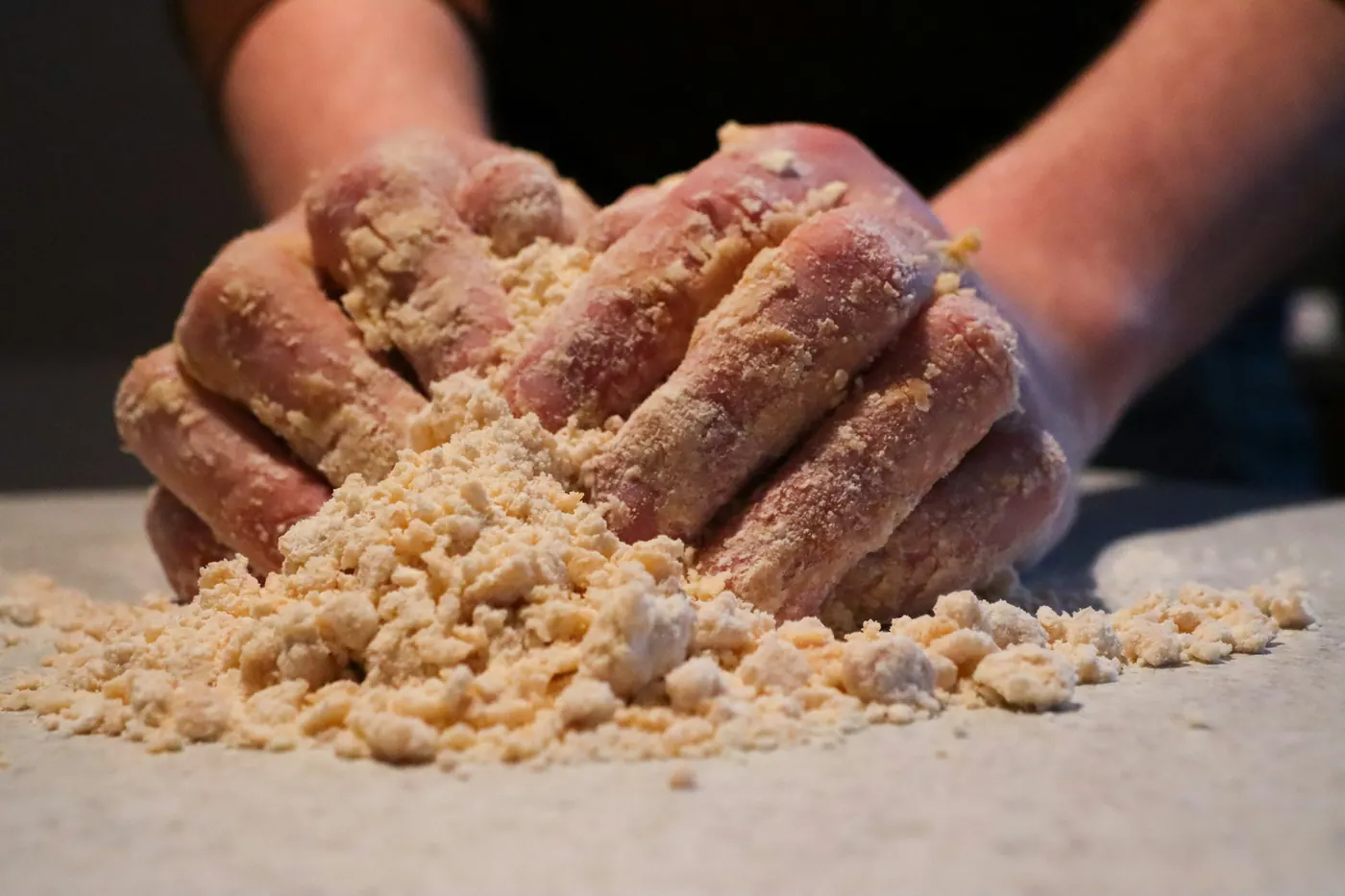
If you want to know why a dough behaves as it does, start here. Marc Vetri, the Philadelphia chef, wrote this with David Joachim, and Publishers Weekly calls it a master course. It starts with how different flours affect pasta and sets out a basic dough that the later recipes build on, then moves to ravioli, flavored pastas and gnocchi.
The title adds risotto, and the review says Vetri makes it seem simple. The dishes it names are ambitious on paper, such as corzetti with red bell pepper crema and fazzoletti with crab and burrata, though the reviewer found them easier than their names suggest. It also says plainly that this might not be the best book for beginners, while calling it worth a look for serious home cooks of Italian food.
That warning is useful. Read this as a second book, or as a first book only if you enjoy understanding the why before you cook. Publishers Weekly’s listing gives 272 pages, though the review itself says 200-plus.
Why we like it
- Explains how flours affect pasta, per Publishers Weekly
- One base dough supports later recipes
- Goes beyond noodles to gnocchi and risotto
- Its reviewer found the dishes easier than they sound
Key specifications
| Author | Marc Vetri with David Joachim |
|---|---|
| Publisher | Ten Speed Press |
| Year | 2015 |
| Pages | 272 (Publishers Weekly) |
| Recipes | Not stated |
| Focus | Flour, dough, filled pasta, gnocchi, risotto |
| Best for | Serious home cooks of Italian food |
| Review evidence | Publishers Weekly |
Why we recommend it
This suits a cook who has made a few batches, wants to know why some were better than others, and does not mind ambitious ingredients.
Skip it if this is your first pasta book; Publishers Weekly says as much.
Pros and cons
Pros
- Strong on the role of flour
- Covers gnocchi and risotto too
- A step up after a beginner book
Cons
- Not aimed at beginners, per the review
- Some dishes use luxury ingredients
- Recipe count not stated
5. Pasta Grannies, Vicky Bennison – Italy’s Home Cooks, Region by Region
Vicky Bennison’s Pasta Grannies grew out of her YouTube channel of the same name, which features Italian grandmothers making pasta. The book collects dozens of those recipes, and Publishers Weekly calls it an inviting cookbook of homey recipes that celebrates pasta-making traditions.
It appears on Wikipedia’s list of 2020 James Beard Foundation book awards, in the Single Subject category. For a cook, the practical point is different: the review says the recipes are easy to follow and link to video guides. A pasta shape is hard to learn from a paragraph and much easier when you can watch someone’s hands, so that link does real work.
The focus is regional home cooking, with anecdotes and tips along the way, rather than a course in technique. It reads more like a visit than a class. If your own family makes fideo on a weeknight without looking anything up, the spirit of this book will feel familiar, even though the food is Italian. Keep a drying rack or a floured tray to hand for the shapes you make.
Why we like it
- Listed among 2020 James Beard book awards, Single Subject
- Recipes link to video guides, per Publishers Weekly
- Regional shapes and sauces
- Warm, personal stories
Key specifications
| Author | Vicky Bennison |
|---|---|
| Publisher | Hardie Grant |
| Year | 2019 |
| Pages | 256 (Publishers Weekly) |
| Recipes | Dozens (Publishers Weekly) |
| Focus | Regional home pasta from Italian grandmothers |
| Best for | Cooks who learn by watching |
| Review evidence | Publishers Weekly; James Beard list |
Why we recommend it
This suits a cook who cares where a dish comes from and learns best by seeing it done.
Skip it if you want precise technique or a detailed explanation of doughs; look at Vetri or America’s Test Kitchen instead.
Pros and cons
Pros
- Video guides alongside the recipes
- Strong sense of place
- Award recognition
Cons
- Less technical than others here
- Depends on the video links for full value
- Recipe count given only as dozens
6. Flour + Water: Pasta, Thomas McNaughton – Restaurant Pasta by the Seasons

Thomas McNaughton is chef-owner of Flour + Water, a corner restaurant in San Francisco’s Mission district, and this book organizes pasta by what is in season. Publishers Weekly calls it a gem, and says its opening Dough section covers making, cooking and serving fresh pasta before 50 recipes divided by season.
The dishes it names show the style: zucchini tortellini with chicken cracklings, lemon farfalle with spring pea ragù, pappardelle with braised turkey legs, beet casonsei with poppy seeds. If your garden or market runs your menu, that structure helps, because you start with what you have rather than with a shape.
The reviewer says how-to photographs and thoughtful instructions should encourage even amateur cooks, and praises the headnotes. Even so, filled shapes are a good part of the appeal, so a ravioli mold may save you some time early on.
Why we like it
- Publishers Weekly calls it a gem
- 50 recipes arranged by season
- Opens with a full section on dough
- How-to photographs, per the review
Key specifications
| Author | Thomas McNaughton |
|---|---|
| Publisher | Ten Speed Press |
| Year | 2014 |
| Pages | 288 (Publishers Weekly) |
| Recipes | 50 (Publishers Weekly) |
| Focus | Seasonal restaurant pasta |
| Best for | Cooks led by the market |
| Review evidence | Publishers Weekly |
Why we recommend it
This suits a confident home cook who shops by season and likes restaurant ideas at home.
Skip it if you mostly want classic Italian-American dishes; Robbins or Munno will serve you better.
Pros and cons
Pros
- Clear structure by season
- Dough section first
- Well-written headnotes, per the review
Cons
- Fewer recipes than the bigger books
- Ingredients change by season by design
- Restaurant style will not suit every table
7. Lidia’s The Art of Pasta, Lidia Bastianich and Tanya Bastianich-Manuali – Sauces and Suppers, Chapter by Chapter

If you care more about what goes on the pasta than about making it, this is the book. Lidia Bastianich wrote it with her daughter, Tanya Bastianich-Manuali, and Knopf published it in 2025. Publishers Weekly calls it a valuable compendium of more than 100 recipes.
The review lists the chapters: tomato sauces, vegetable-forward dishes, seafood, meat, filled and baked pastas, gnocchi, and fresh pasta dough. Going by that list, most of the book is about dinner, and fresh dough is one part of it, not the point of it.
It comes with personal anecdotes and tips. The reviewer offers one useful warning: some recipes look simpler in the ingredient list than they are to make. Read a recipe through before you start, particularly on a weeknight. The review ends by saying Italophiles will relish it as an essential guide, and a pasta pot with a strainer is a handy partner for it.
Why we like it
- More than 100 recipes, per Publishers Weekly
- Chapters built around sauces and ingredients
- Includes baked, filled and gnocchi dishes
- Personal anecdotes and tips
Key specifications
| Author | Lidia Bastianich and Tanya Bastianich-Manuali |
|---|---|
| Publisher | Knopf |
| Year | 2025 |
| Pages | 272 (Publishers Weekly) |
| Recipes | More than 100 (Publishers Weekly) |
| Focus | Pasta dishes by ingredient and type |
| Best for | Weeknight cooks and sauce lovers |
| Review evidence | Publishers Weekly |
Why we recommend it
This suits a home cook who wants more pasta dinners in the rotation, with the option of making dough later.
Skip it if you want a detailed course on doughs and shapes.
Pros and cons
Pros
- Broad range of sauces
- The newest book on this page
- Most chapters are about dishes, not dough
Cons
- Some recipes are harder than they look, per the review
- Fresh dough is only one chapter
- Less shape-making than others here
8. The Pasta Queen, Nadia Caterina Munno with Katie Parla – Big Personality, Friendly Recipes

Nadia Caterina Munno built her audience on TikTok, and Publishers Weekly says her Italian ancestors were making dried pasta as far back as the 1880s. This was her debut, written with Katie Parla, the same co-author as American Sfoglino, and it could hardly be more different in spirit.
The review describes classic and family recipes: spicy penne all’arrabbiata, spaghetti all’amatriciana, a timballo that uses up leftover pasta, and American-style comfort dishes such as a silky mac and cheese. It also says the from-scratch instructions are detailed enough to help novices, with the tortellini shaping explained over several paragraphs.
Publishers Weekly’s closing line calls it thorough and infectiously jubilant. That voice is the point, and you will either enjoy it or not. The leftovers ideas stretch a pot of pasta further, and on a busy night a familiar penne is the kind of thing that actually gets made. Serve it in proper pasta bowls and you have a good night in.
Why we like it
- Publishers Weekly calls it a winner
- Mixes classics with American comfort dishes
- Includes ways to use leftovers
- Detailed from-scratch instructions
Key specifications
| Author | Nadia Caterina Munno with Katie Parla |
|---|---|
| Publisher | Gallery Books |
| Year | 2022 |
| Pages | 288 (Publishers Weekly) |
| Recipes | 100+ (listing title) |
| Focus | Classic and family pasta, comfort dishes |
| Best for | Home cooks who want fun dinners |
| Review evidence | Publishers Weekly |
Why we recommend it
This suits a cook who wants cheerful, approachable food, and who enjoys Munno’s videos.
Skip it if a big personality on the page gets in your way; Robbins is quieter and goes deeper.
Pros and cons
Pros
- Approachable dishes
- Novice-friendly dough instructions
- Uses for leftover pasta
Cons
- Less depth on regional tradition
- The strong voice is not for everyone
- A recipe collection more than a technique course
How to choose a pasta cookbook
Four questions sort these books quickly, and none of them is about the cover.
1. Are you learning dough, or looking for dinner?
If you want to make the pasta itself, look at Robbins, America’s Test Kitchen, Funke or Vetri. If you mostly want more dishes to cook, Bastianich and Munno are the better buys. A book can be excellent and still be the wrong kind for you, so settle this one first.
2. What equipment do you own?
Funke’s book needs only a pin and a board. America’s Test Kitchen works either way. Check the rest against what you have, and if you are buying a roller on a tighter budget, see the best value pasta maker. A roller and an extruder make different things, so a recipe written for one will not always suit the other.
3. How do you like to learn?
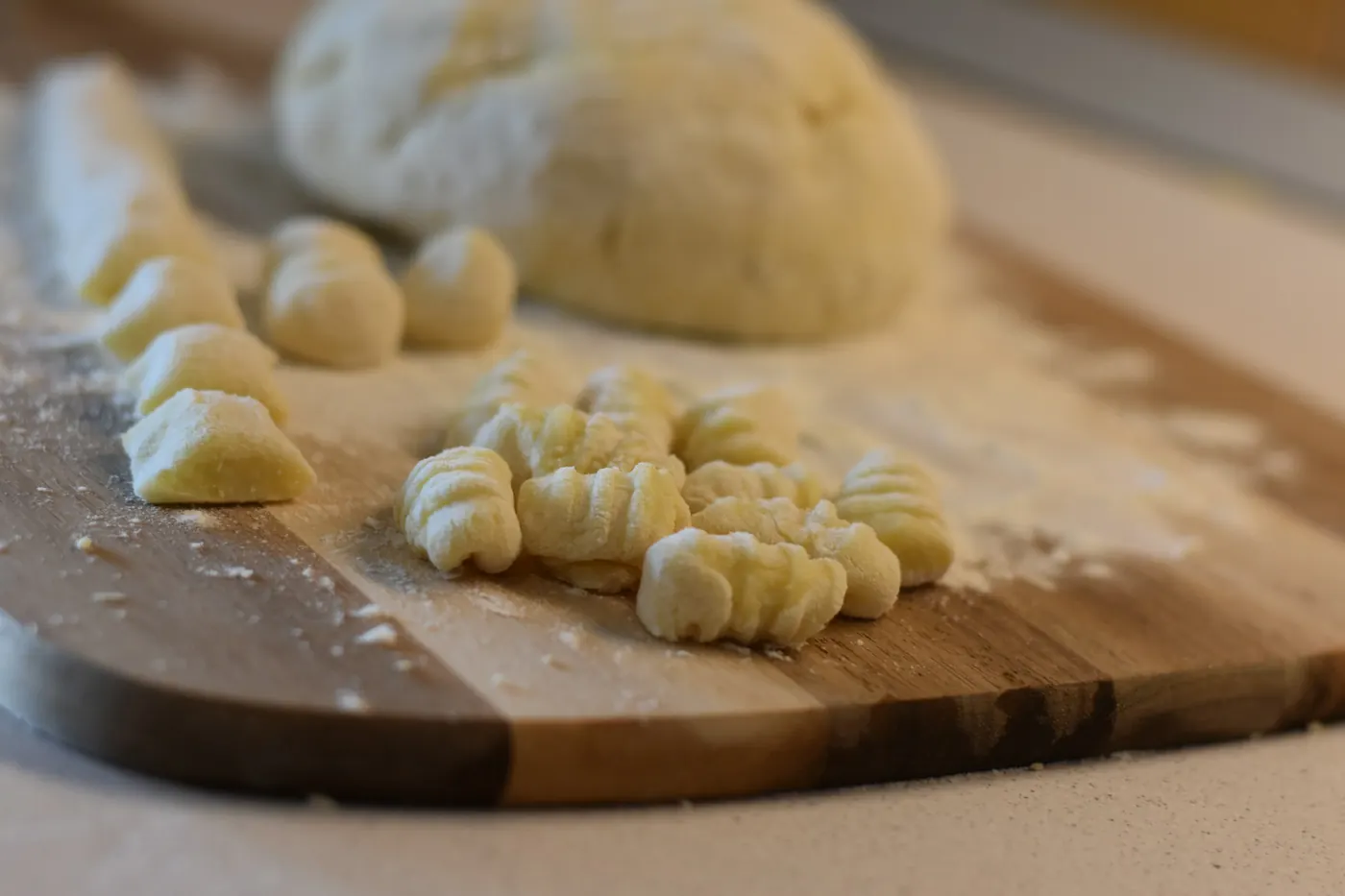
Pasta shapes are physical. Bennison’s video links help if you learn by watching, step-by-step photographs help if you prefer a page, and Robbins asks you to learn by feel. Be honest about which of those will actually get you to the counter.
4. Which flavors do you cook?
McNaughton’s seasonal dishes, Bennison’s regional shapes and Munno’s comfort food are very different meals. In a Mexican home kitchen, pasta usually means sopa de fideo or an espagueti in a creamy chile sauce, and these are Italian and Italian-American books, so look elsewhere for those dishes; our list of the best Mexican cookbooks is a good start. What these eight give you is dough and sauce skill that carries over.
How we picked these eight pasta books
We went through the Amazon book listings and kept only print books that were in stock in the United States when we checked, from a named author and an established publisher, and on the subject of pasta. We left out the self-published and AI-looking titles that crowd this category, and anything already on our other cookbook pages.
We then read what we could find. Publishers Weekly reviewed seven of these. For American Sfoglino we used Chronicle Books, BellaOnline and Jacob Dean’s Pandemic Kitchen newsletter. Award details come from the publisher or from Wikipedia’s list of James Beard book awards. We have not cooked from these books and do not claim to have.
Several well-known titles missed out for practical reasons. Linda Miller Nicholson’s Pasta, Pretty Please, Jenn Louis’s Pasta by Hand, Rachel Roddy’s An A-Z of Pasta, Oretta Zanini De Vita’s Encyclopedia of Pasta and Mateo Zielonka’s Pasta Masterclass were in short supply when we checked, and The Geometry of Pasta was not ready to ship. Marcella Hazan’s Essentials of Classic Italian Cooking covers all of Italian cooking, not just pasta. The Book of Pasta from Academia Barilla was left out because Publishers Weekly said its instructions assume familiarity with advanced technique.
Pasta cookbook questions, answered
What is the best pasta making book for a beginner?
Fresh Pasta at Home, because it covers doughs, shapes and sauces and works with or without a machine. Publishers Weekly also says The Pasta Queen gives instructions detailed enough for novices, if you prefer a warmer voice.
Do I need a pasta machine to use these books?
Not for all of them. American Sfoglino is written for a rolling pin, and Fresh Pasta at Home gives both routes. The publishers and reviews we read do not say either way for several of the others, so a roller is a sensible purchase if you plan to make sheet pasta often.
Which pasta cookbook has won a James Beard Award?
Pasta Grannies appears on Wikipedia’s list of 2020 book awards in Single Subject, and American Sfoglino took the 2020 award for Photography, according to its publisher.
Which book is best for sauces rather than dough?
Lidia’s The Art of Pasta. Publishers Weekly lists chapters on tomato sauces, vegetables, seafood and meat, with fresh dough as one section among many.
Are these books good for gnocchi?
Mastering Pasta and Lidia’s The Art of Pasta both include it, according to Publishers Weekly, and BellaOnline’s review mentions a gnocchi dough in American Sfoglino.
Our last word on pasta books
Buy the book that matches how you will actually cook: Robbins for the whole subject, America’s Test Kitchen for a first batch, Funke if a rolling pin is the point. Then get your gear in order with our best pasta maker guide and a cookbook stand to keep floury hands off the pages. If you would rather someone else did the cooking tonight, see the menu and call to order from Julia’s.